The DM Physio team

Who we are

At DM Physio, we work with people who have pain, injuries, restricted movement, or symptoms related to muscles, joints and the peripheral nervous system.

Our focus is not simply to apply a procedure. We first look at what may be keeping the problem going: movement, load, weak links, habits, previous injuries, or irritation of a nerve structure.

Our aim is practical: to reduce symptoms, improve movement and give you a clear plan that also makes sense outside the clinic.

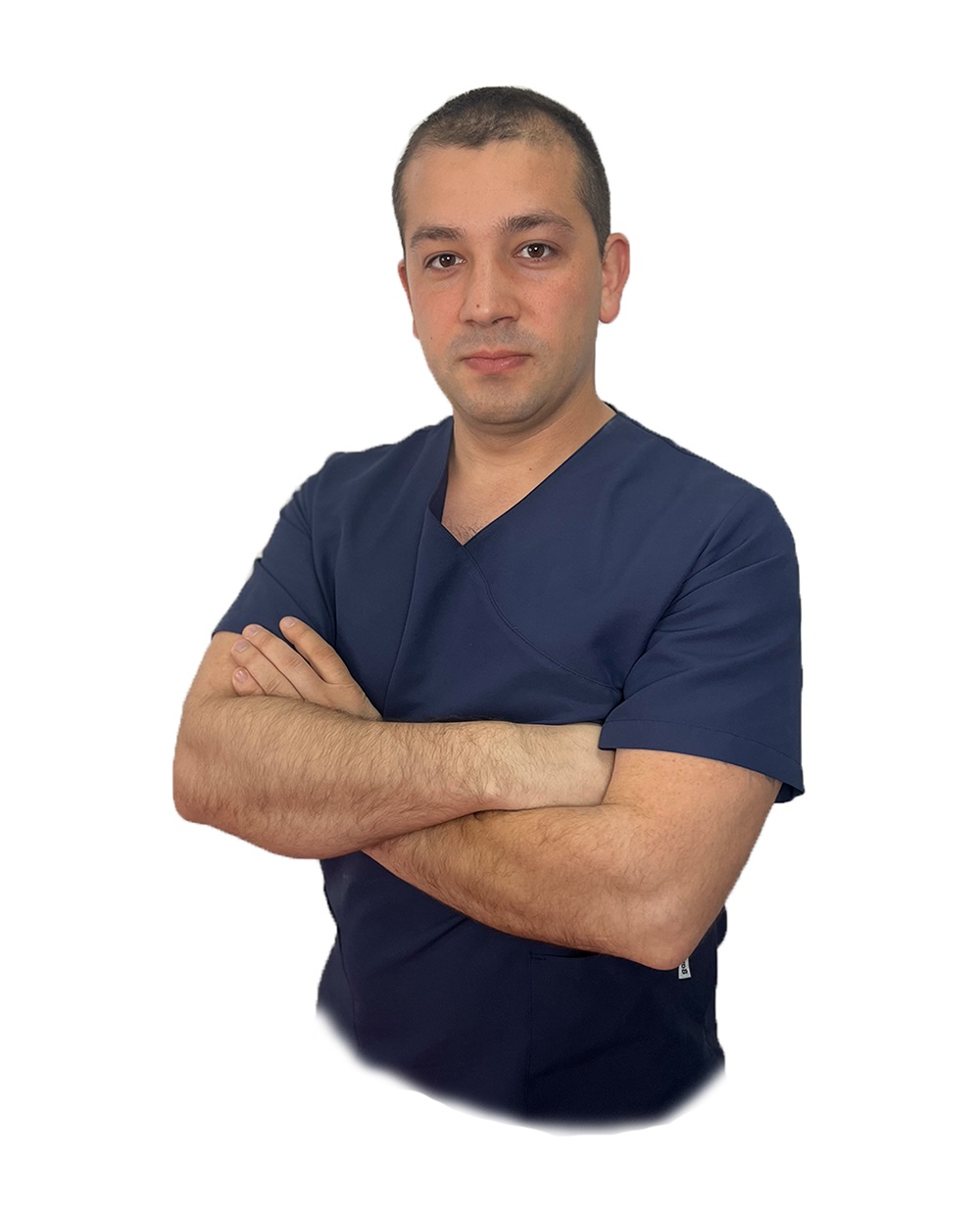
Daniel Mitev, physiotherapist at DM Physio

Daniel Mitev

Physiotherapist
BSc in Physiotherapy, NSA, 2019

Daniel mainly works with musculoskeletal injuries, pain and peripheral neurological conditions. His approach begins with a functional assessment, then builds a clear, practical plan around the likely contributors to your symptoms.

He combines hands-on techniques, exercise, neuromuscular control and guidance on how to manage load in daily life. The goal is not a short-lived effect, but a better understanding of your body and a meaningful change in movement.

Further training and areas of practice:

  • Musculoskeletal injuries
  • Peripheral neurological conditions
  • Dry needling
  • Kinesiology taping
  • Mulligan Concept
  • Schroth therapy
  • Osteopathic techniques
Elitsa Koleva, physiotherapist at DM Physio

Elitsa Koleva

Physiotherapist
BSc in Physiotherapy, 2024

Elitsa works with people experiencing pain, injuries and movement difficulties, with a focus on musculoskeletal conditions and peripheral nerve symptoms. She looks at both the symptom and the way a person moves and loads their body.

Her approach is calm and structured, helping you understand what may be happening and what you can do to support progress in everyday life.

Further training and areas of practice:

  • Physiotherapy for pain and injuries
  • Musculoskeletal conditions
  • Peripheral nervous system
  • Dry needling
  • Kinesiology taping
  • Mulligan Concept
  • Schroth therapy

How we work

We do not expect you to choose a procedure on your own. When it is unclear where the problem is coming from, a functional assessment is usually the most sensible first step.

That means starting with a real check of movement, symptoms and how your body responds, rather than guessing.

1. We assess movement

We look at movement range, strength, control, sensitivity, aggravating movements and the factors that make symptoms better or worse.

2. We explain the findings

We use clear language instead of unexplained medical terms, so you know what may matter for your problem and what does not need to cause unnecessary worry.

3. We choose an appropriate approach

Depending on your situation, we combine manual work, exercise, graded loading and practical guidance for daily life.

4. We follow progress

The plan is not fixed blindly. We adapt it to your response, changes in pain, movement and your ability to manage daily activities.

Not sure where to start?

If you have pain, tingling, restricted movement, or are unsure which service is right for you, a functional assessment is a sensible first step.

That lets us start with the factors behind the symptoms, rather than an arbitrarily chosen procedure.

Book a functional assessment