DM Physio
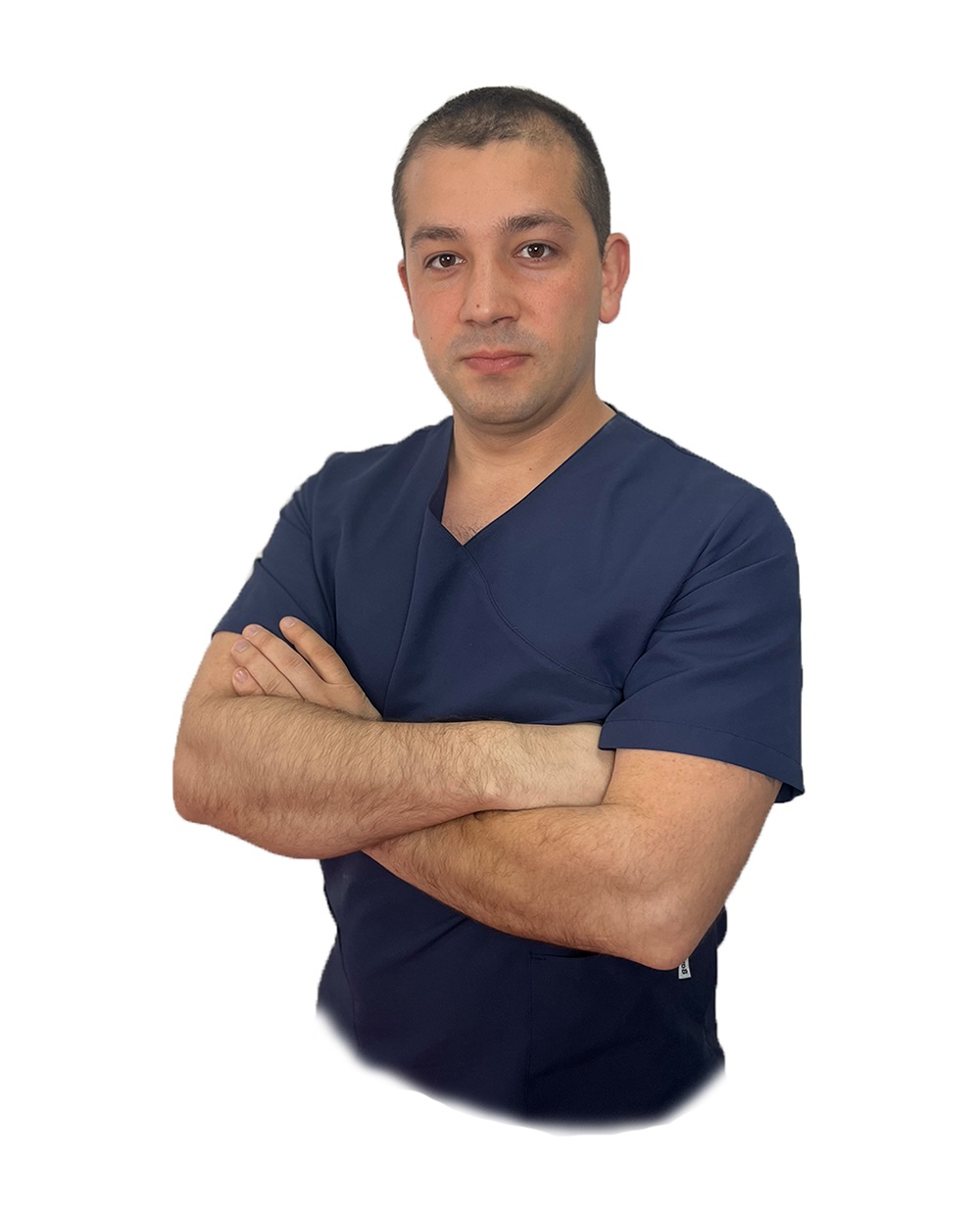
Daniel Mitev
Kinesiotherapist
- 10 years of practical experience
- Bachelor's degree in Kinesiotherapy, NSA, 2019
Functional, individual approach
Approach and practice
Daniel works primarily with musculoskeletal injuries, pain and peripheral neurological injuries. His approach is functional and individual — he looks beyond the painful area to understand how each person moves, manages load and responds during daily life, work or sport.
The process starts with a detailed assessment of symptoms, movement, strength, mobility, control and tolerance to load. The aim is to build the clearest possible picture of the factors that provoke or maintain the problem and identify which of them can realistically be changed.
The plan is built around the individual, not only around a diagnosis. Two people with the same complaint may have different contributing factors, limitations and needs, so exercise, techniques and load are selected individually.
Daniel may combine
- Manual techniques
- Therapeutic and functional exercise
- Strength, mobility and coordination work
- Neuromuscular control
- Gradual load progression
- Guidance for movement, work, sport and daily activities
- Clear education and explanation of the problem
They are used when they may reduce symptoms, improve movement or create better conditions for active rehabilitation. They do not replace exercise and a gradual return to load.
The main goal is not only temporary pain relief, but meaningful and sustainable change. This includes a better understanding of the problem, renewed confidence in movement and building the physical capacity needed to return to activities that matter to the person.
Daniel wants each patient to understand what they are doing and why. The plan is therefore clear, progressive and practical for everyday life, without unnecessary complexity or one-size-fits-all solutions. Progress is monitored and the programme is adjusted according to the body's response, results and individual goals.
Areas of practice
Main areas
Musculoskeletal injuries and pain conditions
Care for problems involving muscles, tendons, joints and other structures of the musculoskeletal system, including acute, persistent or recurring complaints.
Peripheral neurological injuries
Assessment and therapeutic work for peripheral nerve symptoms such as weakness, altered sensation, reduced movement control and lower functional capacity.
Restoring movement and function
Improving strength, mobility, coordination and control to support a safer return to daily, professional and sporting activities.
Load management
Finding an appropriate activity level and gradually increasing load, without unnecessary immobilisation or a rushed return to tasks the body is not yet ready for.
Reducing the risk of recurring complaints
Identifying factors that may contribute to recurrence and building a strategy for managing future demands more effectively.
Training and practice
Training and therapeutic methods
- Musculoskeletal injuries
- Peripheral neurological injuries
- Dry needling
- Kinesiology taping
- Mulligan Concept
- Schroth therapy
Therapeutic methods are not applied according to a fixed template. The choice depends on the individual problem, the person's goals and the expected effect of each technique. Functional assessment, active patient participation and the gradual restoration of movement and load remain central to the process.
Profile updated 11 August 2026.