
Functional assessment - step by step
Functional Assessment
step by step
Functional assessment gives you an accurate picture of which muscles and joints are working out of harmony. Thus, we target the contributing factors of pain and imbalances and create a personalized plan that supports recovery, reduces the risk of re-injury and restores more natural movement.
(10–15 min.)
System Overview and Plan
A functional assessment is a systematic examination in which the therapist considers the body as a whole. After a brief discussion of pain, tingling and the contexts in which they occur, follows:
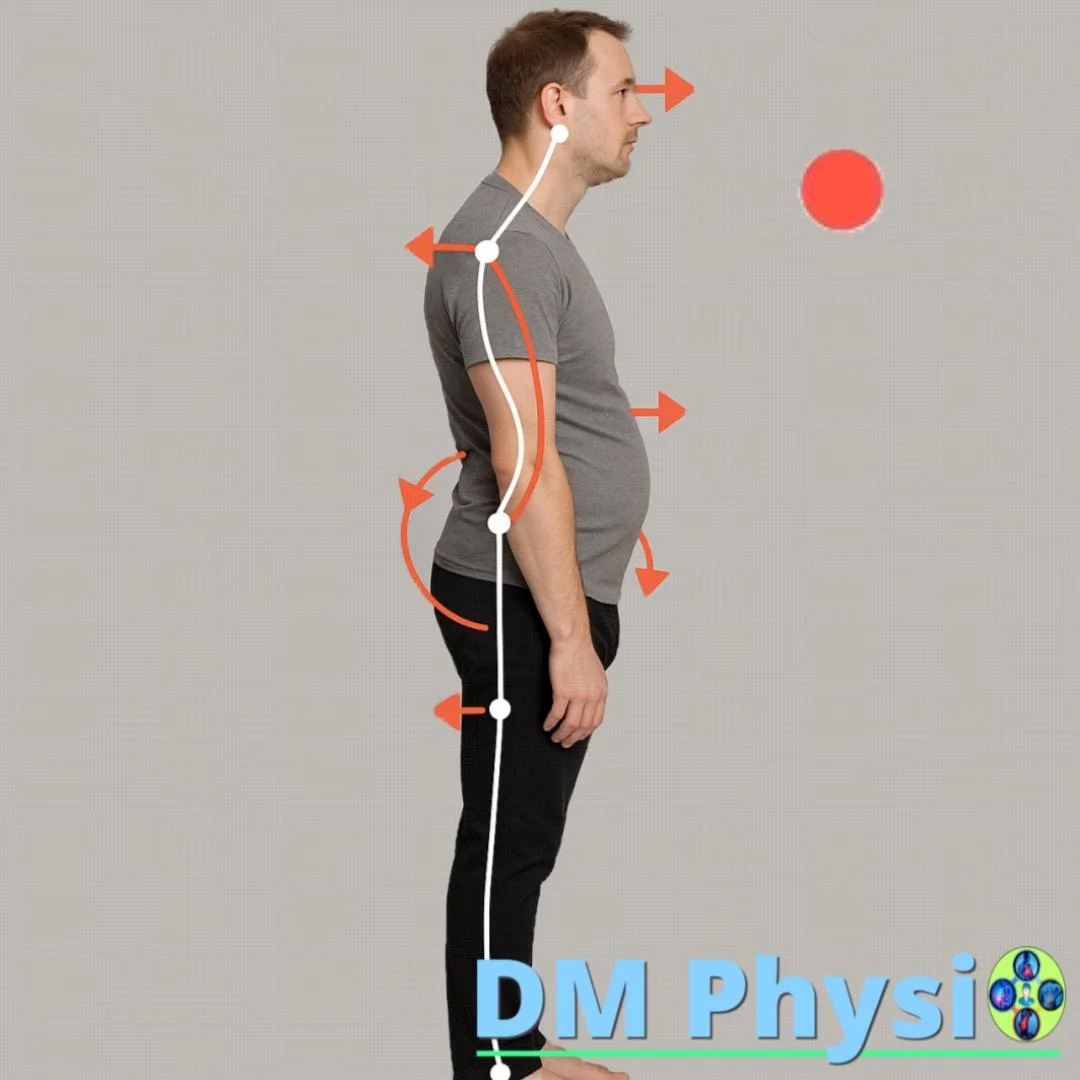
- Visual and kinetic analysis of posture and basic movements (bending, turning, walking)
- Palpation and specific tests for joint mobility and fascial flexibility
- Identifying chronically tight/shortened and overstretched/weakened muscles
Finally, we prepare a personalized plan that includes manual therapy for "relaxation" and restructuring, targeted exercises to restore muscle length and strength, and supportive methods such as kinesio taping — to restore better balance and reduce the risk of recurrence.
Free of charge
Frequently asked questions
How does the therapist know I have an imbalance?
The therapist looks for asymmetries — e.g. higher shoulder, tilted head, externally rotated feet when standing and walking. They show which muscles are chronically shortened and which are overstretched and weakened.
How is imbalance assessed?
Through functional tests of joint mobility and pain monitoring with exercise. Overworked muscles are often painful to palpation or active work.
Is manual therapy painful?
It is applied according to individual sensitivity — within comfortable limits so as not to cause protective spasm. The goal is effective and gentle therapy.