Deep tissue massage - step by step
Deep Tissue Massage
step by step
Deep tissue massage is a therapeutic technique aimed at reaching the deeper layers of muscle and connective tissue. It is particularly effective in relieving chronic pain, muscle knots ("trigger points"), limited mobility and stiffness, which often result from poor posture, repetitive motion or old injuries.
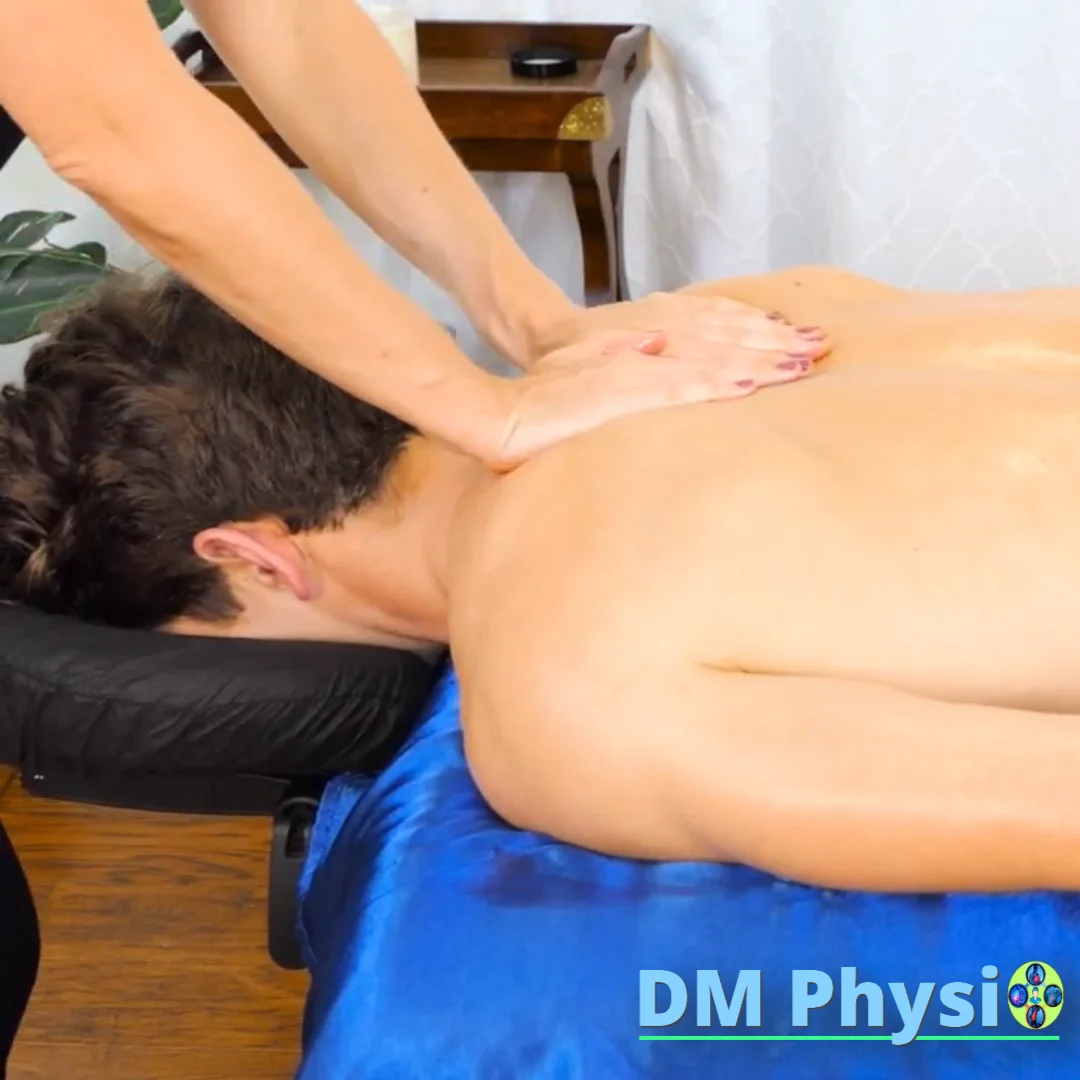
Procedure (90 min.)
In deep tissue massage, the therapist uses slow but intense movements with more pressure to affect the muscle fibers, fascia and other connective tissues. The goal is to break up adhesions, loosen deep knots, and restore normal tissue function. This type of massage is extremely useful for:
- Relief of chronic pain — especially in the neck, back and shoulders.
- Deactivation of trigger points that cause referred pain.
- Improving posture by releasing tight muscles.
- Increasing range of motion and restoring tissue elasticity.
- Sports injury recovery — reduces inflammation and promotes recovery.
Although you may feel discomfort at certain times, the sensation should be "therapeutic pain" — tolerable and leading to tangible relief after the session. Regular procedures give a cumulative effect: easier movement, less tension and better daily tone.
Price: 70 euros. (90min)
Frequently Asked Questions about Deep Tissue Massage
When is deep tissue massage appropriate?
It is suitable for chronic pain, muscle knots ("trigger points"), stiffness, limited mobility and in recovery phases after overuse or sports injuries. It is also beneficial for athletes and active exercisers.
Is deep tissue massage painful?
Due to the depth of the pressure, there may be moments of "good pain", especially in tense areas. This is expected and indicates that we are reaching the problem tissues. The pressure always adapts to remain tolerable and effective.
How often should it be done?
It depends on the condition. We often start with 1-2 sessions per week for severe symptoms, then switch to a maintenance regimen every 2-3 weeks. The therapist will suggest a personalized schedule based on tissue response and your goals.
Are there any side effects after the massage?
Mild muscle soreness is possible for 24–48 hours and sometimes minor bruising in areas of high stress—a feeling similar to that after an intense workout. Hydration, gentle movement and gentle stretching help speed recovery.