Ergon technique massage - step by step
Ergon massage
step by step
Ergon technique massage (Ergon technique) is an innovative therapeutic technique based on instrumental mobilization of soft tissues - mobilization of soft tissues with instruments. Specially designed stainless steel instruments are used to detect and treat adhesions and fibrosis that limit movement and cause pain. It is effective for both acute and chronic musculoskeletal problems.

Procedure (60 min.)
During the Ergon massage, the therapist applies targeted pressure and strokes using specialized tools. They allow more precise sensing and treatment of fibrotic changes and tissue tension than with hands alone. Key benefits include:
- Removal of adhesions and scars in soft tissues - improves elasticity.
- Pain reduction — especially in chronic conditions.
- Accelerated recovery - promotes natural recovery processes.
(5–10 min.) Detailed Consultation and Evaluation
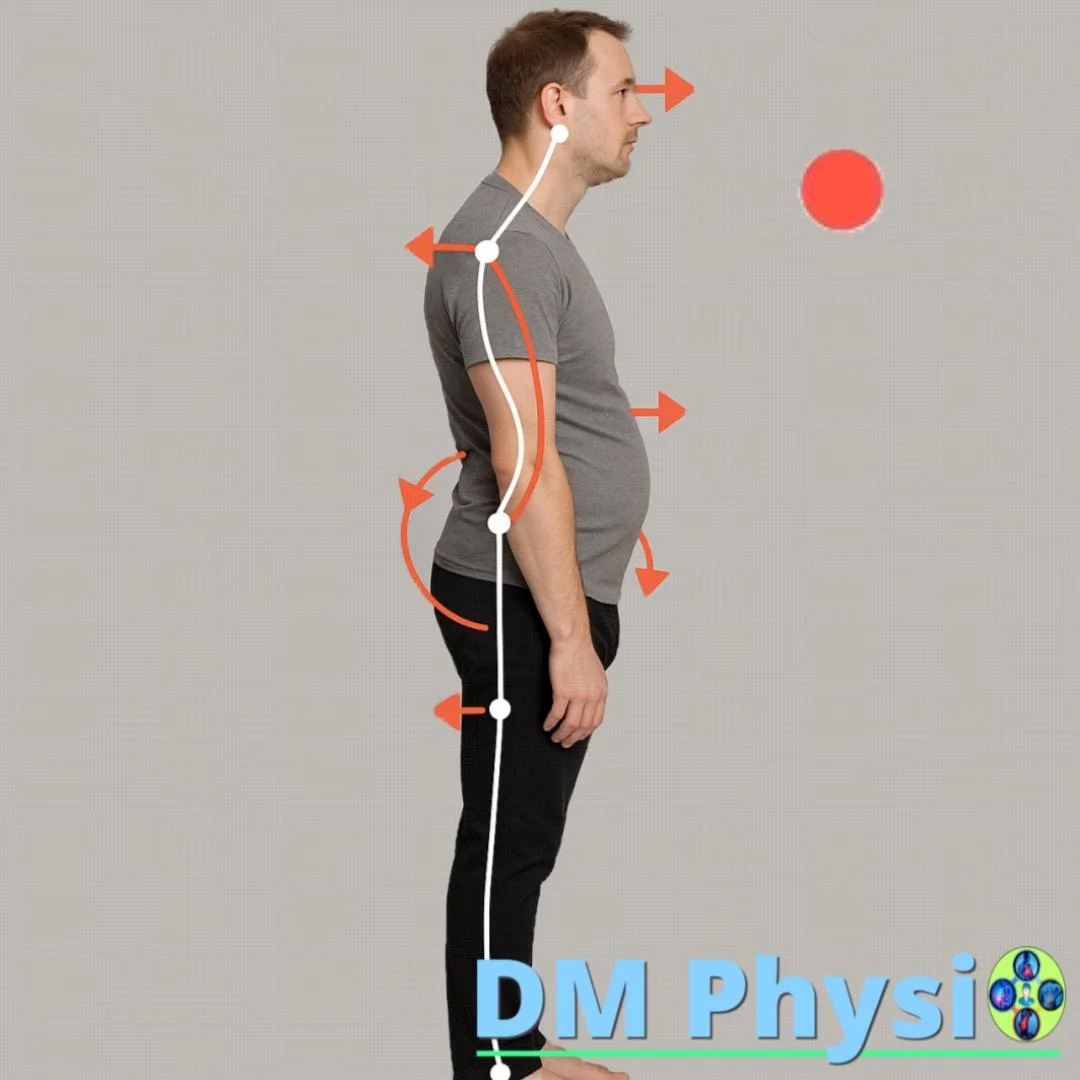
Before starting the session, the therapist conducts a consultation and a functional assessment—motion analysis, palpation, and a discussion of medical history and symptoms. Accurate localization of the affected tissues is key to the effectiveness of Ergon therapy.
- Precise localization of problem areas
- An individual approach to your specific condition
- Optimizing therapy for steady progress
Frequently asked questions about Ergon Massage
What is Ergon therapy?
Ergon therapy is an instrumental soft tissue mobilization technique with stainless steel instruments to detect and treat fibrous changes, adhesions and restrictions in muscles, fascia and tendons that cause pain and limit movement.
Is Ergon therapy painful?
Tolerable discomfort or mild pain is possible, especially in areas with adhesions or fibrosis. The pressure adapts to your tolerance — it's important to communicate how you feel.
How many procedures are needed?
It depends on the problem. For acute conditions, 1–3 sessions may be sufficient; in chronic cases, a longer course is needed. The plan is drawn up after the initial assessment.
Are there any side effects?
Slight redness, bruising, or tenderness in the treated areas is possible, which usually subsides within a few days. Good hydration and following directions are recommended.