Kinesio taping — step by step
Kinesio taping
step by step
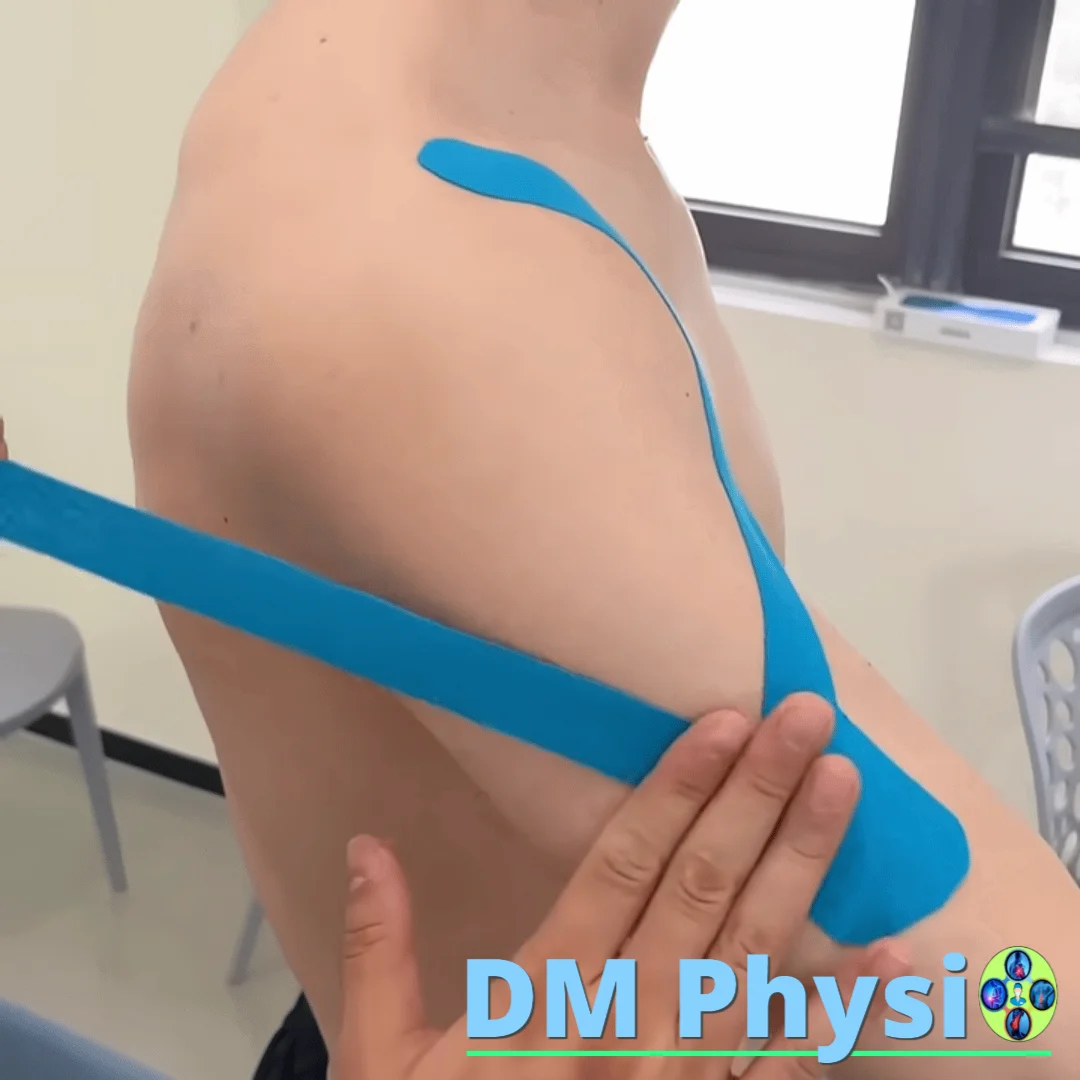
Kinesio taping uses elastic bands that mimic the elasticity of the skin to support natural recovery processes: reduce pain and swelling, improve lymphatic drainage, and support muscles and joints—without restricting movement. The method is widely used in sports and physiotherapy.
(10–15 min.)
Kinesio taping application
The tape is generally hypoallergenic, waterproof and can be worn for several days — while showering, exercising or sleeping. The application is performed by a trained specialist who determines the correct technique and direction for the desired effect.
Application Objectives:
- Pain reduction by slightly lifting the skin and reducing the pressure on the pain receptors
- Reduction of swelling and bruising through facilitated lymphatic drainage and blood circulation
- Support of muscles and joints without restriction of movement
(10–15 min.)
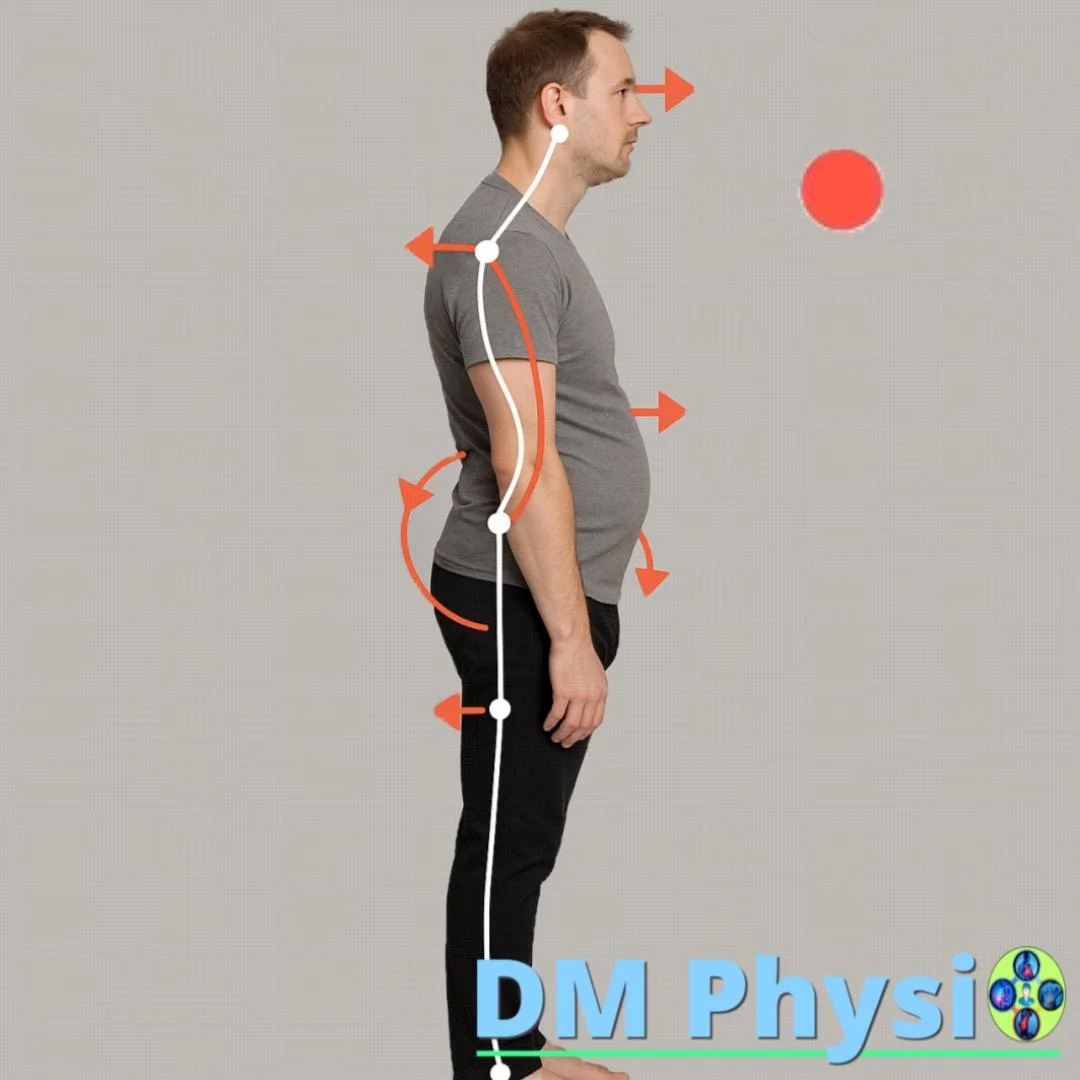
Functional Assessment
Prior to placement, a detailed functional assessment is performed to determine the exact muscles, joints or areas that need support and to select the most appropriate taping technique.
- Individual assessment
- Identifying problem areas
- Choosing the optimal taping technique
Price: 15 euros. (20min)
Frequently Asked Questions About Kinesio Taping
What does kinesio taping help?
It reduces pain and swelling, improves lymphatic drainage and circulation, supports muscles and joints and improves proprioception.
Does the tape restrict movement?
No. The tape mimics the elasticity of the skin and allow complete freedom of movement.
How long can the tape be worn and can I shower with it?
The tape is water-resistant and usually worn for several days — you can shower, exercise and sleep with them.
Is it safe for sensitive skin?
They are generally hypoallergenic, but for very sensitive skin it is good to do a test on a small area.
Are there any contraindications?
Yes — do not apply to open wounds, active infections, fresh scars/burns, or allergies to adhesives. In special cases - after consultation.
Can it replace therapy?
The best long-term results usually come when taping is combined with exercises and appropriate therapeutic techniques.