Specialized exercises - step by step
Specialized Exercises
step by step
Specialized exercises are an important part of recovery and long-term movement control. They are selected according to the functional assessment and adapted to the specific weaknesses, limitations and goals of the person. The goal is not just temporary relief, but better control, freer movement, and reduction of factors that can maintain pain.
Procedure (30 min)
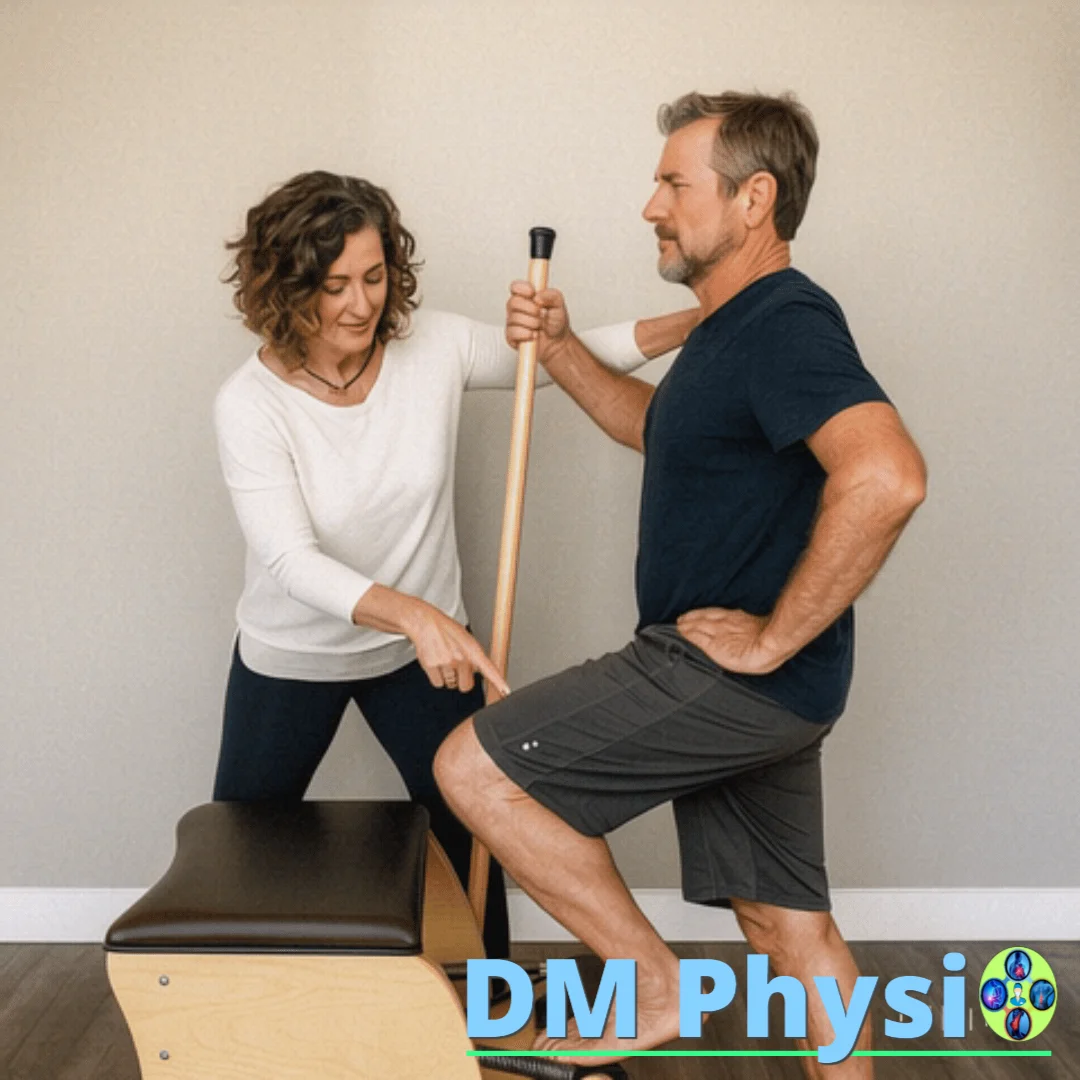
Our specialized exercise programs are built around your assessment and goals. They combine mobility, strength, stability and coordination so movement becomes clearer, safer and easier to repeat. Often the body has repeated the same movement pattern for a long time. Some muscles take too much load, others do too little, and the result can be irritation, stiffness or recurring soreness.
With the exercises, we build the opposite habit: slower, controlled movements that teach the body a more comfortable and efficient pattern. Each exercise is performed under careful control - the therapist demonstrates the technique, corrects muscle activation and monitors correct execution. This helps improve muscle activation, strengthen weaker groups and make the new pattern easier to use outside the clinic. The home program provides constant practice that helps the new movements gradually be transferred into everyday life.
Functional Assessment
(10-15 min.)
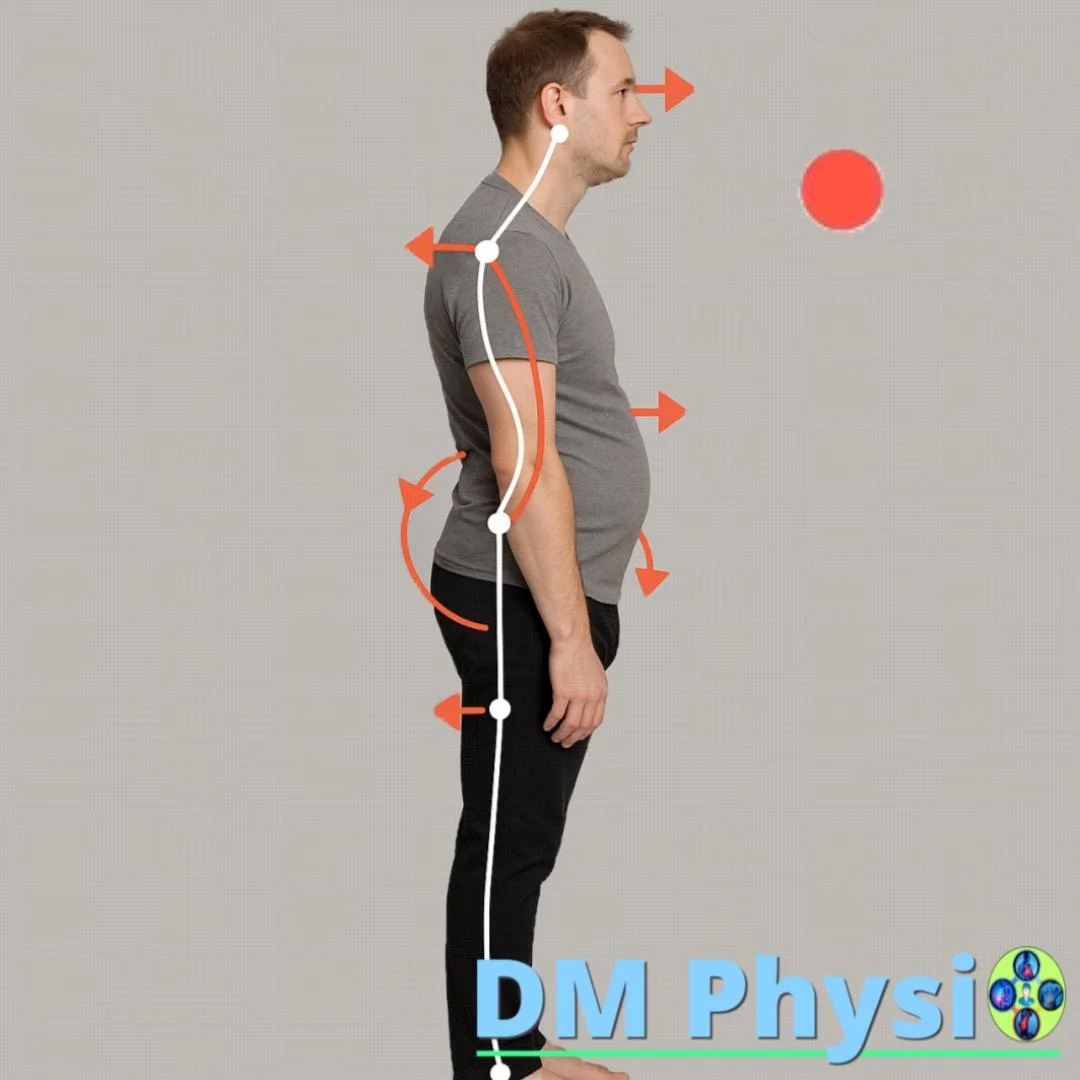
Before we begin the specialized exercises, we do a brief functional assessment: we check ranges of motion, stability, control and coordination in key segments. Based on the results, we choose the right exercises, set the appropriate load (sets/reps/tempo) and determine the home program and progression.
- Mobility and stability tests
- Identifying priority muscle groups
- Personalized exercises and progression
Price: 30 euros. (One time price)
Frequently Asked Questions about Specialized Exercises:
How are the exercises selected?
Exercises are selected based on the functional assessment and are aimed at specific weaknesses, imbalances and inefficient movement patterns. The progression (sets, reps, pace, difficulty) adapts to your response and goals.
How often should I train and how long does the session last?
Usually 3–5 times a week, according to the plan. One session is about 30 minutes, with the load increasing gradually to be effective and tolerable.
Is special equipment needed at home?
It is not mandatory. Most exercises use body weight and basic equipment (elastic band, mini band, chair/mat). If you have additional equipment, the plan may include it.
What should I do if I feel sore after a workout?
Distinguish between normal muscle fatigue and sharp, stabbing pain. In case of severe pain, stop the exercise and notify the therapist - we will adjust the technique, volume or intensity and, if necessary, modify the program.