Neuralgias in the back
Learn what neuralgia in the back is, how to recognize the symptoms, and what approaches help relieve the pain.
What is back neuralgia?
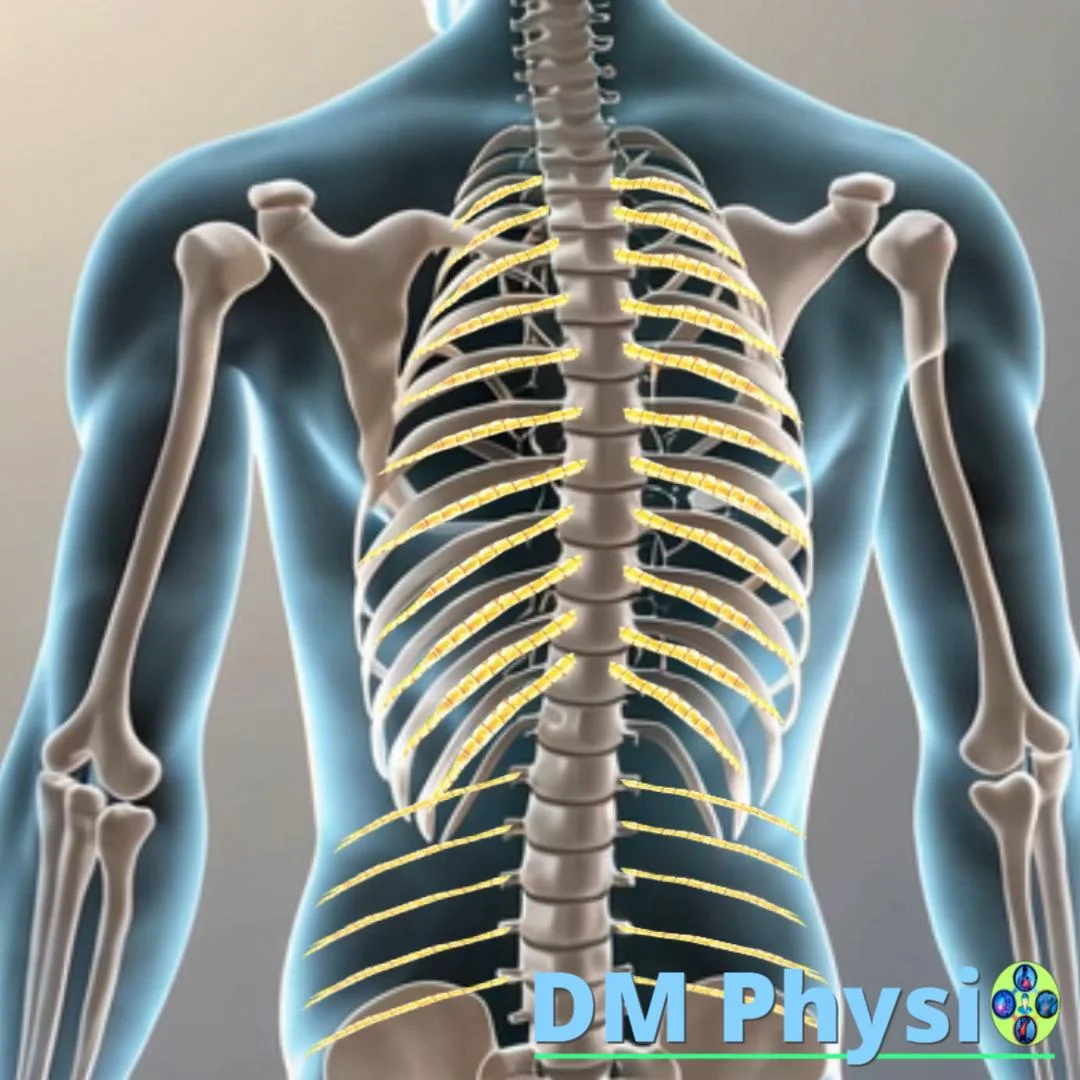
Neuralgia is a condition characterized by sharp, burning, or stabbing pain caused by irritation or damage to a nerve. Neuralgia of the back affects the nerves that run through the spine and back muscles. This pain is often severe and stabbing, felt along the course of the nerve, and can be aggravated by certain movements, such as bending, standing, coughing or sneezing. Unlike muscle pain, neuralgia often has the character of an electrical impulse or burning.
Risk factors: trauma, back muscle spasms, disc herniations, poor posture, excessive physical exertion, operations in the area.
Major causes of nerve damage
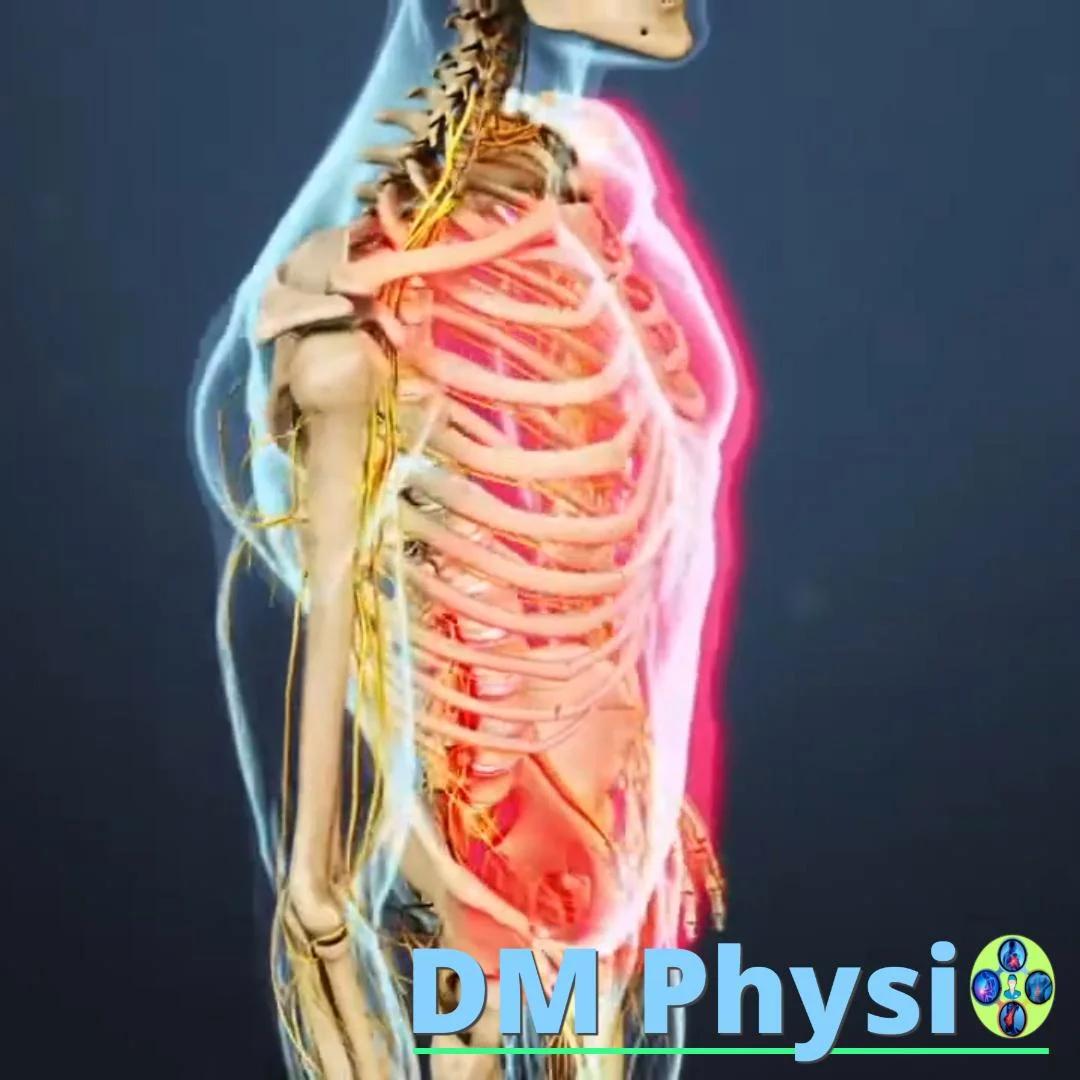
Pain is the result of compression or irritation of nerves by surrounding structures.
Compression of nerve roots
This is one of the most common causes of neuralgia in the back. Nerves that exit the spine can be pinched by various structures. Most often this happens with disc herniation, where a protruding disc presses on the nerve. Other causes are degenerative changes such as osteophytes (bony growths) that form along the edge of the vertebrae and narrow the space through which the nerve passes, or spinal canal stenosis. All these conditions lead to acute and localized pain.
Tension and spasms in the back muscles
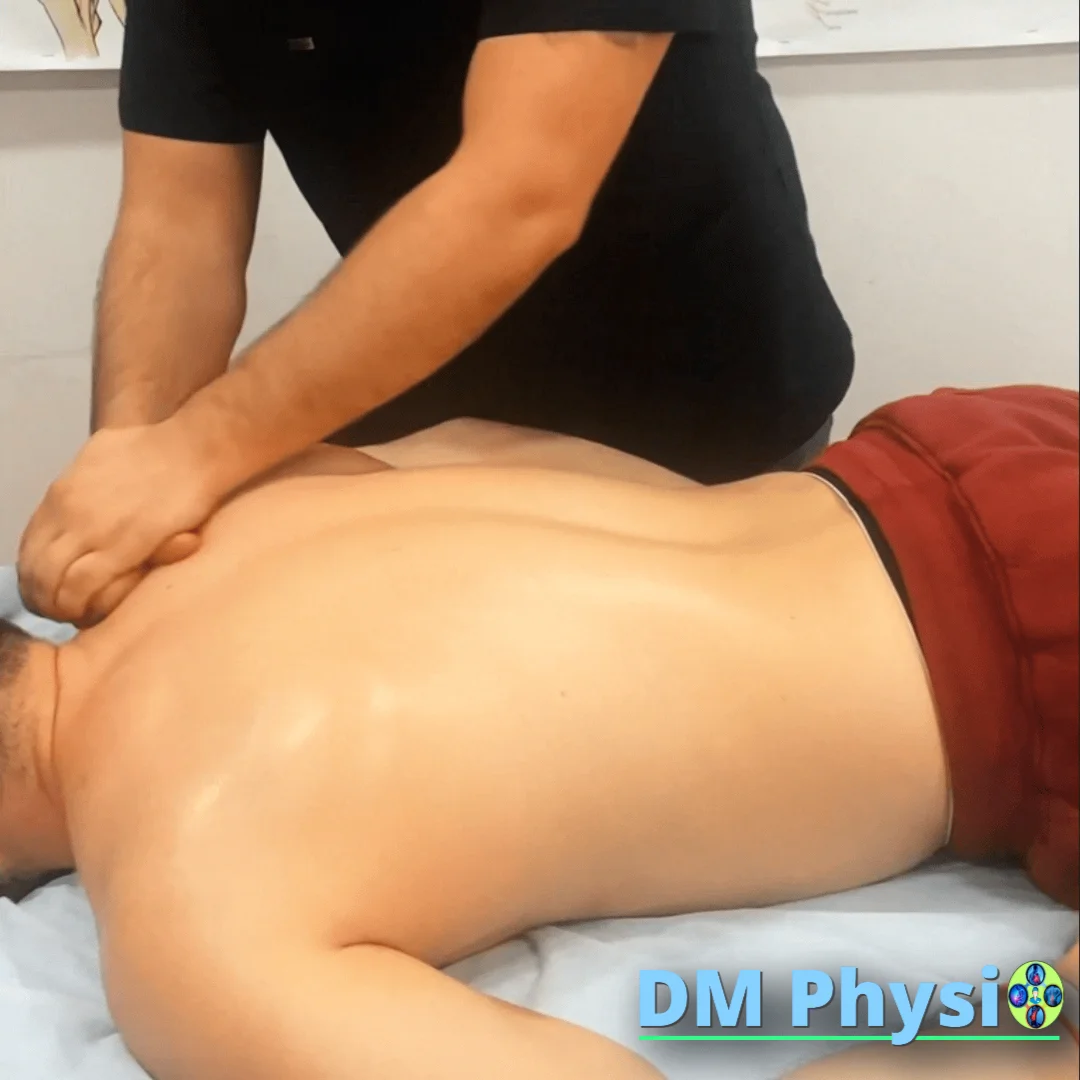
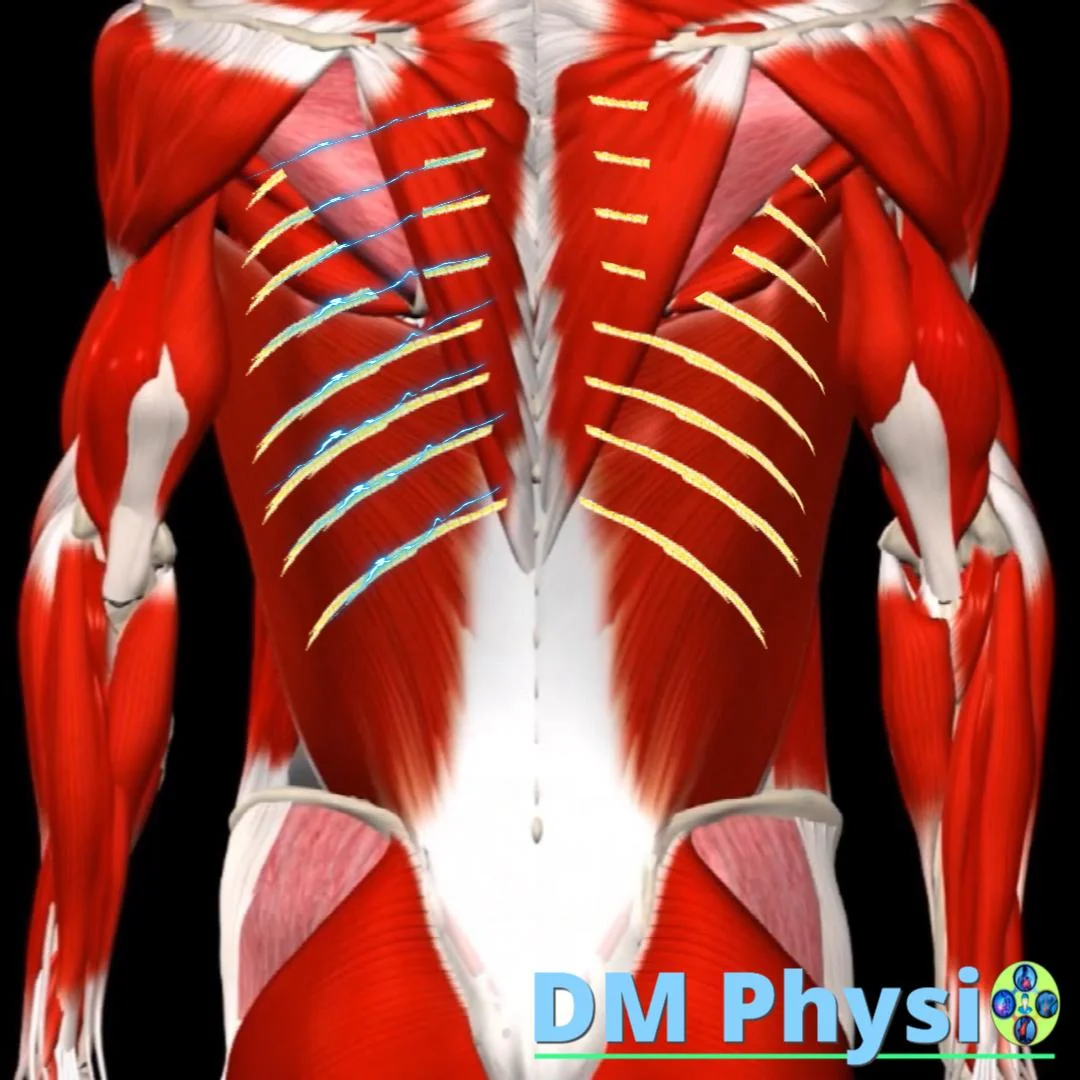
Very often neuralgia is due to overexertion and muscle spasms on the back. This can happen after prolonged sitting in an poor position, lack of physical activity or excessive load, which leads to the formation of the so-called trigger points. These tight muscle fibers can compress nerves, causing local, dull, or sharp pain. Manual therapy and massage can help reduce muscle tension and make the next steps clearer.
Problems with the spine and posture
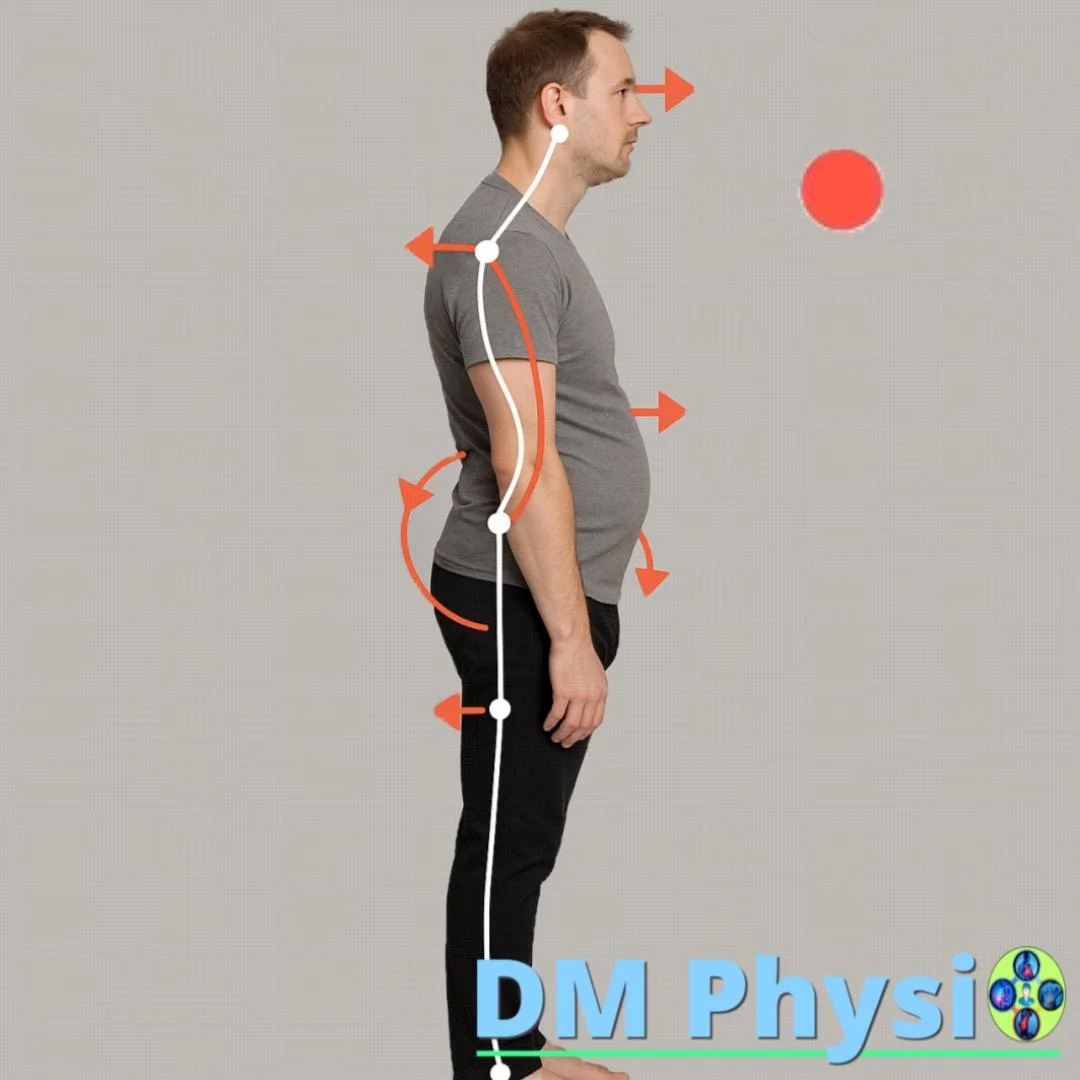
The long-lasting one poor posture, such as hunching or curvature of the spine (scoliosis, kyphosis), can alter the biomechanics of the back and cause ongoing nerve irritation. Over time, this can contribute to persistent nerve irritation. Working on posture through specialized exercises and manual therapy is key to long-term relief and reducing the risk of relapse.
Important! The effectiveness of physiotherapy for back neuralgia is based on a precise functional assessment of the condition. Our procedures are aimed at finding the exact cause of the nerve compression – whether it is from muscle spasms, limited spinal mobility or poor posture. Treatment is complex, including techniques to release the nerve, restore muscle balance, and train you to maintain correct movements and postures.
1) Compression of nerve roots
This is one of the most common causes of neuralgia in the back. Nerves that exit the spine can be pinched by various structures. Most often this happens with disc herniation, where a protruding disc presses on the nerve. Other causes are degenerative changes such as osteophytes (bony growths) that form along the edge of the vertebrae and narrow the space through which the nerve passes, or spinal canal stenosis. All these conditions lead to acute and localized pain.
2) Tension and spasms in the back muscles
Very often neuralgia is due to overexertion and muscle spasms on the back. This can happen after prolonged sitting in an poor position, lack of physical activity or excessive load, which leads to the formation of the so-called trigger points. These tight muscle fibers can compress nerves, causing local, dull, or sharp pain. Manual therapy and massage can help reduce muscle tension and make the next steps clearer.
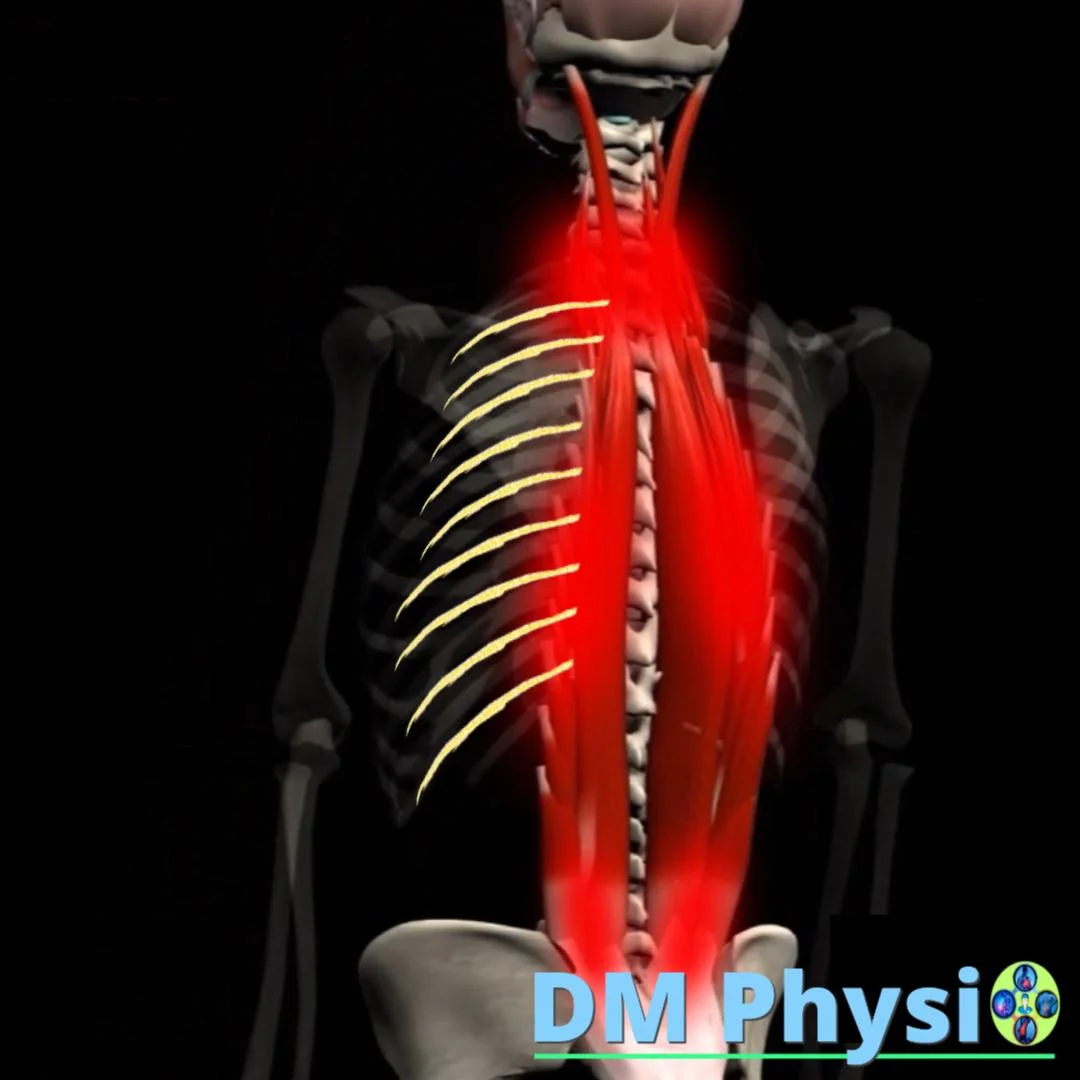
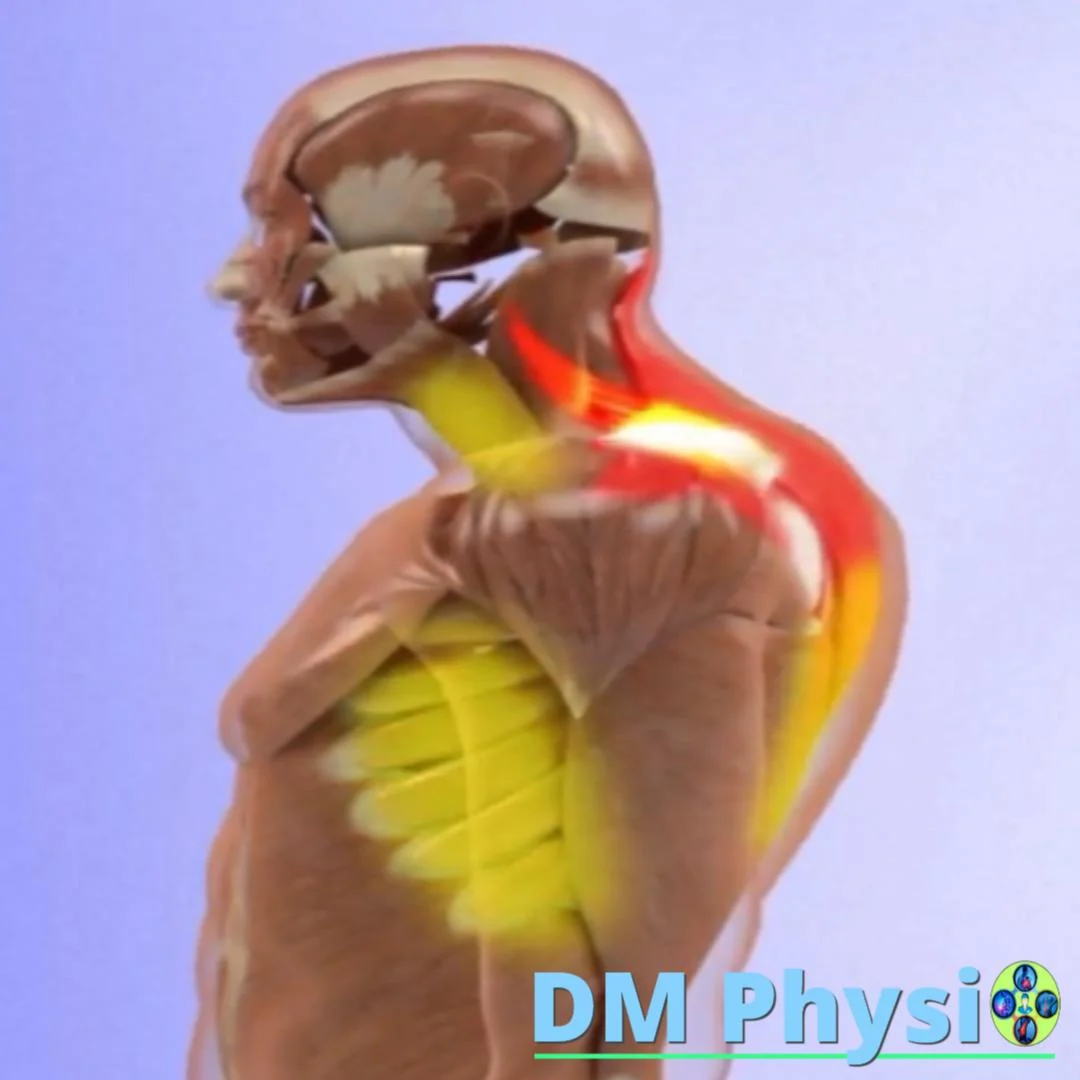
3) Problems with the spine and posture
The long-lasting one poor posture, such as hunching or curvature of the spine (scoliosis, kyphosis), can alter the biomechanics of the back and cause ongoing nerve irritation. Over time, this can contribute to persistent nerve irritation. Working on posture through specialized exercises and manual therapy is key to long-term relief and reducing the risk of relapse.
How does physical therapy help?
The goal of physical therapy is to reduce pressure on nerves, restore muscle balance, and improve overall mobility. An individual, complex approach is applied.
1. Reducing tension
Through manual techniques and specialized massages, tense back muscles that press on nerves are relaxed and blood circulation is improved.
2. Posture correction
Work on the correct posture, strengthening the deep muscles of the back and improving the flexibility of the spine to release the nerve roots.
3. Functional exercises
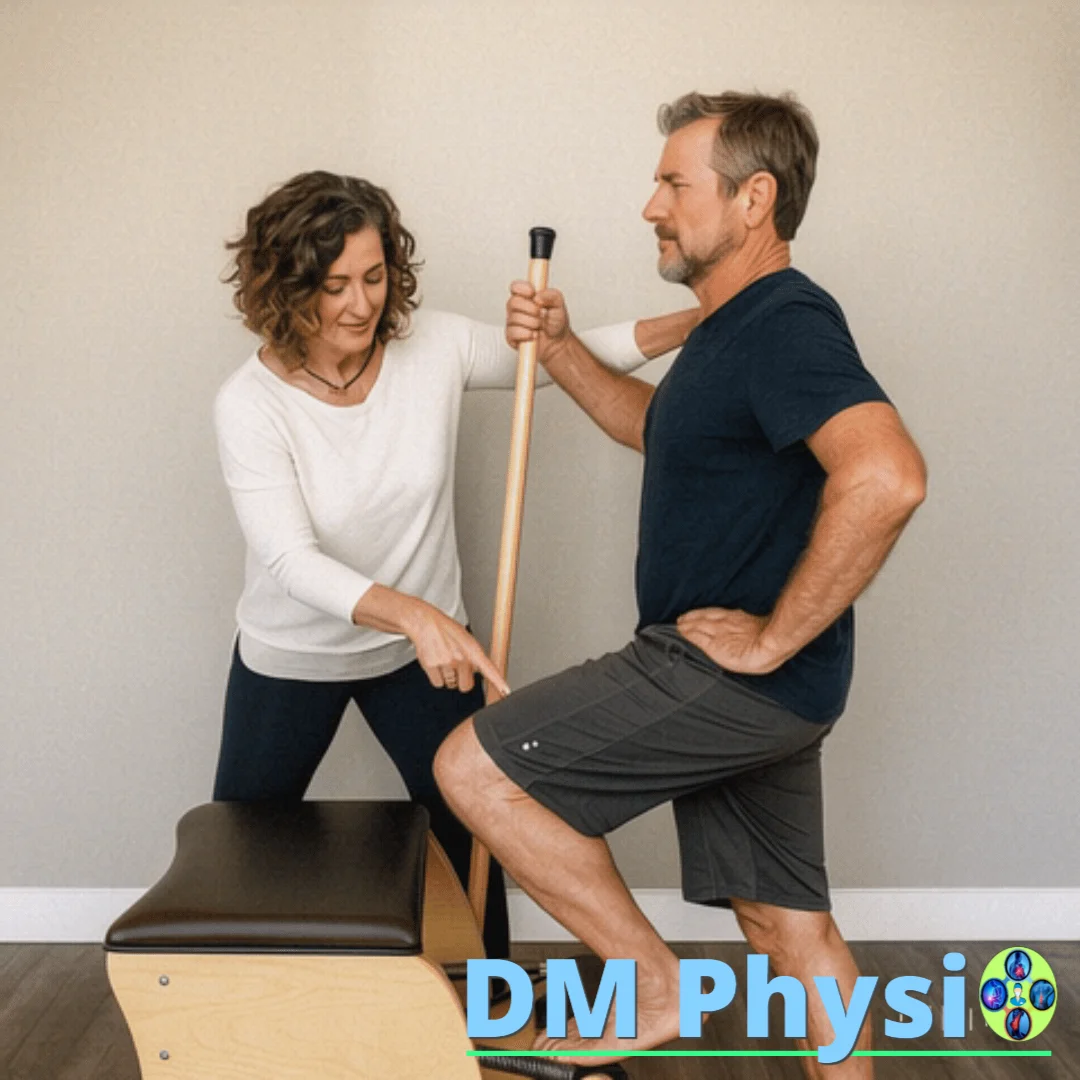
Specialized exercises for nerve mobilization, strengthening weak muscles and improving coordination, which helps in long-term relief.
Important: Physiotherapy is extremely effective for neuralgia caused by musculoskeletal problems. To achieve optimal results, the sessions are combined with recommendations for everyday life.