Thoracic bone spurs (osteophytes)
Find out how muscle imbalances can lead to bone spurs and how they are treated.
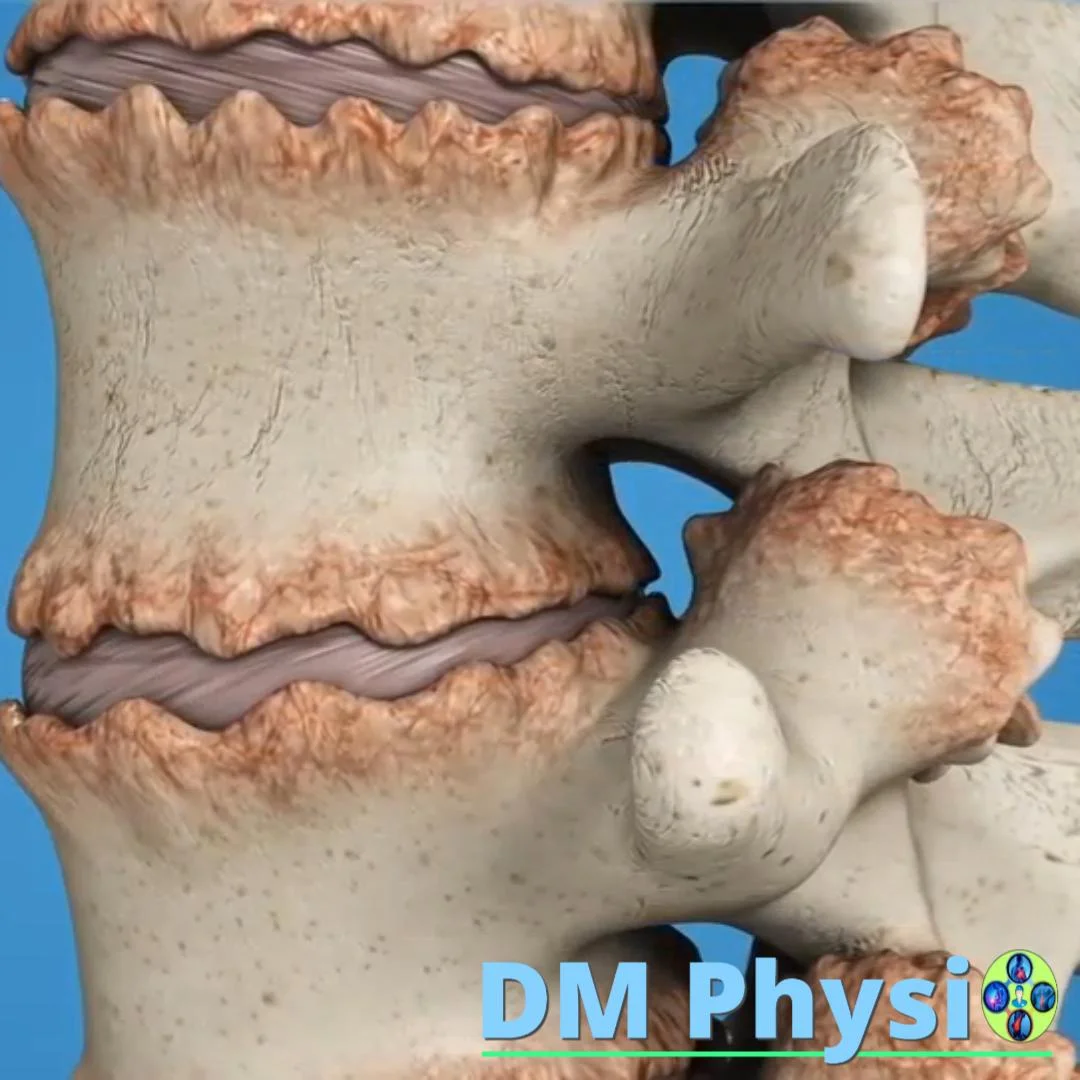
What are bone spurs on the back?
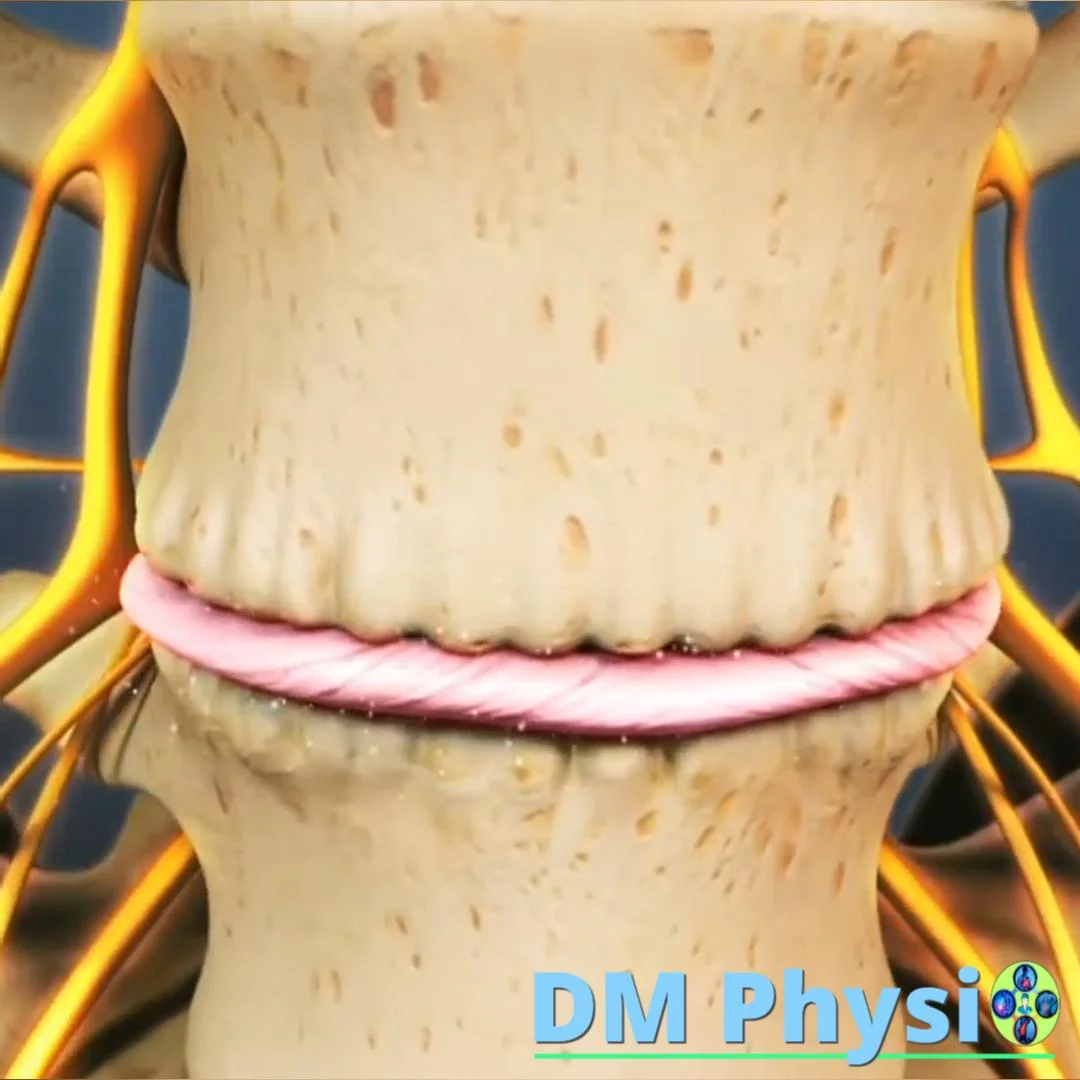
The bone spurs on the back known as osteophytes, are bony outgrowths that form along the edges of the vertebrae. They are a response to degenerative changes in the spine and are often the body's attempt to stabilize the joints. They can cause pain and limitation of movement, especially when they press on nerves or other structures.
Bone spurs develop as part of the natural aging process, but can be accelerated by trauma, poor posture, and muscle imbalances.
The presence of bone spurs does not always mean pain. They cause discomfort only when they are positioned in a way that compresses a nerve or other anatomical element.
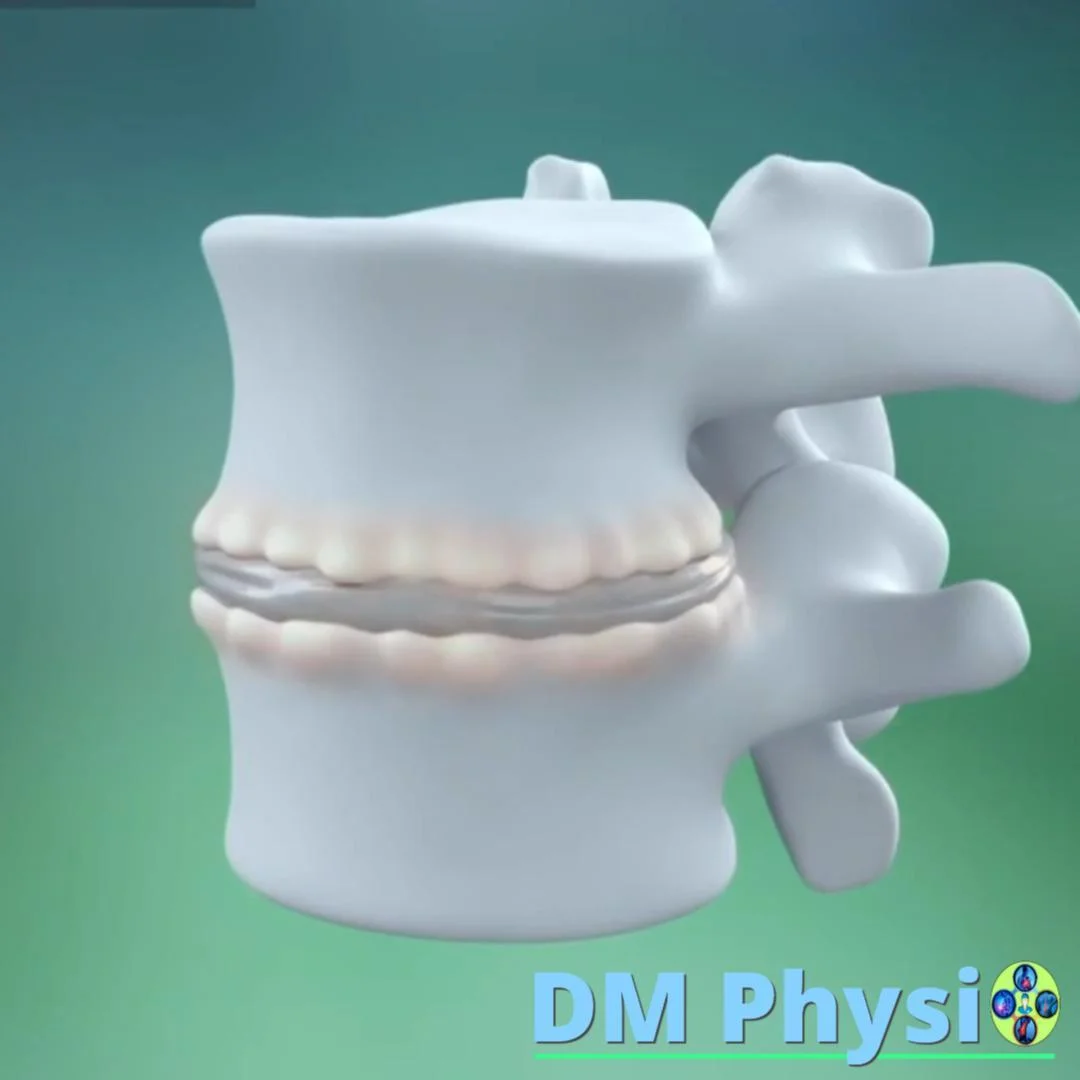
The relationship with muscle imbalance
Bone spurs are often the result of uneven loading on the back.
Muscle imbalance and strain
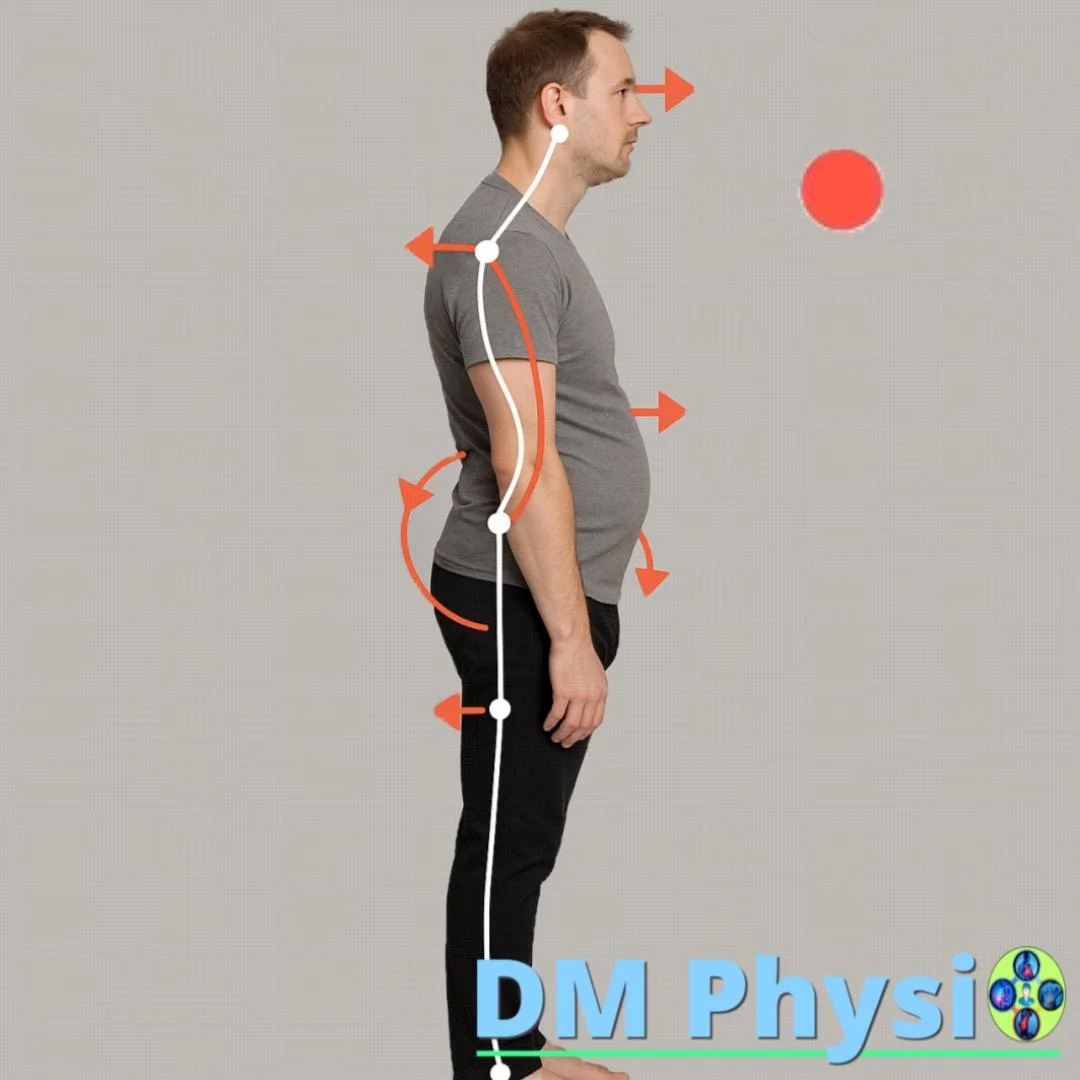
Unbalanced back and spine musculature leads to uneven weight distribution. Some muscles become overtightened and shortened, while others weaken. This puts constant, asymmetric pressure on the vertebrae and intervertebral discs.
Degeneration and microtrauma
Constant uneven loading causes wear and tear on the joints and cartilage between the vertebrae. This wear and tear leads to microtrauma and inflammation, which signals the body to begin a repair process.
Formation of bone spurs (osteophytes)
In an attempt to cope with the instability and wear and tear, the body begins to deposit extra bone tissue along the edges of the vertebrae. These bone growths are the bone spurs (osteophytes). Their purpose is to stabilize the spine, but in the process they can compress nerve roots or the spinal cord, causing pain, stiffness and numbness.
Important: Our approach focuses on the muscle imbalance that is the main cause of the formation of bone spurs. By restoring proper posture and strength, we help the body deal with the problem by reducing pressure on the spine and relieving symptoms.
1) Muscle imbalance and strain
Unbalanced back and spine musculature leads to uneven weight distribution. Some muscles become overtightened and shortened, while others weaken. This puts constant, asymmetric pressure on the vertebrae and intervertebral discs.
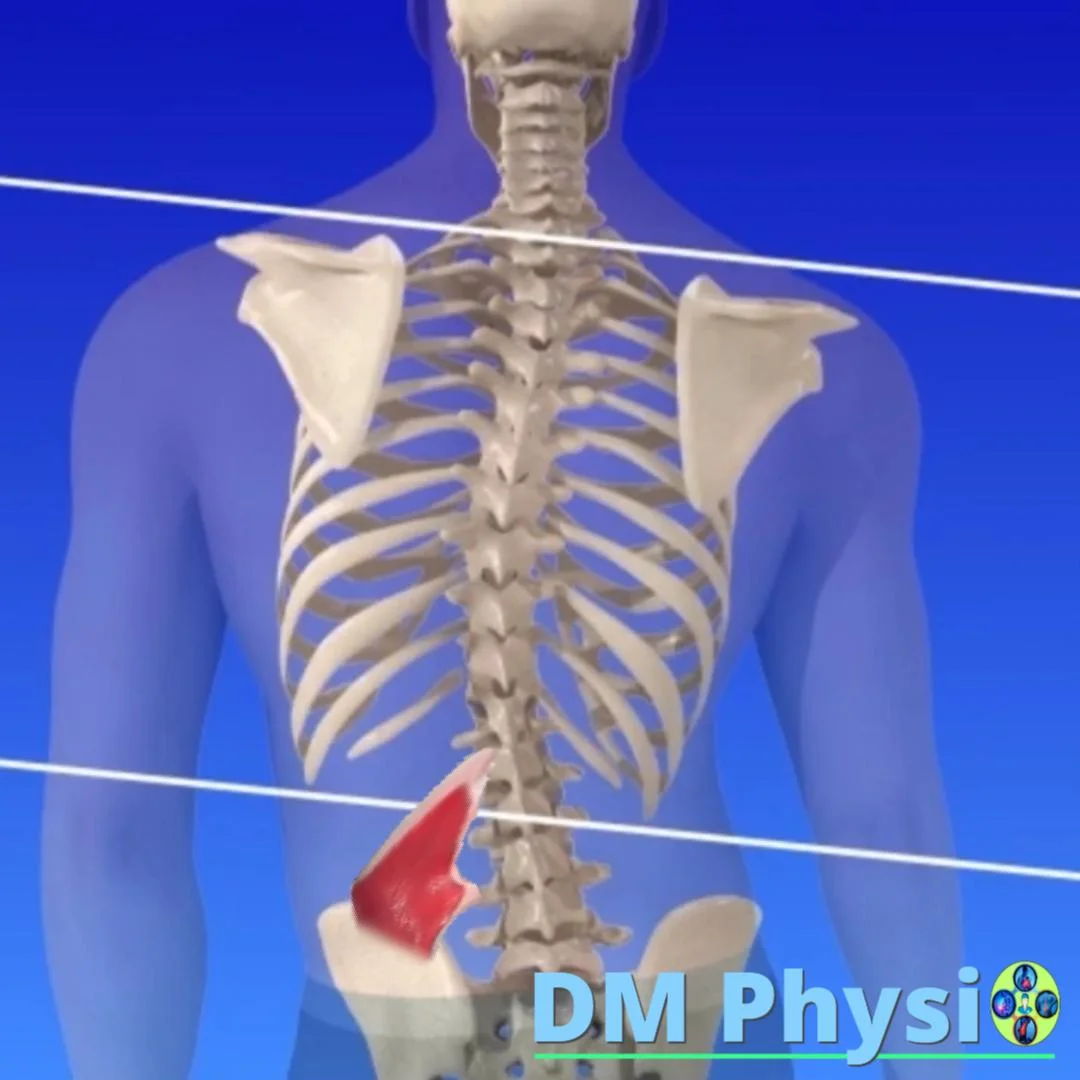
2) Degeneration and microtrauma
Constant uneven loading causes wear and tear on the joints and cartilage between the vertebrae. This wear and tear leads to microtrauma and inflammation, which signals the body to begin a repair process.
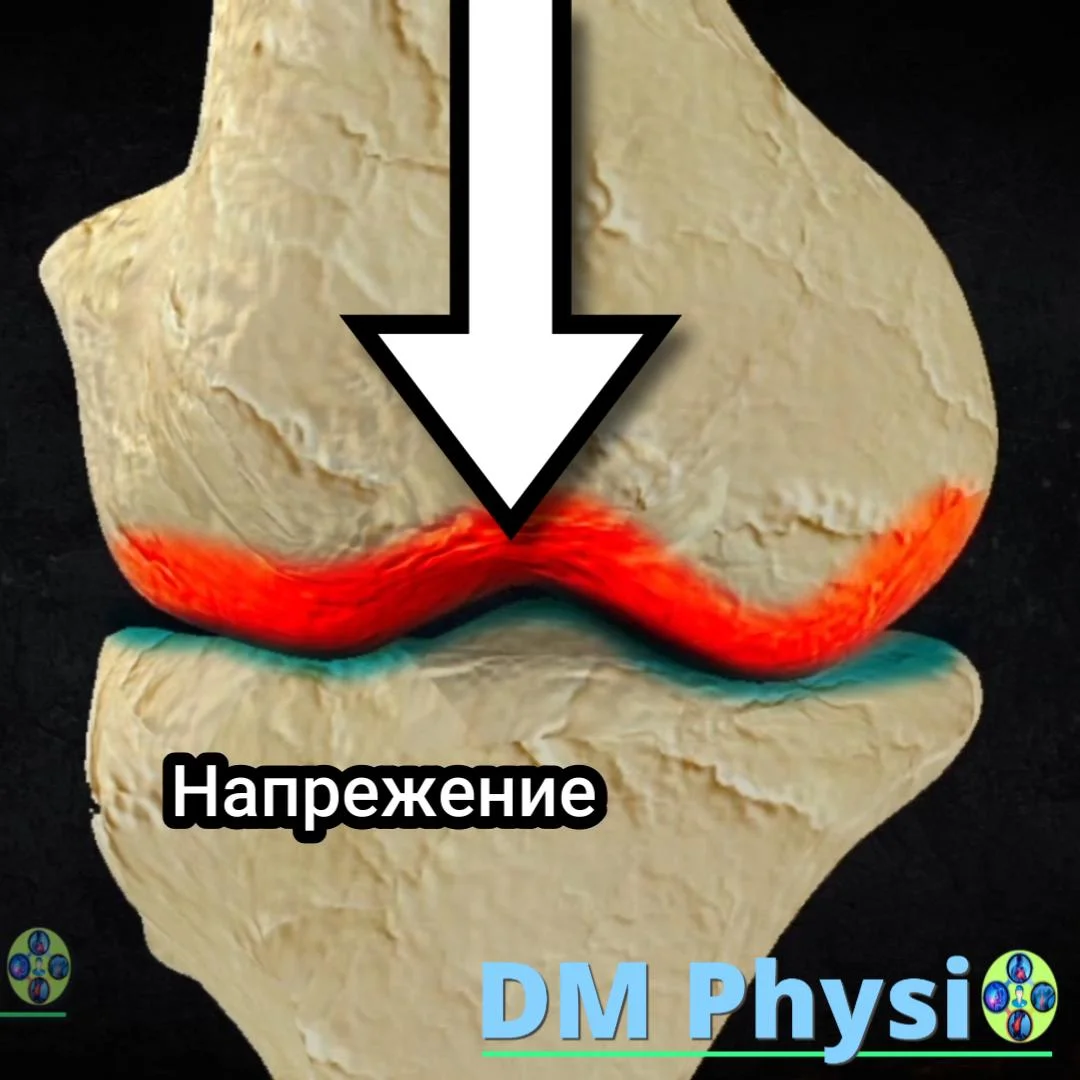
3) Formation of bone spurs (osteophytes)
In an attempt to cope with the instability and wear and tear, the body begins to deposit extra bone tissue along the edges of the vertebrae. These bone growths are the bone spurs (osteophytes). Their purpose is to stabilize the spine, but in the process they can compress nerve roots or the spinal cord, causing pain, stiffness and numbness.
How does physical therapy treat bone spurs?
Our approach is focused on the contributing factors - muscle imbalance.
1. Reduction of pain and inflammation
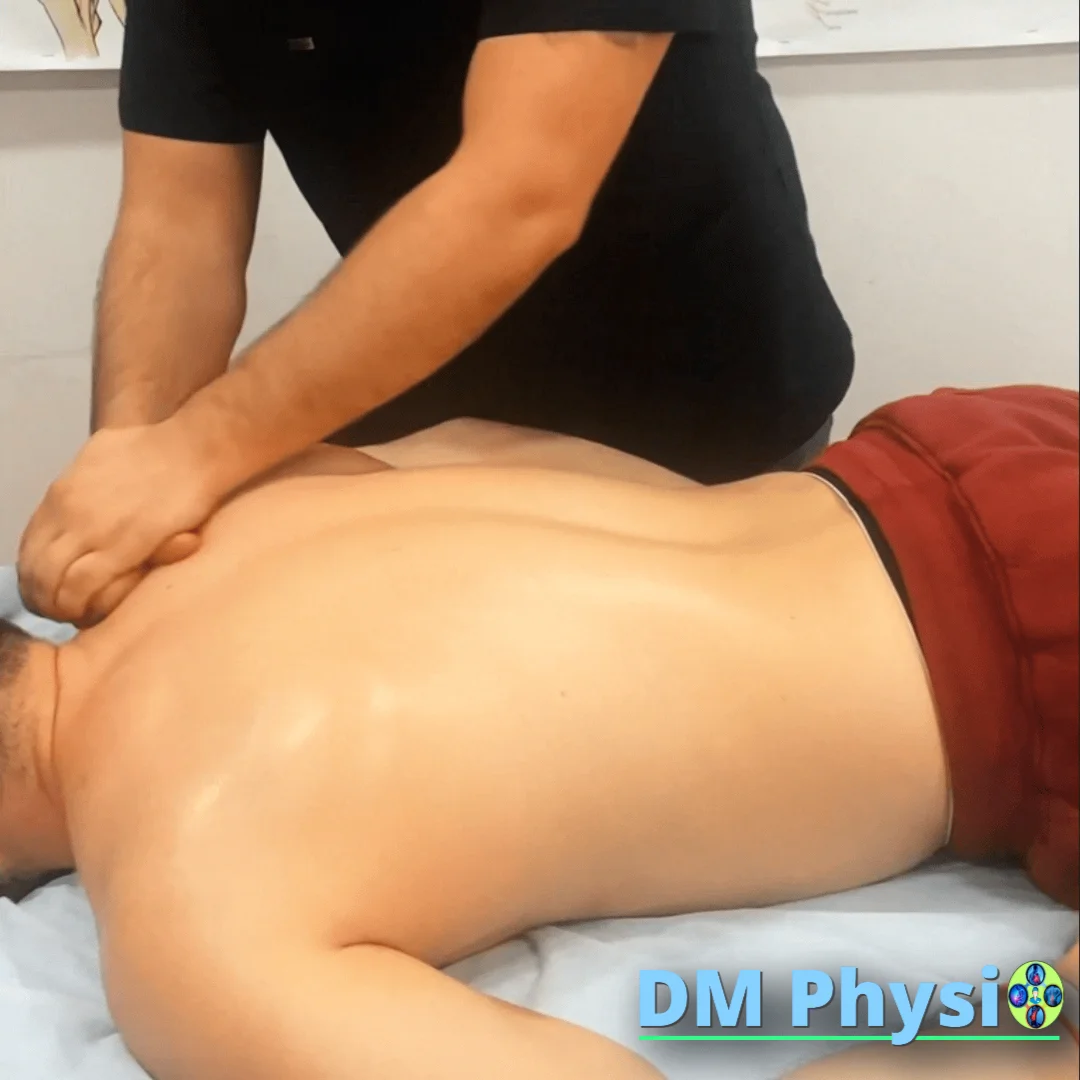
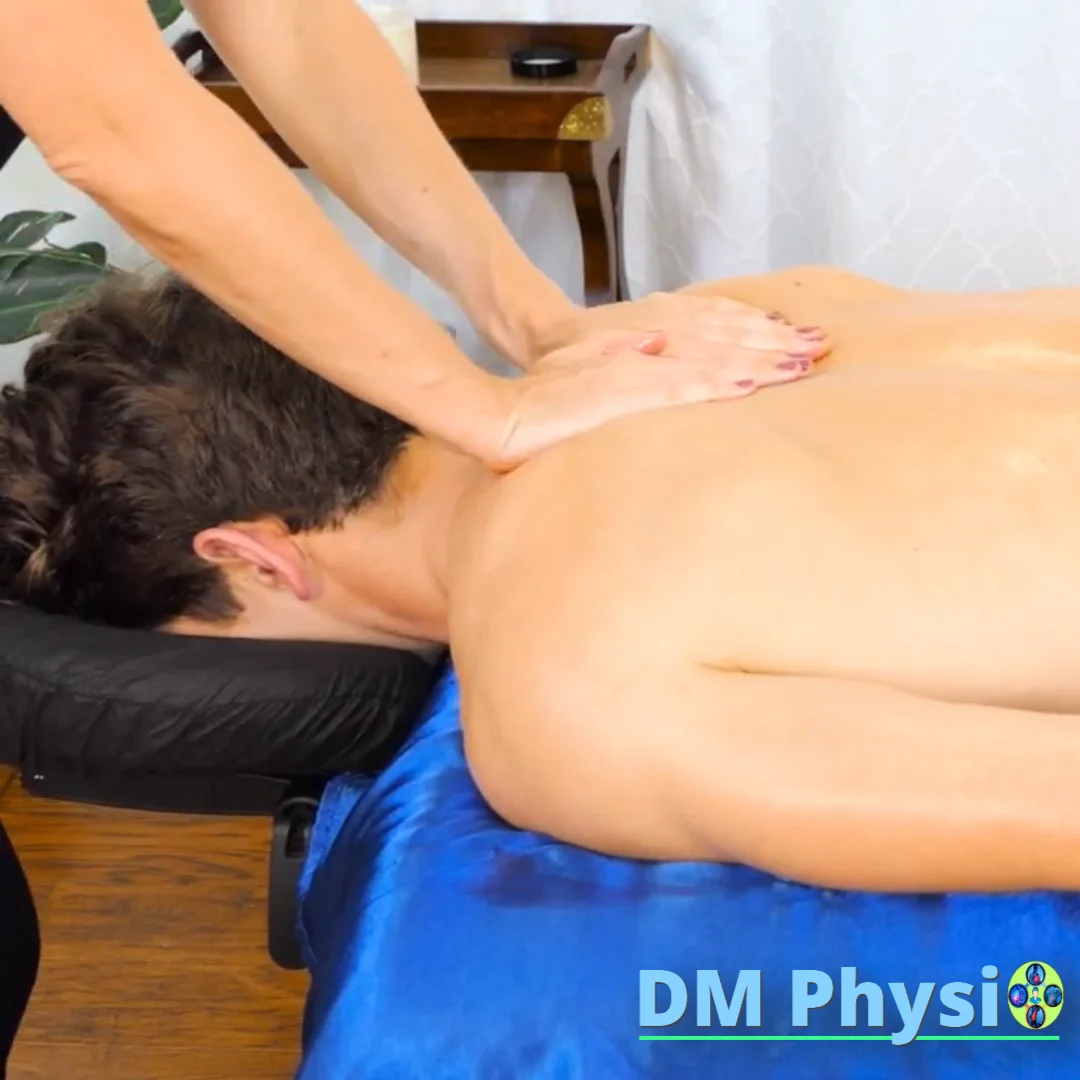
Through manual techniques and specialized exercises, we work to reduce the tension in the muscles and relieve the pain caused by the compression of the nerves by the bone spurs.
2. Restoring mobility
Once the pain is under control, we begin with spinal stretching and mobilization exercises. The goal is to restore normal range of motion and reduce stiffness.
3. Strengthening and long-term protection
Through targeted exercises, we strengthen the stabilizing muscles of the back and torso. This provides better support for the spine, improves posture and prevents further development of bone spurs.
Important: The treatment program is strictly individual. It is prepared after a detailed functional assessment to determine the specific muscle imbalances and causes of the pain. This is how the therapy is targeted and supports steadier progress.