Lumbar Disc Herniation
Understand how movement, loading and muscle control can influence symptoms around a lower back disc herniation.
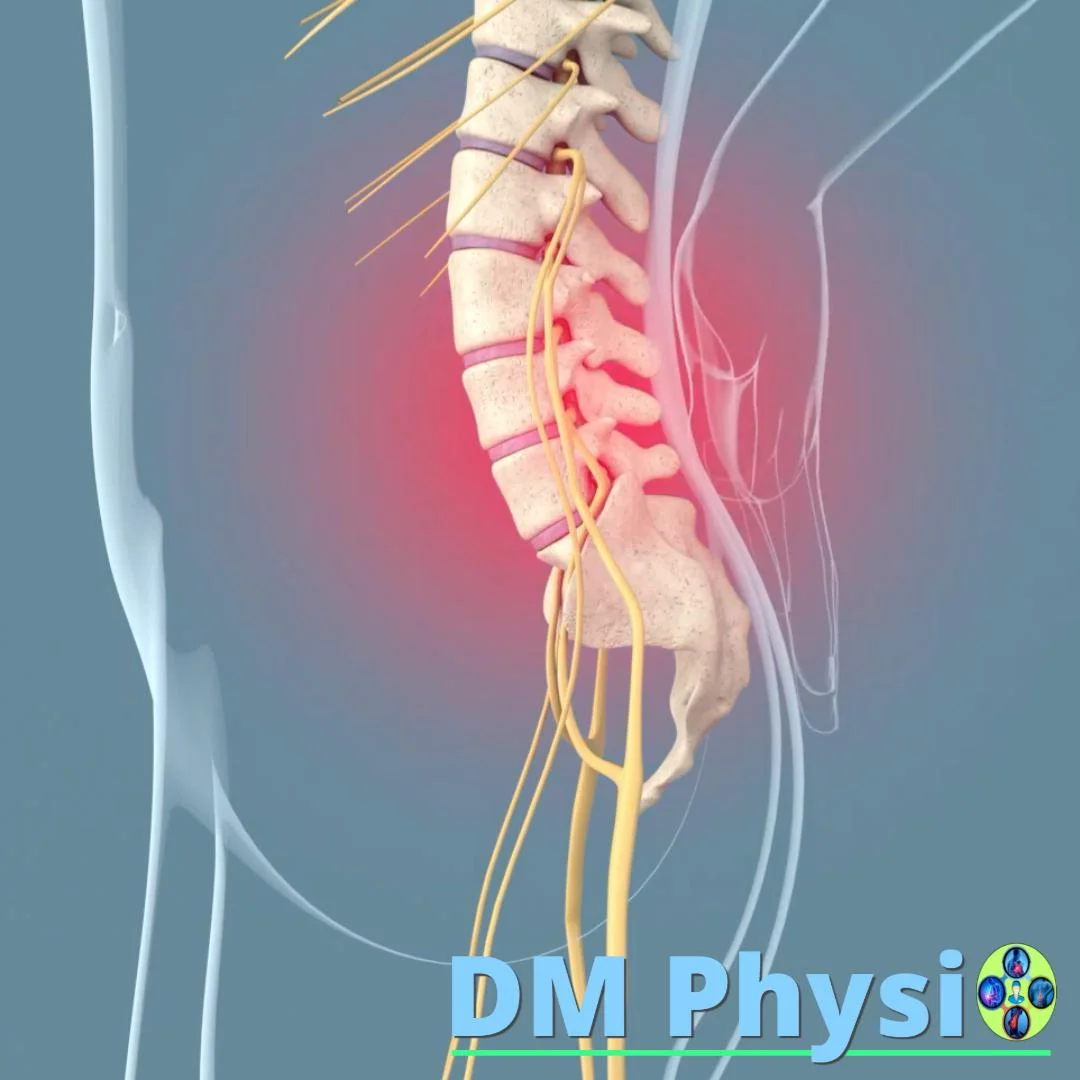
What is a lumbar disc herniation?
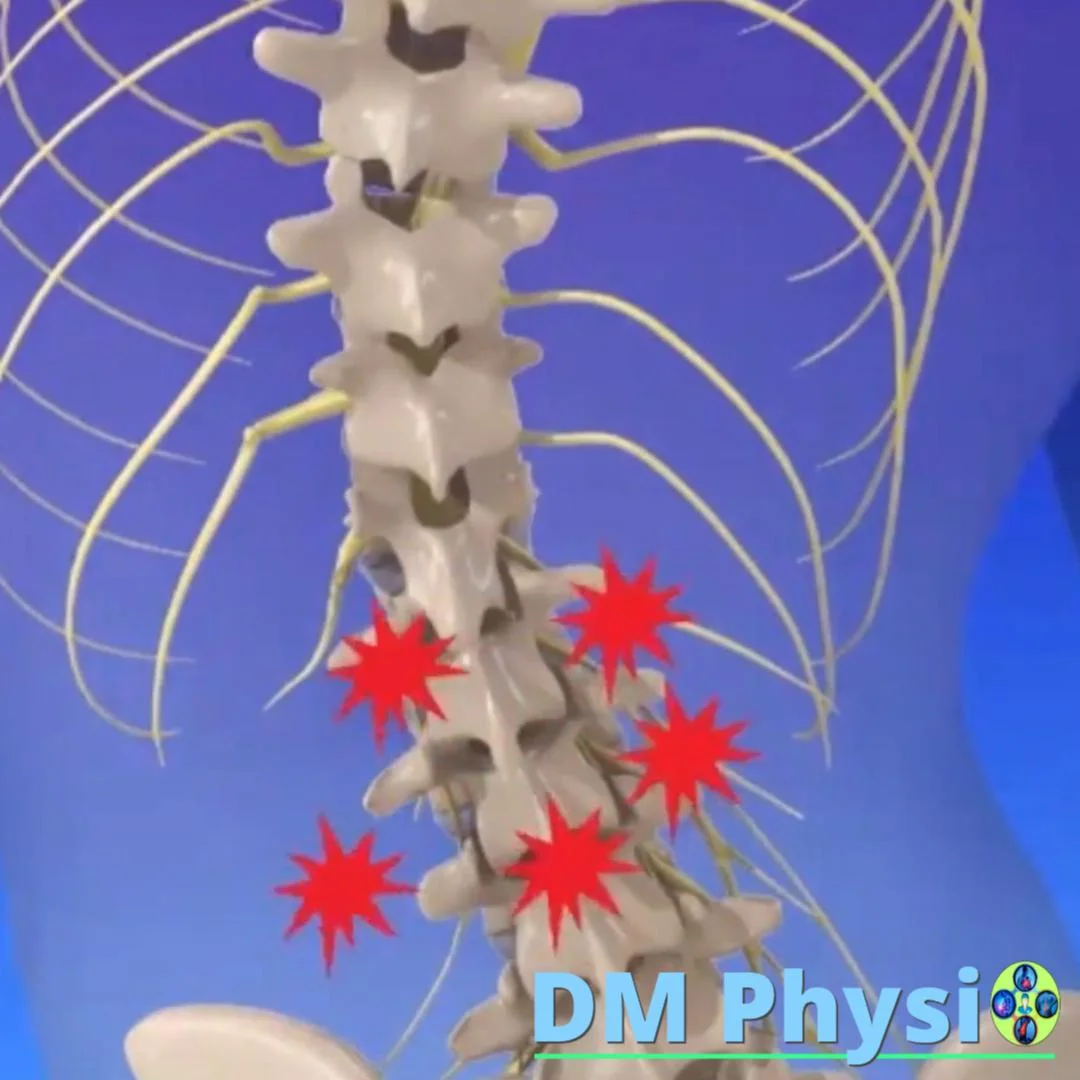
A herniated disc is a condition in which the soft inner center of the intervertebral disc, called nucleus pulposus, goes outside its sheath (annulus fibrosus). This puts pressure on the spinal cord or nerve roots, causing severe pain, numbness and weakness in the legs.
The intervertebral discs function as shock absorbers between the vertebrae. They provide flexibility and help absorb the load.
Lumbar (sacral) herniated discs are the most common type (95% of cases) and can cause severe pain, numbness and weakness in the legs (sciatica).
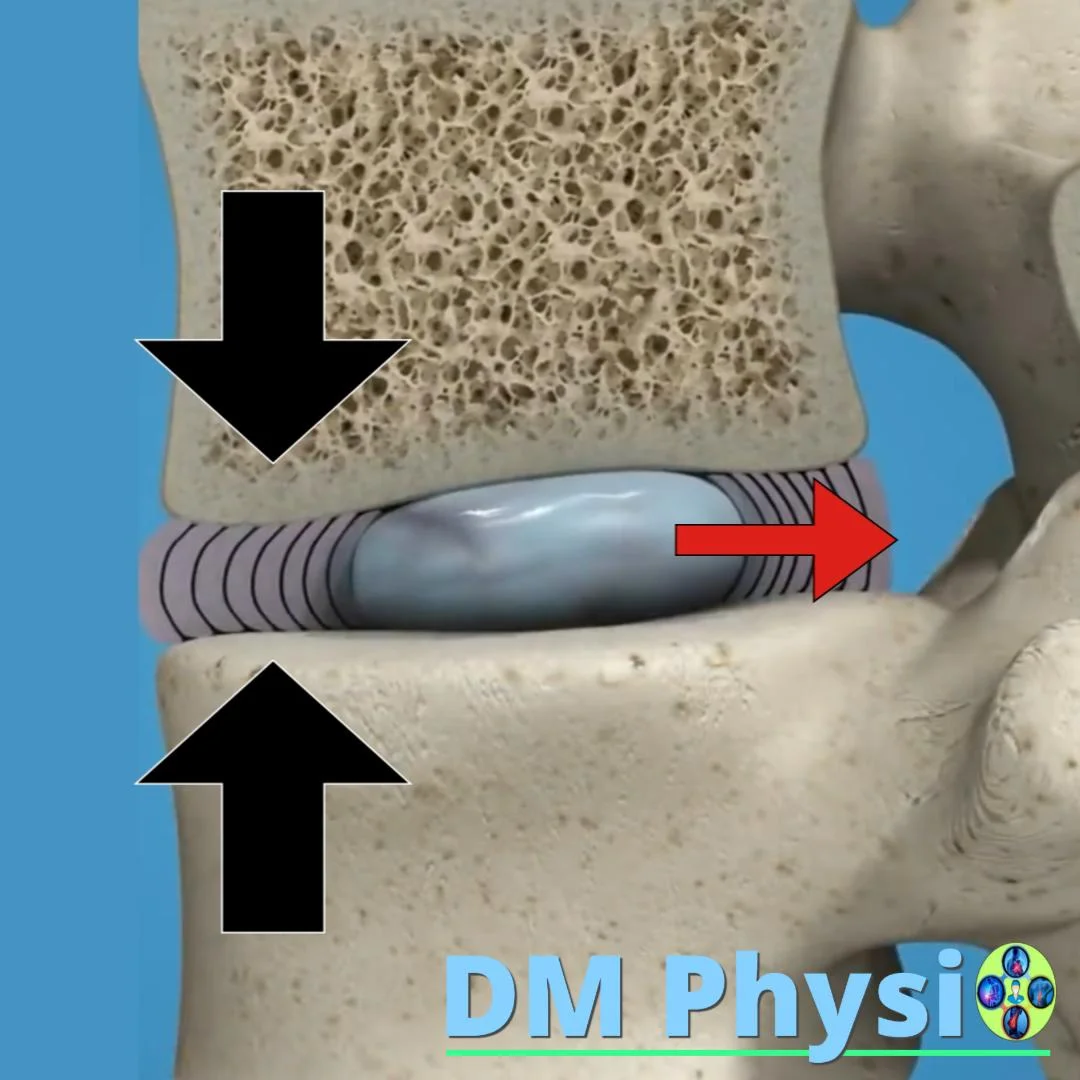
The relationship with muscle imbalance
A herniated disc is often the result of uneven loading of the lower back.
Muscle imbalance
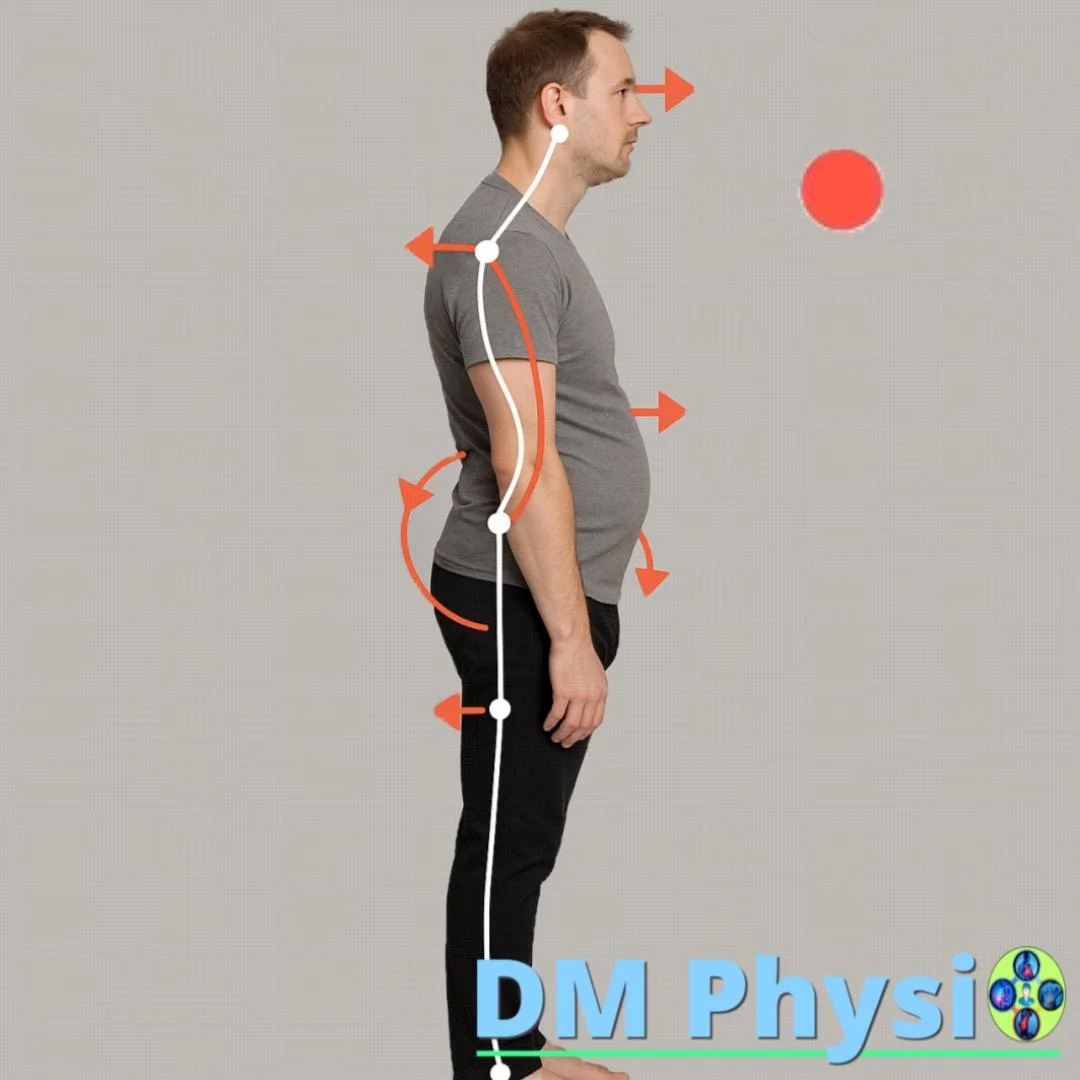
Ideally, the muscles around the lower back and spine work in harmony. In a muscle imbalance, some muscles become overly tight while others become weak. This uneven force pulls the spine into an poor position, with posture often crooked forward or sideways.
Uneven load
When the muscles do not support the spine symmetrically, the weight is distributed unevenly on the intervertebral discs. Instead of the disc absorbing the pressure evenly, it is pressed on only one side. This constant, asymmetric pressure gradually damages its outer sheath (the annulus fibrosus).
Increased pressure and herniation
Over time, the sustained pressure on the disc becomes too much. The outer annulus fibrosus cannot withstand and tears. The inner, jelly-like part of the disc leaks or bulges out, which is called a herniation. A herniated disc presses on nearby nerve roots or the spinal cord, causing pain, numbness, and weakness.
Important: Our approach targets muscle imbalance – the main cause of lumbar disc herniation. When some muscles become weak and others are overworked, the vertebrae lose stability, the discs shift and press on nerves, resulting in pain and stiffness.
1) Muscle imbalance
Ideally, the muscles around the lower back and spine work in harmony. In a muscle imbalance, some muscles become overly tight while others become weak. This uneven force pulls the spine into an poor position, with posture often crooked forward or sideways.
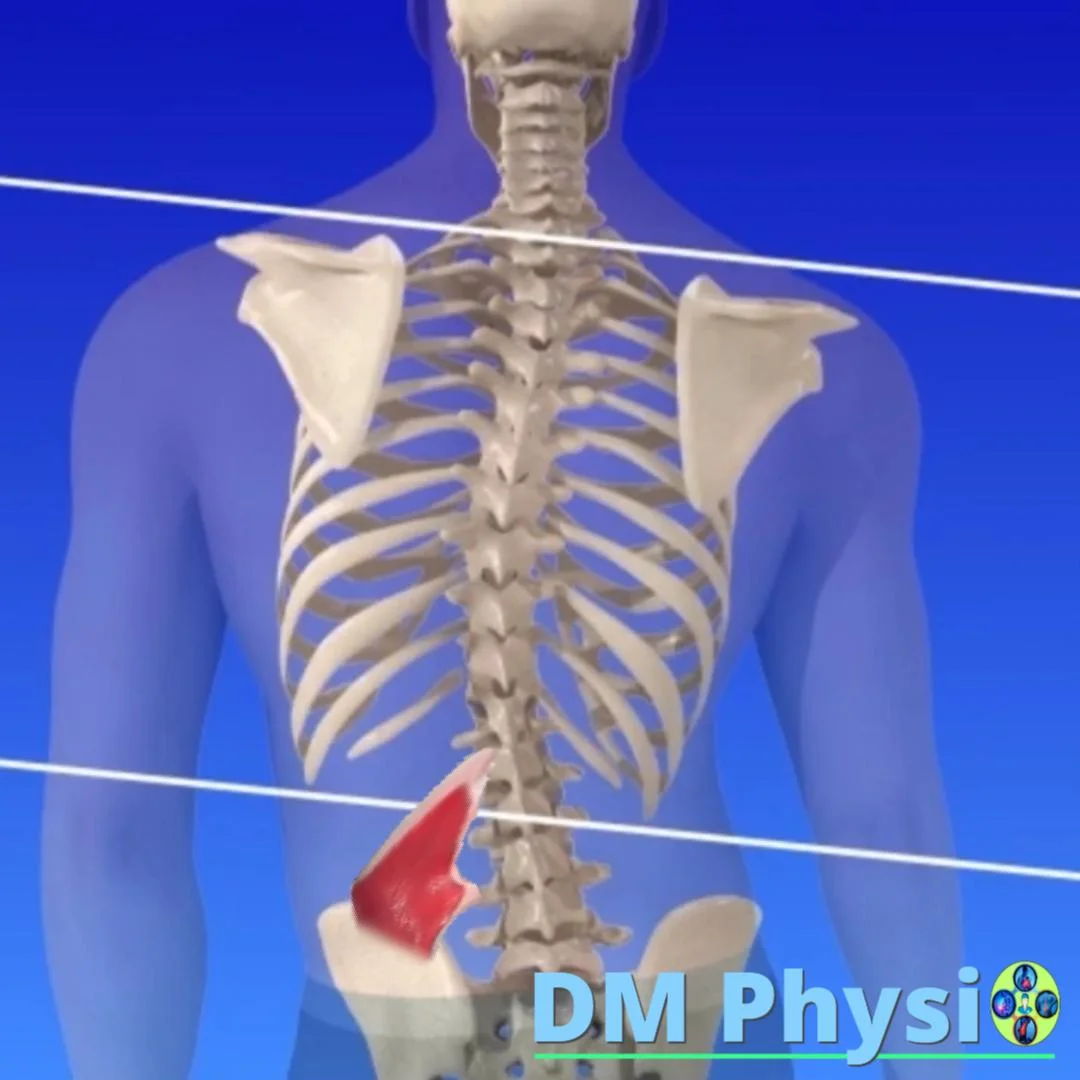
2) Uneven load
When the muscles do not support the spine symmetrically, the weight is distributed unevenly on the intervertebral discs. Instead of the disc absorbing the pressure evenly, it is pressed on only one side. This constant, asymmetric pressure gradually damages its outer sheath (the annulus fibrosus).
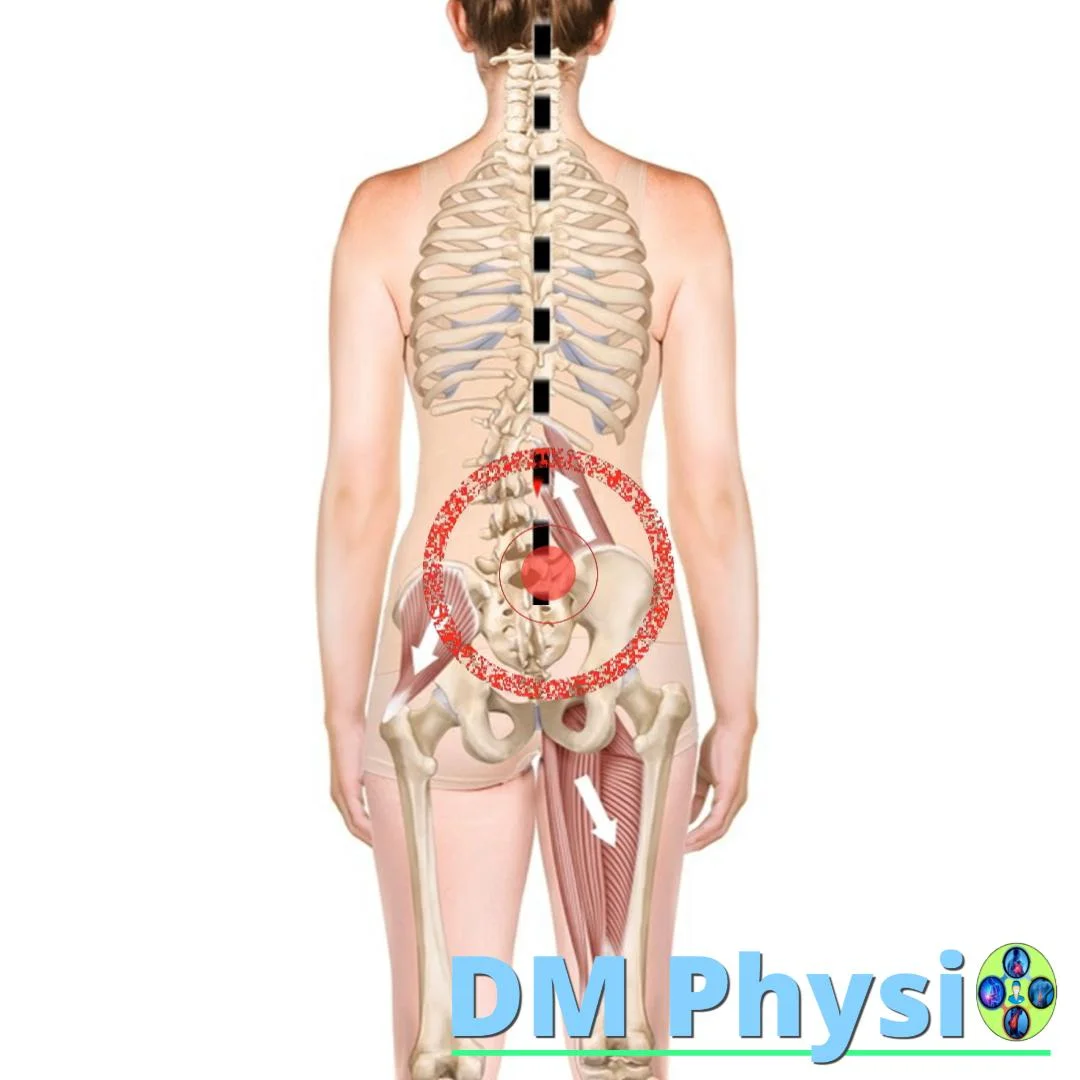
3) Increased pressure and herniation
Over time, the sustained pressure on the disc becomes too much. The outer annulus fibrosus cannot withstand and tears. The inner, jelly-like part of the disc leaks or bulges out, which is called a herniation. A herniated disc presses on nearby nerve roots or the spinal cord, causing pain, numbness, and weakness.
How does physical therapy treat a herniated disc in the lower back?
Our approach is focused on the contributing factors - muscle imbalance.
1. Remove the pressure on the disc
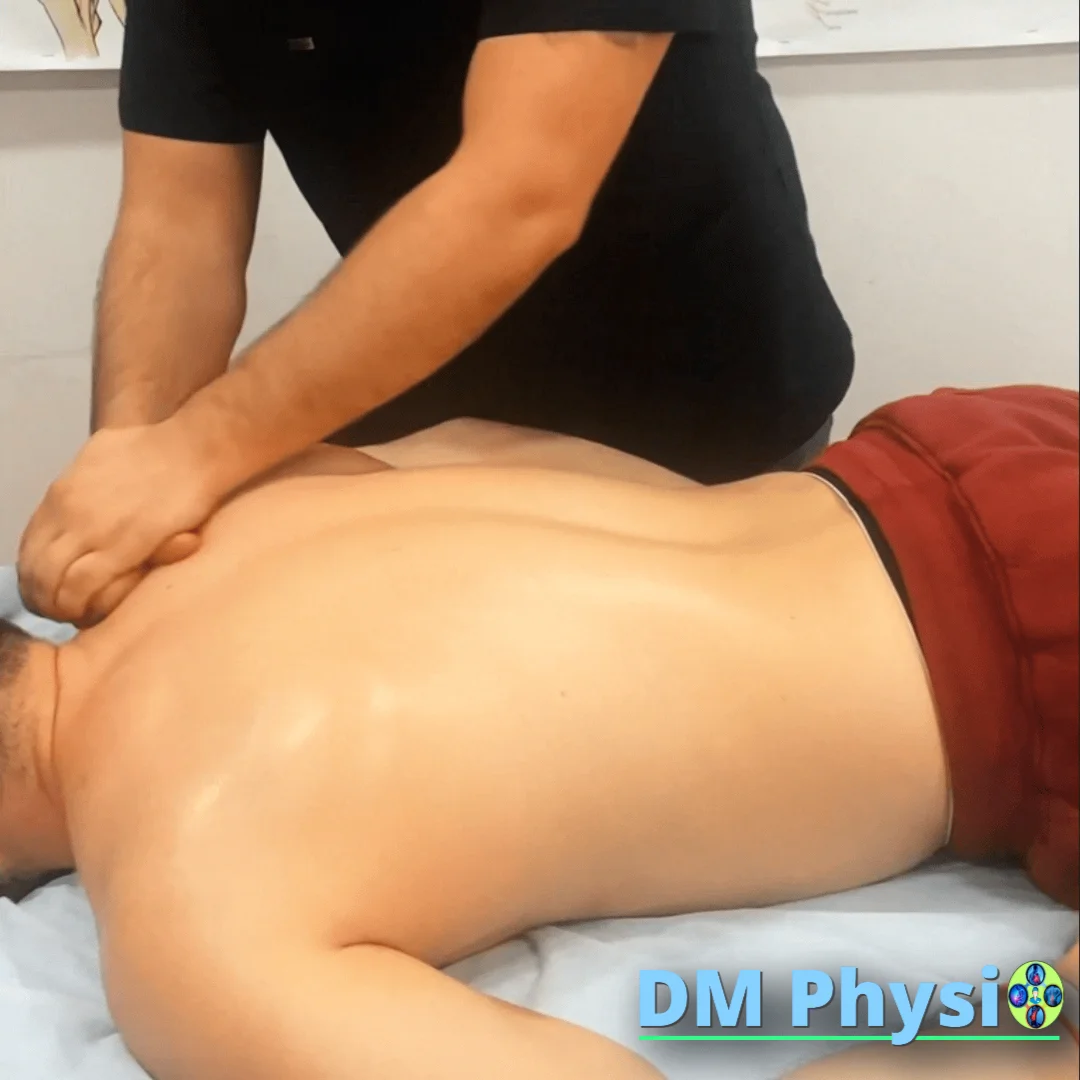
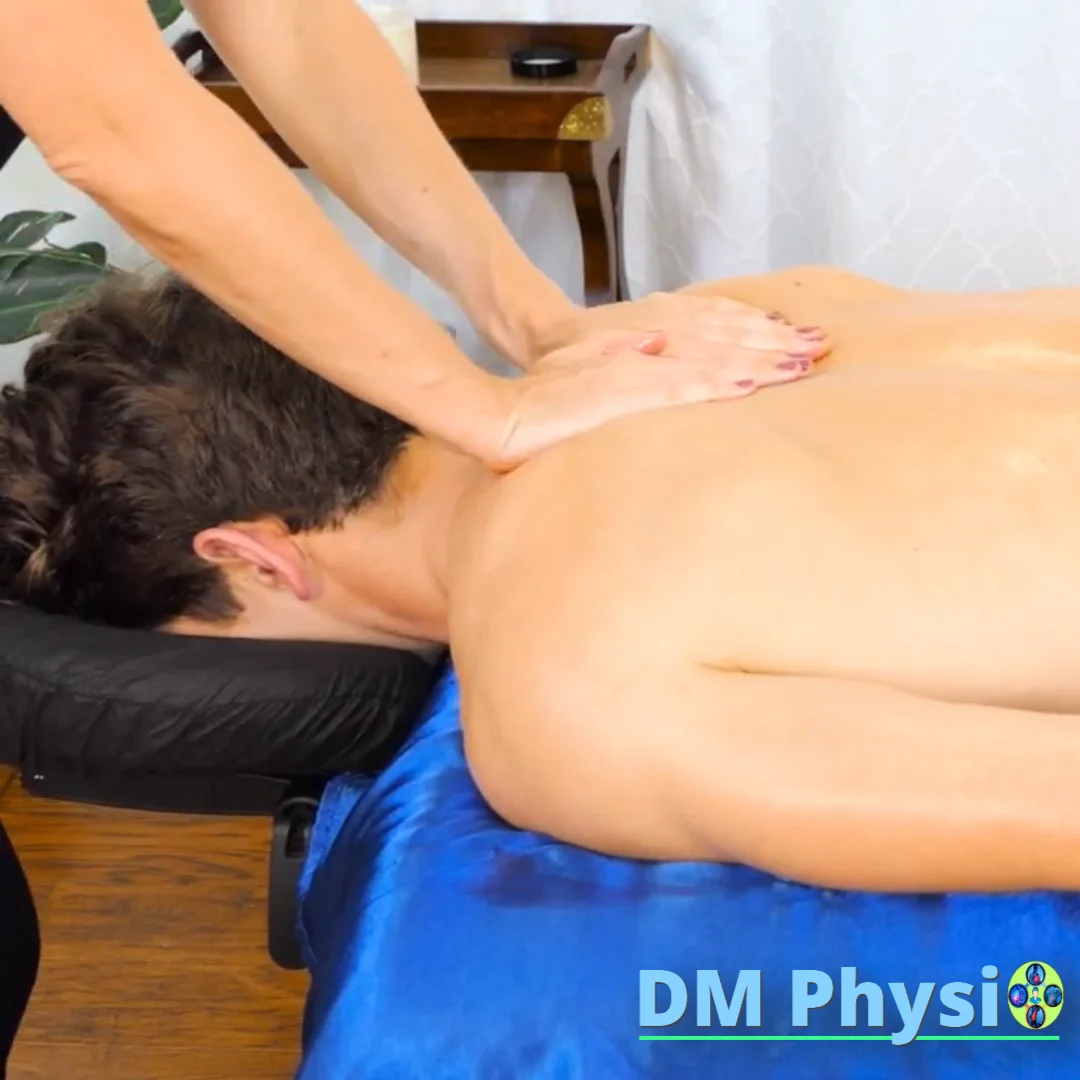
Through manual and instrumental techniques we identify and work on tight and sore muscles. The goal is to reduce the tension and release the pressure on the spine that is causing the disc to bulge.
2. Strengthening of stabilizing muscles
After the tension is removed, we move on to recovery exercises of muscles that have become ineffective. This restores the proper supporting function of the spine and prevents re-injury.
3. Achieving long-term balance
Restoring muscle balance leads to even weight distribution, which relieves the disc and helps reduce excessive load on the disc. In this way, longer-lasting relief is possible.
Important: The treatment program is strictly individual and is prepared after a detailed functional assessment of the condition. This is how the specific muscle imbalances and causes of the pain are determined, which allows the therapy to be targeted and to support steadier progress.