Coxarthrosis (arthrosis of the hip joint)
Hip osteoarthritis does not always explain pain by itself. Symptoms often increase when the muscles around the hip do not share load well during walking, standing and stairs.
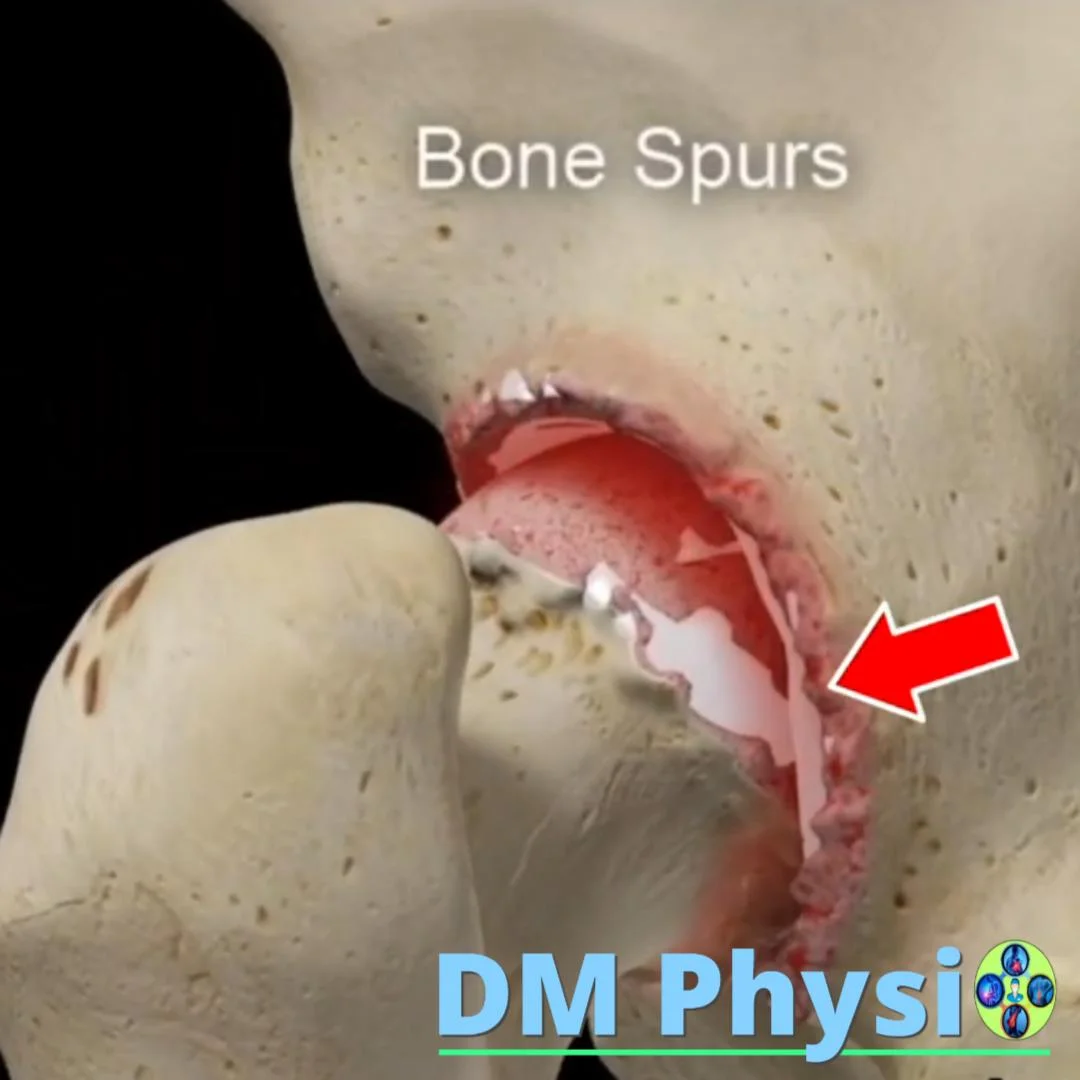
What is coxarthrosis?
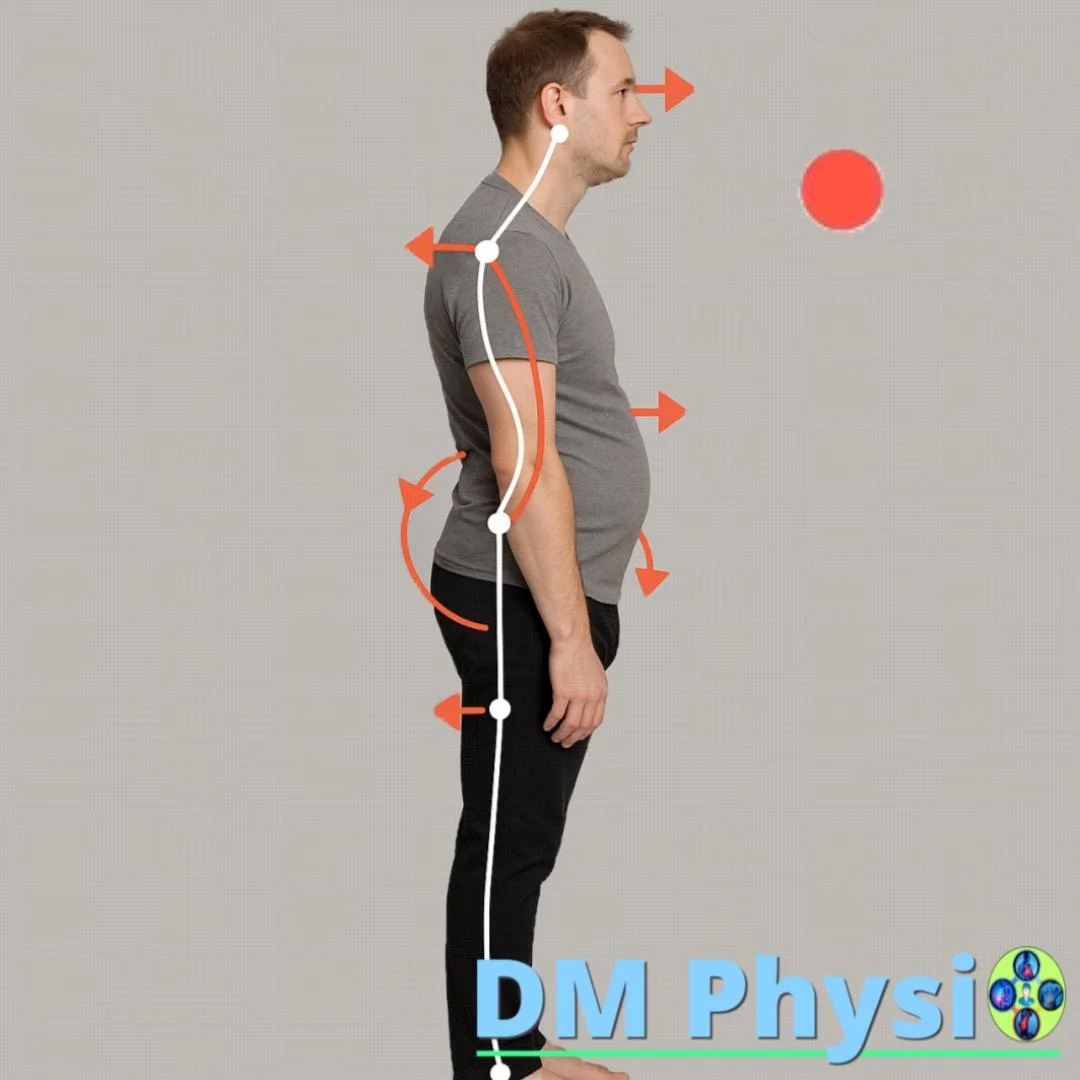
Coxarthrosis is a degenerative condition of the hip joint. Symptoms are often influenced not only by the joint itself, but also by the way the body distributes weight during walking and standing. When key muscles are weak or poorly coordinated, the body may start to compensate: stepping with a locked knee, shifting weight unevenly and allowing the pelvis to tilt. This increases the pressure on the joint and can increase joint stress.
Important: joint changes on their own do not always match the level of pain. Muscle strength, hip control and the way you load the leg can strongly influence symptoms. A common aggravating habit is walking or standing with the knee locked. Without a small, controlled bend in the knee and hip, more force can pass directly through the hip and knee.
Typical symptoms: pain in the groin (often radiating to anterior thigh or knee), morning stiffness, pain when taking first steps after sitting, difficulty putting on socks/shoes. Risk factors: prolonged sitting, untrained glutes and hamstrings, overweight, previous injuries.
Why the hip gets overloaded and which muscles matter
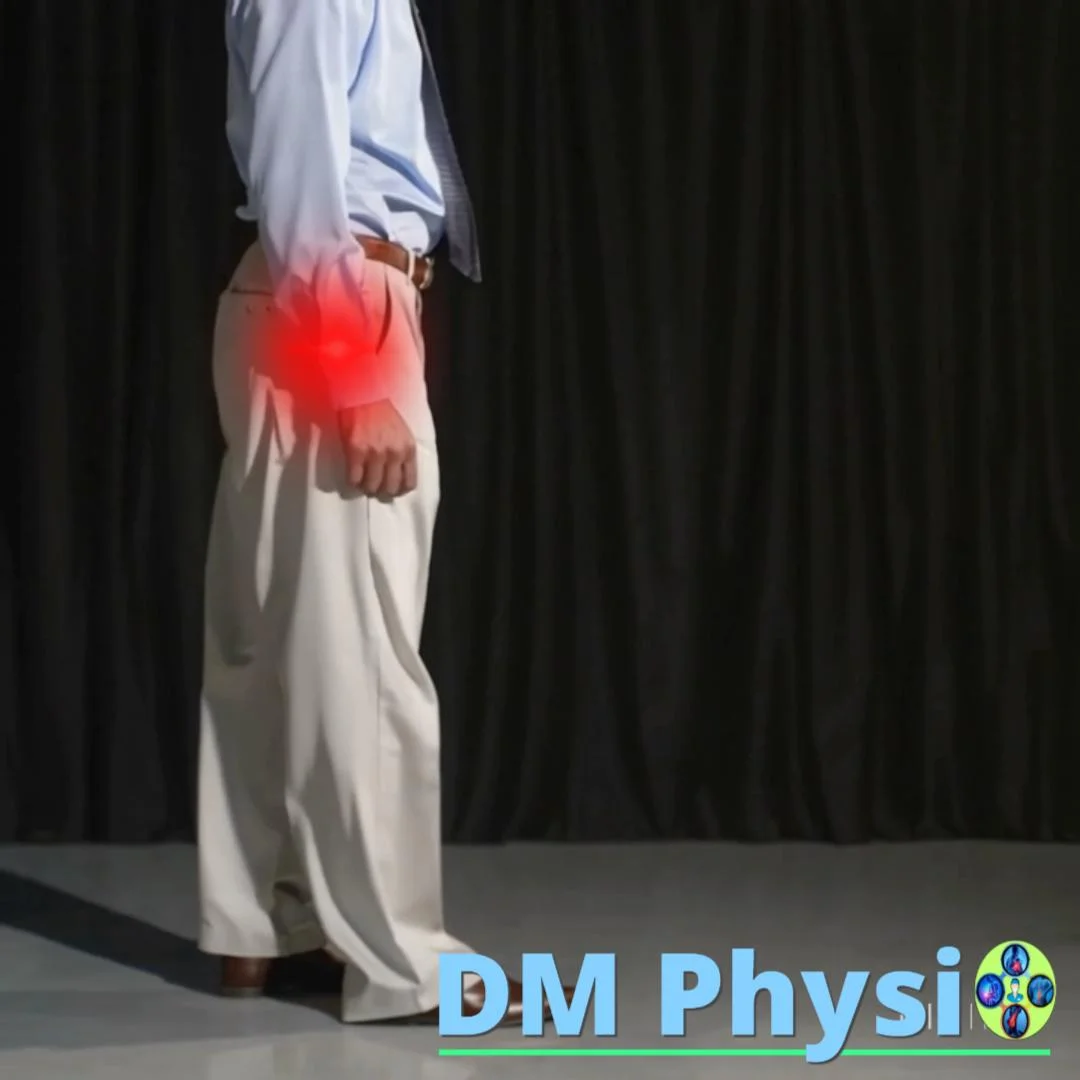
Hip stress can increase when weight is distributed poorly: walking or standing with knees locked or fully straight, poor pelvic control and lack of knee and hip flexion.
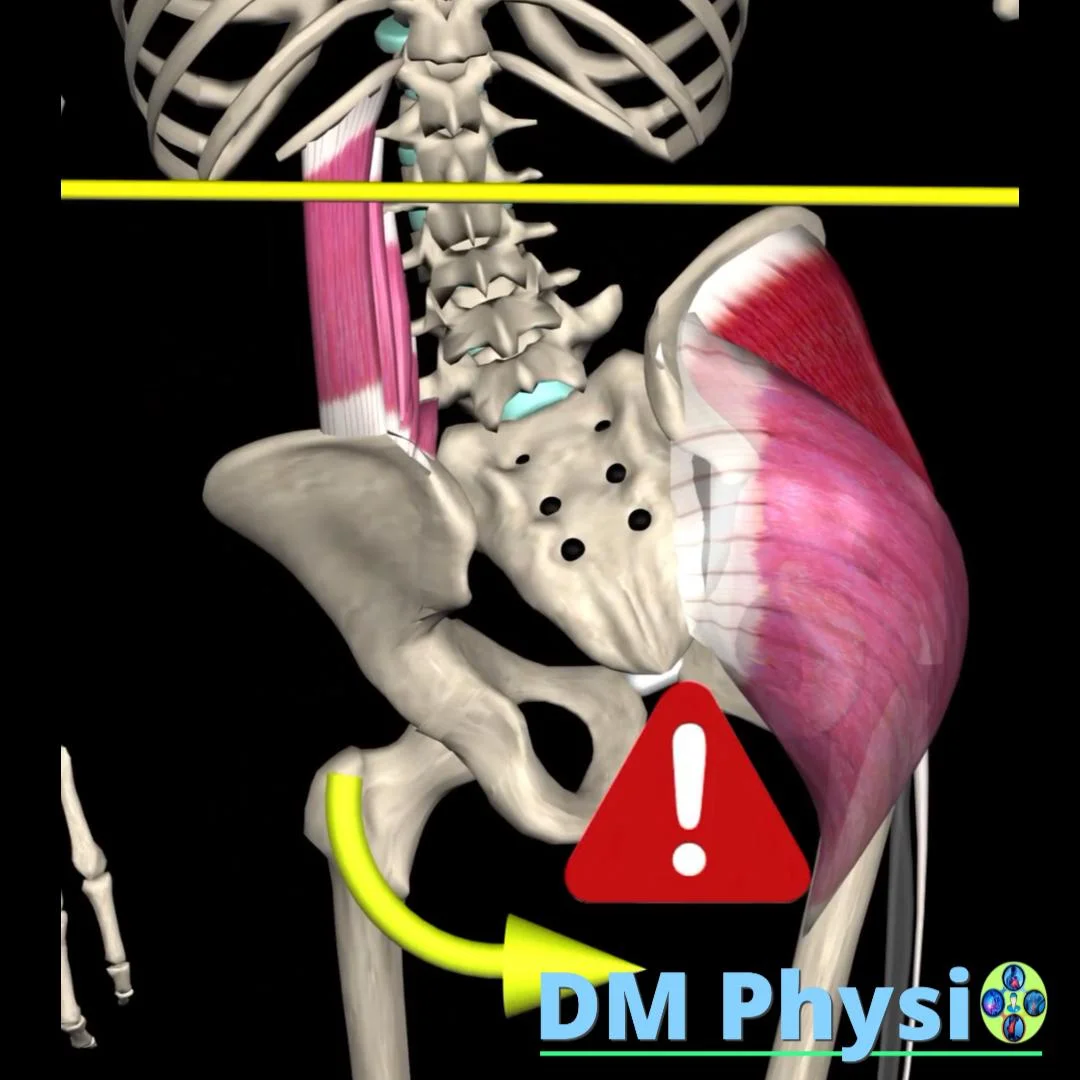
Gluteus medius and minimus – pelvic stability
Weak gluteus medius/minimus lead to pelvic drop when walking/standing on one leg. The weight passes along the inner line of the thigh and overloads the hip. Daily provocations: long walking, going up/down stairs, standing on one leg.
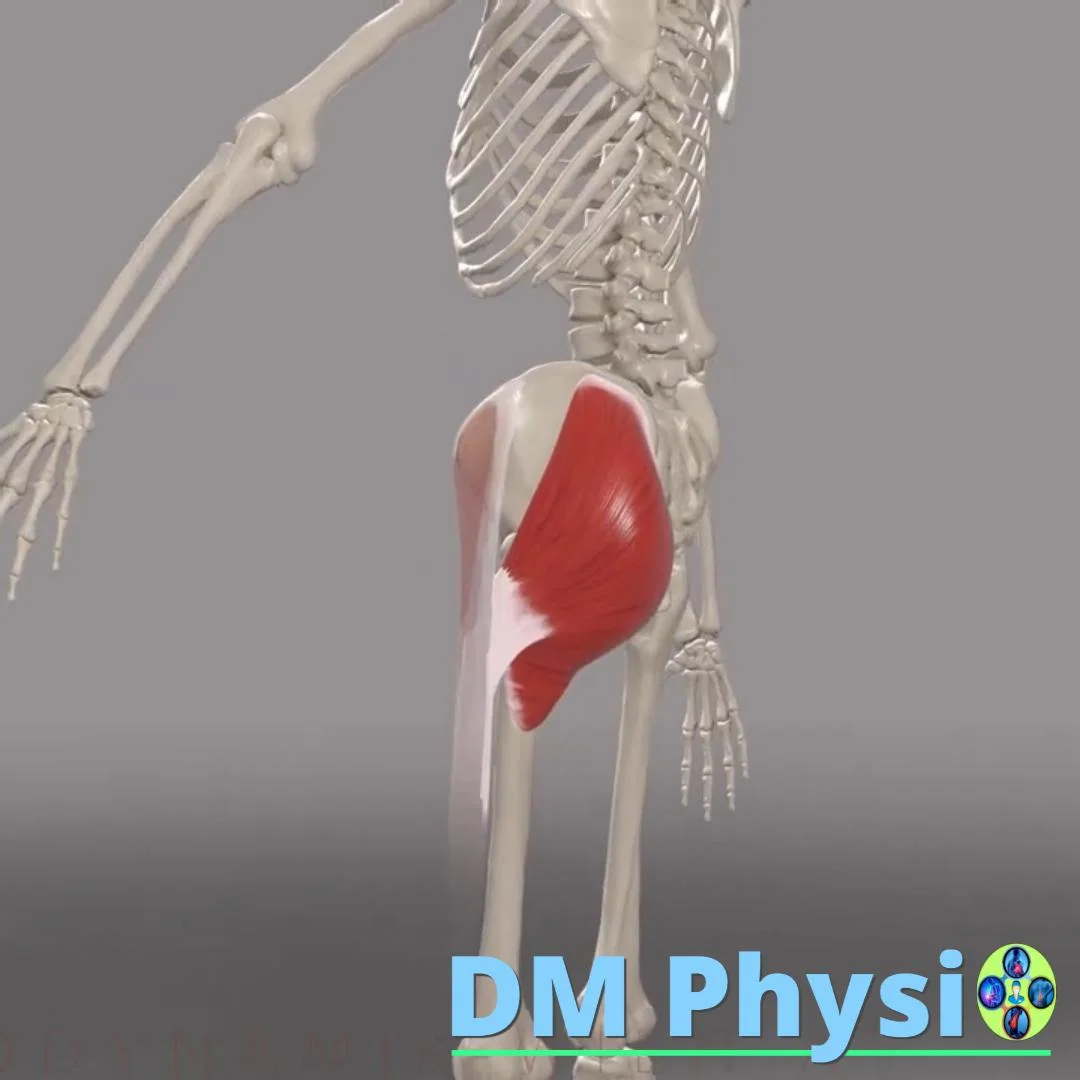
Gluteus maximus + shortened flexors - lack of extension
Weak gluteus maximus and shortened flexors (iliopsoas, TFL, adductors) block hip extension. A person may start stepping with a straight knee and using the leg like a "walking stick" which increases the compression in the joint.
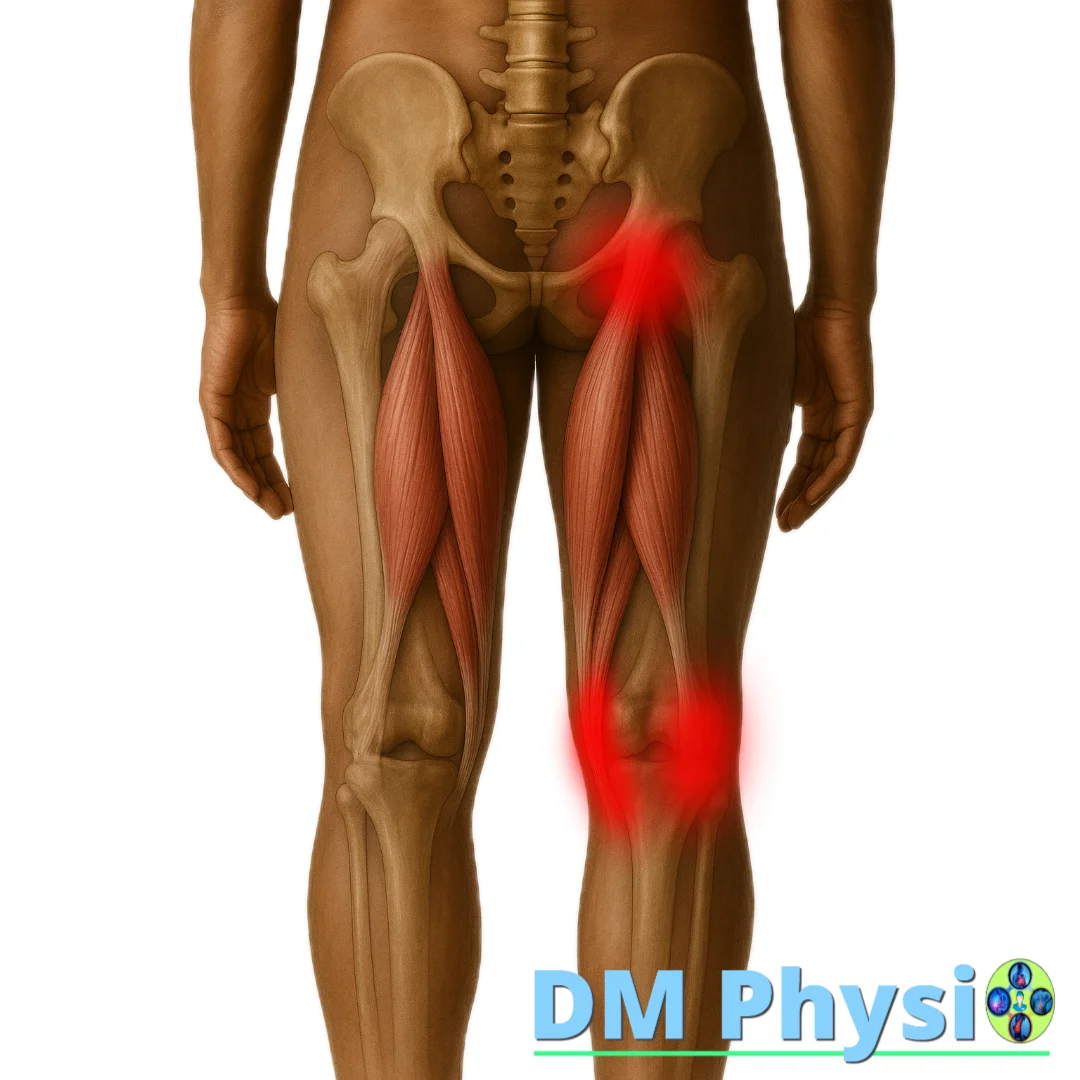
Hamstrings + "locked" knee - impact load
Weak hamstrings and habit for walking/sitting with knees extended reduce "softening" when stepping. Lack of slight bend in the knee increases the impact load and can increase joint stress on the hip and knee joints.
When to see a doctor: sudden inability to walk after injury, severe redness/swelling/warmth of the joint, high fever, night pain, rapidly worsening weakness or numbness.
1) Gluteus medius and minimus – pelvic stability
Weak gluteus medius/minimus lead to pelvic drop when walking/standing on one leg. The weight passes along the inner line of the thigh and overloads the hip. Daily provocations: long walking, going up/down stairs, standing on one leg.
2) Gluteus maximus + shortened flexors - lack of extension
Weak gluteus maximus and shortened flexors (iliopsoas, TFL, adductors) block hip extension. A person may start stepping with a straight knee and using the leg like a "walking stick" which increases the compression in the joint.
3) Hamstrings + "locked" knee - impact load
Weak hamstrings and habit for walking/sitting with knees extended reduce "softening" when stepping. Lack of slight bend in the knee increases the impact load and can increase joint stress on the hip and knee joints.
How does physical therapy help?
The goal is to recover muscle balance, to teach the joint to work "softly" again (with normal knee and hip flexion) and to reduce excess compression.
1. Identification and manual release
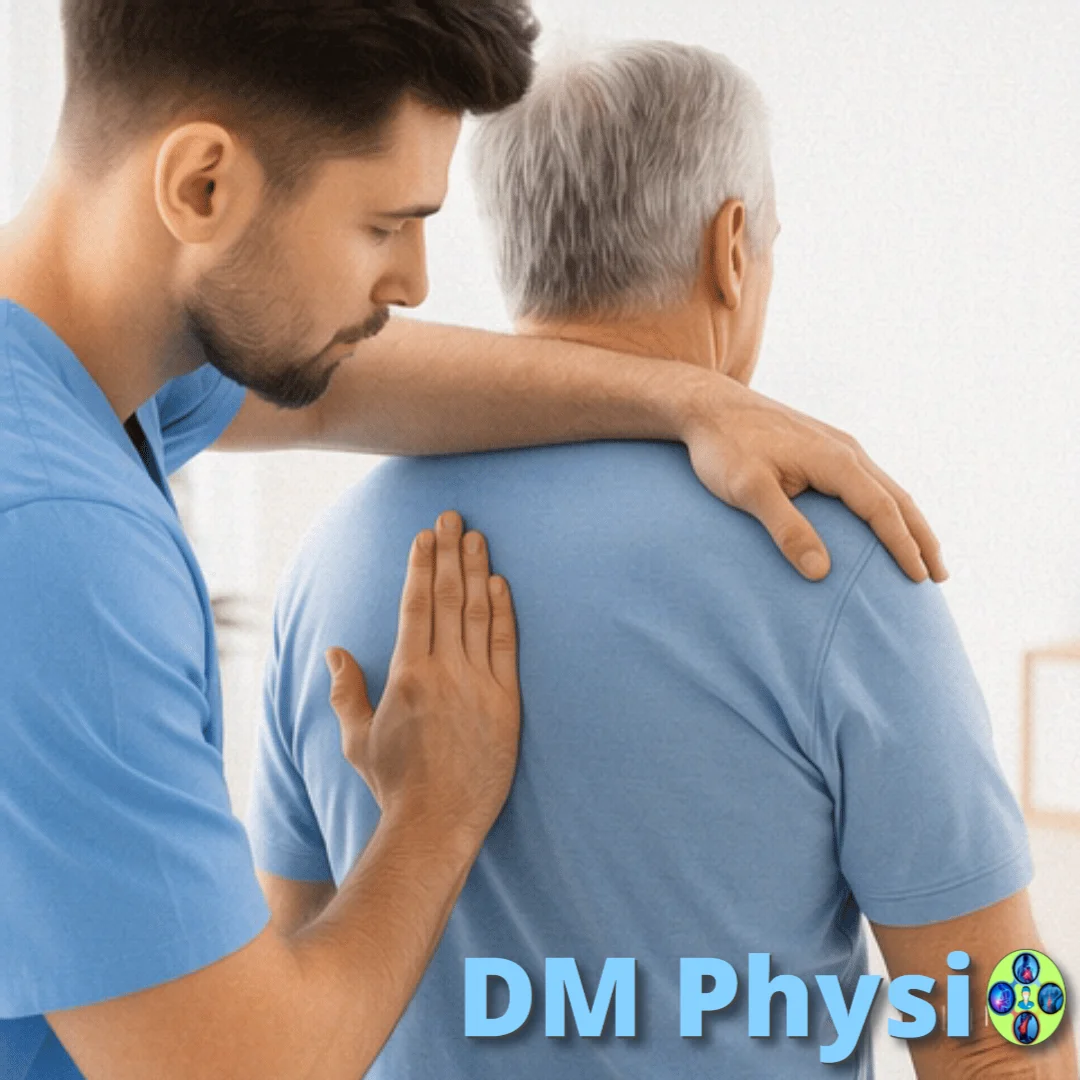
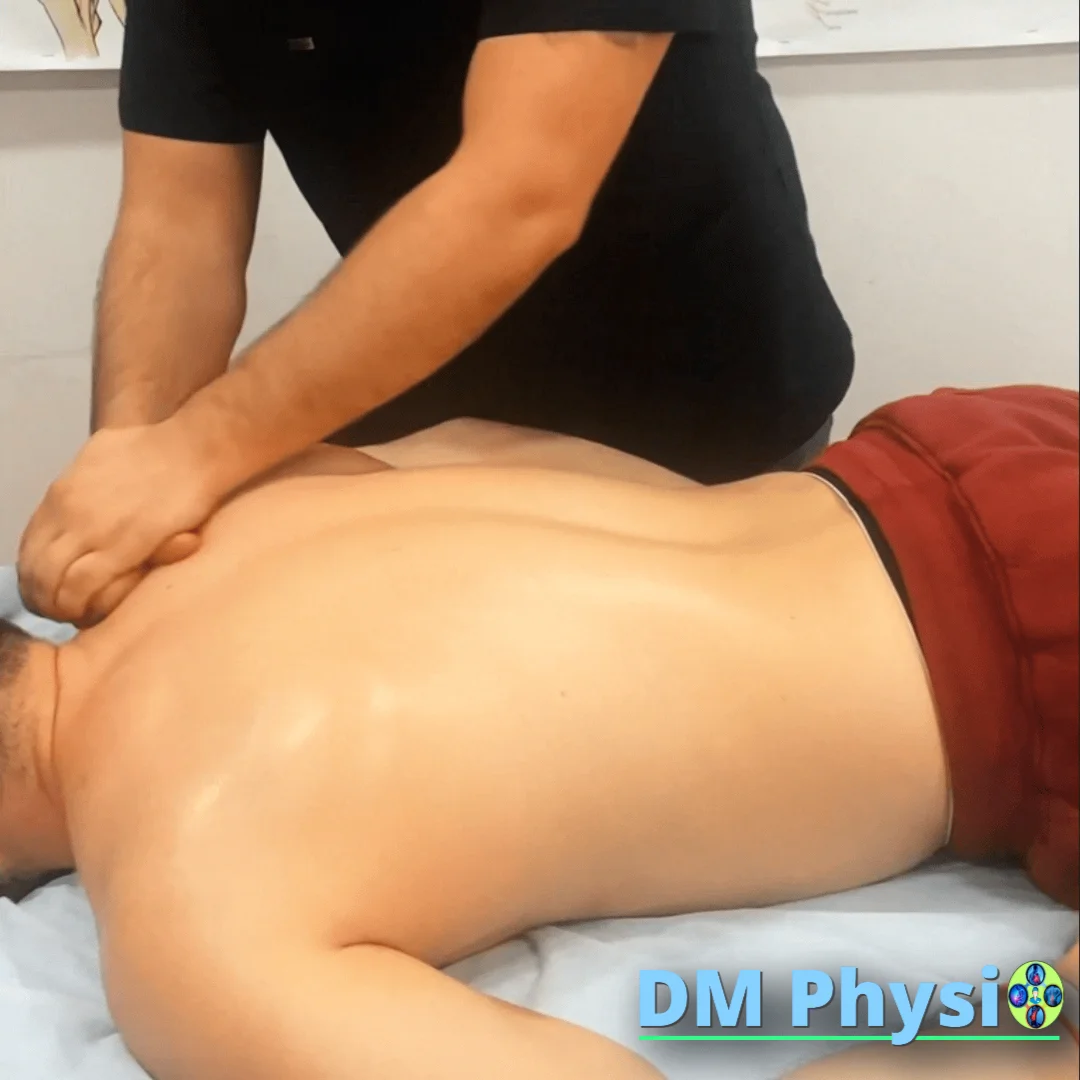
We assess which muscles create an imbalance (often weak gluteus medius/maximus and hamstrings; shortened iliopsoas, TFL and adductors). We apply manual techniques and therapeutic massage to relax tense structures and reduce pain.
2. Muscle balance exercises
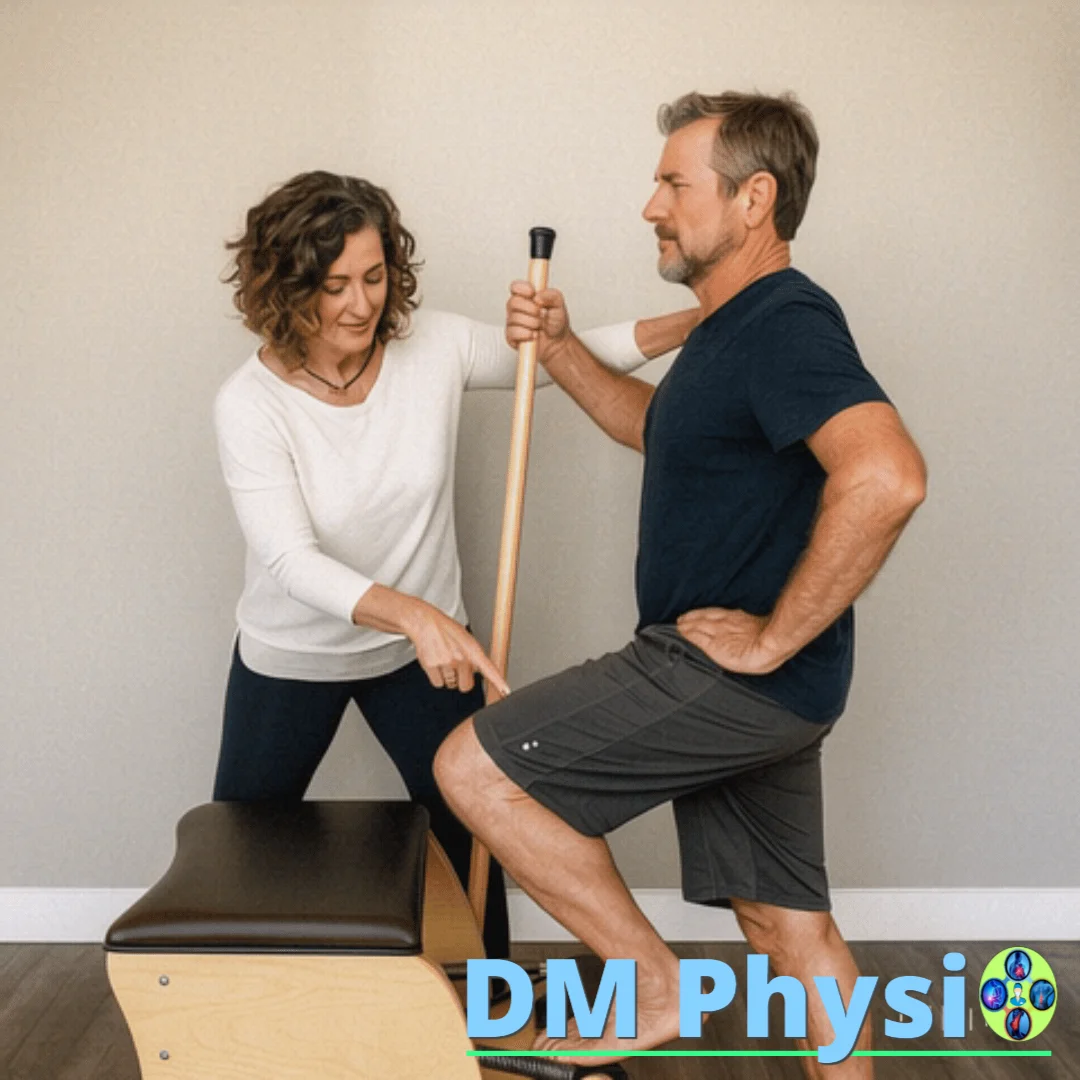
We strengthen the weak (gluteus medius/minimus, gluteus maximus, hamstrings) and we stretch the shortened ones (flexors, TFL, adductors). We train correct models: squatting, getting up from a chair, going up/down stairs, walking with a "soft" knee.
3. Education and prevention
We explain how walking and standing habits can increase joint stress and give practical strategies for daily life while strength and control are improving. We give strategies:
Important: Many patients with coxarthrosis have meaningful improvement after correcting the gait, strengthening the gluteal and posterior femoral muscles.