Nerve pain in the pelvis and buttock
What are pelvic and sciatic neuralgias, how are they recognized and which approaches may help reduce pain and numbness.
What are pelvic and sciatic neuralgias?
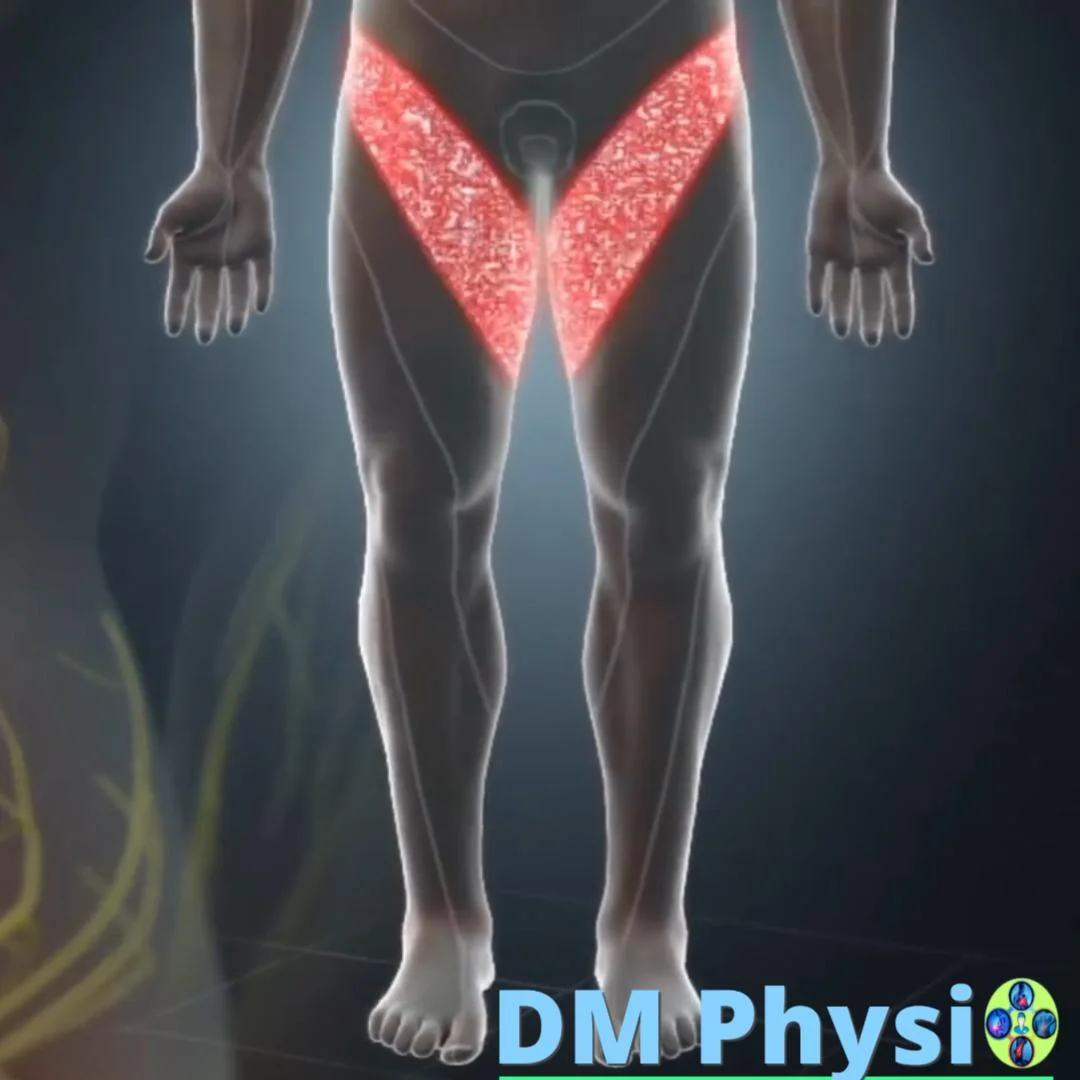
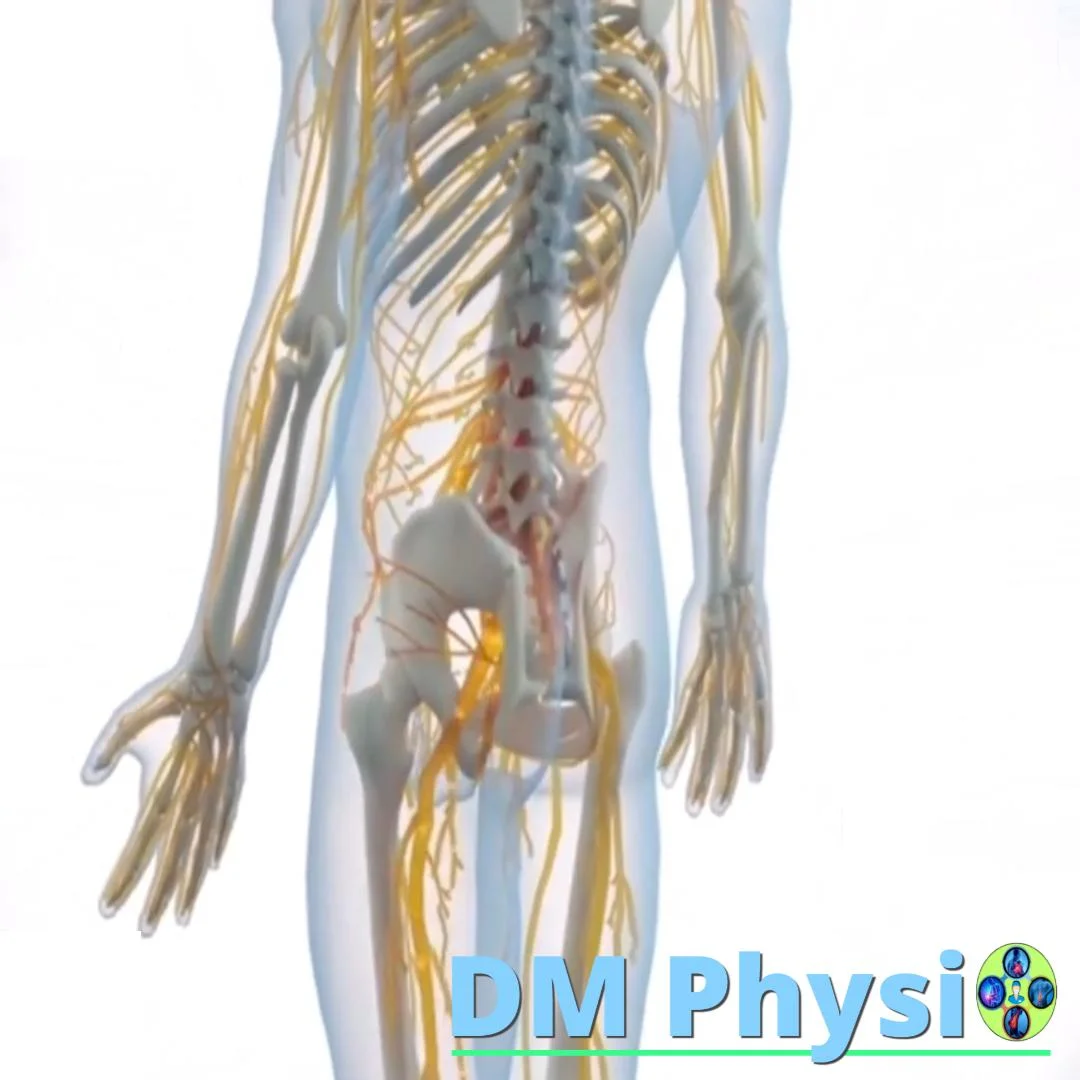
Neuralgia is a sharp, burning or stabbing pain along the course of a nerve caused by irritation or compression. In the pelvic and buttock area it often affects the sciatic nerve, cluneal nerves and the pudendal nerve. Symptoms include deep buttock pain, tingling, burning, "electricity," discomfort in sitting and sometimes radiation to the groin, perineum, or back of the thigh.
Risk factors: prolonged sitting (especially on hard), cycling, muscle spasms (piriformis, obturator internus, gluteus), poor posture and pelvic tilt, scars/injuries in the area, postpartum period, surgical interventions.
Main causes of pelvic and buttock neuralgia
Pain is most often the result of nerve compression/irritation from surrounding tissue, muscles and sitting habits.
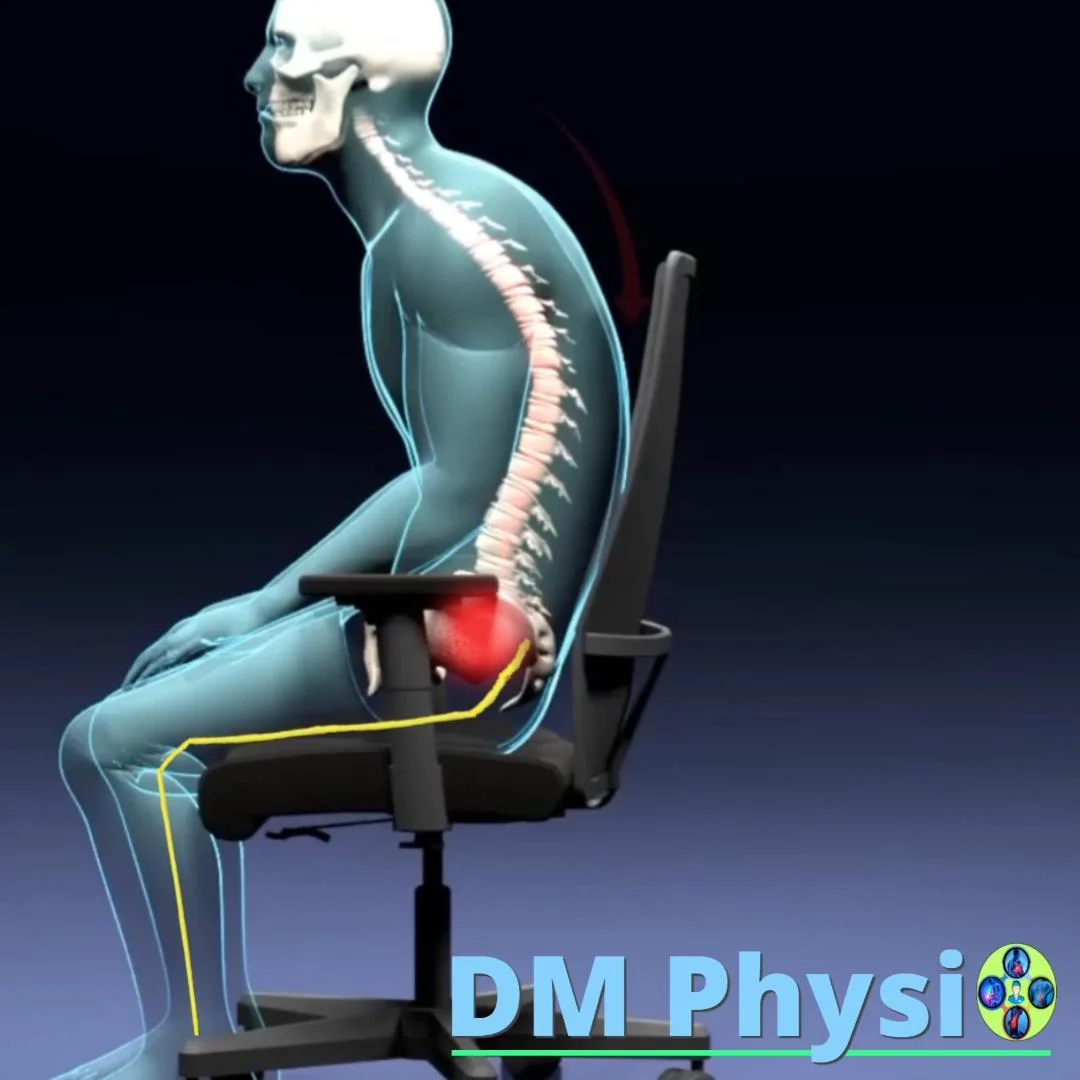
Prolonged sitting and direct pressure
Long sitting on the ischial bones increases the pressure in the area of Alcock’s canal and around the sciatic and coccygeal nerves. This disrupts the blood supply and irritates the nerves → burning, tingling, pain, often worsened by hard seats or a wheel.
Muscle spasms and shortening
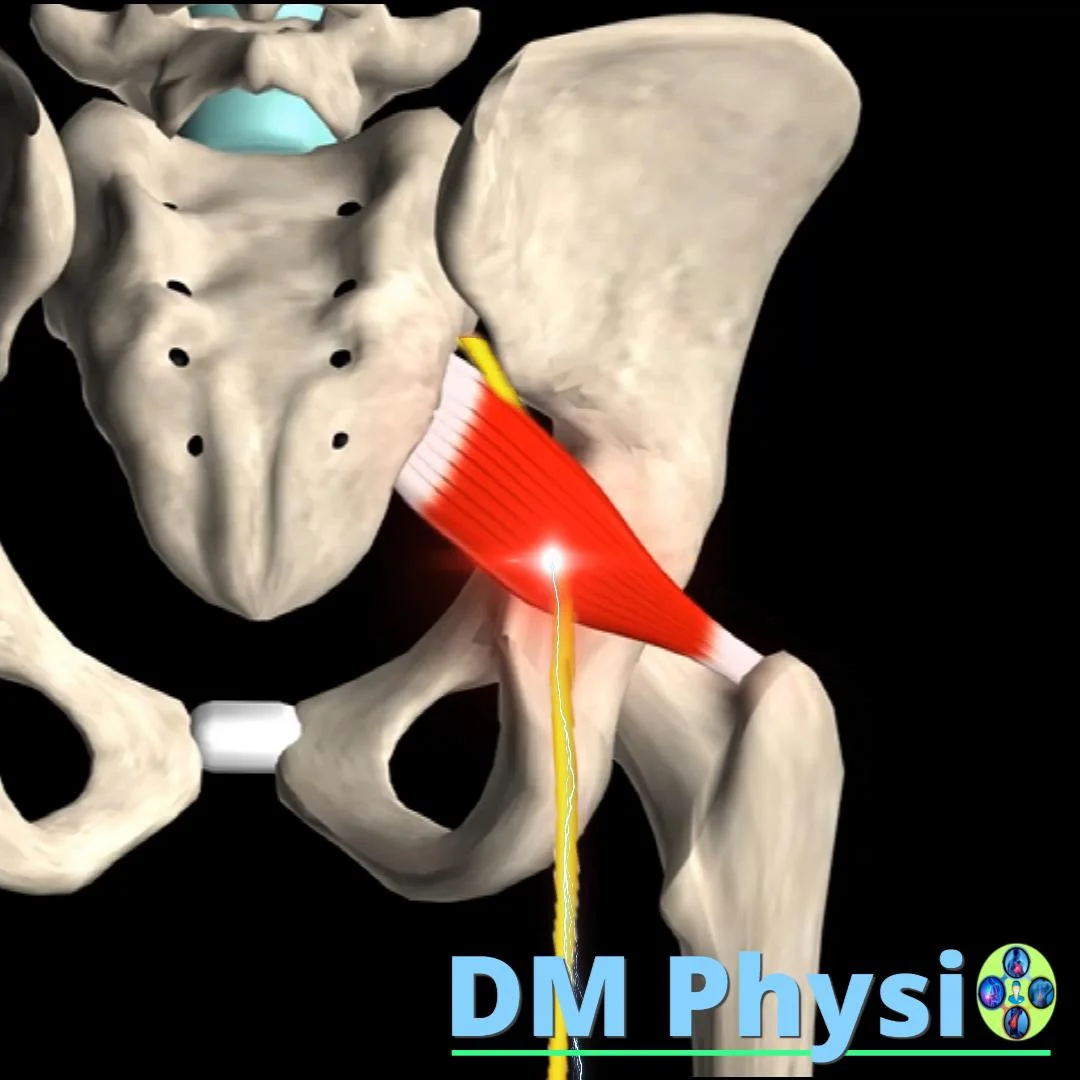
Spasm/shortening of piriformis, obturator internus and gluteus can compress the sciatic and coccygeal nerves. The pain intensifies when sitting, standing up from a chair, hip rotation or prolonged walking.
Pelvic position, SI loading and scars
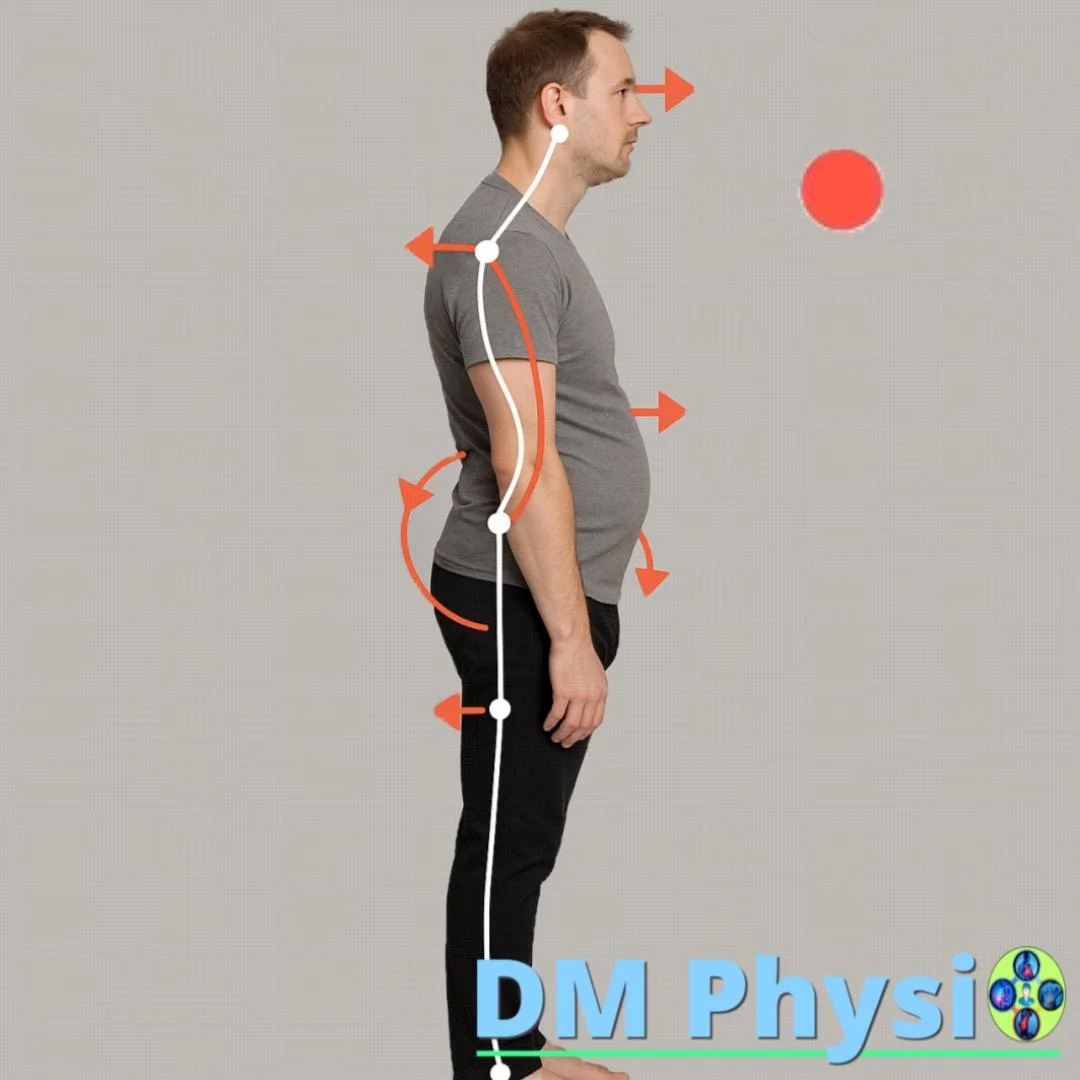
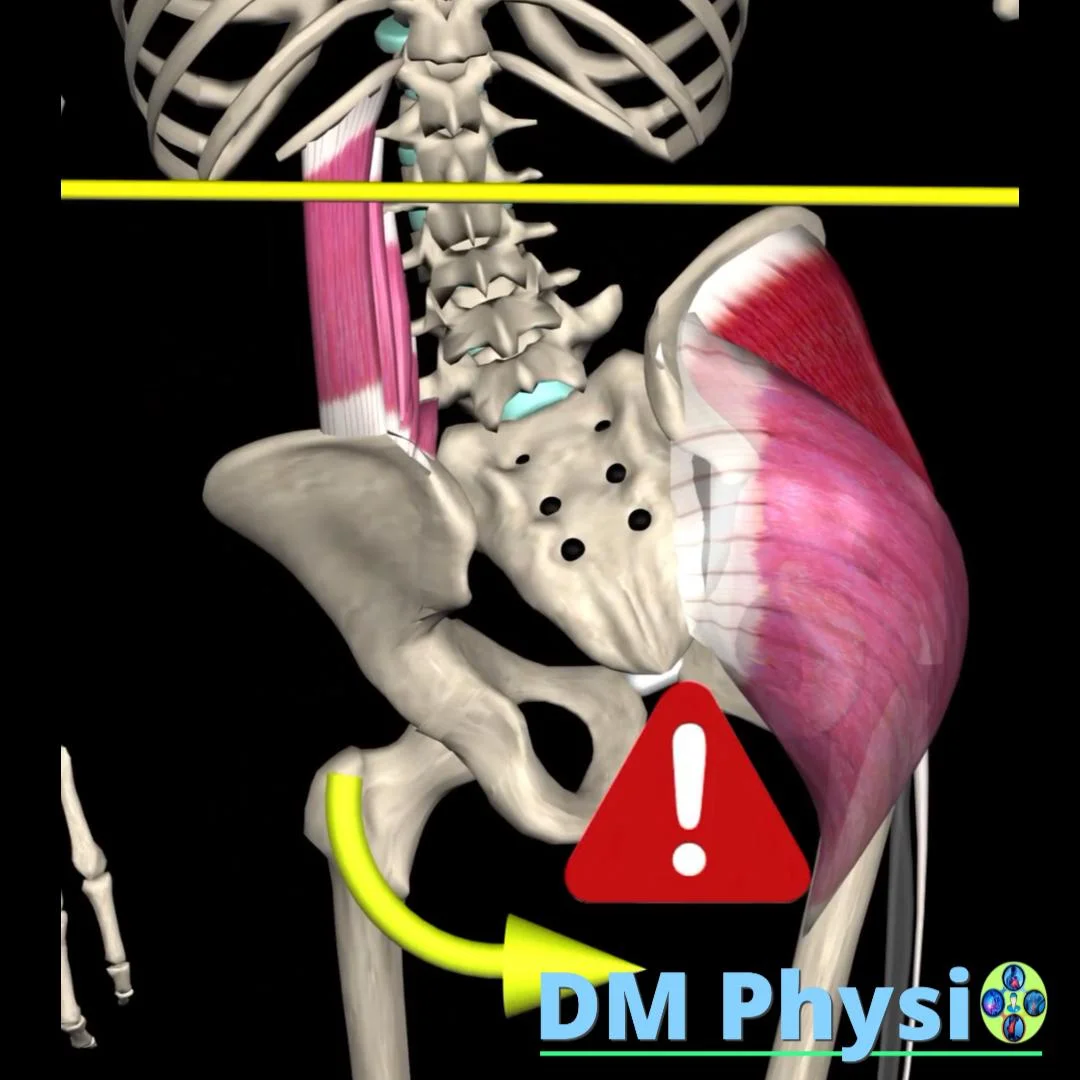
Improper pelvic tilt and imbalance of stabilizers (weak gluteus medius/maximus) increase the tension around the nerves. Trauma/surgery scars can also irritate the nerves. Symptoms are aggravated by standing on one leg, going up/down stairs.
Important! Urgently seek a doctor at new onset incontinence, numbness in the "saddle" area, sudden significant weakness in the leg, fever or night pain.
1) Prolonged sitting and direct pressure
Long sitting on the ischial bones increases the pressure in the area of Alcock’s canal and around the sciatic and coccygeal nerves. This disrupts the blood supply and irritates the nerves → burning, tingling, pain, often worsened by hard seats or a wheel.
2) Muscle spasms and shortening
Spasm/shortening of piriformis, obturator internus and gluteus can compress the sciatic and coccygeal nerves. The pain intensifies when sitting, standing up from a chair, hip rotation or prolonged walking.
3) Pelvic position, SI loading and scars
Improper pelvic tilt and imbalance of stabilizers (weak gluteus medius/maximus) increase the tension around the nerves. Trauma/surgery scars can also irritate the nerves. Symptoms are aggravated by standing on one leg, going up/down stairs.
How does physical therapy help?
The goal is to reduce pressure on the nerves, normalize muscle tone, and restore stable control of the pelvis and hips.
1. Reducing tension
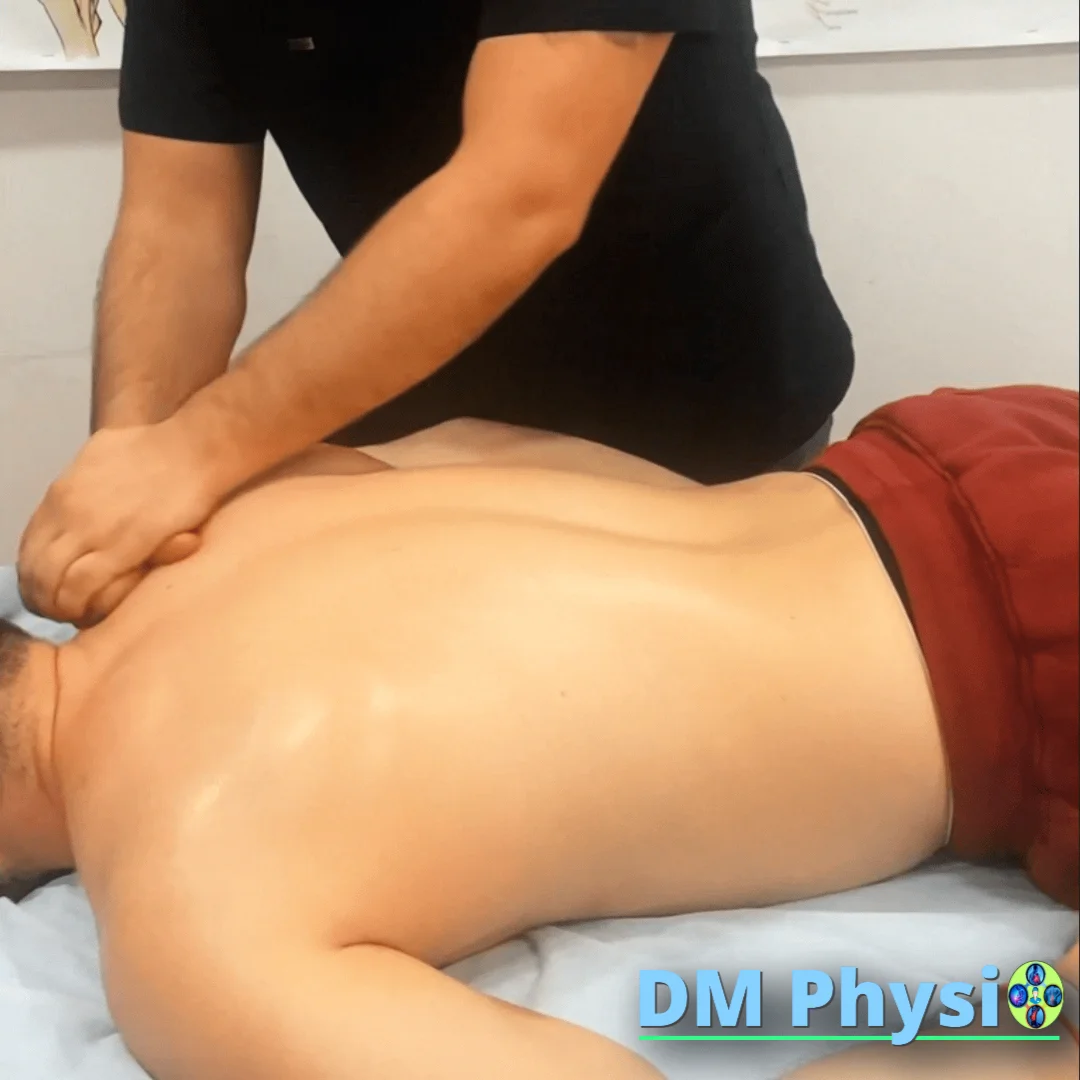
Manual techniques and therapeutic massage for relaxation piriformis, obturator internus, gluteus and adjacent tissues. Gentle techniques for the pelvic floor (relaxation/coordination). Purpose: less compression and irritation of the nerves when sitting and moving.
2. Posture correction
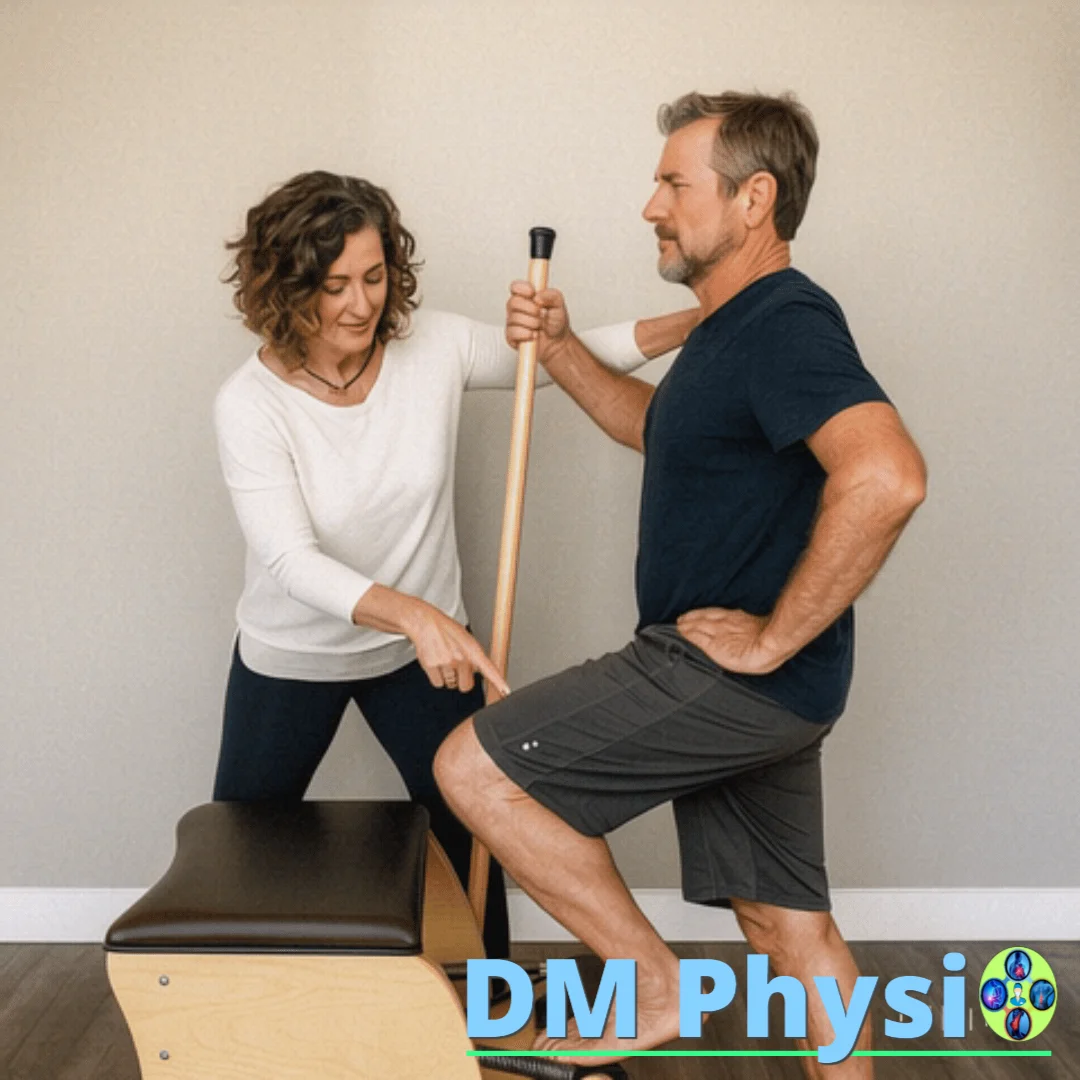
Balancing pelvic position and gait: activation of gluteus medius/maximus, correction of sitting habits (U-hole cushions/rests), training to "soft" rise from a chair and controlled hip rotation.
3. Awakening the nerve
Neurodynamic exercises (sciatic/sciatica/pudendal nerve-sparing “nerve glides”), progressive strengthening and endurance of pelvic stabilizers, dosed loading, and self-care strategies.
Important: The best results are achieved by combining manual techniques, targeted exercises and habit correction (restriction of prolonged sitting, ergonomics, gradual activity).