Sacroiliac syndrome (SI joint pain)
How does pain in the sacroiliac joint occur, what are the symptoms and which approaches help with short-term relief and long-term stabilization.
What is sacroiliac syndrome?
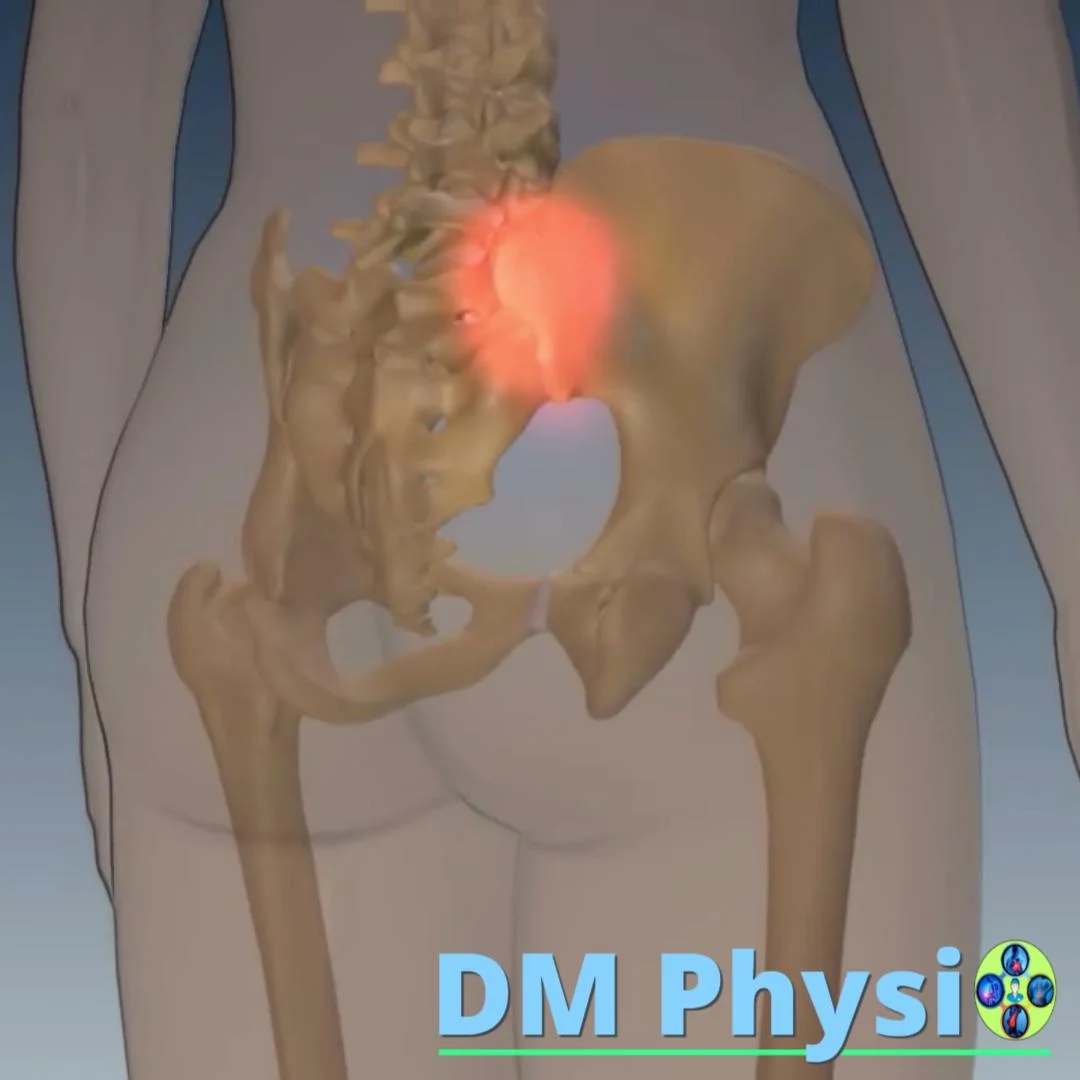
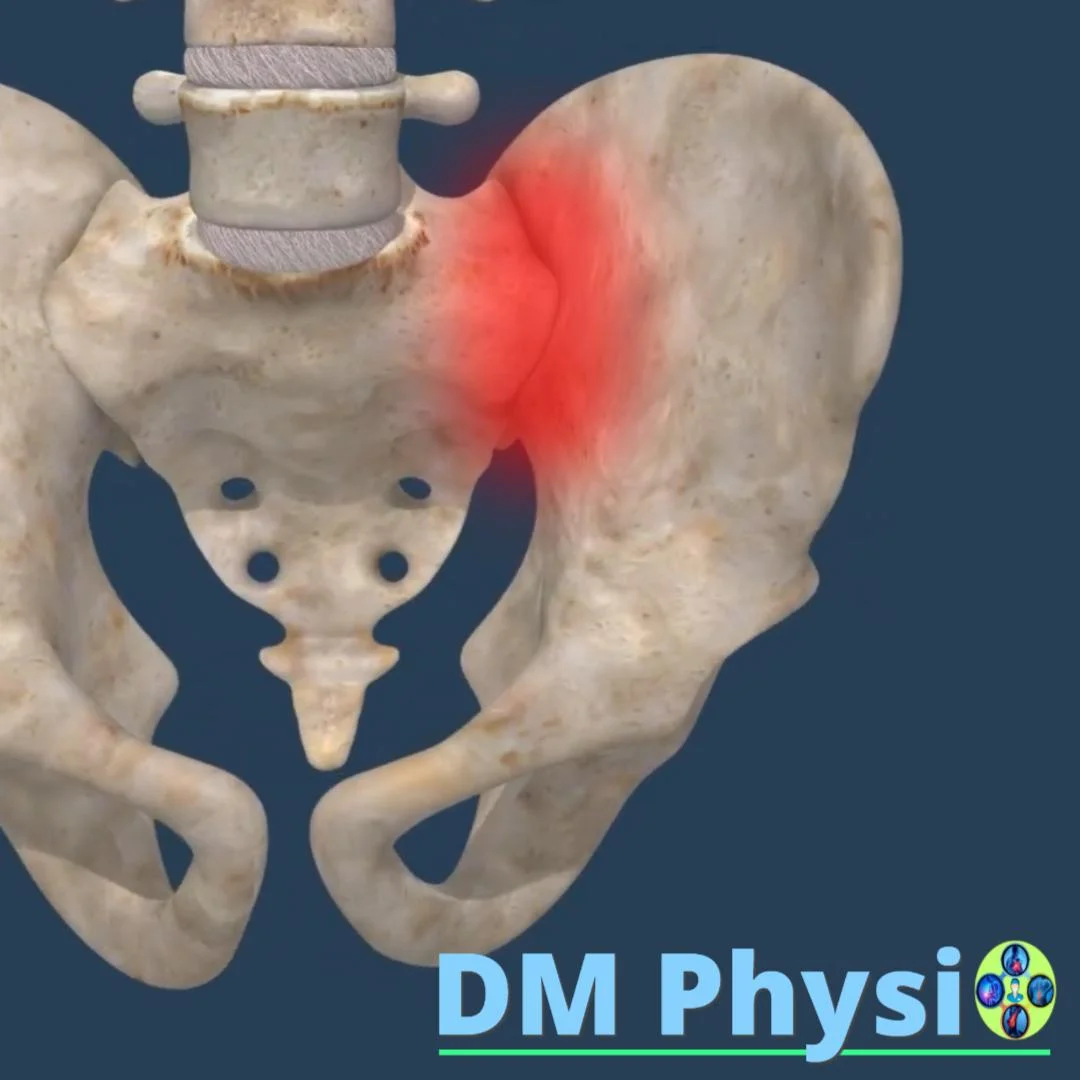
Sacroiliac syndrome is pain and irritation in the area of the sacroiliac joint (between the sacrum and the ilium). Most often the reason is muscle and tendon tension from muscles that engage in this area. When they are inflamed or shortened, they create an increased pull on their tendons (enthesis), leading to local inflammation and pain in the SI joint.
Typical symptoms: pain in low back and around PSIS, radiating to the buttock or back of the thigh, aggravation at getting up from a chair, going up/down stairs and standing on one leg.
Main causes and muscles that stress the SI joint
The pain is often the result of an imbalance and increased tension of muscles whose tendons are attached to the sacrum and ilium.
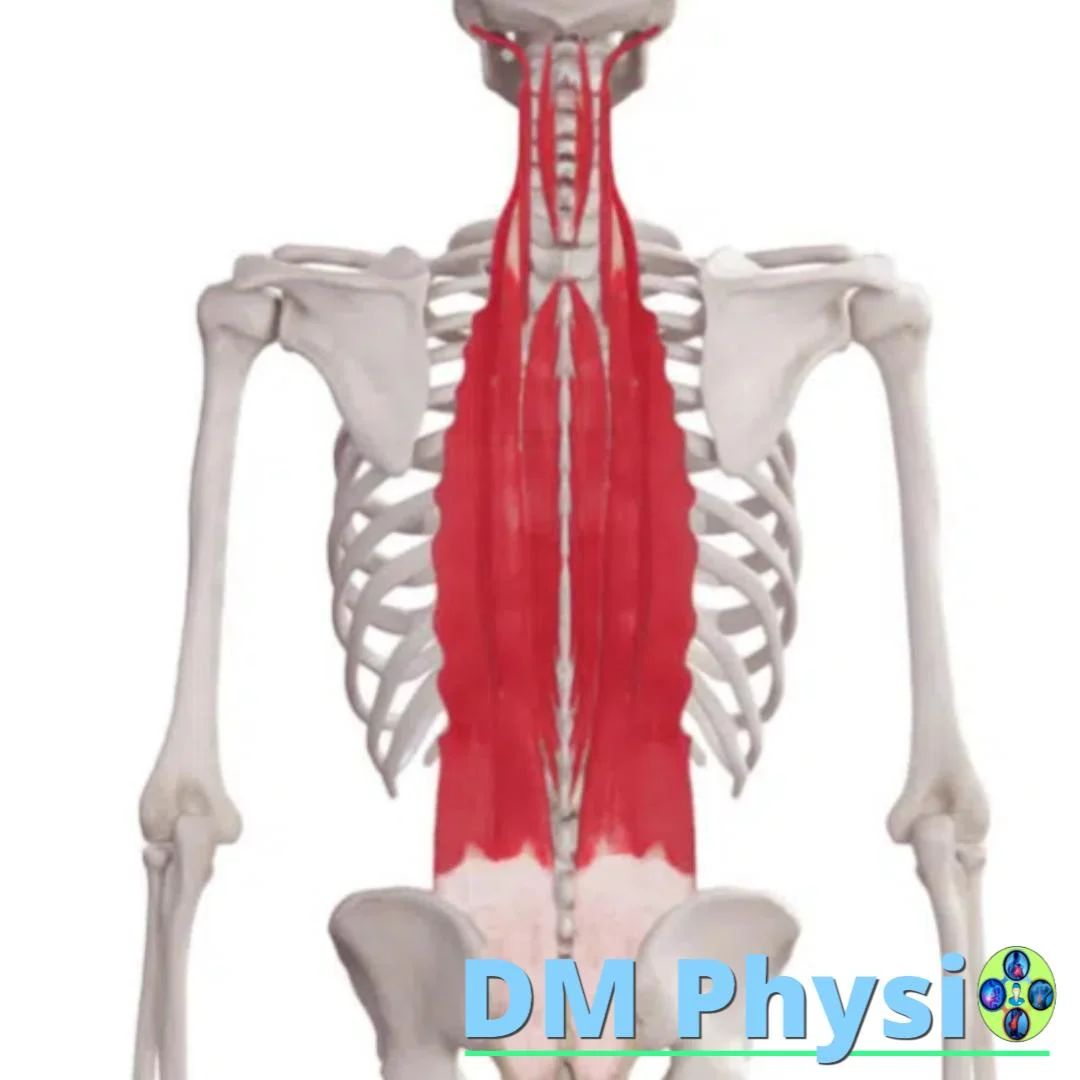
Erector spinae - overload in the lower back
Erector spinae is a deep muscle complex that maintains upright posture. When shortened or overstretched, it pulls on the sacrum and creates tension in the SI joint. The pain intensifies when prolonged standing, bending and standing.
Gluteus maximus – main extensor of the hip joint
Gluteus maximus is the largest muscle in the human body. When weak or overloaded, it creates a strong pull on the ilium and sacrum. The pain is felt at rising from a chair, squatting and climbing stairs, often spreading to the buttock and posterior thigh.
Gluteus medius and minimus – stabilizers of the pelvis
Gluteus medius and minimus maintain pelvic balance when walking and standing on one leg. When they are weak or spasmodic, this can create pelvic drop, which puts stress on the SI joint. Symptoms are aggravated by walking, standing on one leg, going up/down stairs.
Urgent! Severe trauma, sudden inability to control urination/defecation, marked weakness in the leg or night pain with fever require immediate medical evaluation.
1) Erector spinae - overload in the lower back
Erector spinae is a deep muscle complex that maintains upright posture. When shortened or overstretched, it pulls on the sacrum and creates tension in the SI joint. The pain intensifies when prolonged standing, bending and standing.
2) Gluteus maximus – main extensor of the hip joint
Gluteus maximus is the largest muscle in the human body. When weak or overloaded, it creates a strong pull on the ilium and sacrum. The pain is felt at rising from a chair, squatting and climbing stairs, often spreading to the buttock and posterior thigh.
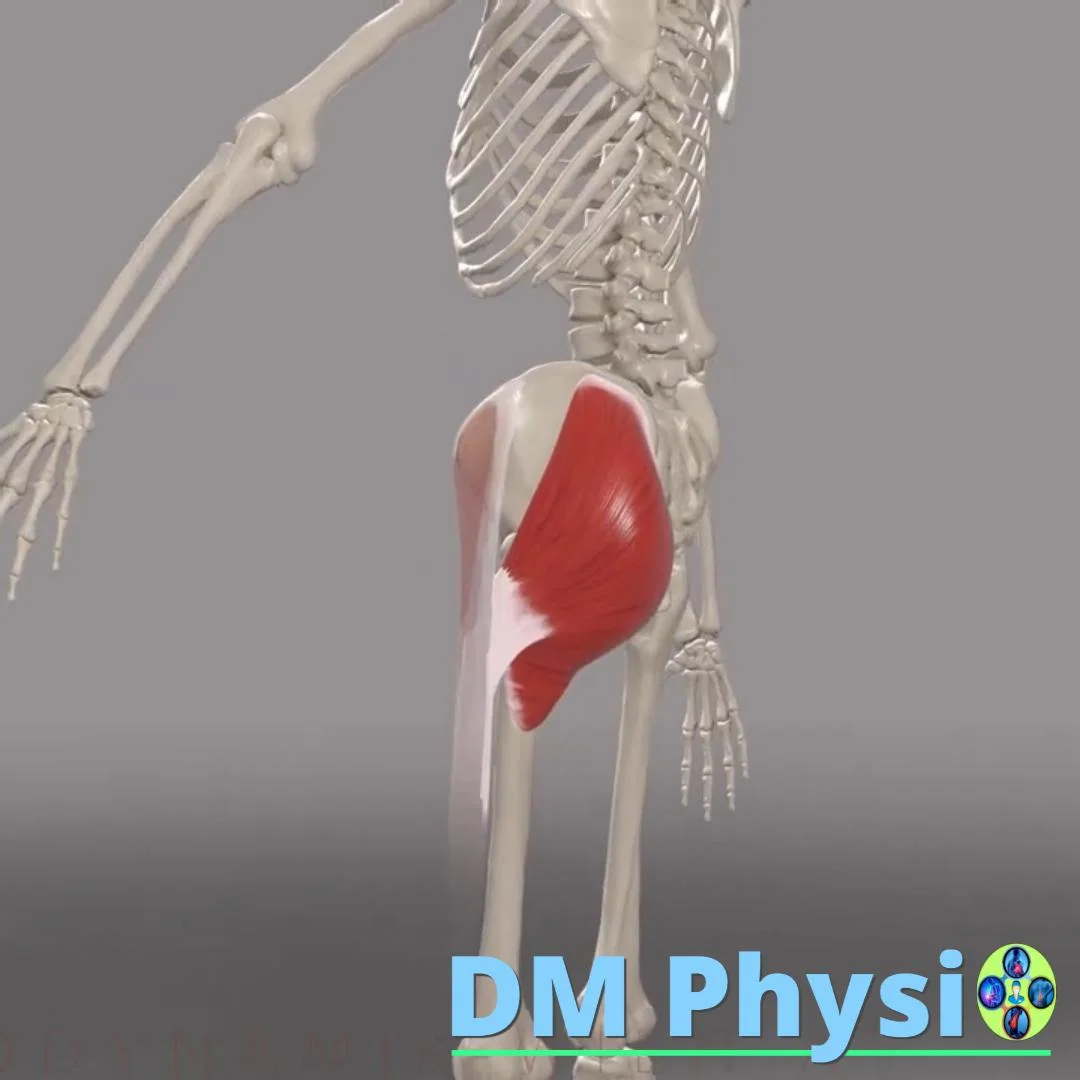
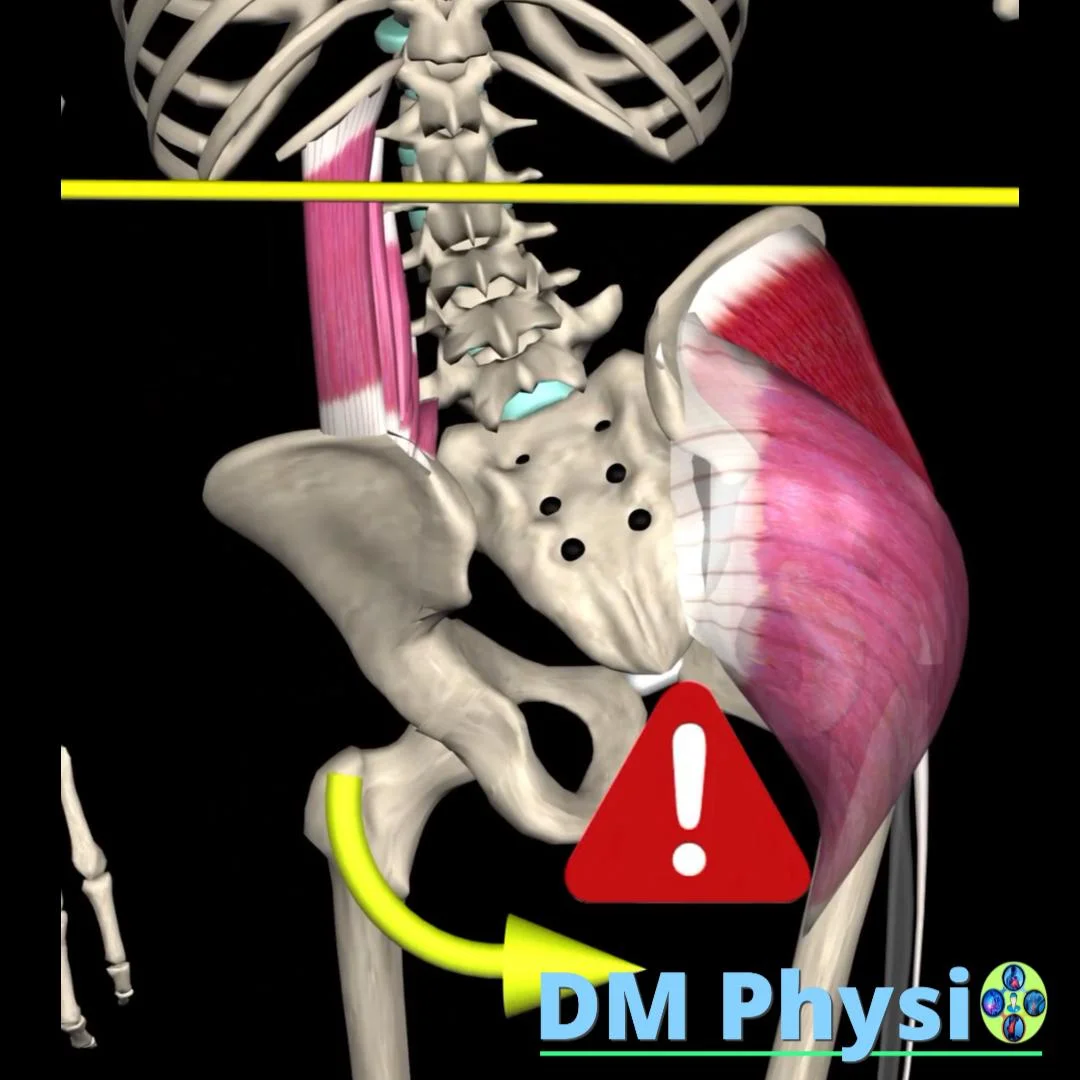
3) Gluteus medius and minimus – stabilizers of the pelvis
Gluteus medius and minimus maintain pelvic balance when walking and standing on one leg. When they are weak or spasmodic, this can create pelvic drop, which puts stress on the SI joint. Symptoms are aggravated by walking, standing on one leg, going up/down stairs.
How does physical therapy help?
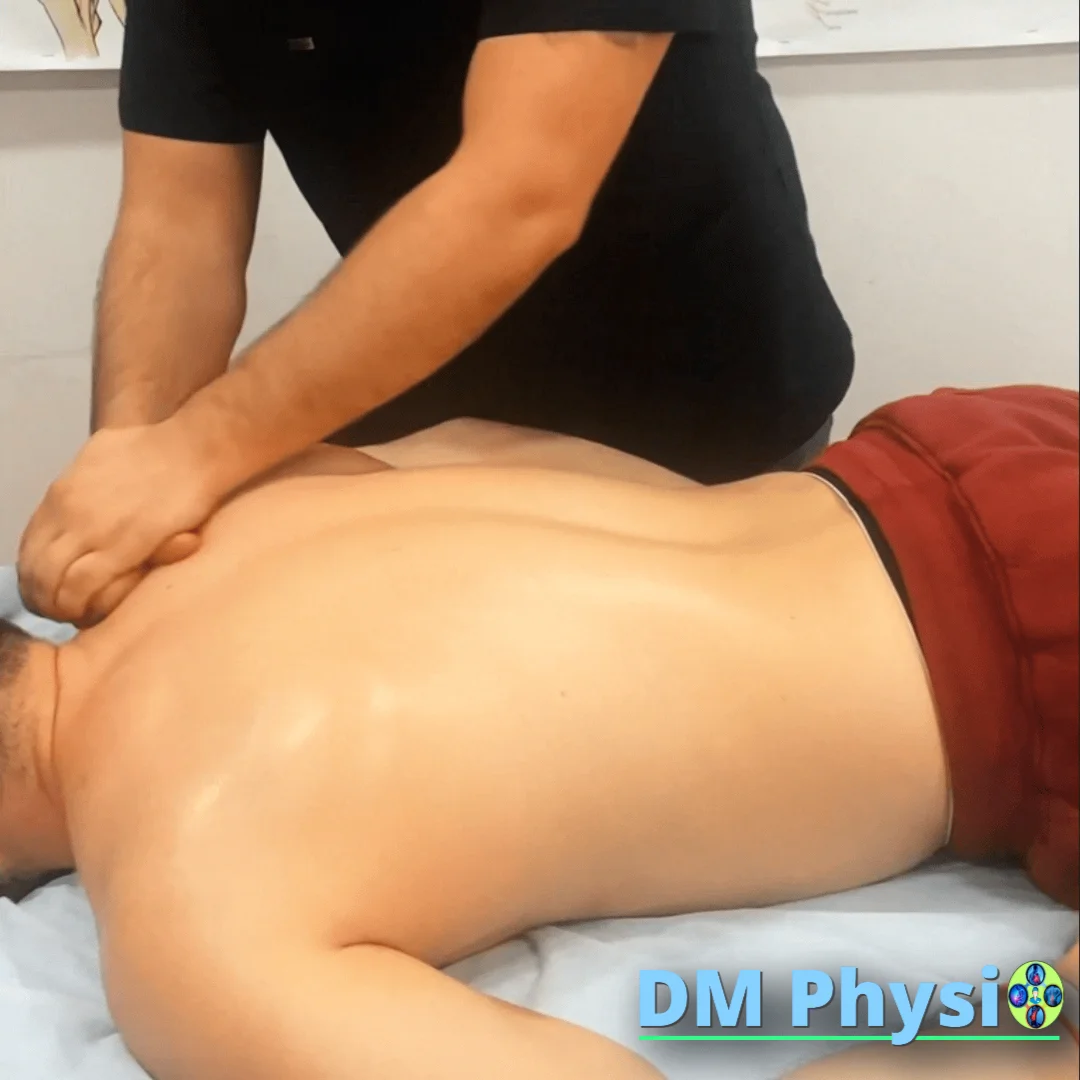
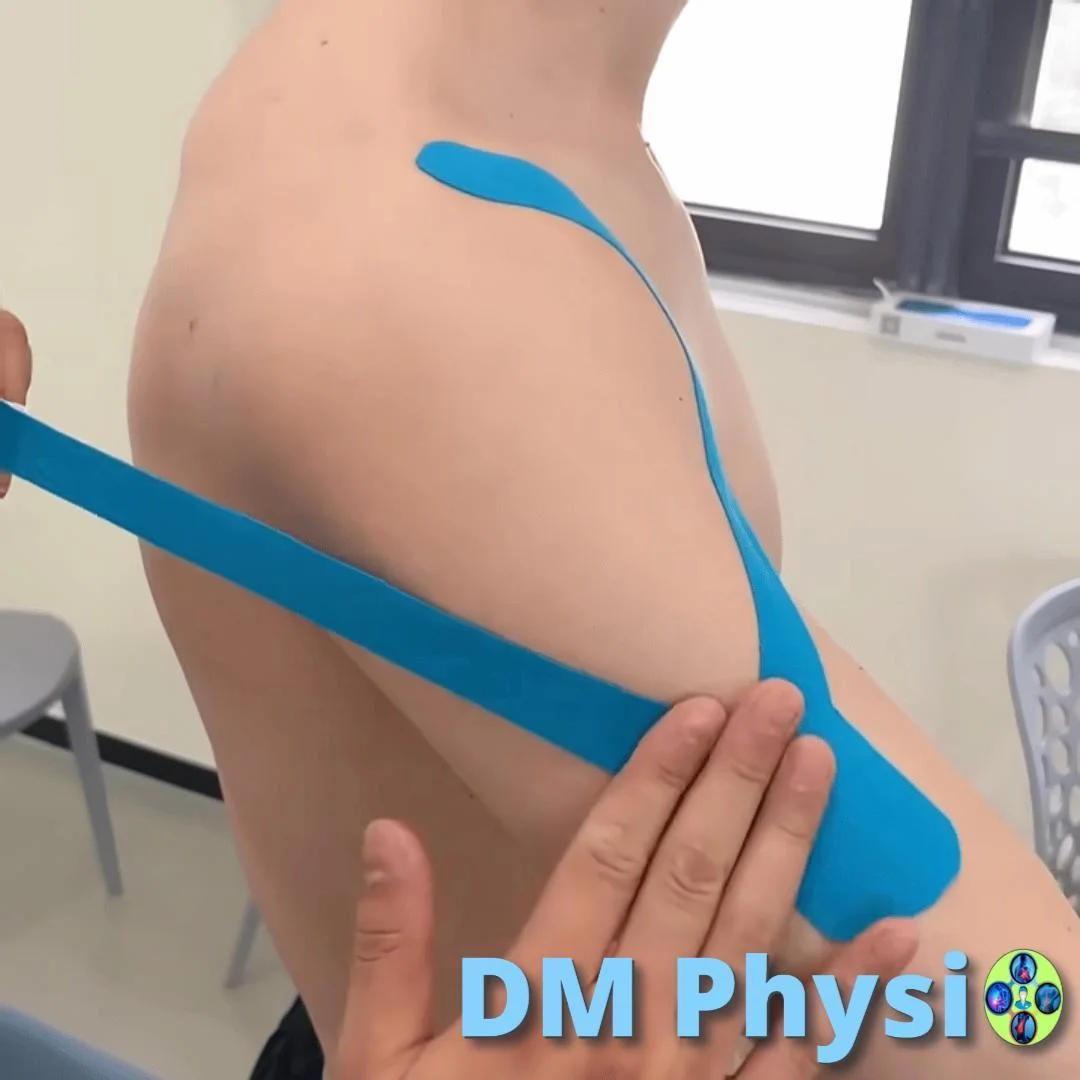
The approach is step-by-step: we identify the muscles that stress the SI joint, release tension with manual techniques and massage, restore muscle balance with exercises, and finally explain the mechanism and devise strategies to prevent unhelpful habits.
1. Identification and manual release
We assess which muscles are causing strain on the SI joint (eg gluteus maximus/medius, piriformis, hamstring, QL, iliopsoas). We work with manual techniques and therapeutic massage to relax shortened/spasmed tissues and reduce pain and inflammation in the tendons attaching to the sacrum and ilium.
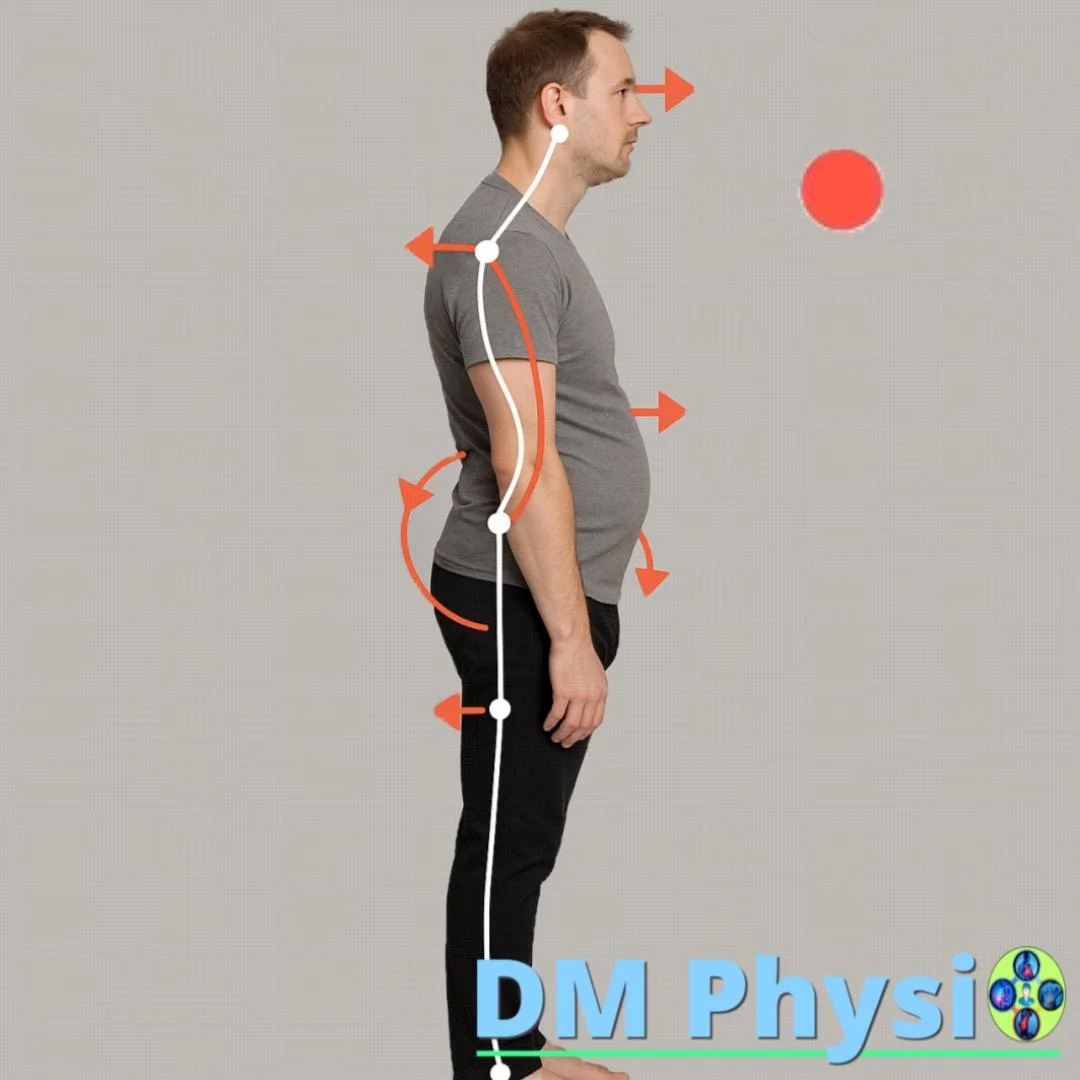
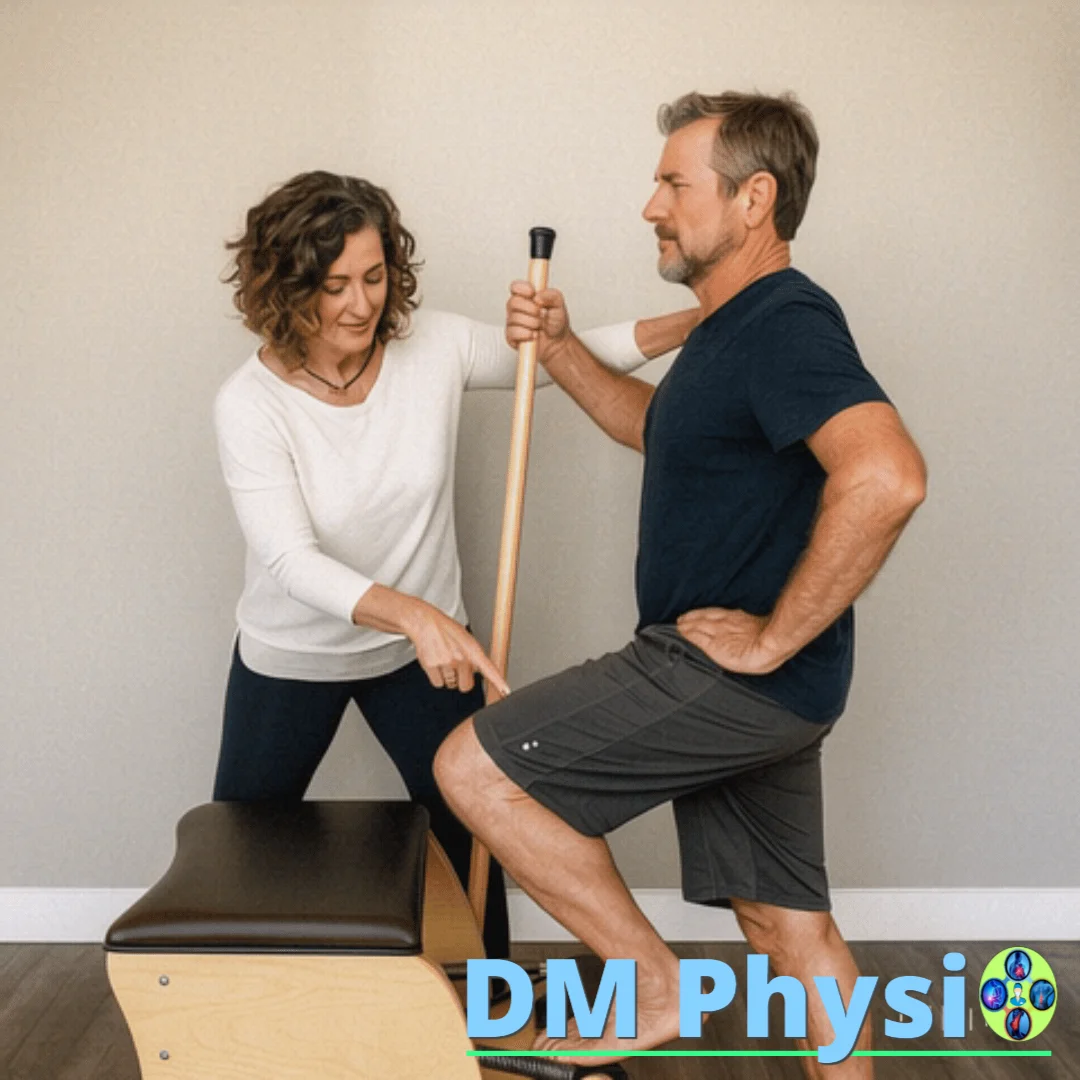
2. Muscle balance exercises
We restore the symmetry by strengthening weak (stretched) muscles and stretching/relaxing the shortened ones. Building muscle balance means that joints and individual structures are not overloaded and inflamed because the weight is borne evenly.
3. Education and prevention
We explain the mechanism of inflammation and how harmful postures and habits support it. We give avoidance strategies of provoking positions (prolonged sitting, asymmetrical standing, improper squatting) and specific guidelines for daily corrections.
Important: If there is no improvement or if there are neurological signs, see a doctor. The combination of manual techniques, targeted exercises and habit correction is often useful for long-term stability of the SI joint.