Muscle pain in the back
Understand how muscle tension, overload and movement habits can contribute to pain between the neck and the lower back.
Why does my back hurt?
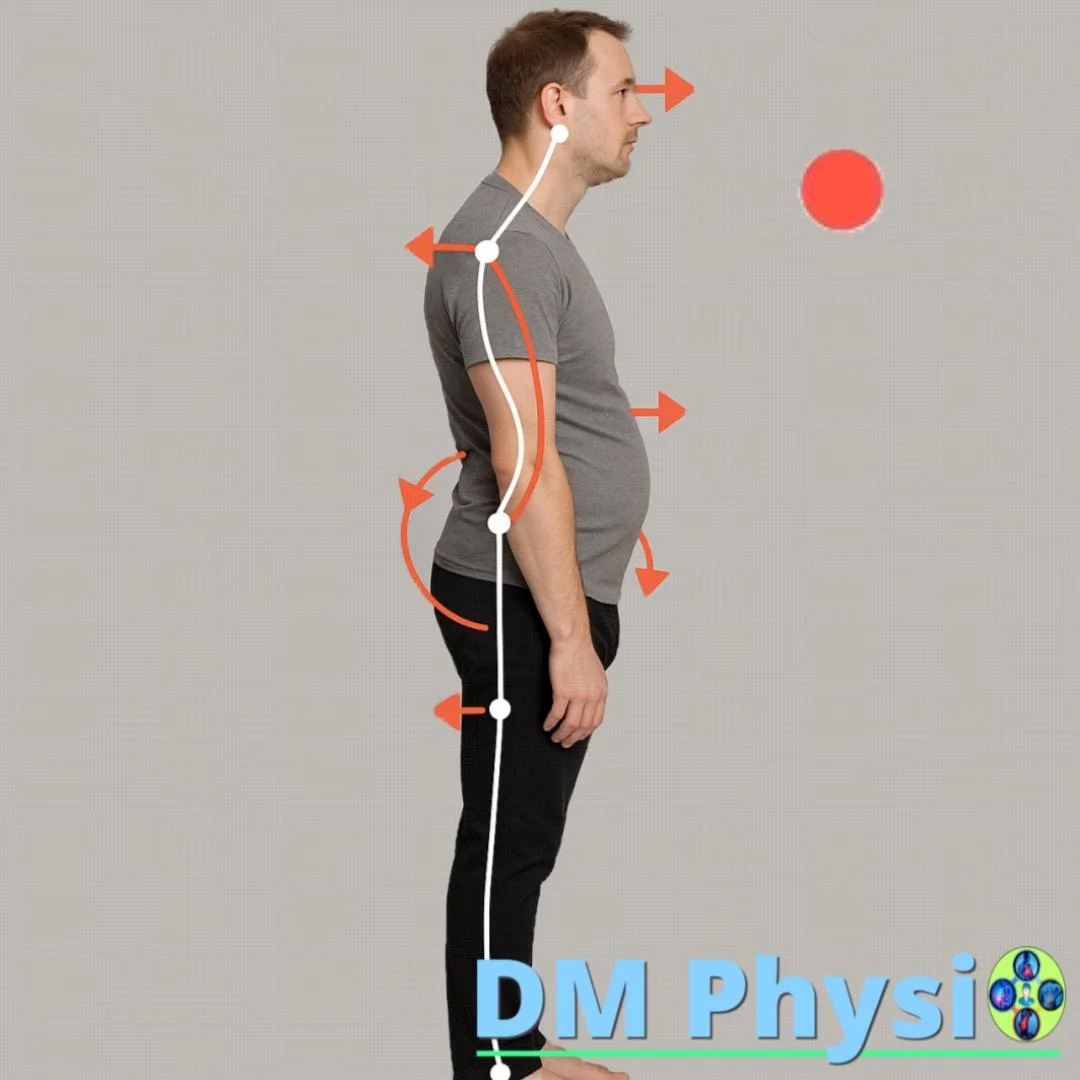
Back pain can be caused by a number of factors - from poor posture and prolonged sitting, to overloading by weights or sudden movements. A common cause is inflammation of the muscles and their trigger points, which can be the result of improper lifting technique or a sedentary lifestyle.
Muscle pain in the back is often confused with problems in the spine, but it is actually the result of muscle dysfunction. Correct diagnosis is key to physiotherapy approach.
How and why does inflammation occur?
Understand the main stages that lead to muscle pain and back discomfort.
Overexertion or poor posture
Prolonged muscle overload (e.g. at work or sports), poor posture or sudden trauma can lead to microtears in the muscle fibers.
Inflammation
Microtraumas trigger an inflammatory response in which the body sends blood and immune cells to the damaged area. This leads to swelling, pain and increased sensitivity.
Muscle spasm and pain
To protect itself from further damage, the muscle reflexively contracts and goes into spasm. This spasm restricts movement and causes constant, dull or sharp pain.
Which muscles are most commonly affected?
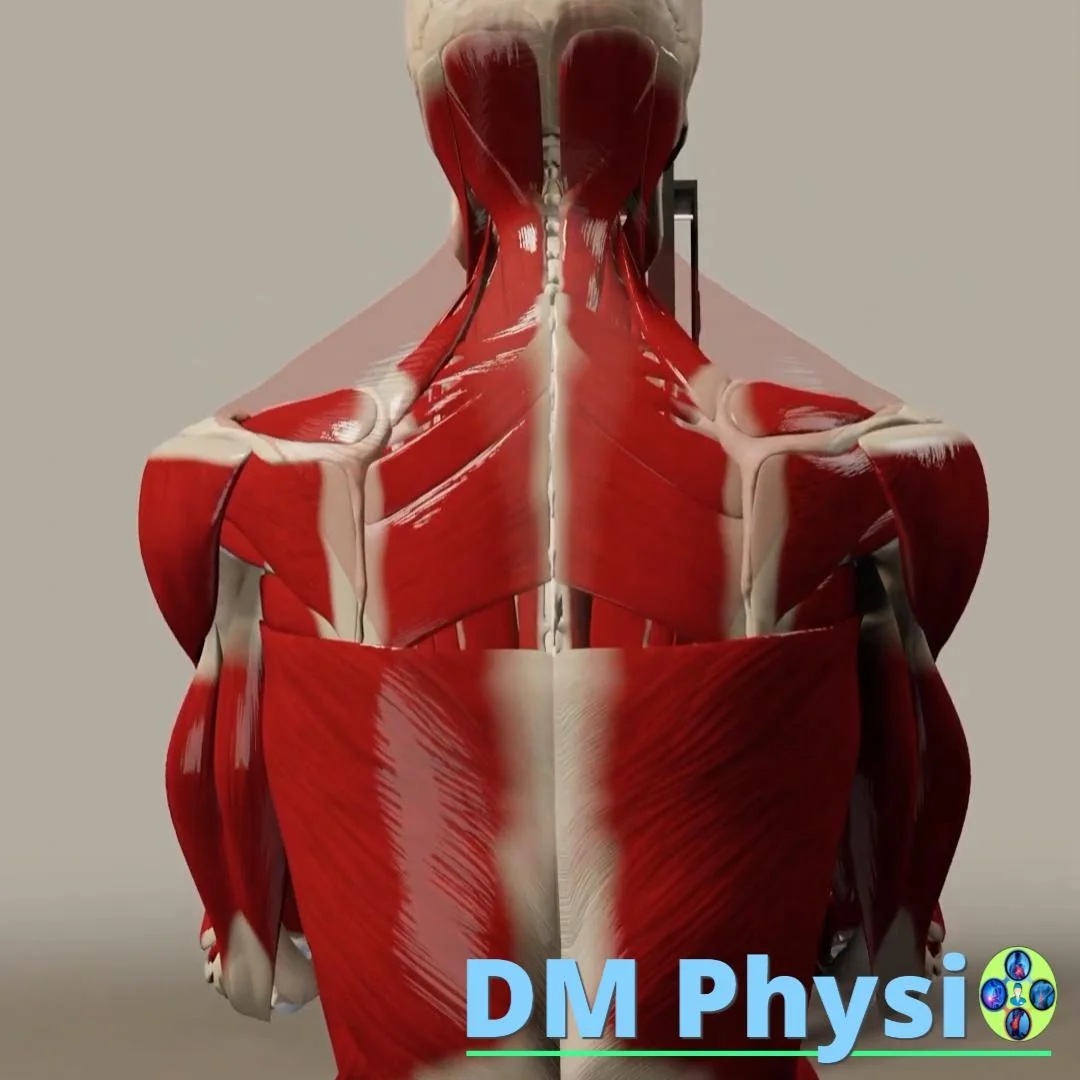
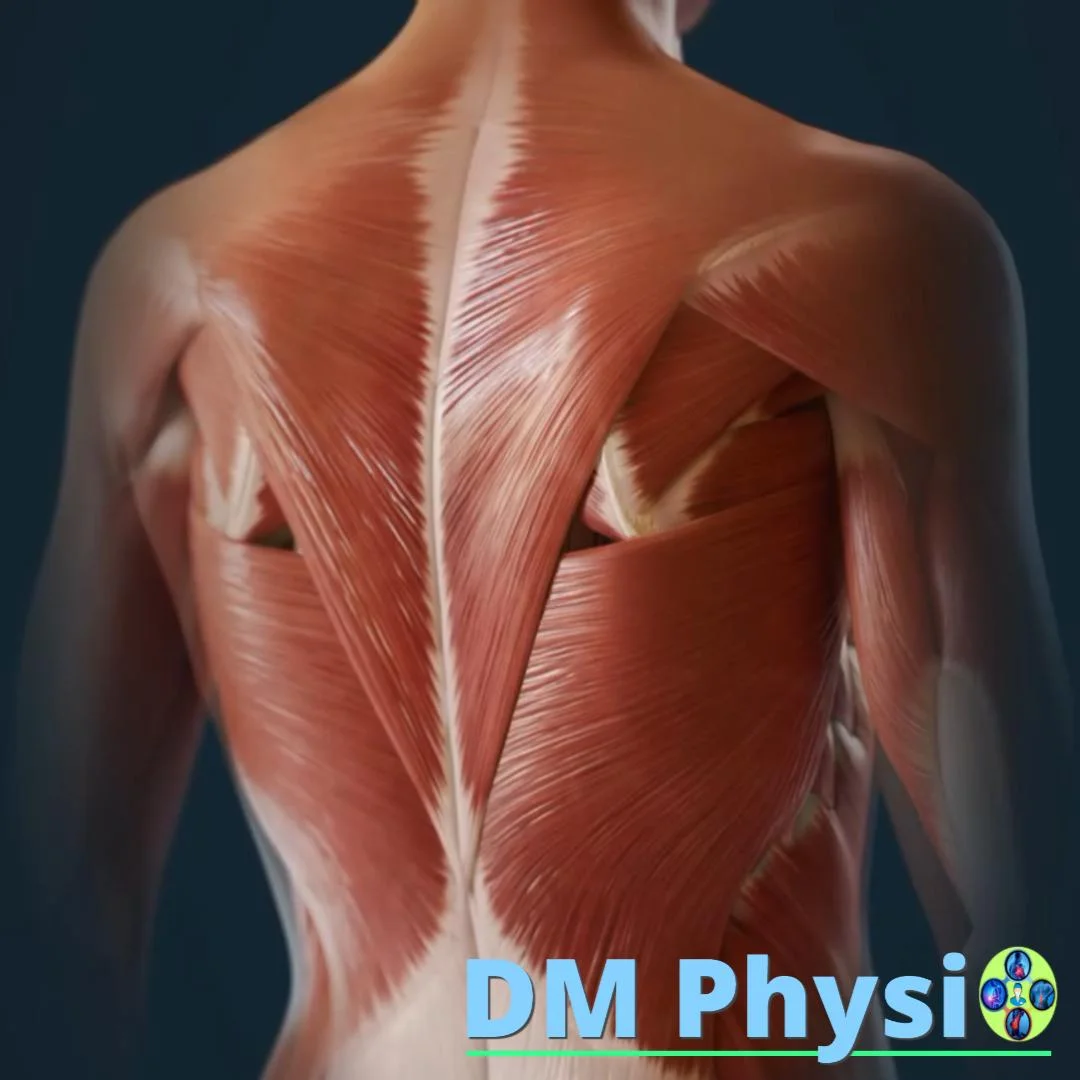
m. erector spinae (Erecting muscles of the spine)
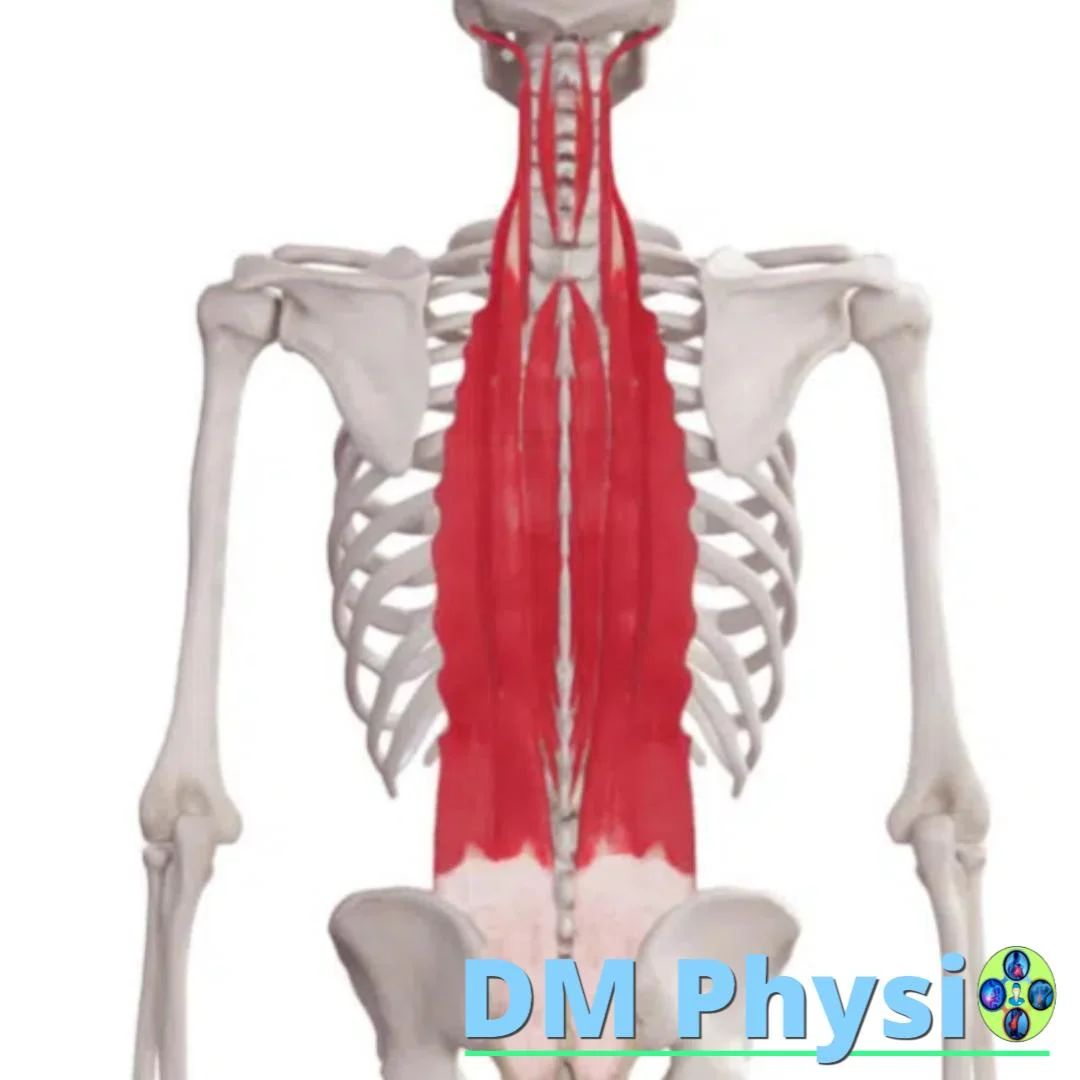
Anatomy and grip
They consist of three muscular columns that extend along the entire spine - from the pelvis to the skull.
Character of pain from trigger points
- Sharp or dull pain in the lower back and chest area.
- It often feels like "cramping" or "stiffness" in the back.
- The pain may spread to the buttock or abdomen.
m. quadratus lumborum (Square muscle of the lower back)
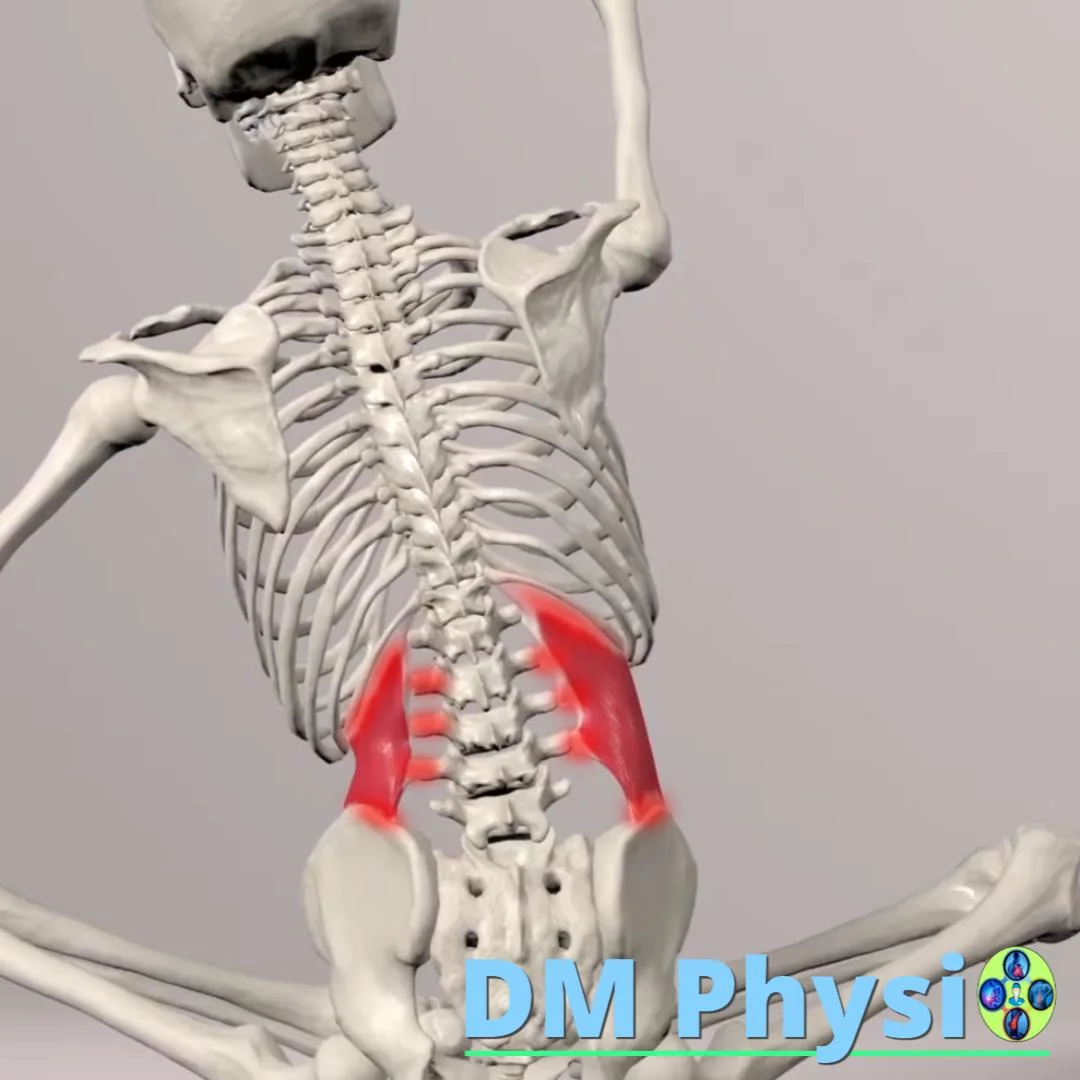
Anatomy and grip
A deep muscle located in lower back. Connects the 12th rib to the lumbar vertebrae and pelvis.
Character of pain from trigger points
- Deep, severe pain in the lower back, which is also felt when coughing or sneezing.
- The pain may radiate to the buttock, thigh, or groin.
- Stiffness and stiffness that interfere with standing.
m. trapezius (trapezius muscle)
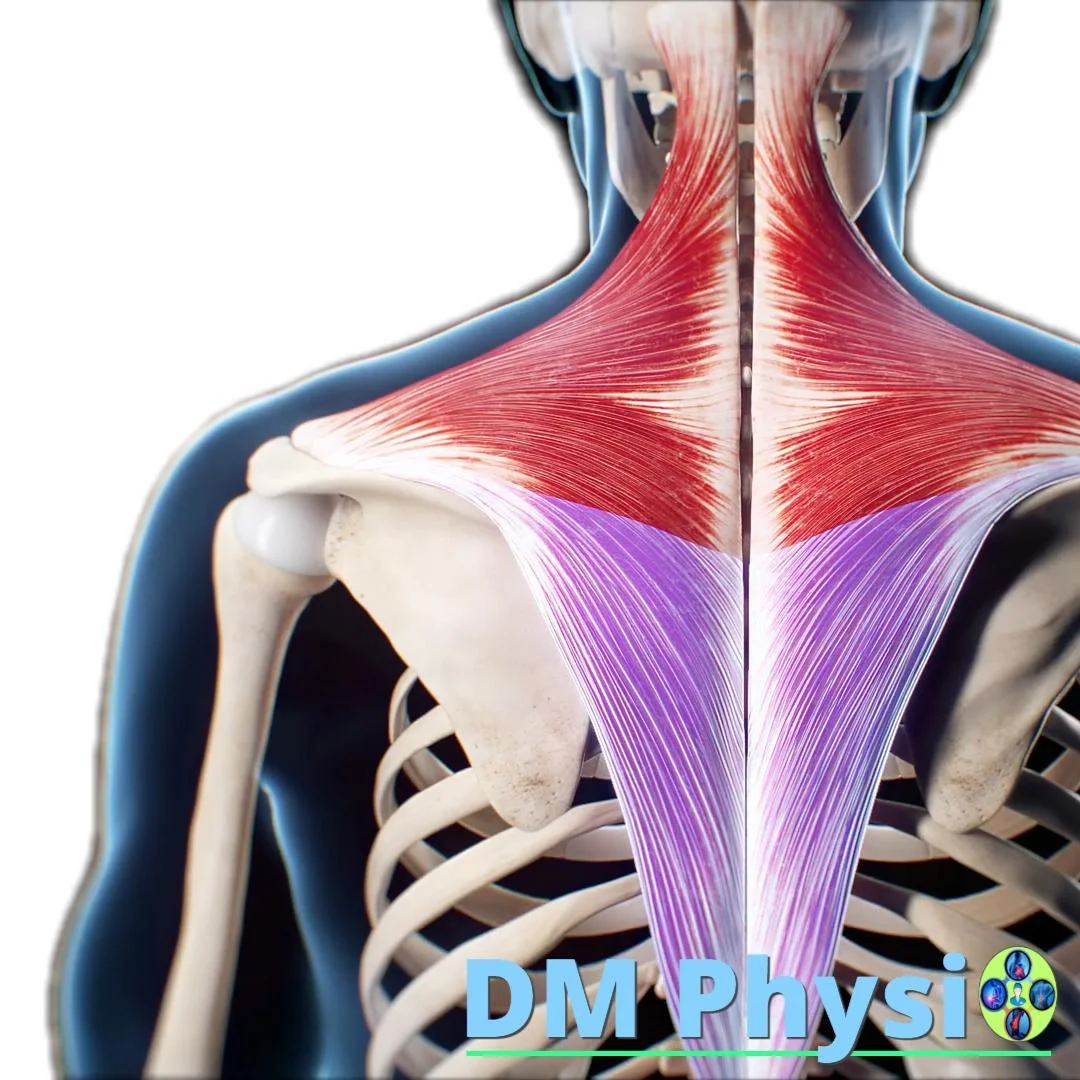
Anatomy and grip
A huge, triangular muscle that covers much of the upper back and neck. It starts from the occipital bone and vertebrae of the spine and attaches to the collarbone and shoulder blade.
Character of pain from trigger points
- Dull pain in the neck and upper back.
- It often leads to headache at the base of the skull or on the temples.
- A burning sensation or heaviness between the shoulder blades.
m. rhomboideus major et minor (Rhomboid muscles)
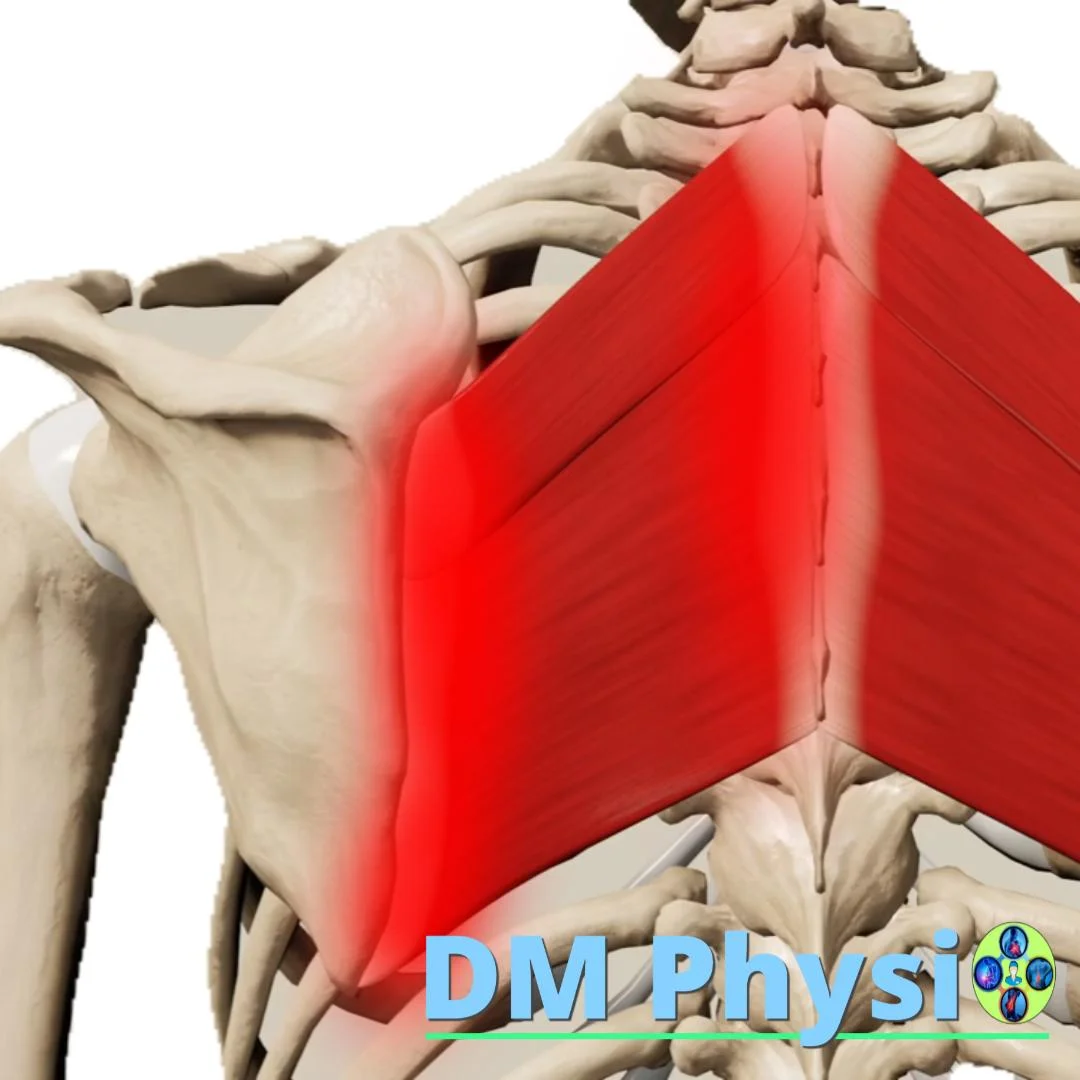
Anatomy and grip
They are located under the trapezius muscle, between the spine and the inner edge of the scapula.
Character of pain from trigger points
- Deep, constant pain between shoulder blades.
- Limits shoulder movement.
- It is often felt when sitting or working at a desk for a long time.
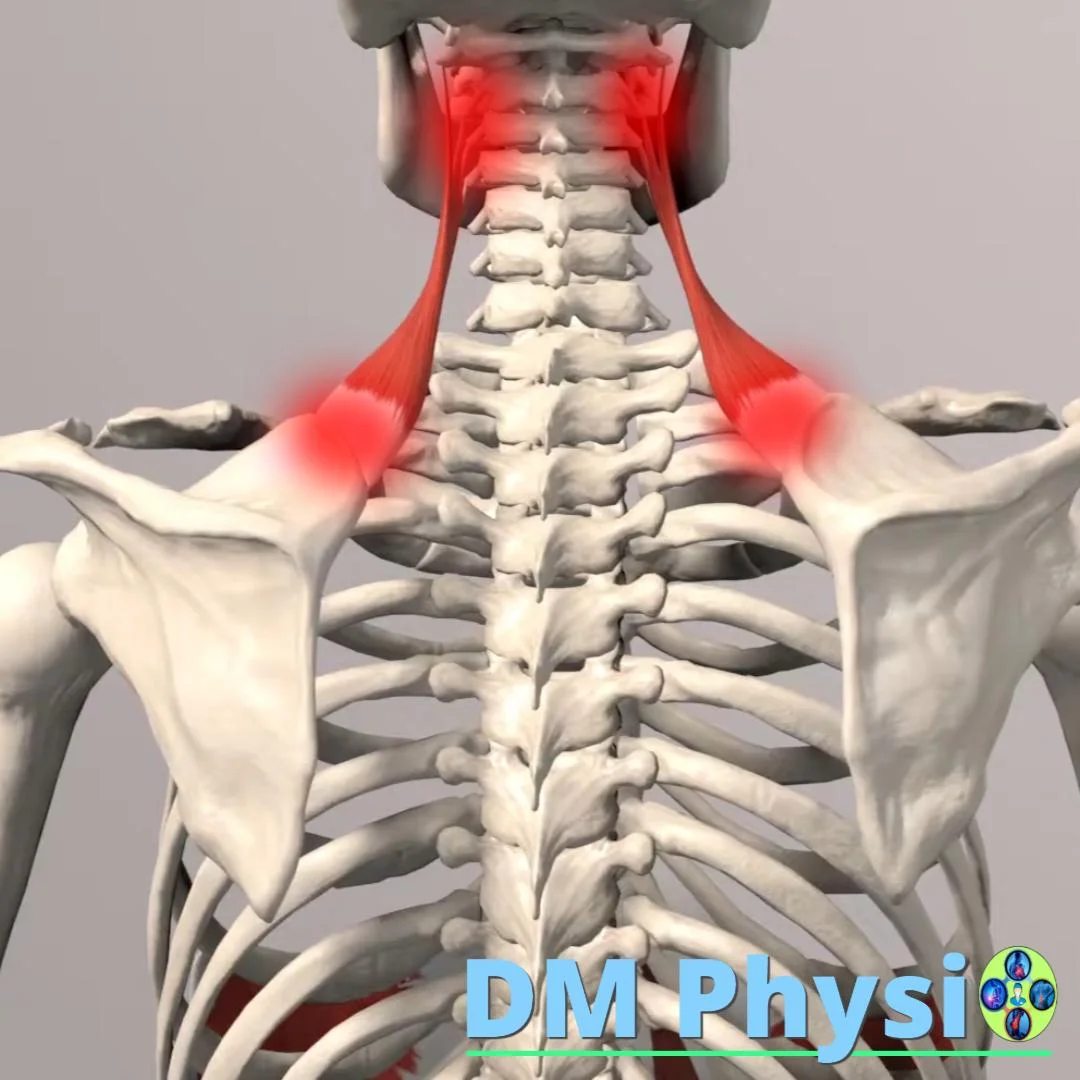
m. levator scapulae
Anatomy and grip
A small, long muscle that connects neck with the upper angle of the scapula.
Character of pain from trigger points
- Sharp pain in the neck, often unilateral.
- Stiffness and limitation of movement when turning the head.
- The pain may radiate to the shoulder.
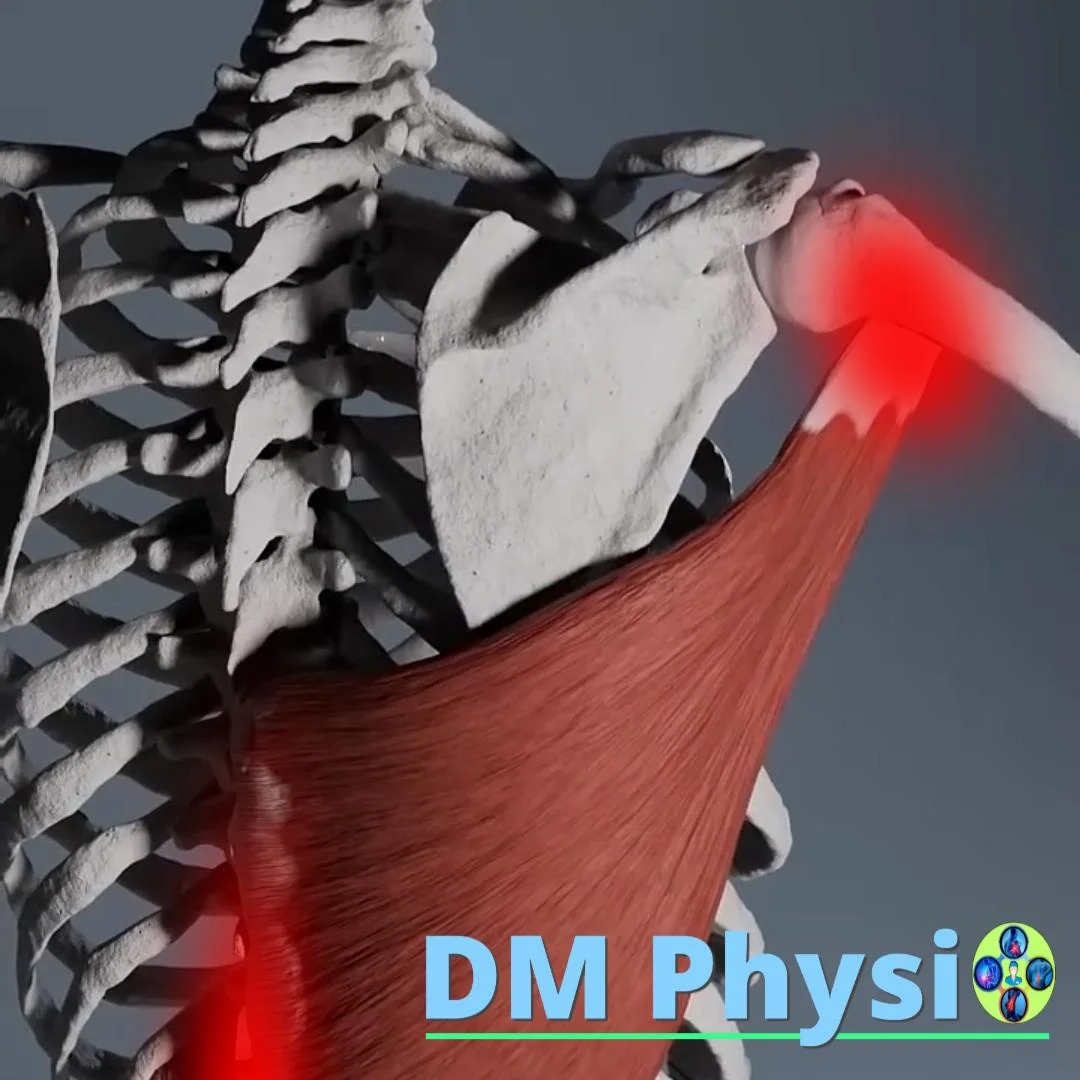
m. latissimus dorsi (Broadest muscle of the back)
Anatomy and grip
A large, flat muscle that covers almost entire lower back. It starts from the thoracic and lumbar vertebrae and attaches to the upper arm bone (humerus).
Character of pain from trigger points
- Pain in the lower back that spreads to the shoulder and arm.
- It can mimic pain in the shoulder joint.
- Limits raising the arm above the head.
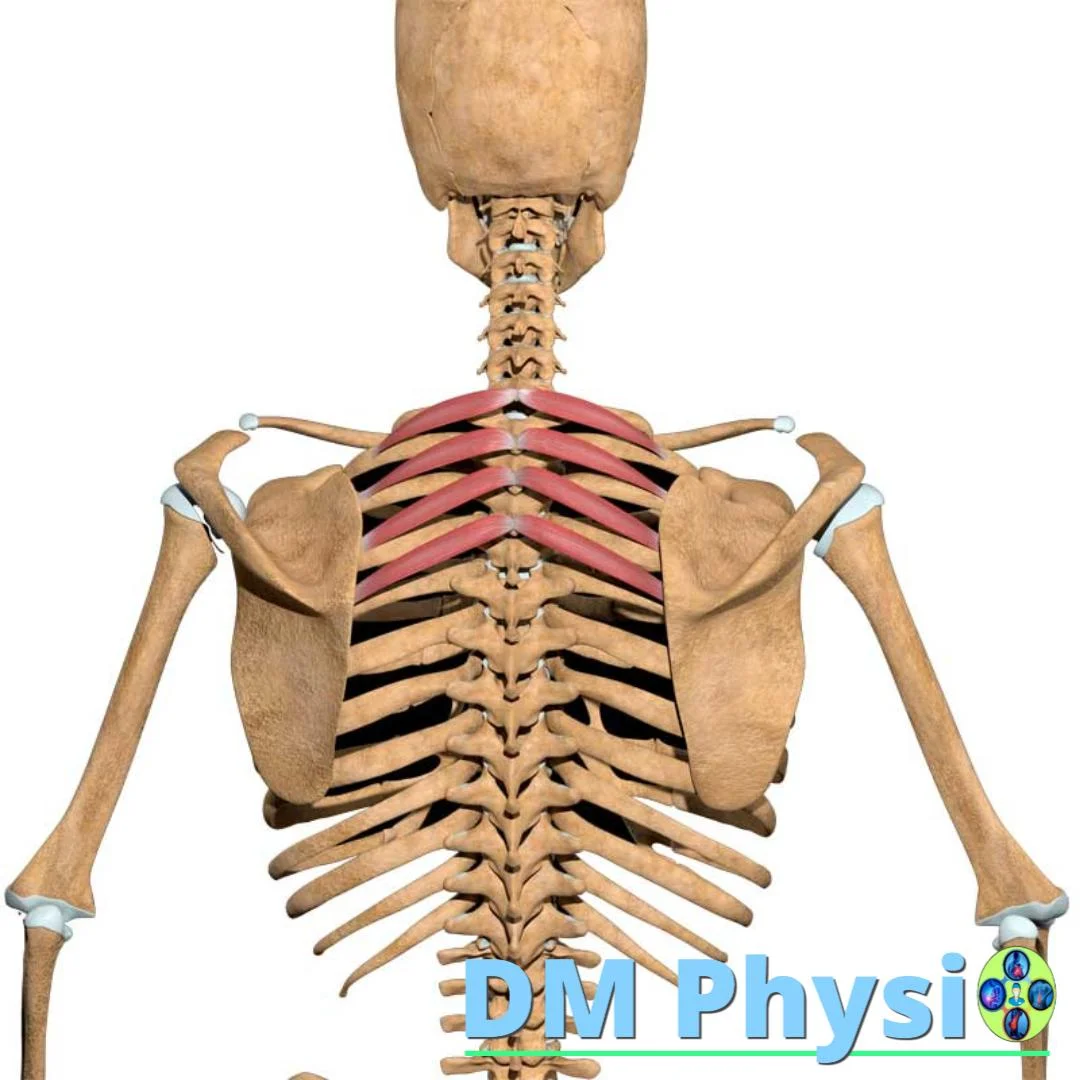
m. serratus posterior superior (Superior posterior serratus muscle)
Anatomy and grip
It is located deep in the upper back, below the rhomboid muscles. He grabs onto spinal vertebrae and upper ribs.
Character of pain from trigger points
- Sharp, stabbing pain under shoulder blade, which can resemble heart pain.
- The pain increases with deep breathing or coughing.
- It is often associated with pain along the ribs.
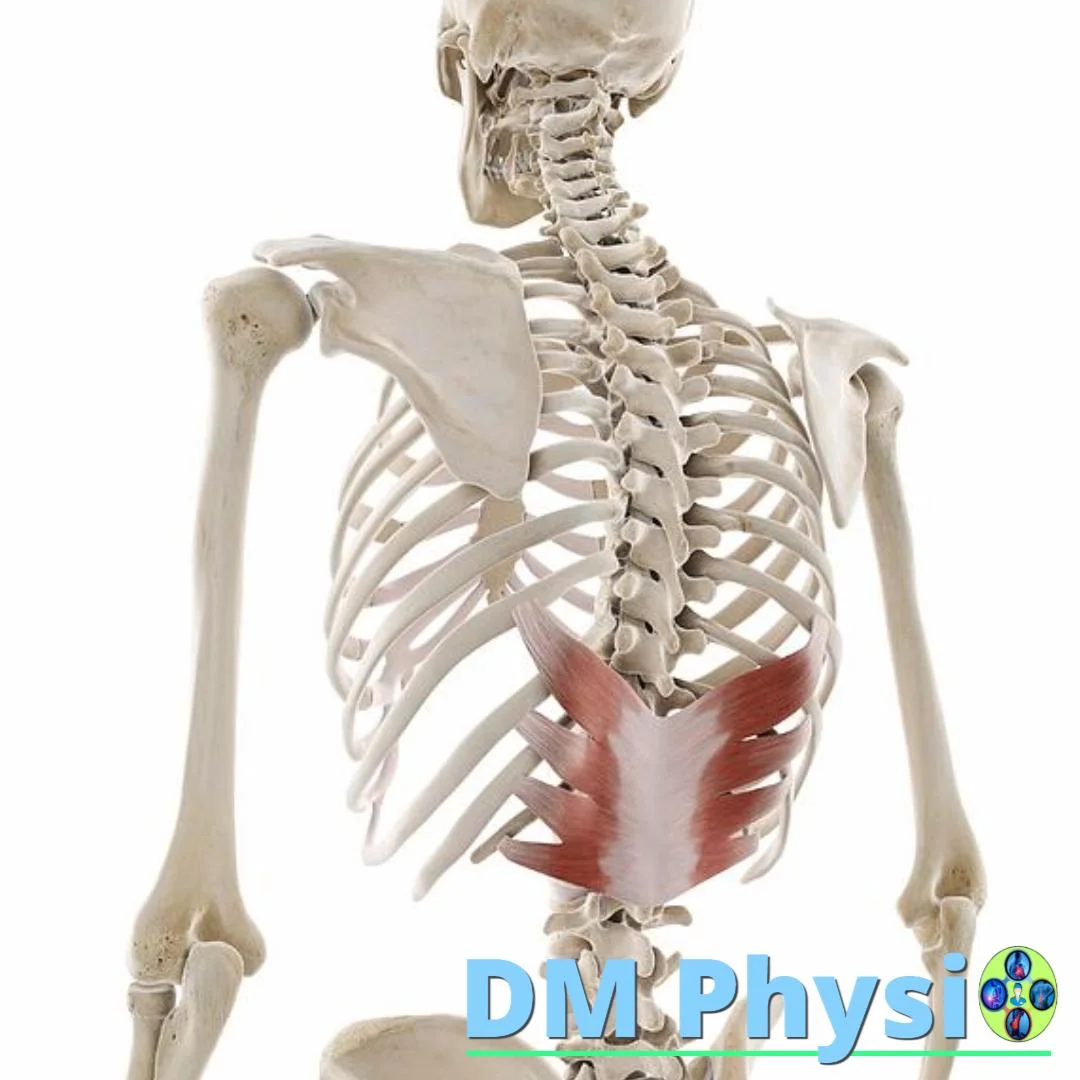
m. serratus posterior inferior (Inferior posterior serratus muscle)
Anatomy and grip
It is located deep in the lower back, under the latissimus dorsi muscle. He grabs onto spinal vertebrae and lower ribs.
Character of pain from trigger points
- Deep pain in the lower back, just above the pelvic bone.
- It can feel like stabbing or "grabbing" when folding and unfolding.
- The pain worsens when moving or when trying to breathe deeply.
How to deal with muscle pain in the back?
To reduce pain, we focus on relaxing, restoring and balancing the muscles.
1. Relaxation of tense muscles
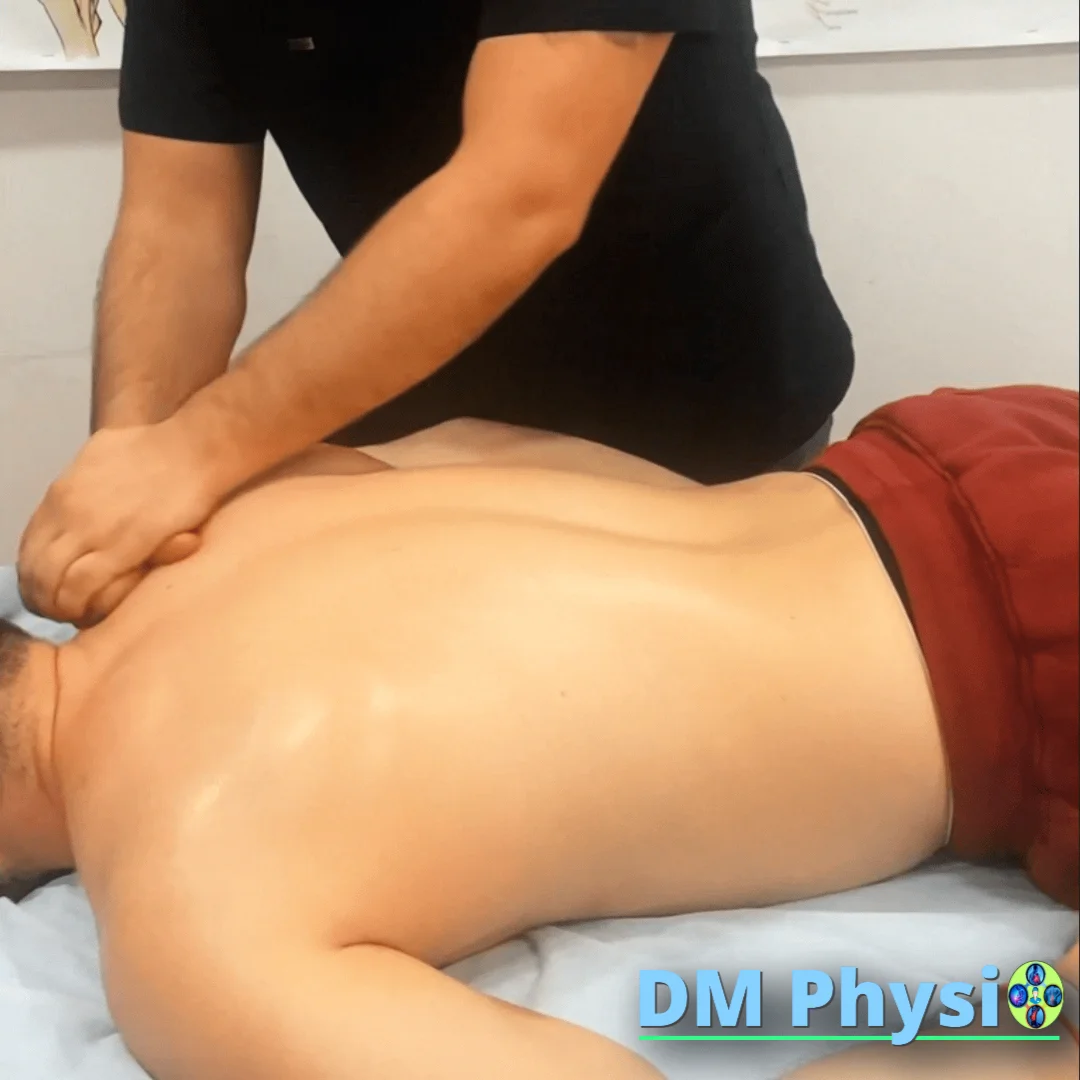
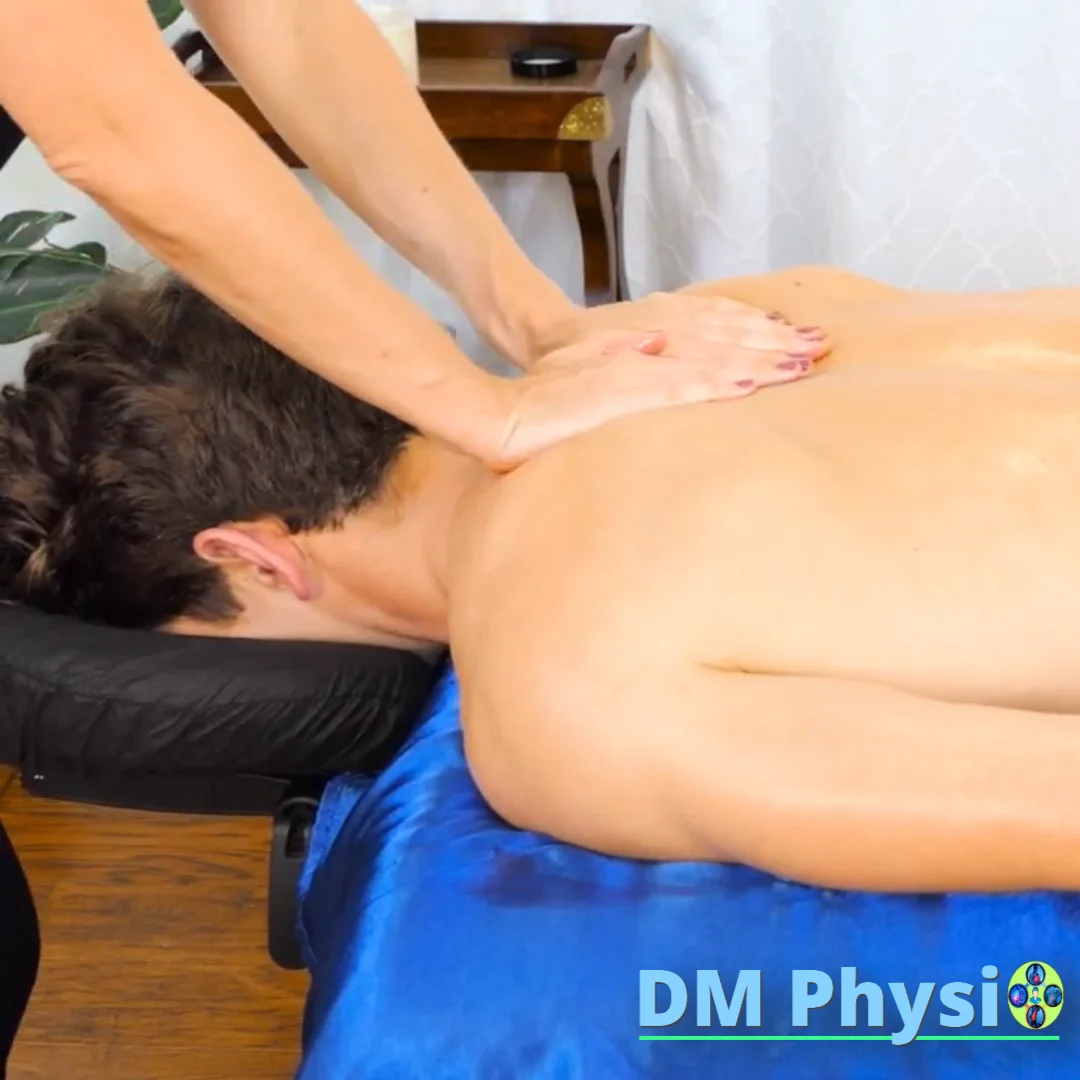
Through manual techniques, massages and mobilization, we relax contracted muscle fibers and trigger points, to support better function and reduce pain.
2. Strengthening and balancing
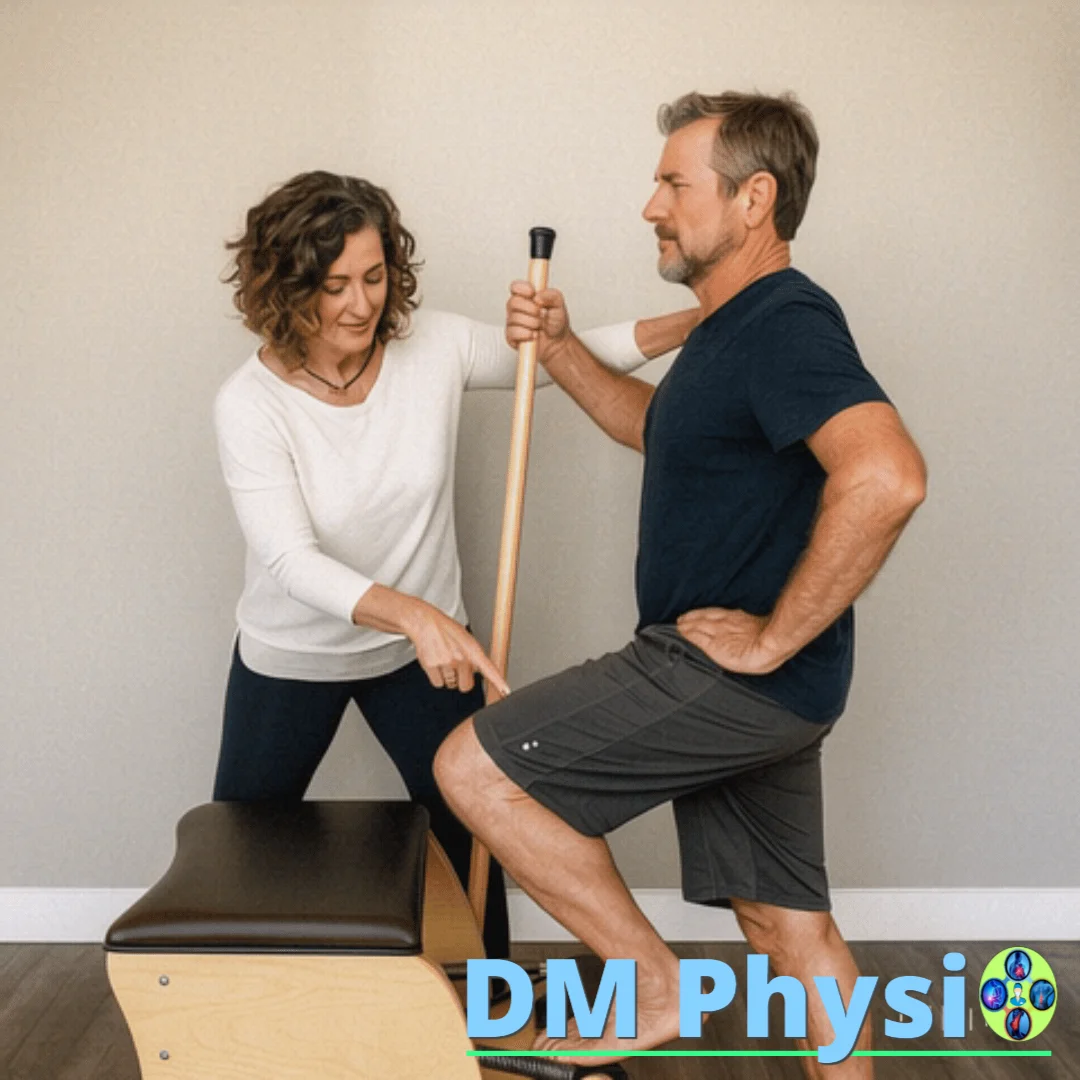
Once the muscles are relaxed, the focus is on strengthening weak muscles and restoring the balance between them. This is key to spinal stability.
3. Correction and prevention
We teach you specific exercises and tips for correct ergonomics and posture, to prevent future overload and keep your back healthy and mobile in the long run.