Neuralgias in the chest and abdomen
Learn what neuralgia in the chest and abdomen is, how to recognize the symptoms and which approaches help relieve the pain.
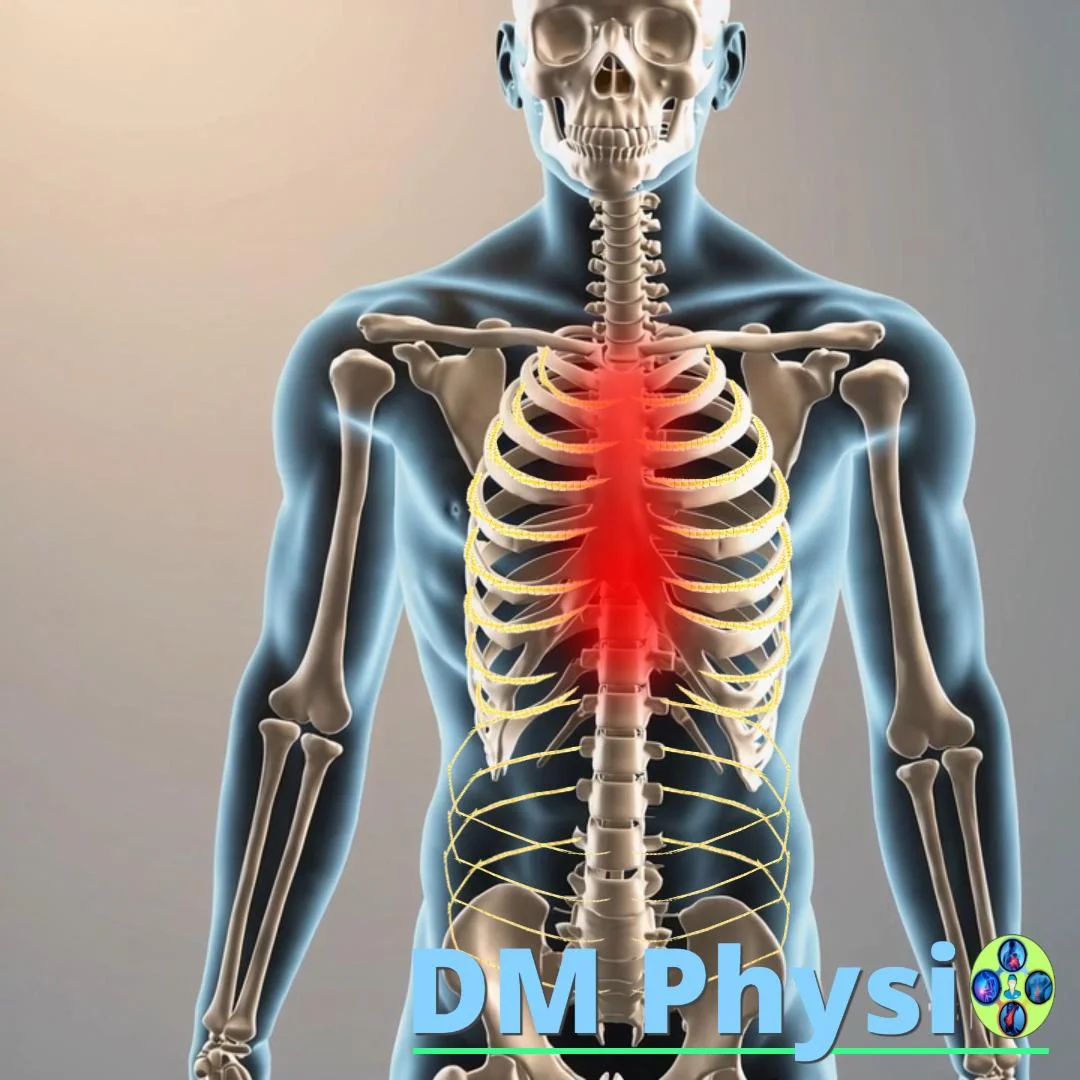
What is thoracic and abdominal neuralgia?
Neuralgia is a condition characterized by sharp, burning, or stabbing pain caused by irritation or damage to a nerve. Intercostal neuralgia affects the nerves between the ribs, a abdominal neuralgia affects the nerves that pass through the abdominal wall. The pain may be constant or occur with certain movements.
Risk factors: trauma, intercostal muscle spasms, herpes zoster, disc herniations, poor posture, excessive physical exertion, operations in the area.
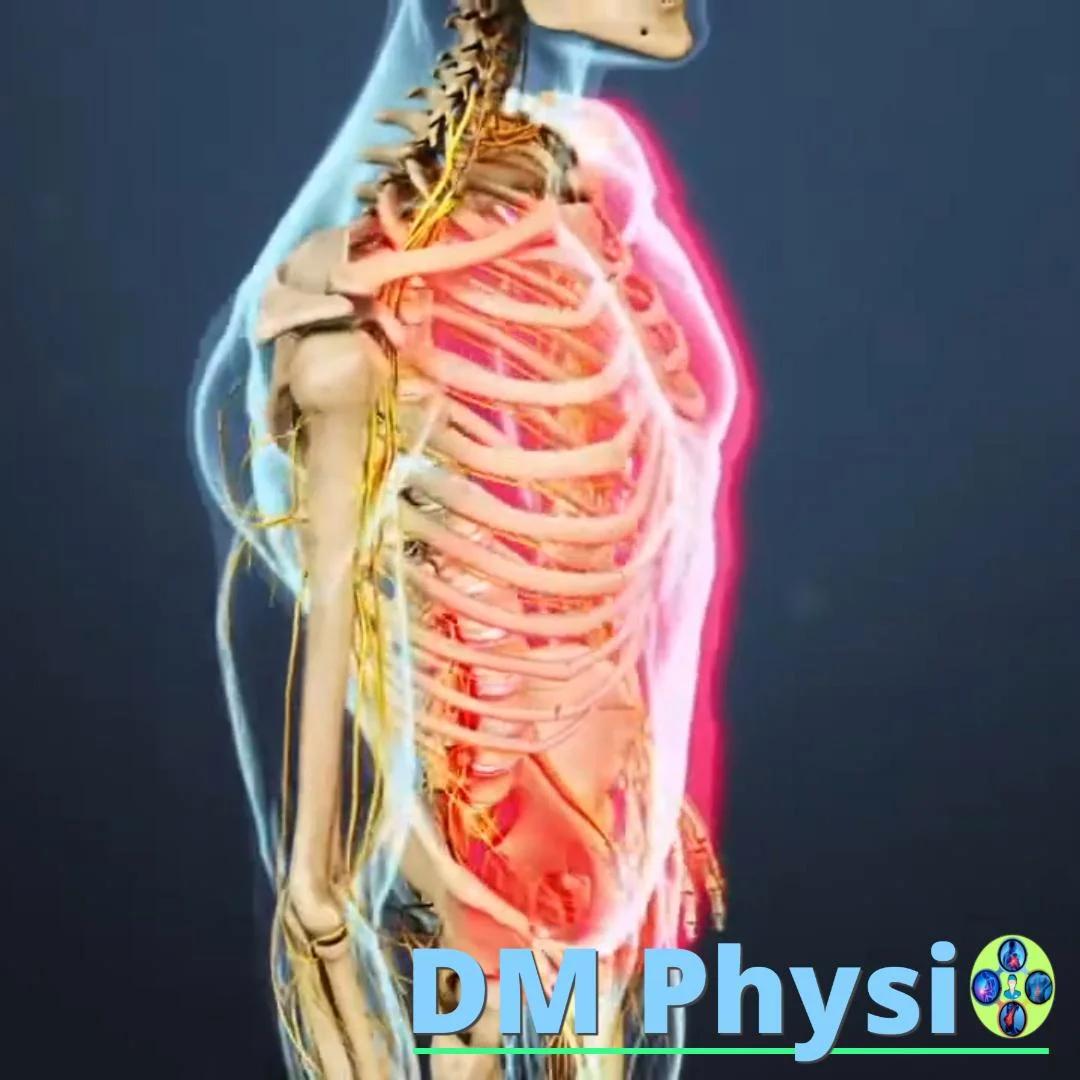
Main causes of chest and abdominal pain
Pain is the result of compression or irritation of nerves by surrounding structures.
Compression of the intercostal nerves
This is the most common cause of intercostal neuralgia. The nerves located between the ribs can be compressed by spasms of the intercostal muscles, chest trauma or scoliosis. The pain is felt as stabbing and sharp, often aggravated by breathing, coughing or sneezing.
Abdominal wall tension
The nerves that innervate the abdominal wall can be compressed by tight or sore abdominal muscles, especially with hernias or after operations. This leads to local pain that can resemble problems with internal organs.
Problems in the spine
Pain often originates from nerve root compression, emerging from the spine. Causes can be disc herniation, arthrosis, or scoliosis in the thoracic or lumbar spine.
Important! Chest and abdominal pain can be a symptom of serious internal conditions. Before consulting a physiotherapist, a doctor's consultation is mandatory to rule out problems with the heart, lungs or abdominal organs.
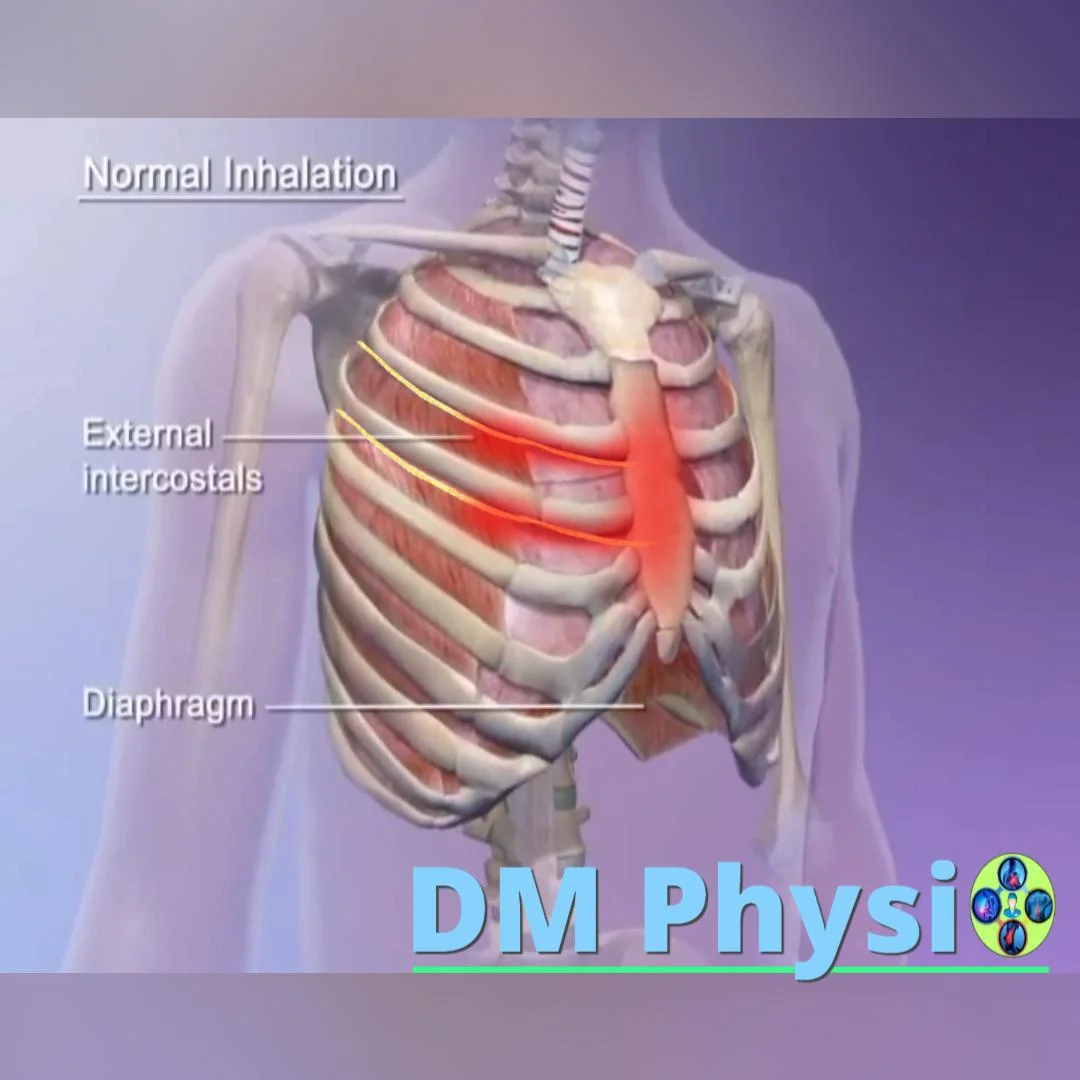
1) Compression of the intercostal nerves
This is the most common cause of intercostal neuralgia. The nerves located between the ribs can be compressed by spasms of the intercostal muscles, chest trauma or scoliosis. The pain is felt as stabbing and sharp, often aggravated by breathing, coughing or sneezing.
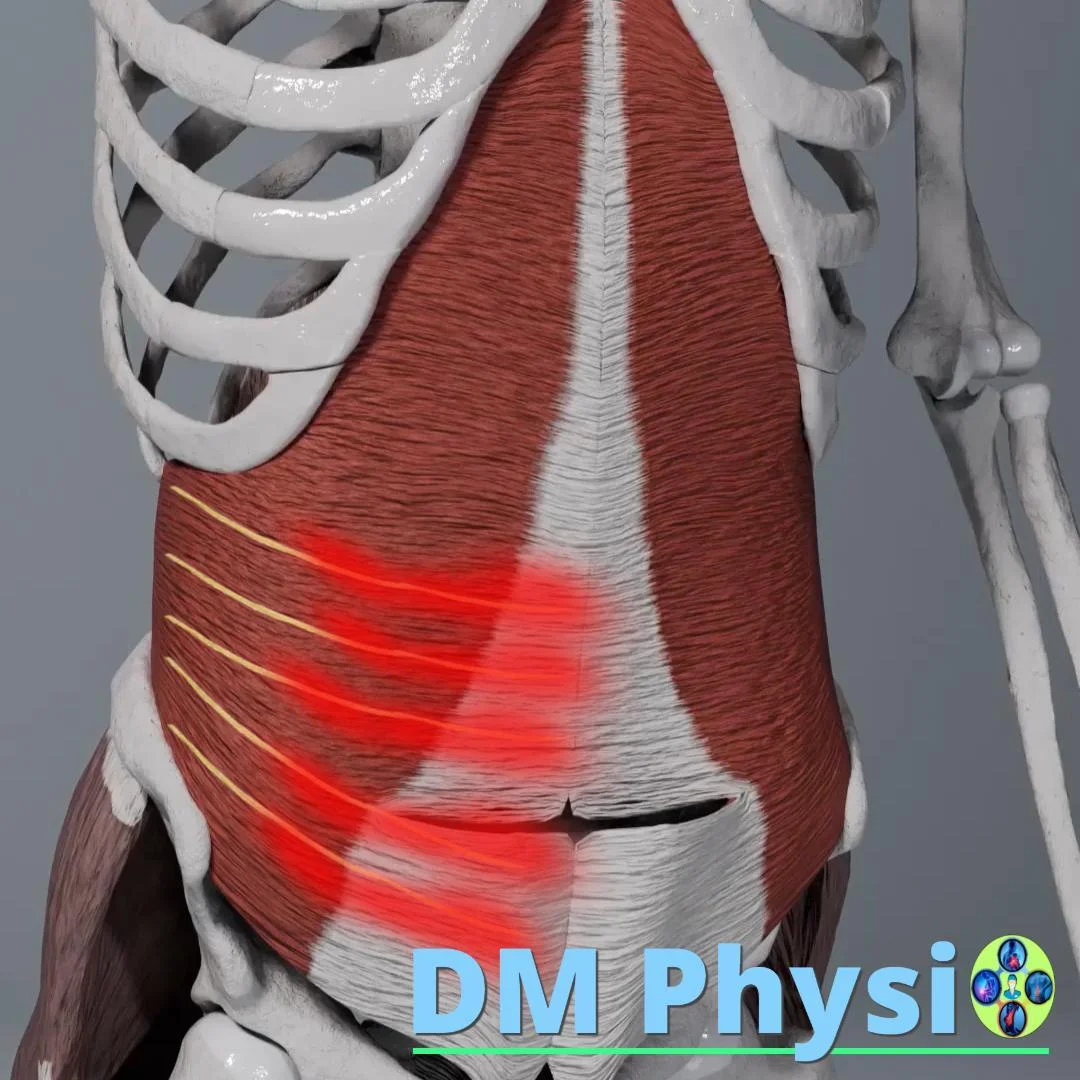
2) Tension in the abdominal wall
The nerves that innervate the abdominal wall can be compressed by tight or sore abdominal muscles, especially with hernias or after operations. This leads to local pain that can resemble problems with internal organs.
3) Problems in the spine
Pain often originates from nerve root compression, emerging from the spine. Causes can be disc herniation, arthrosis, or scoliosis in the thoracic or lumbar spine.
How does physical therapy help?
The goal of physical therapy is to reduce pressure on nerves, restore muscle balance, and improve overall mobility. An individual, complex approach is applied.
1. Reducing tension
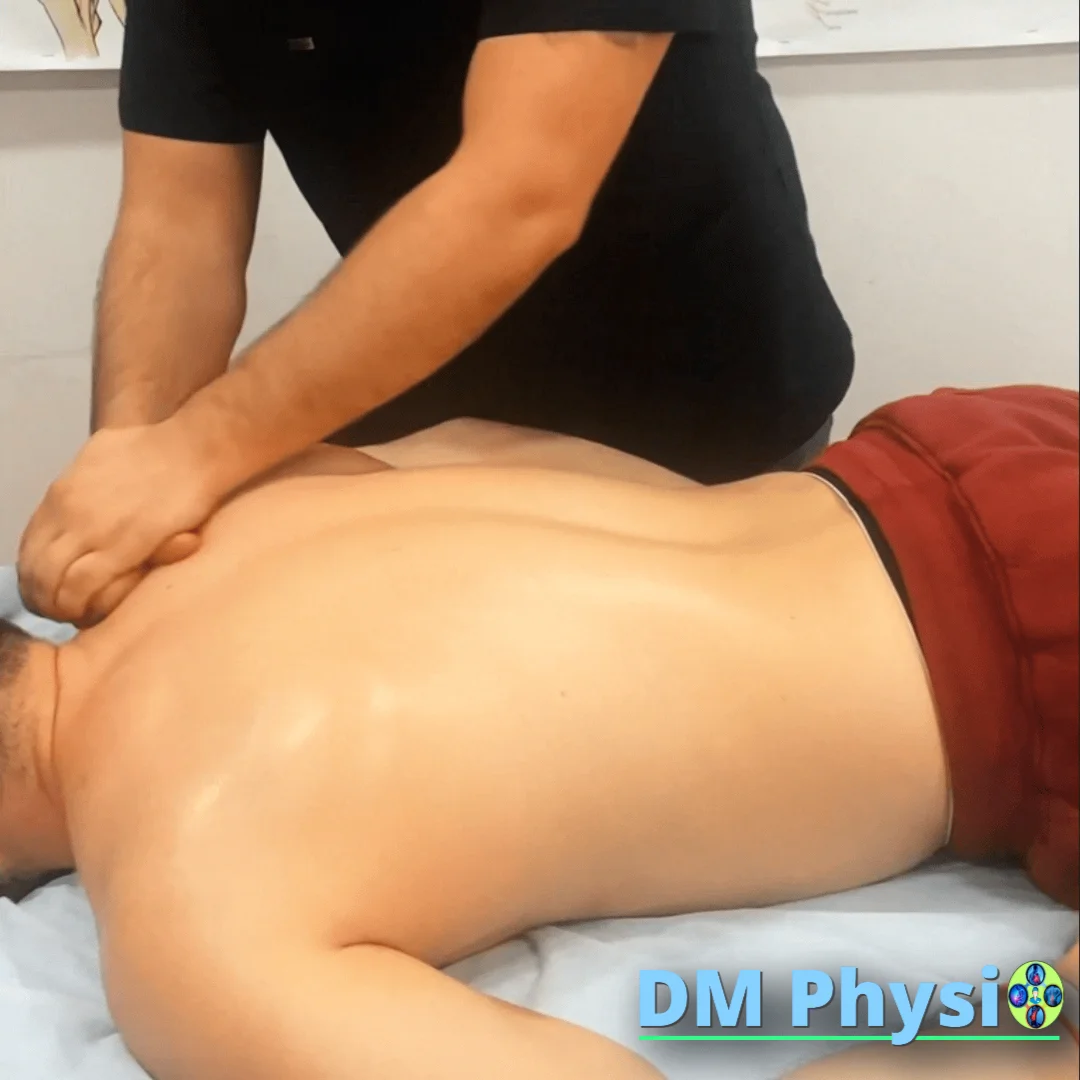
Through manual techniques and specialized massages, the tense intercostal, abdominal and back muscles that press on the nerves are relaxed.
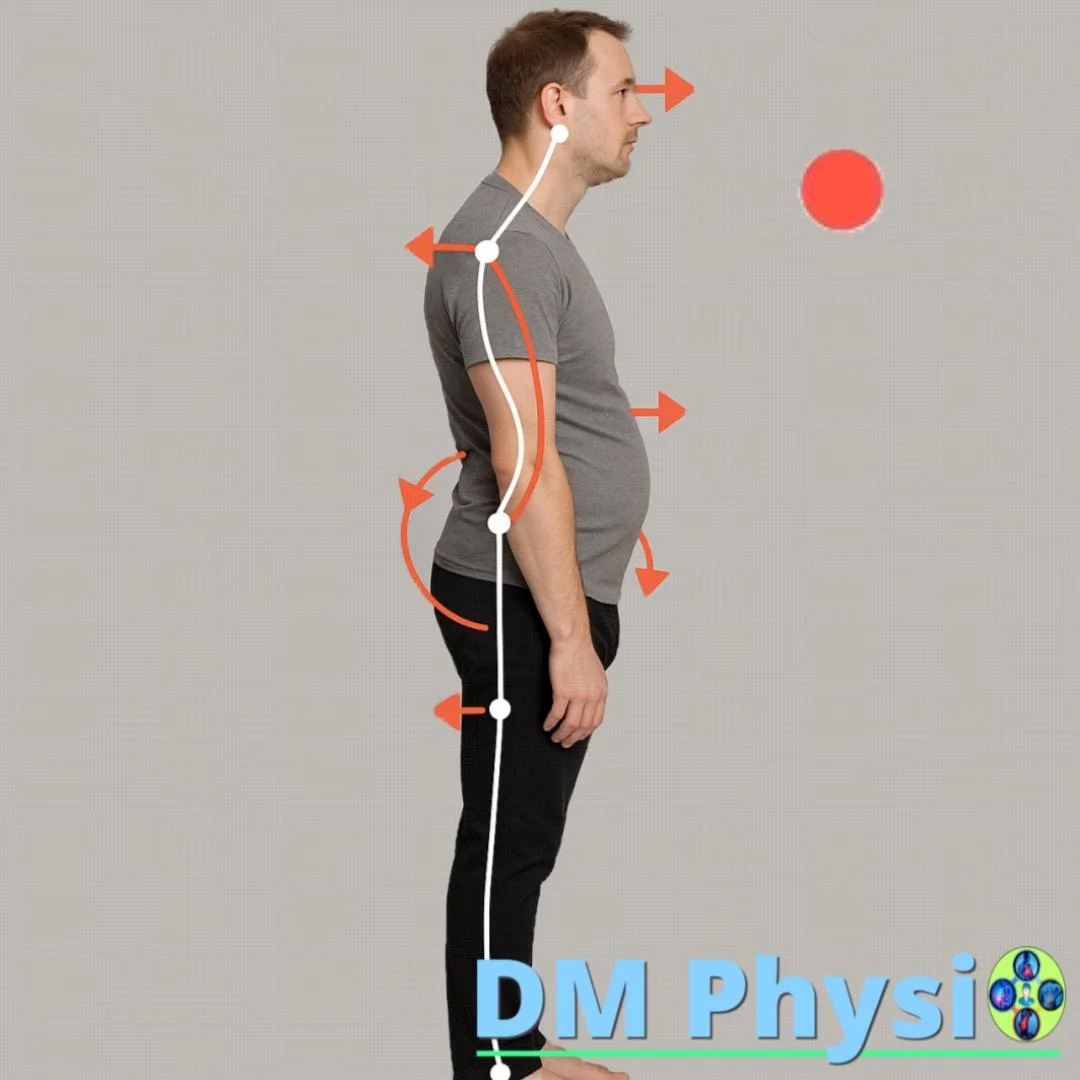
2. Posture correction
Work on the correct posture, strengthening the muscles of the back and chest to release the nerve roots and improve the flexibility of the spine.
3. Functional exercises
Specialized exercises for nerve mobilization, strengthening weak muscles and improving coordination, which helps in long-term relief.
Important: Physiotherapy is extremely effective for neuralgia caused by musculoskeletal problems. To achieve optimal results, the sessions are combined with recommendations for everyday life.