Thoracic outlet syndrome (TOS)
Learn what thoracic outlet syndrome is, how to recognize the symptoms, and what approaches help with relief and prevention.
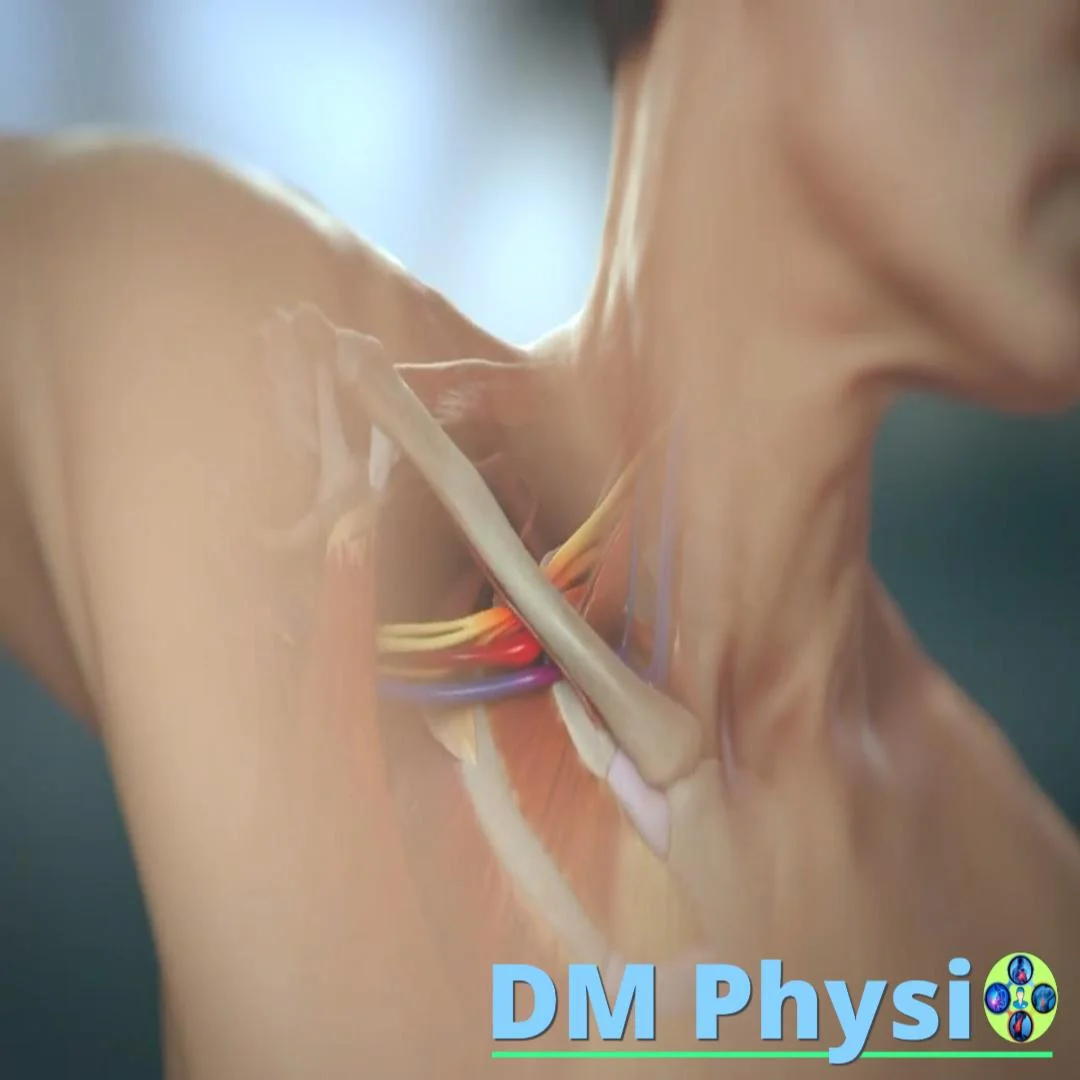
What is thoracic outlet syndrome?
Thoracic outlet syndrome (TOS) is a condition that occurs when nerves or blood vessels (arteries or veins) become compressed in the narrow space between the collarbone and the first rib. This leads to pain, numbness, tingling and weakness in the arm and shoulder. The condition is more common in people who perform repetitive overhead movements.
Risk factors: trauma (traffic accident), repetitive movements (tennis, swimming), poor posture, extra cervical ribs, pregnancy, obesity.
Main causes and muscles causing CTS
Compression of nerves and vessels results from muscle dysfunction or anatomical features in three main areas.
Scalenes
This is the most common type of compression. The anterior and middle scalene muscles are located on the side of the neck and attach to the first rib. The space between them and the first rib forms the first compression zone for nerves and vessels, especially in muscle spasm or congenital anomalies.
Small pectoral muscle (Pectoralis Minor)
The neurovascular bundle passes under the pectoralis minor muscle. When this muscle is shortened or spasmed (often in poor posture with shoulders bent forward), it compresses the structures. This is the second major compression zone.
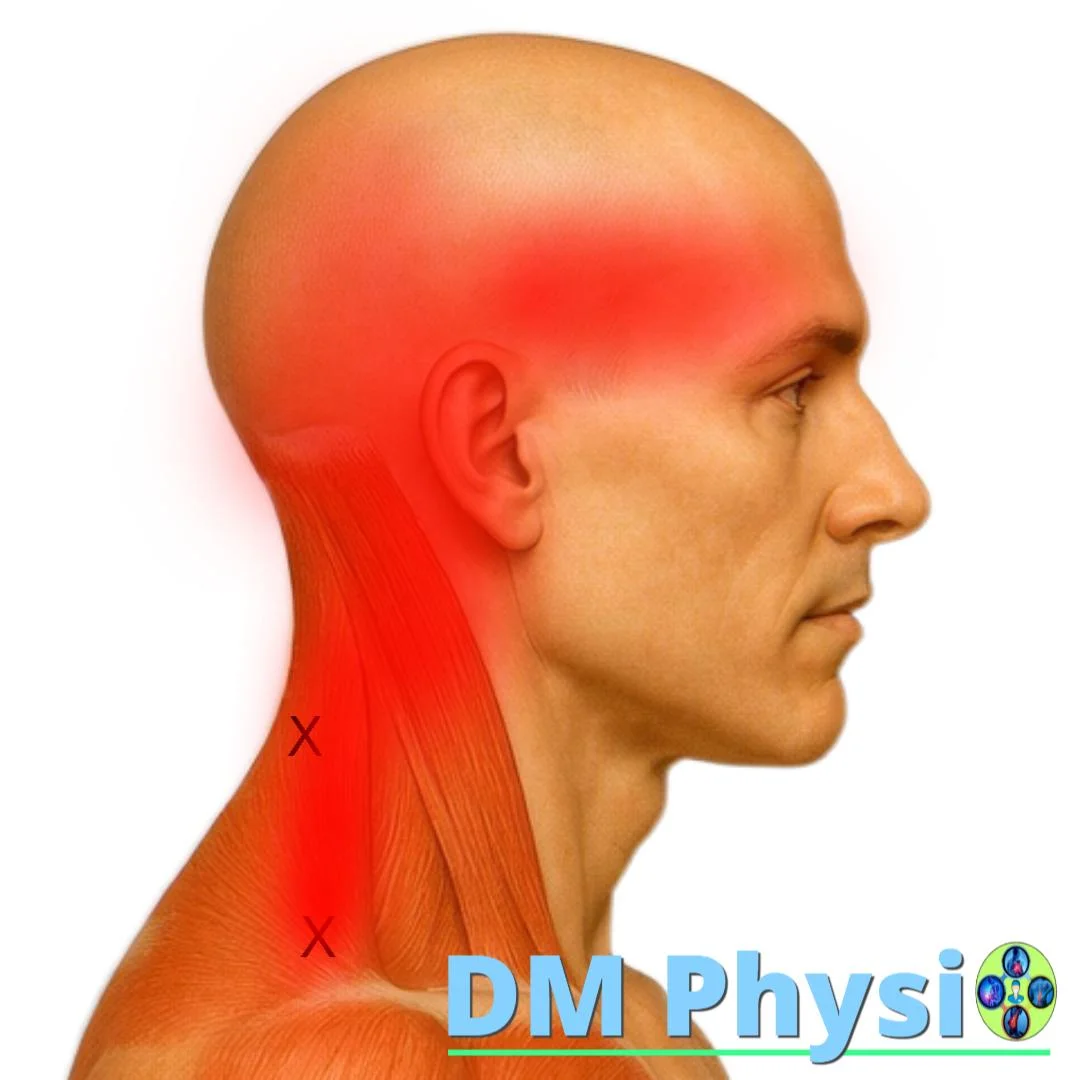
Trapezius muscle and poor posture
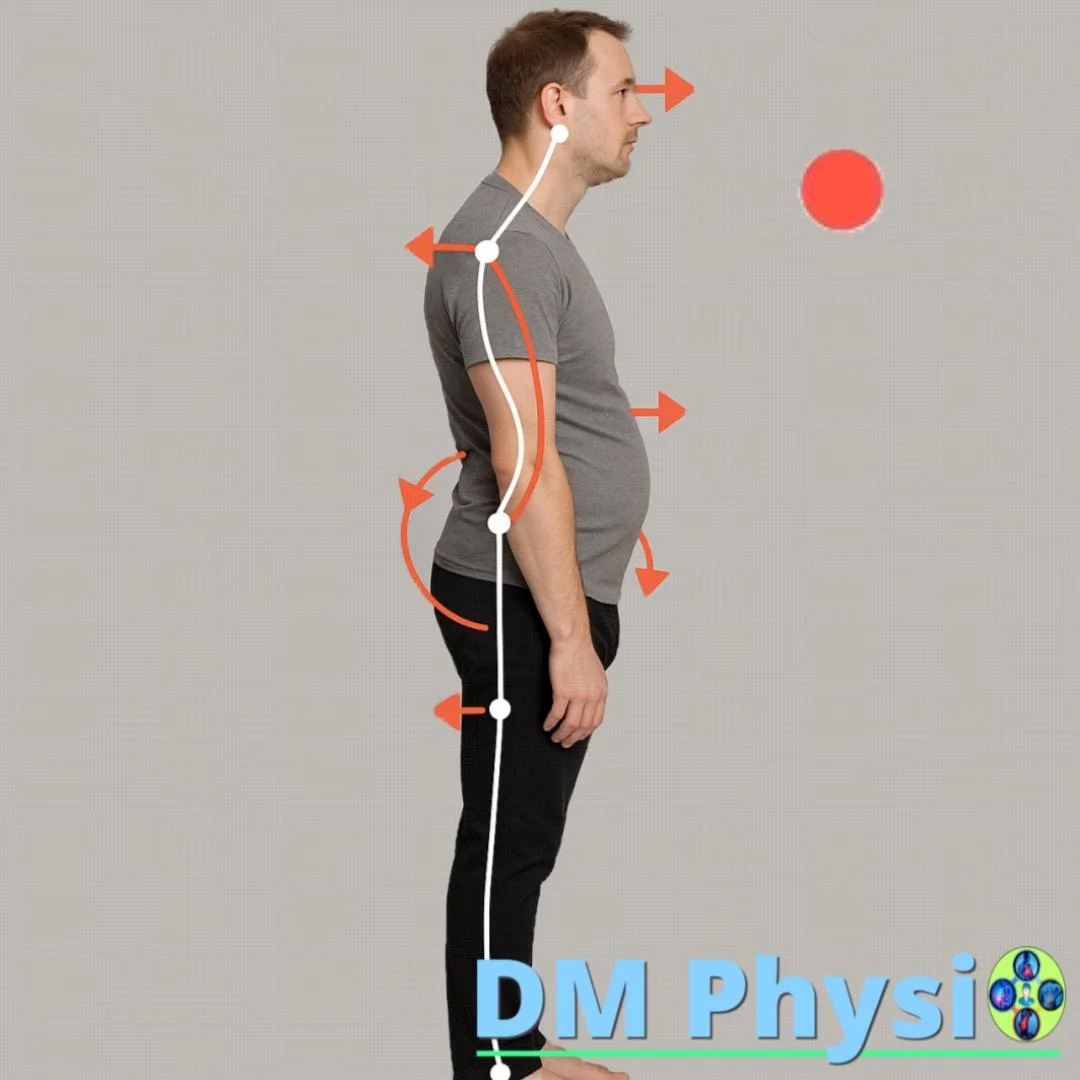
Hypertonus or imbalance in the trapezius muscle and improper posture contribute to tension throughout the area, which indirectly results in compression between clavicle and first rib. This area is particularly vulnerable to trauma or excessive overhead.
Urgent! An arm that is cold, pale or bluish, with significant swelling and no pulse may be a sign of arterial compression. This is an emergency. Seek medical attention immediately.
1) Scalenes
This is the most common type of compression. The anterior and middle scalene muscles are located on the side of the neck and attach to the first rib. The space between them and the first rib forms the first compression zone for nerves and vessels, especially in muscle spasm or congenital anomalies.
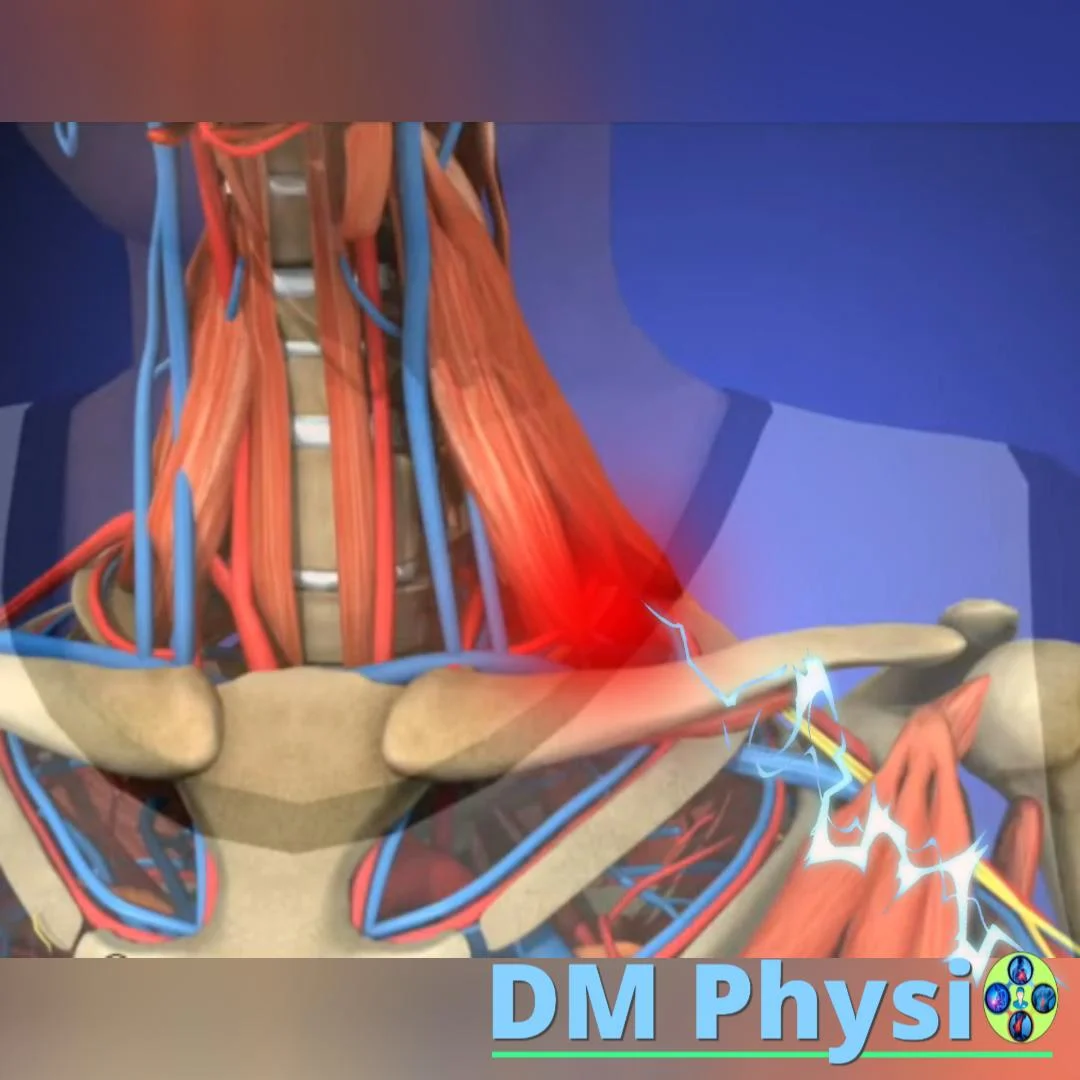
2) Small pectoral muscle (Pectoralis Minor)
The neurovascular bundle passes under the pectoralis minor muscle. When this muscle is shortened or spasmed (often in poor posture with shoulders bent forward), it compresses the structures. This is the second major compression zone.
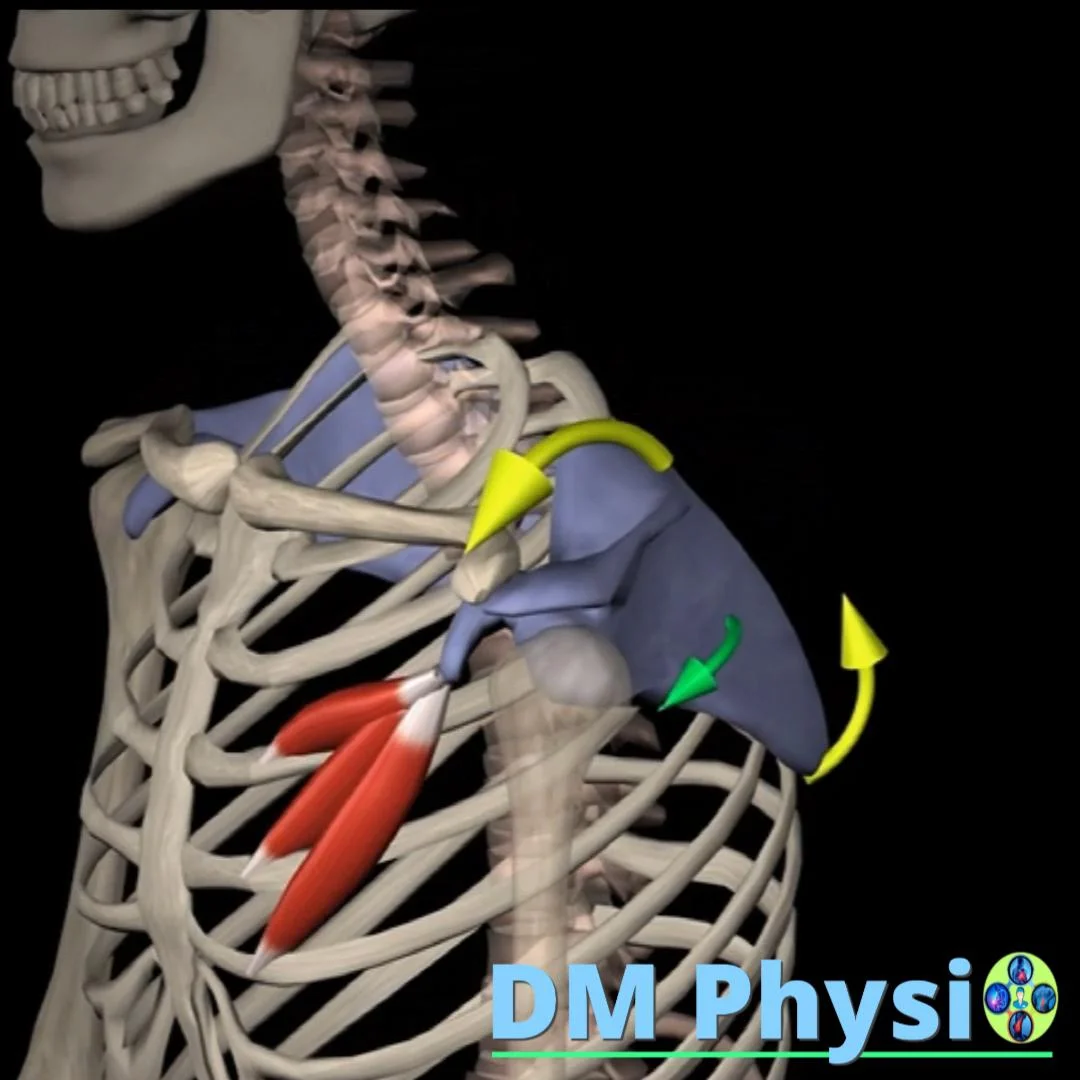
3) Trapezius muscle and poor posture
Hypertonus or imbalance in the trapezius muscle and improper posture contribute to tension throughout the area, which indirectly results in compression between clavicle and first rib. This area is particularly vulnerable to trauma or excessive overhead.
How does physical therapy help?
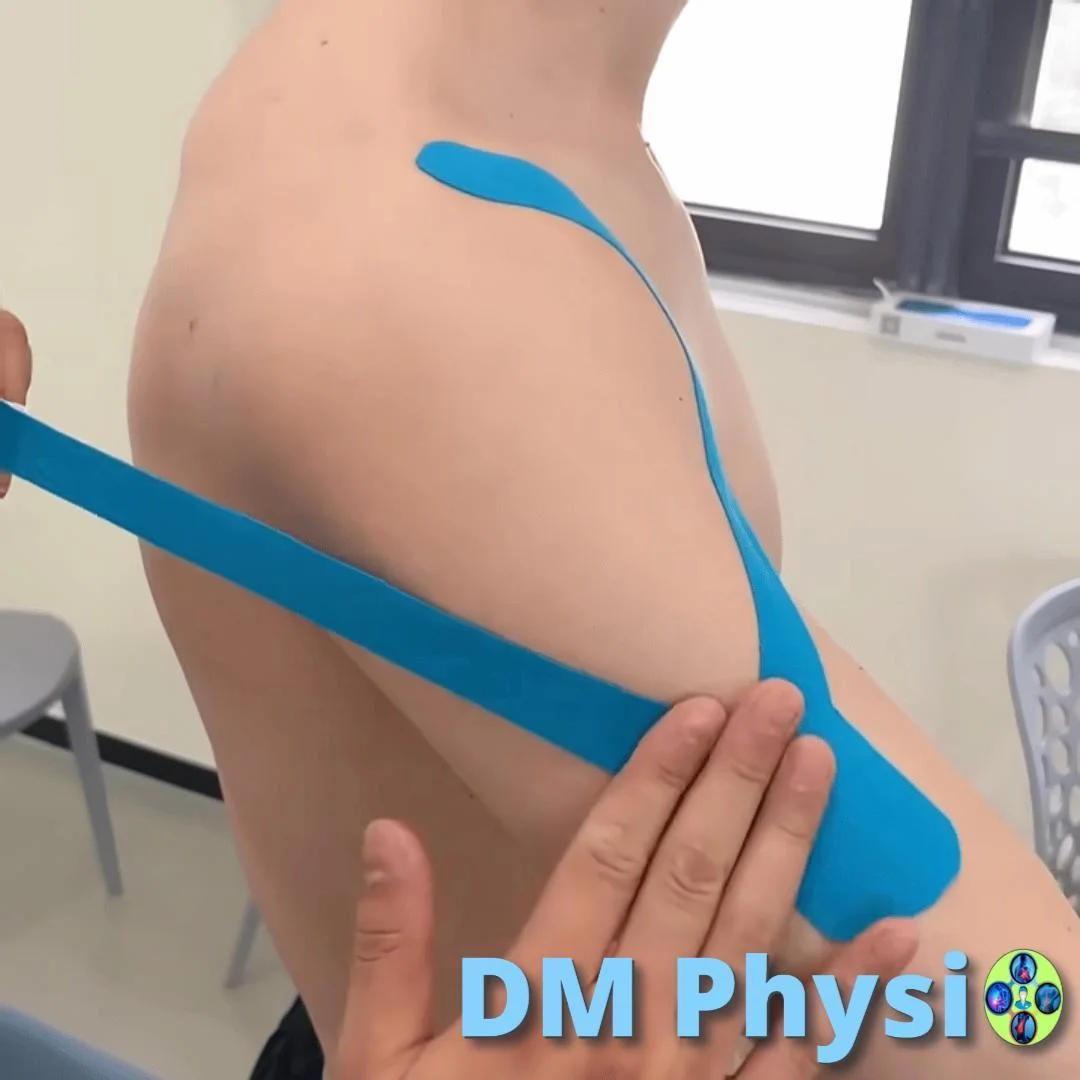
The goal of physiotherapy is to reduce compression on nerves and vessels, restore normal posture, and improve arm functionality. A comprehensive approach is applied.
1. Reduce compression
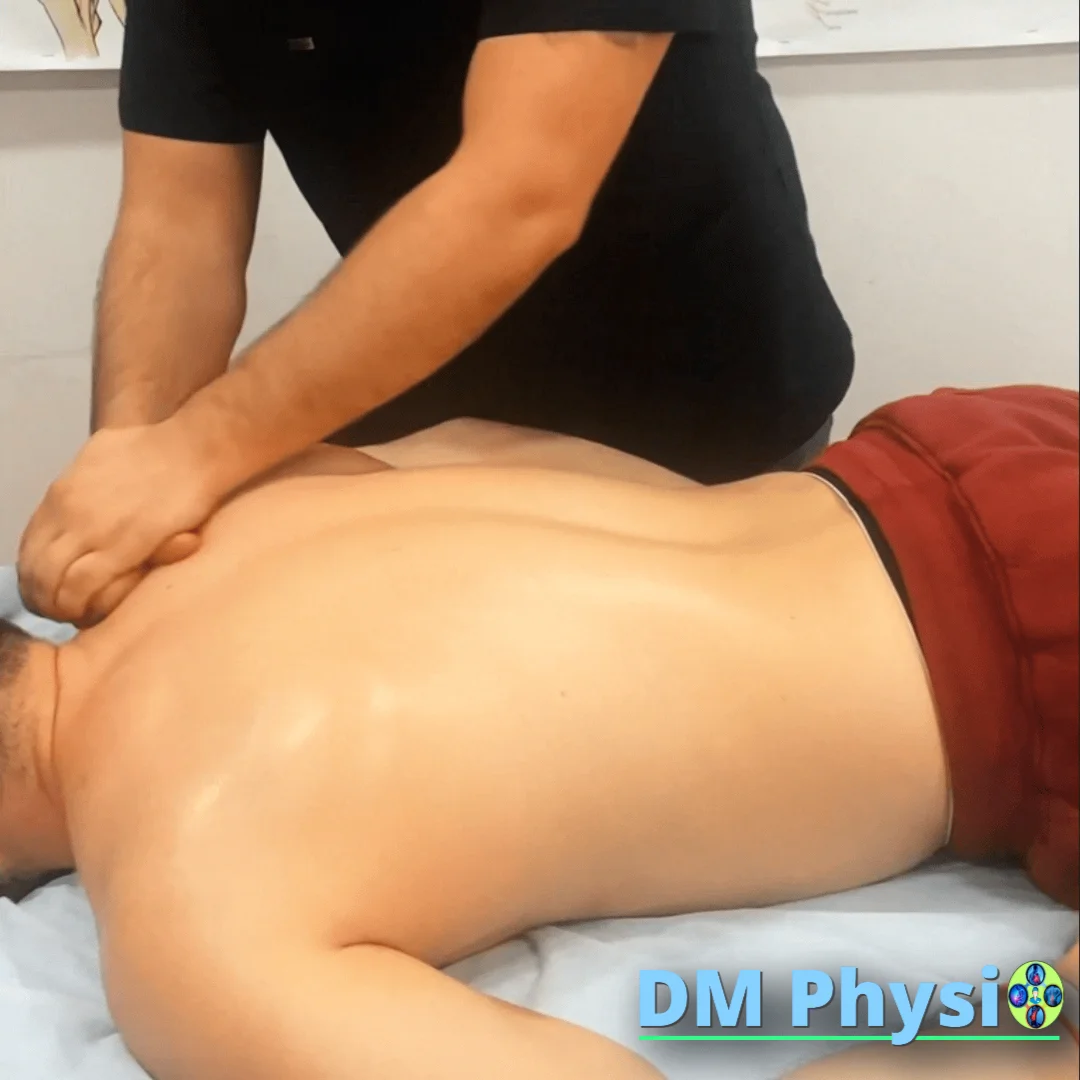
We use manual techniques to relaxing tense muscles (columnar, thoracic, suboccipital) and mobilization of the clavicle and first rib.
2. Posture correction
Work on the upright posture, strengthening the back muscles (rotators of the scapula) and stretching the shortened pectoral muscles.
3. Neurodynamic exercises
Specialized exercises for improving nerve mobility, which pass through the thoracic outlet area, reducing irritation.
Important: In case of vascular symptoms (edema, discoloration, cold hand), immediate consultation with a doctor is necessary. Physiotherapy is extremely effective in STC.