Neuralgia in the lower back
Learn what lumbar neuralgia is, how to recognize the symptoms, and what approaches help relieve the pain.
What is lumbar neuralgia?
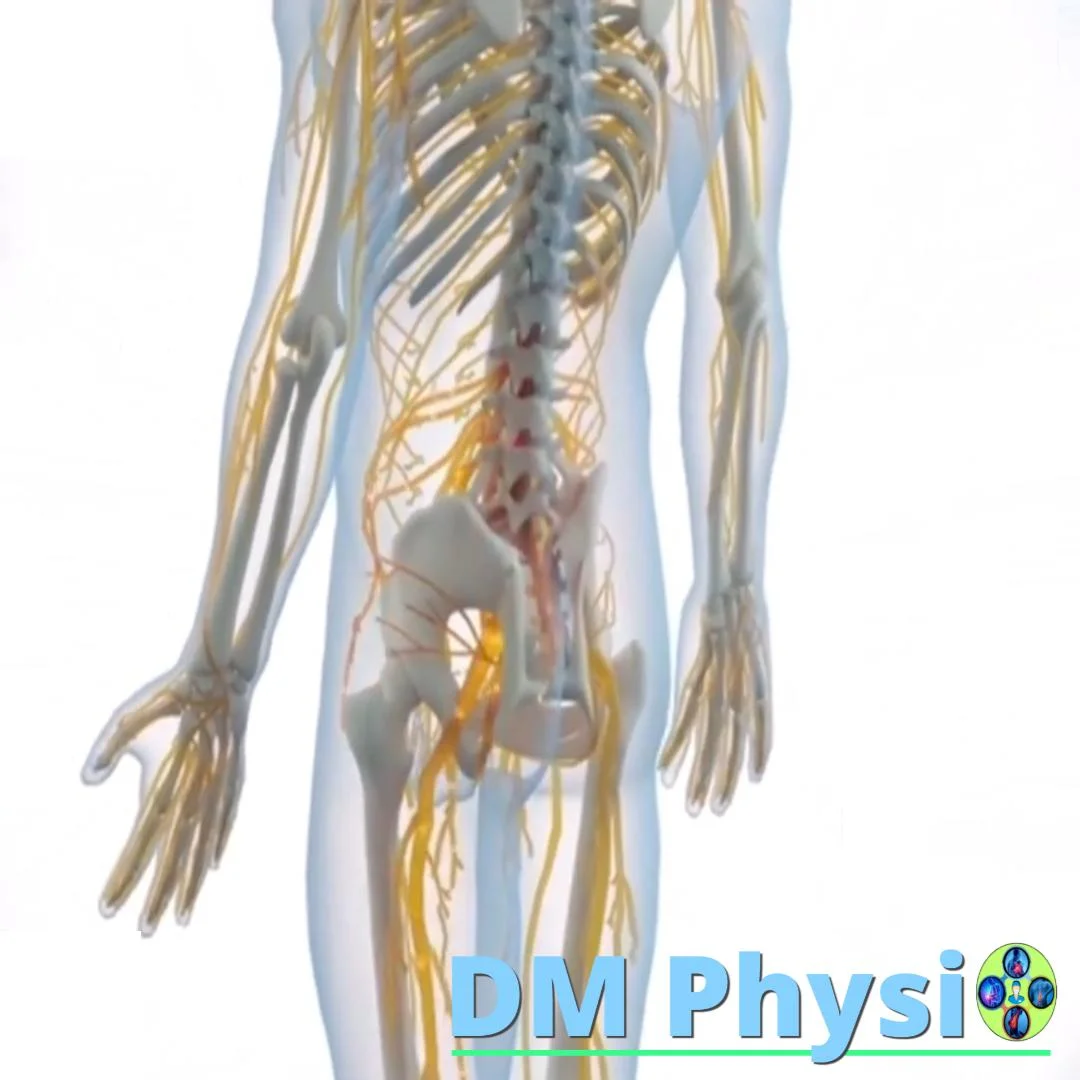
Neuralgia is a condition characterized by sharp, burning, or stabbing pain caused by irritation or damage to a nerve. Neuralgia in the lumbar region (lumbar) affects the nerves that exit the lumbar spine. This pain is often severe and piercing, felt along the course of the nerve, and worsens with certain movements, such as bending over, standing up, coughing or sneezing. Unlike muscle pain, neuralgia often has the character of an electrical impulse or burning.
Risk factors: trauma, back muscle spasms, disc herniations, poor posture, excessive physical exertion, operations in the area.
Main causes of nerve damage in the lower back
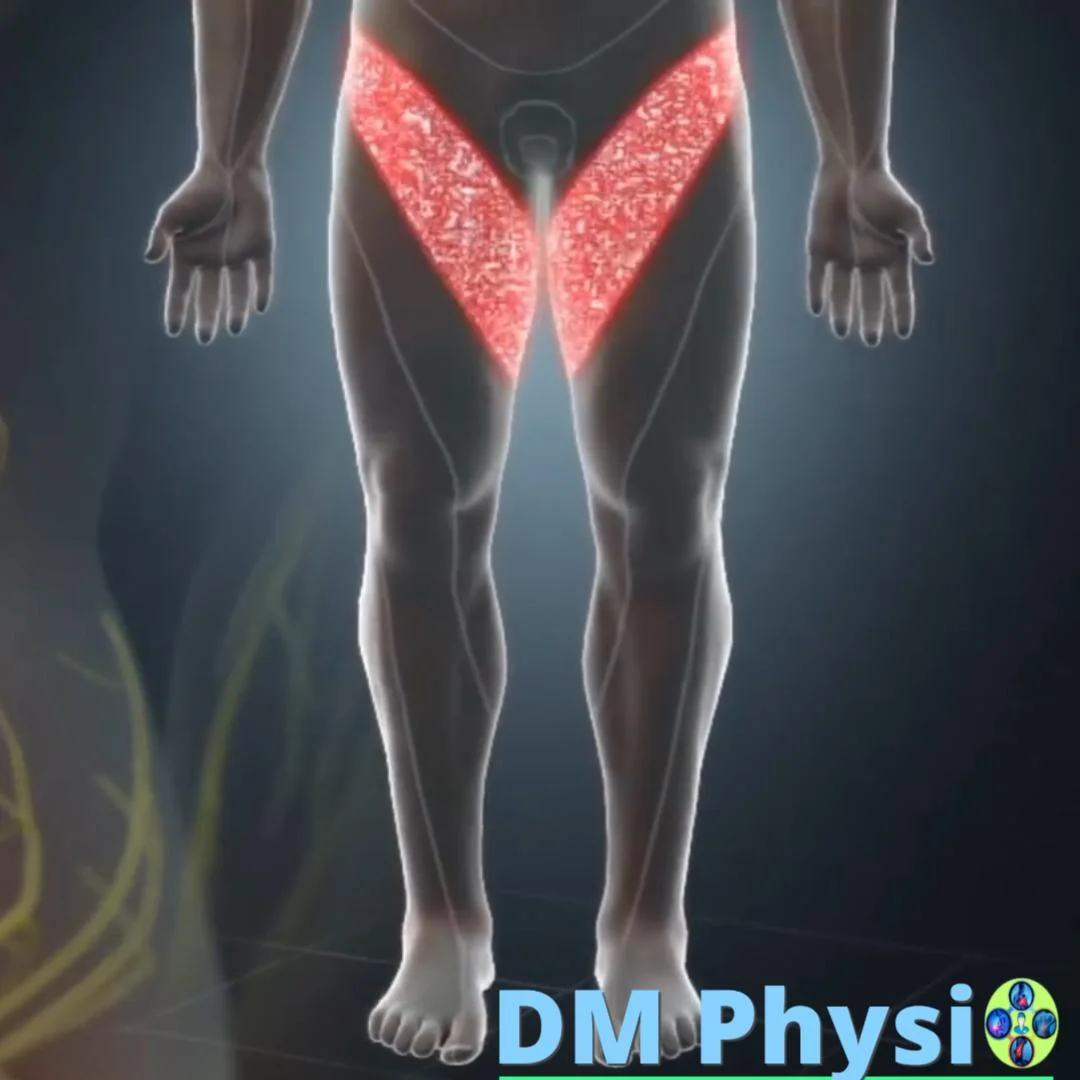
Pain is the result of compression or irritation of nerves by surrounding structures.
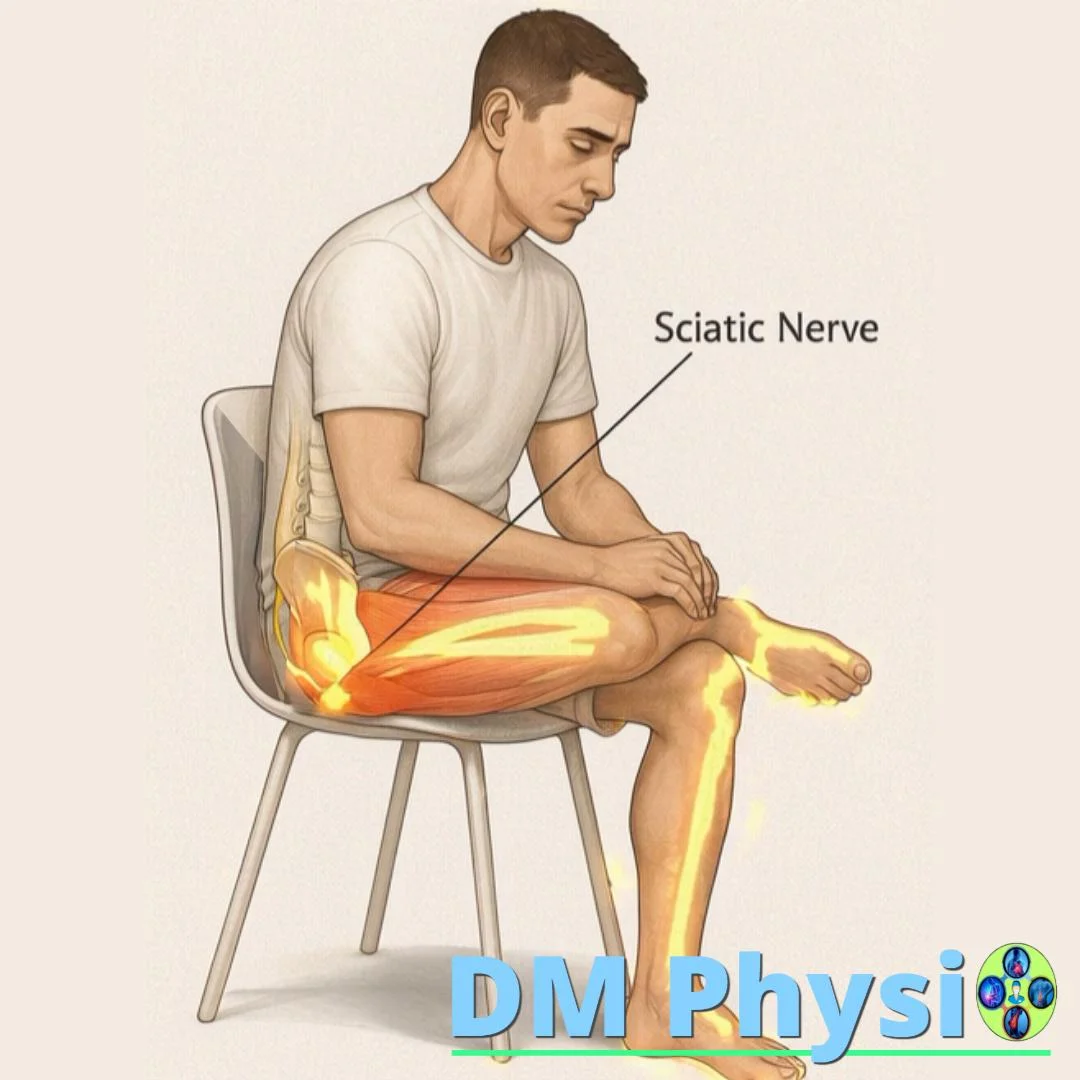
Pressure from the body
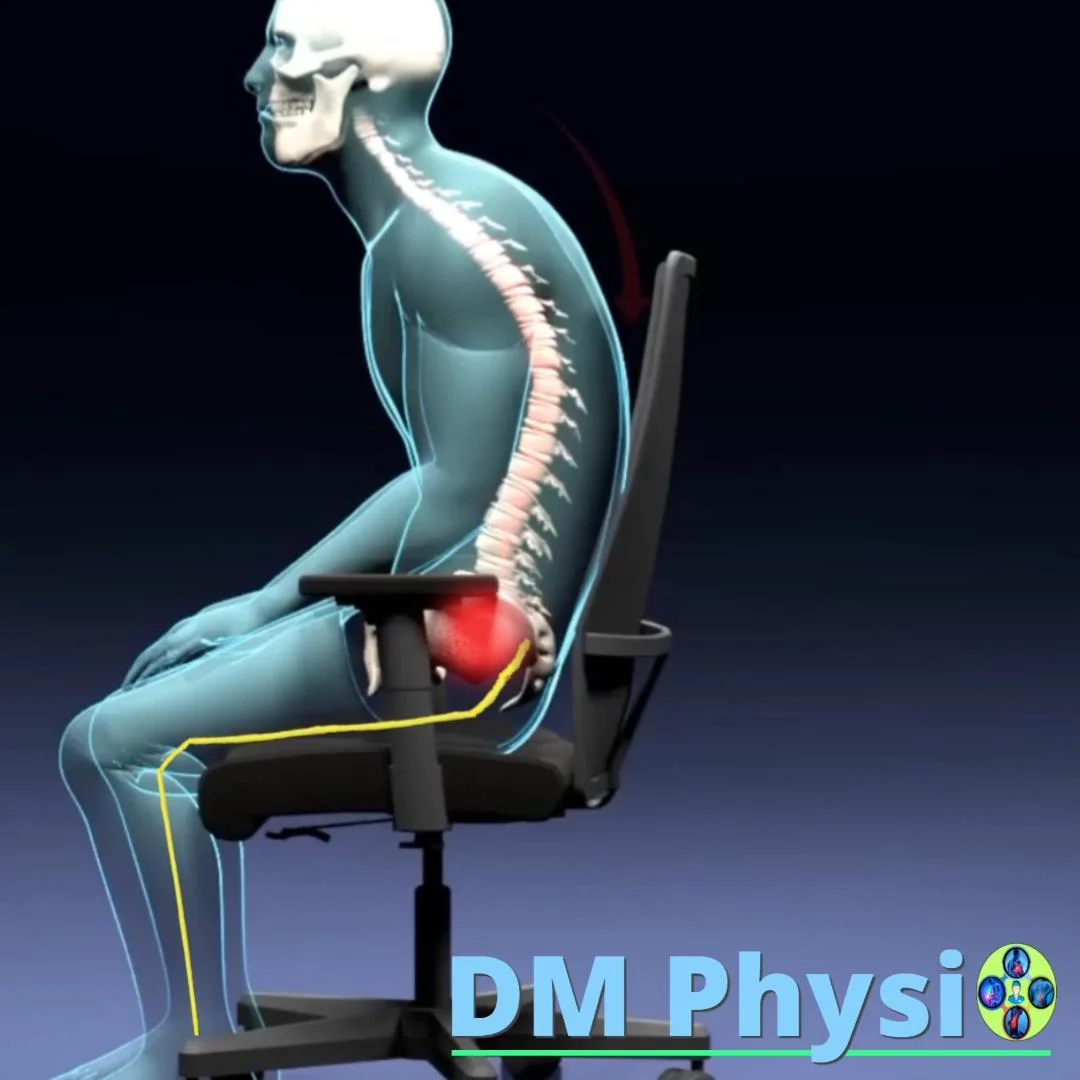
When we sit for a long time, pressure is created on the buttock, which squeezes the nerves and blood vessels passing through it. This disrupts blood circulation, causes tension and irritation of nerve structures, and over time inflammation develops and symptoms of neuralgia such as pain, numbness or burning appear.
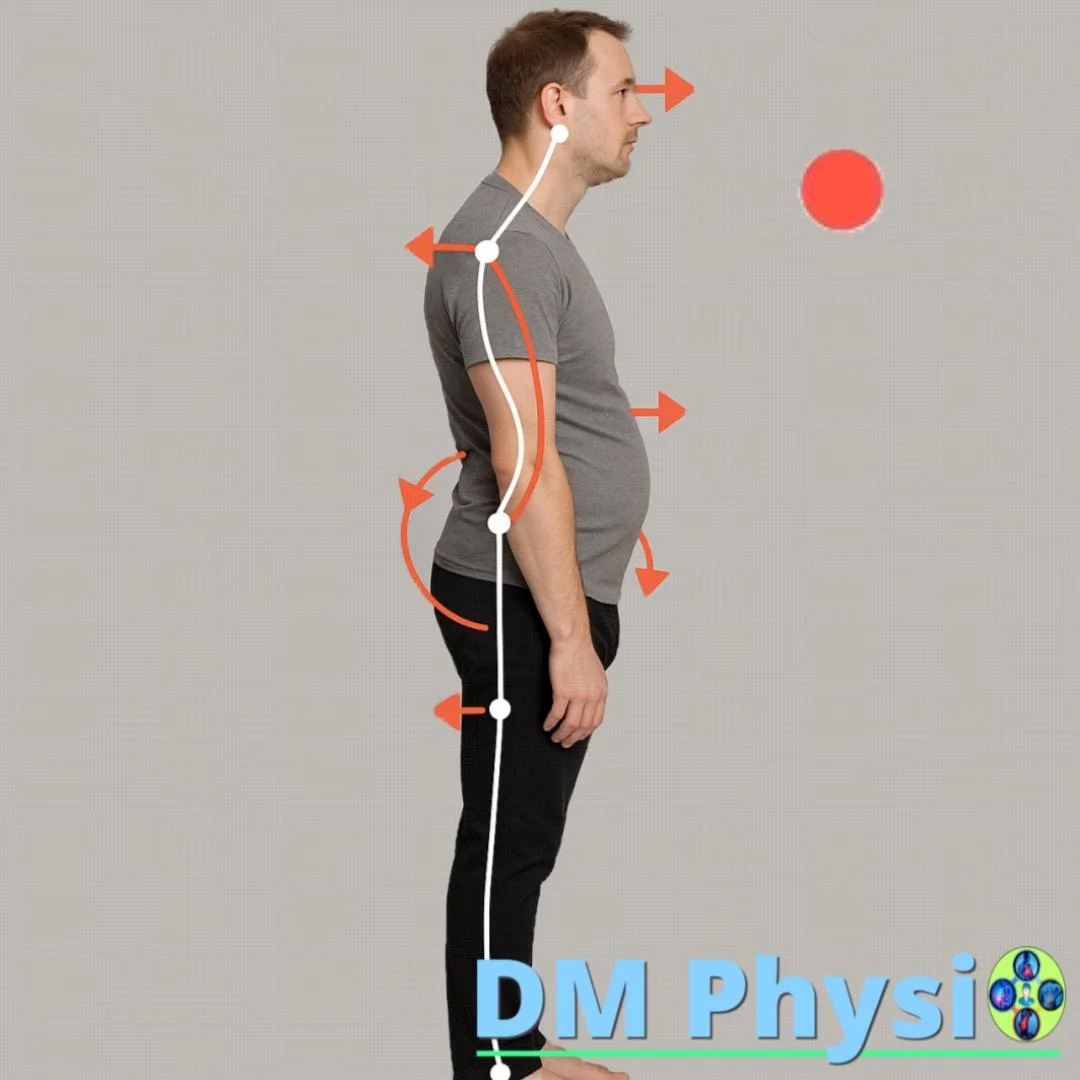
Poor posture, shortened or spasmed muscles
Prolonged sitting in a poor posture changes the biomechanics of the back by shortening some muscles and stretching others. This muscle imbalance creates constant tension that compresses and inflames adjacent nerves, resulting in persistent nerve-related pain.
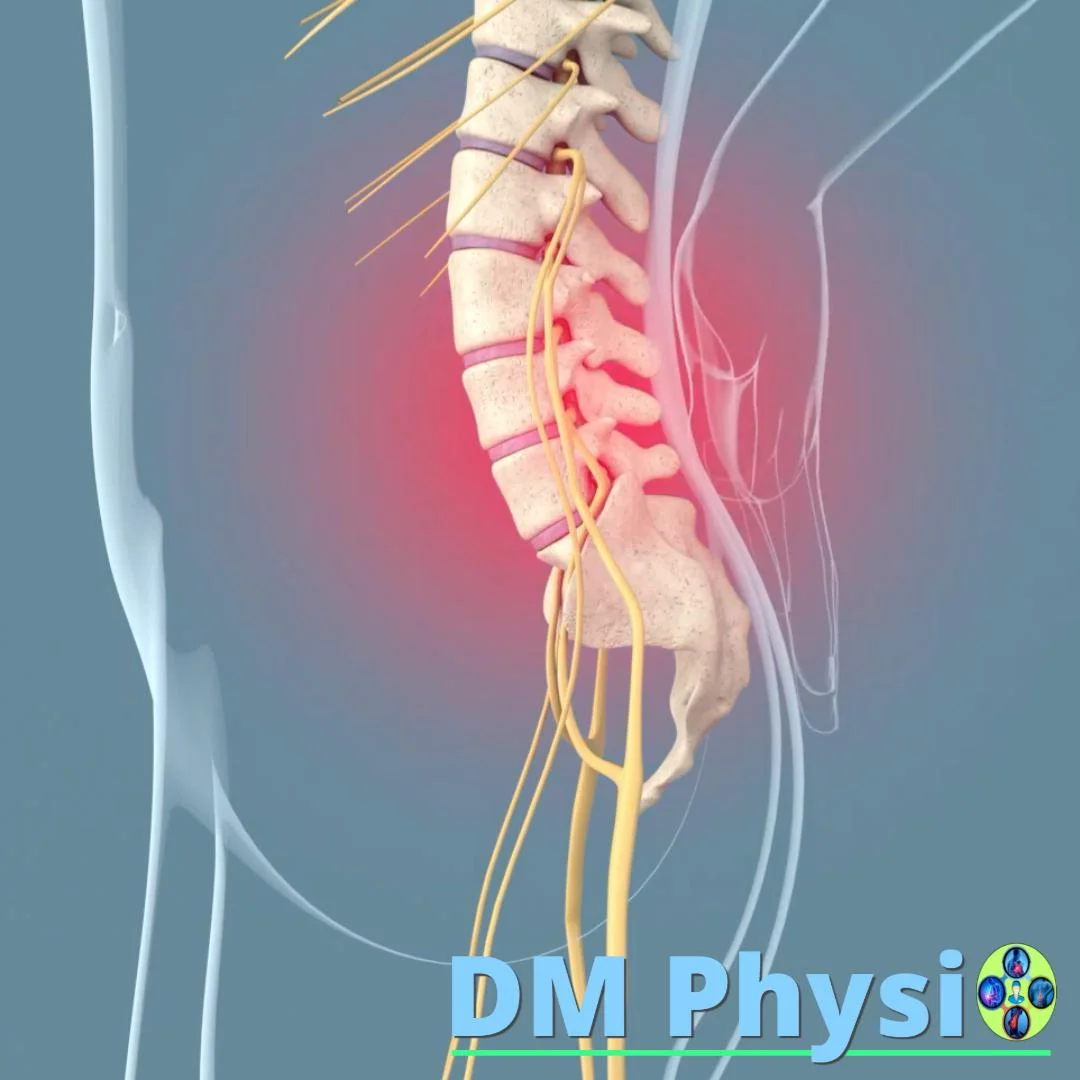
Disc herniation
A herniated disc is one of the most common causes of neuralgia. It occurs when the soft contents of the intervertebral disc protrude and press against a nearby nerve root. This direct pressure results in a sharp, stabbing pain that often spreads along the course of the nerve, for example to the leg.
Important! The effectiveness of physiotherapy for back neuralgia is based on a precise functional assessment of the condition. Our procedures are aimed at finding the exact cause of the nerve compression – whether it is from muscle spasms, limited spinal mobility or poor posture. Treatment is complex, including techniques to release the nerve, restore muscle balance, and train you to maintain correct movements and postures.
1) Pressure from the body
When we sit for a long time, pressure is created on the buttock, which squeezes the nerves and blood vessels passing through it. This disrupts blood circulation, causes tension and irritation of nerve structures, and over time inflammation develops and symptoms of neuralgia such as pain, numbness or burning appear.
2) Improper posture, shortened or spasmed muscles
Prolonged sitting in a poor posture changes the biomechanics of the back by shortening some muscles and stretching others. This muscle imbalance creates constant tension that compresses and inflames adjacent nerves, resulting in persistent nerve-related pain.
3) Disc herniation
A herniated disc is one of the most common causes of neuralgia. It occurs when the soft contents of the intervertebral disc protrude and press against a nearby nerve root. This direct pressure results in a sharp, stabbing pain that often spreads along the course of the nerve, for example to the leg.
How does physical therapy help?
The goal of physical therapy is to reduce pressure on nerves, restore muscle balance, and improve overall mobility. An individual, complex approach is applied.
1. Reducing tension
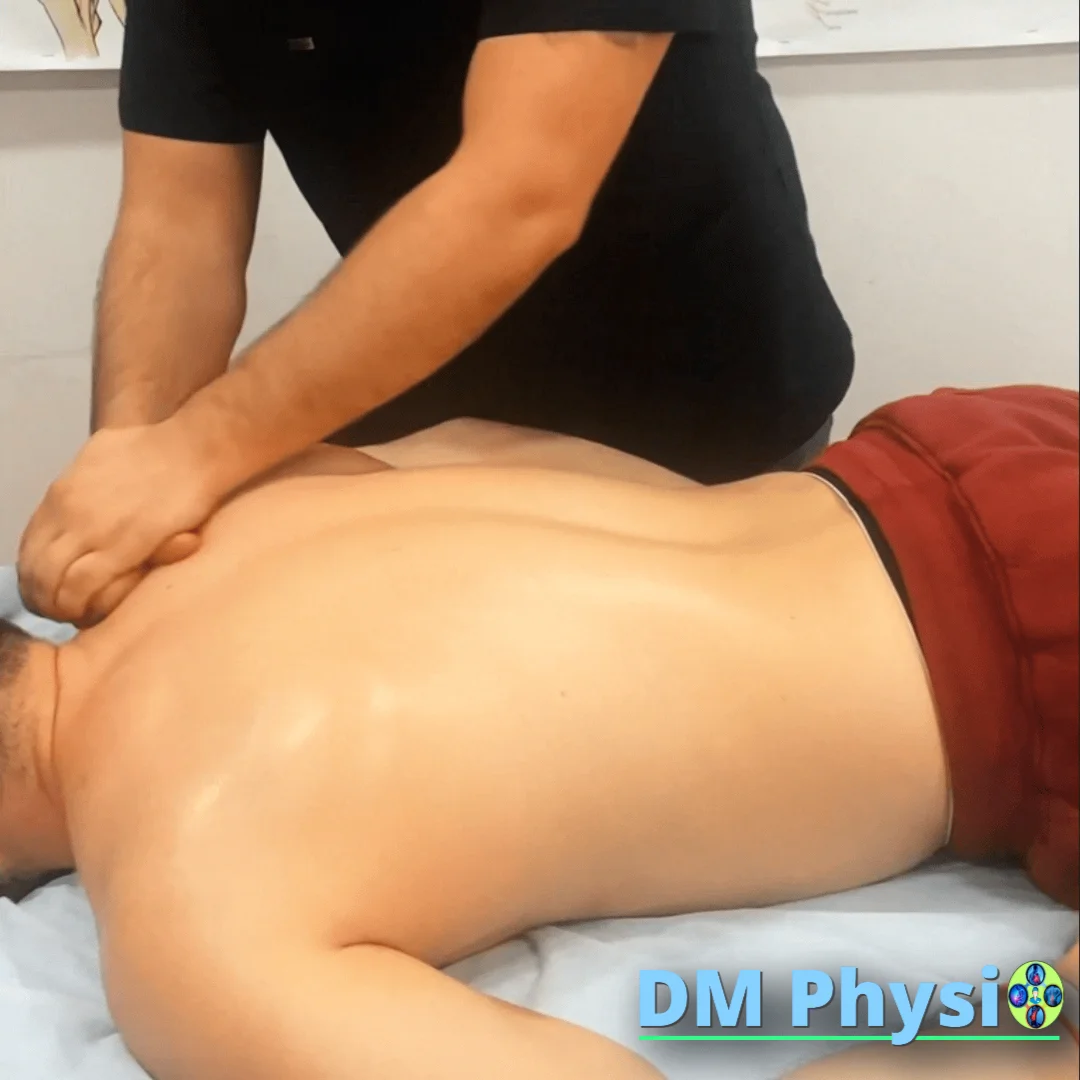
Through manual techniques and specialized massages, the tension in the back muscles is released and the muscles of the buttocks and hamstrings are activated. Thus, the pressure on the nerves is reduced, blood circulation is improved and the tissues recover faster.
2. Posture correction
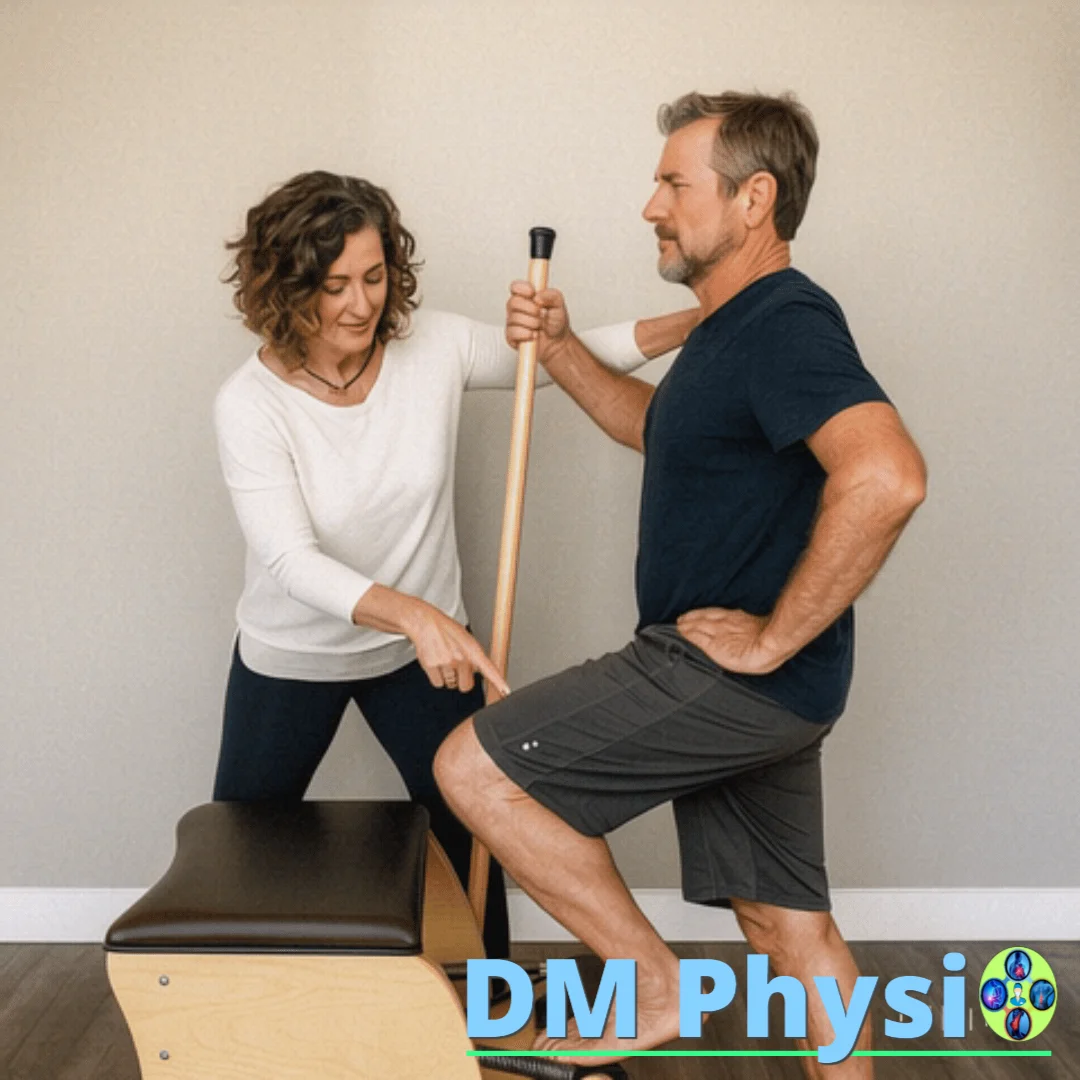
It mainly works on the weak muscles to start working again, this will relieve the tight muscles of the lower back. Strengthening the deep muscles of the back and improving the flexibility of the spine to release the nerve roots.
3. Awakening the nerve
Specialized nerve conduction stimulation techniques that use controlled pulses to "wake up" the affected nerve and help it recover.
Important: Physiotherapy is extremely effective for neuralgia caused by musculoskeletal problems. To achieve optimal results, the sessions are combined with recommendations for everyday life.