Muscle pain in the shoulder
Understand why shoulder muscles can become painful and what may keep the area overloaded.
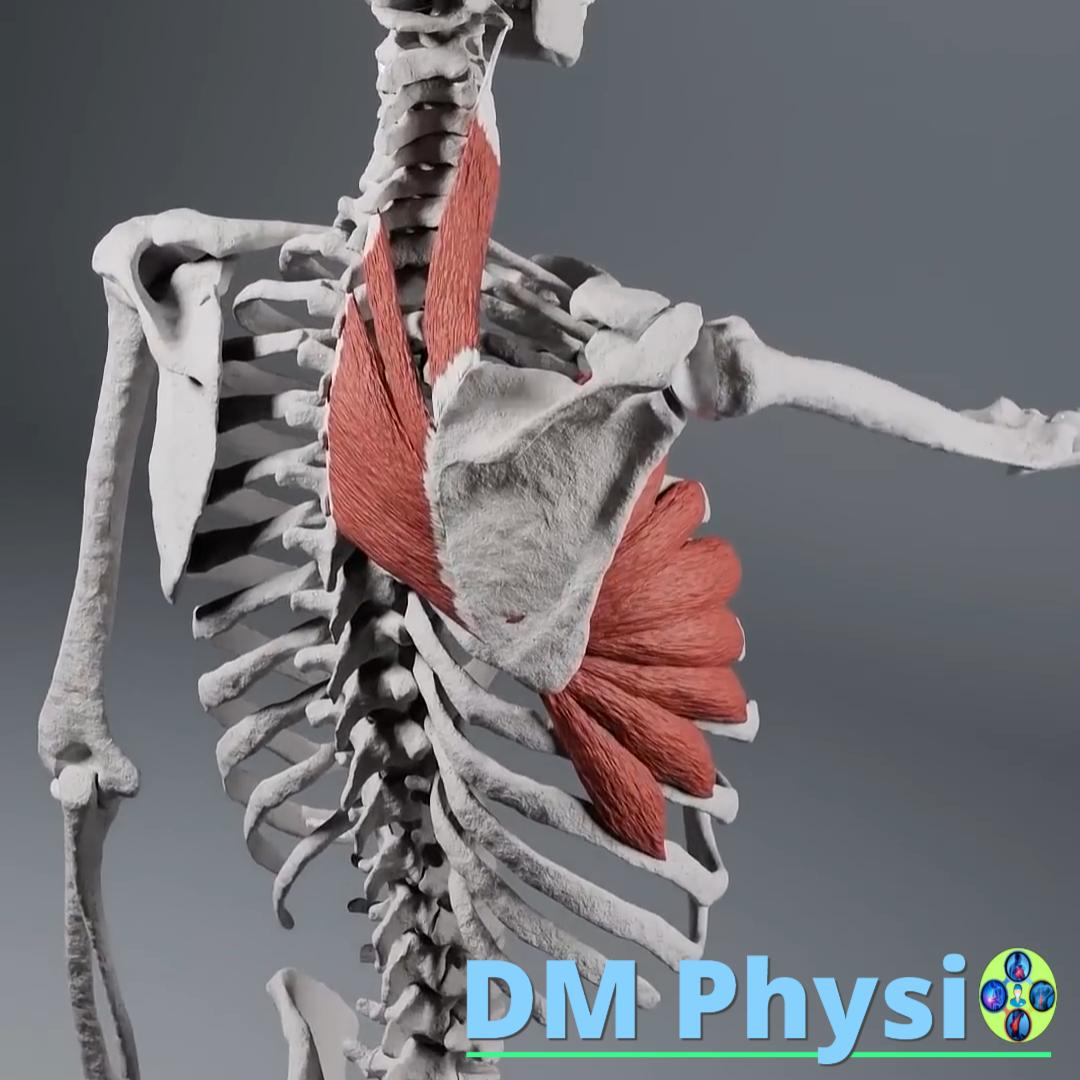
Muscle pain in the shoulder
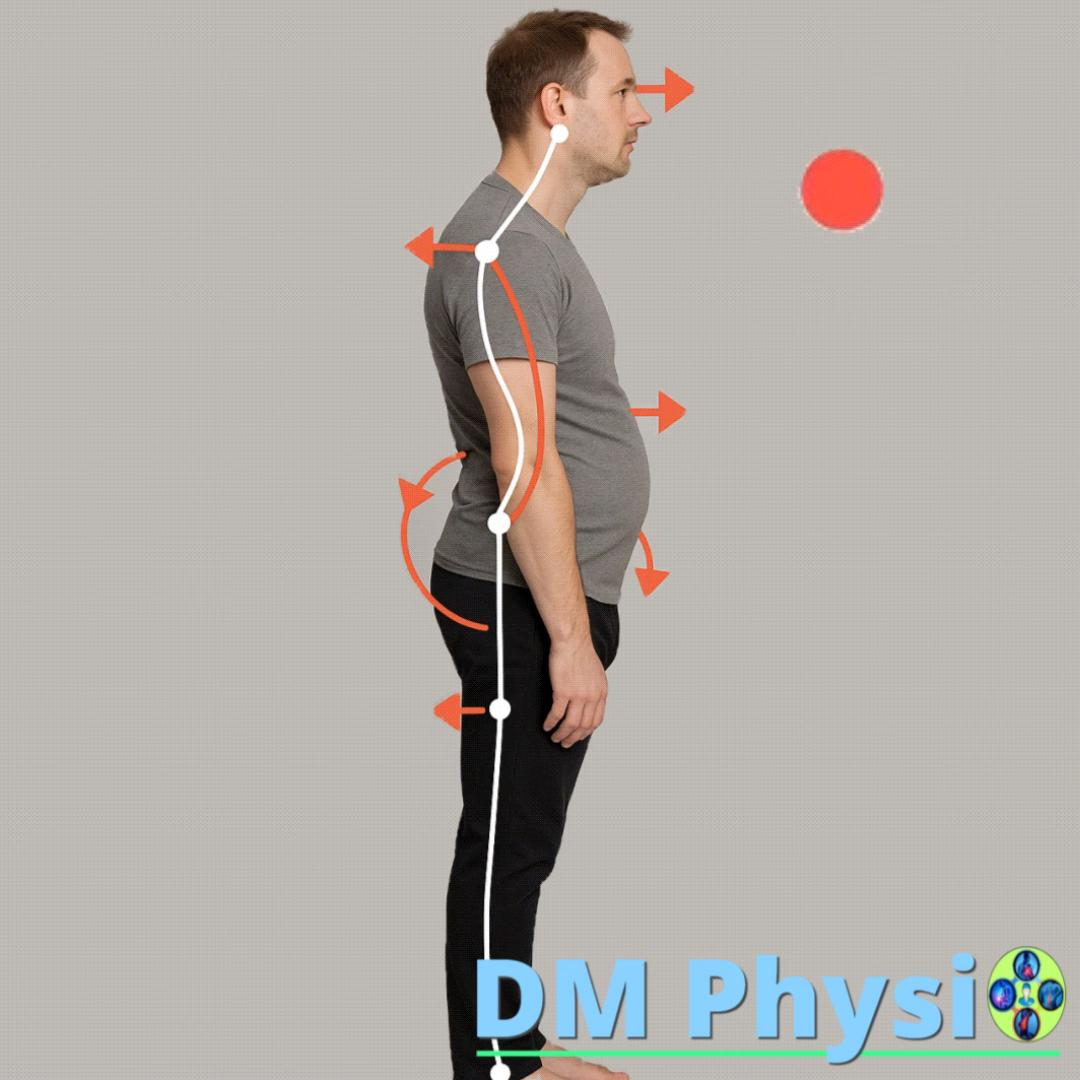
A common cause of shoulder pain is overuse and inflammation of the muscles around the shoulder joint. Repetitive movements, poor posture, or poor exercise technique can lead to chronic tension. When these muscles become inflamed, they shorten and create sore points that can limit arm movement and cause discomfort.
Muscle spasm often masquerades as a problem in the joint itself, but is actually the result of muscle dysfunction. Understanding the exact cause is the key to physiotherapy approach.
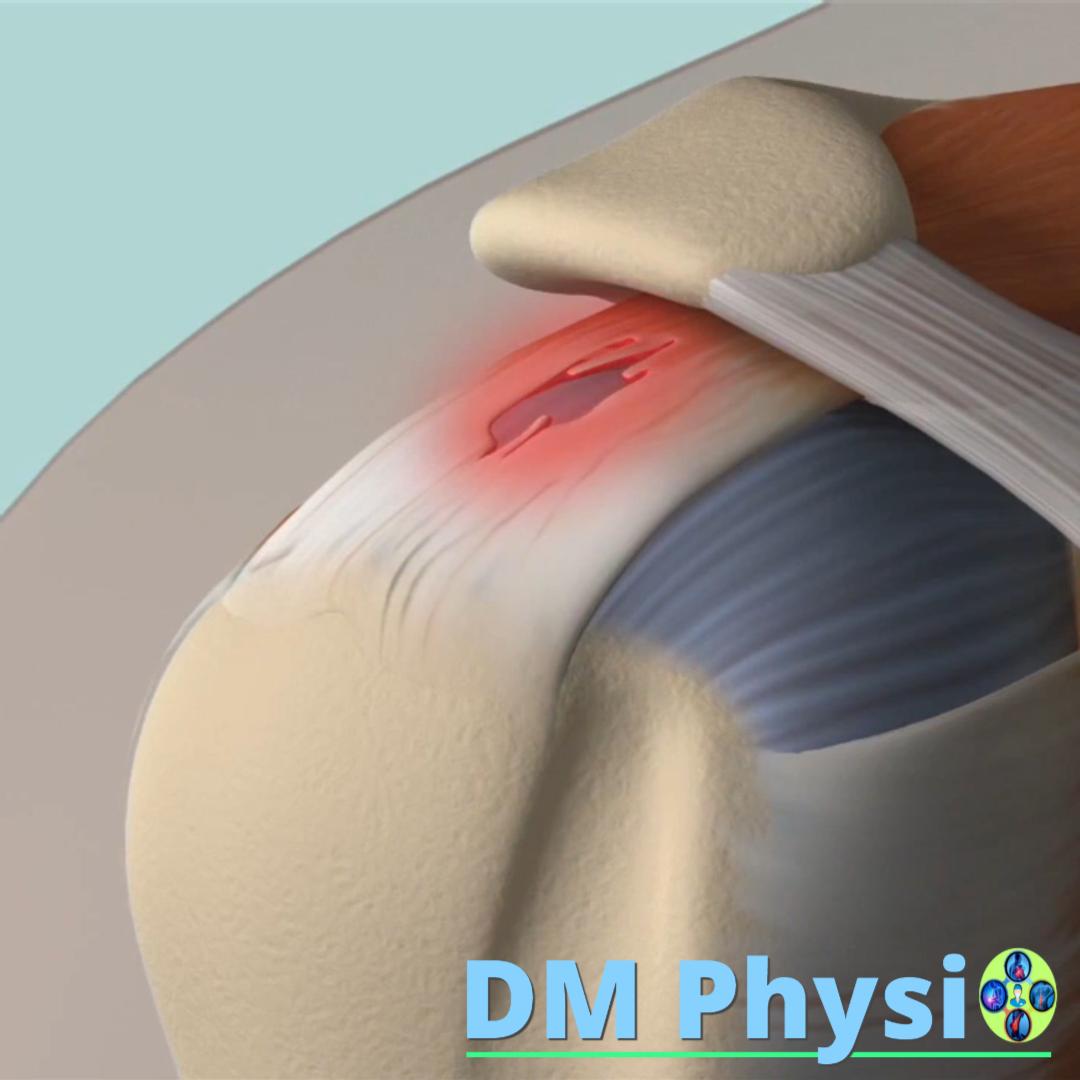
How and why does muscle inflammation occur?
Understand the main stages that lead to muscle pain and discomfort in the shoulder.
Overuse or trauma
Prolonged overload from repetitive movements (e.g. sports or work), improper lifting of weights or sudden trauma can lead to microtears in the muscle fibers.
Inflammation
Microtraumas trigger an inflammatory response in which the body sends blood and immune cells to the damaged area. This leads to swelling, pain and increased sensitivity.
Muscle spasm and pain
To protect itself from further damage, the muscle reflexively contracts and goes into spasm. This spasm restricts movement and causes constant, dull or sharp pain.
Which muscles cause shoulder pain?
m. deltoideus (deltoid muscle)
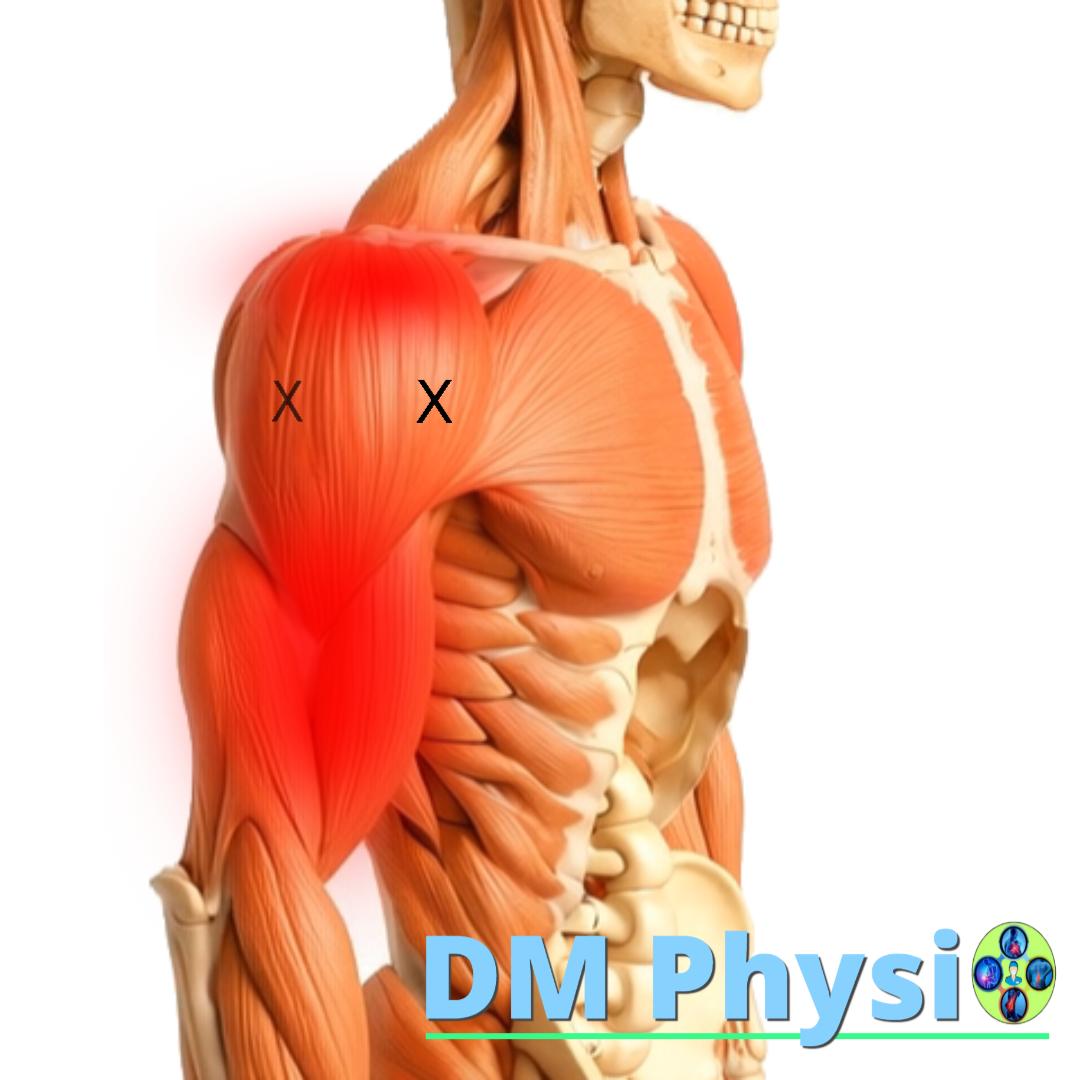
Anatomy and grip
A large muscle that covers the shoulder joint. It starts from clavicle and scapula and attaches to the deltoid tuberosity of the humerus.
Nature of the pain
- A dull, radiating pain throughout the shoulder
- Pain that worsens when the arm is raised
- Tenderness and soreness when touching the muscle
- Reduced strength in arm movements
m. supraspinatus
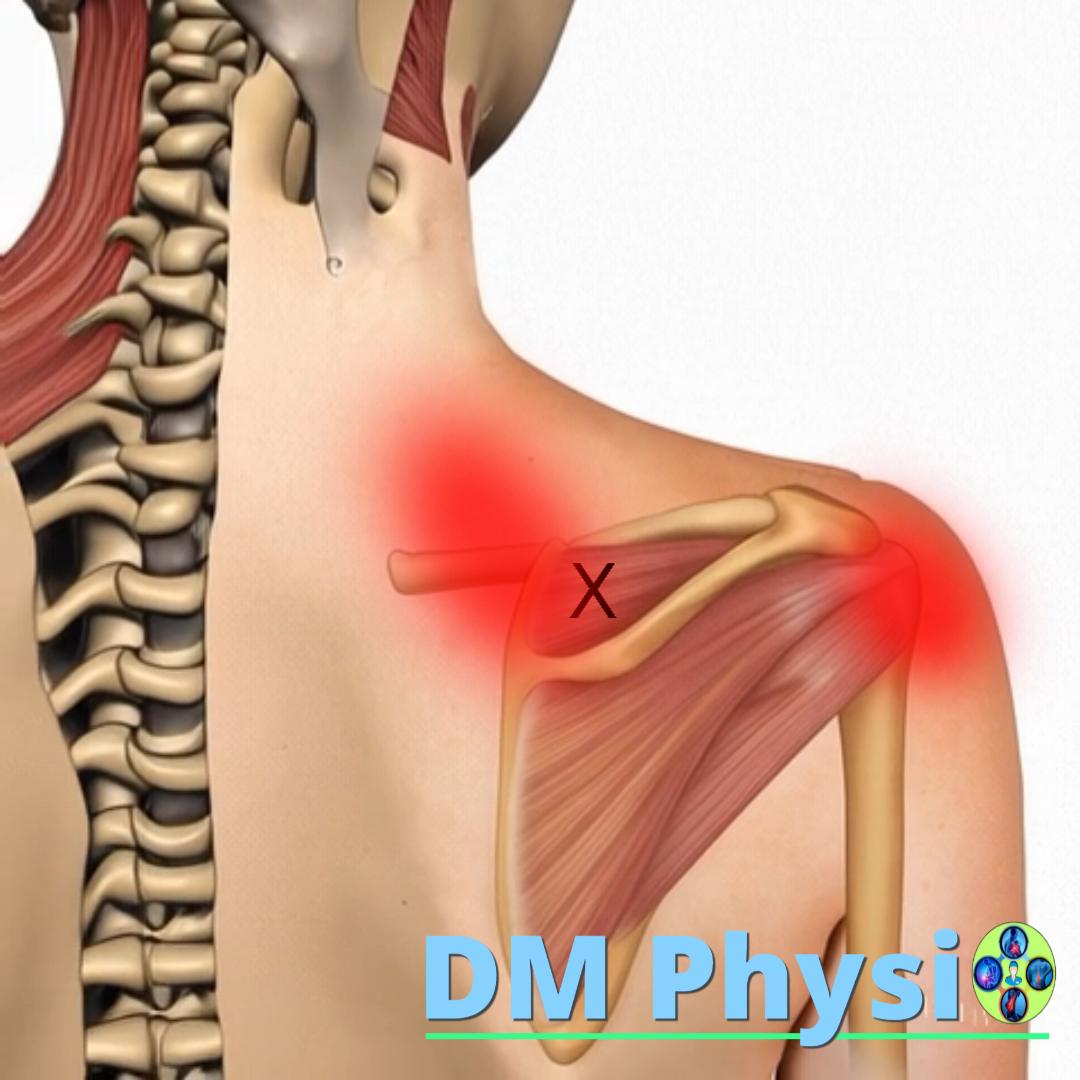
Anatomy and grip
The muscle starts from the upper part of the scapula and attaches to the greater eminence of the humerus. It is part of the rotator cuff.
Nature of the pain
- Sharp pain in the upper part of the shoulder, especially when raising the arm
- Pain spreading down the the outside of the hand
- Weakness and difficulty lifting objects
- Pain when lying down on the affected side
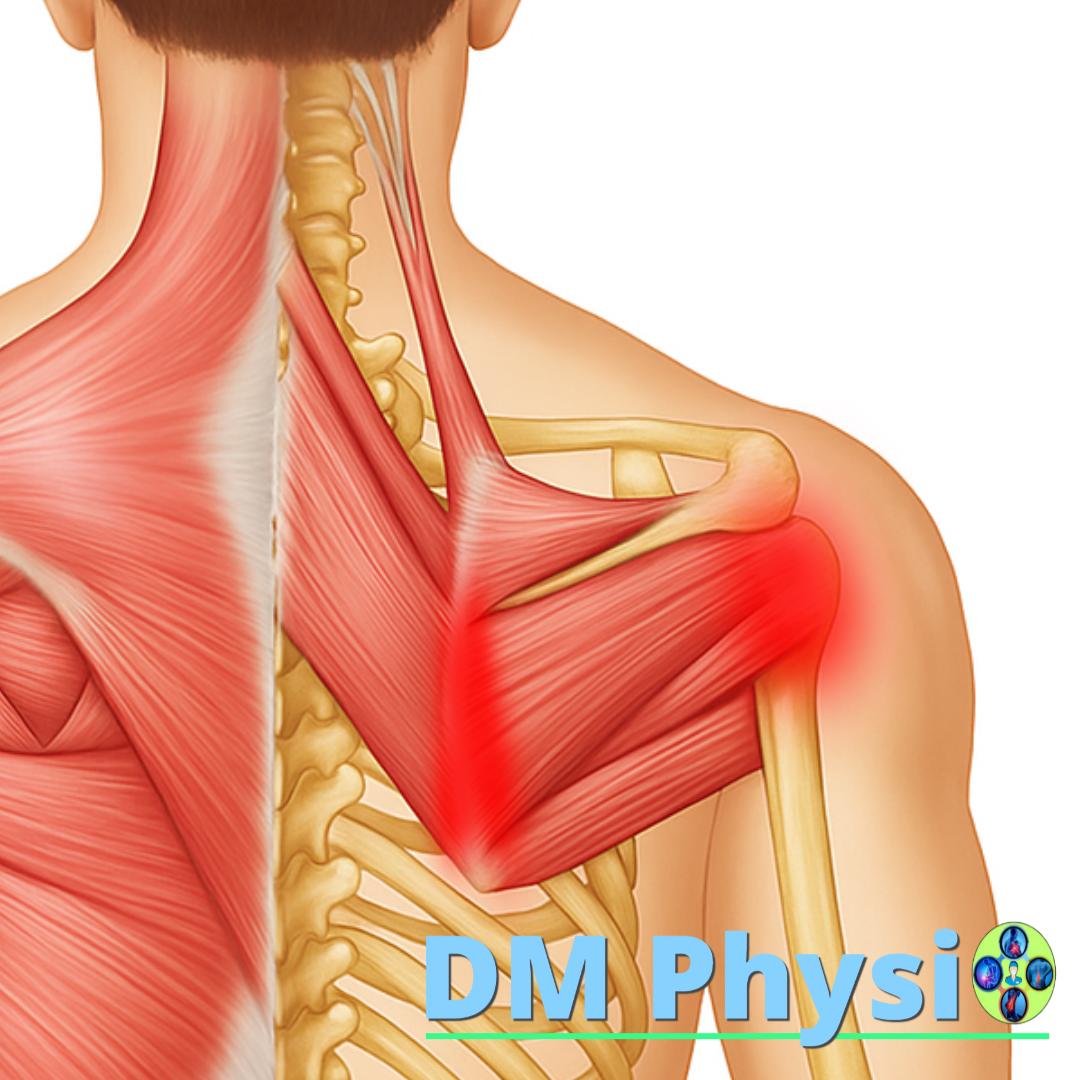
m. infraspinatus and m. teres minor
Anatomy and grip
Both muscles are part of the rotator cuff. Infraspinatus is located on the back surface of the scapula, a Teres minor is located below it. They attach to the greater eminence of the humerus.
Nature of the pain
- Deep pain in the back of the shoulder
- Difficulty at brushing your hair or fastening a bra
- Sharp pain when turning the arm outward
- Weakness on external rotation
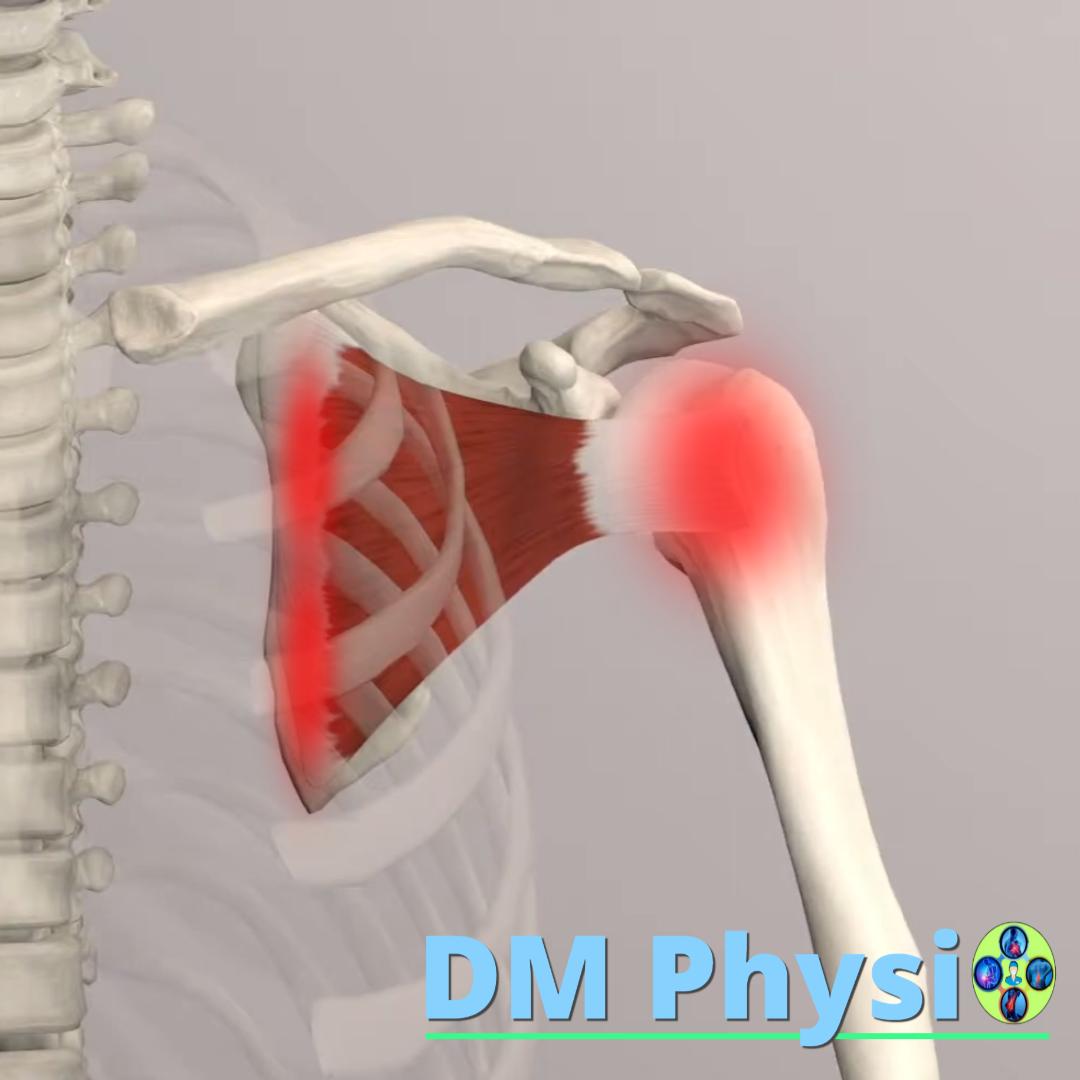
m. subscapularis
Anatomy and grip
This muscle is located on the front side of the scapula and attaches to the small eminence of the humerus.
Nature of the pain
- Deep, dull pain in shoulder, especially in the front
- Pain spreading to the back of the shoulder
- Restriction at raising the arm forward
- Pain when trying to throw a ball or serve
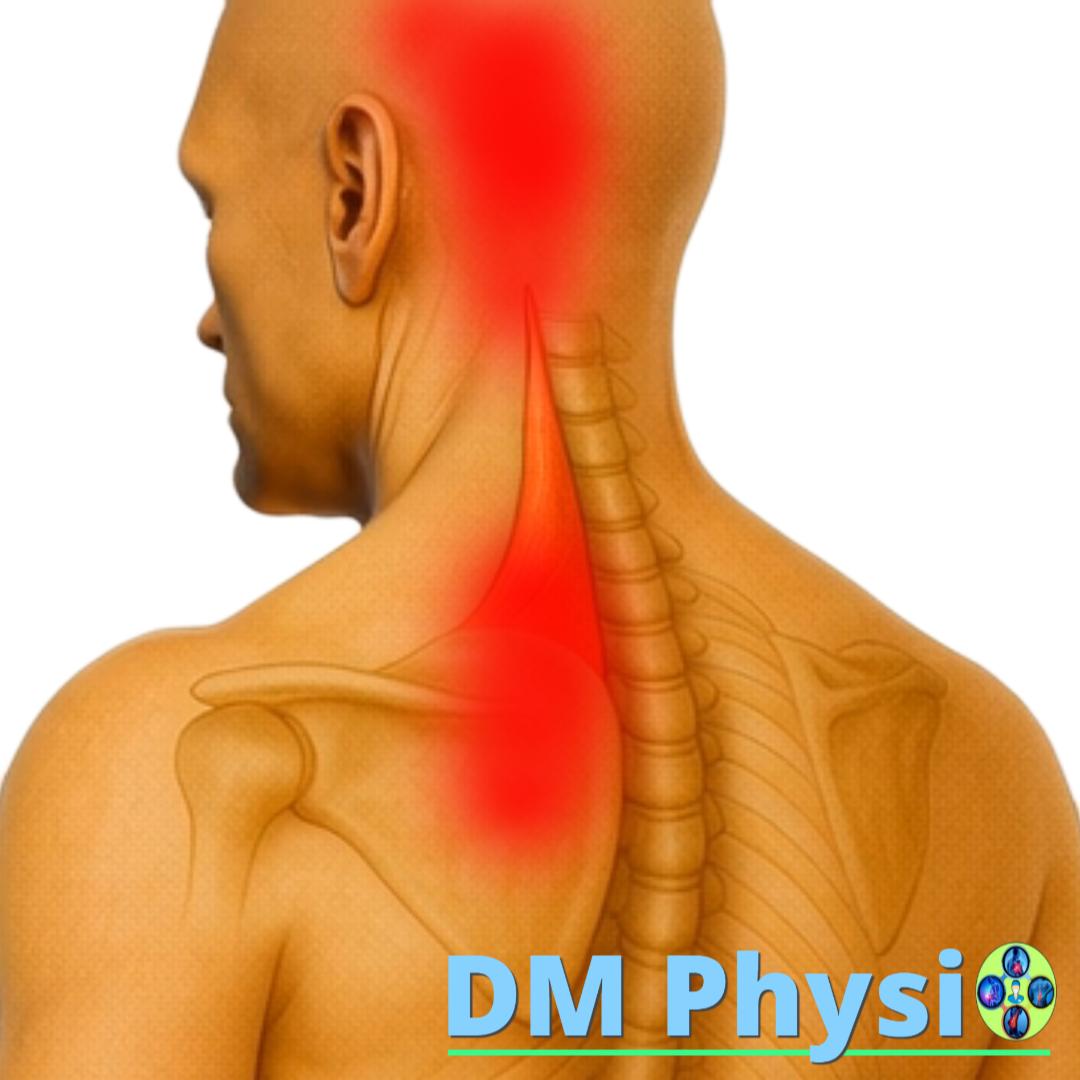
m. levator scapulae
Anatomy and grip
The muscle is located at the side and back of the neck, starting from the cervical vertebrae and attaching to the upper part of the scapula.
Nature of the pain
- Sharp pain in neck and upper shoulder
- Difficulty turning the head to the side
- Soreness to touch in the region of the scapula
m. rhomboideus major et minor

Anatomy and grip
Muscles start from the spine and attach to the inner edge of the scapula.
Nature of the pain
- Pain between shoulder blades, often described as a "knife in the back"
- A feeling of tension and stiffness in the upper back
- Pain that worsens with prolonged sitting with poor posture
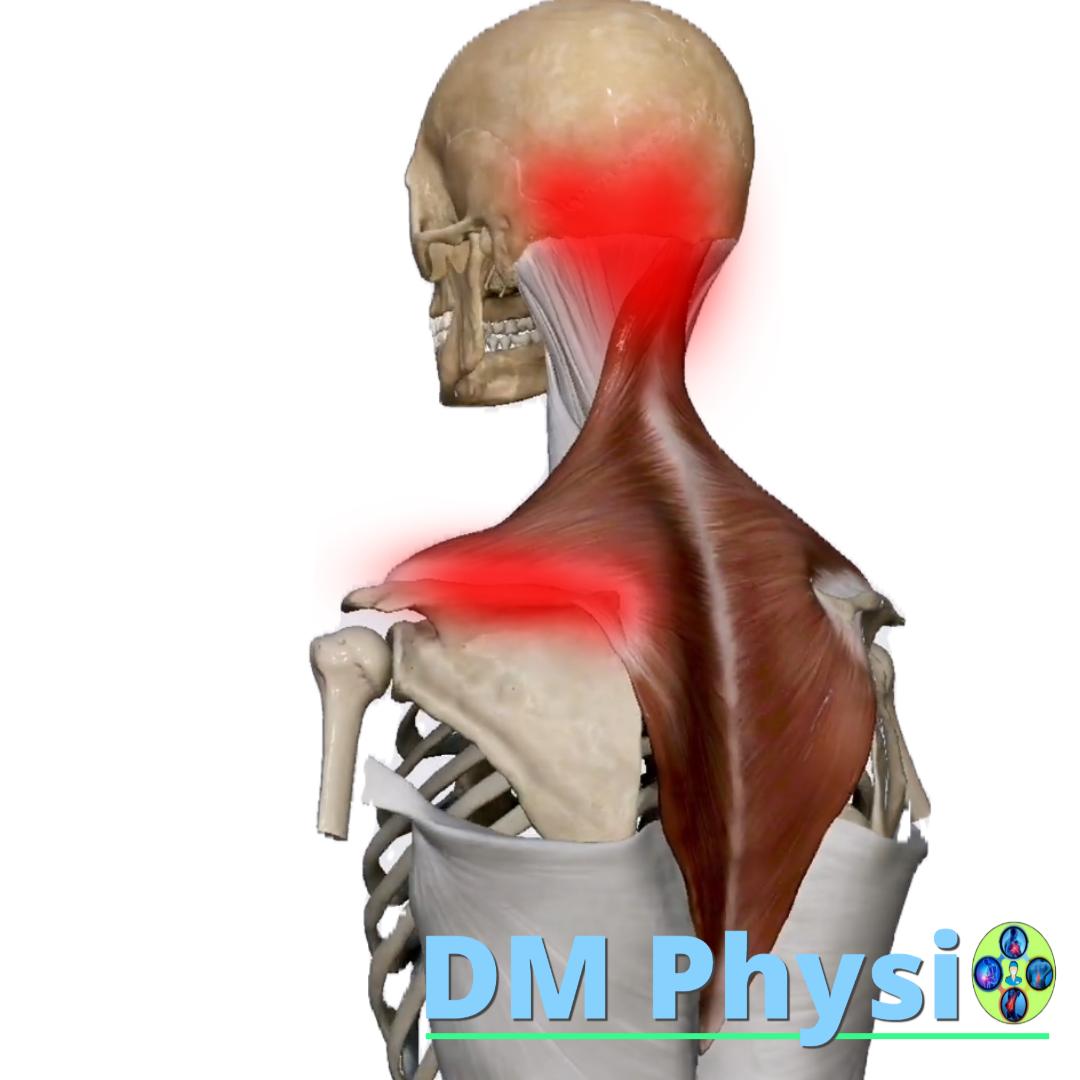
m. trapezius (trapezius muscle)
Anatomy and grip
A large muscle that covers upper back and neck. It starts from the occipital bone and spine and attaches to clavicle and scapula.
Nature of the pain
- Pain and tension in the neck and shoulders
- Headache that starts at the back of the head and spreads forward
- Soreness to the touch and feeling of a "lump" in the muscle
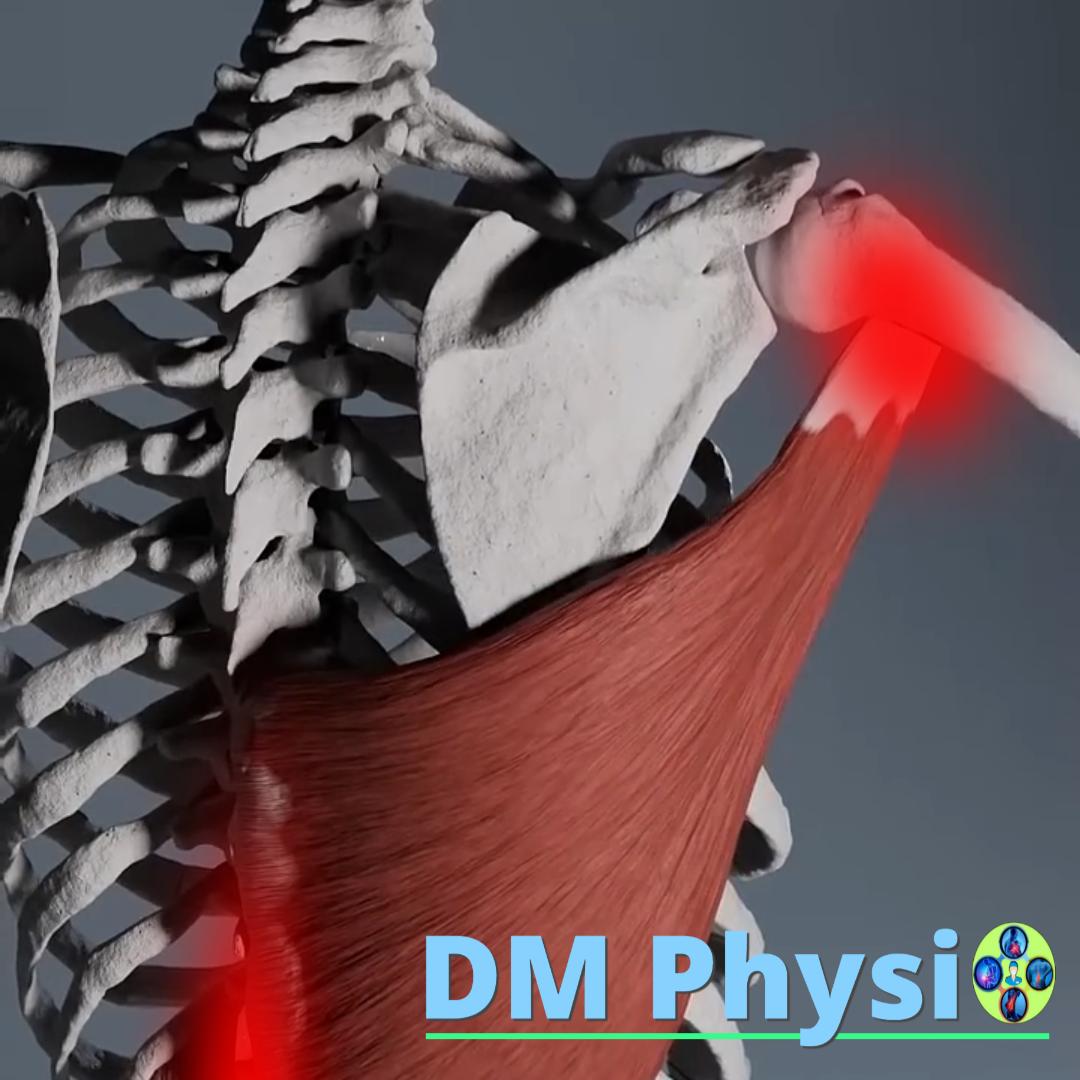
m. latissimus dorsi
Anatomy and grip
A large muscle that covers lower back. It starts from the spine and pelvis and attaches to the inside of the humerus.
Nature of the pain
- Lower back pain, which spreads to the shoulder
- Soreness in back of arm
- Limitation in raising the arm forward and to the side
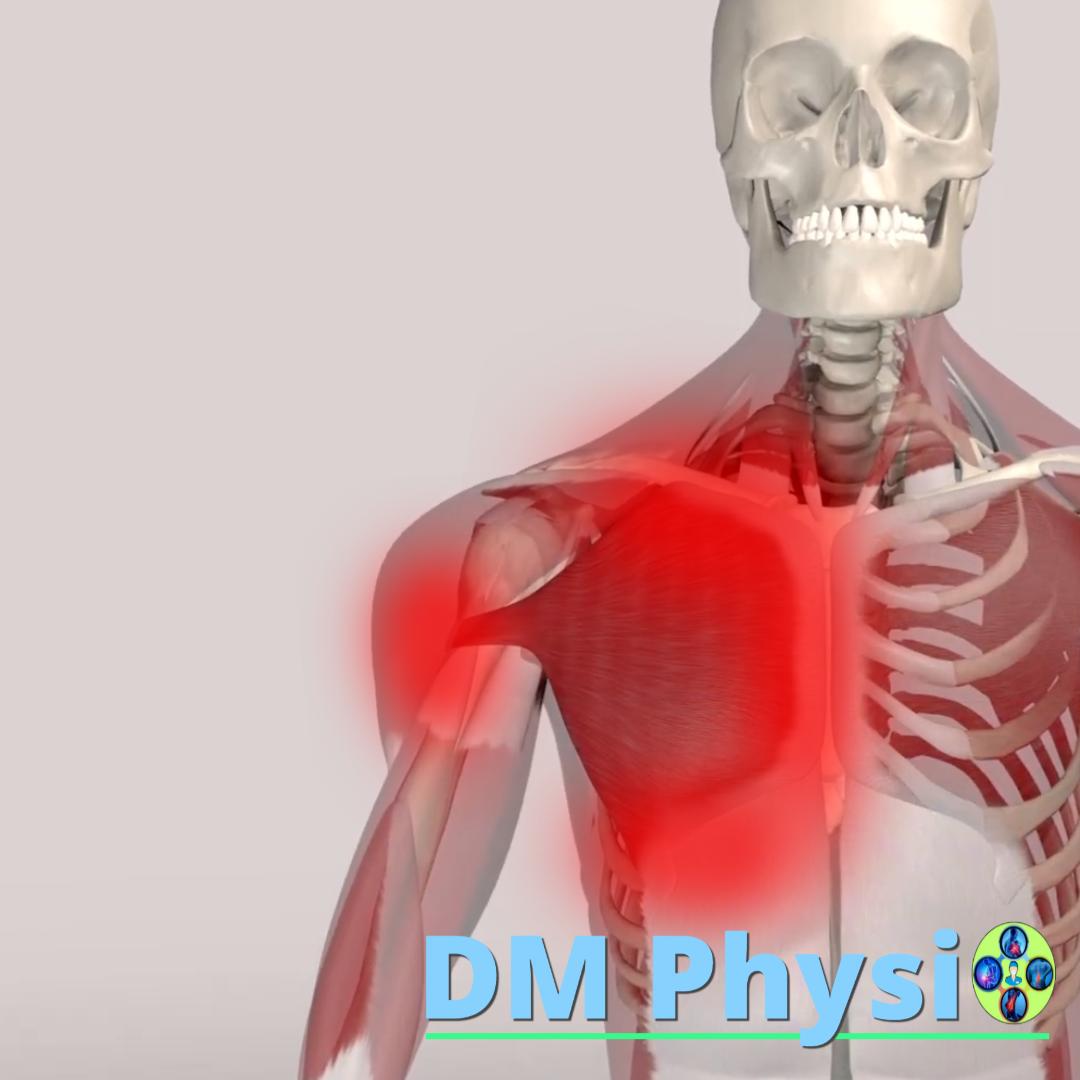
m. pectoralis major
Anatomy and grip
They are located on the chest. Pectoralis major attaches to the humerus, a Pectoralis minor to the scapula.
Nature of the pain
- Chest pain, which spreads across the front of the shoulder
- A feeling of tension and tightness in the chest
- Soreness when moving the arm forward and toward the body
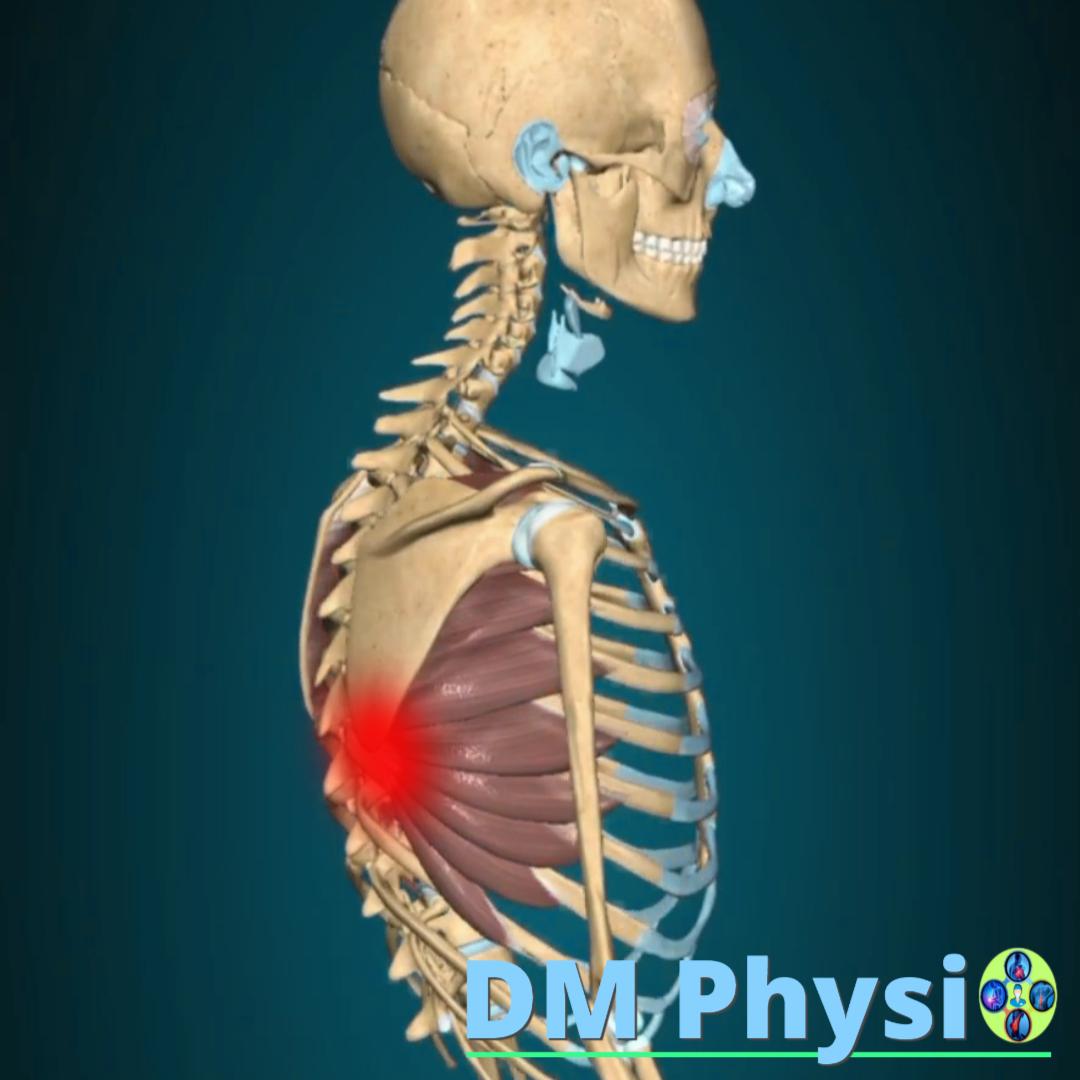
m. serratus anterior
Anatomy and grip
A muscle that starts from the ribs and attaches to the inner edge of the scapula.
Nature of the pain
- Deep pain in the region of the scapula and under it
- "Winging" sensation of the scapula when raising the arm
- Soreness on inhalation and coughing
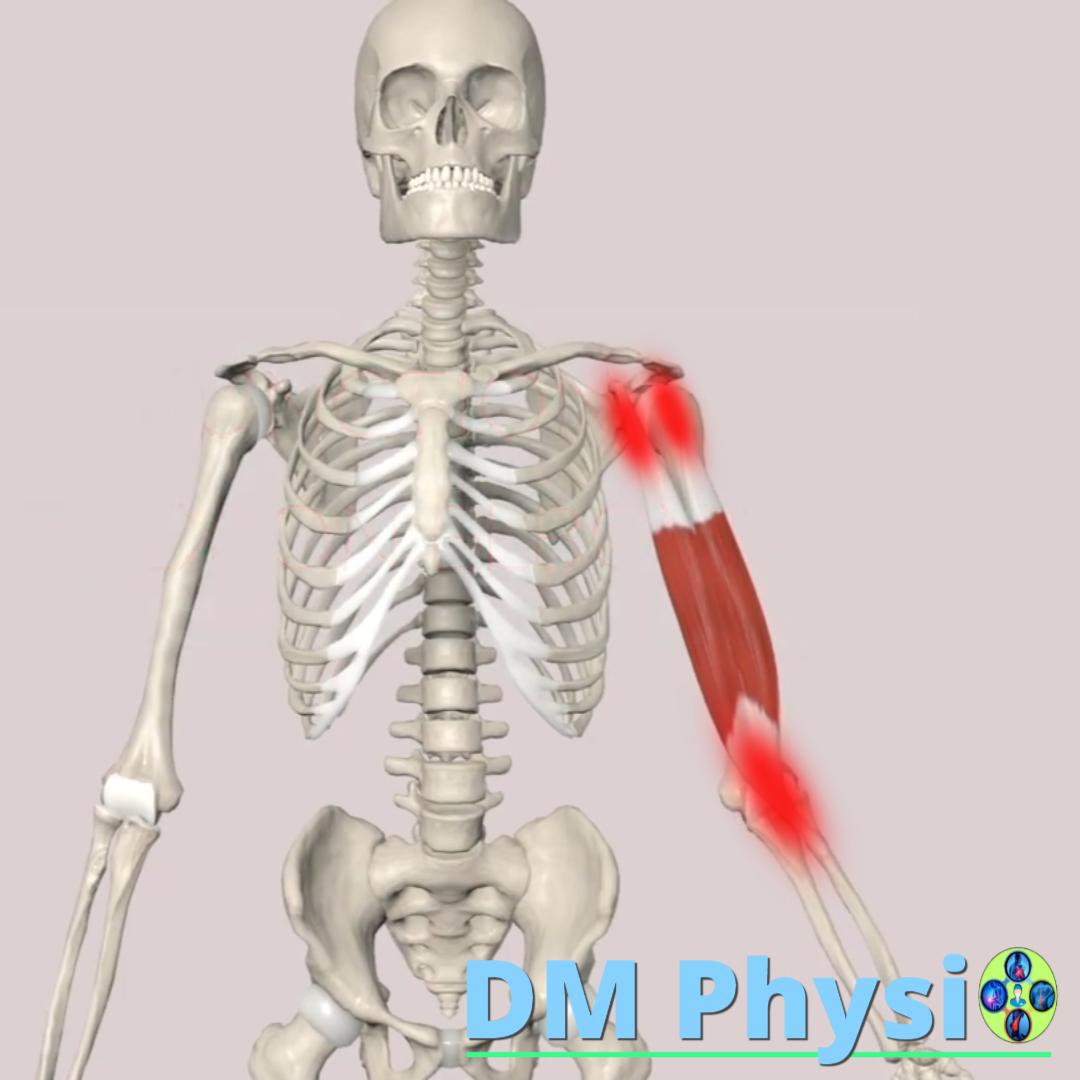
m. biceps brachii
Anatomy and grip
A biceps muscle located on the front of the arm. It starts from the scapula and attaches to the radius bone on the forearm.
Nature of the pain
- Pain in front of shoulder and biceps
- Sharp pain when bending the elbow
- Soreness when touching the muscle or its tendon
m. triceps brachii
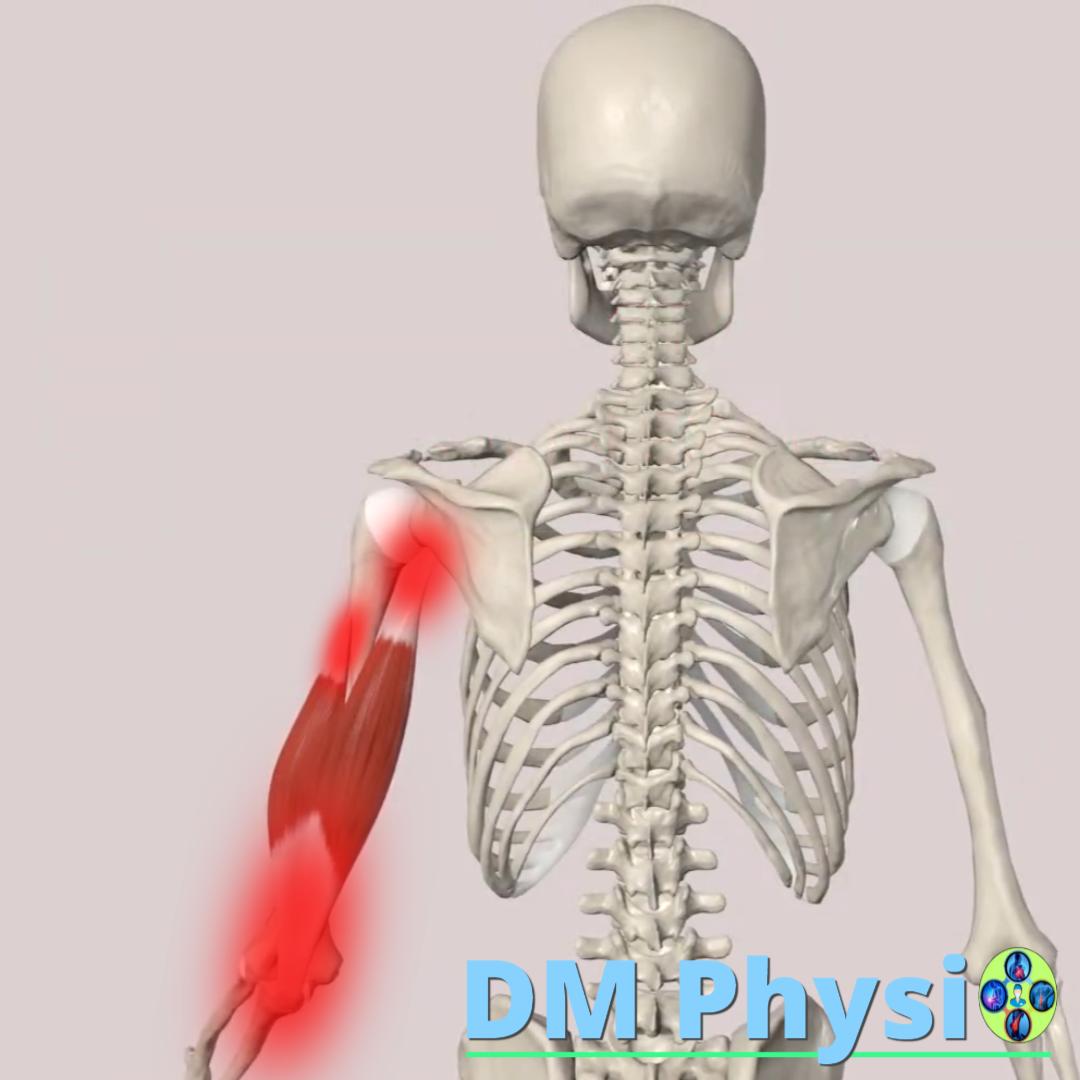
Anatomy and grip
Triceps muscle located on the back of the arm. It starts from the humerus and scapula and attaches to the ulna on the forearm.
Nature of the pain
- Pain in back of shoulder and triceps
- Pain when bending the elbow or lifting weights
- A feeling of tension and weakness in the arm
How to deal with shoulder muscle pain?
To reduce pain, we focus on relaxing, restoring and balancing the muscles around the shoulder joint.
1. Relaxation of tense muscles
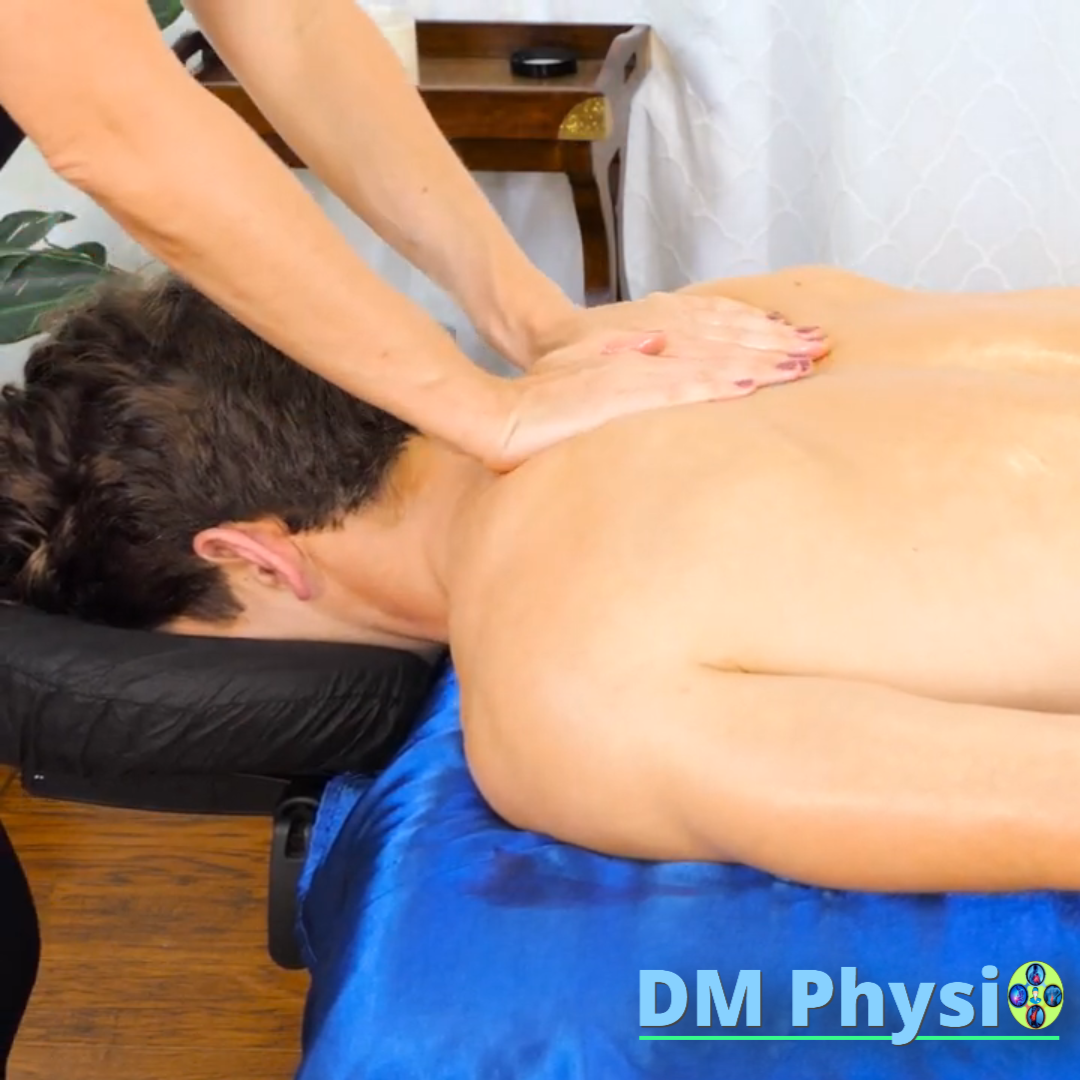
Through manual techniques, massages and mobilization, we relax contracted muscle fibers and trigger points, to support better function and reduce pain.
2. Strengthening and balancing
Once the muscles are relaxed, the focus is on strengthening weak muscles from the rotator cuff and restoring the balance between them. This is key to shoulder stability.
3. Repetitive movements and prevention
We teach you specific exercises and tips for proper ergonomics, to prevent future overload and keep the shoulder joint healthy and mobile in the long term.