Muscle pain in the arm
Understand why arm pain can appear from the fingers to the elbow, what may overload the muscles, and when assessment can help.
Why does the arm hurt?
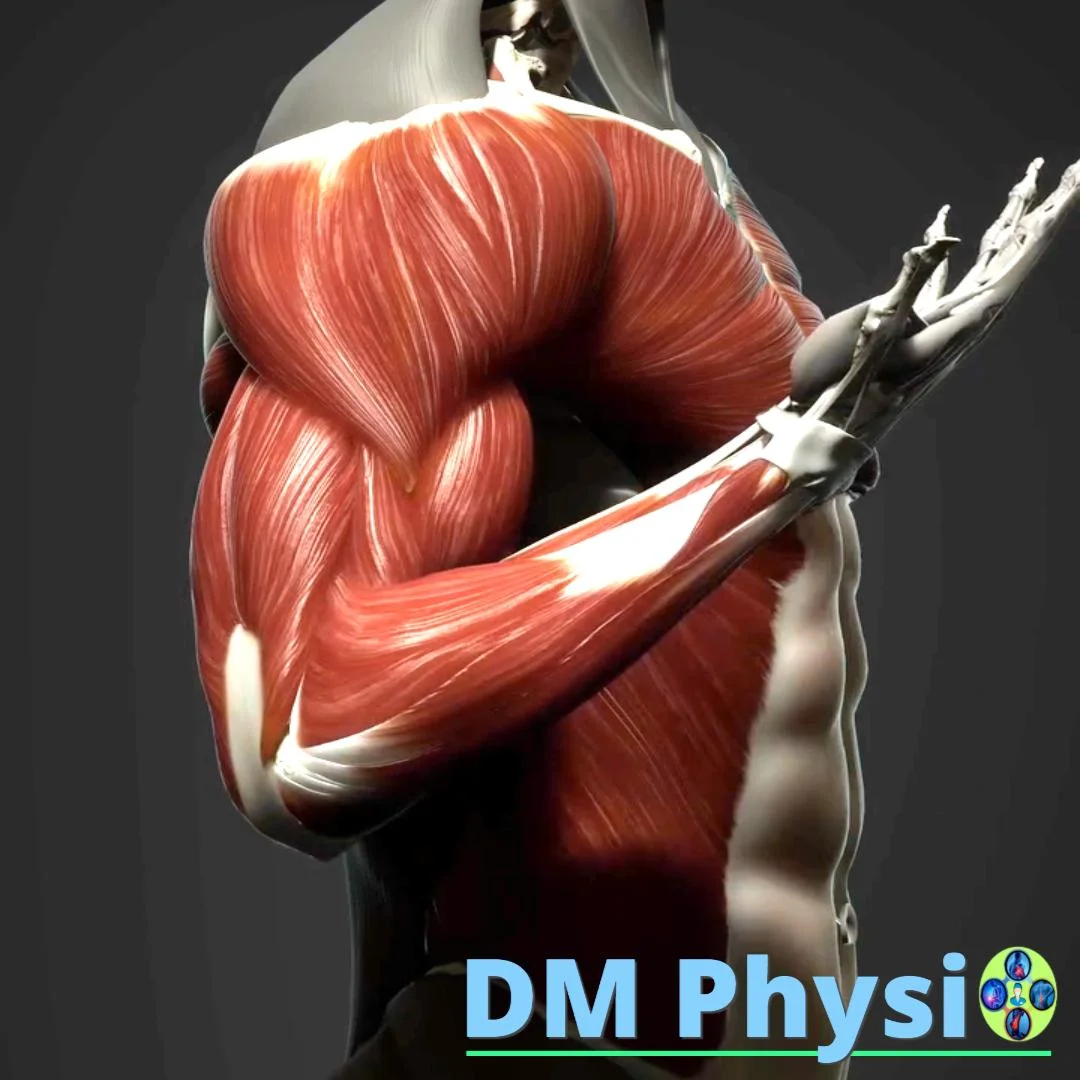
Arm pain can be caused by a variety of factors, from repetitive motions of the fingers and wrist, to overuse of the elbow. A common cause is inflammation of the muscles and their tendons, which can be the result of improper technique, poor posture, or trauma.
Muscle pain in the arm can often feel like a joint problem, but is actually the result of muscle dysfunction. Correct diagnosis is key to physiotherapy approach.
How and why does inflammation occur?
Understand the main stages that lead to muscle pain and discomfort in the arm.
Overuse or trauma
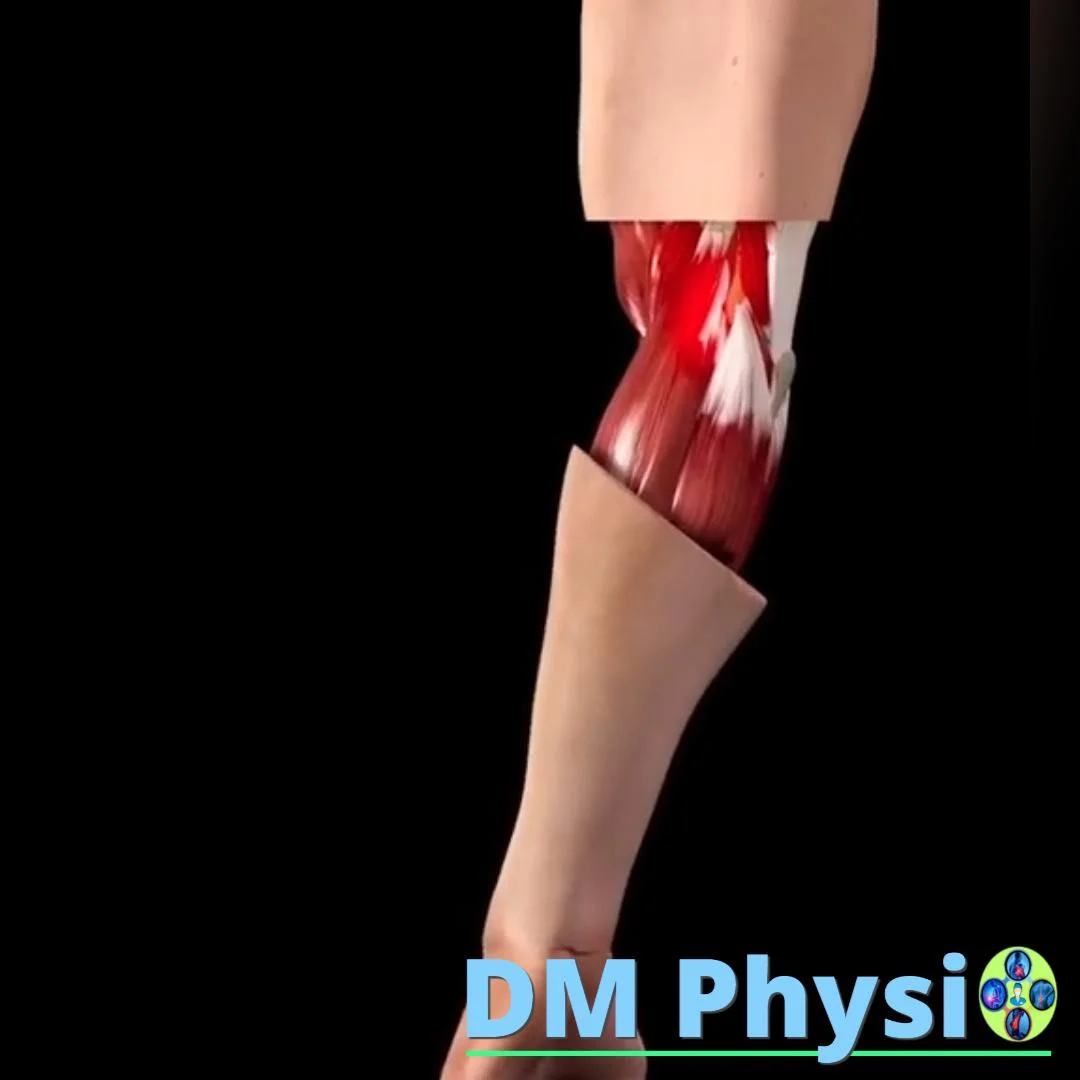
Prolonged overload from repetitive movements (e.g. sports or work), improper lifting of weights or sudden trauma can lead to microtears in the muscle fibers.
Inflammation
Microtraumas trigger an inflammatory response in which the body sends blood and immune cells to the damaged area. This leads to swelling, pain and increased sensitivity.
Muscle spasm and pain
To protect itself from further damage, the muscle reflexively contracts and goes into spasm. This spasm restricts movement and causes constant, dull or sharp pain.
Which muscles are most commonly affected?
1. Flexors of the wrist and fingers
These muscles are located on the anterior (palmar) side of the forearm and are responsible for flexing the wrist and fingers. They are often overworked with repetitive grips and wrist work.
m. flexor carpi ulnaris (elbow flexor of the wrist)
Anatomy and grip
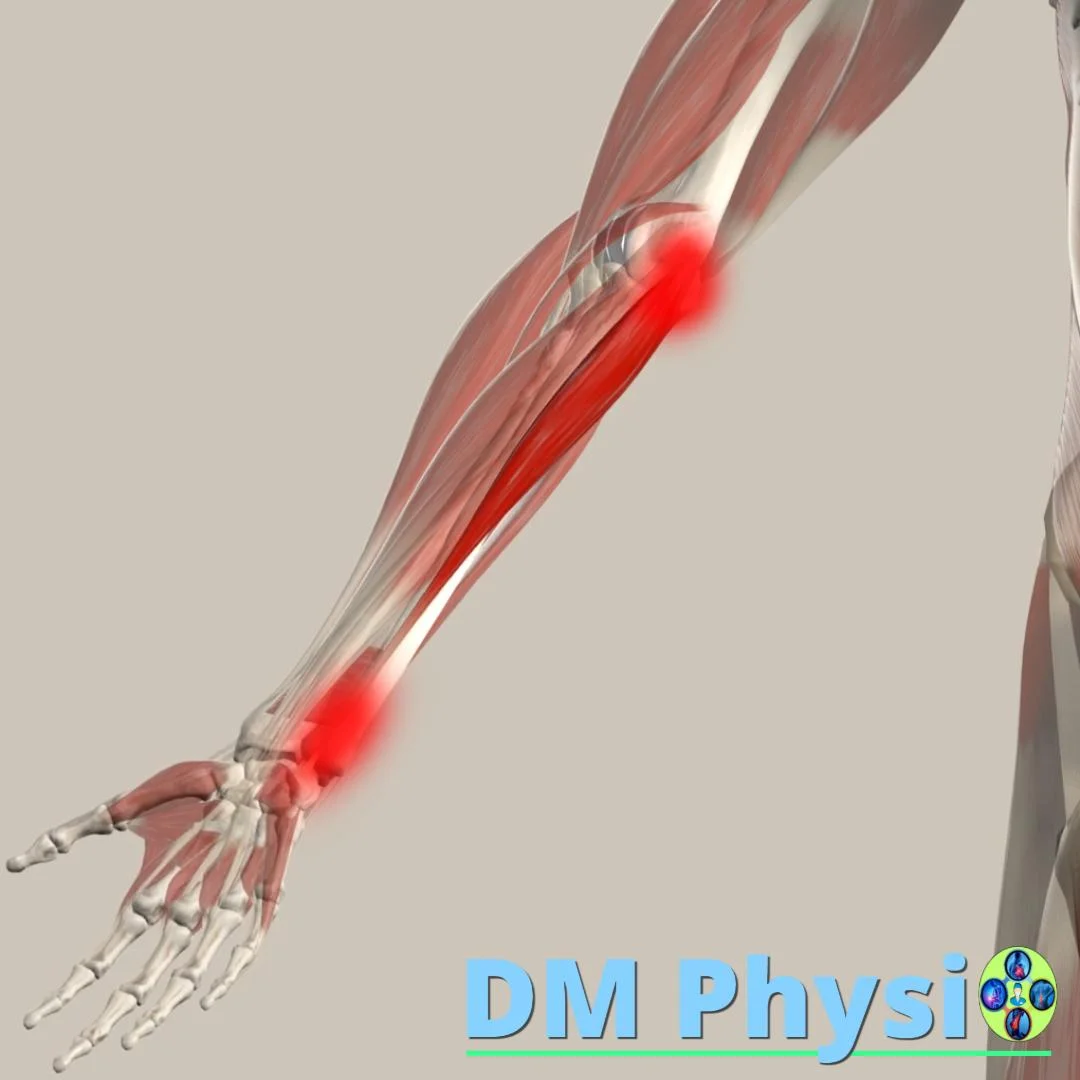
The muscle is located on the medial side of the forearm. It starts at the inner epicondyle of the elbow and attaches to the bones of the wrist.
Character of pain from trigger points
- Pain in the inner part of the elbow and on the medial side of the forearm to the little finger and the ring finger.
- It often feels like a burning or dull ache.
- Weakness when flexing the wrist.
m. flexor carpi radialis (radial flexor of the wrist)
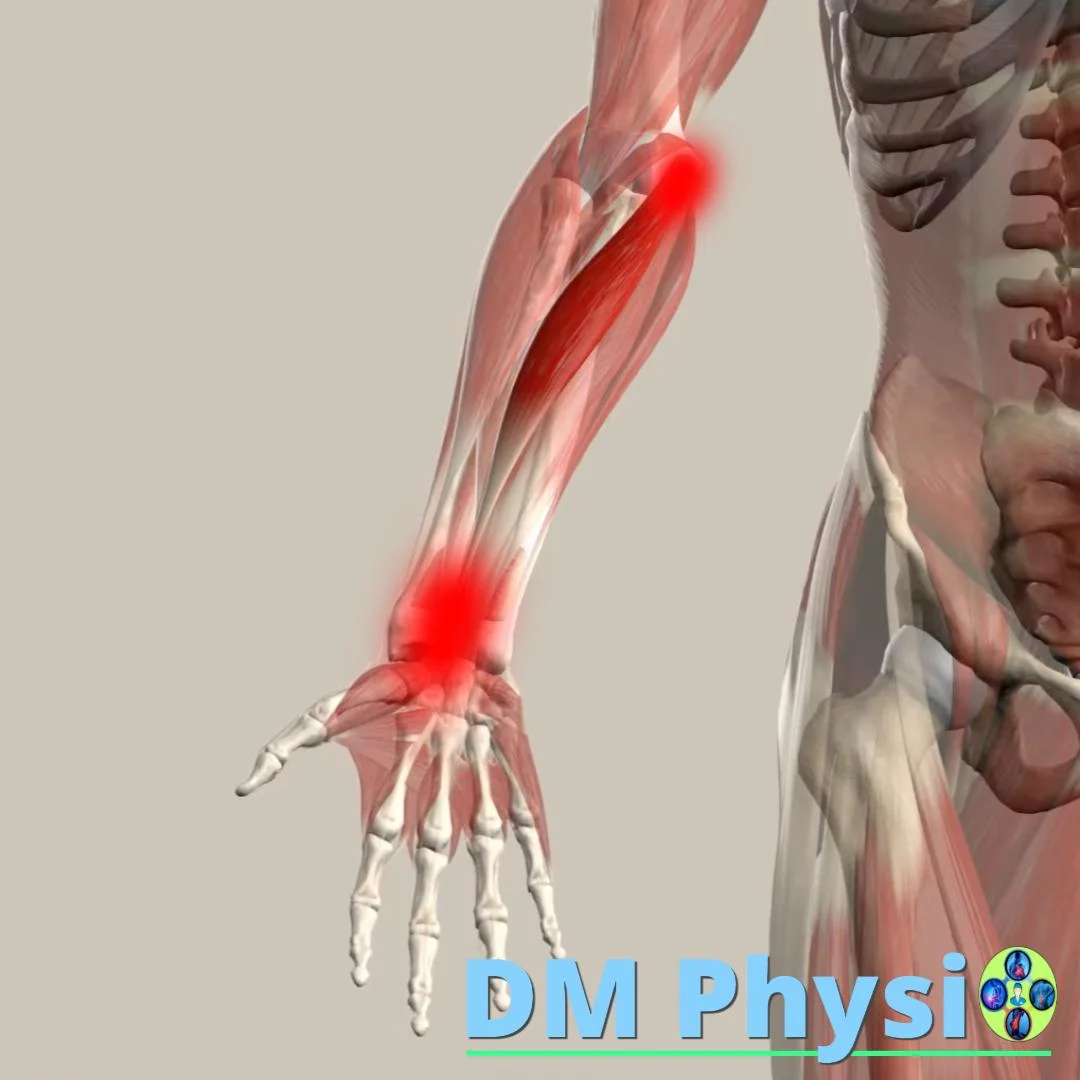
Anatomy and grip
It is located at the front of the forearm. It starts from the inner epicondyle of the elbow and attaches to the base of the second metacarpal bone.
Character of pain from trigger points
- Pain in the inner part of the elbow, which is distributed by the front of the forearm to the wrist and the base of the index finger.
- Soreness when touching the muscle.
- It can be felt as tension and weakness in the wrist.
m. palmaris longus (long palmar muscle)
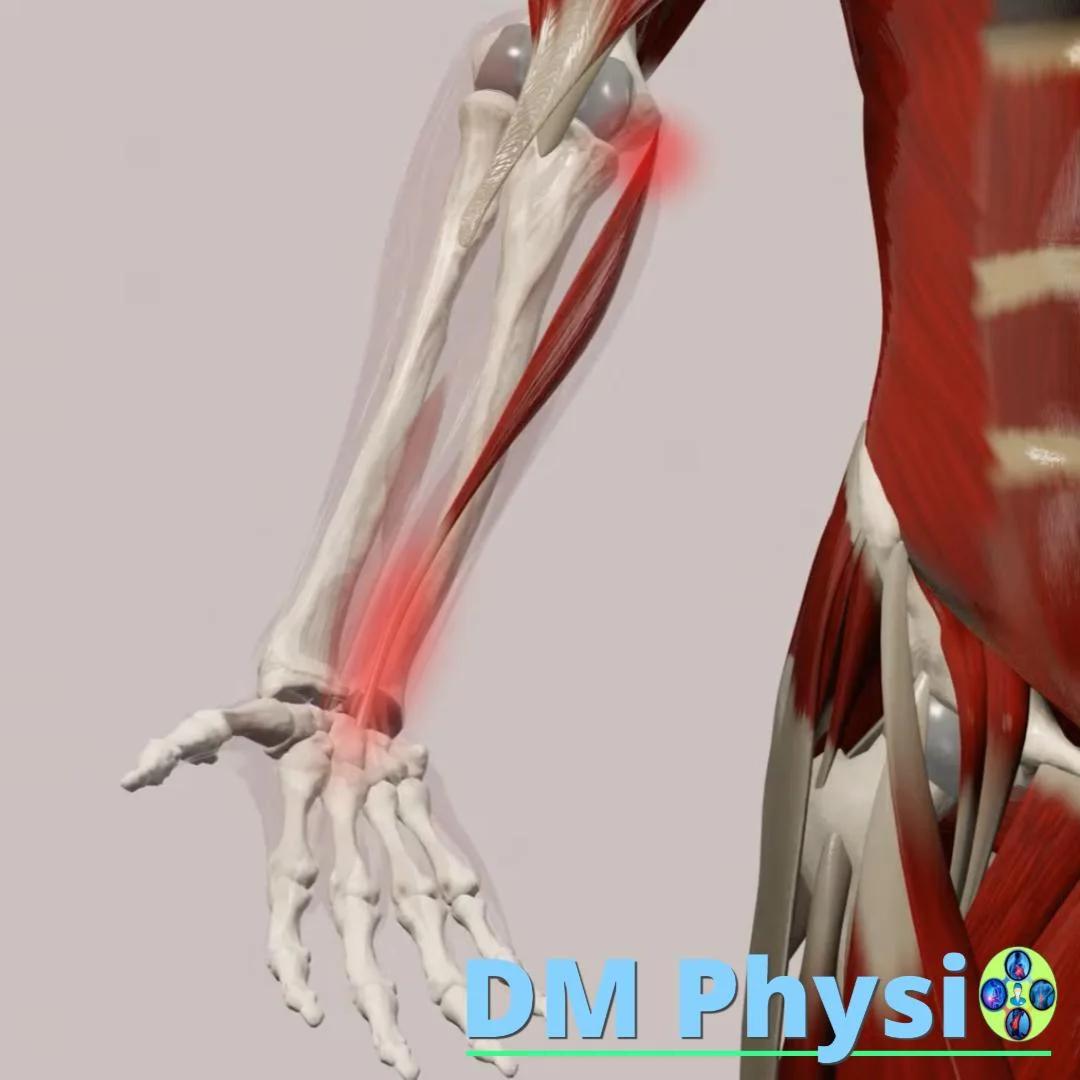
Anatomy and grip
This muscle is located in the superficial layer of the forearm. It starts from the inner epicondyle of the humerus and attaches to the palmar aponeurosis of the hand. An interesting fact is that this muscle is missing in about 10-15% of people.
Character of pain from trigger points
- Sharp, stabbing pain in palm, often described as a pins and needles sensation.
- The pain can spread to the front of the forearm.
- Weakness and soreness when grasping.
2. Extensors of the wrist and fingers
These muscles are located on the back (dorsal) side of the forearm and are responsible for extending the wrist and fingers. They are often overworked when lifting objects or repetitive wrist movements.
m. extensor carpi radialis (radial extensor of the wrist)
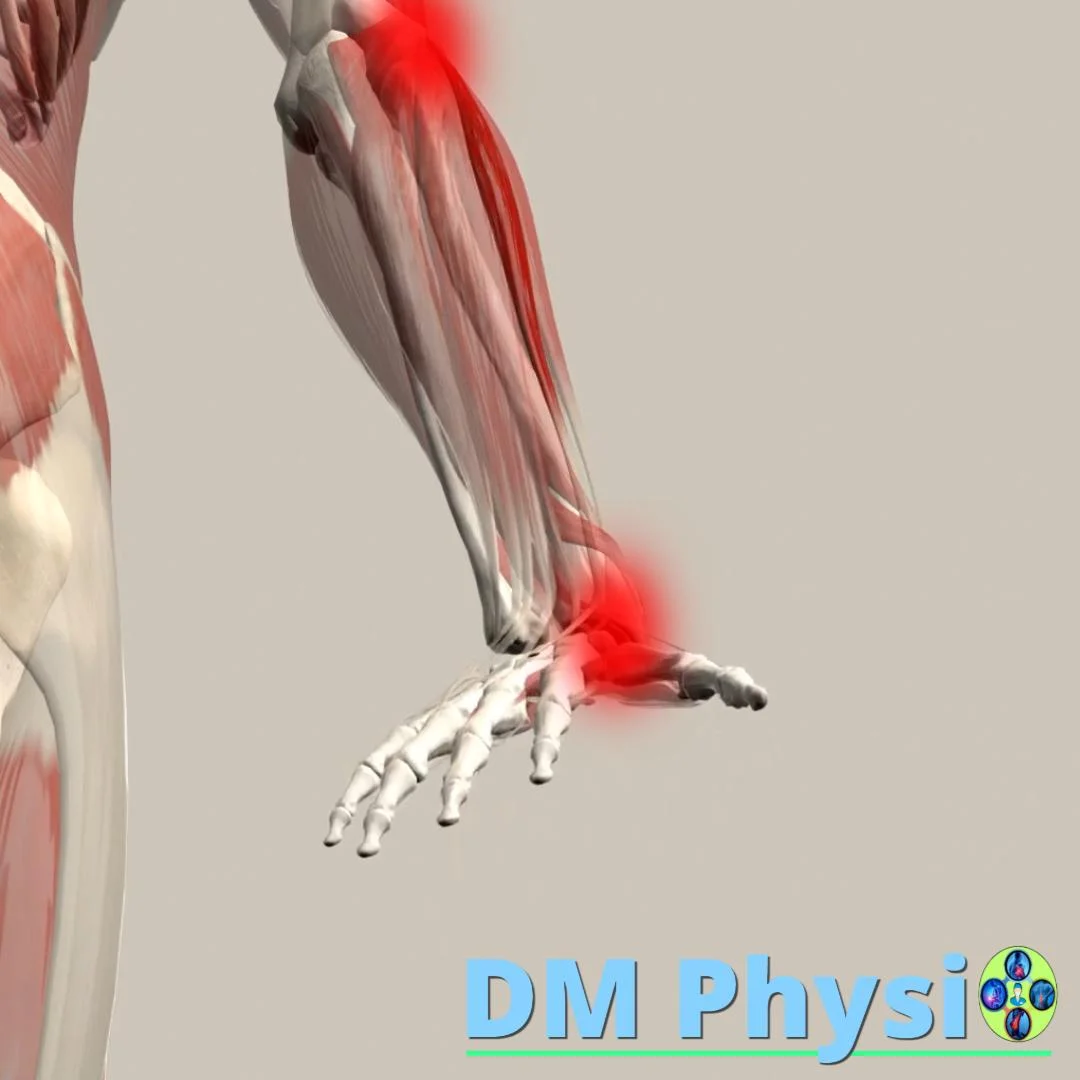
Anatomy and grip
This muscle is part of the extensor group of the forearm. It starts from the outside of the elbow (lateral epicondyle) and attaches to wrist bone.
Character of pain from trigger points
- Sharp, burning pain in the outer part of the elbow ("tennis elbow"), which can spread to the forearm.
- Pain that worsens when gripping objects, extending the wrist, or lifting a glass.
- Weakness in the grip and a burning sensation in the muscle are possible.
m. extensor digitorum
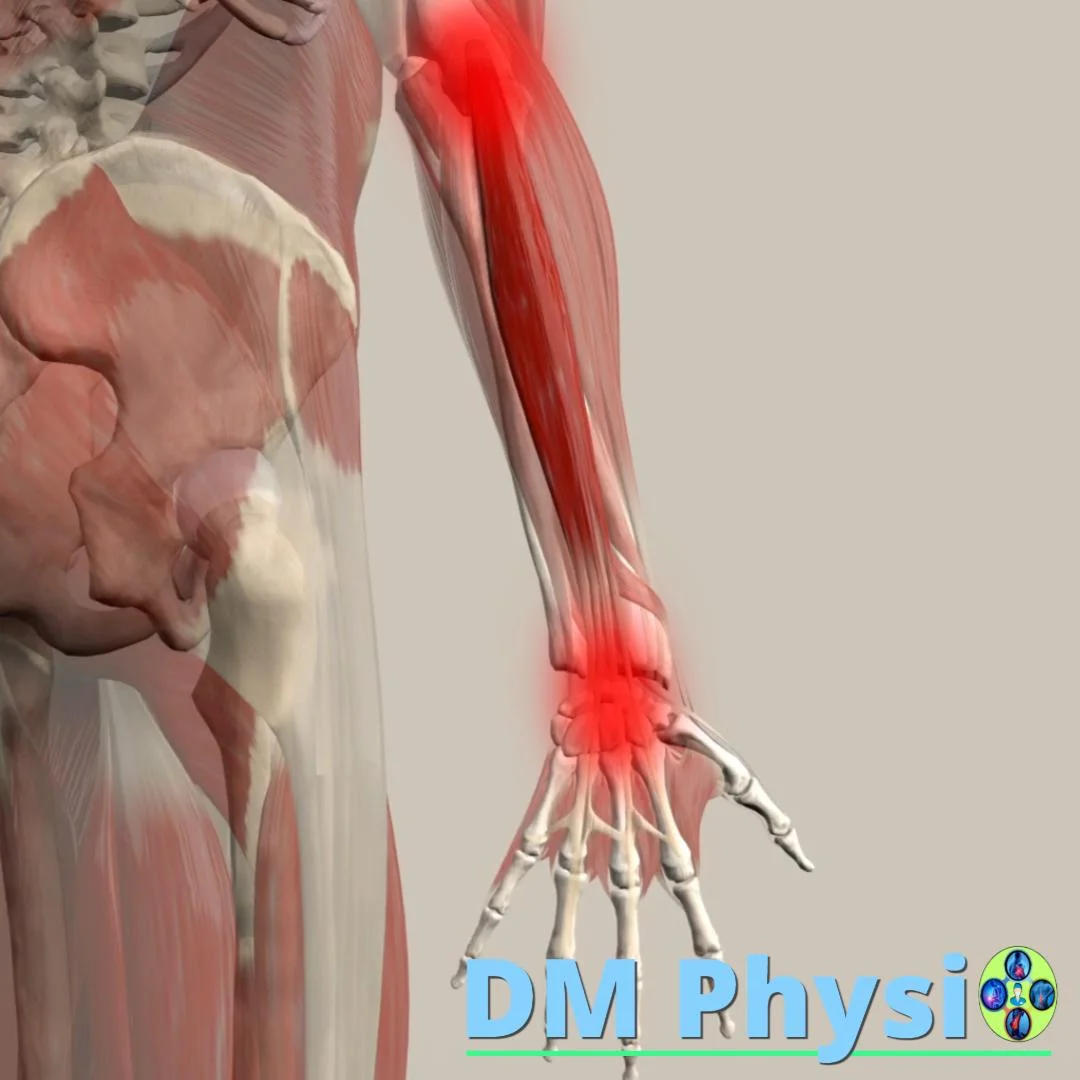
Anatomy and grip
The muscle is located at the back surface of the forearm. It begins at the outer epicondyle of the elbow and branches into tendons that attach to the second to fifth fingers.
Character of pain from trigger points
- Dull, radiating pain down upper forearm.
- Pain that can spread to the back of the hand and fingers.
- Stiffness and difficulty in straightening the fingers.
3. Pronators and Supinators
These muscles are responsible for the rotational movements of the forearm – turning the palm down (pronation) and up (supination). They are often overworked when working with tools or sports activities.
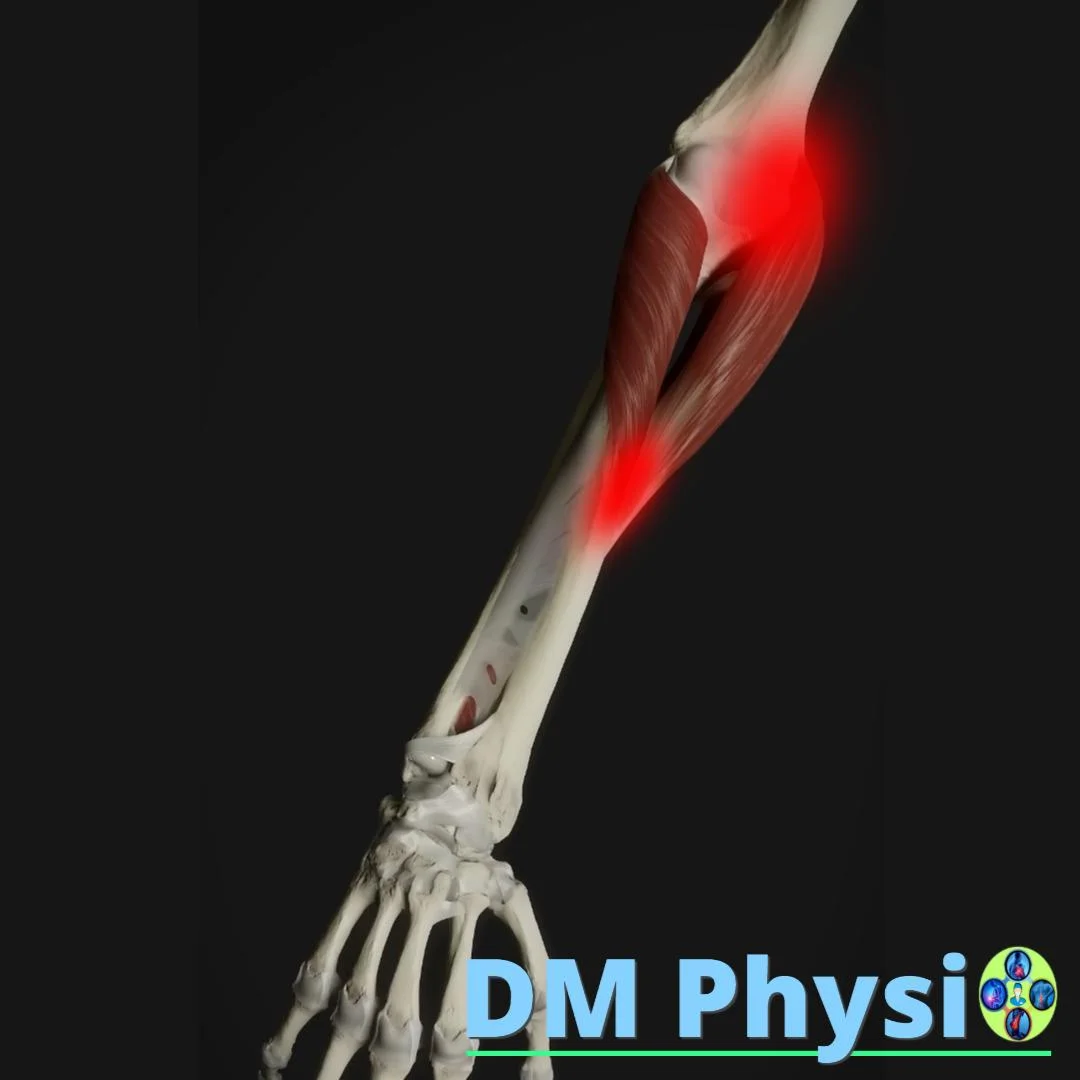
mm. pronator quadratus, pronator teres, supinator
Anatomy and grip
It is located in the upper part of the forearm. It starts from the inner epicondyle of the elbow and attaches to the lateral surface of the radius bone.
Character of pain from trigger points
- Deep pain in front of elbow and on the inside of the forearm.
- It can cause weakness in the arm and make pronation difficult.
4. Muscles of the thumb
These muscles are responsible for the complex movements of the thumb that are essential for fine motor skills and grip strength. They get overloaded with repetitive gripping, typing and working with a phone or tablet.
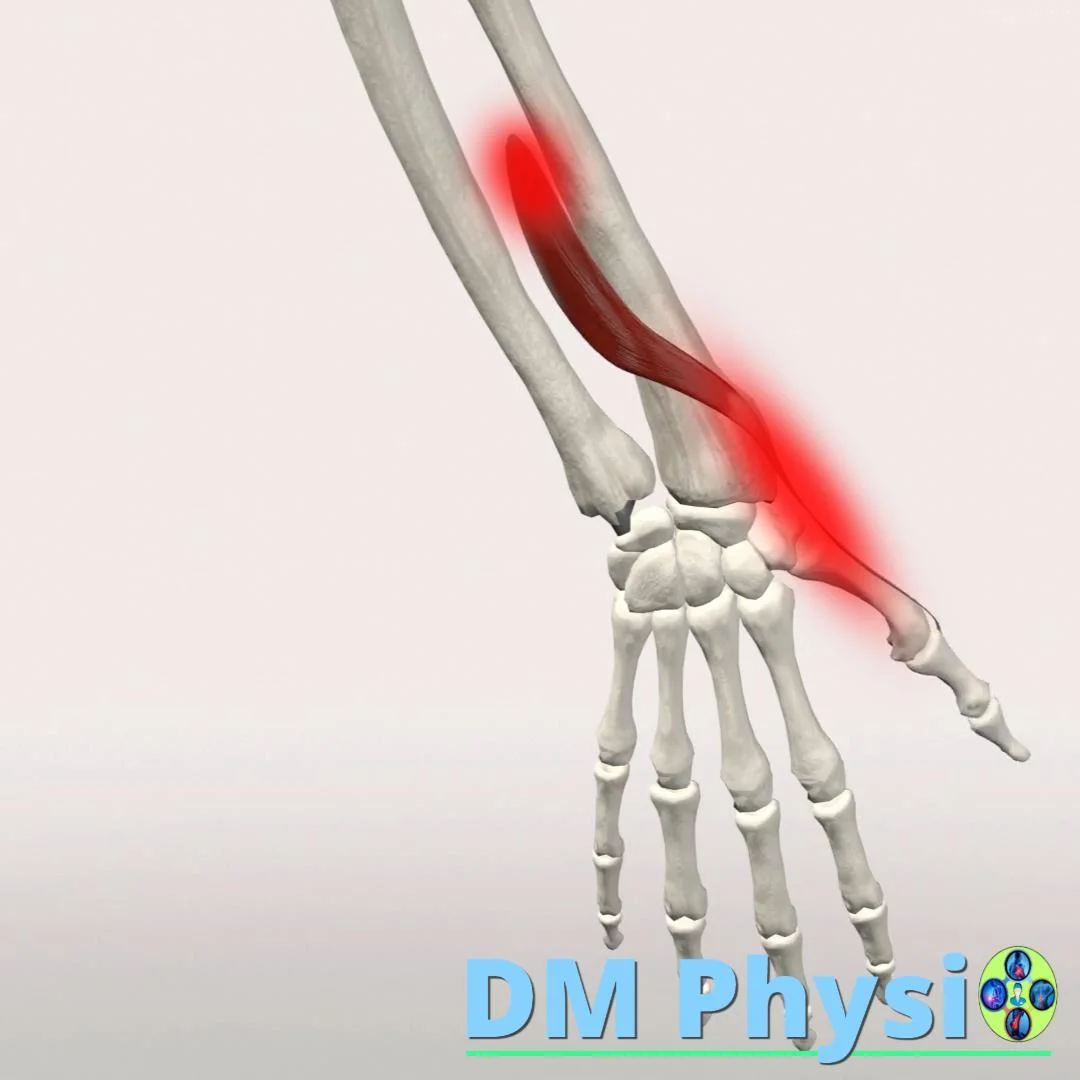
Abductor pollicis and extensor pollicis brevis
Anatomy and grip
These muscles are located on lateral and posterior forearm. They form the "anatomical box" of the thumb by attaching to the bones of the wrist and thumb.
Character of pain from trigger points
- Sharp pain at the base of the thumb, which is distributed by the lateral part of the forearm.
- A common condition called "de Quervain's disease", in which the inflamed tendon limits movement.
- Pain when moving the thumb, especially when squeezing or texting.
5. Accessory muscles of the elbow and forearm
These muscles also play an important role in elbow and forearm movements and are often a source of pain.
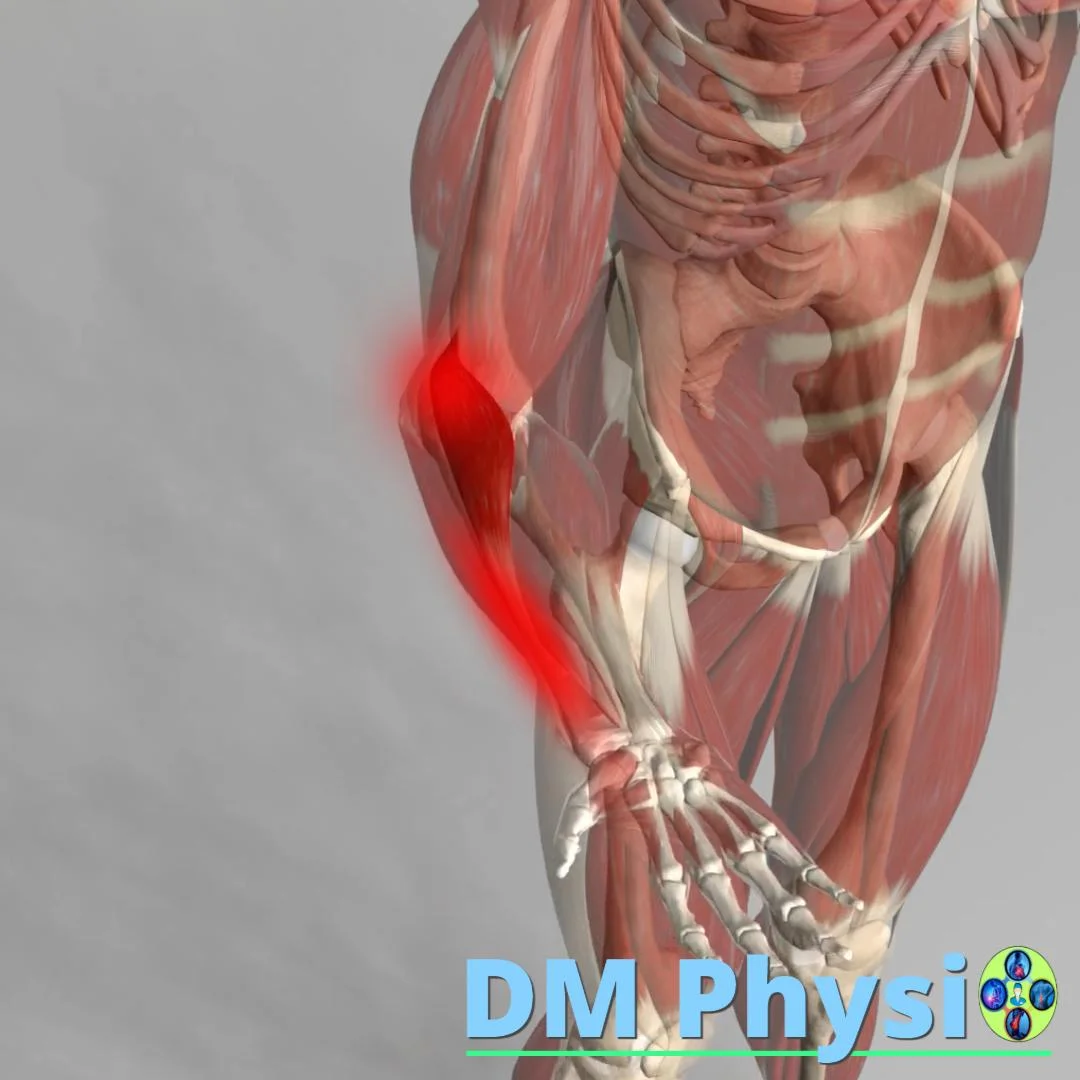
m. brachioradialis (brachioradialis)
Anatomy and grip
A long muscle located on the outside of the forearm. It starts at the humerus and attaches to the radius, near the wrist.
Character of pain from trigger points
- Deep, dull pain on the outside of the elbow and all over the forearm to the wrist.
- Pain that worsens when lifting weights with the palm facing down.
- Trigger points can cause pain and stiffness in the elbow.
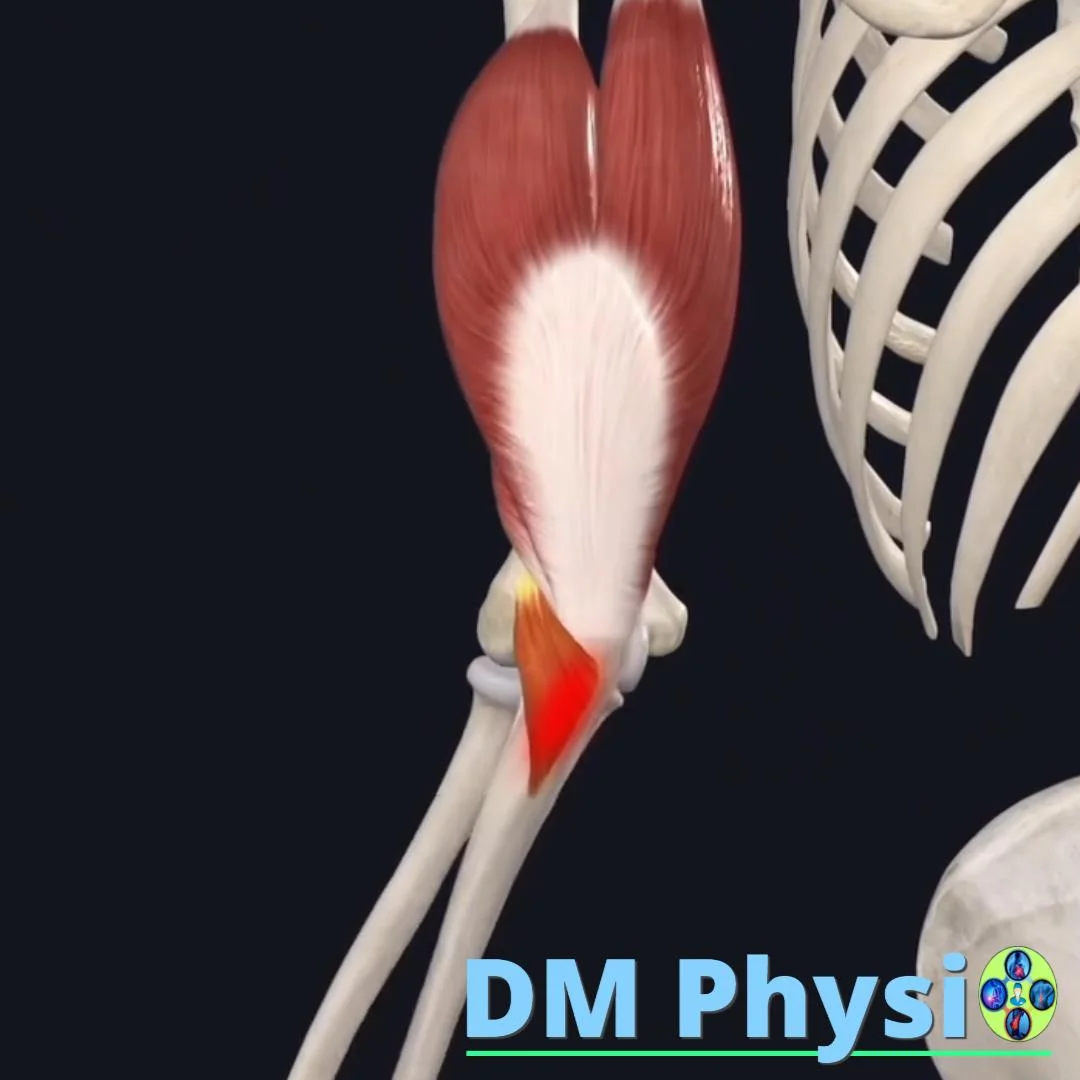
m. anconeus
Anatomy and grip
A small, triangular muscle located in the back of the elbow. It starts from the outer epicondyle of the humerus and attaches to the ulna.
Character of pain from trigger points
- Localized, sharp pain in the back of the elbow.
- Pain when the area is touched, especially when the arm is extended.
- It is often confused with "tennis elbow" pain, but is more localized and can limit full elbow extension.
m. biceps brachii
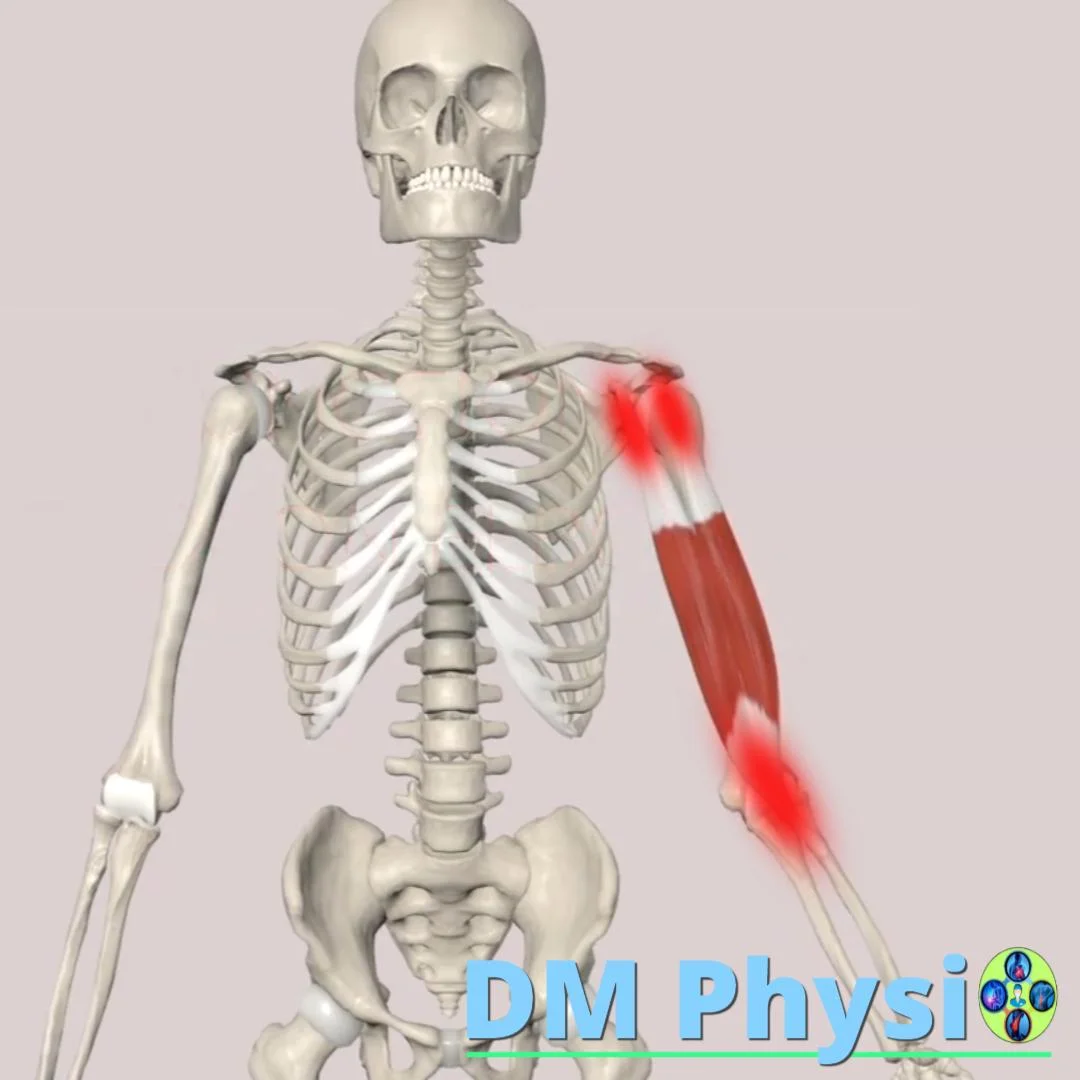
Anatomy and grip
The muscle has two heads that start from the scapula and attach to the radius bone on the forearm. This dual attachment allows it to function as both an elbow flexor and a forearm supinator.
Character of pain from trigger points
- Sharp or dull pain in the front of the arm, especially in the area of the upper arm or near the elbow.
- Pain that gets worse when bending the arm or lifting weights.
- Tenderness when the muscle is touched.
- It can spread to the shoulder, especially if the problem is in the long head tendon.
m. brachialis (arm muscle)
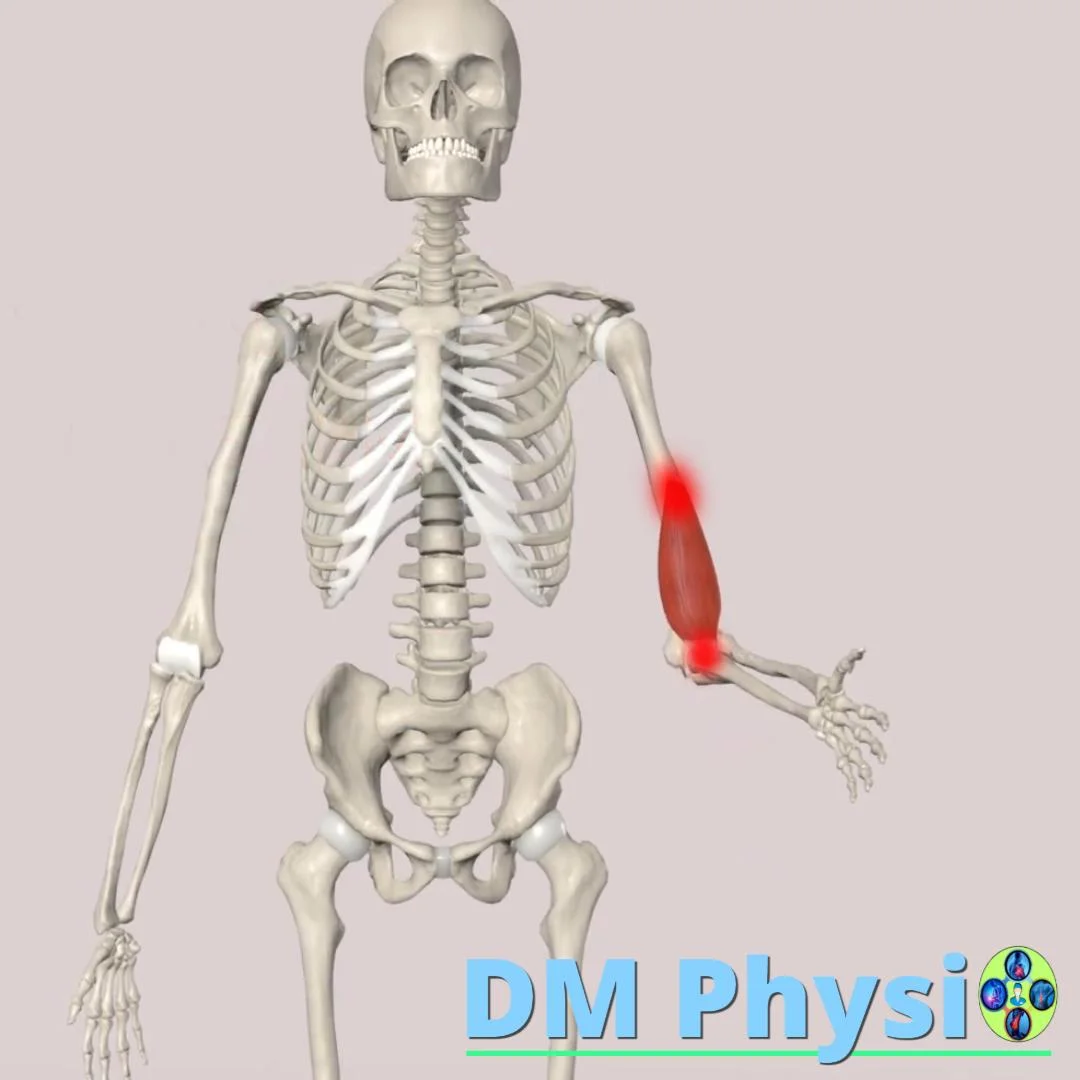
Anatomy and grip
The muscle is located deep below the biceps. It starts from anterior surface of the humerus and attaches to the ulna (ulna).
Character of pain from trigger points
- Pain deep in the elbow, which can also be felt at the base of the thumb.
- Pain when bending the elbow, especially against resistance.
- Trigger points can limit arm extension, causing stiffness.
- It is possible to have pain that does not respond to a biceps massage because the problem is deeper.
m. triceps brachii
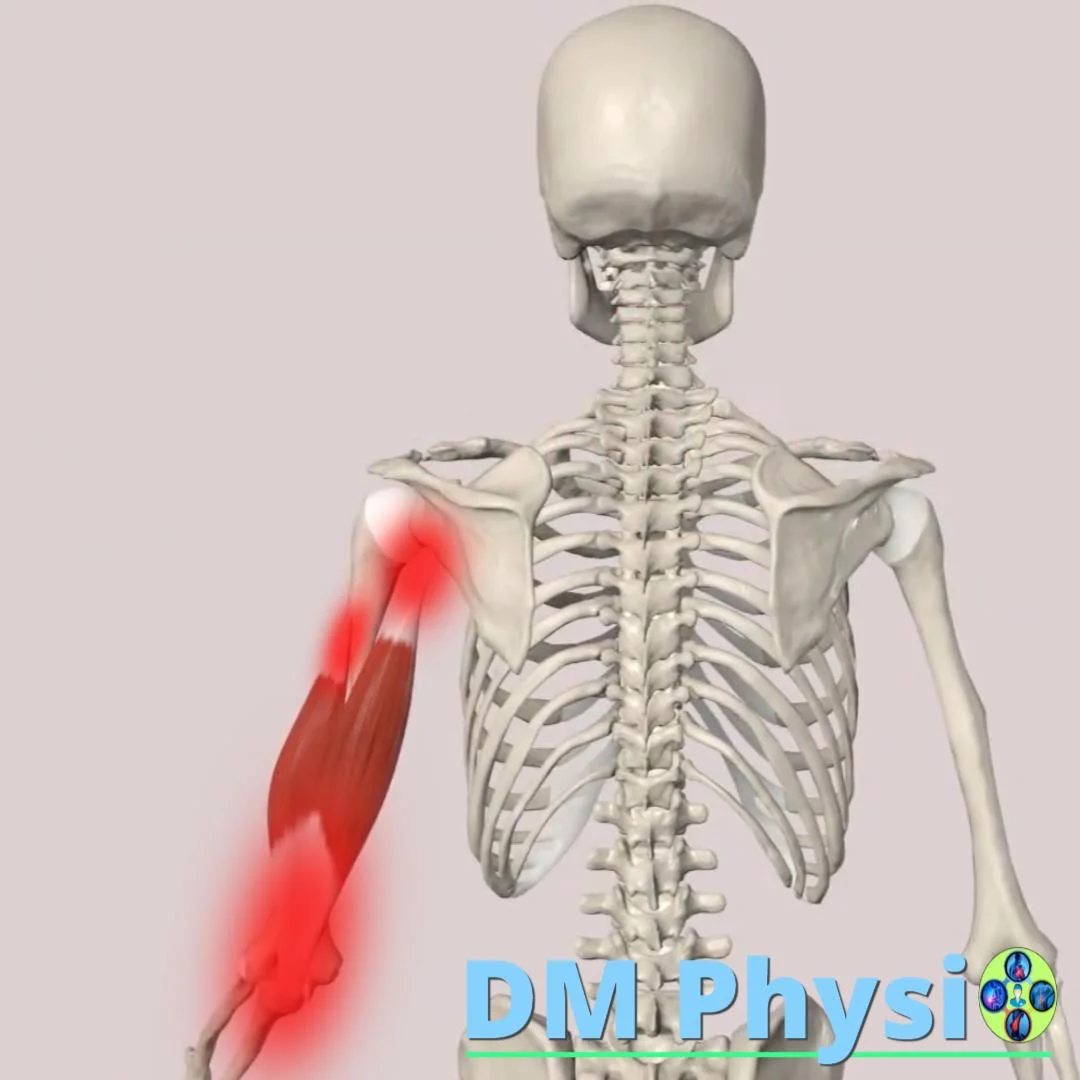
Anatomy and grip
The muscle has three heads. It starts from humerus and scapula and attaches to the ulna (olecranon). This is the main muscle in the back of the arm.
Character of pain from trigger points
- Pain in the back of the arm, especially in the elbow area.
- Trigger points can cause deep pain in the shoulder or by the back of the forearm.
- Reduced strength in movements that require straightening the elbow.
- A dull ache is possible while resting or lying down.
How to deal with muscle pain in the arm?
To reduce pain, we focus on relaxing, restoring and balancing the muscles.
1. Relaxation of tense muscles
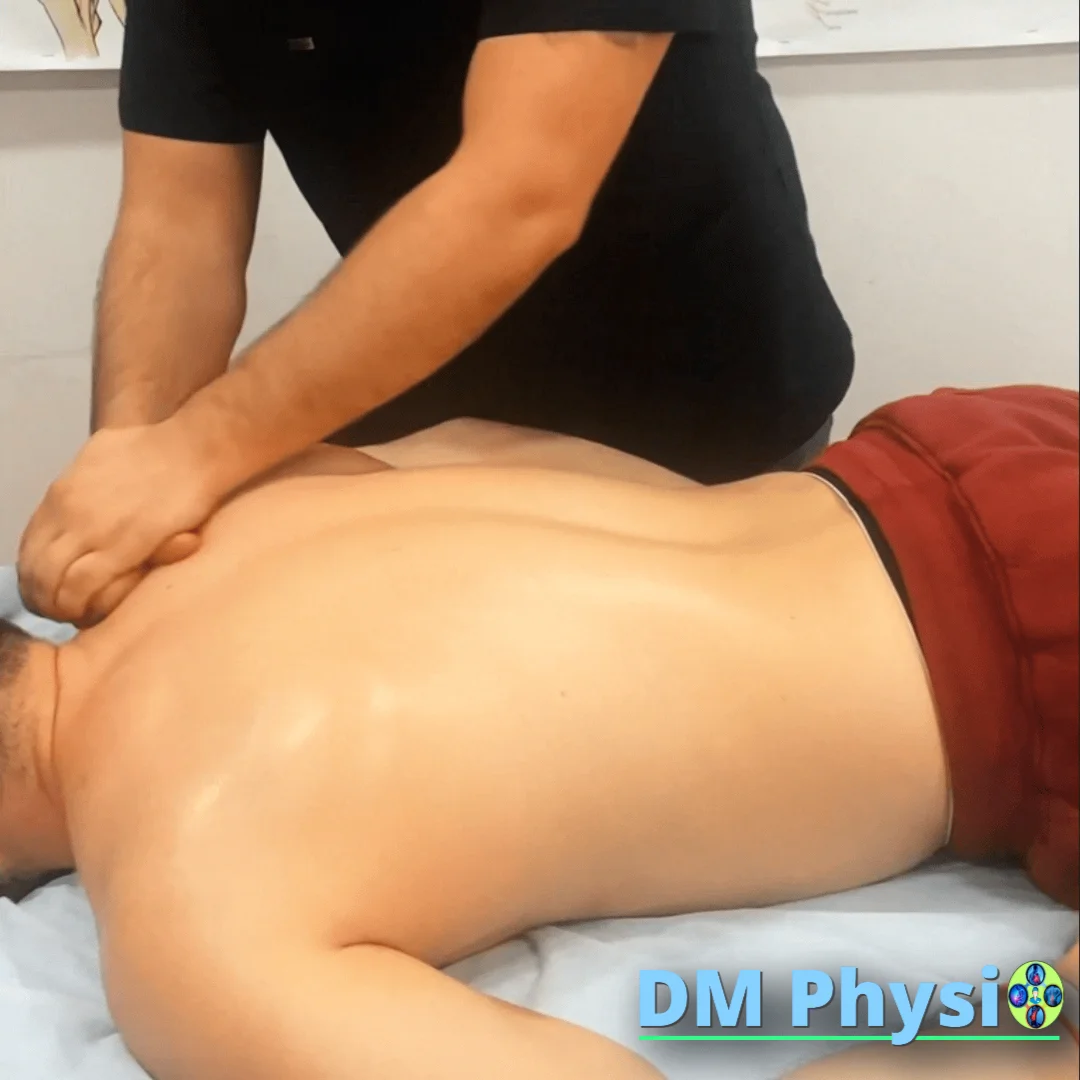
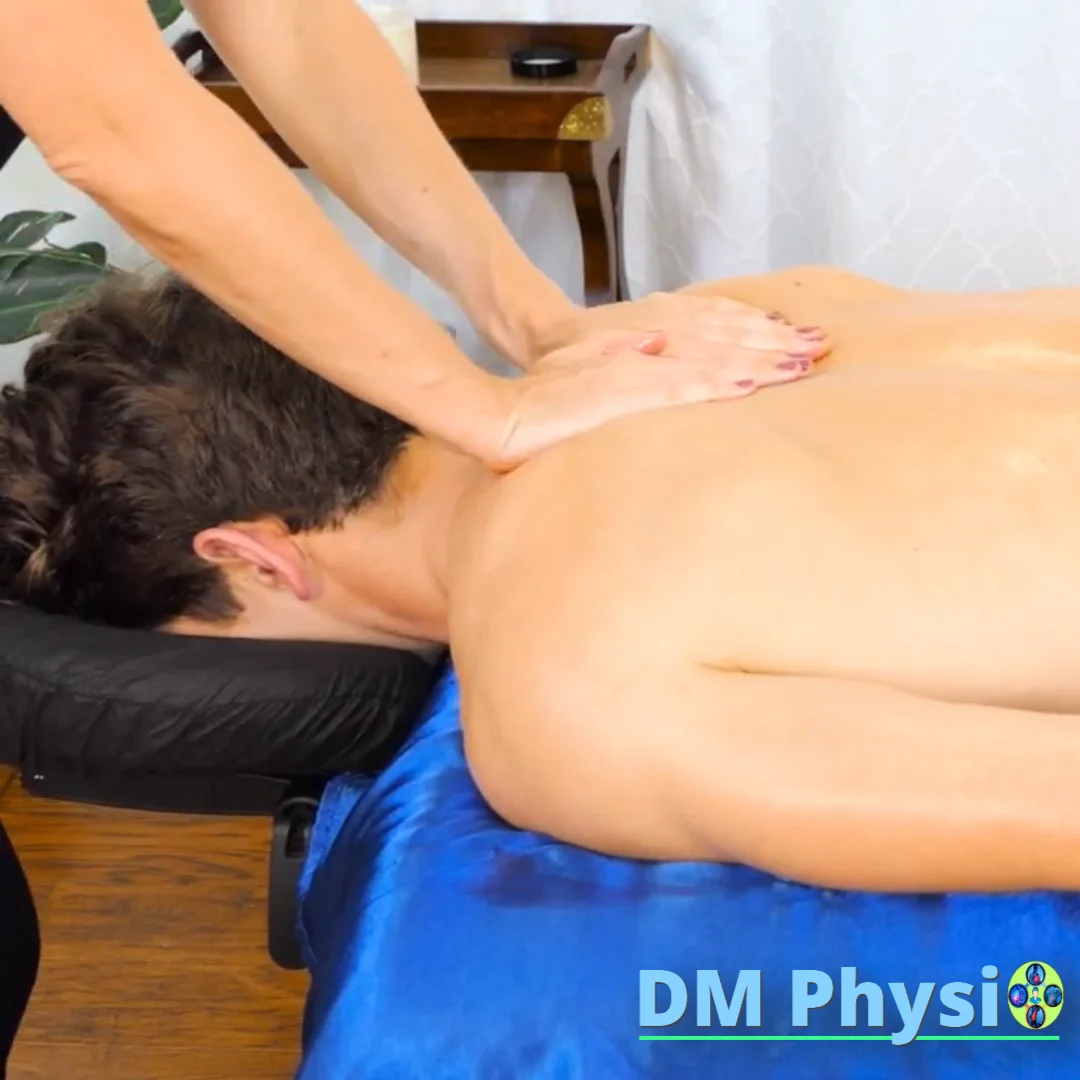
Through manual techniques, massages and mobilization, we relax contracted muscle fibers and trigger points, to support better function and reduce pain.
2. Strengthening and balancing
Once the muscles are relaxed, the focus is on strengthening weak muscles and restoring the balance between them. This is key to joint stability.
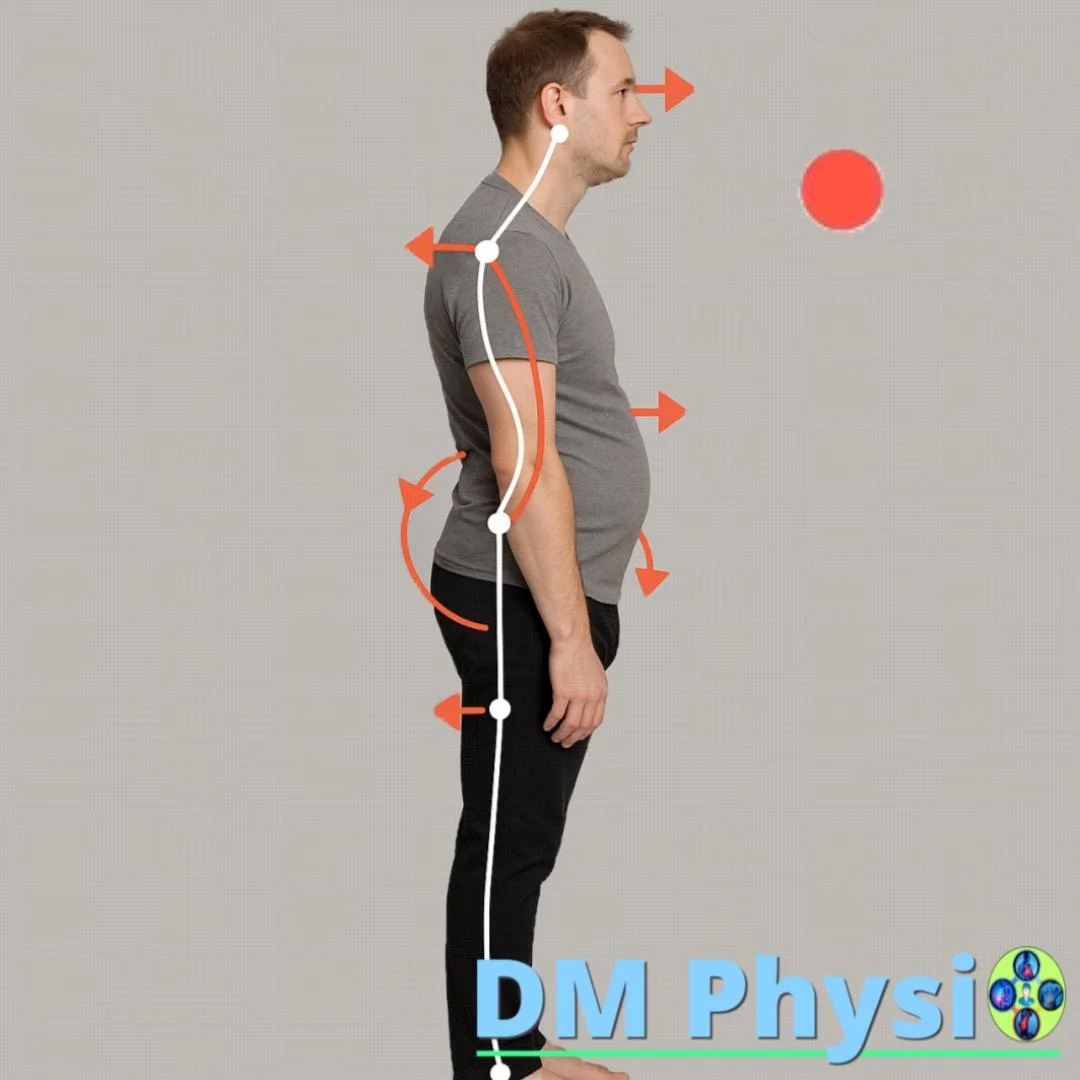
3. Correction and prevention
We teach you specific exercises and tips for proper ergonomics, to prevent future overload and keep your arm healthy and mobile in the long run.