Carpal tunnel syndrome
Learn about the causes, symptoms and physiotherapy approach of carpal tunnel syndrome.
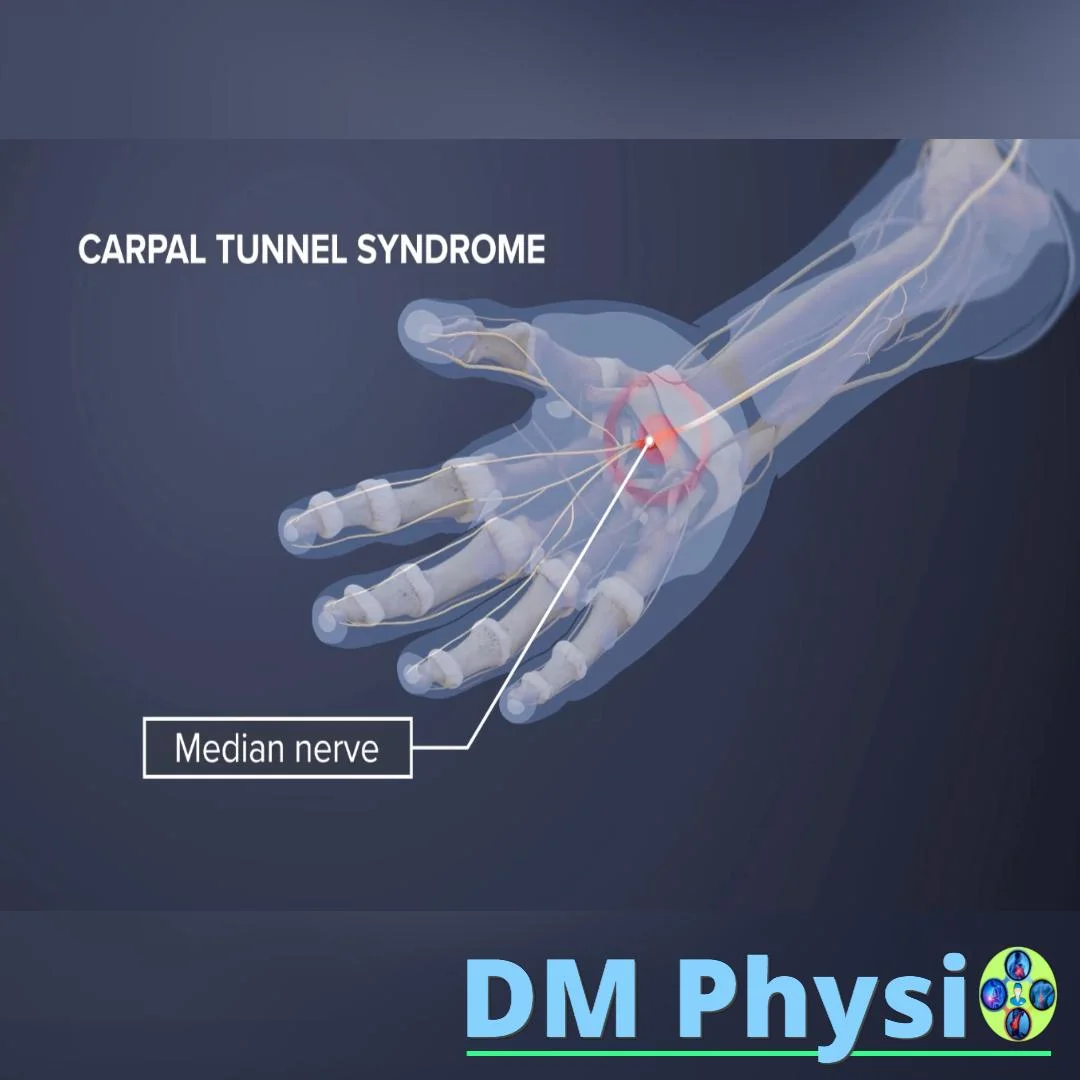
What is carpal tunnel syndrome?
Carpal tunnel syndrome is a condition that results from compression of the median nerve in the wrist. This nerve passes through a narrow passageway called the carpal tunnel and is responsible for sensation in the thumb, index, middle, and part of the ring finger, as well as movement of the muscles at the base of the thumb.
A common condition, especially in people who perform repetitive motions with their hands and wrists.
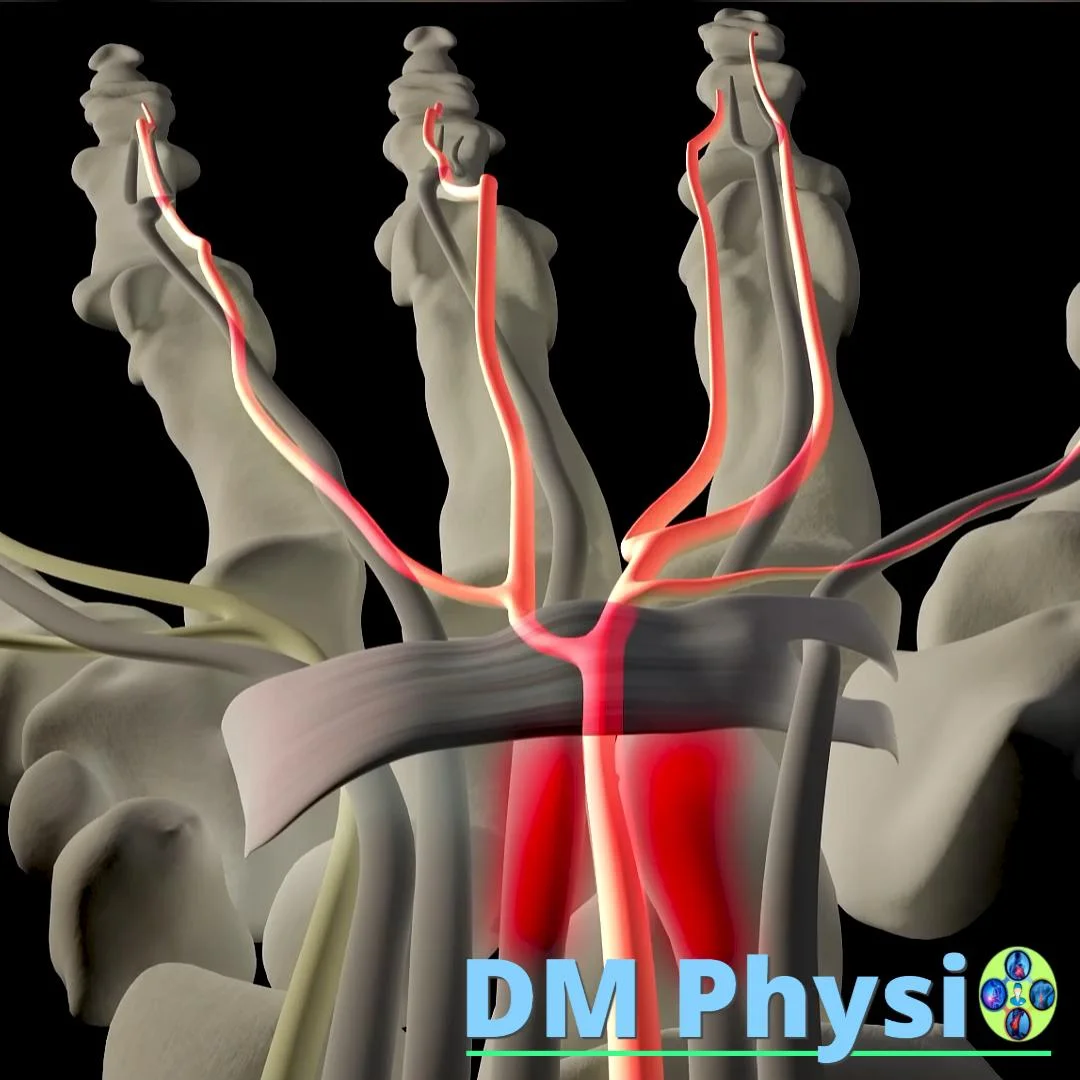
Causes and symptoms of the syndrome
Carpal tunnel syndrome usually develops gradually and is associated with increased pressure on the median nerve. This can happen in several ways:
Muscle overload
With repetitive movements of the hand and wrist, the muscles of the forearm can become overworked. This leads to their shortening, swelling and inflammation, which compresses the nervus medianus passing nearby.
Pressing into a certain position
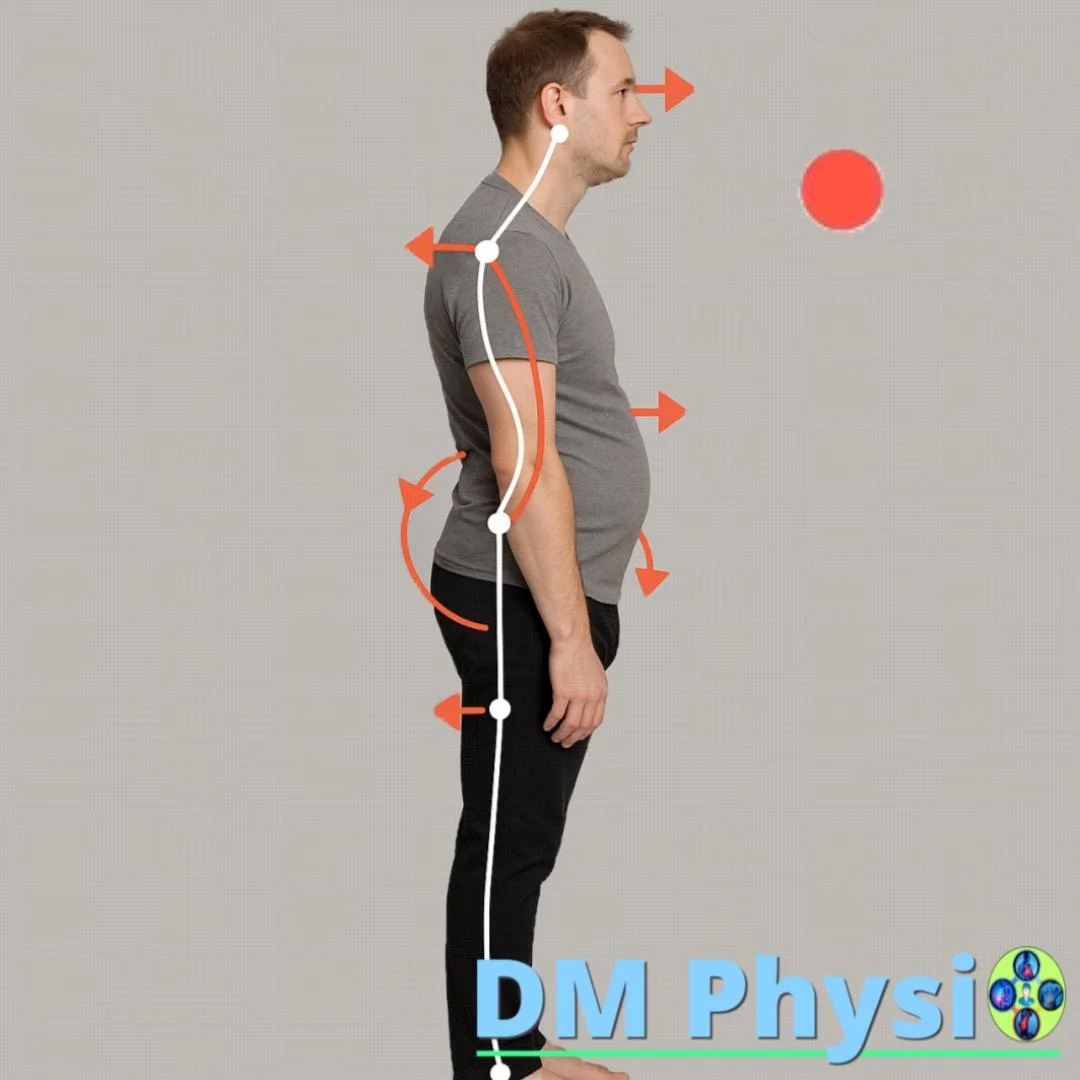
Prolonged pressure on the forearm, such as when sitting at a computer and leaning on your hands or while sleeping, can cause nerve compression and symptoms to develop.
Compression symptoms
The main symptoms include numbness, tingling, pain or a burning sensation in the thumb, index and middle finger. Symptoms often worsen at night, waking the patient. As the condition progresses, muscle weakness may also appear.
1. Early stage
At first, you feel intermittent tingling and tingling, especially at night or after prolonged work with your hands. In this stage, inflammation of the nerve begins, which slightly reduces nerve flow. You can often relieve these symptoms by simply changing the position of your arm or shaking it.

2. Intermediate stage
Symptoms become more constant and occur during the day. Constant pain and numbness indicate that the inflammation of the nerve has increased, leading to a more serious disruption of nerve impulses. In this stage, you may begin to feel weakness in grasping objects, which begins to interfere with your daily tasks.
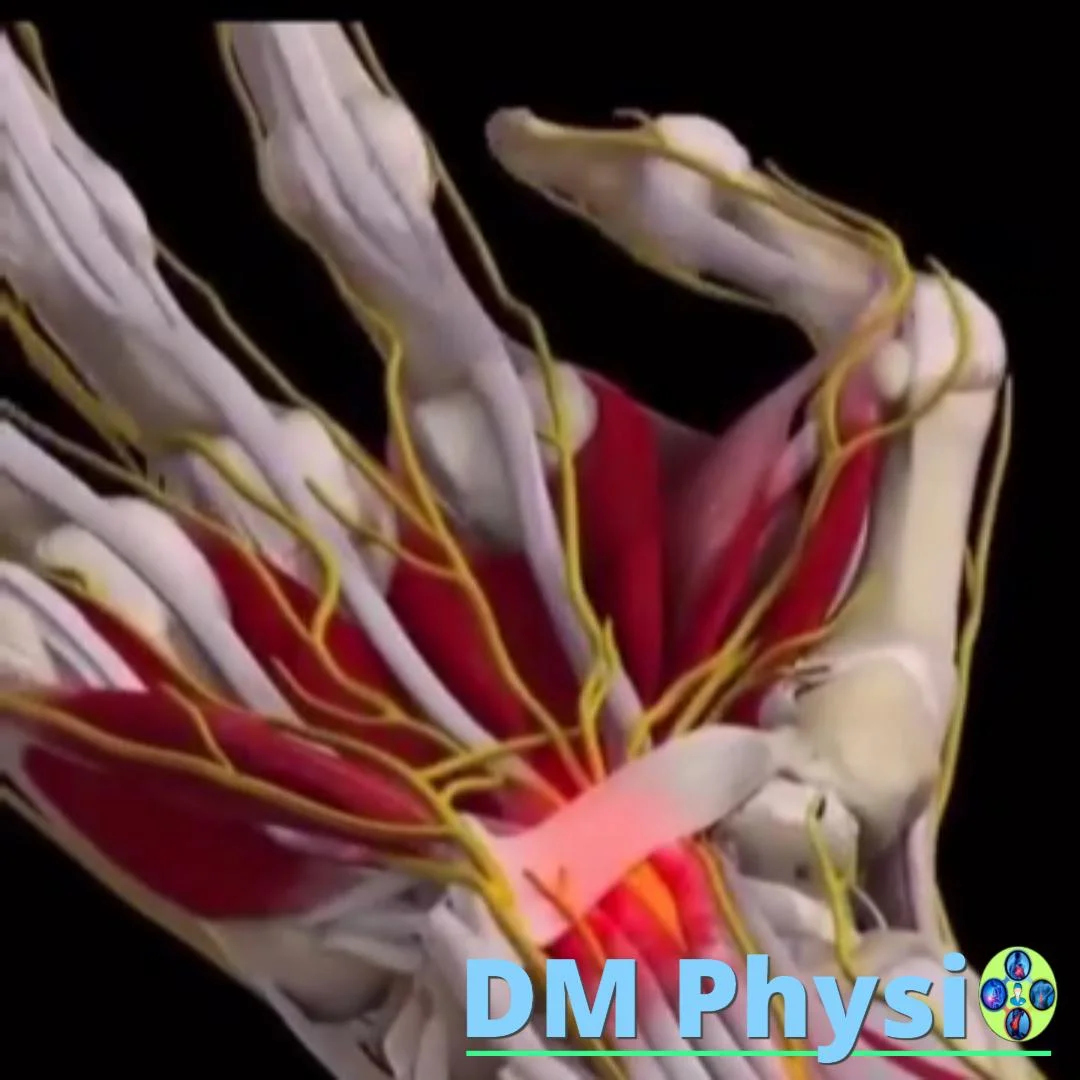
3. Late stage
Permanent loss of sensitivity and muscle weakness is observed. Constant and intense compression of the nerve has caused permanent damage, leading to a drastic reduction in nerve flow and virtually complete loss of sensation. At this stage, the pain may even decrease as the nerve no longer transmits signals effectively, but this is an indicator of a serious condition.
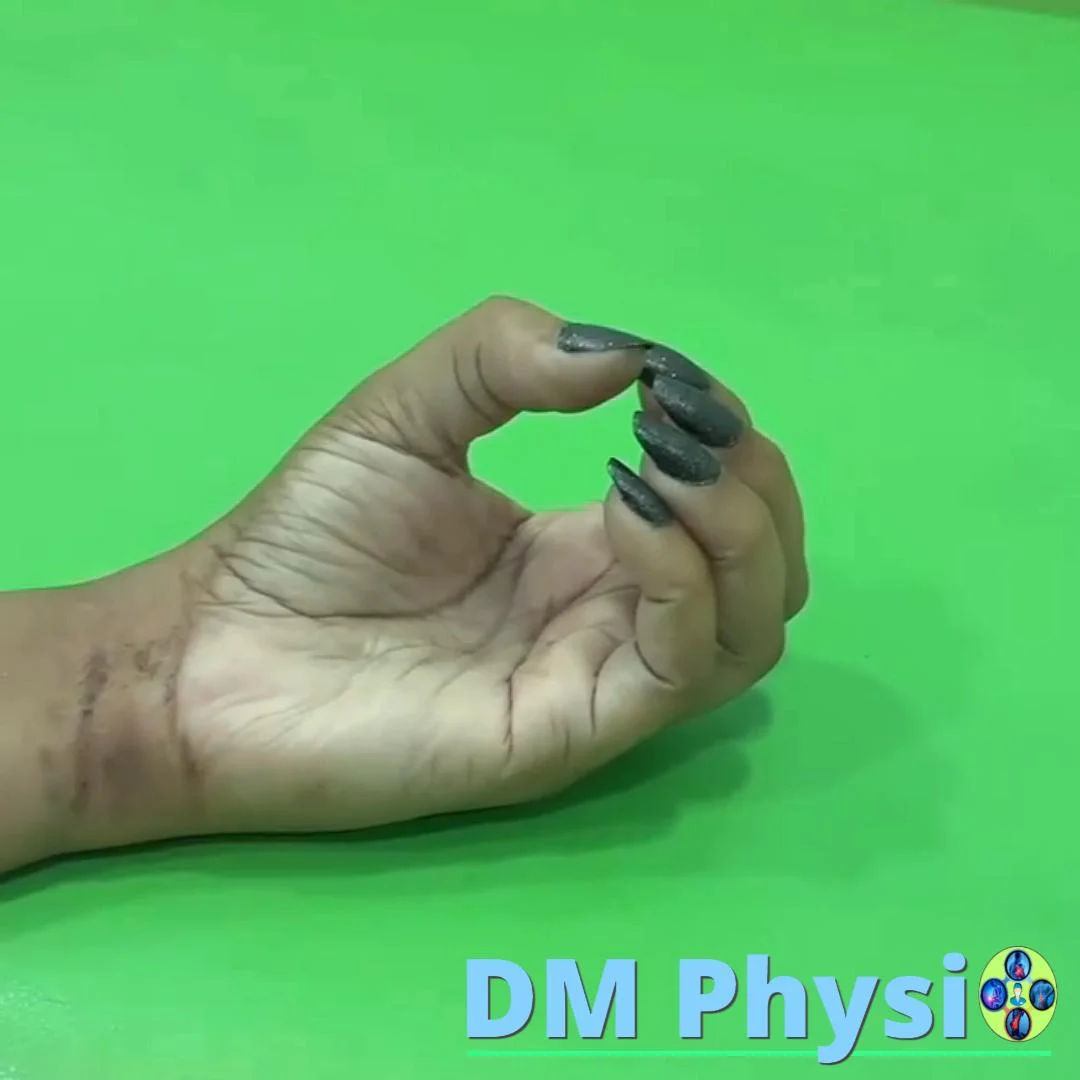
The role of physiotherapy in treatment
Physiotherapy is an extremely important part of the conservative treatment of carpal tunnel syndrome, especially in the early and middle stages of the disease.
1. Muscle relaxation and nerve stimulation
The main goal is to relax the overloaded muscles of the forearm to reduce pressure on the nerve. We use stimulating pulses that wake up the nerve and restore its function to support nerve recovery.
2. Improving blood circulation
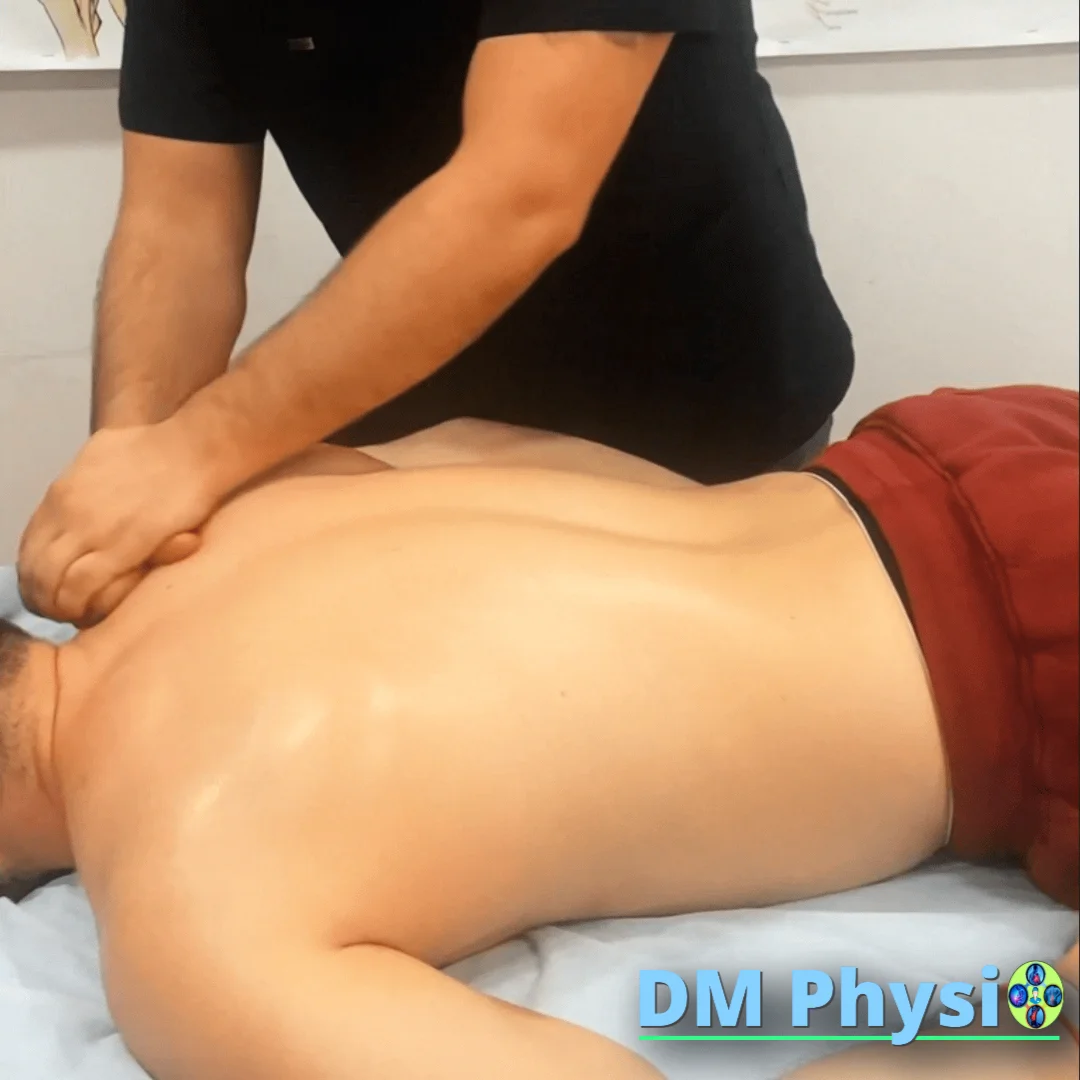
Special massage techniques and light exercises stimulate blood circulation to the affected area. The improved blood flow helps reduce swelling and inflammation, which frees up more space for the nerve in the carpal tunnel.
3. Education and prevention
We teach patients to recognize which positions and unhelpful habits strain this area and inflame the nerve. Together, we develop strategies to change these habits to prevent re-inflammation and provide long-term relief.