Golf elbow
Understand why pain can appear on the inner side of the elbow and what factors may keep it irritated.
What is golf elbow?
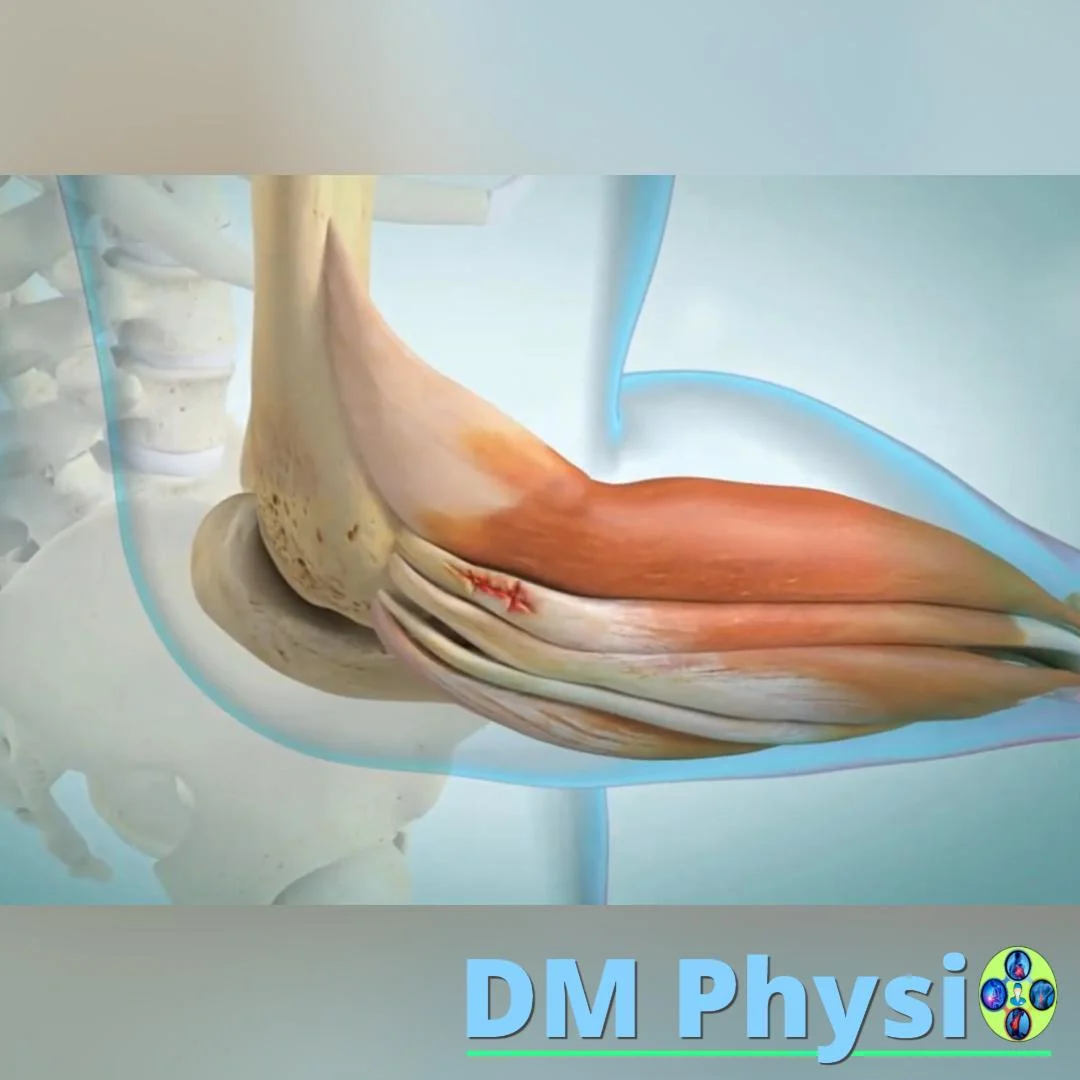
Golfer's elbow is a condition characterized by pain on the inside of the elbow joint. Despite its name, it affects not only golfers, but also people who perform repetitive movements of the hand, wrist and fingers, especially those involving flexion and pronation (turning the palm down). The main cause is inflammation or degeneration of the tendons of the flexor muscles that attach to the elbow.
It is often confused with "tennis elbow," which is pain on the outside of the elbow.
Causes of pain and inflammation
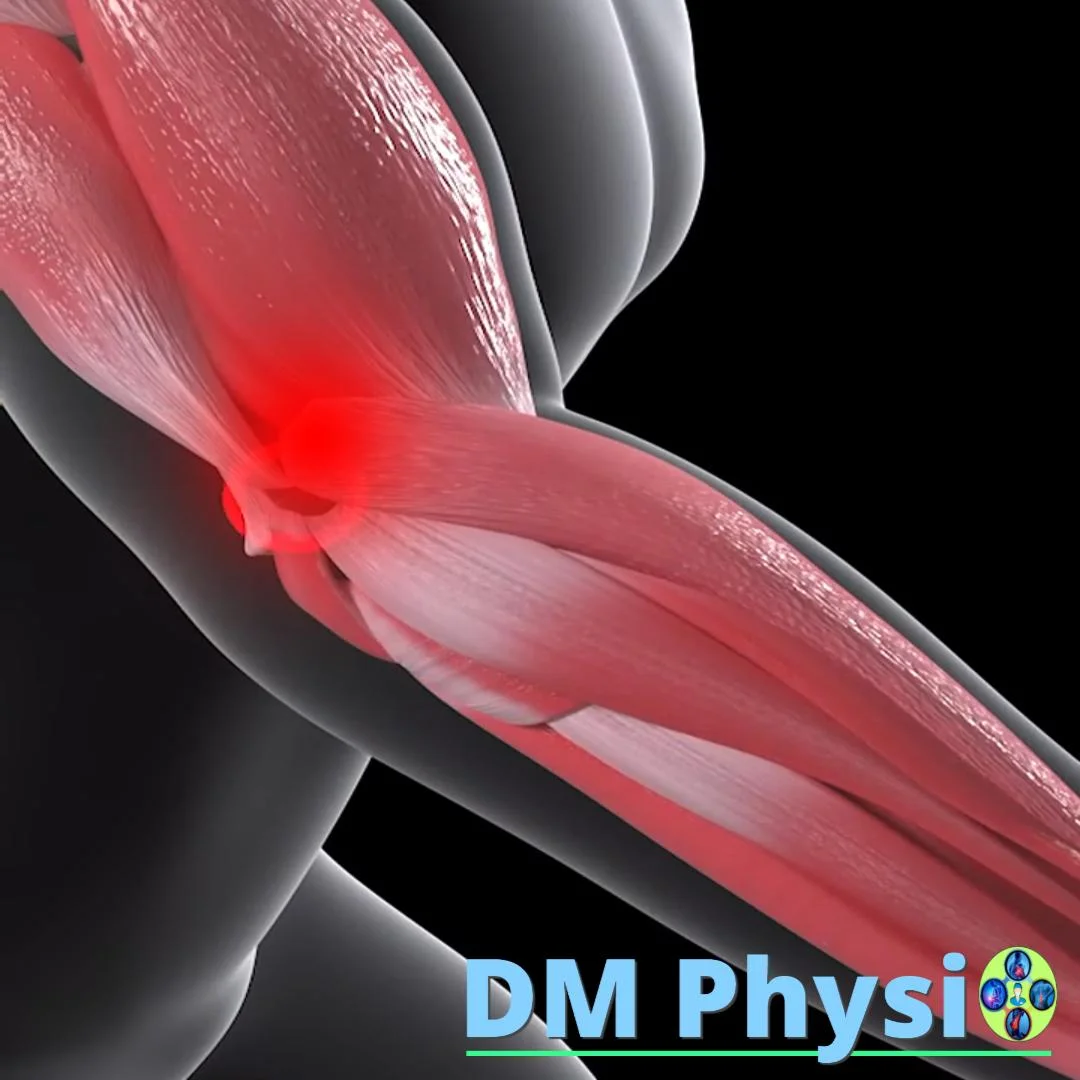
The most common cause of golfer's elbow is repetitive motions of wrist flexion that cause overuse of certain muscles.
Repetitive movements
Constant movements of wrist flexion and forearm rotation (pronation) shorten the muscles. This puts tension on the tendons that attach to the inside of the elbow. Constant pulling leads to microtrauma and inflammation.
Symptoms
The pain is felt on the inside of the elbow, and can spread to the wrist. It is usually aggravated when shaking hands, lifting objects with the palm up, or when trying to flex the wrist against resistance.
Overload
Long-term ignoring of the initial pain and lack of rest can lead to chronicity of the condition and more serious damage to the tendons.
1. M. Flexor Carpi Radialis
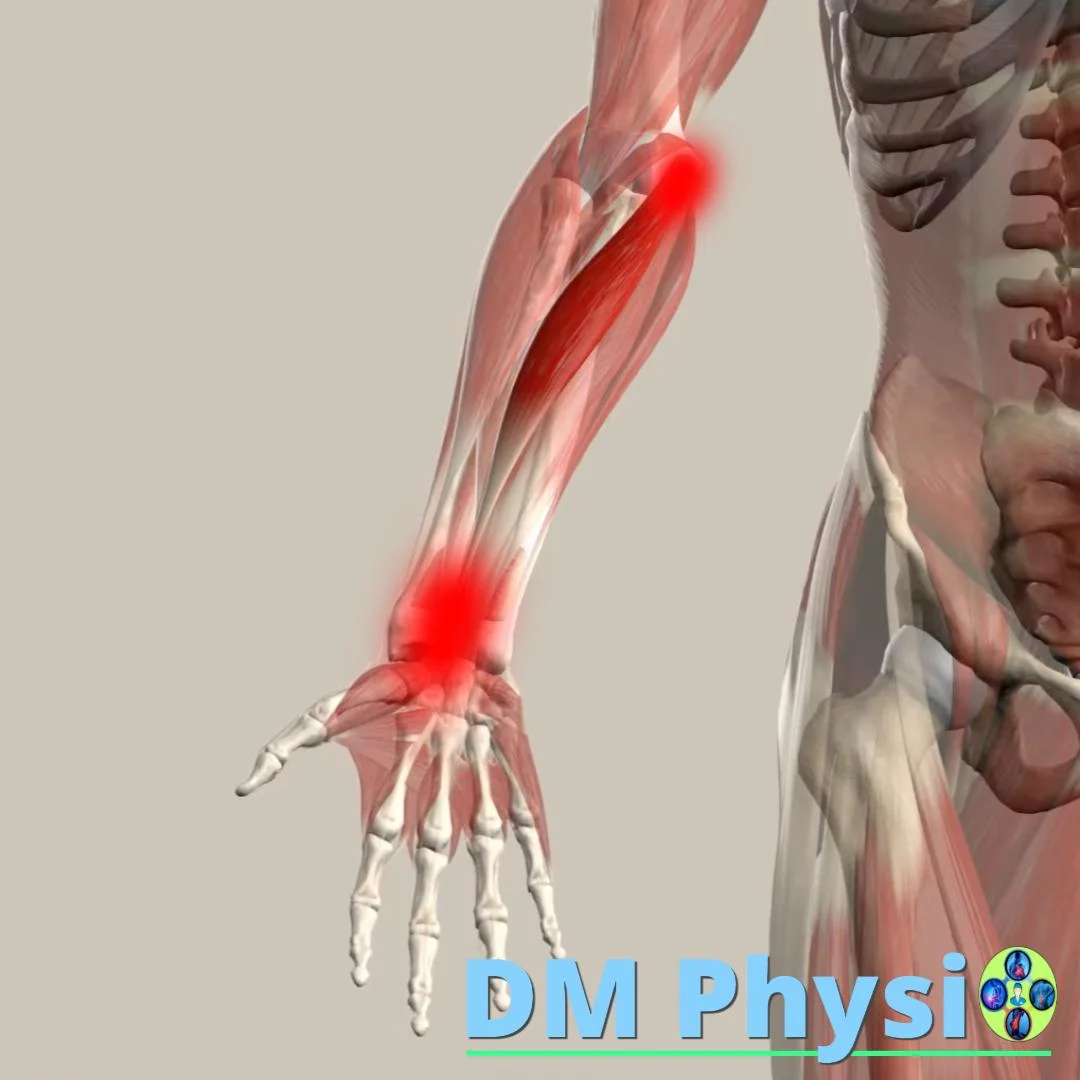
This is one of the main culprits of golf elbow. Its tendon attaches to the inside of the elbow, and overloading it when the wrist flexes is the main cause of the pain. Constant tension and repetitive movements lead to microtraumas that provoke inflammation and pain.
2. M. Flexor Carpi Ulnaris
This muscle also contributes to the problem by being involved in wrist and hand flexion. Overloading it can cause pain and tension in the inner part of the elbow, especially with movements of the wrist towards the little finger.
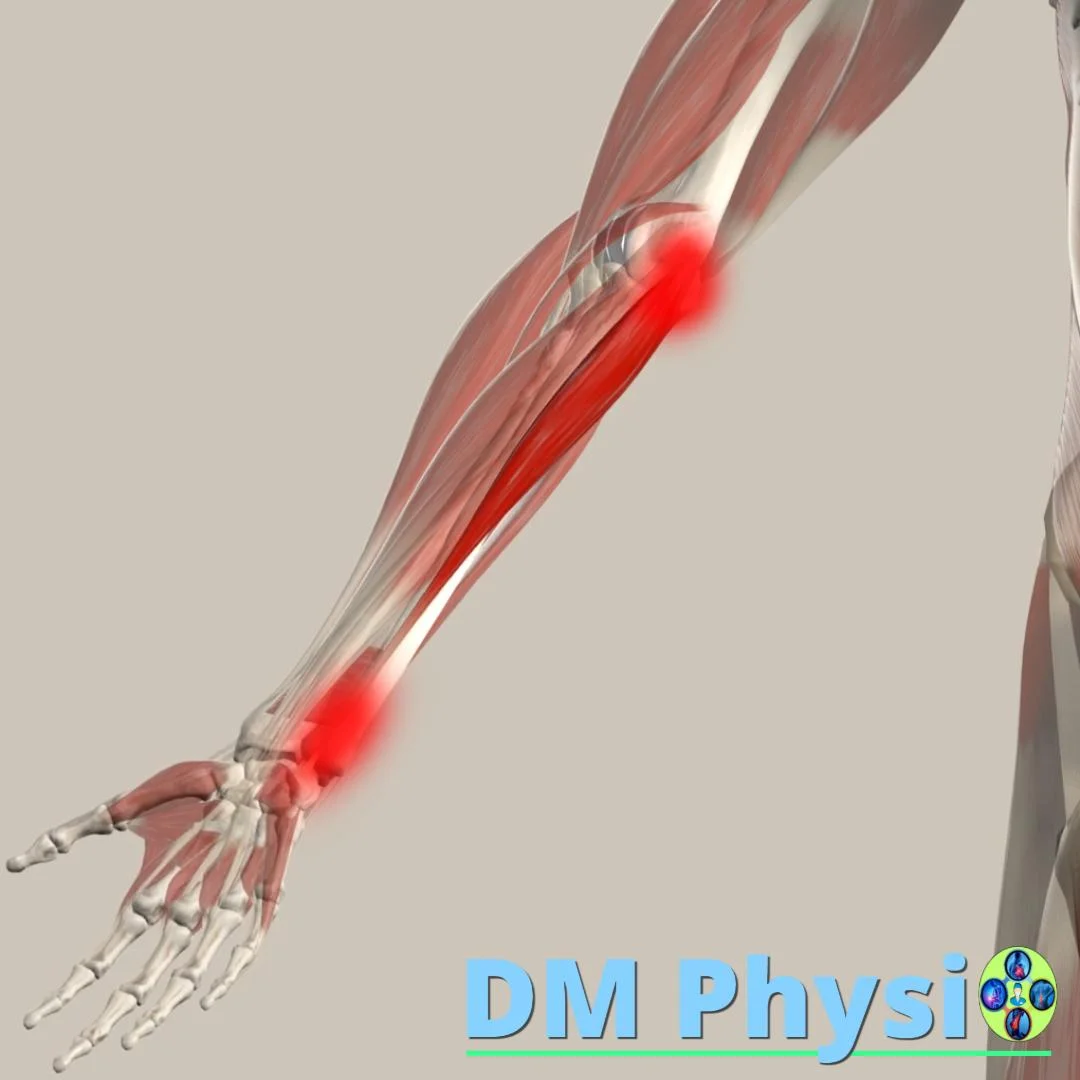
3. M. Pronator Teres (Pronator Teres)
This muscle is responsible for rotating the forearm palm down. Frequent use of it in work or sports (such as the golf swing) can lead to tendon strain and pain on the inside of the elbow.
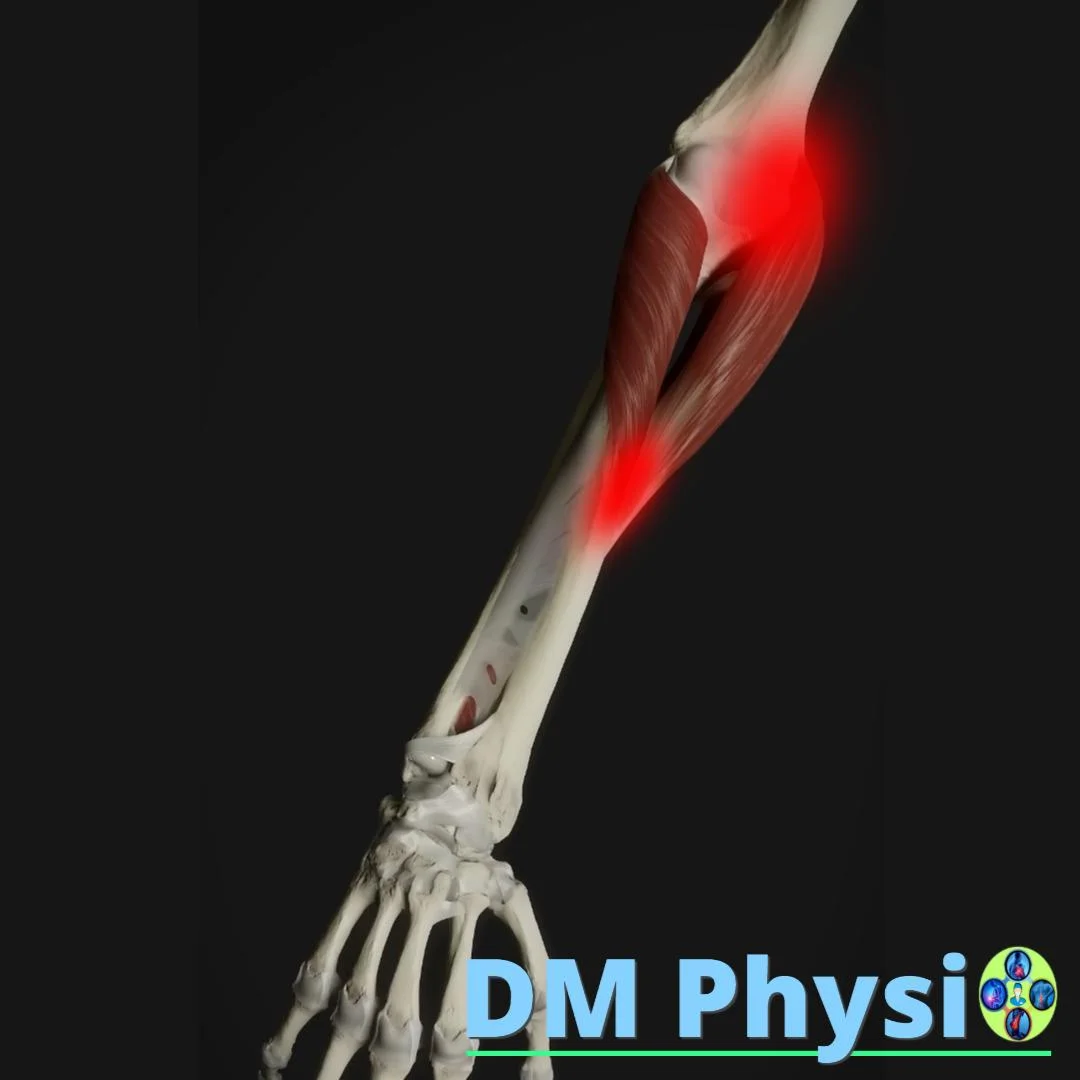
4. M. Palmaris Longus (Palmaris longus)
A small muscle that helps flex the wrist and tighten the palmar fascia. Although it is not affected in all cases, its overuse can contribute to pain and tightness in the forearm.
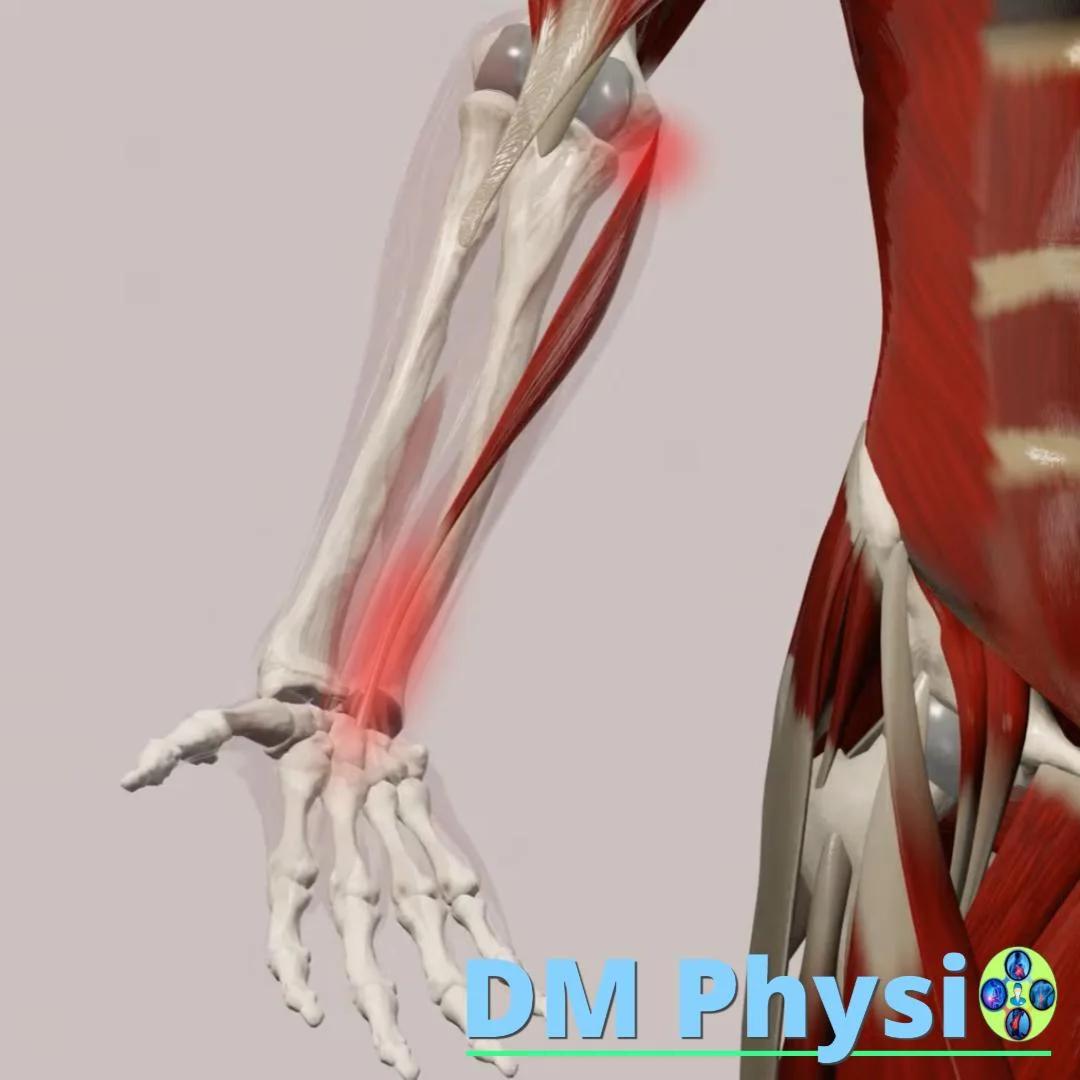
How does physical therapy help?
Our approach is aimed at addressing the contributing factors – the constant tension and muscle imbalances that lead to tendon inflammation.
1. Relaxation of shortened muscles
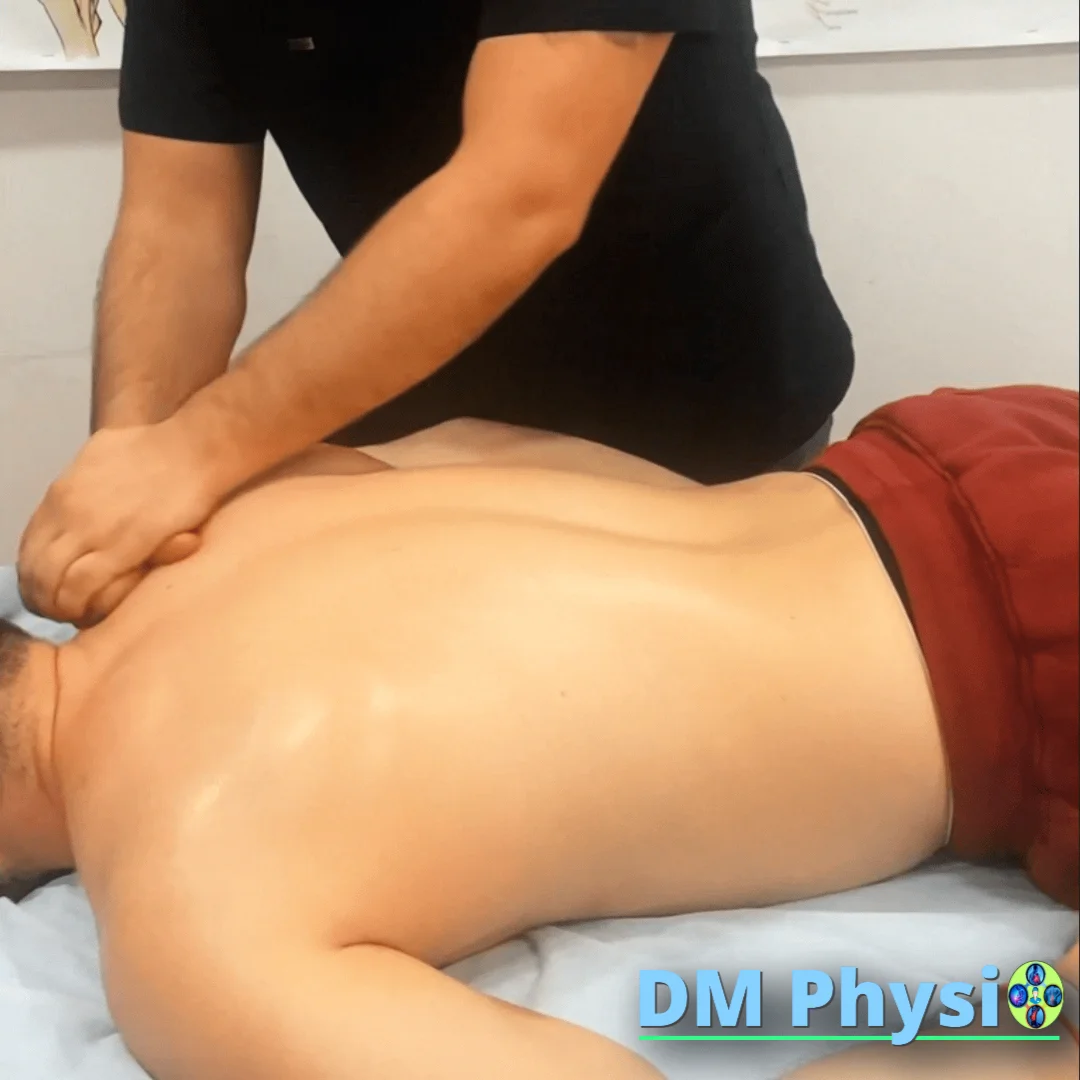
With the help of manual and massage techniques, we release the tension in the shortened muscles of the forearm. This reduces the strain on the inflamed tendons and provides immediate pain relief.
2. Restoration of muscle balance
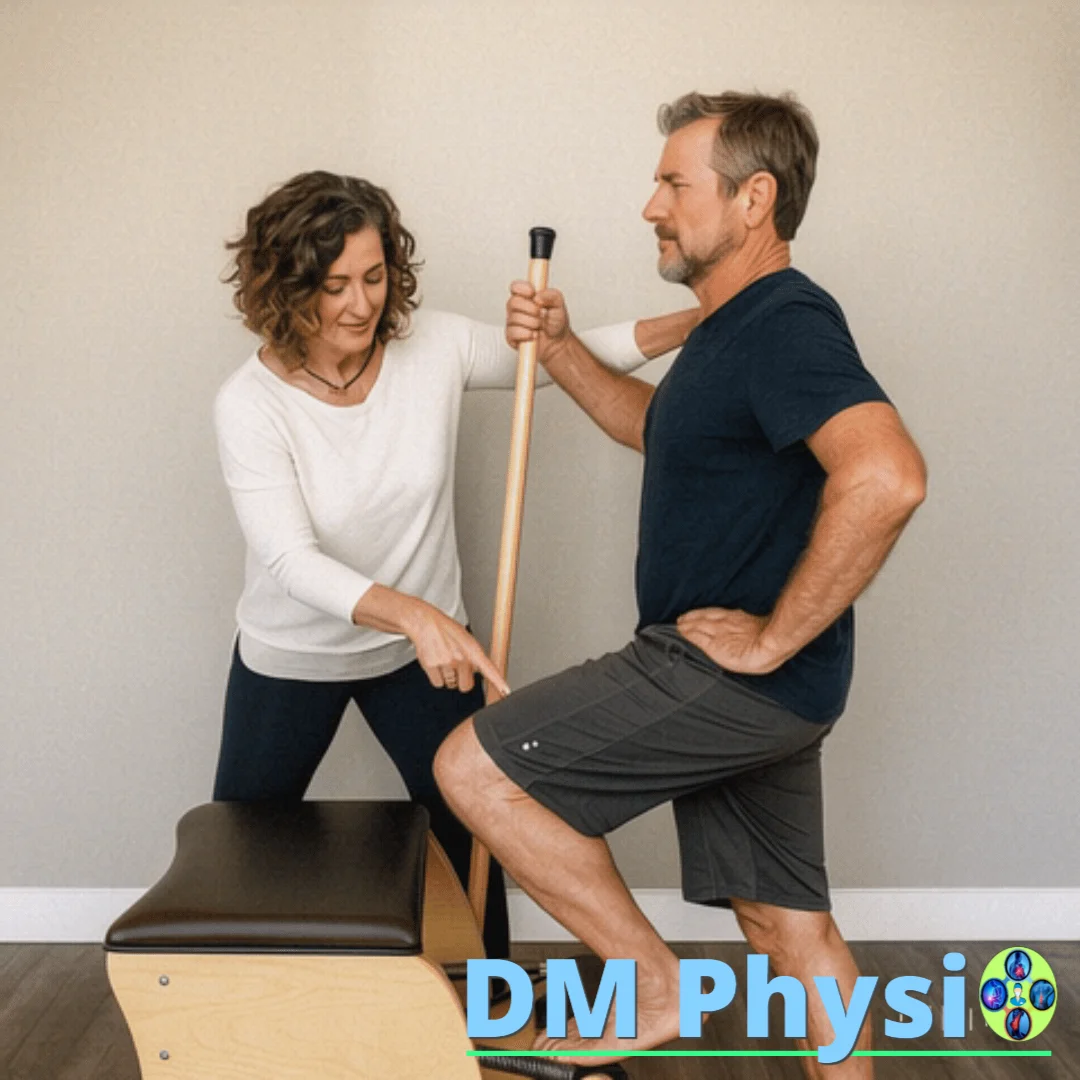
We build a personalized program of exercises to strengthen weakened muscles and relax overloaded ones. Thus, we support better function of the joint and prevent future overload.
3. Education and prevention
We work with you to correct the technique in performing the activities that caused the problem. This is key to long-term recovery and reducing the risk of relapse.
Expected benefits: less stress on the medial epicondyle, better wrist and forearm control, and more more comfortable squeezing/lifting in everyday life.