Neuralgias in the arm
Learn about the causes, symptoms and physiotherapy approach of neuralgia in the hand.
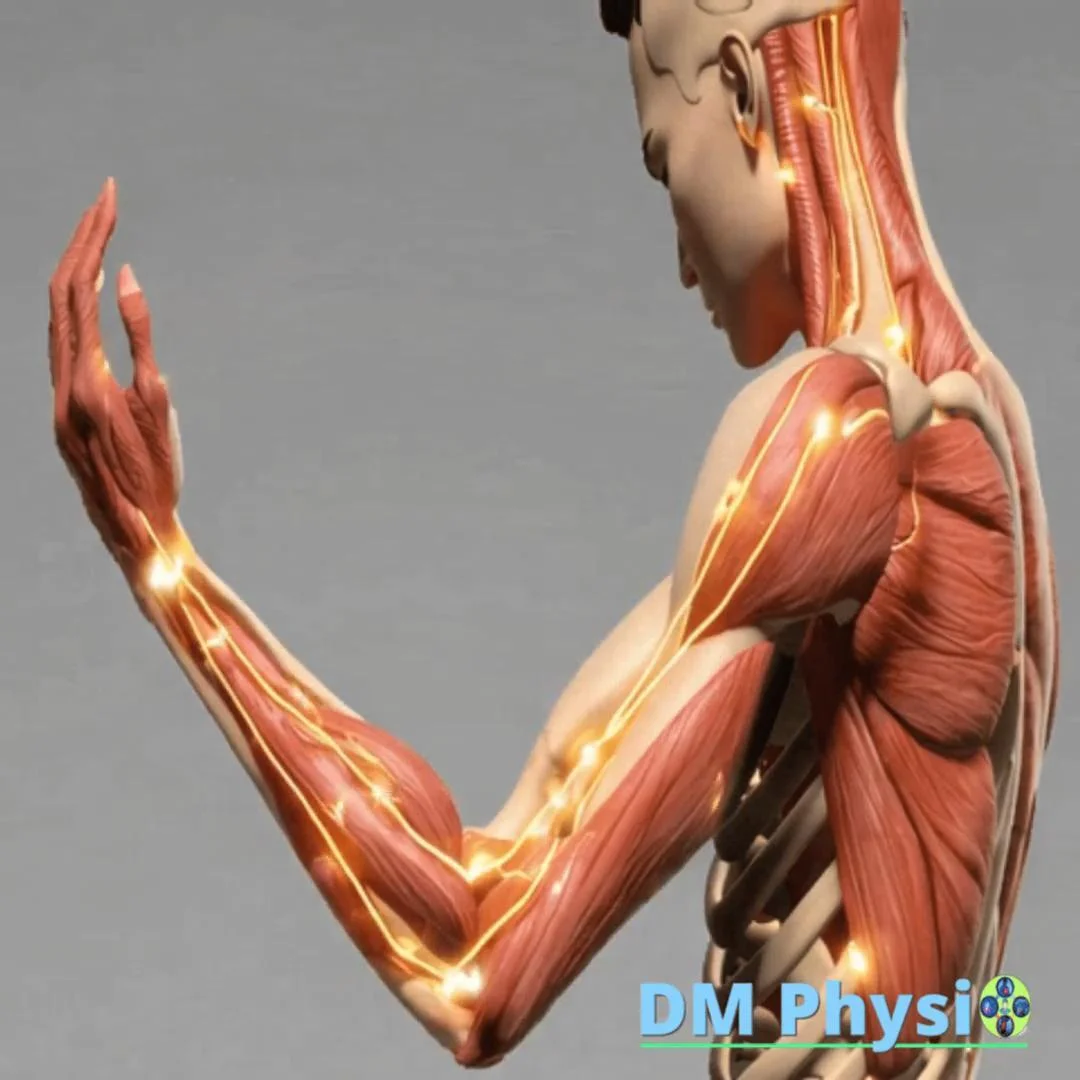
What are hand neuralgias?
Neuralgia is pain that is felt along the course of one or more nerves. Neuralgias in the arm are caused by compression or irritation of nerves that pass through the neck, shoulder and arm itself.
This is a condition that can be caused by a variety of factors such as trauma, overuse, pressure from a bad position, or a herniated disc in the cervical spine.
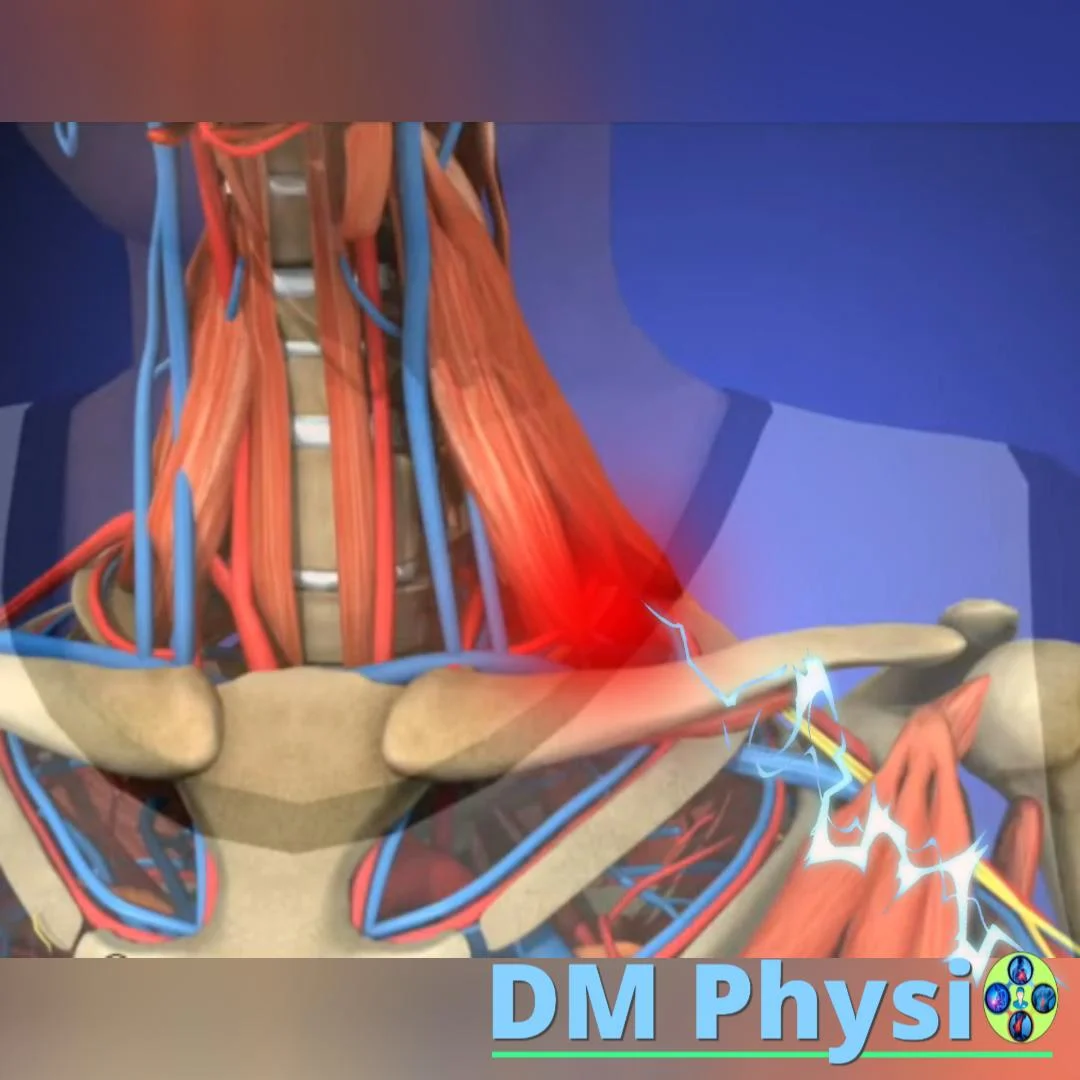
Causes and symptoms of neuralgia in the arm
Neuralgias in the hand can develop for various reasons, related to compression or irritation of the nerves. This can happen in several ways:
Muscle overload
Overuse of hand and forearm muscles can lead to strain and swelling. This puts direct pressure on nearby nerves, causing pain and other symptoms.
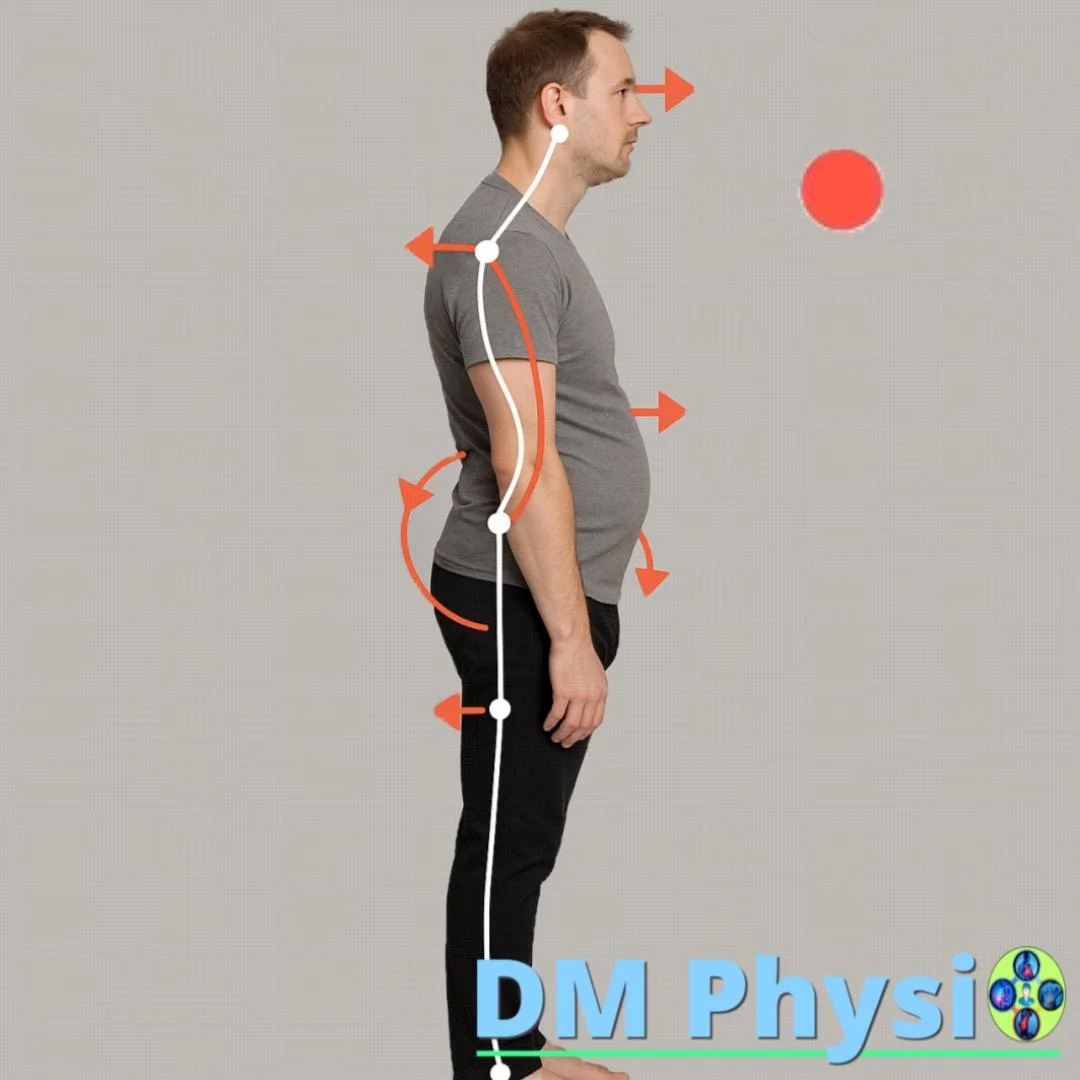
Bad posture and nervous tension
Prolonged sitting in an poor posture, especially when working at a computer, can lead to compression of the nerves in the neck and shoulder area. This can cause pain, numbness and tingling that is felt all over the hand.
Types of symptoms
Symptoms can range from tingling and burning to sharp, stabbing pain. These sensations can appear in any part of the arm, from the shoulder to the fingers, depending on which nerve is affected.
1) Nervus Medianus (Middle Nerve)
The median nerve starts from the neck area and passes through the inner side of the hand, reaching the palm. Responsible for sensation in the thumb, index and middle finger.
Symptoms:
In case of inflammation or compression, symptoms such as numbness, burning, shooting pain, weakness and loss of sensitivity are felt along the entire course of the nerve.
Most often this happens due to prolonged positions, such as sleeping on the arm or repetitive movements associated with working on a computer.
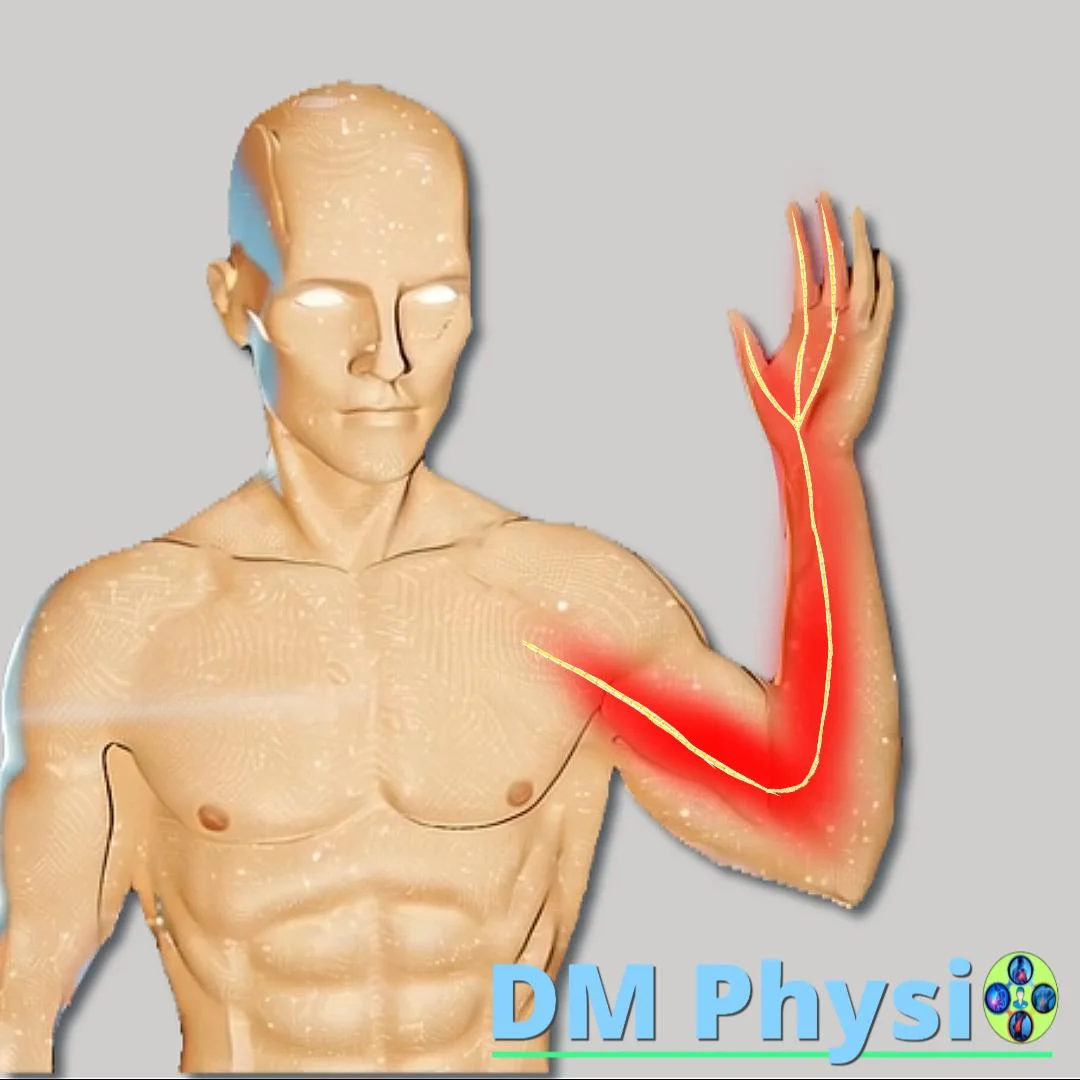
2) Nervus Ulnaris (Elbow Nerve)
This nerve starts from the nerves in the neck, runs along the inner side of the hand and reaches the little finger and the ring finger.
Symptoms:
When it is inflamed, the tingling and other symptoms are felt towards the little finger and the ring finger.
Compression can occur along the entire course of the nerve, but is most commonly seen in the middle of the forearm and the back of the arm. The usual causes are prolonged propping of the elbows while working at a desk or resting the forearm on a backrest.
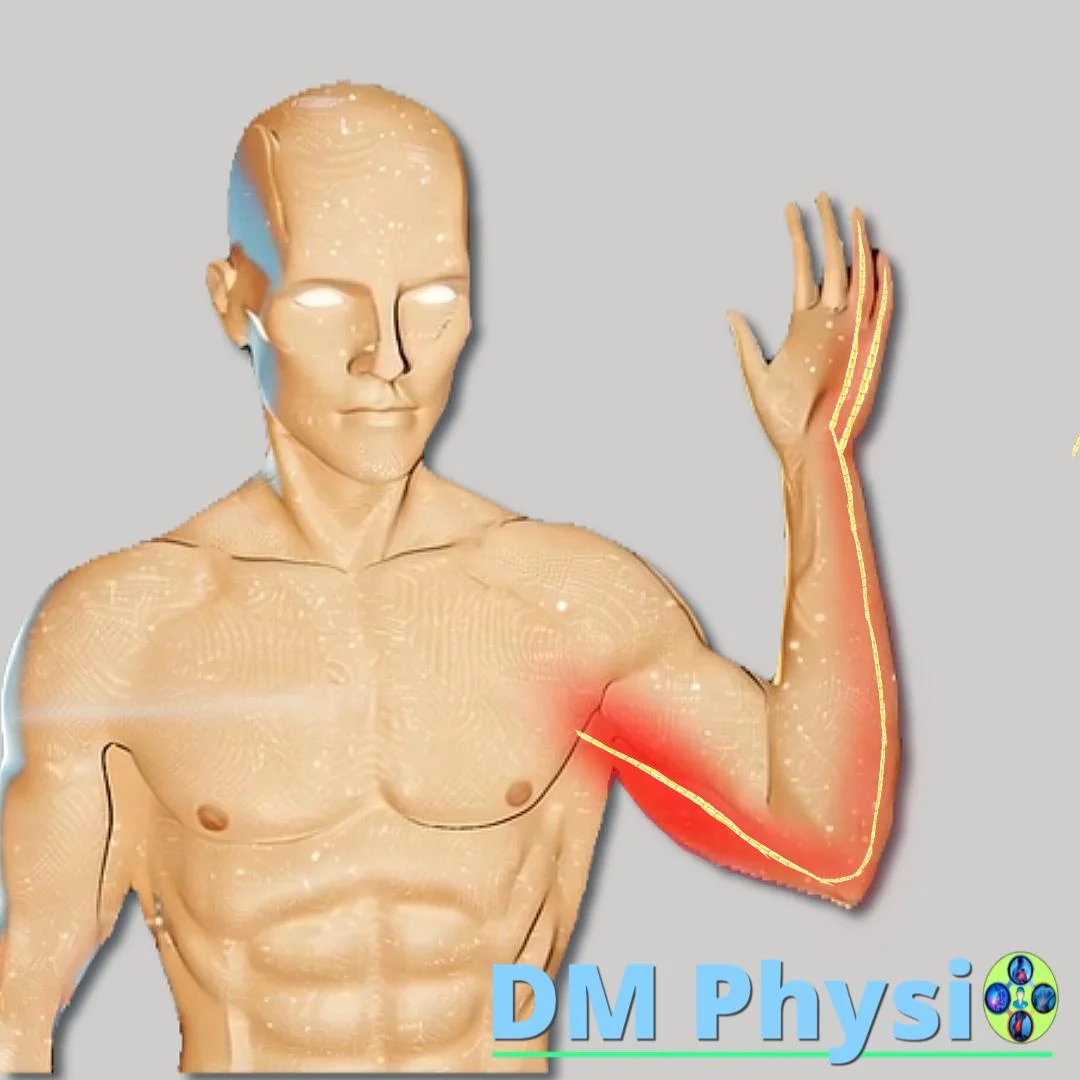
3) Nervus Radialis (Radial Nerve)
This nerve starts from the nerves in the neck, runs along the back of the arm and forearm and reaches the back of the wrist, thumb, index and middle finger.
Symptoms:
The pressure most often occurs in the back of the arm or from prolonged pressure while sleeping, working, or carrying a heavy backpack.
A characteristic sign is "hanging wrist" - inability to extend the wrist and fingers, combined with numbness and pain along the back of the hand, especially the thumb, index and middle finger.

Important! If your symptoms are severe, not improving, or you have complete loss of sensation and weakness, the nerves can still be restored with physical therapy!
The role of physiotherapy in treatment
Physiotherapy plays a key role in the conservative treatment of hand neuralgia, especially in the early and middle stages.
1. Muscle relaxation and nerve stimulation
The main goal is to relax the overloaded muscles of the forearm to reduce pressure on the nerve. We use stimulating pulses that wake up the nerve and restore its function to support nerve recovery.
2. Improving blood circulation
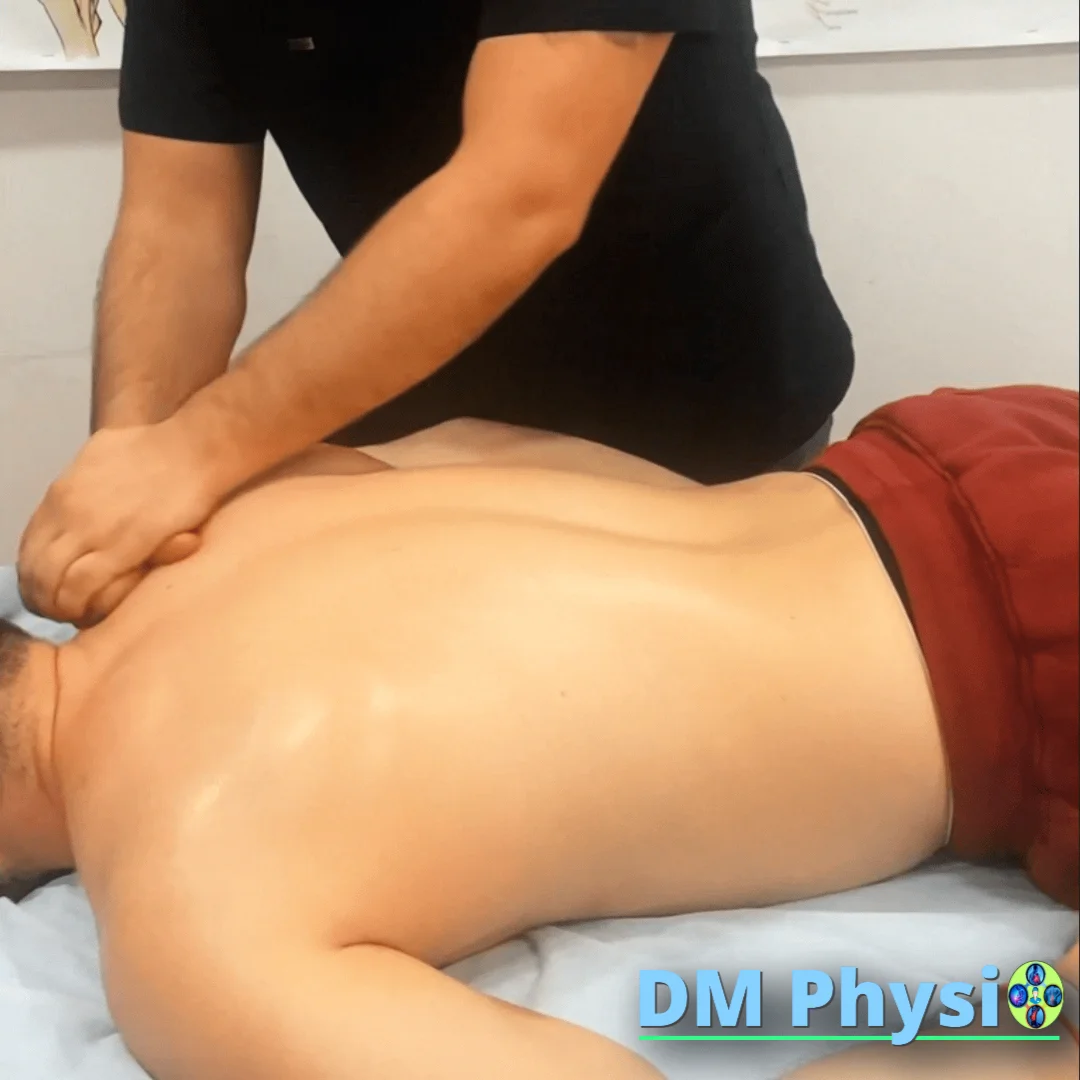
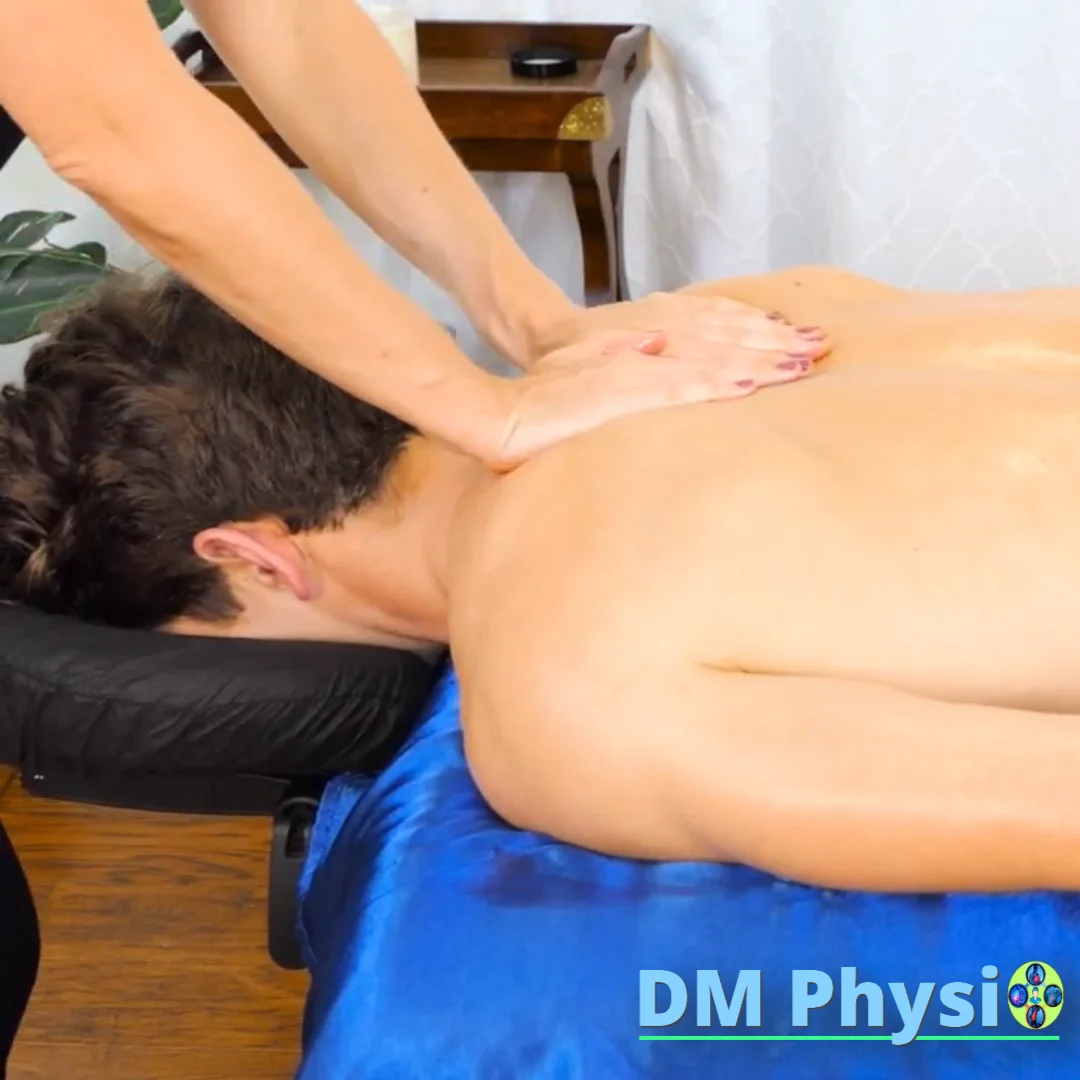
Special massage techniques and light exercises stimulate blood circulation to the affected area. The improved blood flow helps reduce swelling and inflammation, which frees up more space for the nerve in the carpal tunnel.
3. Education and prevention
We teach patients to recognize which positions and unhelpful habits strain this area and inflame the nerve. Together, we develop strategies to change these habits to prevent re-inflammation and provide long-term relief.