Abdominal hernia
Learn what an abdominal hernia is, how symptoms may appear, which warning signs matter, and when physiotherapy can support safer movement.
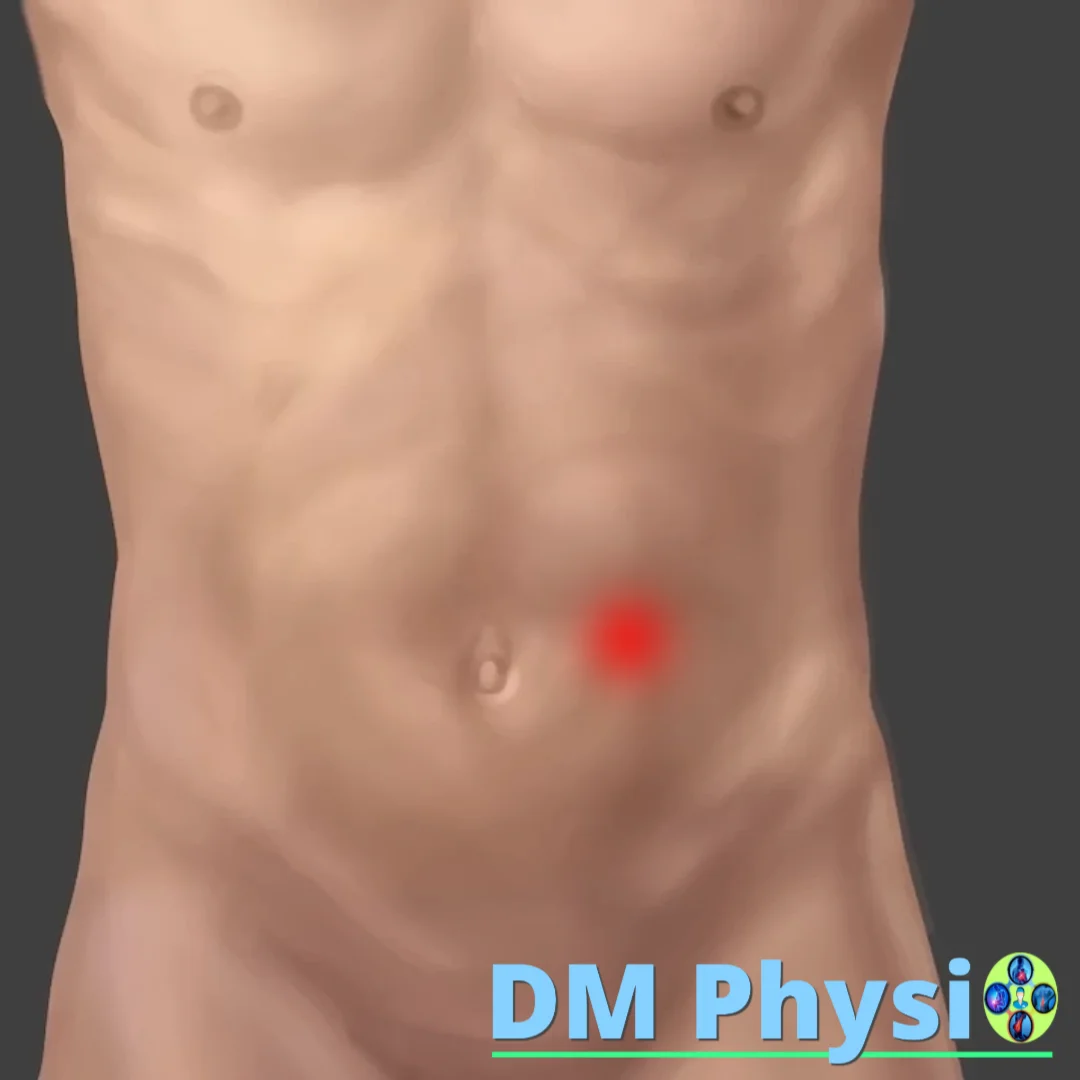
What is an abdominal hernia?
An abdominal hernia is a protrusion of tissue or an organ through a weakened area in the abdominal wall. The most common are umbilical, inguinal, postoperative and femoral hernias. Appears with swelling, heaviness or pain, which are aggravated by coughing, straining or heavy lifting. The main reason for the appearance of a hernia is the weakness of the abdominal wall. When it does not provide sufficient stability, even everyday loads can lead to its formation.
Risk factors: heavy lifting, chronic cough or constipation, pregnancy, overweight, post-operative scars and traumas that further weaken the abdominal wall.
How does an abdominal hernia develop?
A hernia occurs when a weakened abdominal wall encounters increased intra-abdominal pressure.
Abdominal wall weakening
Congenital or acquired weakness of fascia and connective tissue reduces their ability to counteract internal pressure. Reasons: hereditary collagen weakness, pregnancy, rapid weight change, age, scars after surgery, microtraumas.
Increased intra-abdominal pressure (provoking factor)
Episodes like coughing, straining with constipation, heavy lifting, sneezing, laughing, sudden movements or trauma they sharply increase the pressure and "push" the tissue through the weak zone. The more frequent and stronger the load, the greater the risk.
Prominence and symptoms (clinical presentation)
Appears bulge, a feeling of heaviness, pulling and/or pain that increases with exertion and subsides at rest. At first, the bulge is often reducible (goes home lying down), but with time it can be done irreducible and get complicated.
Urgent! Hardened, very painful, red/warm lump accompanied by nausea/vomiting, bloating or inability to retract points to entrapment (incarceration) or compression of the blood supply (strangulation). Don't delay - see a surgeon immediately.
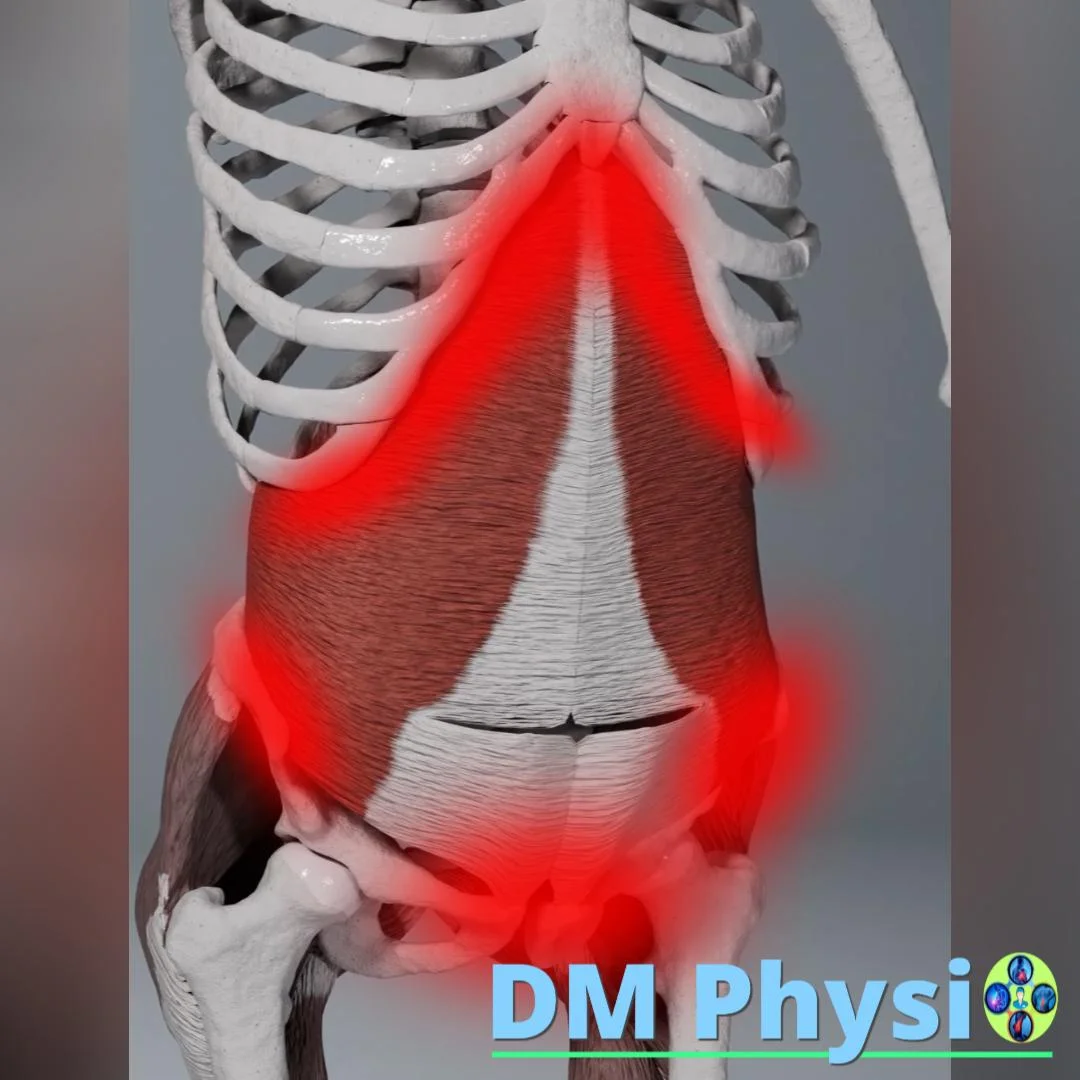
1) Transverse abdominal muscle (Transversus Abdominis)
This is the deepest abdominal muscle. It works like a natural support belt, supporting the internal organs. Its weakness leads to reduced intra-abdominal stability and increased risk of hernia.
2) Obliques
The external and internal oblique abdominal muscles are located on the sides of the abdomen. They help rotate the torso and stabilize the abdominal wall. Their weakening makes the abdominal wall more vulnerable to herniation.
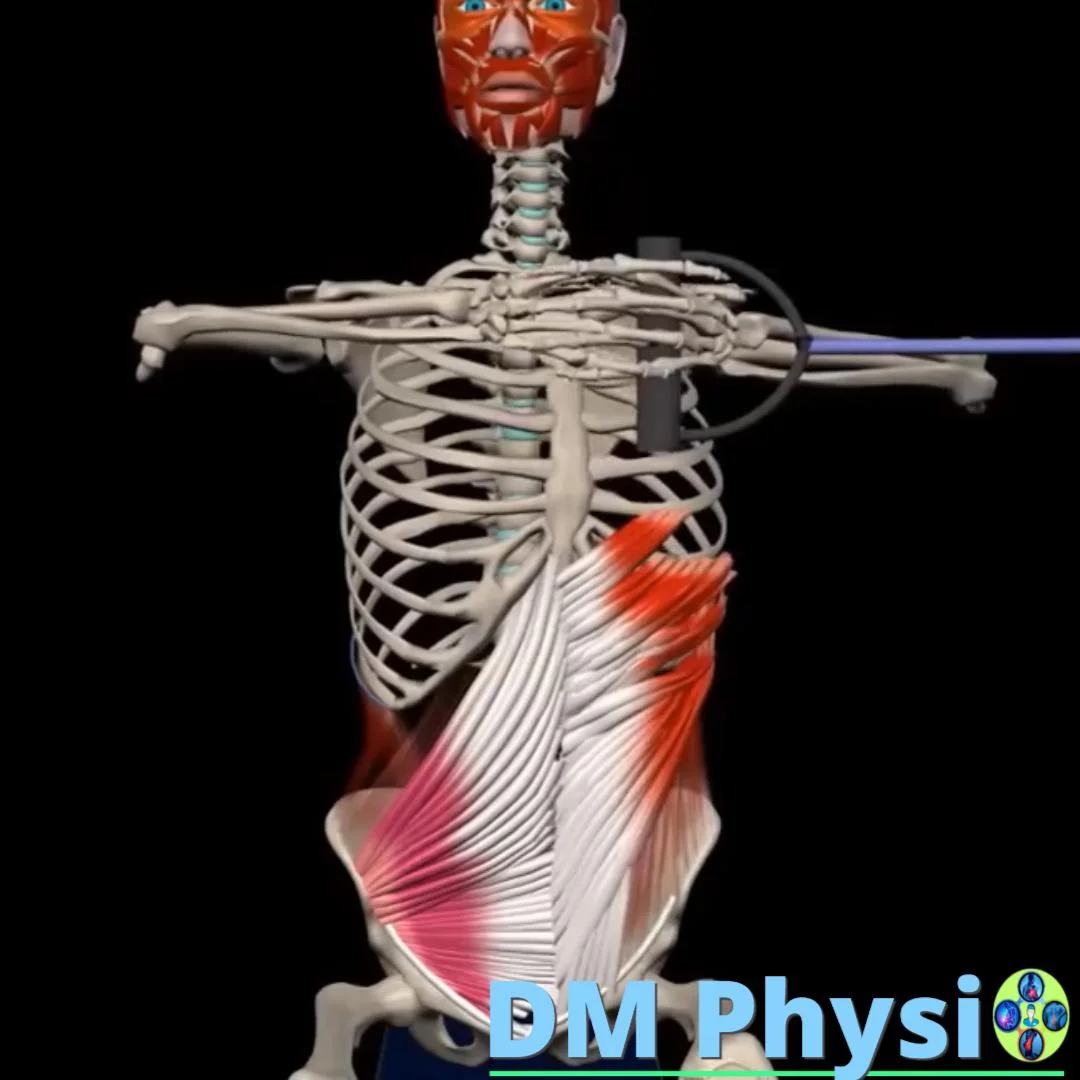
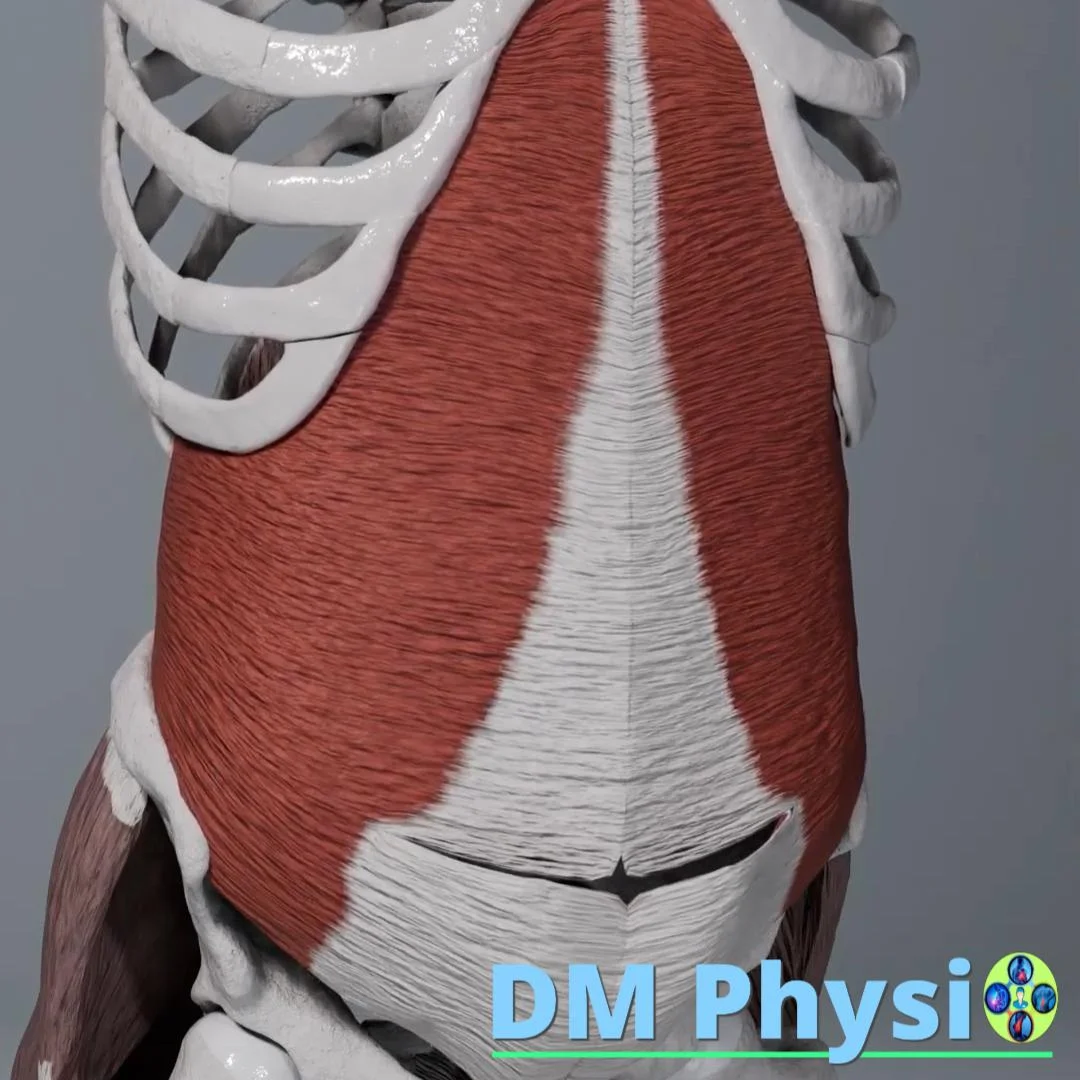
3) Rectus Abdominis
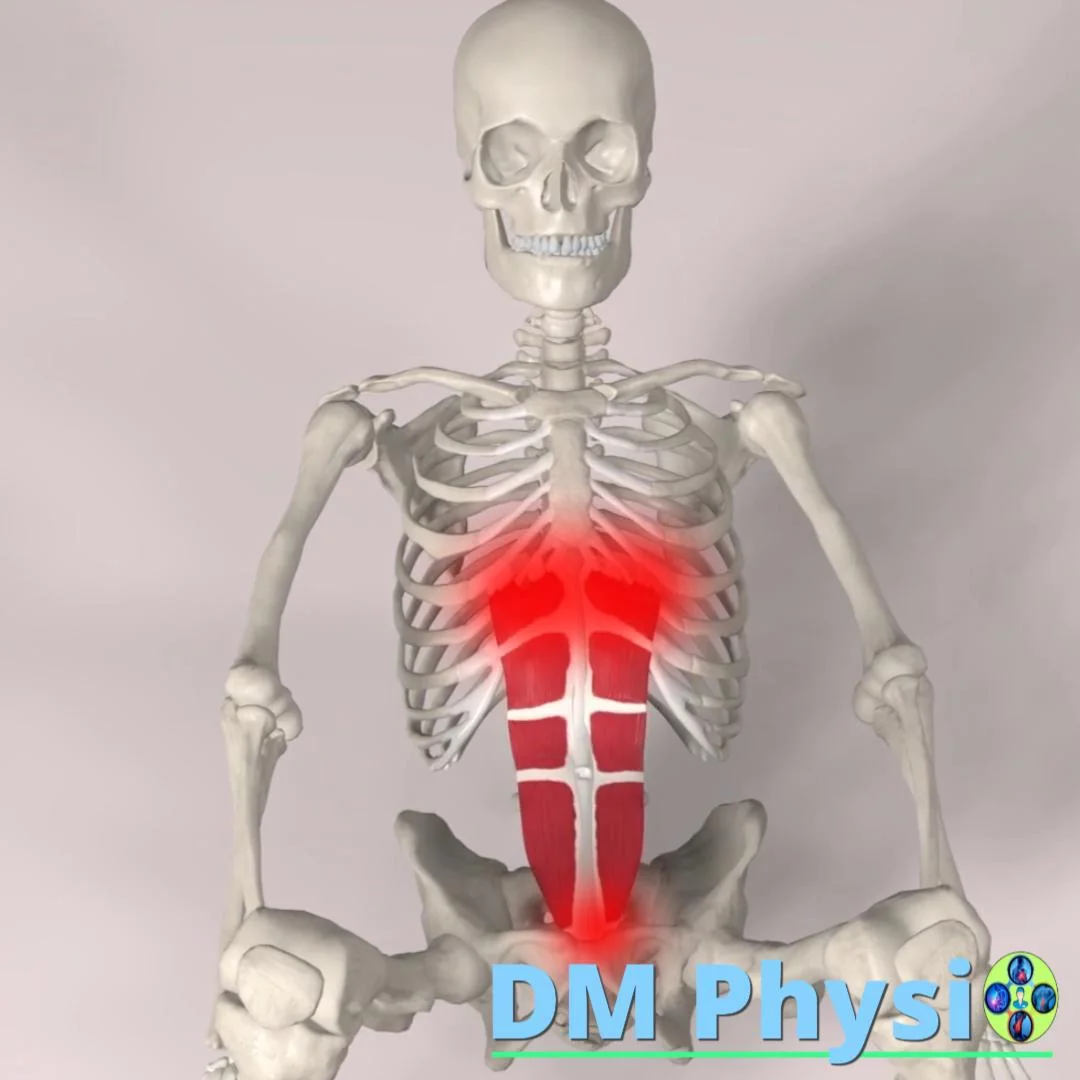
Popularly known as the "abdominal plates", this muscle runs vertically along the front of the abdomen. Weakness in its connective tissue, especially along the midline (linea alba), is a common prerequisite for umbilical and postoperative hernia.
How does physical therapy help?
The goal is to reduce stress on the abdominal wall, strengthen deep stabilization, and optimize breathing and posture. In the case of indications for surgery – we prepare the tissues before the intervention and support the recovery afterwards.
1. Exercise and pain control
We teach safe movement, proper lifting and activity without excessive intra-abdominal pressure. If necessary, we use soft fascial techniques to reduce tension.
2. Breathing and deep stabilization
We train diaphragmatic breathing and activation of m. transversus abdominis, pelvic floor and multifidus - the key to internal stability and lower stress on the abdominal wall.
3. Progressive strengthening
Customized exercises (low to moderate intensity) for abdomen, pelvis and thighs. Focus on technique, without straining and holding the breath.
Important: The only definitive treatment for an abdominal hernia is surgery. Physiotherapy does not close the hernia defect, but it can help reduce symptoms, support recovery and limit the risk of relapse. If a complication is suspected, consult a surgeon.