Occipital headache / pain at the back of the head
Find out why it occurs and how to safely manage it.
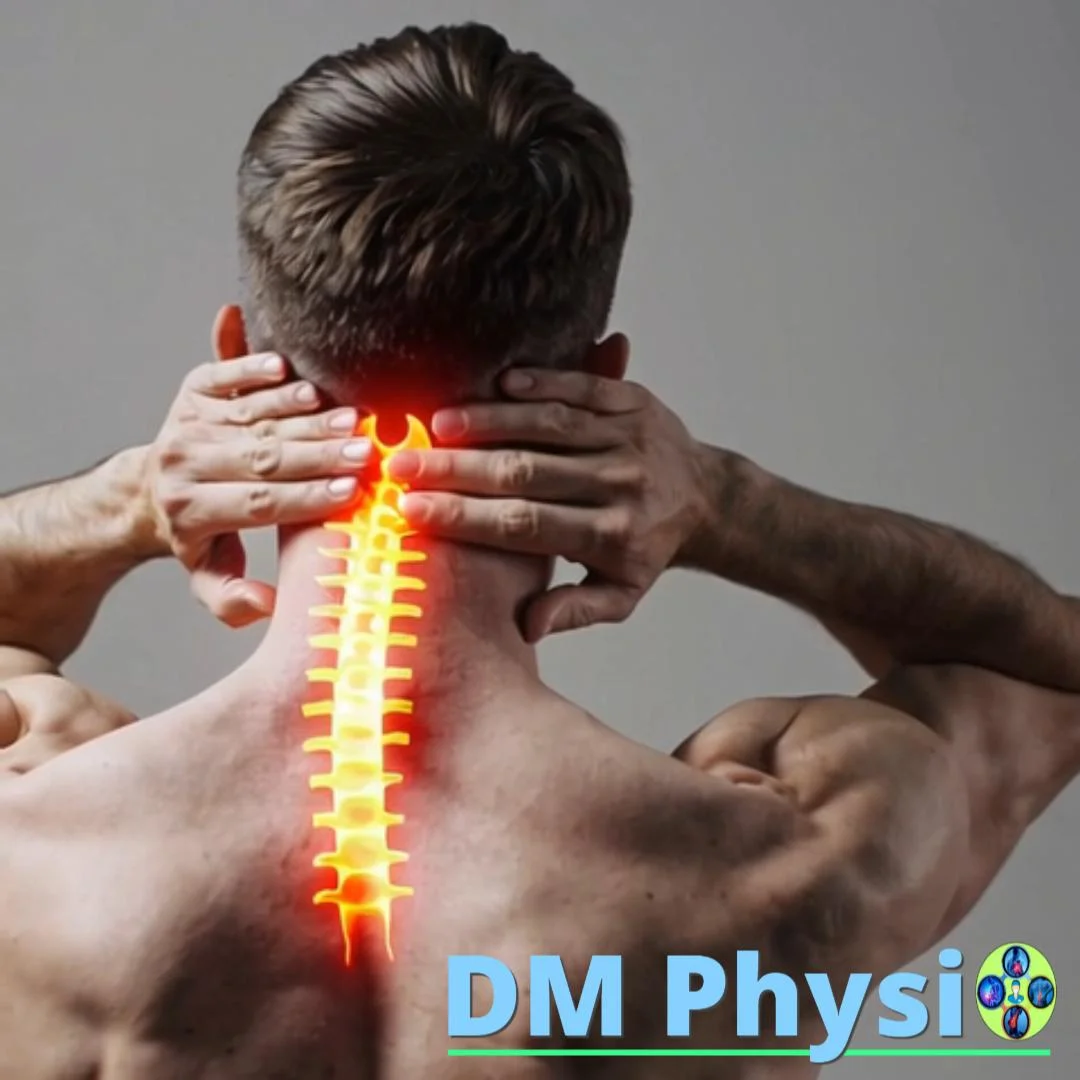
Why does the back of my head hurt?
The most common "muscle culprits" are suboccipital muscles, the upper part of m. trapezius, m. levator scapulae, m. splenius capitis/cervicis, as well as sometimes SCM. When you overstressed from stress, long static postures and poor posture, they compress microcirculation, metabolites accumulate and painful trigger points are activated. The body interprets this as a pressure/pulsation in the back of the head, often radiating to the temples, behind the eyes, or as a "band" around the head.
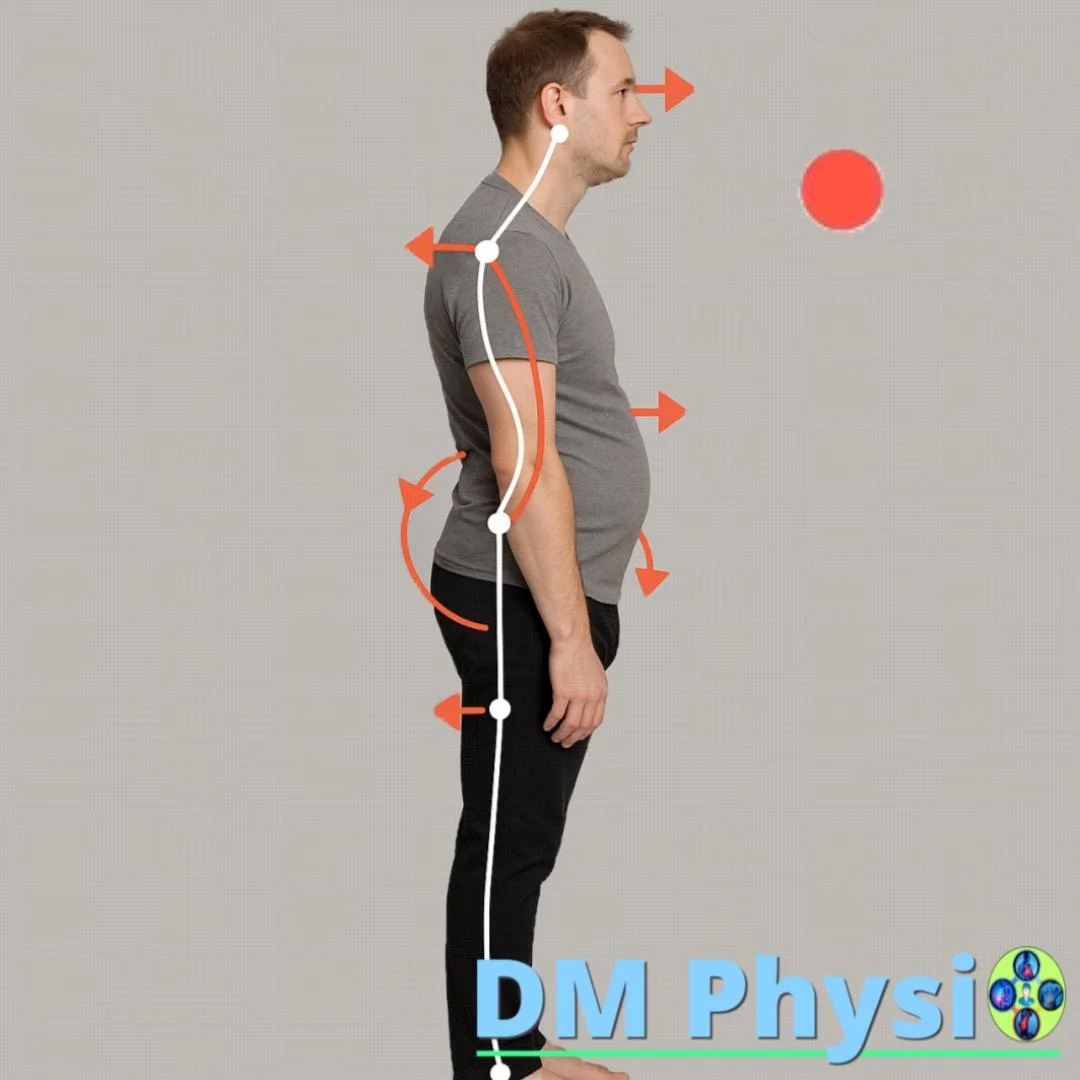
"Advanced head" in front of the screen and tight shoulders increase the load on the neck and suboccipital muscles many times.

How and why does inflammation occur?
Three simple steps that explain the cycle of pain.
Sustained tension
Stress and long static positions → overstrain of neck and suboccipital muscles.
Impaired circulation
Compression of microvessels → less oxygen/nutrients → accumulation of metabolites and hypersensitivity.
Inflammation and pain
Activation of trigger points and spasm → pain in the back of the head, radiating to the temples and behind the eyes, a "ribbon" around the head.
Which muscles most often give pain in the back of the head?
m. trapezius (upper part)
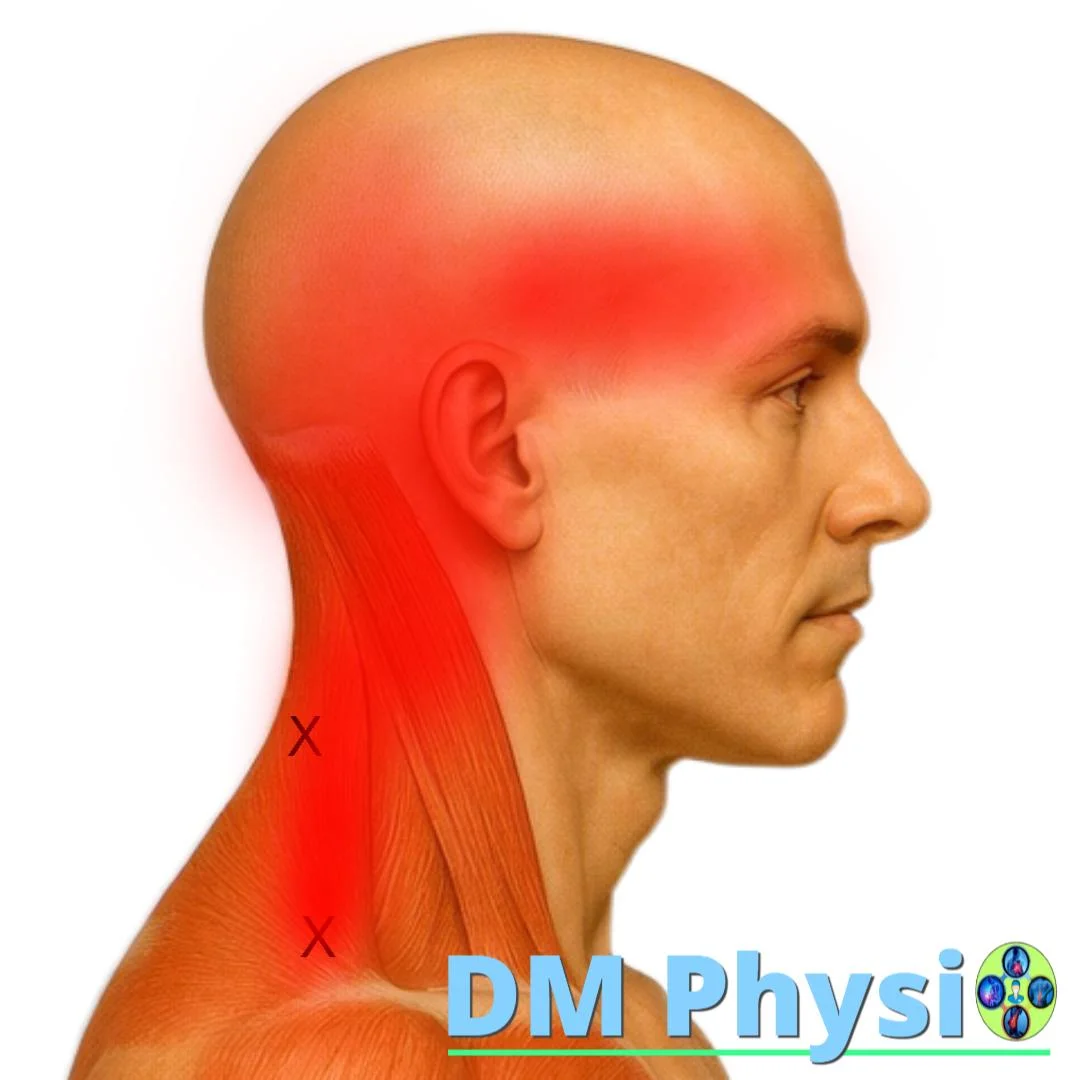
Anatomy and grip
It starts from occipital bone and cervical vertebrae; attaches for the acromion and the clavicle.
Nature of the pain
- Dull, radiating pain in the back of the head and upper neck
- Irradiation to temples and forehead
- Decreased head mobility
m. levator scapulae
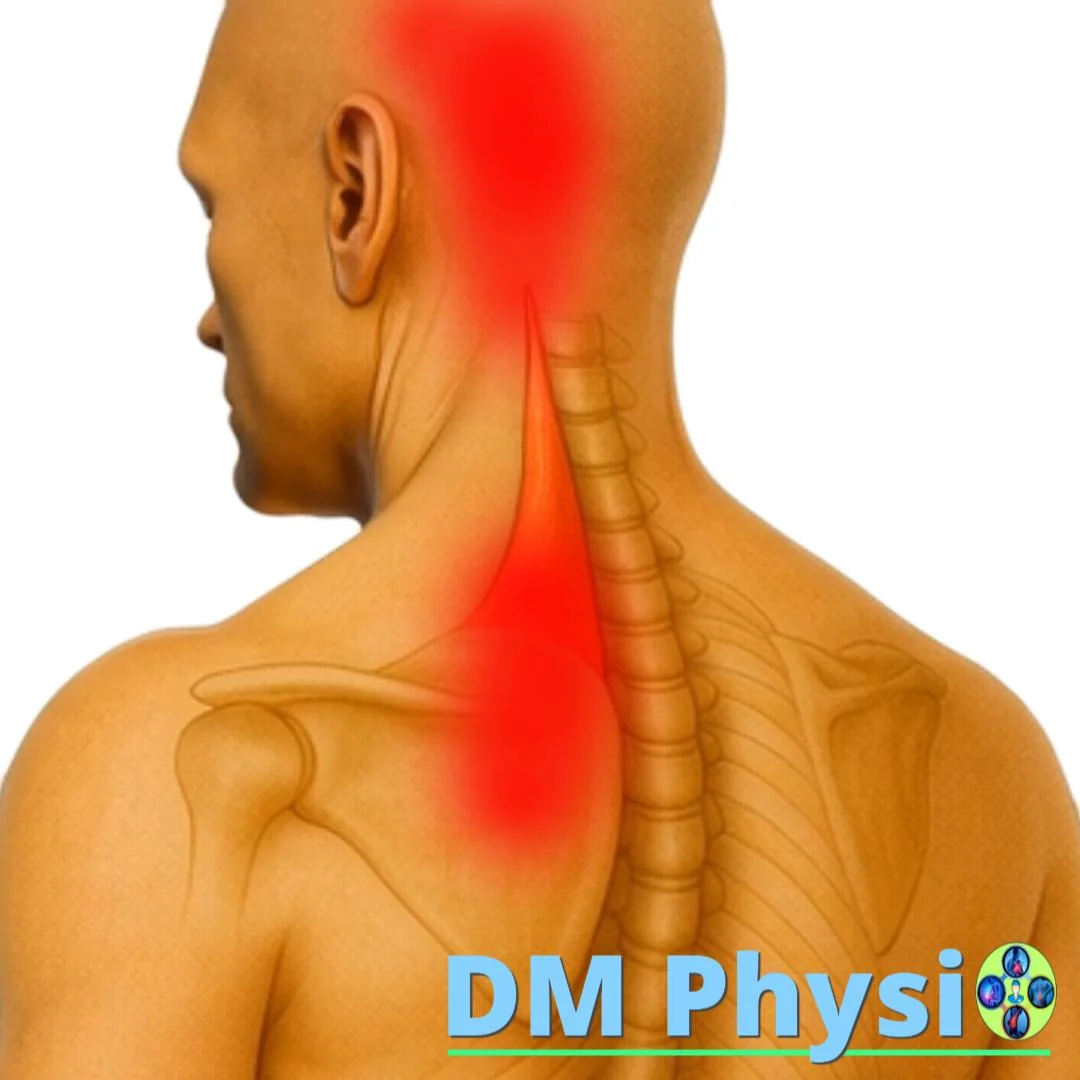
Anatomy and grip
From C1–C4 transverse processes to upper medial edge of the scapula.
Nature of the pain
- Sharp pain in neck and nape, especially when moving
- "Stiff neck", disturbed sleep when turning
m. splenius capitis & cervicis
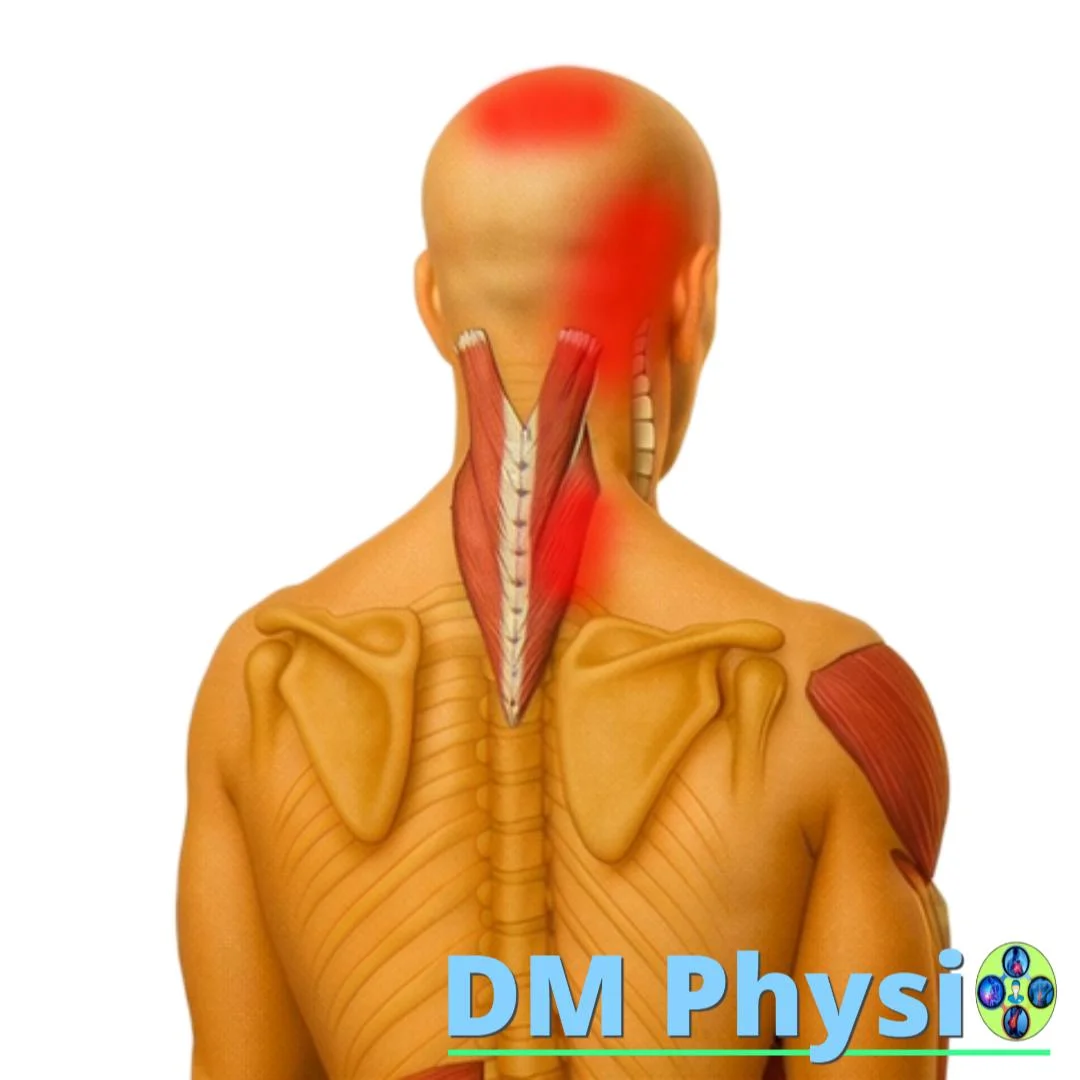
Anatomy and grip
Deep below the trapezius; capitis grasps at mastoid process/occipital bone, cervicis – for upper cervical vertebrae.
Nature of the pain
- Stabbing pain in upper neck/occiput
- Irradiation to temples and behind the eyes
(SCM) m. sternocleidomastoideus
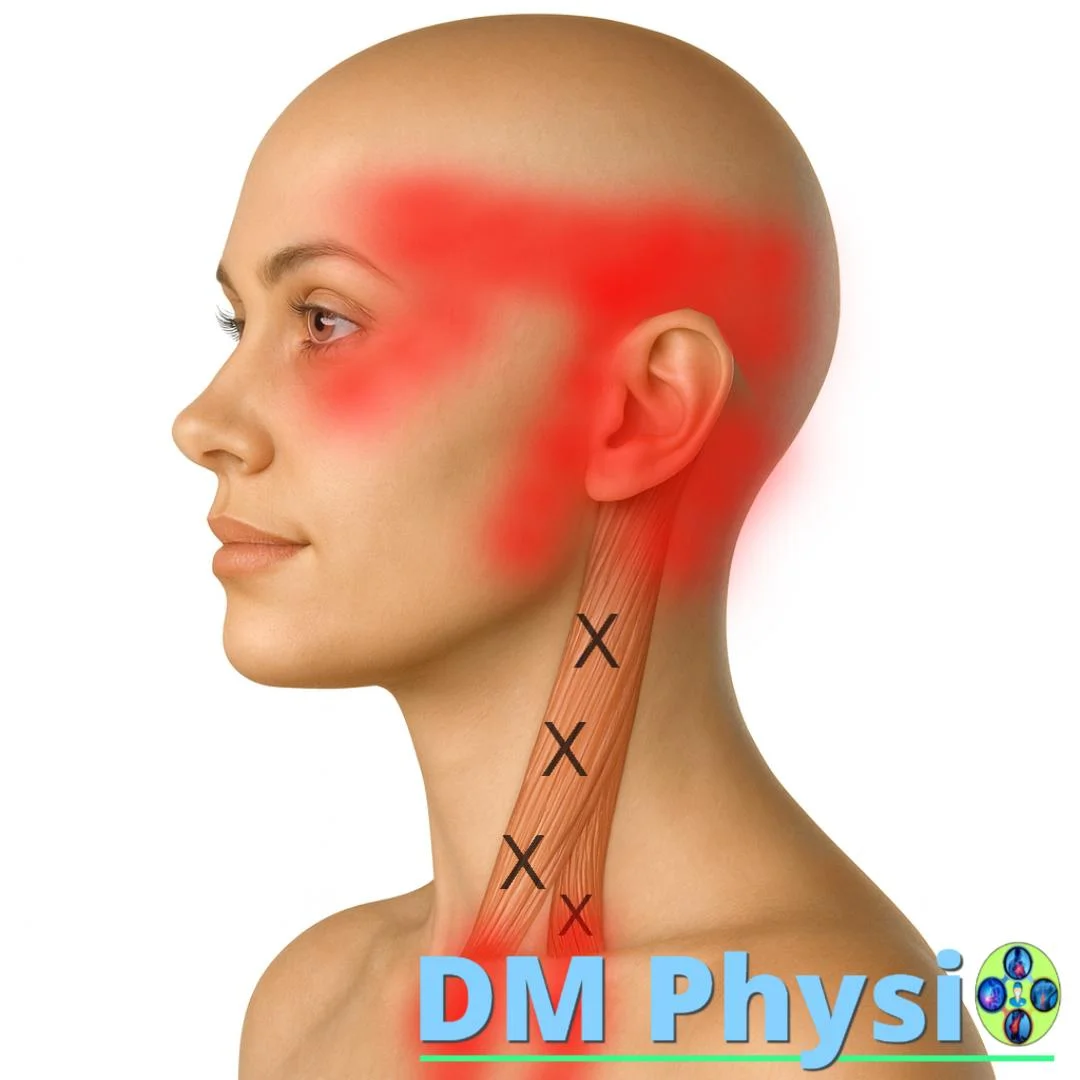
Anatomy and grip
From clavicle and manubrium to the mastoid process.
Nature of the pain
- Pain in the back of the skull, sometimes to temples/forehead
- Possible dizziness/discomfort approx the eye/ear
m. suboccipitales
(mm. rectus capitis, mm. obliquus capitis)
Anatomy and grip
Small, deep muscles in the base of the skull, with seizures on the occipital bones and upper cervical vertebrae.
Nature of the pain
- "Stabbing" in the base of the skull with broadcast to temples/eyes
- Stiffness and tension in the neck; "band" around the head
How is neck pain managed?
A combination of relaxation, rebalancing and habits for long term effect.
1) Deactivation of spasm and trigger points
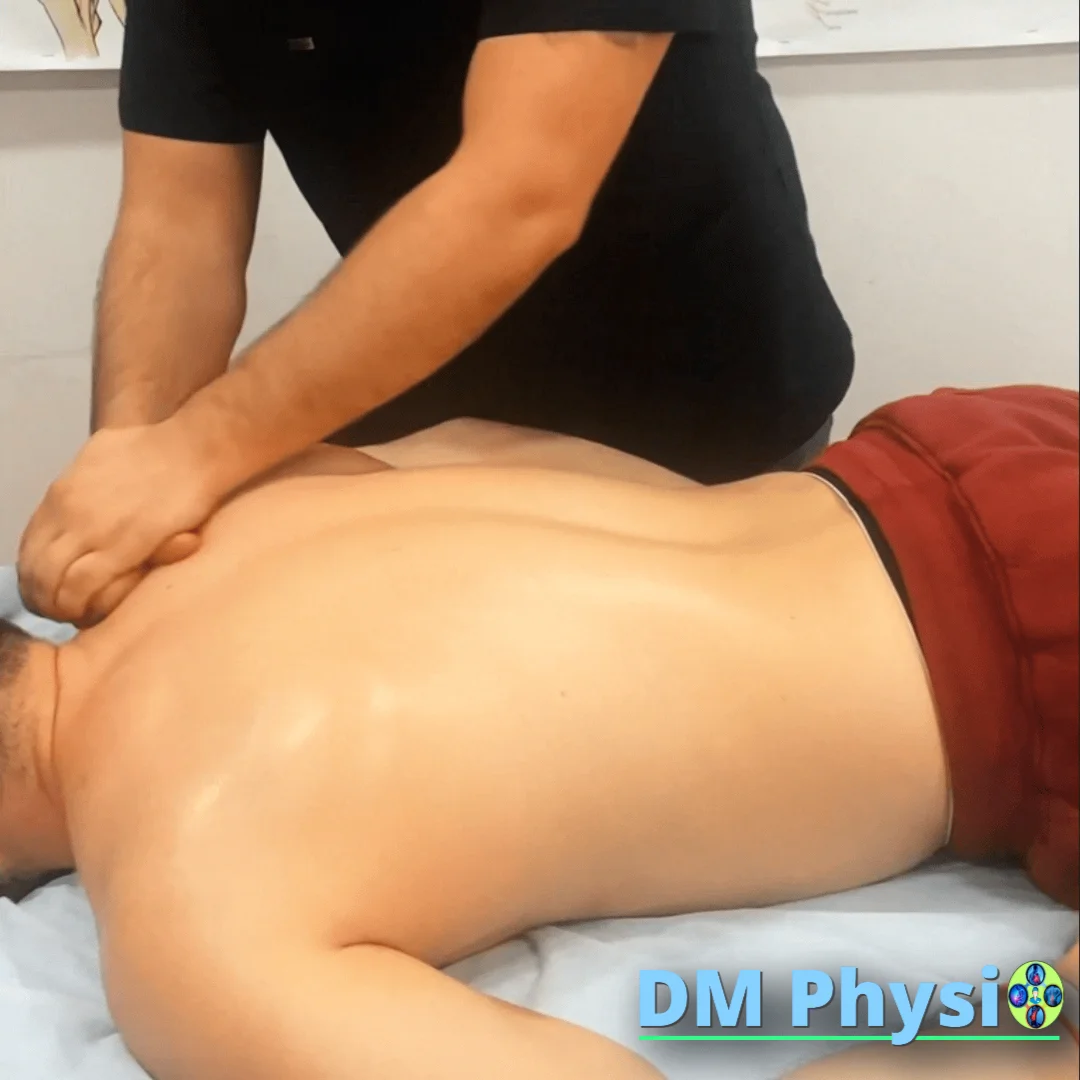
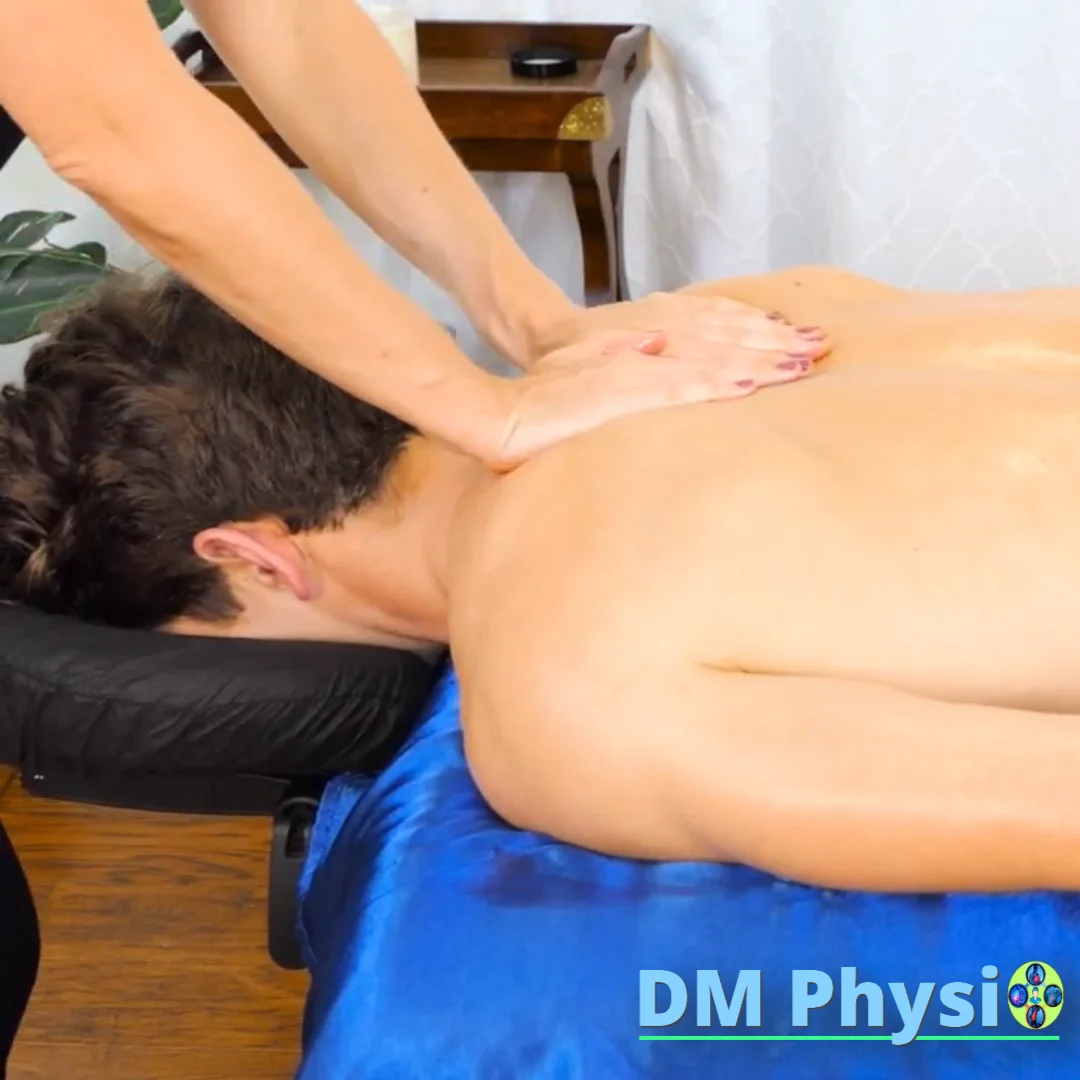
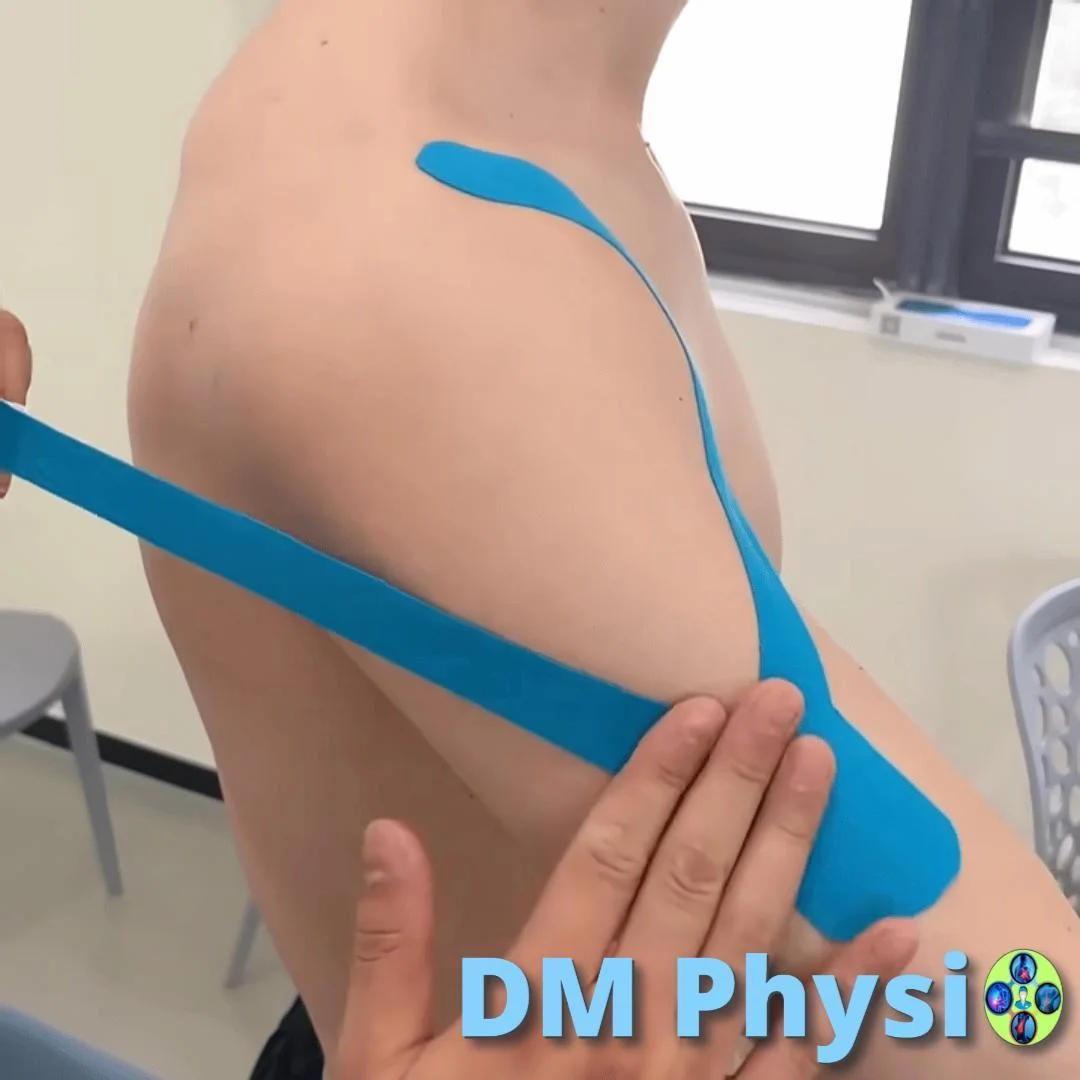
Manual techniques for suboccipital, trapezius, levator scapulae, splenius and if necessary - dry needling for a quick analgesic effect.
2) Rebalancing and stabilization
Activation of deep neck flexors, blade stabilizers, chest mobility; control of head/neck position in everyday life.
3) Habits and prevention
Ergonomics (screen at eye level, forearm support), micro-breaks in 30–45 min, breathing and relaxation techniques, back/side sleep with neutral neck.