Gonarthrosis (arthrosis of the knee)
Even when the knee joint is irritated or arthritic, symptoms can often be influenced by how the thigh, hip and calf muscles share load during walking and standing.

What is gonarthrosis?
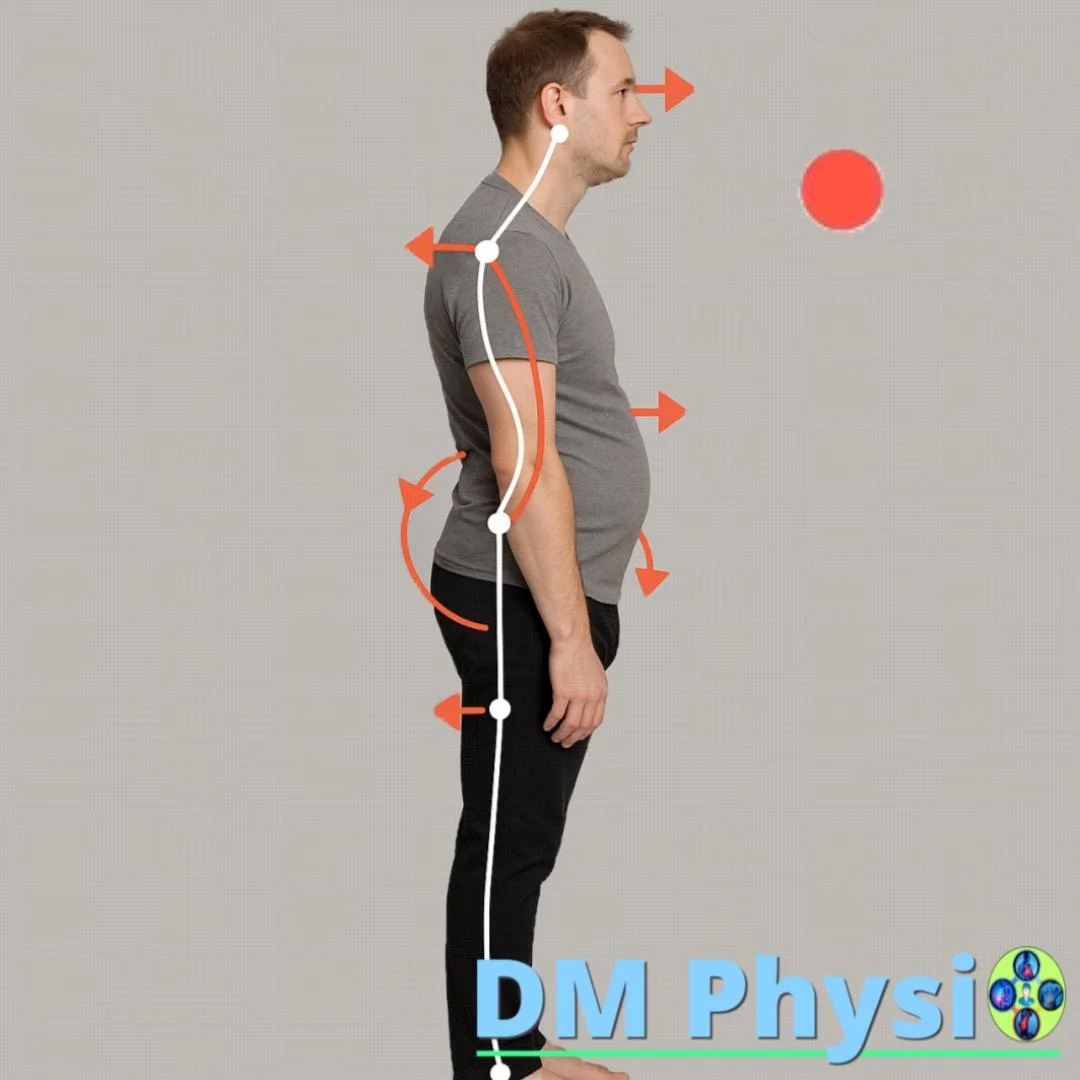
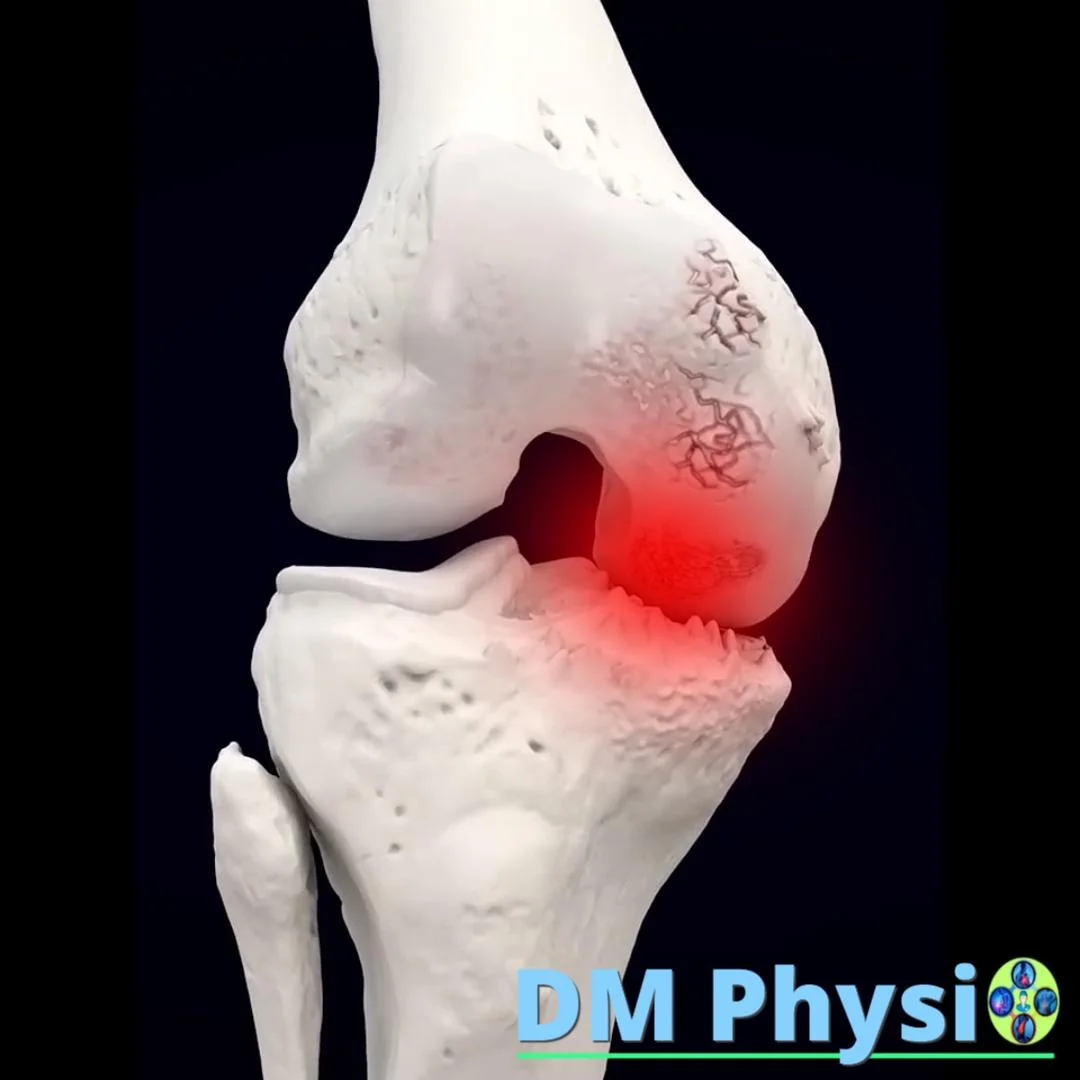
Gonarthrosis is a degenerative condition of the knee joint. In most cases the problem does not start directly from the cartilage, but from the way we stress the knee every day. Poor gait control, walking and standing with "locked" (fully extended) knee and muscle imbalance change the distribution of weight and increase the pressure on the joint.
The most common "hidden" reason is the weakness of the muscles of the back of the thigh, calf and buttock. When they don't work well, the knee locks up and can't cushion the step. As a result, the weight is taken directly by the articular cartilage and menisci. Over time, this leads to wear and tear and pain.
Typical symptoms: pain around cap, pain on the inside of the knee, morning stiffness, pain when going down stairs, first steps after sitting, clicking or "rubbing" feeling. Risk factors: prolonged sitting, weak hamstrings, calf and glutes, poor gait control, overweight, previous injuries.
Why the knee wears out and which muscles are key
Joint stress can increase when weight is distributed poorly: walking and standing with straight knee, lack of soft flexion and poor hip and thigh muscle control.
Gluteal muscles - control of the knee line
When lateral gluteal muscles (gluteus medius and minimus) are weak, the thigh "lets" the knee inward. This shifts the kneecap tracking, increasing pressure on the front of the knee and overloading the inside of the joint. It is most often felt at going down stairs, squatting or standing on one leg.
Hamstrings and locked knee - impact load
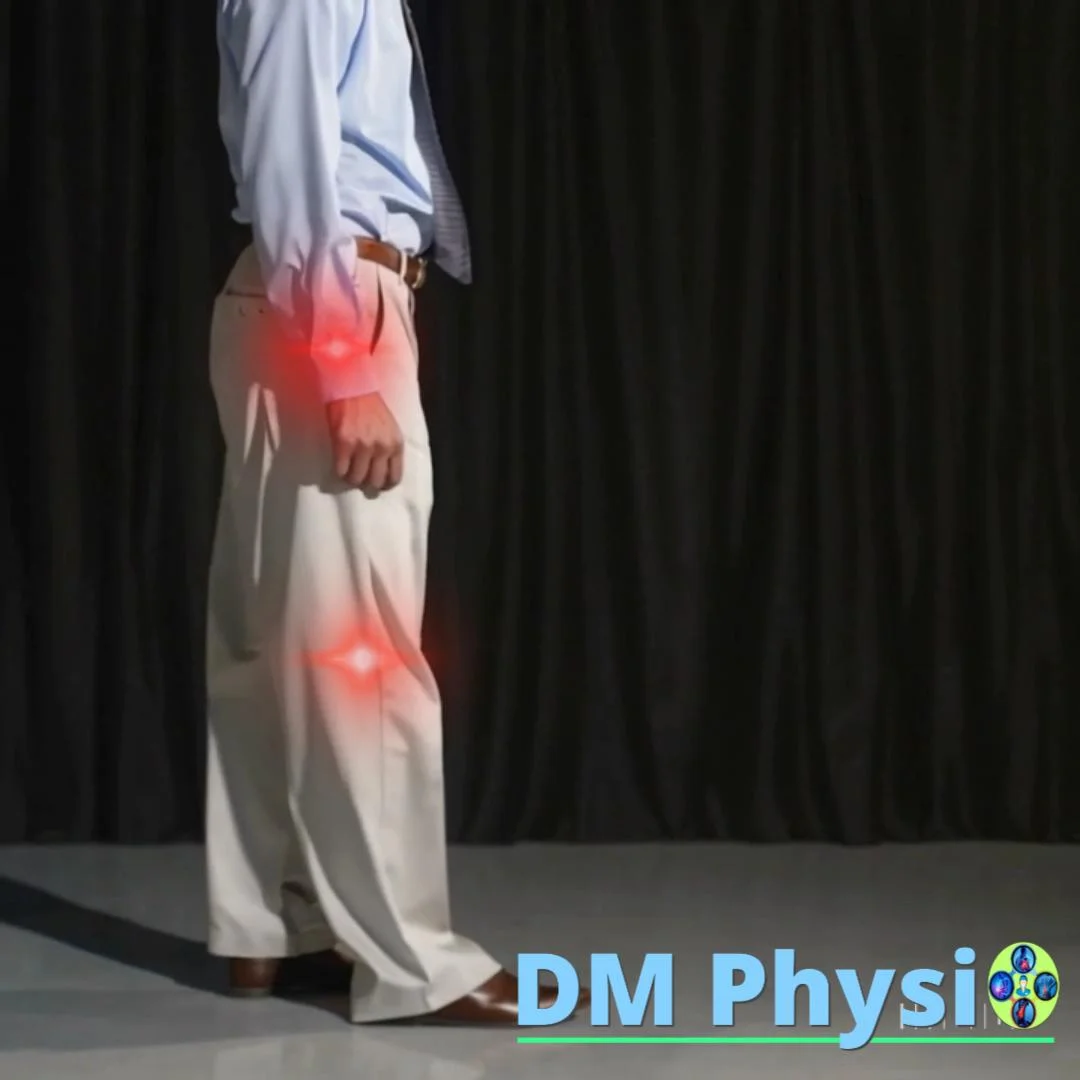
Weak hamstrings unable to support slight knee flexion when walking and standing. Thus, the knee often locks completely and loses its "cushioning" function. Each step becomes more impactful and the cartilage and menisci take the direct pressure.
Calf muscles - lack of thrust and stabilization
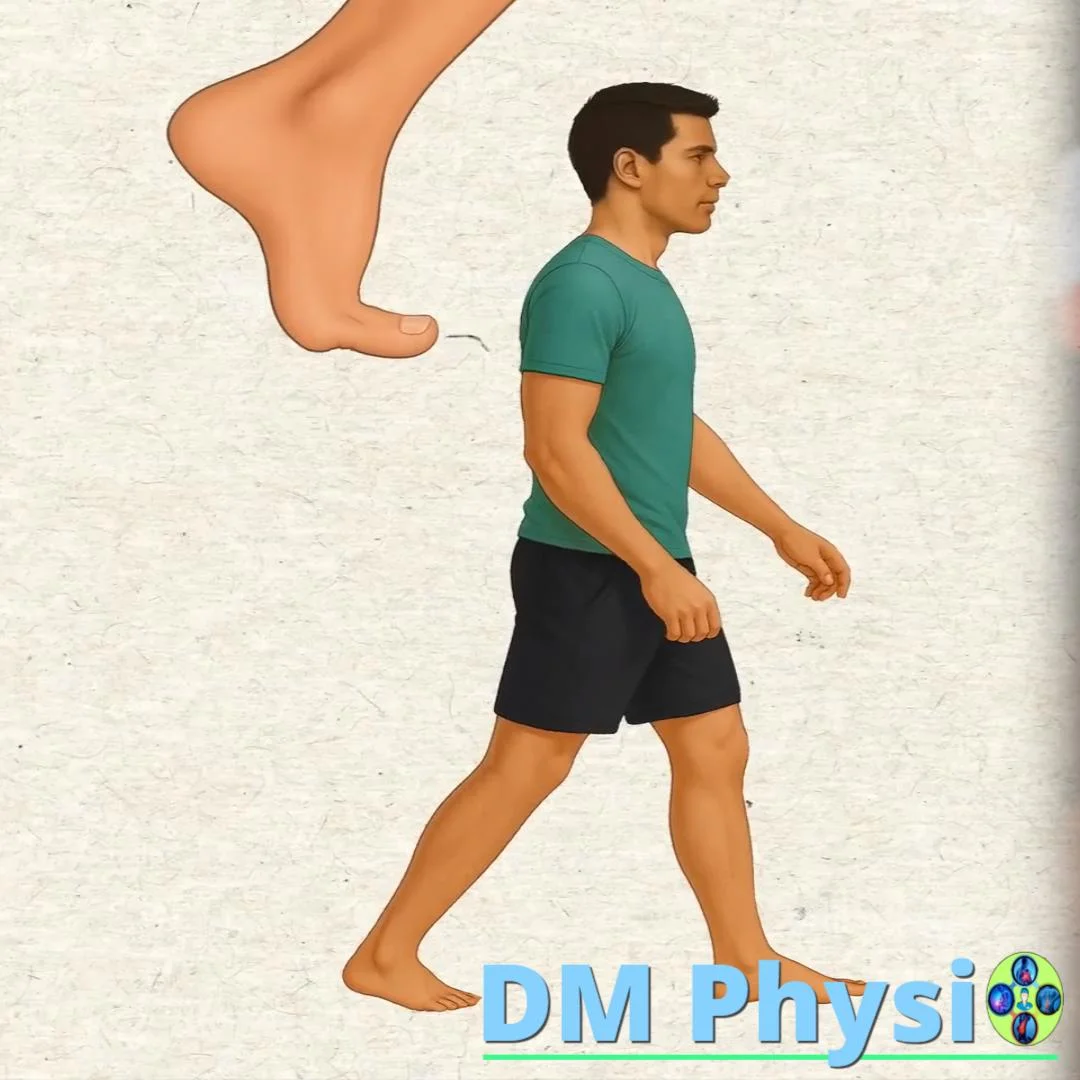
When the calf is weak, the leg cannot provide enough push-off and stabilization at the ankle is reduced. The weight remains on the knee, the gait becomes stiff and jerky. This combined with weak hamstrings and glutes creates a vicious cycle of overload.
Important: To protect your knee from additional stress, avoid prolonged sitting with bent legs, squatting sharply and carrying weights with only one arm. Small changes in daily habits often add up to big results to reduce pain and slow down wear and tear.
1) Gluteal muscles – control of the knee line
When lateral gluteal muscles (gluteus medius and minimus) are weak, the thigh "lets" the knee inward. This shifts the kneecap tracking, increasing pressure on the front of the knee and overloading the inside of the joint. It is most often felt at going down stairs, squatting or standing on one leg.
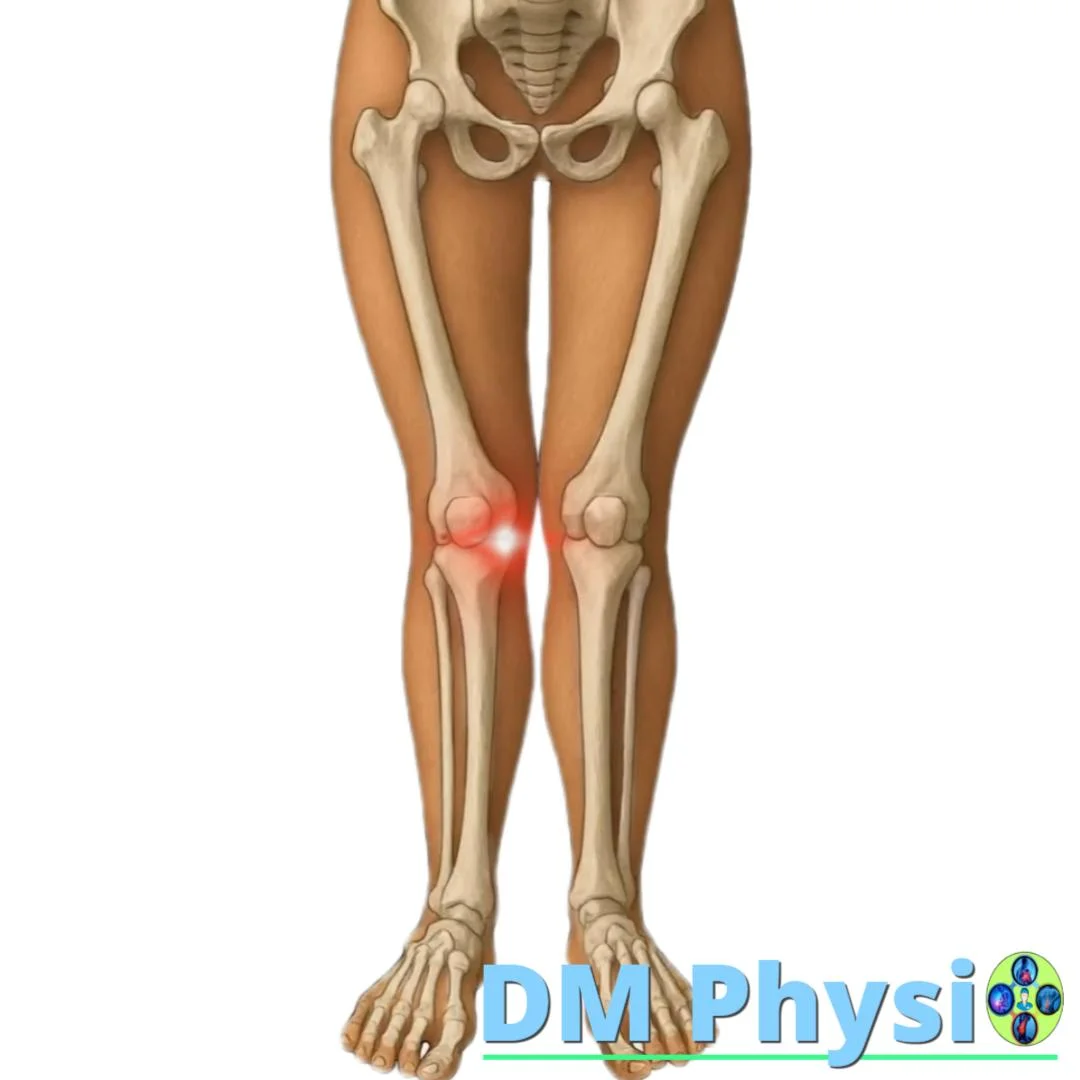
2) Muscles of the posterior thigh and locked knee - impact load
Weak hamstrings unable to support slight knee flexion when walking and standing. Thus, the knee often locks completely and loses its "cushioning" function. Each step becomes more impactful and the cartilage and menisci take the direct pressure.
3) Calf muscles - lack of thrust and stabilization
When the calf is weak, the leg cannot provide enough push-off and stabilization at the ankle is reduced. The weight remains on the knee, the gait becomes stiff and jerky. This combined with weak hamstrings and glutes creates a vicious cycle of overload.
How does physiotherapy help with gonarthrosis?
The goal is to recover muscle balance, to teach the knee to work "softly" (with physiological flexion) and to reduce excess compression by proper weight distribution.
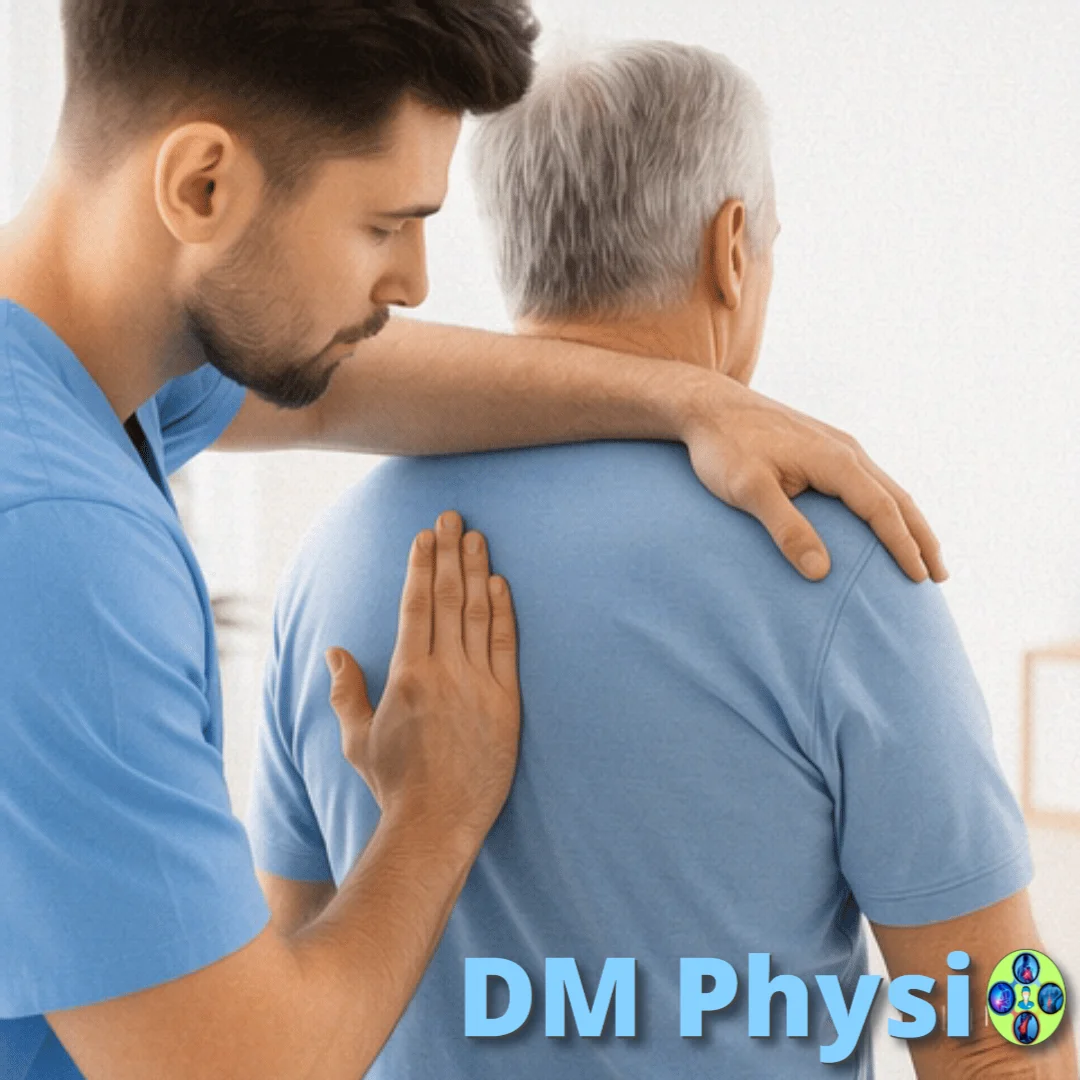
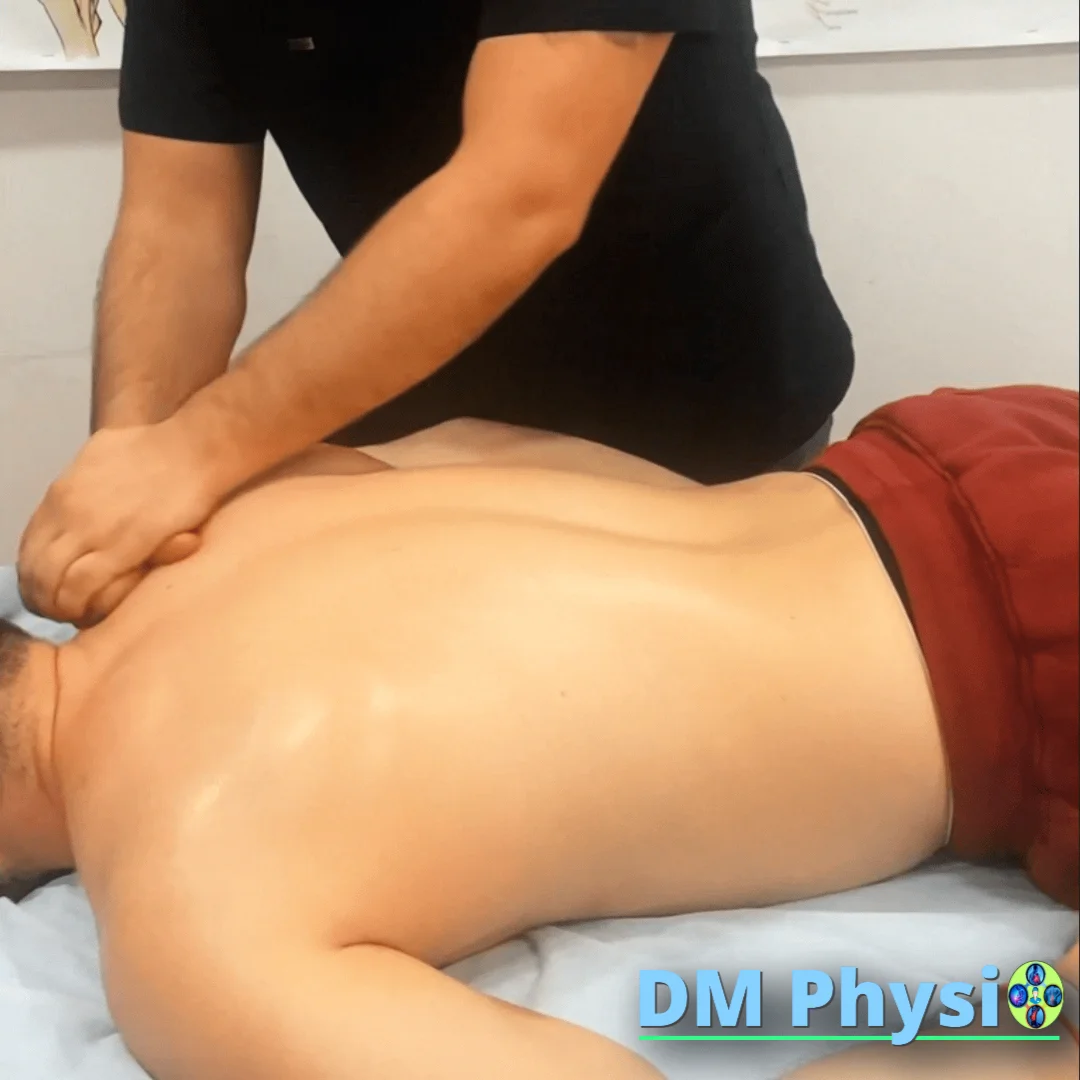
1. Identification and manual release
We assess which muscles create an imbalance: usually weak hamstrings, calf and glutes, and tense and shortened - quadriceps, iliotibial tract and hip flexors. Through manual techniques and therapeutic massage we reduce tension and pain.
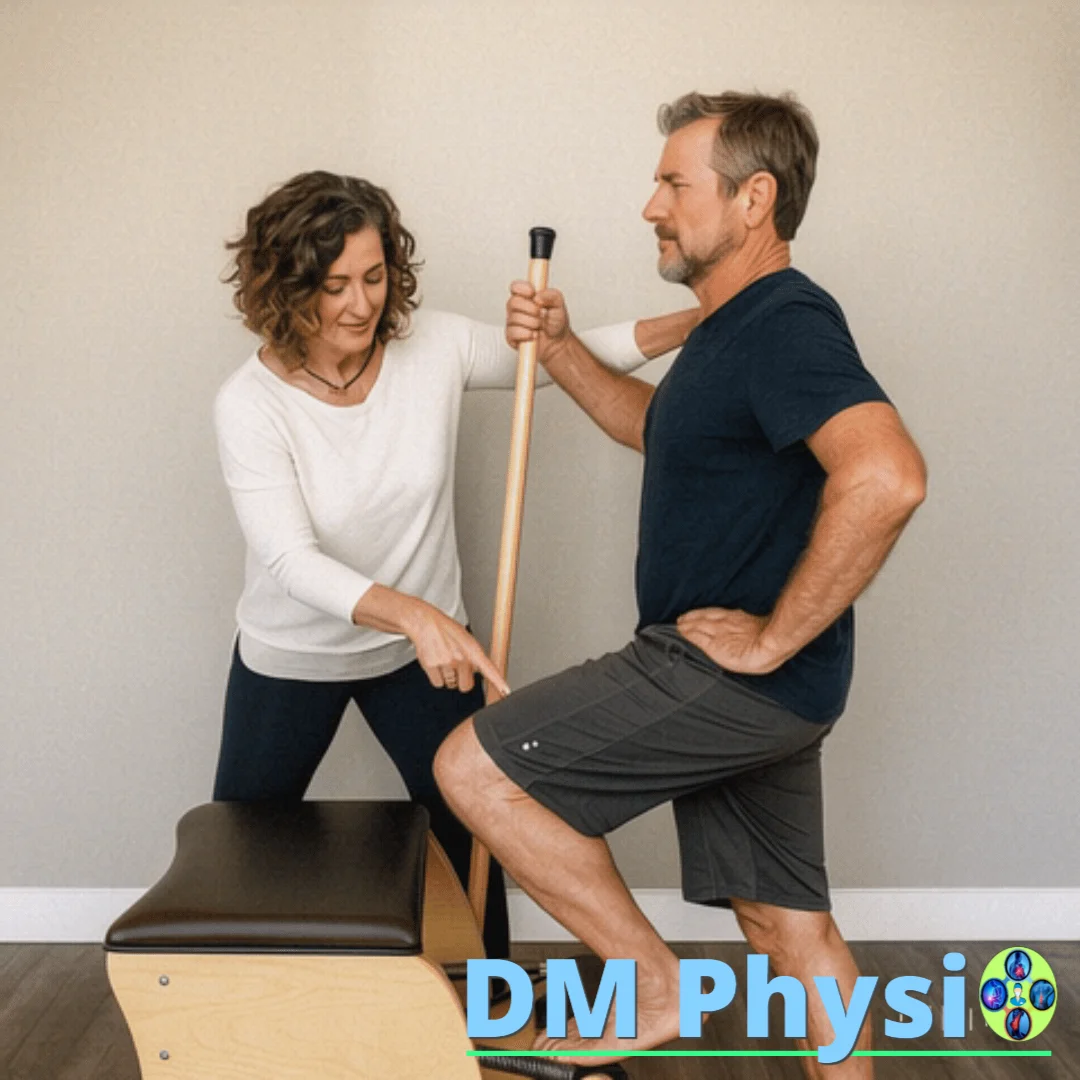
2. Muscle balance exercises
We are strengthening back of thigh, buttock and calf, a we stretch the shortened structures. We train correct models: knee control squat, chair rise, stair descent, "soft" knee gait and active calf push off.
3. Gait training and correction
We explain how the wrong load wears the joint and we learn strategies: avoid locking the knee, maintaining a slight flexion when stepping, control of the knee axis and rhythmic push-off. We give specific guidelines for everyday life.
Important: In many patients with gonarthrosis, tangible relief is achieved only by correcting the gait and regular strengthening of the muscles of the rear thigh, calves and buttocks. These muscles play a key role in knee stability and pain reduction.