Neuralgias in the legs
How does nerve pain in the leg appear, what are the main triggers and how to restore normal movement and sensitivity on the dermatomes from L2 to S1.
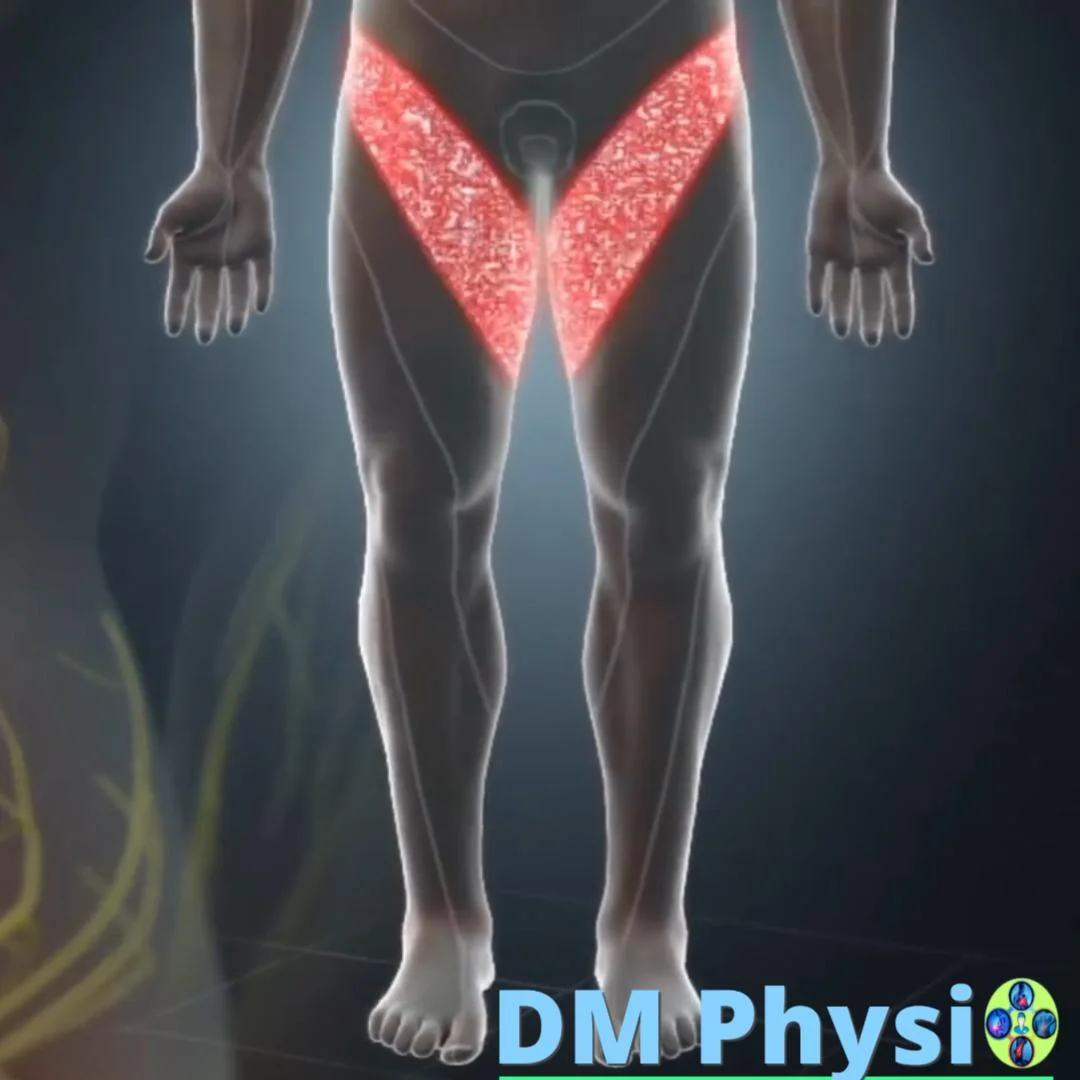
What are leg neuralgias?
Neuralgia is a burning, stabbing or shooting pain along the course of a nerve. On foot she often follows dermatomal areas – areas of skin innervated by roots L2–S1. Symptoms include pain, numbness, tingling, weakness, or a feeling of electricity with certain movements.
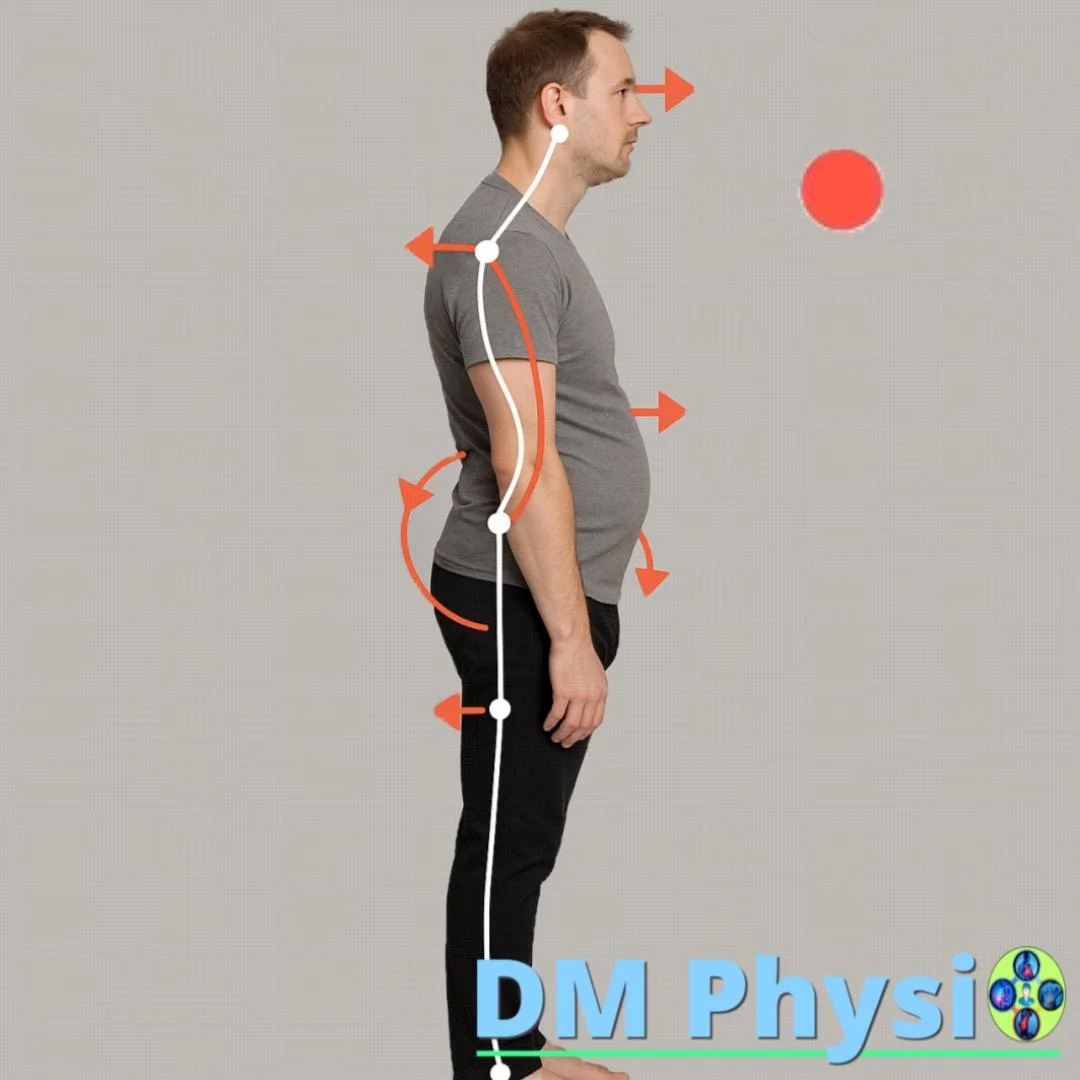
You're nervous annoy/press in three main levels: 1) on the spine (disc/canal), 2) along the path of the peripheral nerve (tunnel sites such as fibular head, tarsal tunnel), 3) from muscle spasm and poor movement patterns (stiff gait, locked knee, pelvic drop).
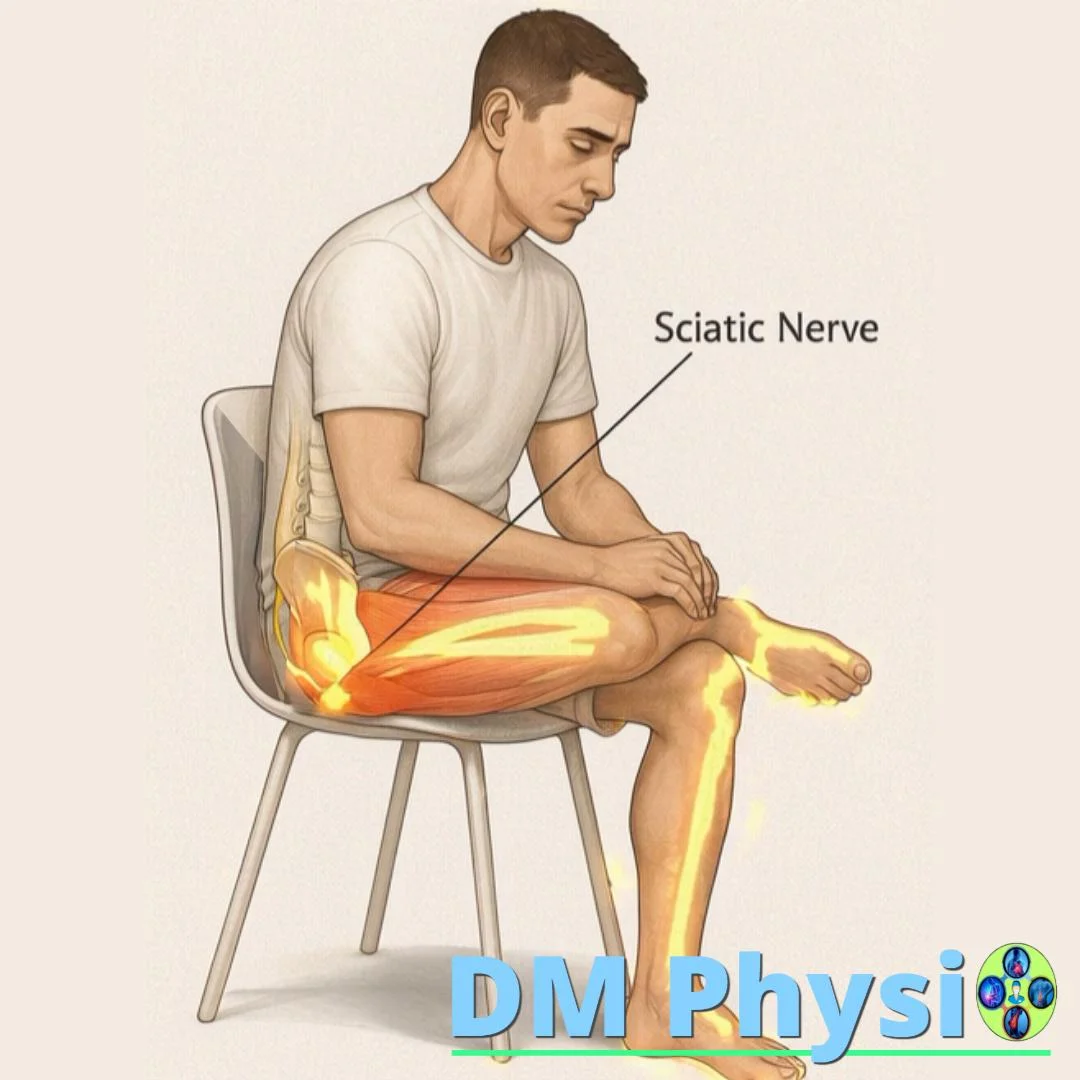
Leg dermatomes (L2 – S1)
Each nerve root of the lumbar and sacral region has a specific area of sensitivity on the leg. Along these lines, pain, numbness or burning when pressing on the nerve are most often manifested.
L2
The L2 nerve root innervates front and side of the thigh and the groin area. It is often felt when irritated burning pain or numbness in upper thigh, especially on standing up after long sitting. Symptoms may be aggravated by muscle tension iliopsoas or with prolonged hip flexion.
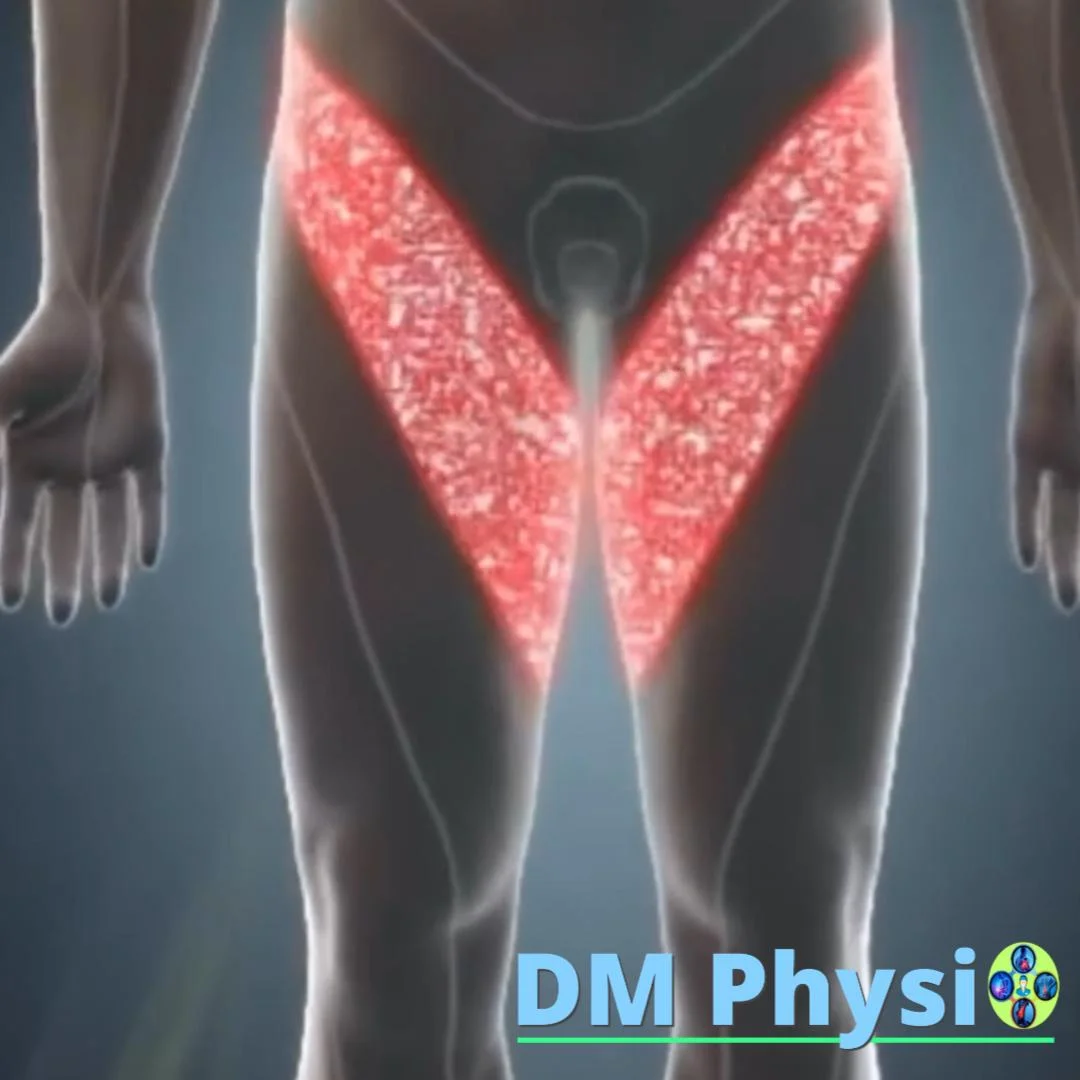
L3
The L3 dermatome passes along front and inner thigh and reaches to the inside of the knee. The pain is often felt when squatting or going down stairs when the quadriceps are activated. Inflammation of this nerve can cause a feeling of tension or heaviness in the knee without apparent joint damage.
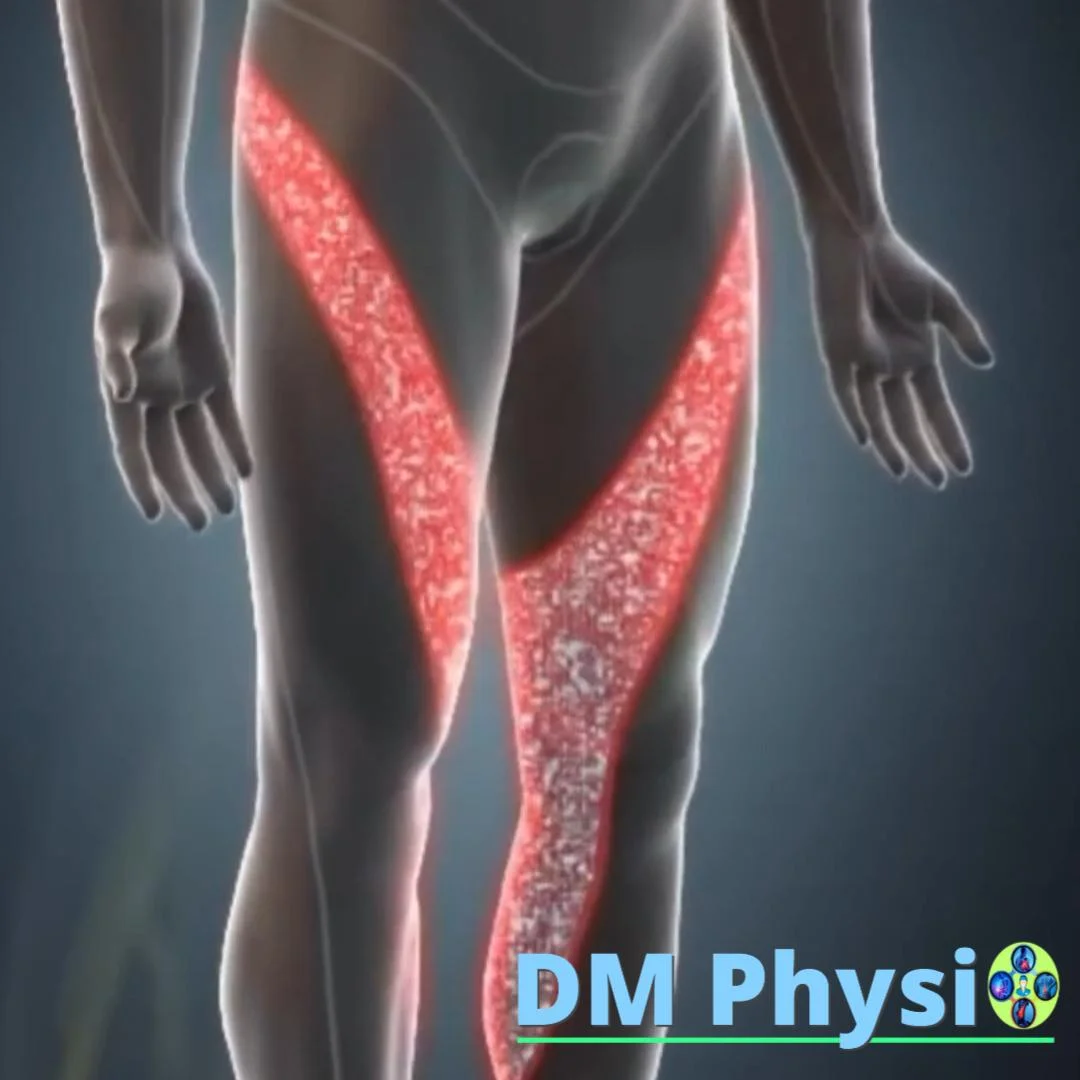
L4
The L4 nerve root affects the front of the lower leg, inner ankle and the inside of the foot. When pressed, there may be tingling in the "shin" and difficulty in lifting the foot up. This is a common cause of tingling and weakness when walking on uneven ground.
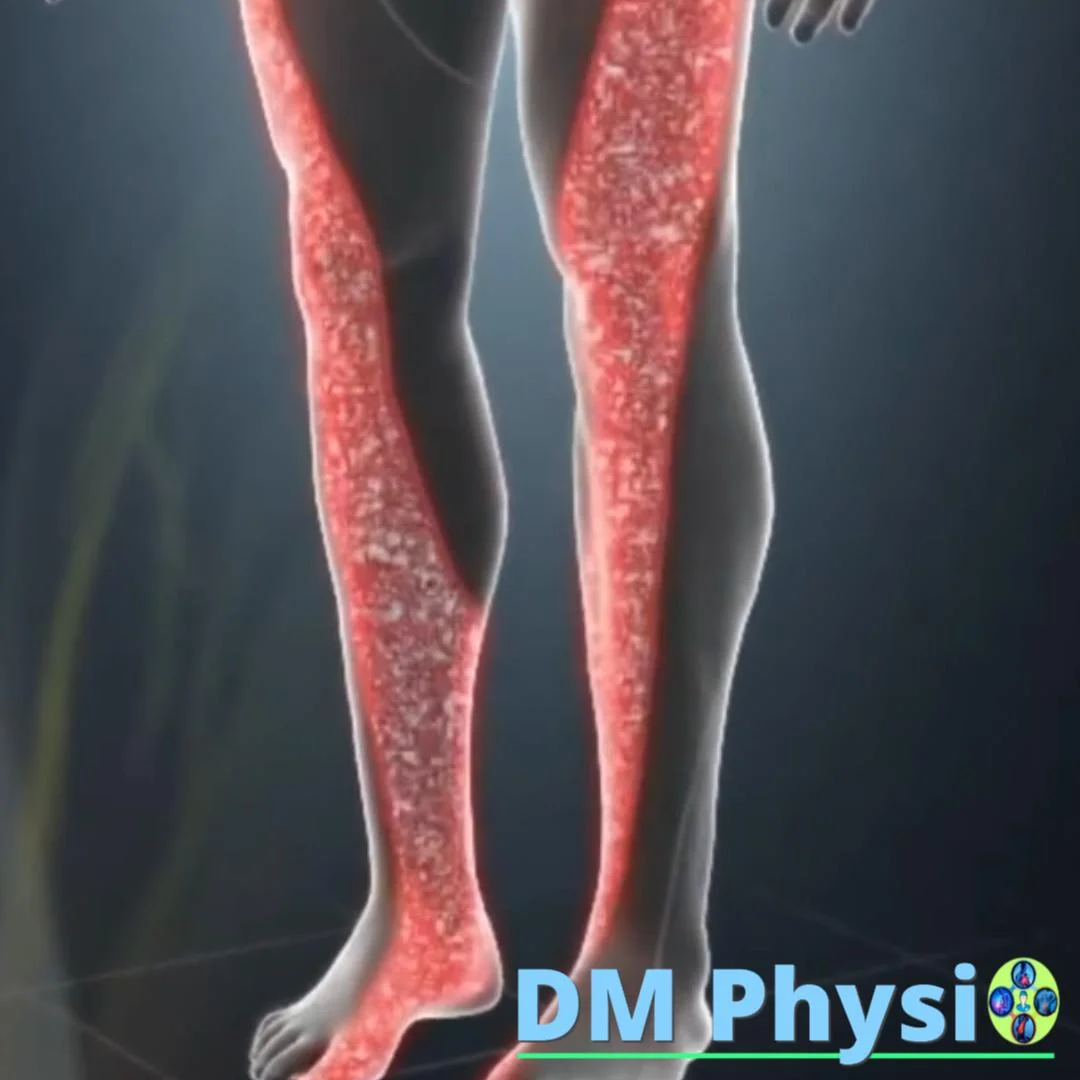
L5
L5 innervates the side of the thigh and lower leg, as well as the top of the foot and big toe. In case of irritation, numbness or weakness is felt thumb up. This often occurs with herniation between L4–L5 and can cause a "heavy leg" feeling when walking.
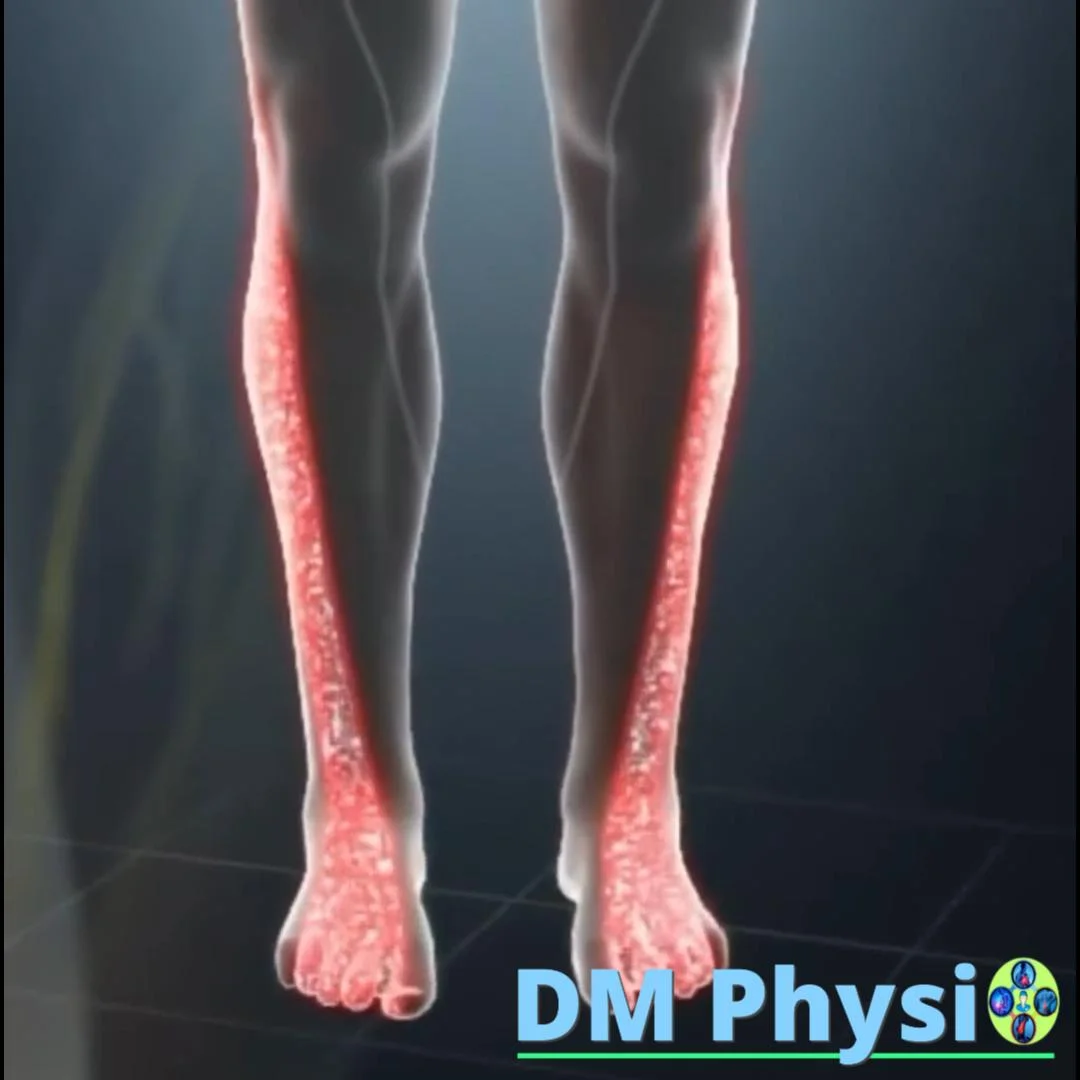
S1
The S1 dermatome covers the back of the thigh and calf, outer ankle and the little finger. The pain is often described as "electricity" running down the back of the leg. In more severe cases, weakness is observed in pointing fingers or decreased Achilles reflex.
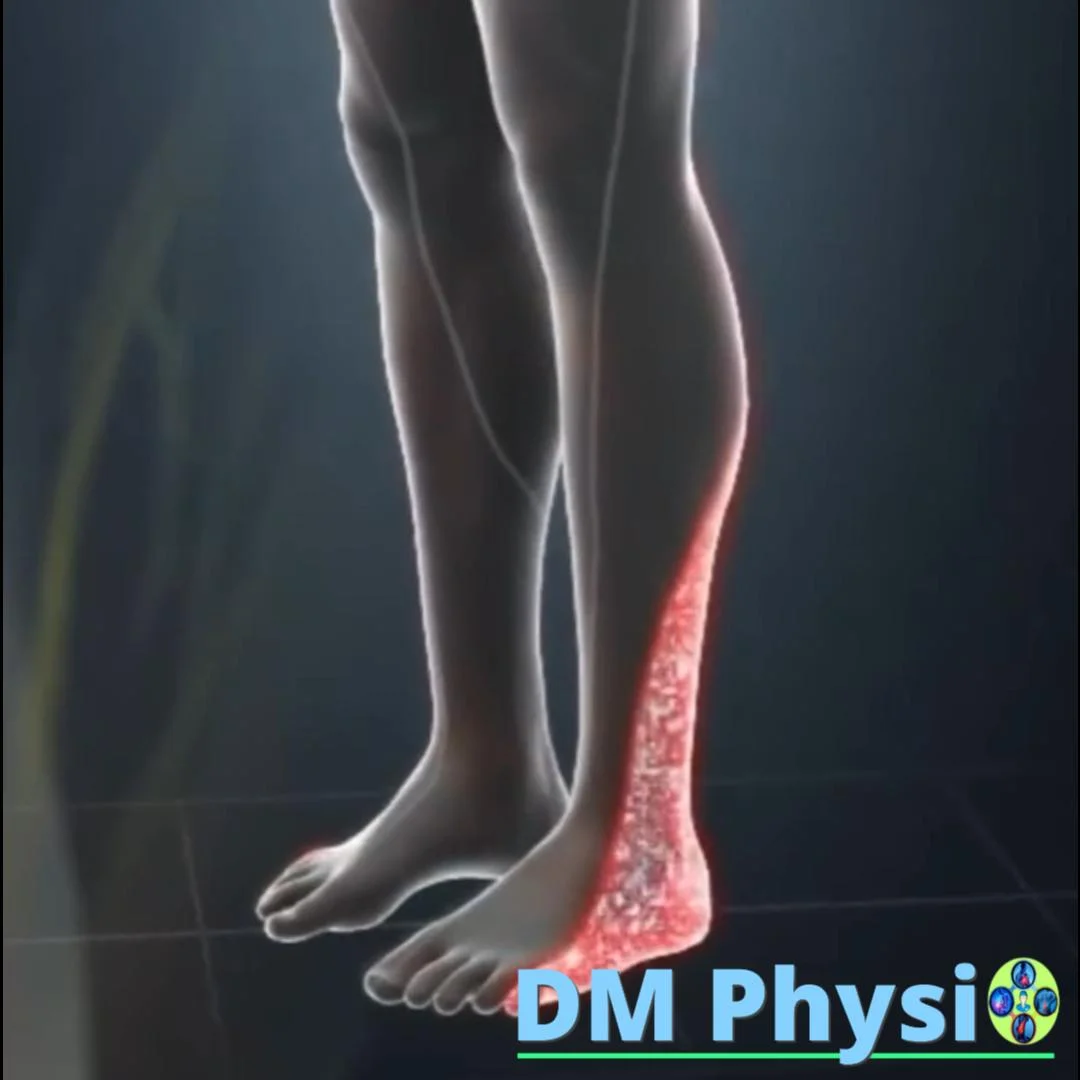
Note: Dermatomes are an important guide in the diagnosis of disc herniations and radiculopathies. Pain, numbness, and weakness along a particular line indicate which nerve is compressed and help direct treatment.
How does physical therapy help with nerve inflammation (L1–S1)?
The approach involves three main steps that reduce nerve irritation and help restore more comfortable, controlled movement.
1. Release the compression
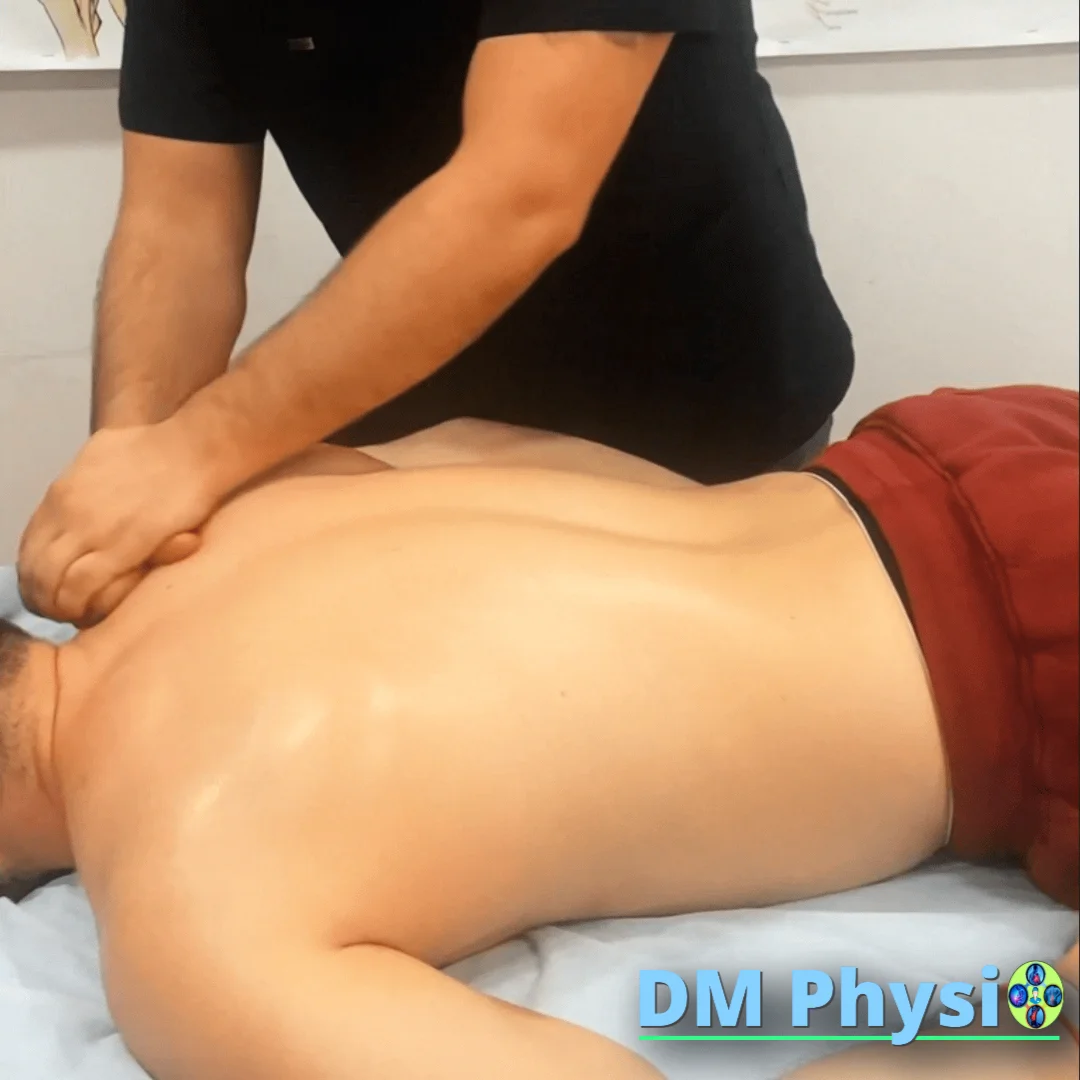
Whether the cause is a herniated disc, muscle spasm, or narrowed canal, the first step is reducing tension on the nerve. This is achieved through manual techniques, mobilizations and therapeutic massage, which release the pressured area and relieve the pain.
2. Nerve stimulation
To wake up the nerve and start sending signals again, it is used a special device that sends electrical impulses. They stimulate the conduction of nerve signals, accelerate the recovery of sensation and enhanced muscle function.
3. Muscle balance
They are used specific exercises to strengthen the muscles that the nerve controls that have weakened due to compression. Active movement improves blood circulation and nerve nutrition, speeding recovery and returning normal leg function.
Important: The combination of manual techniques and exercises is the often useful method for rapid nerve recovery and reducing the risk of re-inflammation.