Piriformis syndrome
Learn how the piriformis muscle can irritate or compress the sciatic nerve—and how physical therapy can help reduce pain, improve motion and lower the risk of relapse.
What is piriformis syndrome?
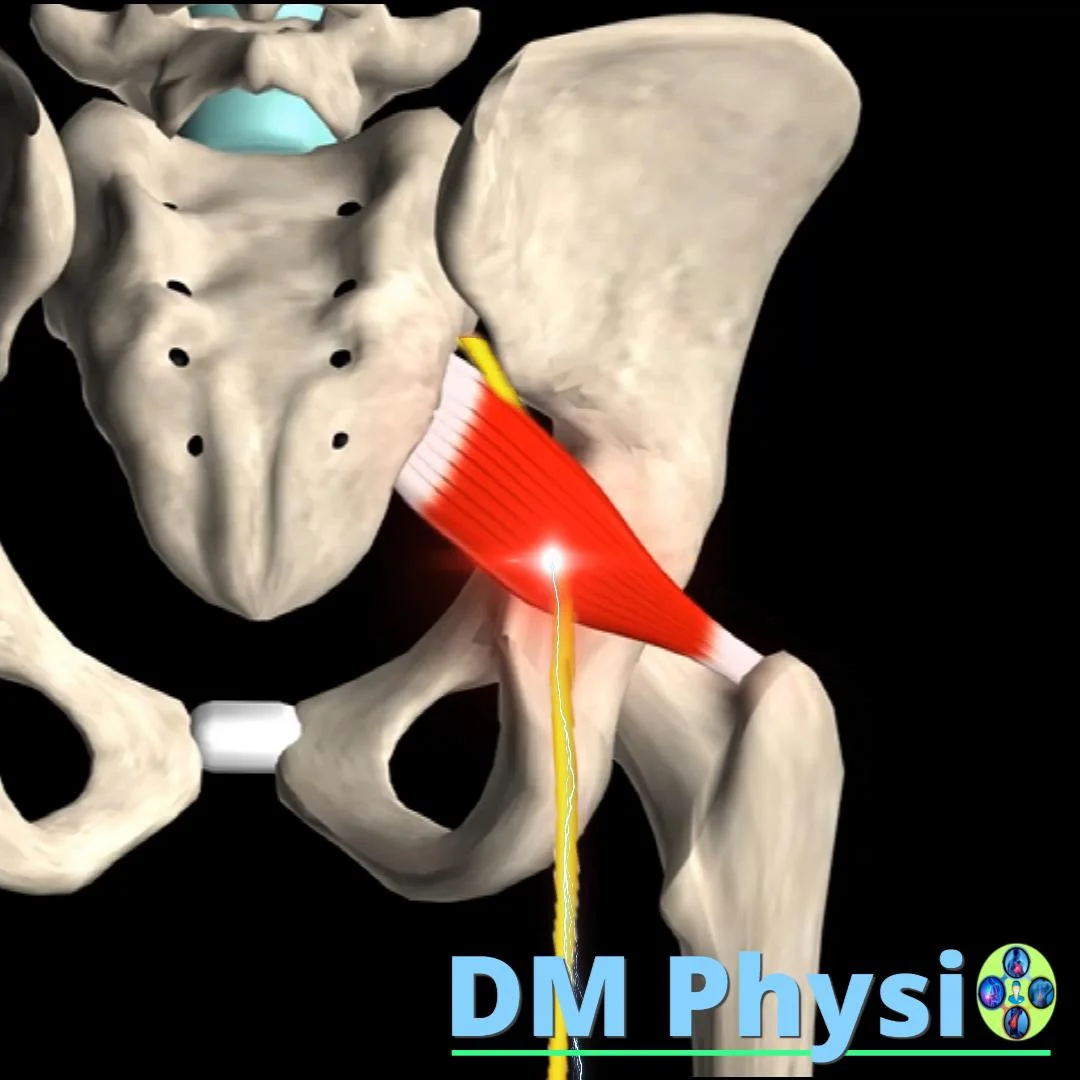
Piriformis syndrome is a condition in which the deep buttock piriformis muscle irritates or presses the sciatic nerve. This results in localized pain in the buttock, often radiating down the back of the thigh, sometimes to the knee. Symptoms are often aggravated by prolonged sitting, crossed legs, external rotation of the hip, or sports with multiple repetitive movements (running, cycling).
The mechanism usually involves muscle imbalance and maintaining the piriformis in a shortened/tense position for long periods. This creates local tension, inflammation and mechanical irritation of the nerve. The syndrome may resemble sciatica or disc symptoms, but the origin is myofascial – in the muscle itself and surrounding tissues.
Risk factors: prolonged sitting (office, driving), crossed legs, sleeping with leg sideways, muscle imbalance, overload (running/cycling), previous trauma in the gluteal area.
How and why does piriformis syndrome develop?
The most common mechanisms: prolonged sitting, inappropriate postures and muscle imbalance.
Prolonged sitting
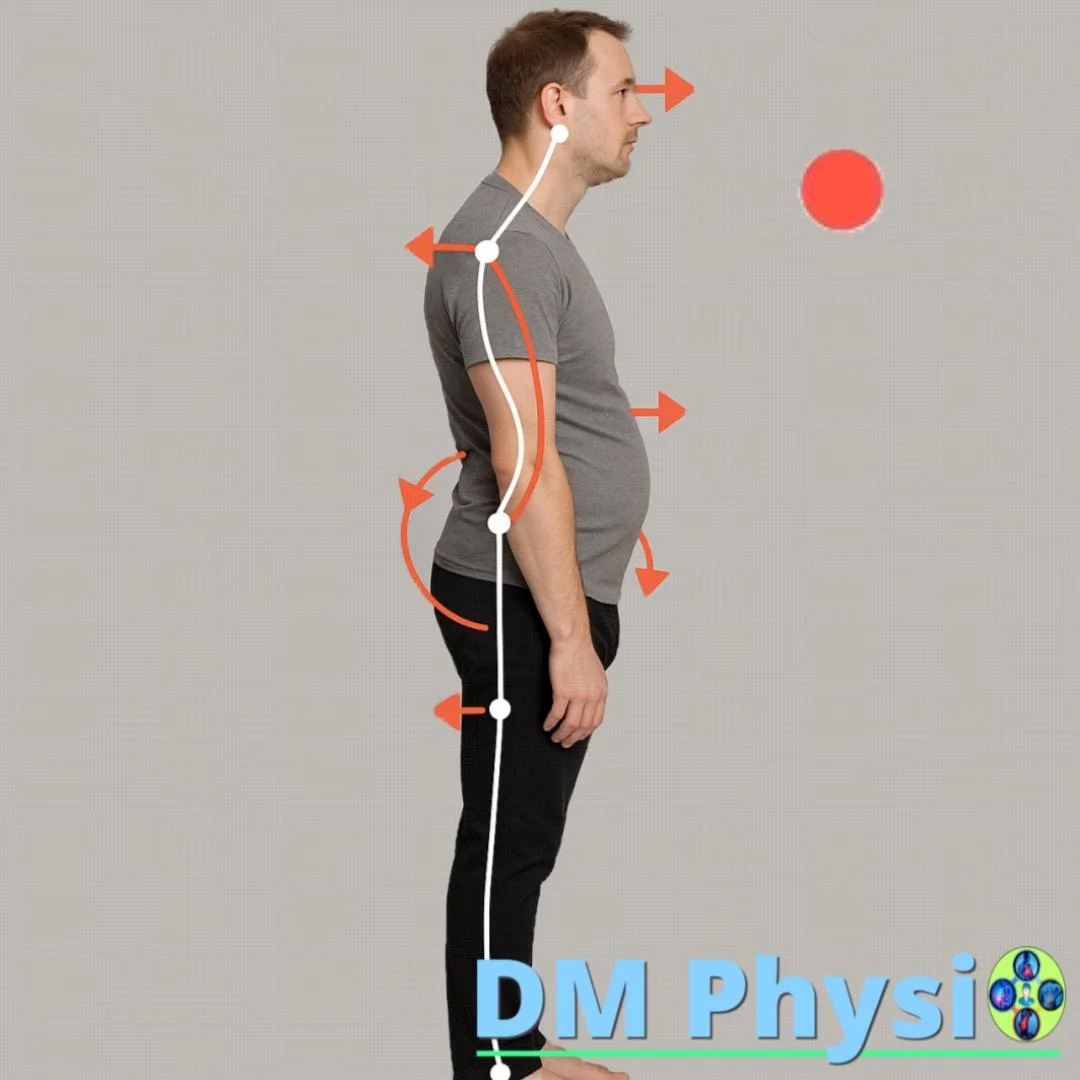
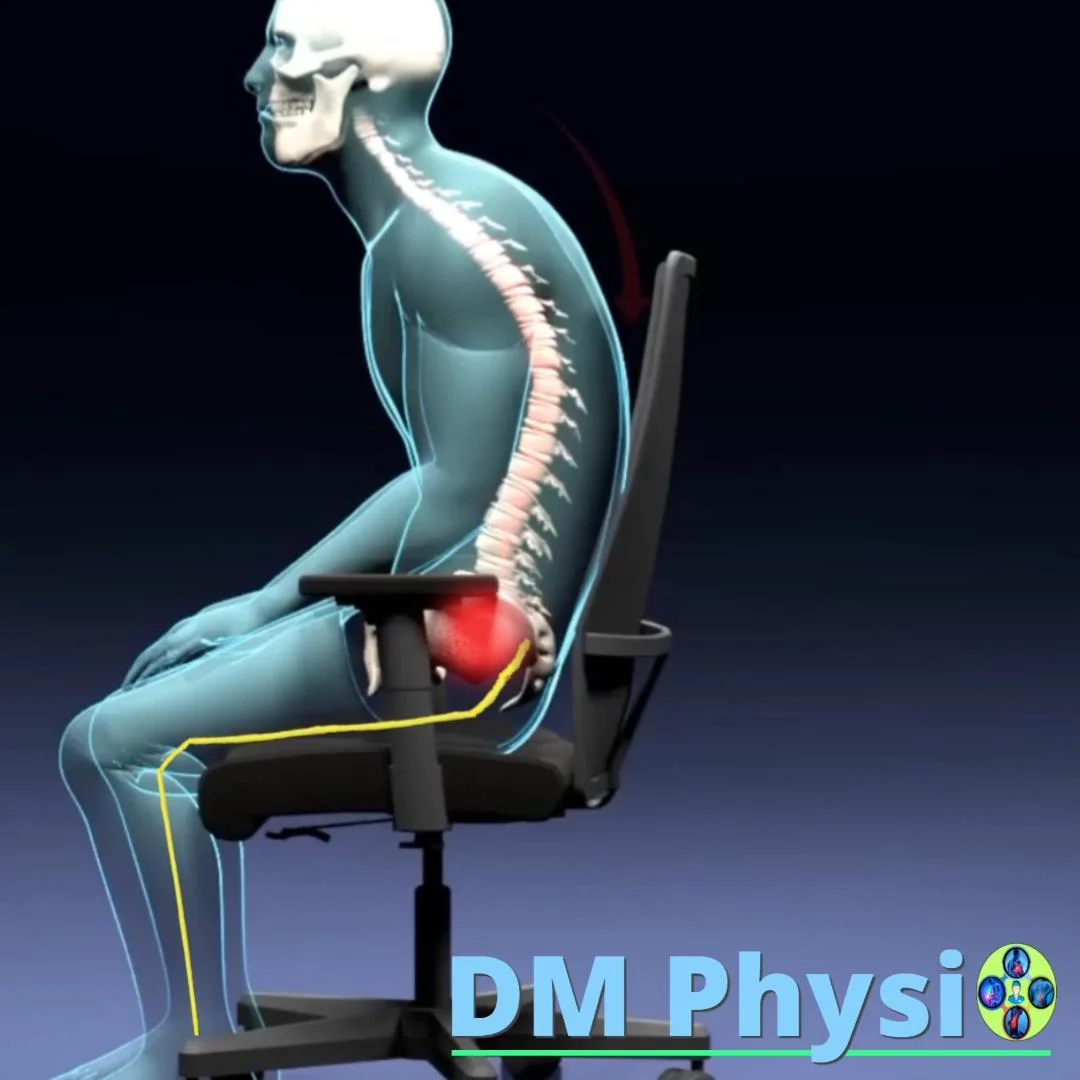
Prolonged sitting reduces circulation and puts the deep buttock muscles under constant pressure. The piriformis remains in a shortened, tense state, which increases the risk of local inflammation and irritation of the sciatic nerve – especially with hard seats or pelvic neutrality compromised by poor posture.
Inappropriate leg positions
Postures such as cross-legged, "ankle on knee" or sleeping with the leg strongly out to the side keep the hip in external rotation and the piriformis in constant tone. Repeated daily, this results in shortening of the muscle and mechanical irritation of the nerve during standard movements and sitting.
Muscle imbalance and overload
Underactive glutes and deep stabilizers transfer work to the piriformis, which compensates as a stabilizer and rotator. In running/cycling, the repetitive movements increase the overload, triggering trigger points, painful spasm and subsequent irritation of the sciatic nerve.
Symptoms and how the condition progresses
From local spasm and pain to radiation along the course of the sciatic nerve.
1) Deep pain and tenderness in the buttock
First, a local, deep buttock pain is felt, often unilateral. The pain is provoked by prolonged sitting, standing up after sitting and by movements with external rotation. Palpation of the deep tissues is painful.
2) Radiating, tingling and tingling
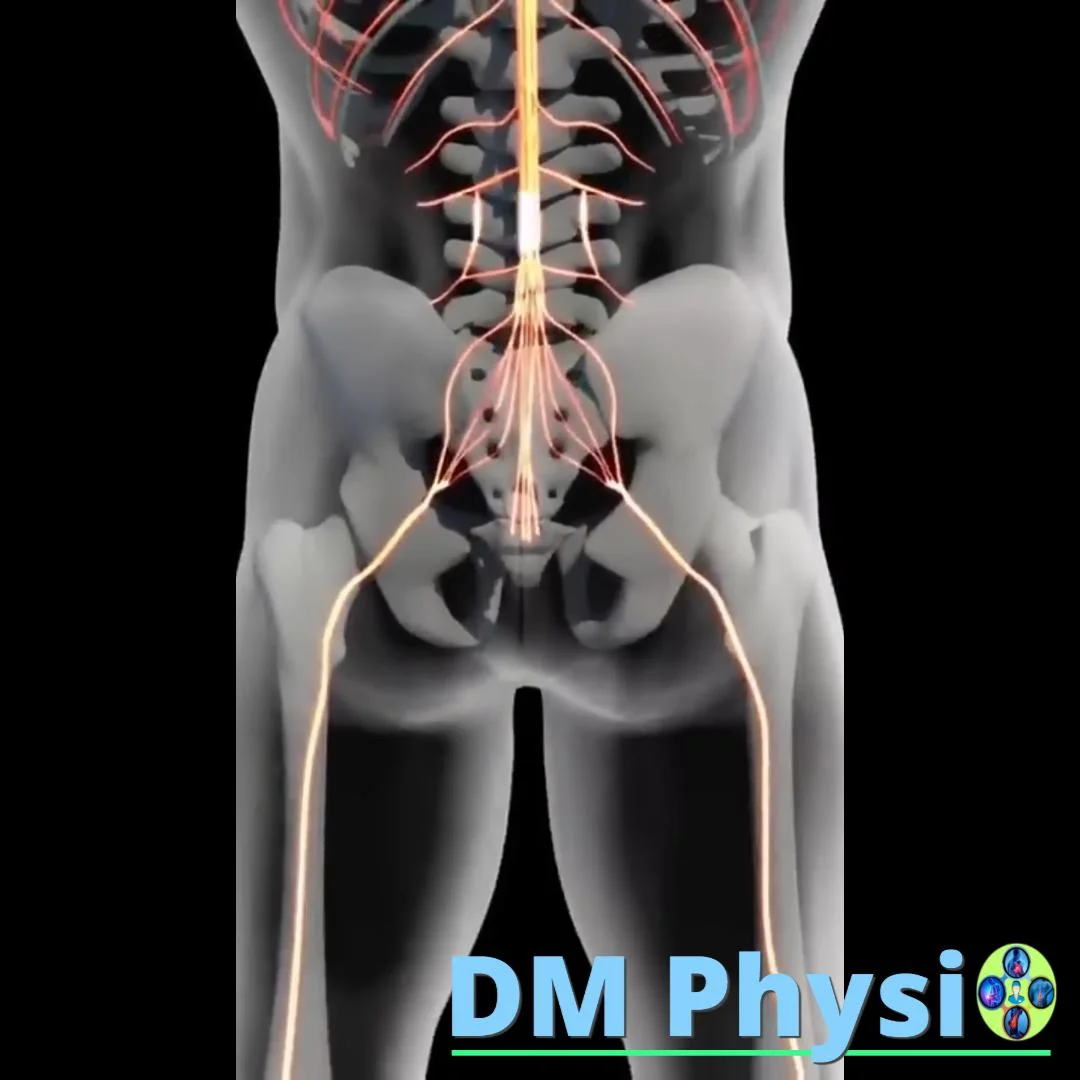
Irritation of the sciatic nerve causes pain radiating down the back of the thigh, numbness and tingling. Symptoms may worsen at night or in positions that support external rotation (crossed legs).
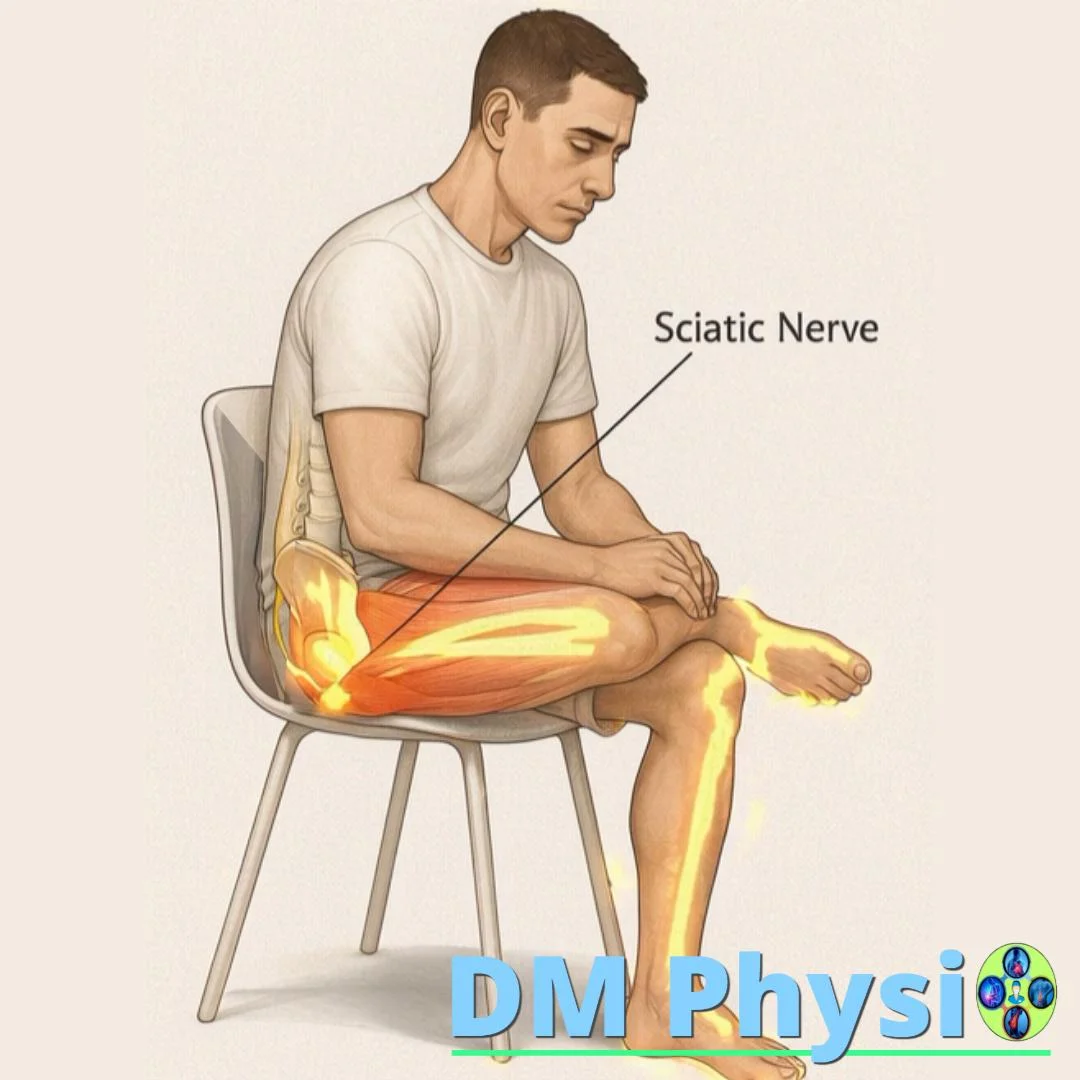
3) Limitation in movement and function
As symptoms progress, hip range of motion is limited, protective compensatory patterns are activated, and functional activities such as walking on inclines, climbing, running, and prolonged sitting become painful.
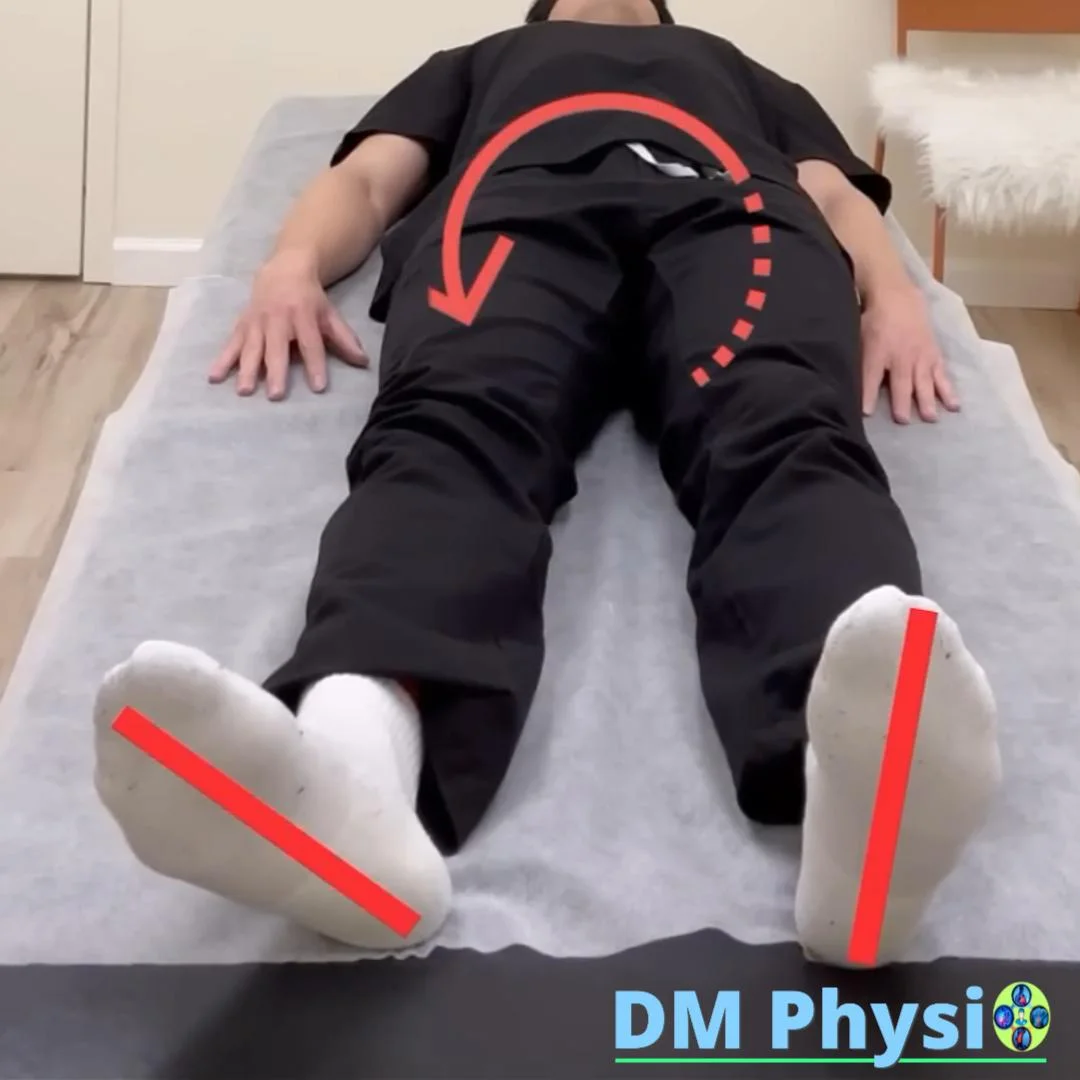
How does physical therapy help with piriformis syndrome?
We focus on the source – relaxing the piriformis, restoring muscle balance and correcting biomechanics.
1. Piriformis relaxation and pain control
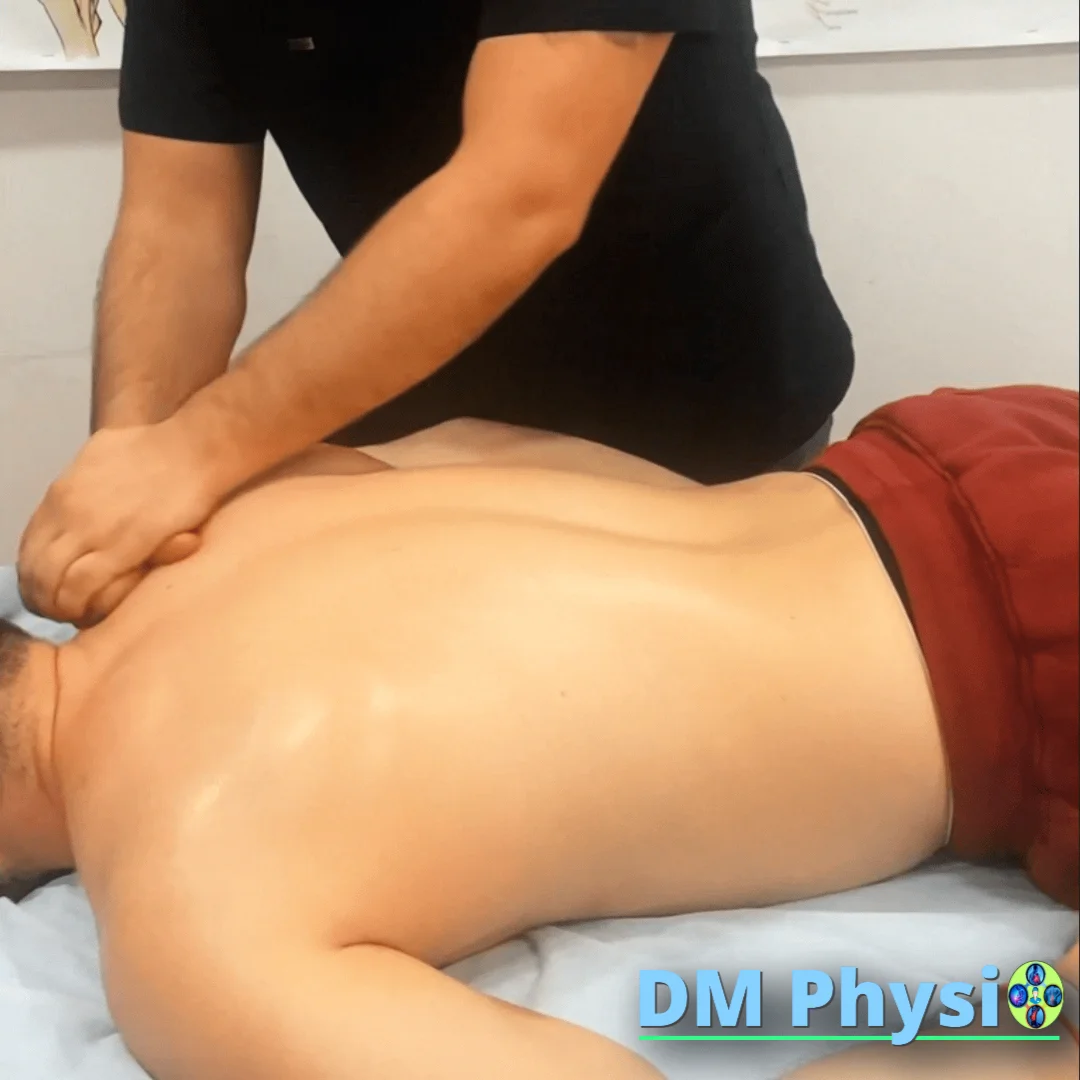
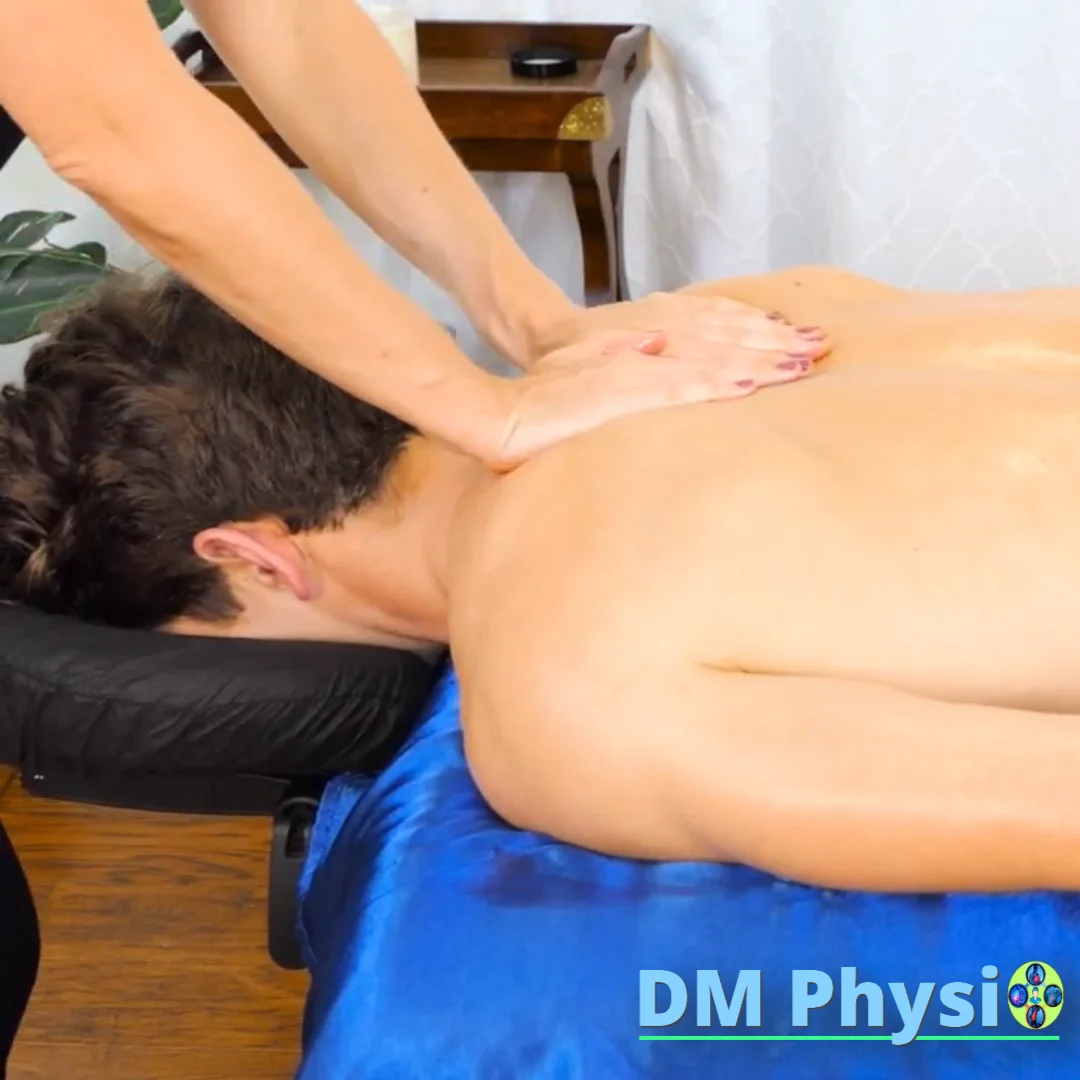
Through manual techniques, myofascial release and gentle mobilizations, we help reduce spasm and tension in the piriformis and surrounding tissues. This can reduce irritation around the sciatic nerve and improve movement tolerance.
2. Restoring mobility
Progressive piriformis stretching and hip mobilization exercises normalize range of motion. The goal is to smoothly return to daily activity without provocation of symptoms.
3. Strengthening and long-term stabilization
We strengthen the glutes and deep stabilizers, improve pelvic control and correct motor habits (sitting, leg positions, sports technique). Thus, the load is distributed evenly and the risk of relapses is reduced.
Important: The plan is individualized after a functional assessment – posture, mobility, muscle balance and habits. Targeted therapy can support steadier progress.