Lumbar bone spurs (osteophytes)
Find out why bone spurs form in the lumbar region and how, with the right physiotherapy, you can relieve pain and improve mobility.
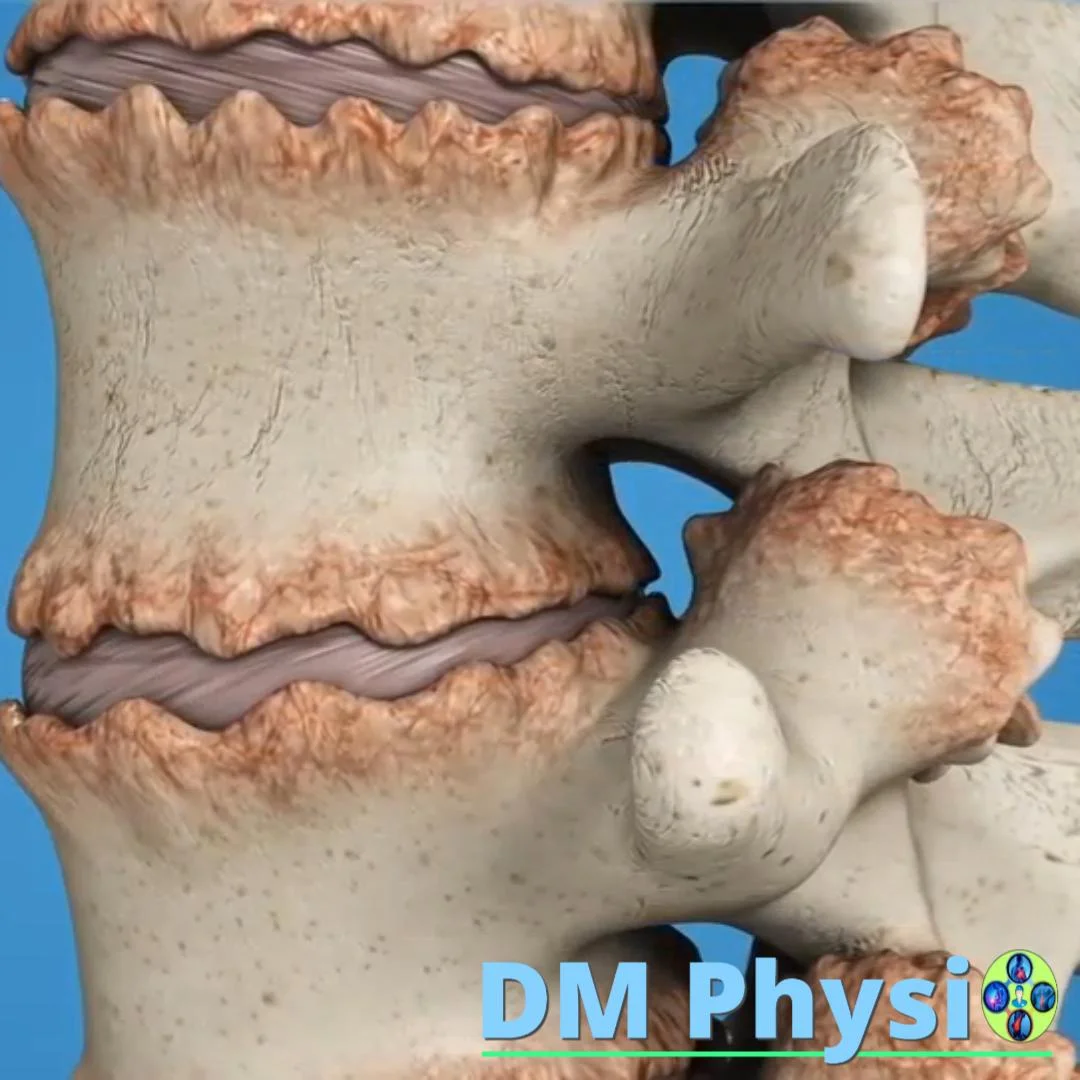
What are lumbar bone spurs?
The bone spurs (osteophytes) are bony outgrowths at the ends of the vertebrae, which are formed as an adaptation to long-term stress and degenerative changes. They can be asymptomatic, but when near nerve structures can cause pain, numbness or weakness in the leg.
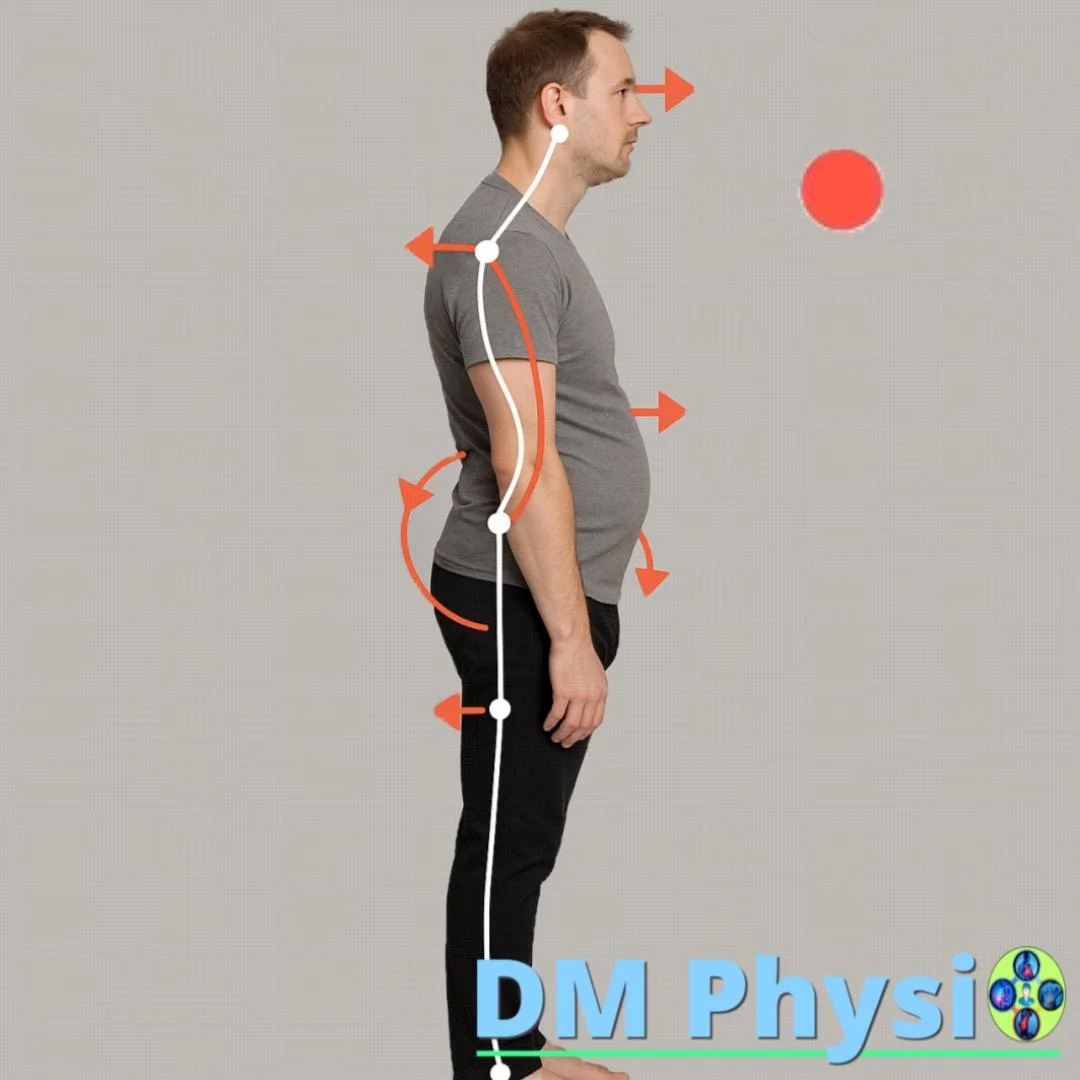
Risk factors: muscle imbalance, poor posture, sitting habits, microtraumas and age-related changes.
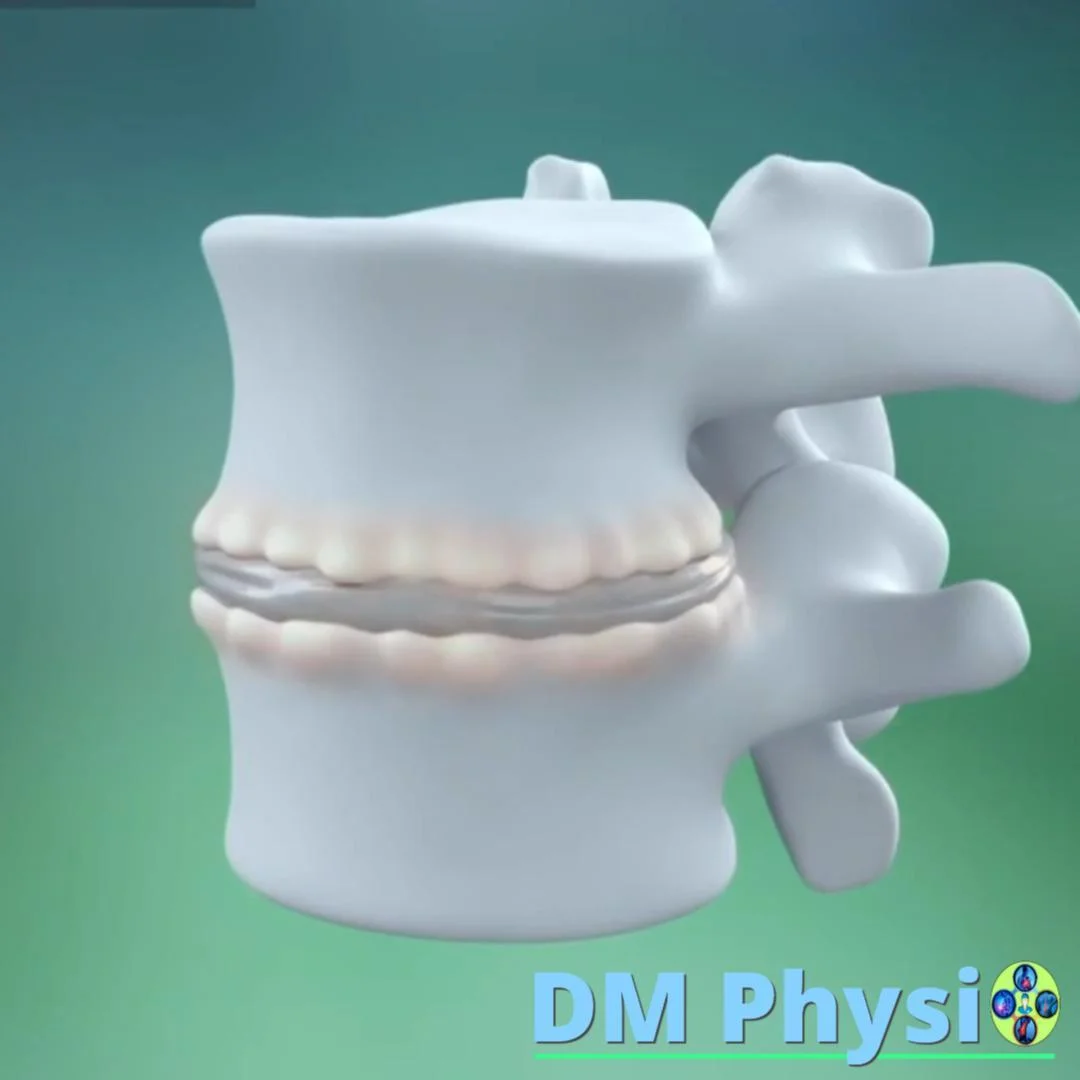
How are bone spurs formed in the back?
From functional imbalance to structural changes and sensitivity.
Muscle imbalance and asymmetric loading
Insufficient stability from the abdominals, glutes, and deep lumbar muscles puts uneven stress on the discs and facet joints, which accelerates wear and tear.
Degeneration and microtrauma
Chronic stress causes local inflammation and change in mechanics. The body tries to stabilize the segment by bony growth along the ends of the vertebrae.
Formation of osteophytes
The newly formed bone (osteophytes) can narrow neural foramina and irritate roots, resulting in lumbar pain, irradiation, and leg tingling.
Symptoms and how the condition progresses
The relationship between exercise, nerve compression and functional limitations.
1) Pain and stiffness in the lower back
Local pain when standing/sitting, morning stiffness, tenderness on pressure. It often decreases after movement and gentle exercise.
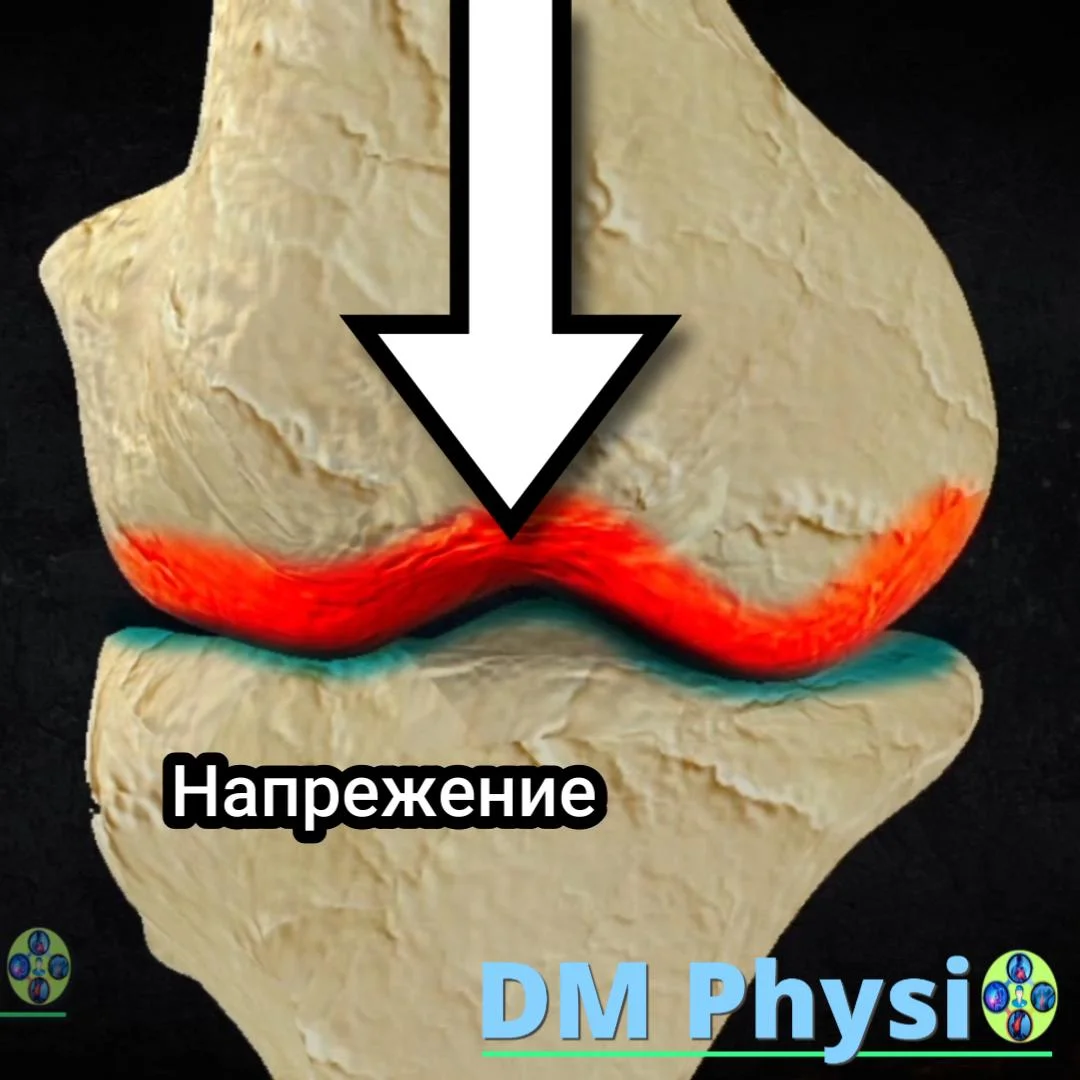
2) Irradiation/numbness with nerve compression
With narrowed openings, there may be radiating pain, paresthesias, or weakness down the leg (sciatica-like symptoms).
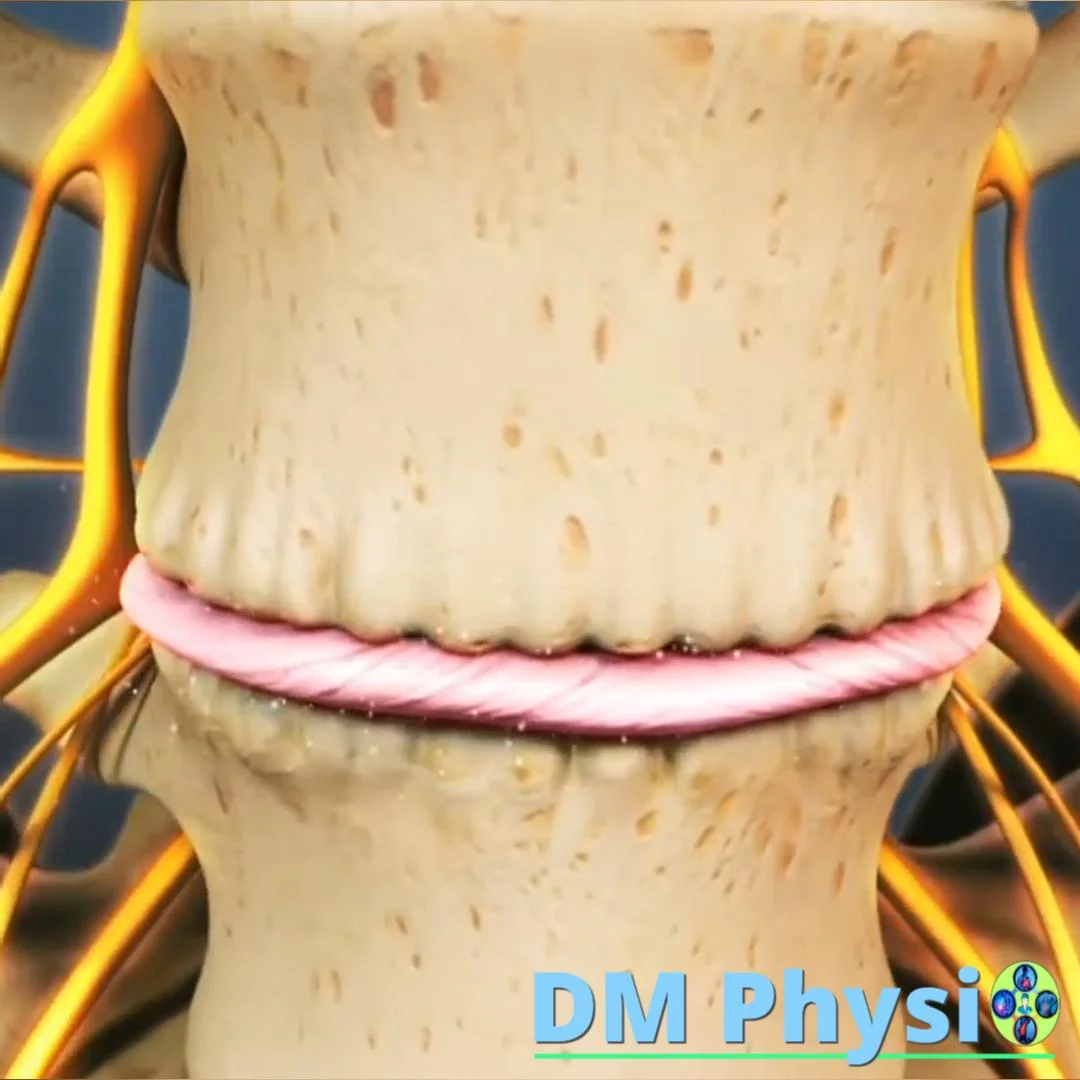
3) Limited mobility and function
Difficulty bending and lifting, reduced range of motion. Without therapy, the pain may become more persistent.
How does physical therapy help with low back pain?
We target the source: posture, muscle imbalances and stabilization.
1. Reduction of pain and protective spasm
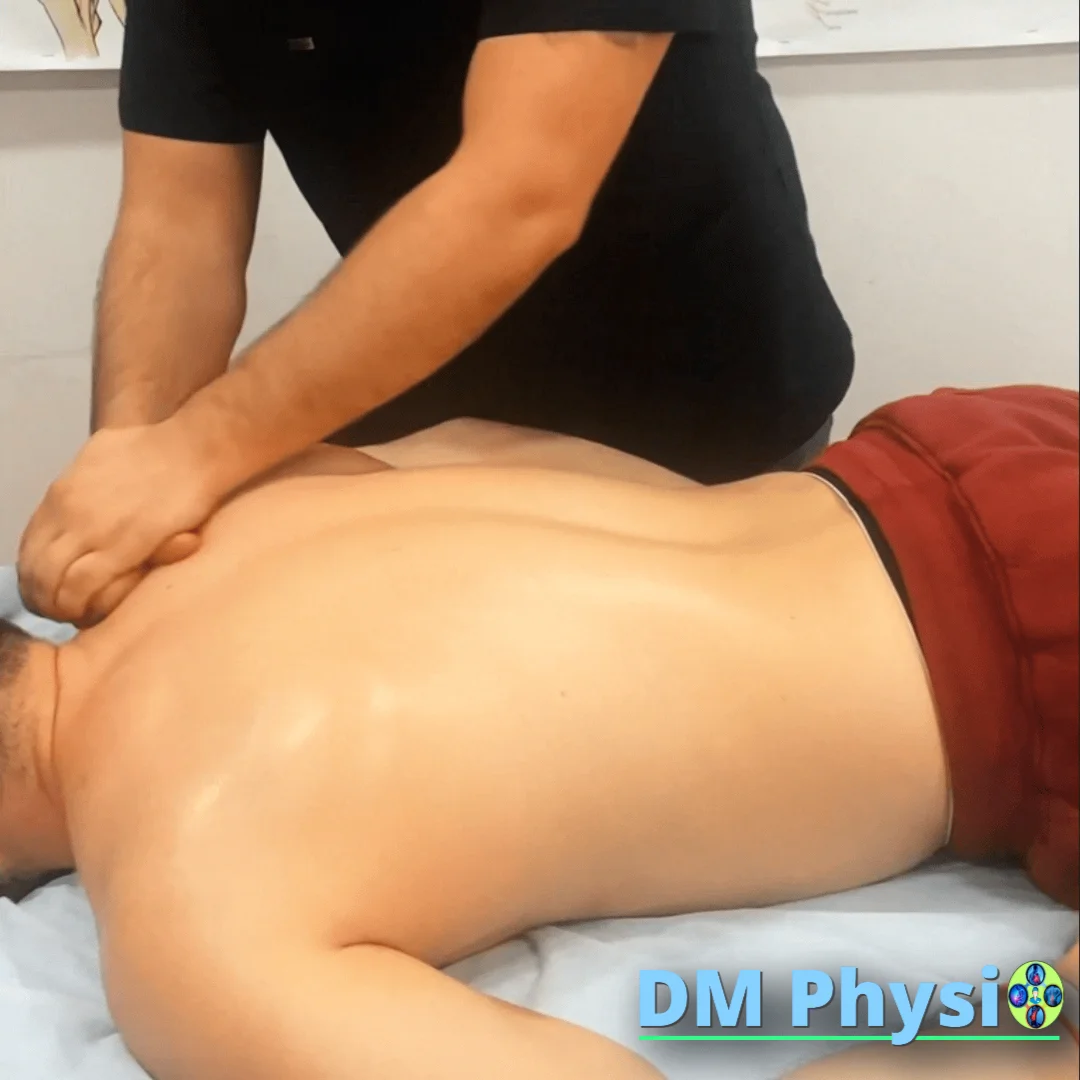
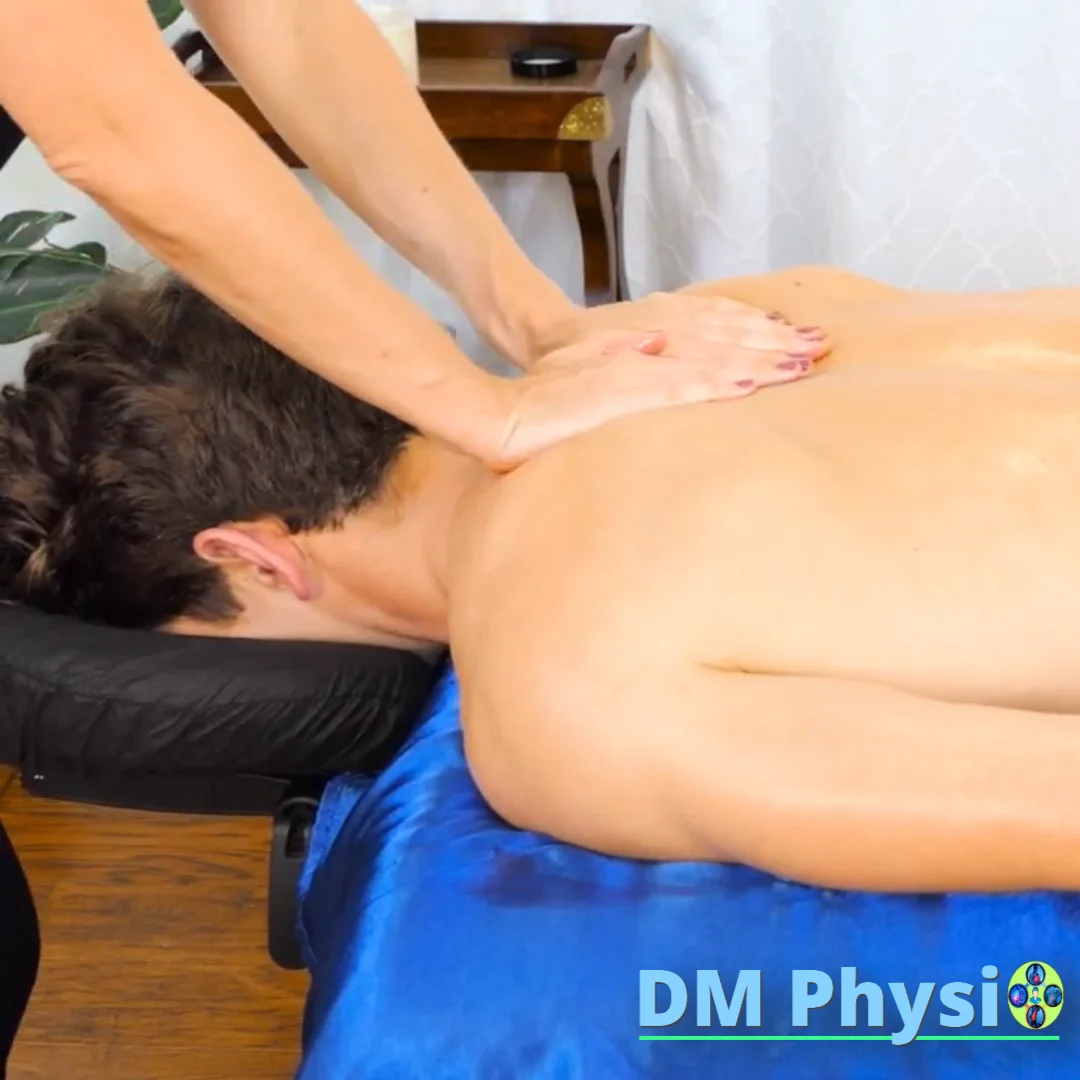
Gentle manual techniques and mobilizations reduce sensitivity and relax tense muscles for easier movement.
2. Restoring mobility
Dosed stretches and mobilizations of the lumbar department normalize the range of motion and reduce stiffness.
3. Strengthening and stabilization
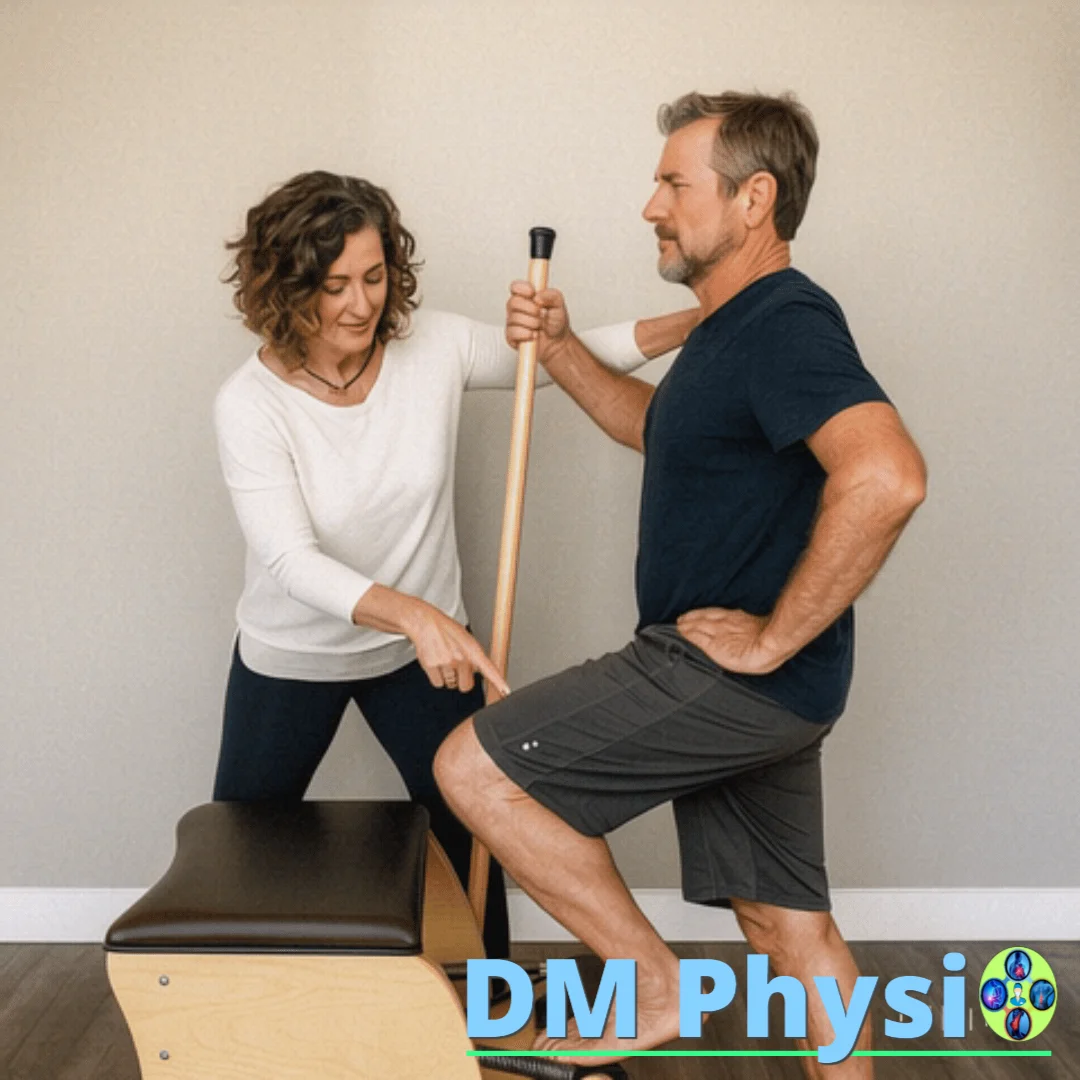
Strengthening of the abdominal muscles, glutes and deep stabilizers + training for posture and ergonomics for a long-lasting effect.