Whiplash
Learn how to manage pain and regain mobility after whiplash to avoid chronic problems.
What is whiplash?
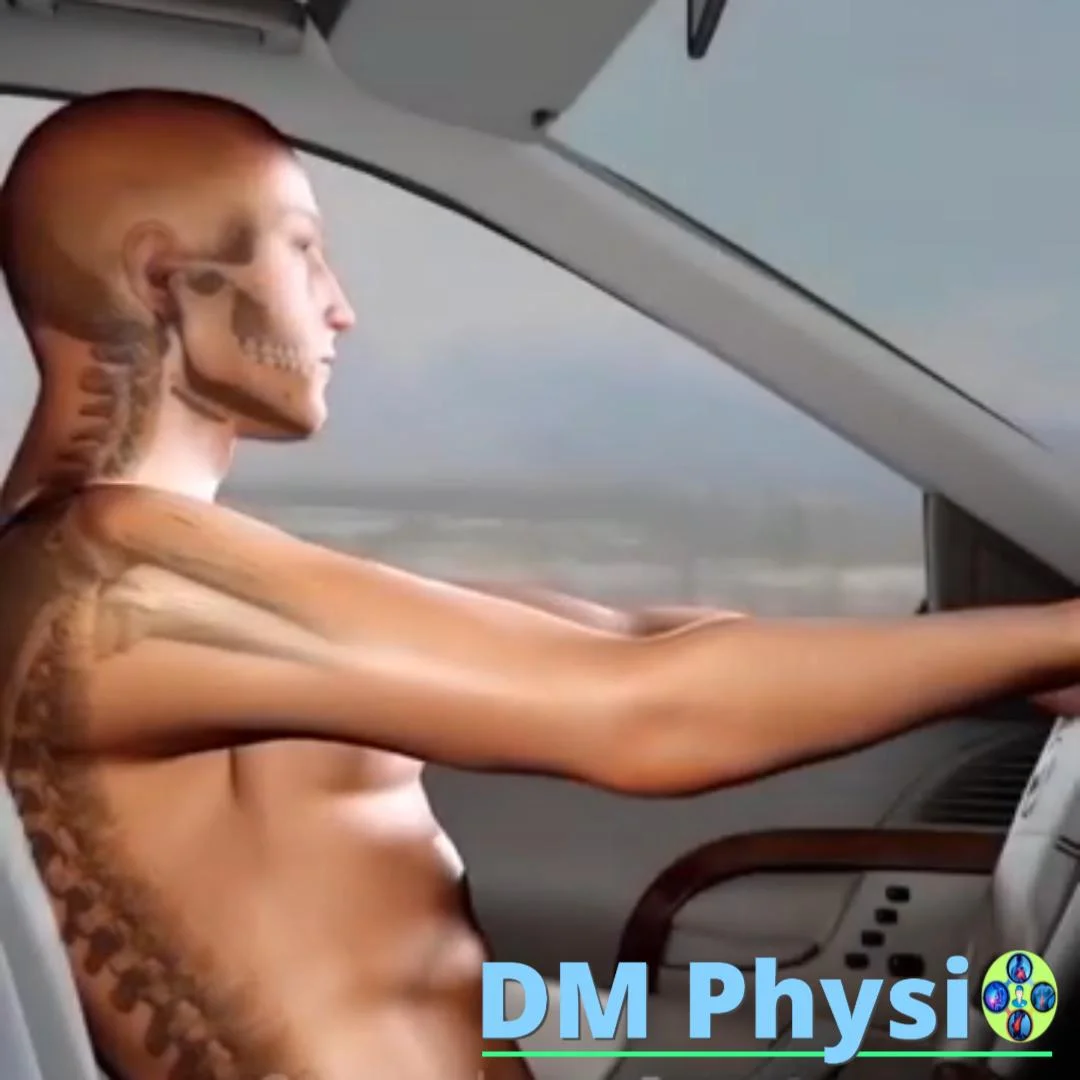
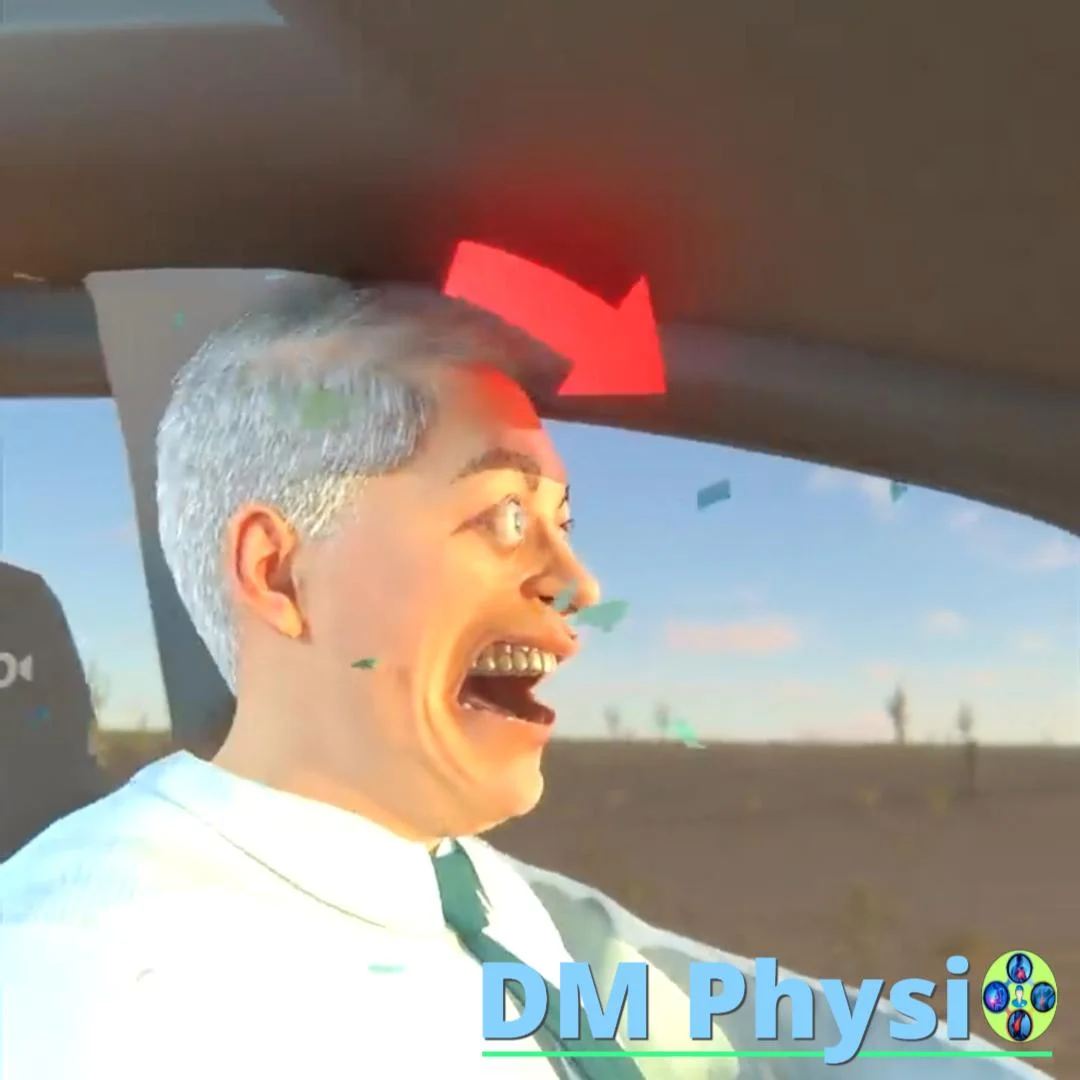
Whiplash is a neck injury that occurs in sudden and violent movement of the head back and forth. This jerky, whiplash-like movement can stretch or tear the muscles, ligaments, and soft tissues in the neck, causing pain, stiffness, and headaches.
Whiplash often occurs in traffic accidents, but can also be caused by sports injuries or other sudden acceleration/deceleration incidents.
What are the symptoms and consequences?
Early and adequate therapy prevents chronic pain and complications.
1. Sharp pain and stiffness
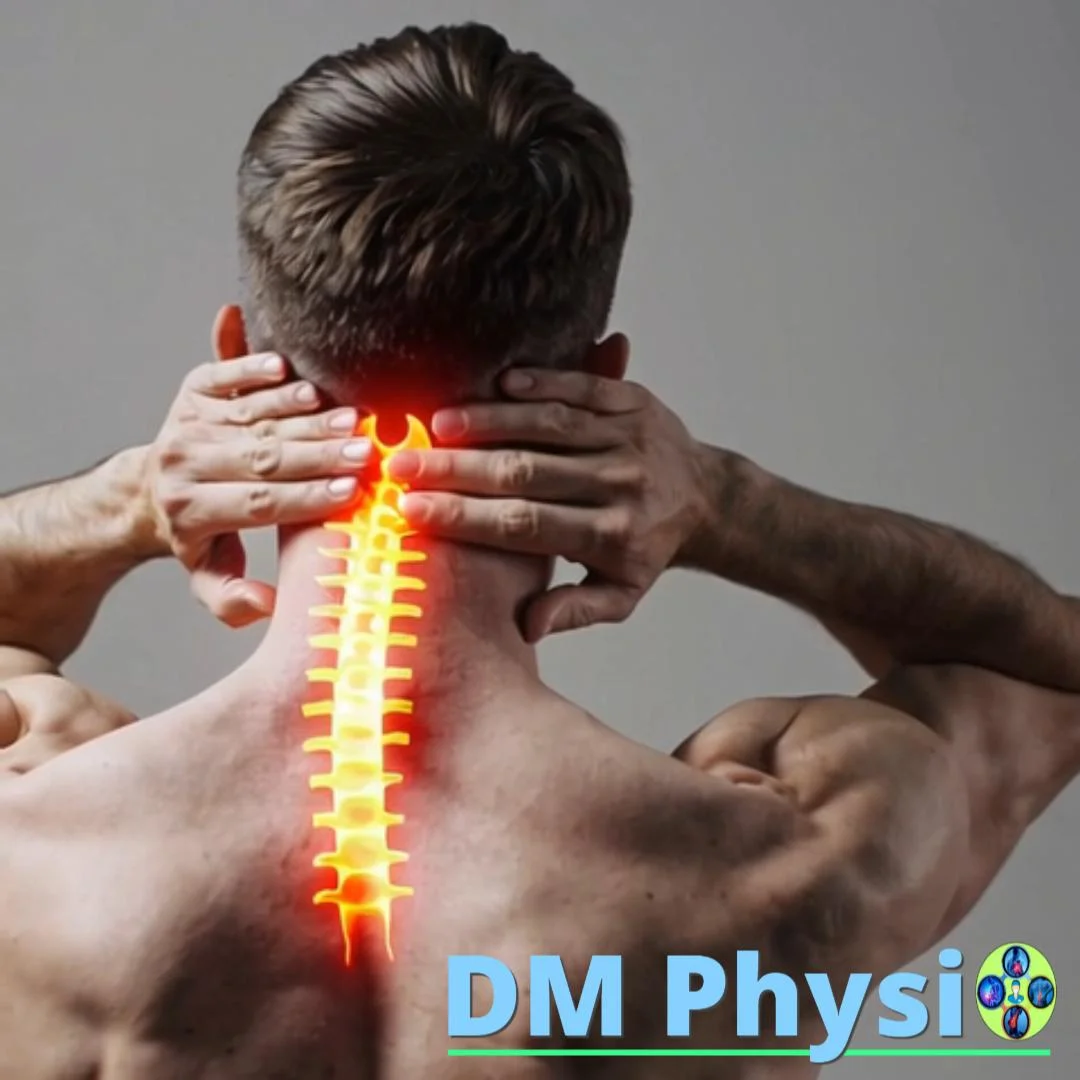
Immediately after the incident that causes a sudden and forced movement of the head, appear sharp pain and stiffness in the neck and upper back. Trauma (cervical sprain) affects the soft tissues - muscles, tendons and ligaments. Movement becomes restricted and painful – a protective reaction to protect the damaged structures.
2. Headache and dizziness
Damage to structures in the upper neck often causes cervicogenic headache, starting from the back of the head and reaching the forehead. Dizziness, fatigue, concentration difficulties and sleep disturbances are possible - due to irritation of the nervous system and muscle spasm.

3. Risk of chronification
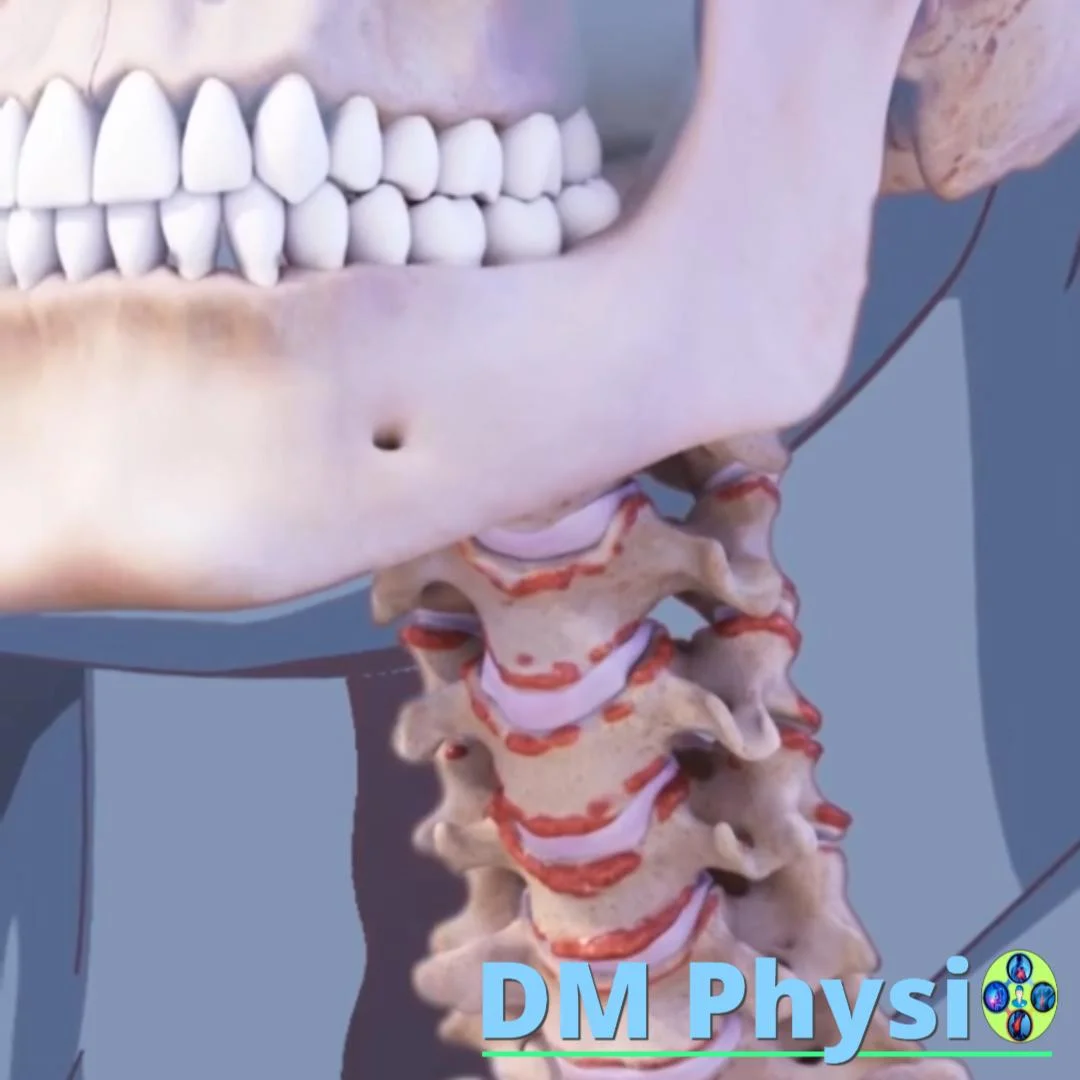
If not treated promptly and properly, whiplash trauma can lead to long-term and persistent problems. Instability and muscle imbalances translate into chronic pain, reduced mobility, and can contribute to spondylosis. Early physiotherapy restores the normal range of motion, stabilizes the muscles and reduces the risk of chronic symptoms.
How does physical therapy help with whiplash?
Our approach is aimed at the complete restoration of neck function.
1) Reduction of inflammation and pain
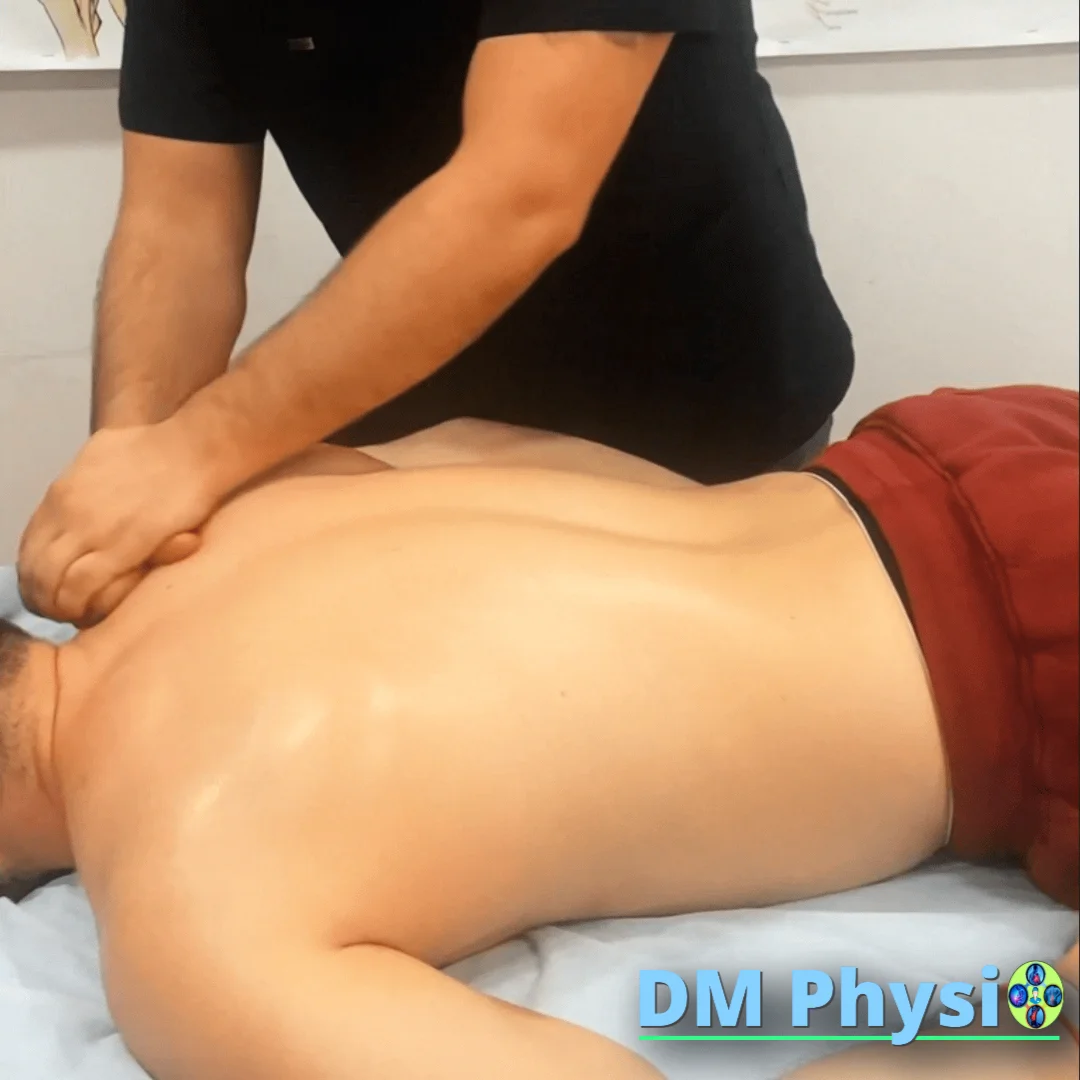
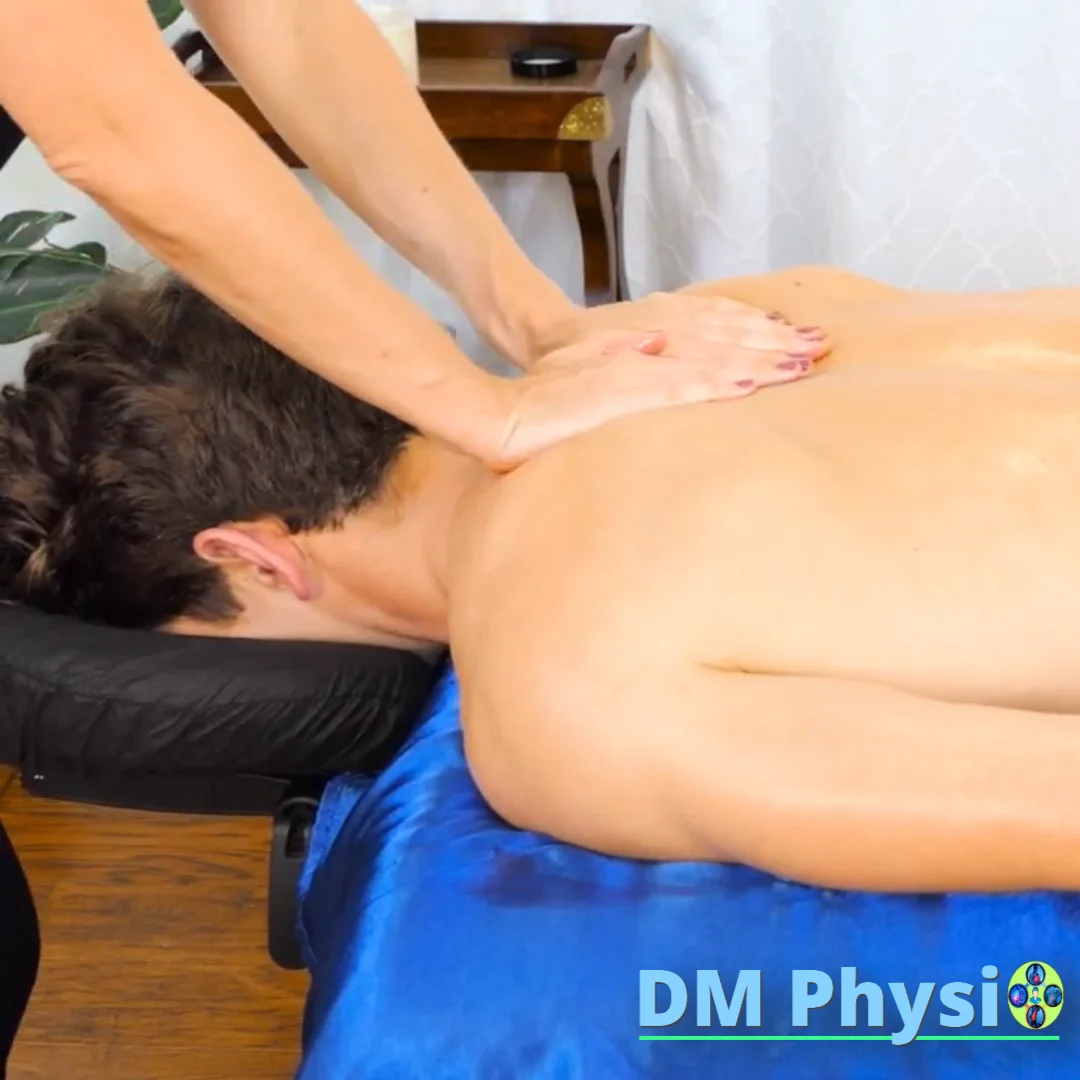
We use manual techniques and gentle methods to reduce swelling and pain in the affected tissues. This relieves acute symptoms and prepares the muscles for active work.
2) Restoring mobility
We are gradually introducing gentle movement and stretching exercises, to improve range of motion and prevent adhesions and protective spasms.
3) Strengthening and long-term protection
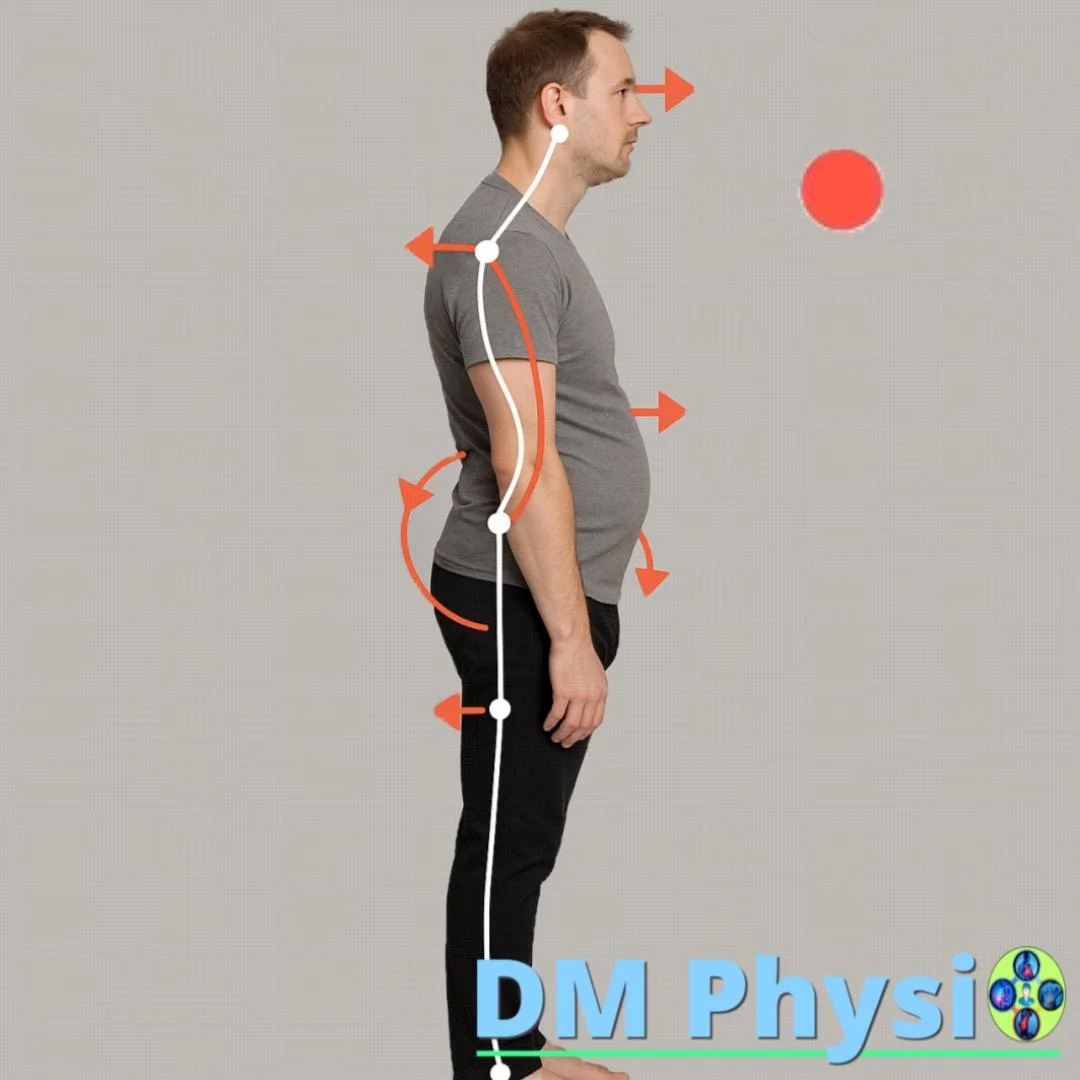
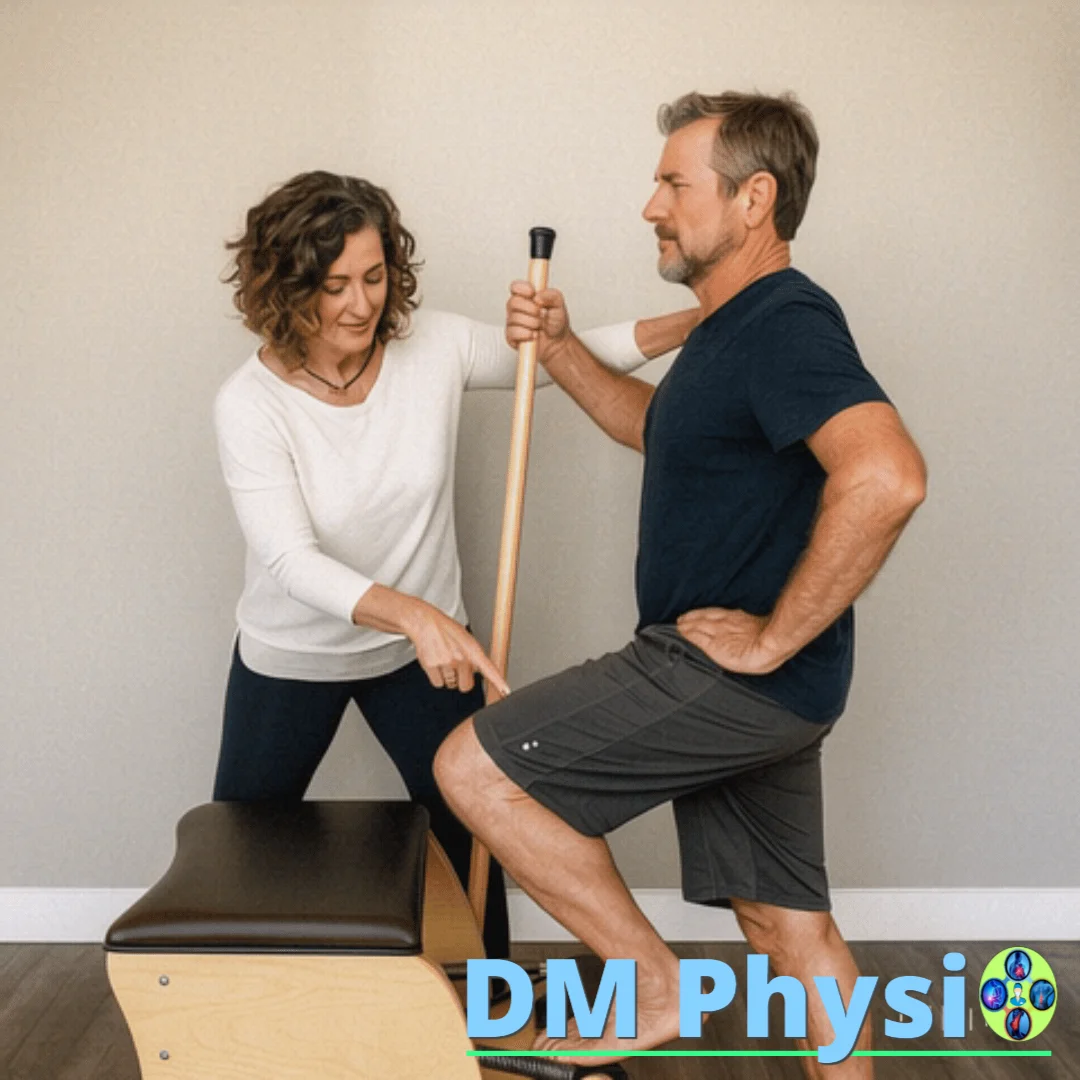
After controlling the pain, we move on to strengthening exercises for neck and upper back muscles – this restores stability, improves posture and reduces the risk of chronic symptoms.