Shoulder dislocation
Understand what happens during a shoulder dislocation, which symptoms matter, and how guided rehabilitation can support safer recovery.
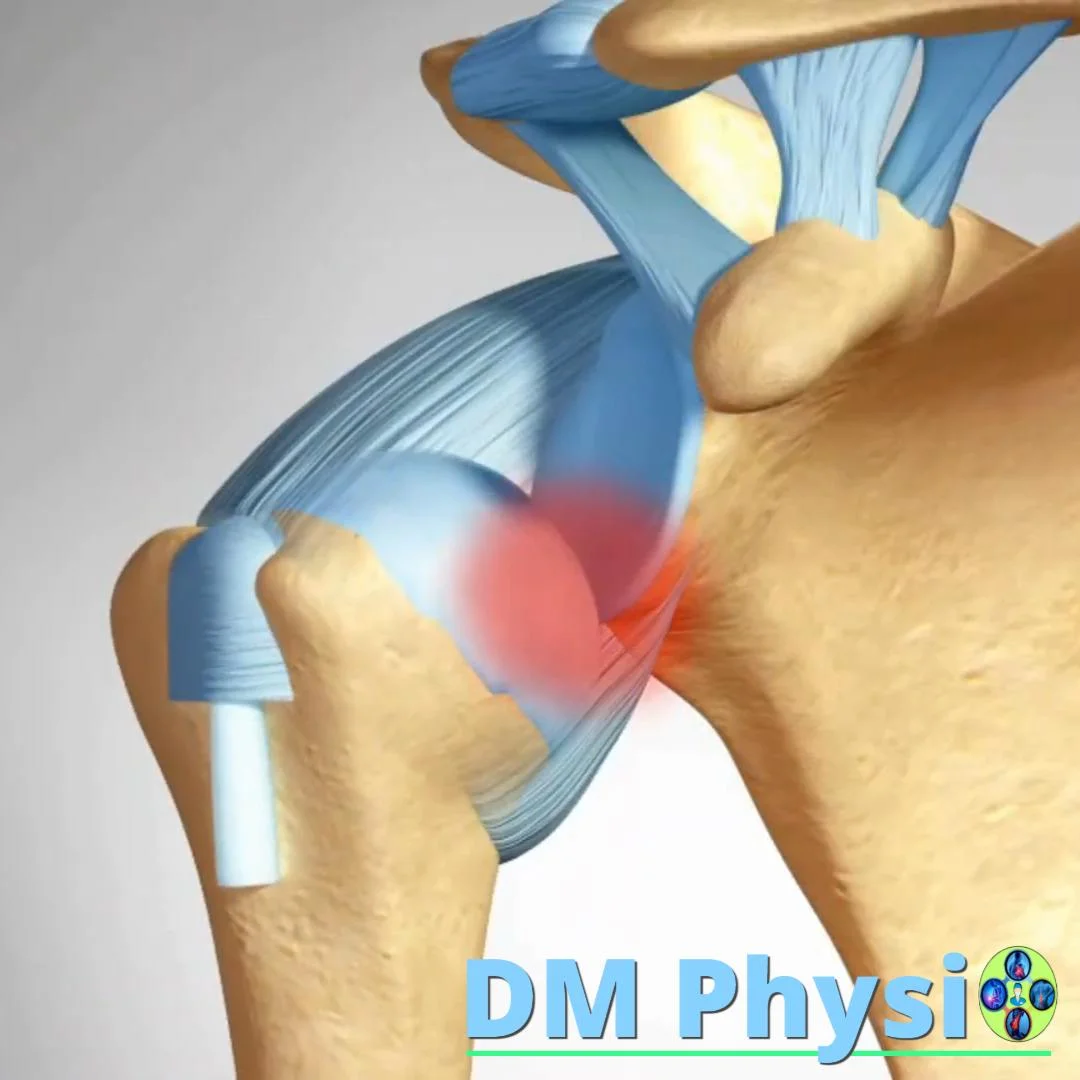
What is shoulder dislocation?
A shoulder dislocation is a condition in which the head of the humerus protrudes from the joint socket. This is one of the most common dislocations in the body and usually occurs with severe trauma or sudden movement.
It is important not to attempt to adjust the shoulder yourself. This should be done by a qualified medical professional.
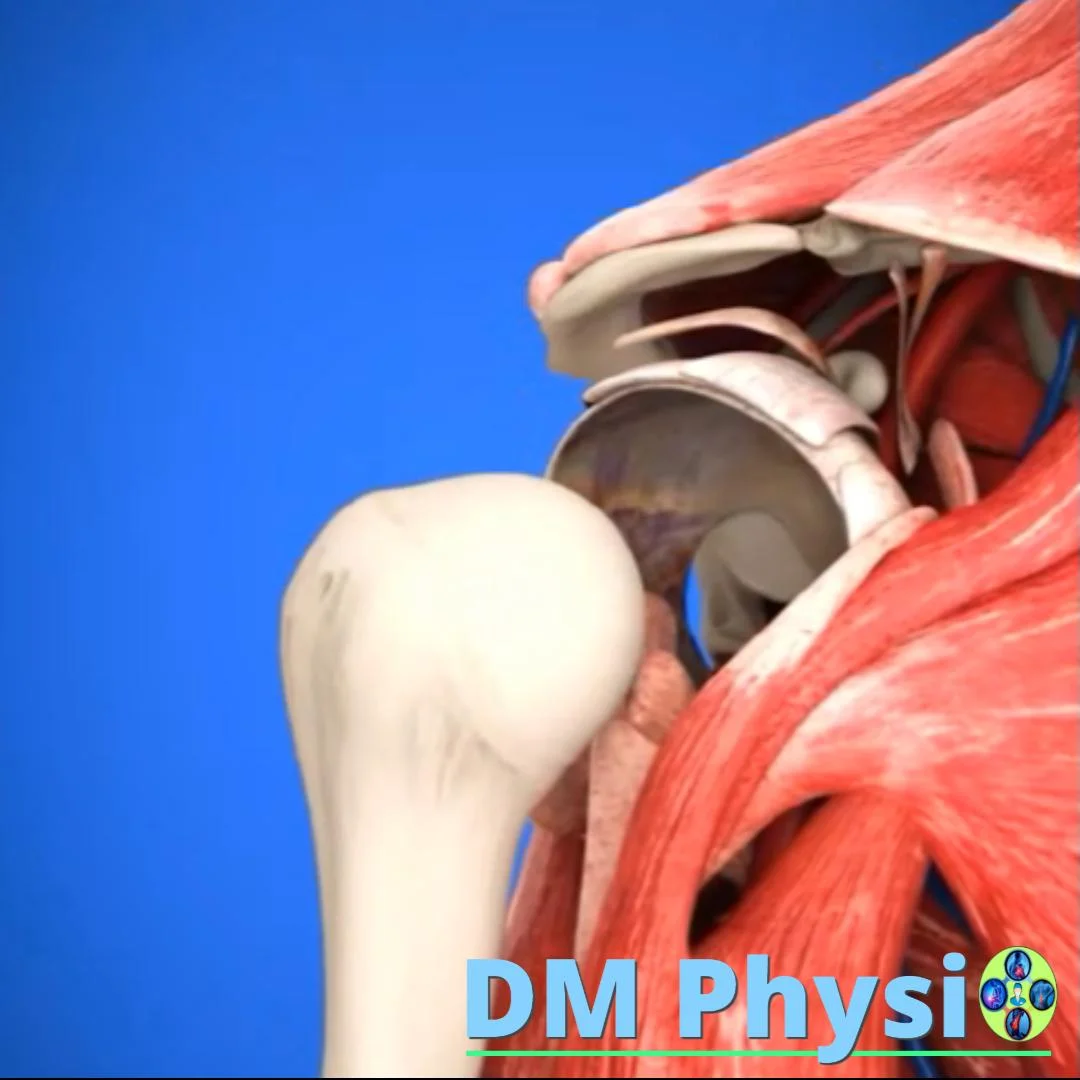
Causes and symptoms of shoulder dislocation
Recognize the main signs and find out what to do immediately after the injury.
Causes of dislocation
Most often, shoulder dislocation is caused by trauma such as a fall on an outstretched arm, a direct blow to the shoulder, or a sports injury where excessive force is applied to the joint.
Severe pain and deformity
Immediately after the injury, severe pain and inability to move the arm is felt. Visible deformity of the shoulder is often seen, and sometimes numbness or weakness in the arm due to nerve involvement.
Immediate action
Do not attempt to adjust the shoulder yourself. Apply ice if tolerated and keep the arm supported if possible. Seek immediate medical attention for professional repositioning and examination.
Stages of recovery with physiotherapy
The recovery process is individual and goes through several key phases, with the goal of better stability, control and return to movement.
1) Acute stage (1 week)
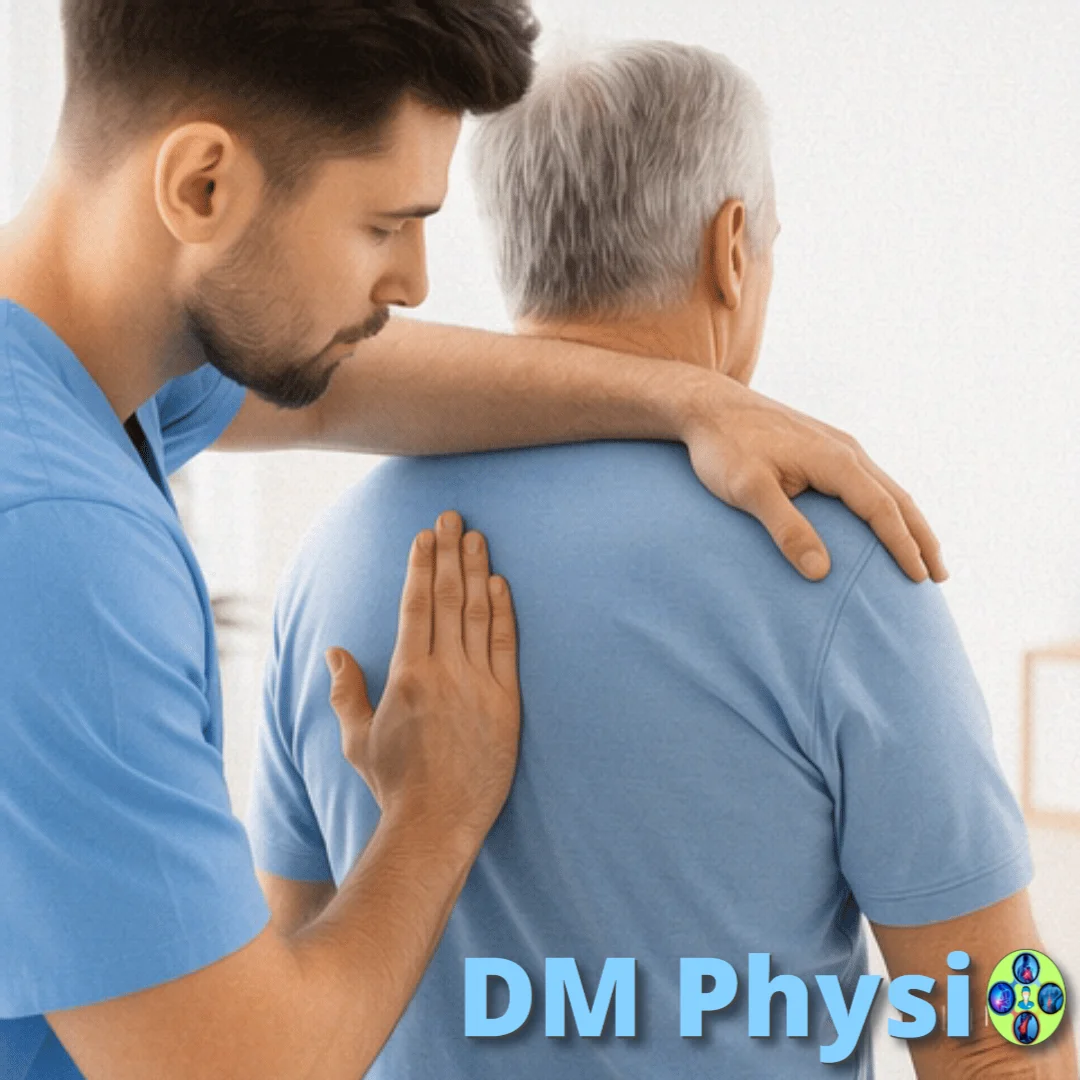
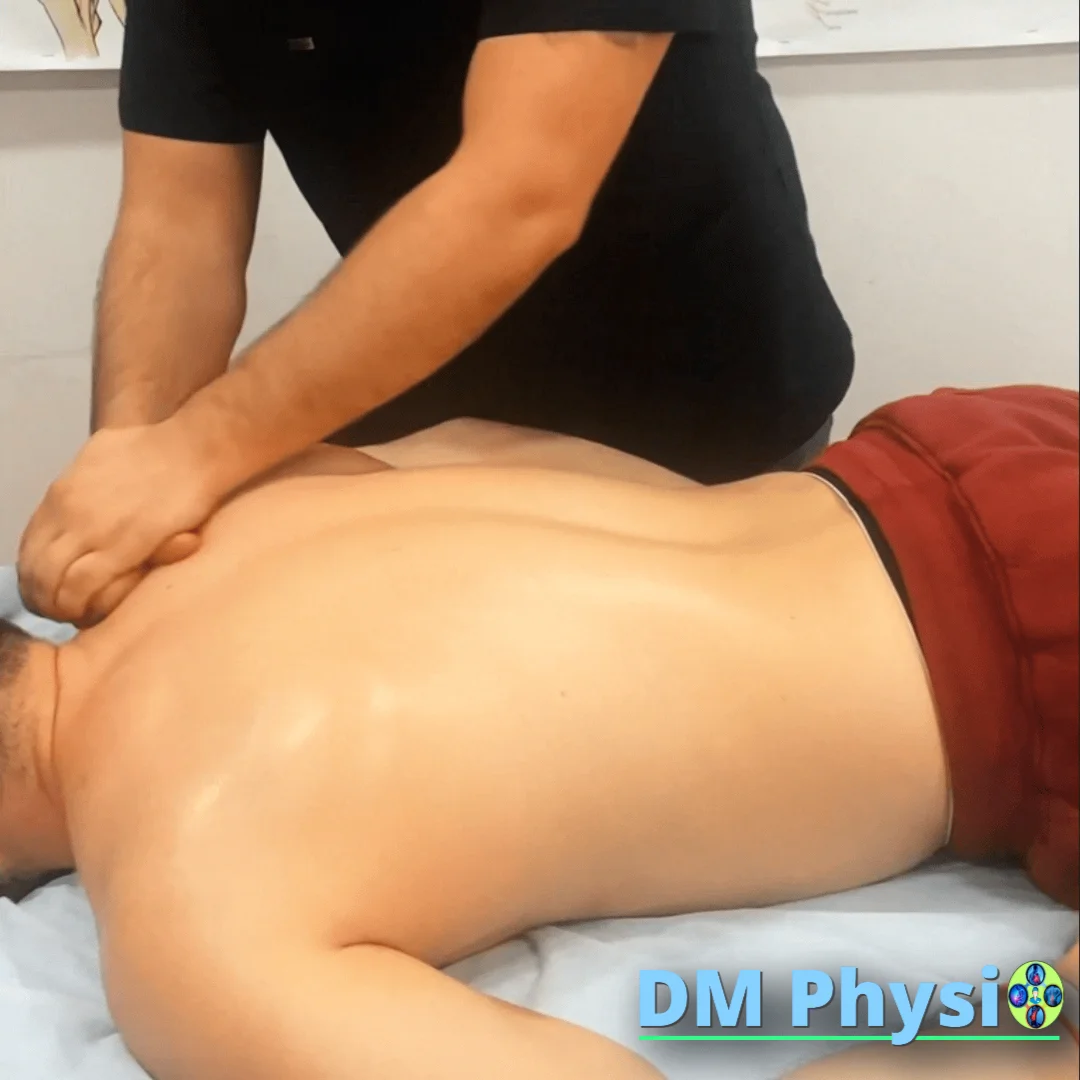
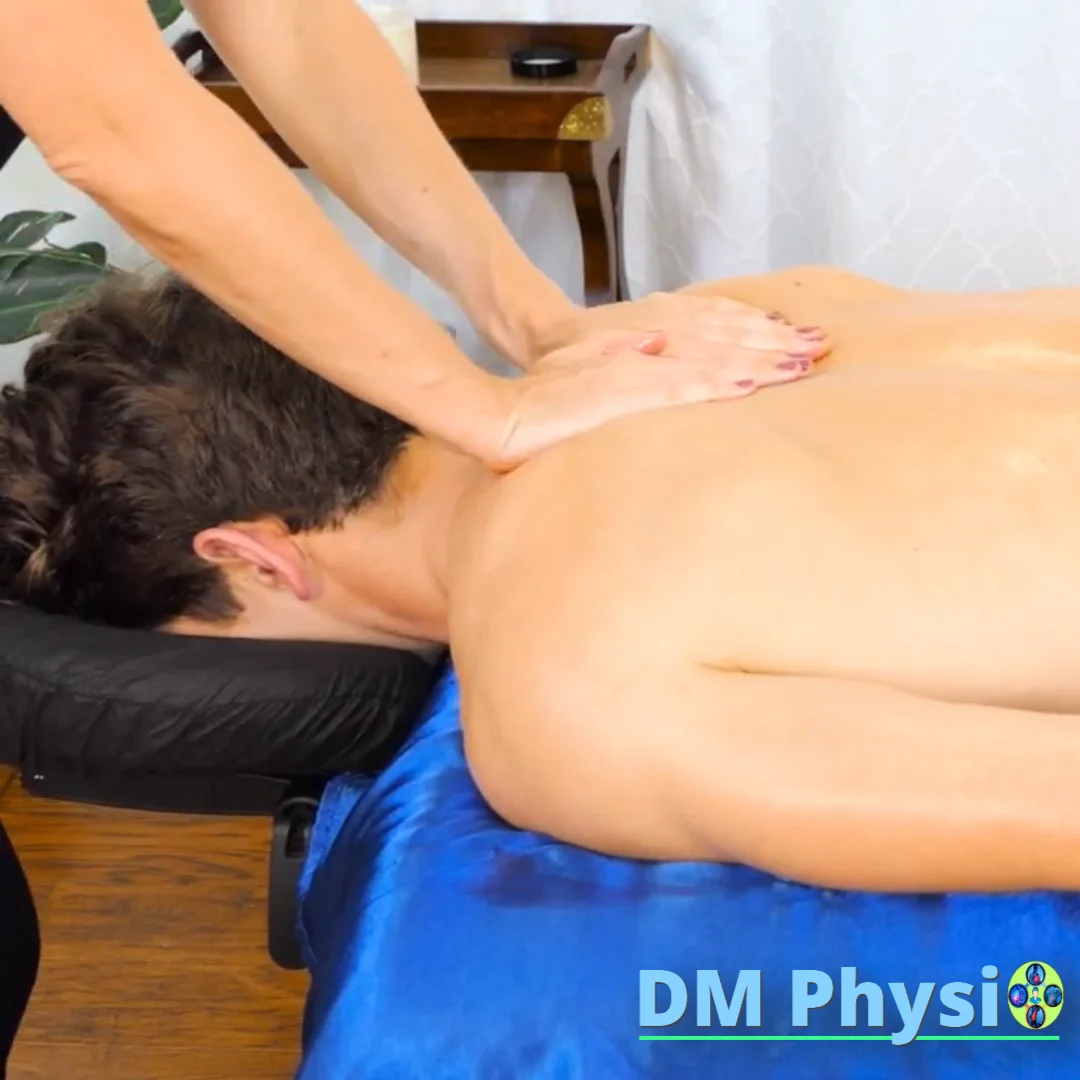
This stage begins immediately after the shoulder is repositioned. The focus is on controlling pain and swelling through ice, light massages, passive movements in a safe range. The goal is to help the tissues heal without stressing the joint.
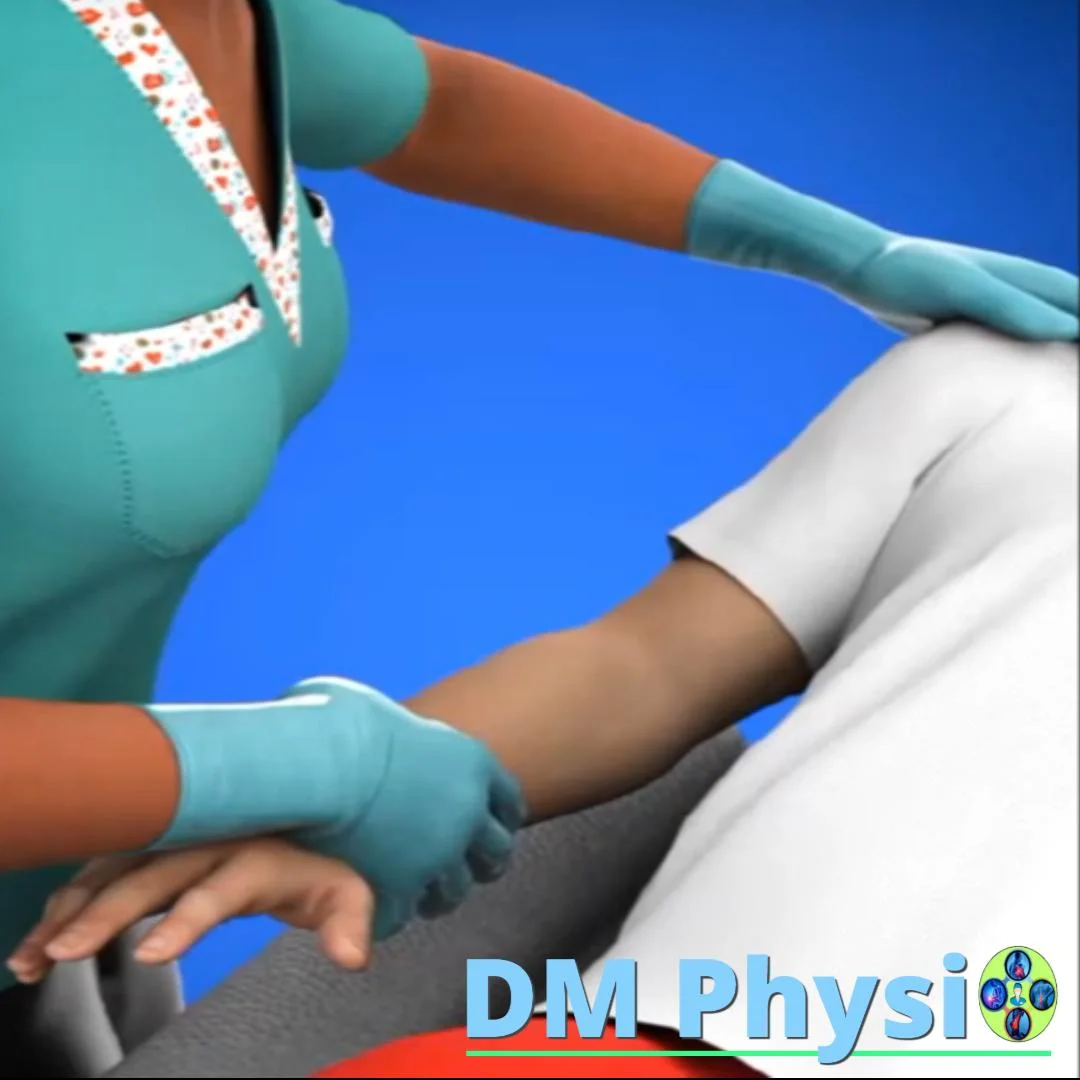
2) Recovery stage (2 weeks)
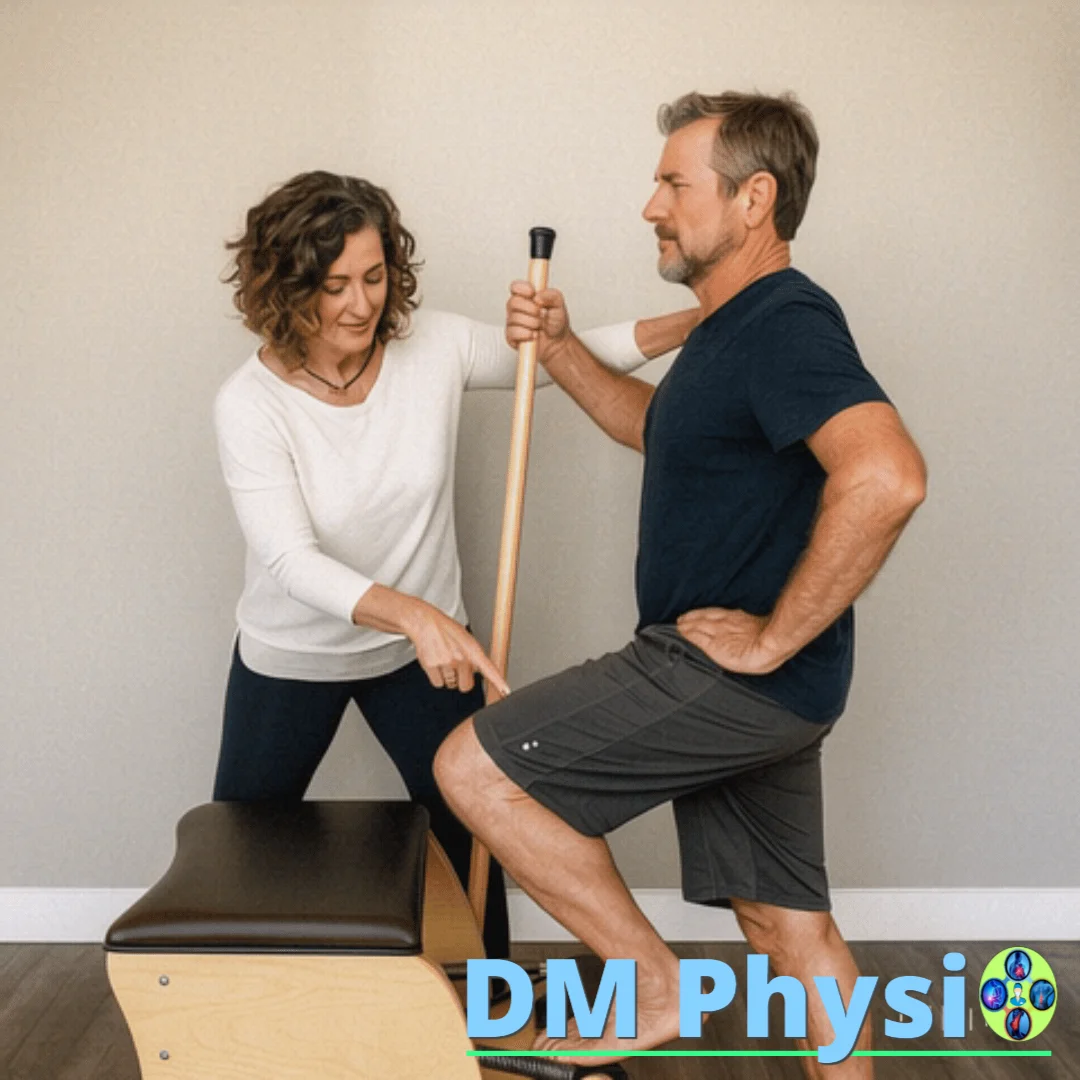
Once the pain is under control, we begin with restoring range of motion. The physiotherapist uses gradual active exercises to regain shoulder mobility. This stage also includes the first light exercises to strengthen the muscles around the joint.
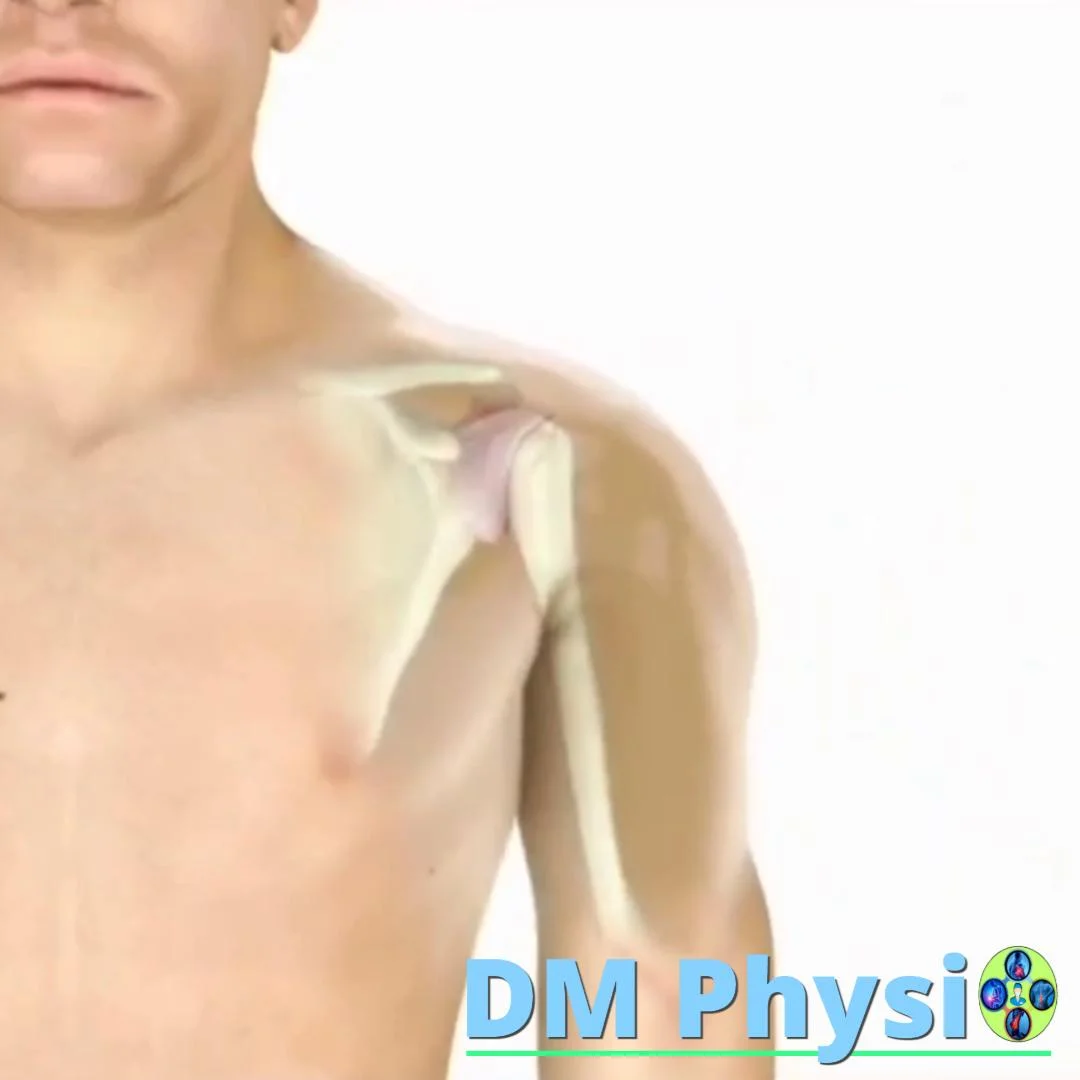
3) Stage of strengthening and stabilization
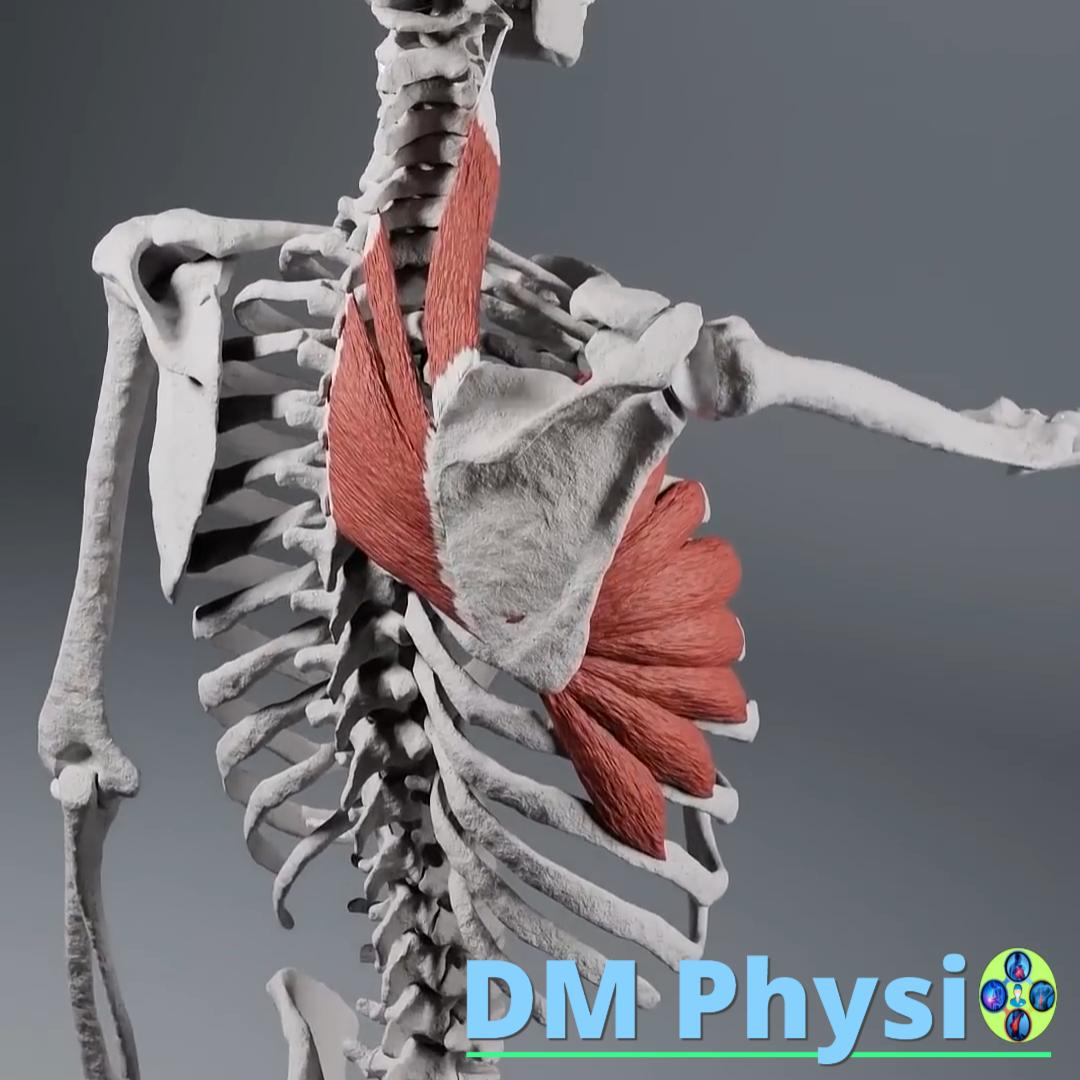
In this phase, the focus is on strengthening the muscles of the shoulder girdle and restoring full arm function. We work to improve the stability of the shoulder joint to reduce the risk of future dislocation and return you to your normal activities.
Why is physical therapy key?
Rehabilitation under the guidance of a specialist is essential for a full and lasting recovery.
Personalized plan
Each case is individual. We create a therapy plan tailored to your condition, your goals and your body's response.
Relapse prevention
Proper strengthening of the musculature around the shoulder is the best reducing the risk of another dislocation.
Restoring confidence
After the injury, many people lose confidence in the movement of their arm. We help you get it back safely.