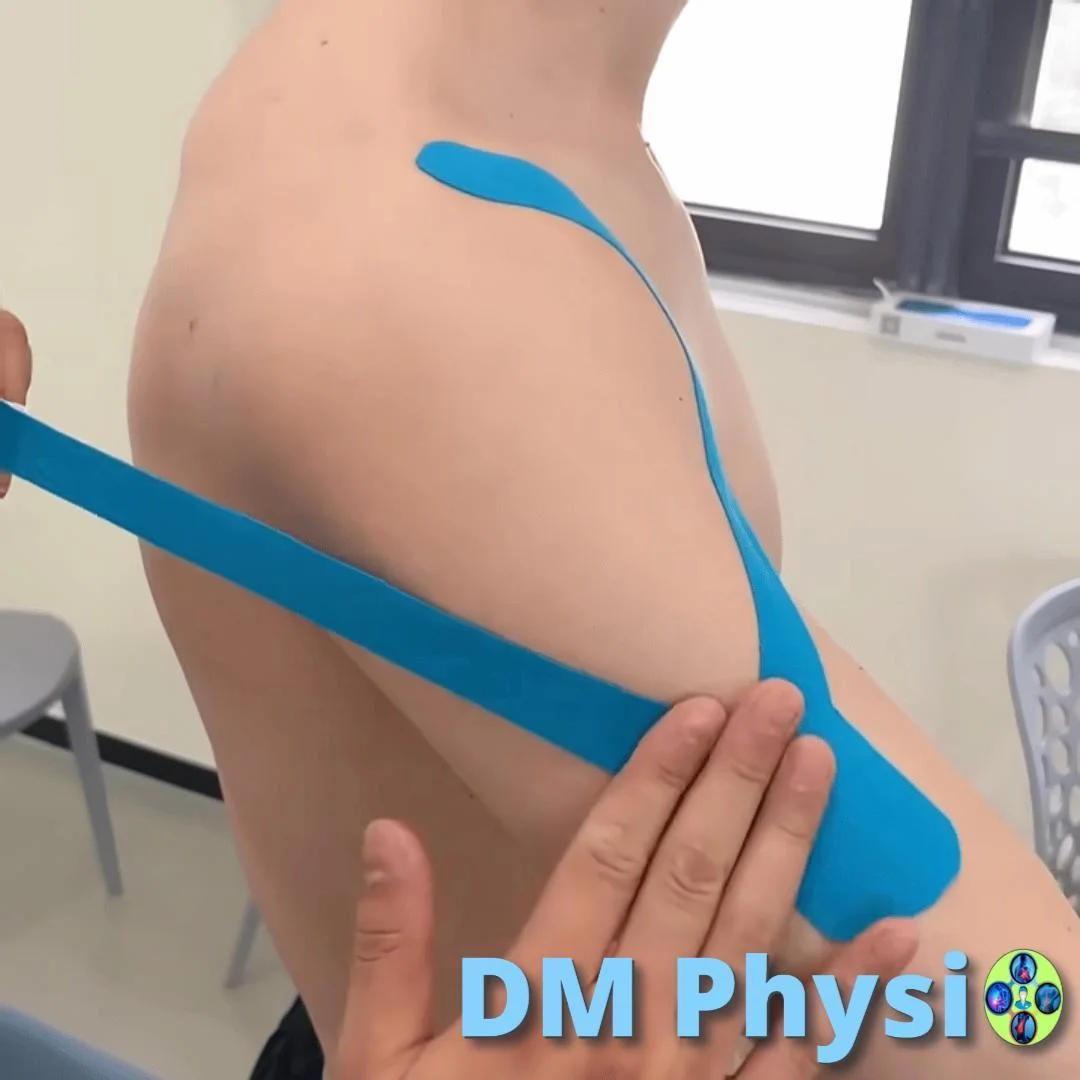
Shoulder impingement syndrome
Learn why structures in the shoulder can become compressed during arm elevation and how physiotherapy can help restore control, mobility and load tolerance.
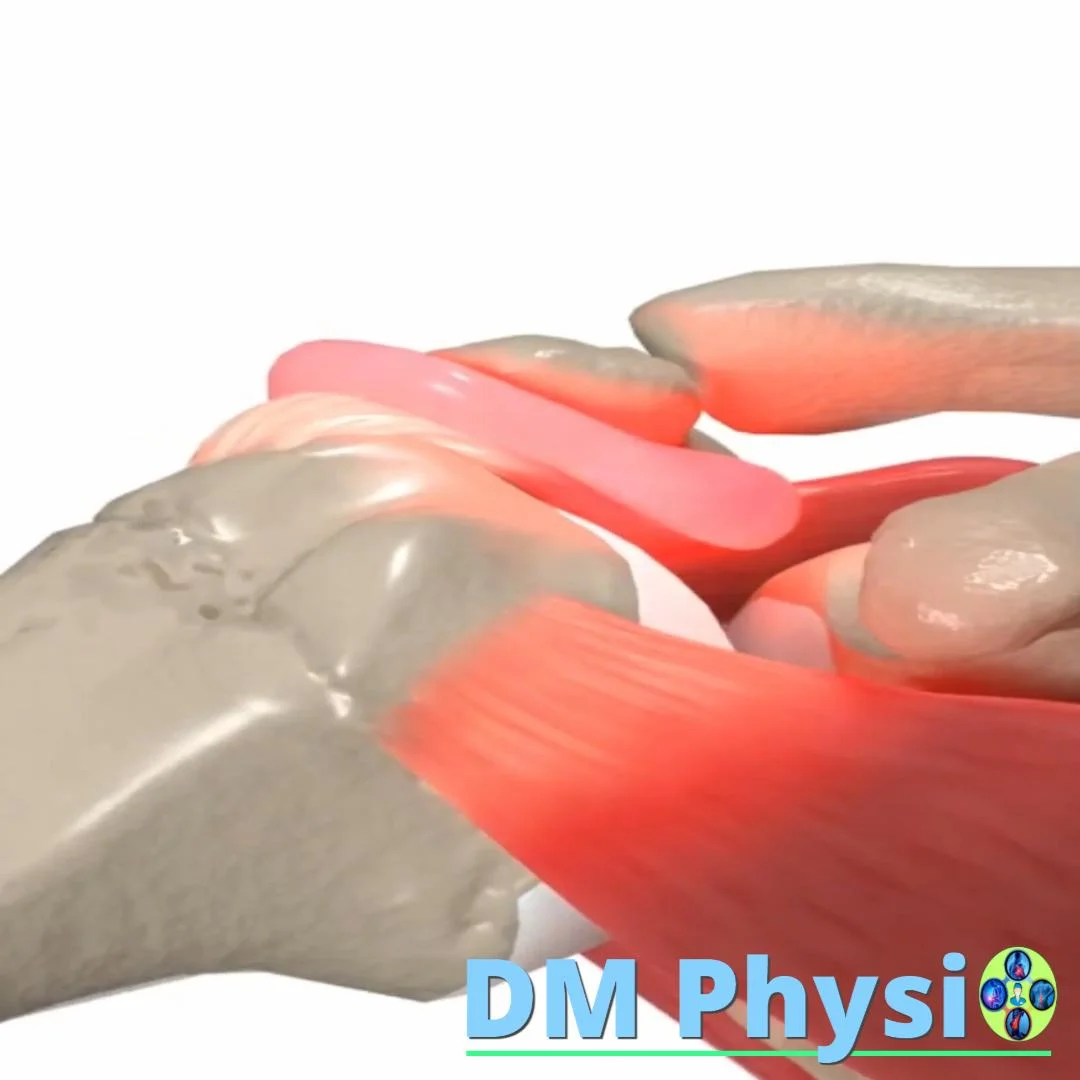
What is shoulder impingement?
Shoulder impingement describes irritation or compression of tendons and soft tissues around the shoulder when the arm is lifted. It is often linked to limited scapular control, muscle imbalance, repeated overhead work or irritation around the rotator cuff and bursa.
If pain is sharp after trauma, or there is marked weakness, swelling or loss of movement, medical assessment is needed. Physiotherapy focuses on the movement and load factors that can keep the shoulder irritated.
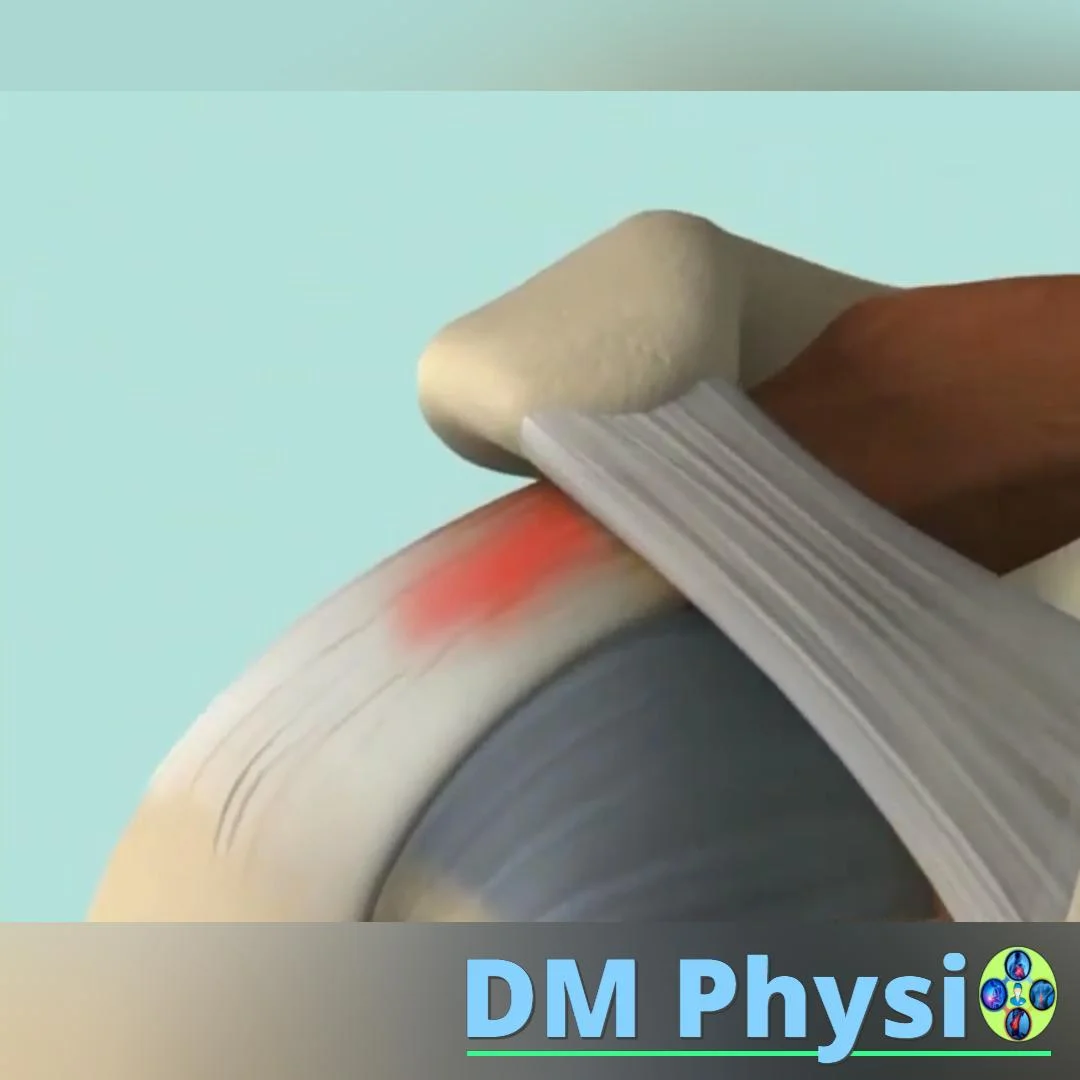
Why does shoulder impingement happen?
The goal is to understand which movement, load or muscle-control factor is irritating the shoulder.
Repeated overhead loading
Repeated reaching, lifting or work above shoulder height can irritate the tissues under the acromion, especially when load increases faster than the shoulder can adapt.
Poor scapular control
When the shoulder blade and rotator cuff do not guide the arm well, the shoulder may feel pinched during elevation, reaching behind the back or lifting away from the body.
Irritated tendons or bursa
Pain may appear in an arc of movement, at night, or after repeated loading. Tendons and bursa can become sensitive when mechanics, recovery and load are not balanced.
How physiotherapy helps
Work is adapted to pain level, mobility and how the shoulder responds to load.
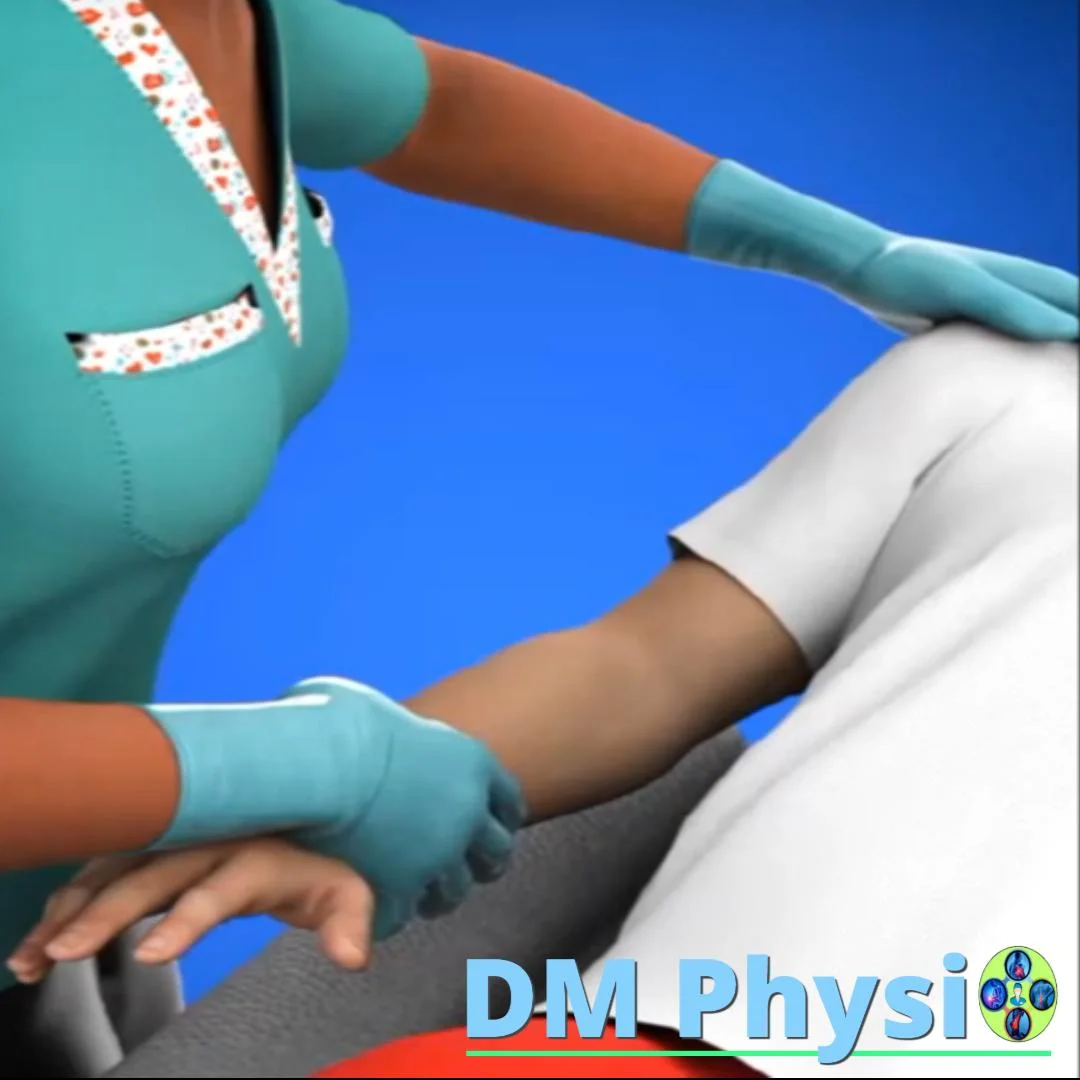
1) Assessment and calming irritation
We assess shoulder range of motion, scapular control, rotator cuff function and the movements that reproduce symptoms. The first step is to reduce irritating loads and calm the sensitive tissues.
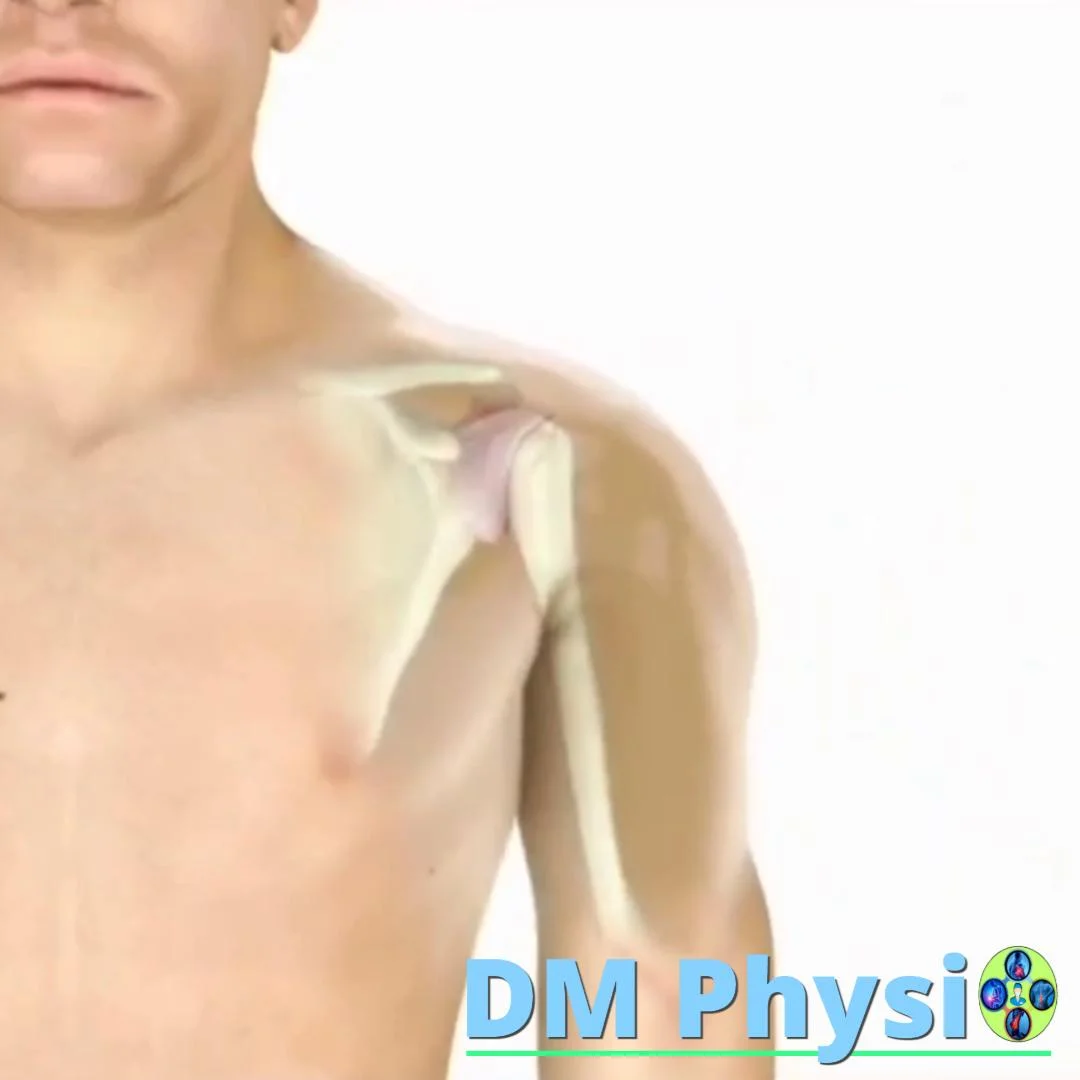
2) Restore mobility and control
The plan usually includes mobility work, scapular control and gentle activation of the rotator cuff so the shoulder can move with less pinching and better coordination.
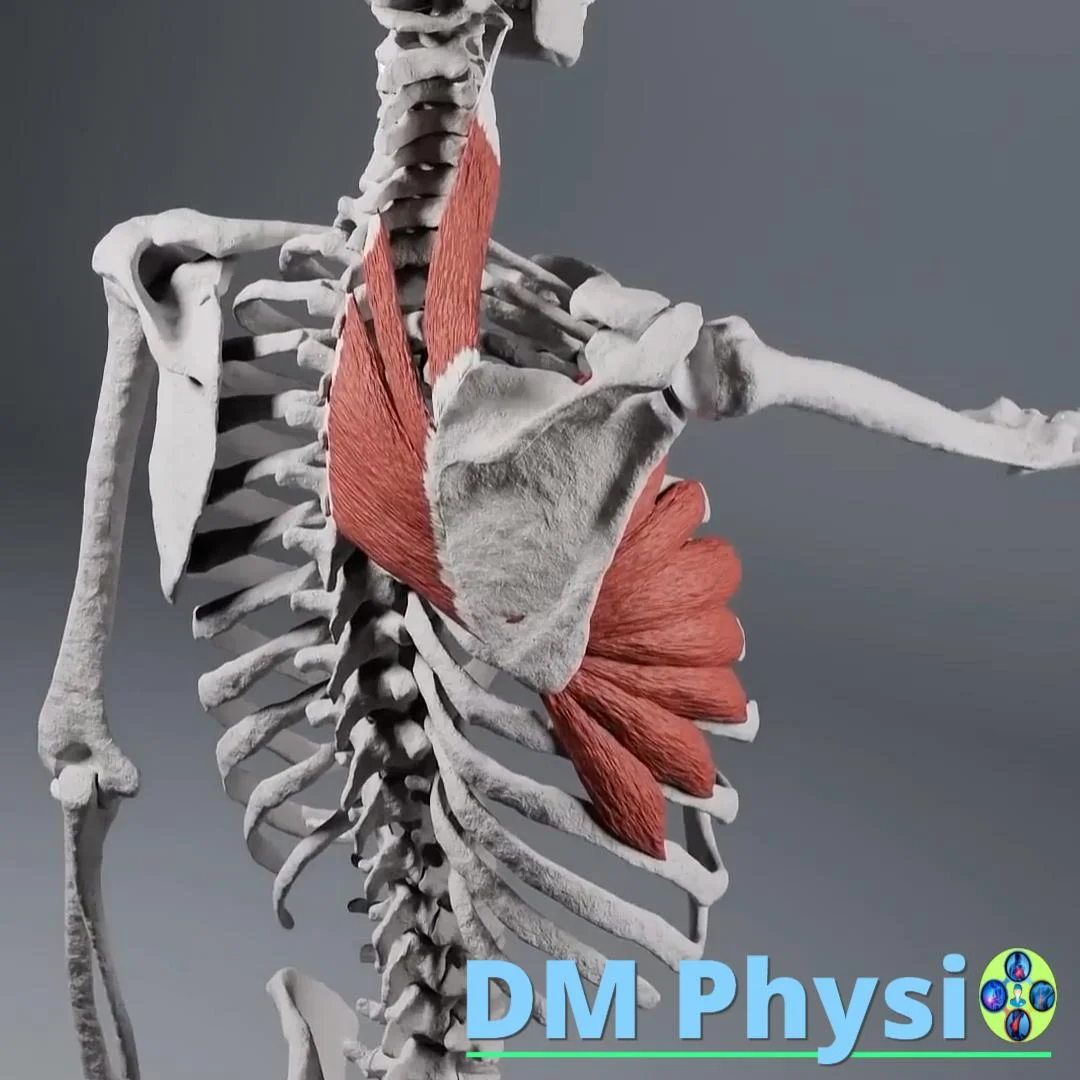
3) Strength and return to activity
Exercises become progressively more demanding so the shoulder can tolerate everyday movements, work and sport. The focus is strength, control and reducing the chance that the same movement pattern keeps irritating the area.
Why physiotherapy matters
Physiotherapy helps match exercises and load to the exact movement pattern that provokes symptoms.
Personalized plan
Each case is individual. We create a therapy plan tailored to your condition, your goals and your body's response.
Better movement control
Good shoulder rehabilitation is not only about stronger muscles. It is about better scapular control, rotator cuff coordination and gradual tolerance to the movements that used to provoke pain.
More confident movement
When you understand which movements irritate the shoulder, it becomes easier to return to activity with more confidence.