Bursitis
Understand why the bursa can become irritated and how assessment, load control and targeted exercises can support shoulder movement.
What is bursitis?
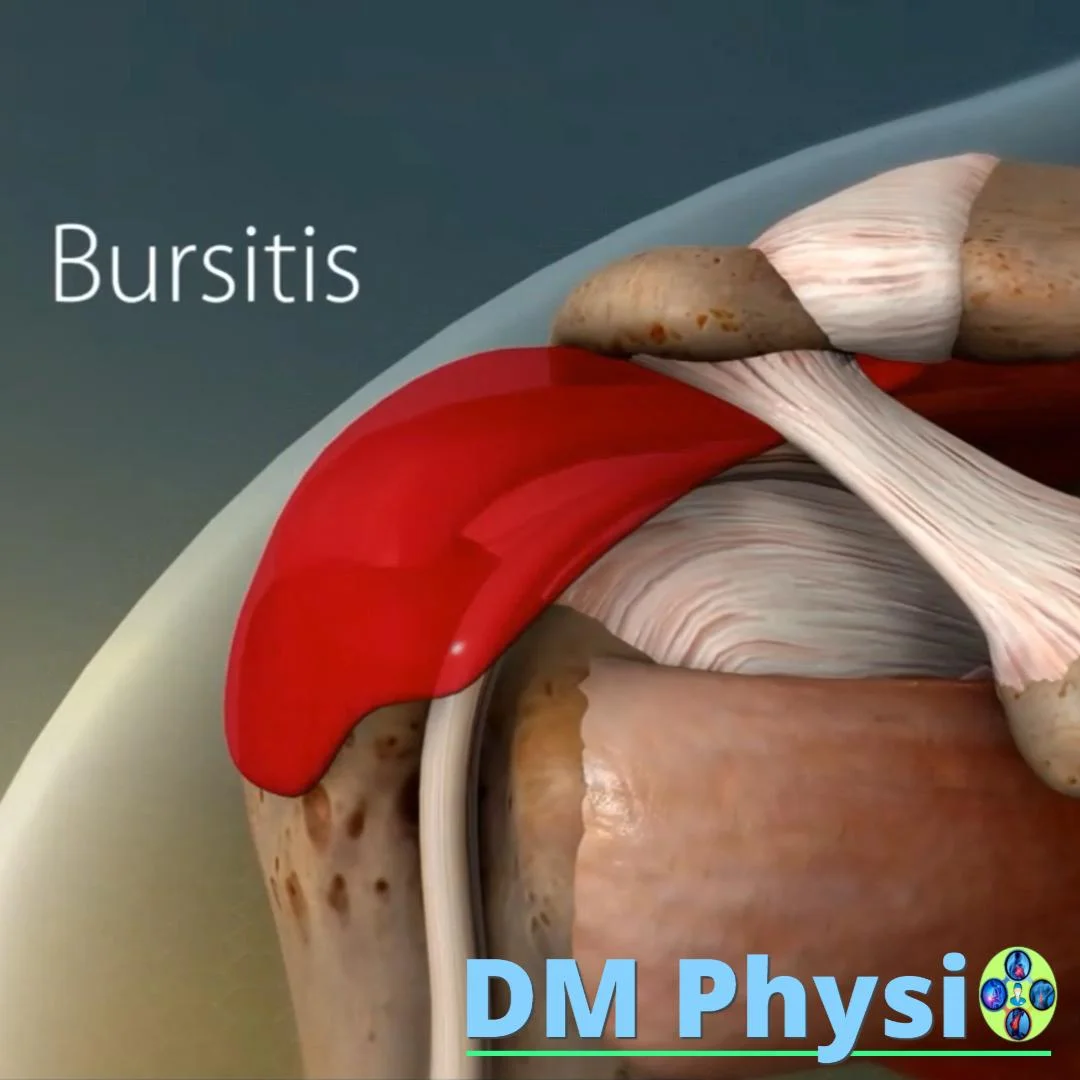
Bursitis is an inflammation of the bursa, a small fluid-filled sac located between bones, tendons and muscles. Its main function is to reduces friction and ensures smooth movement of the joints. When the bursa becomes inflamed, it becomes swollen and painful, which can significantly limit movement in the affected joint.
Bursitis most commonly affects large joints such as the shoulder, elbow, hip, and knee, but it can occur in other locations as well.

How and why does inflammation of the bursa occur?
Find out the main causes that lead to bursitis pain and swelling.
Repetitive motion or overuse
Repeated, repetitive movements of a joint or prolonged pressure on it are the most common causes. These actions cause constant friction between the bone, tendons and muscles.
Bursa irritation
The constant friction and pressure irritates the bursa, the small sac of fluid that serves to cushion the body. In response to the irritation, the bursa becomes inflamed and begins to produce more fluid.
Pain, swelling and limited movement
The inflamed and swollen bursa presses on the surrounding structures (tendons, nerves), which leads to severe pain, visible swelling and limited mobility of the joint, as any movement is painful.
Symptoms and effects of bursitis
Early response to symptoms is key to preventing the condition from becoming chronic.
1) Acute pain and tenderness
The inflamed bursa causes highly localized pain, which is felt by movement or pressure. The joint becomes very sensitive to touch, and the pain is often worse at night or after a long rest.

2) Swelling and redness
When inflamed, the bursa fills with more fluid, which leads to visible swelling and oedema in the area of the joint. The skin over the affected area may become red and warm to the touch, which is a typical sign of an inflammatory process.

3) Limited mobility
Pain and swelling make it difficult to move the joint. The muscles around it often tighten to prevent further pain, resulting in stiffness and reduced range of motion. If left untreated, it can lead to chronic pain and permanent loss of function.

How does physical therapy help with bursitis?
Our approach is aimed at reducing inflammation, restoring movement and strengthening muscles.
1. Reducing inflammation
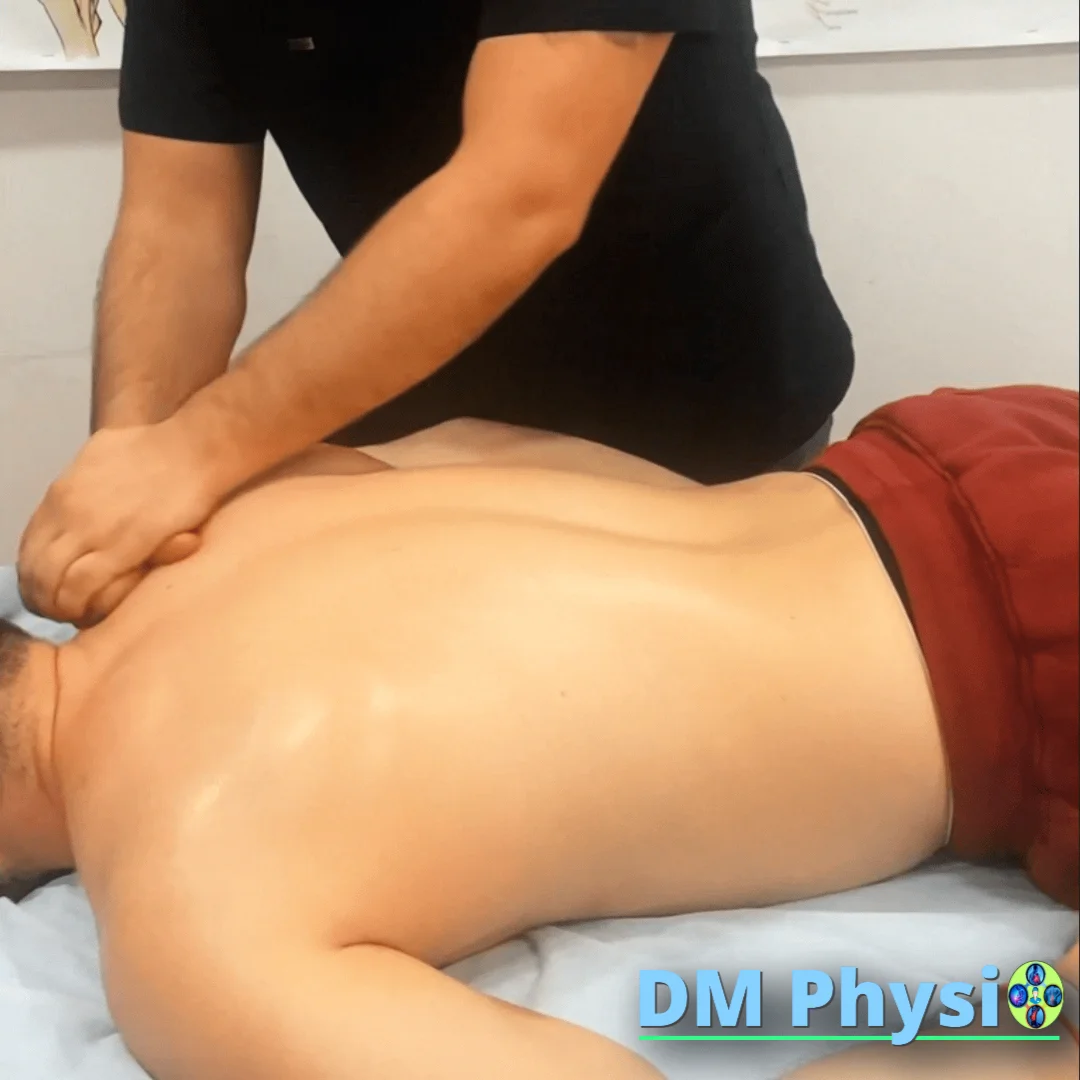
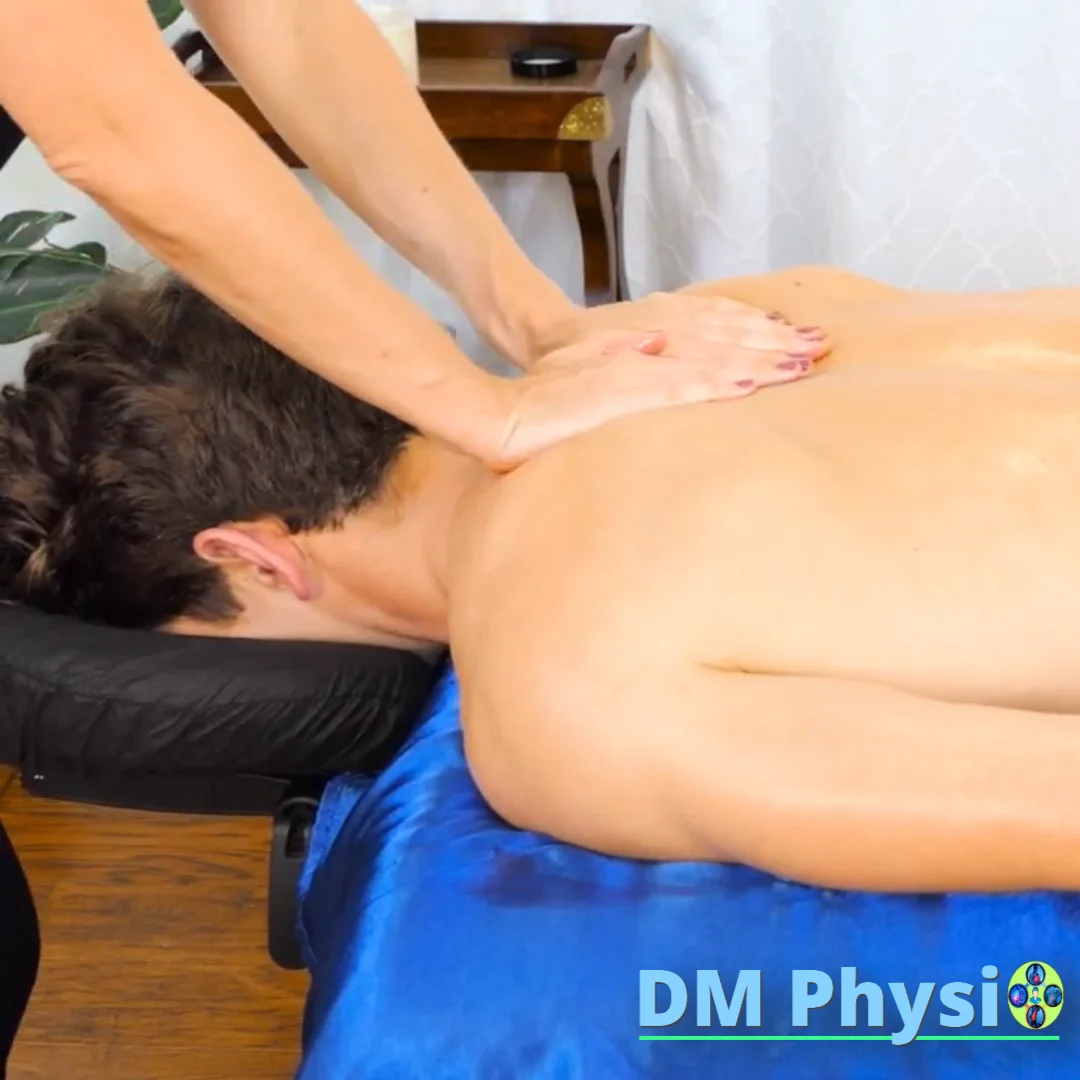
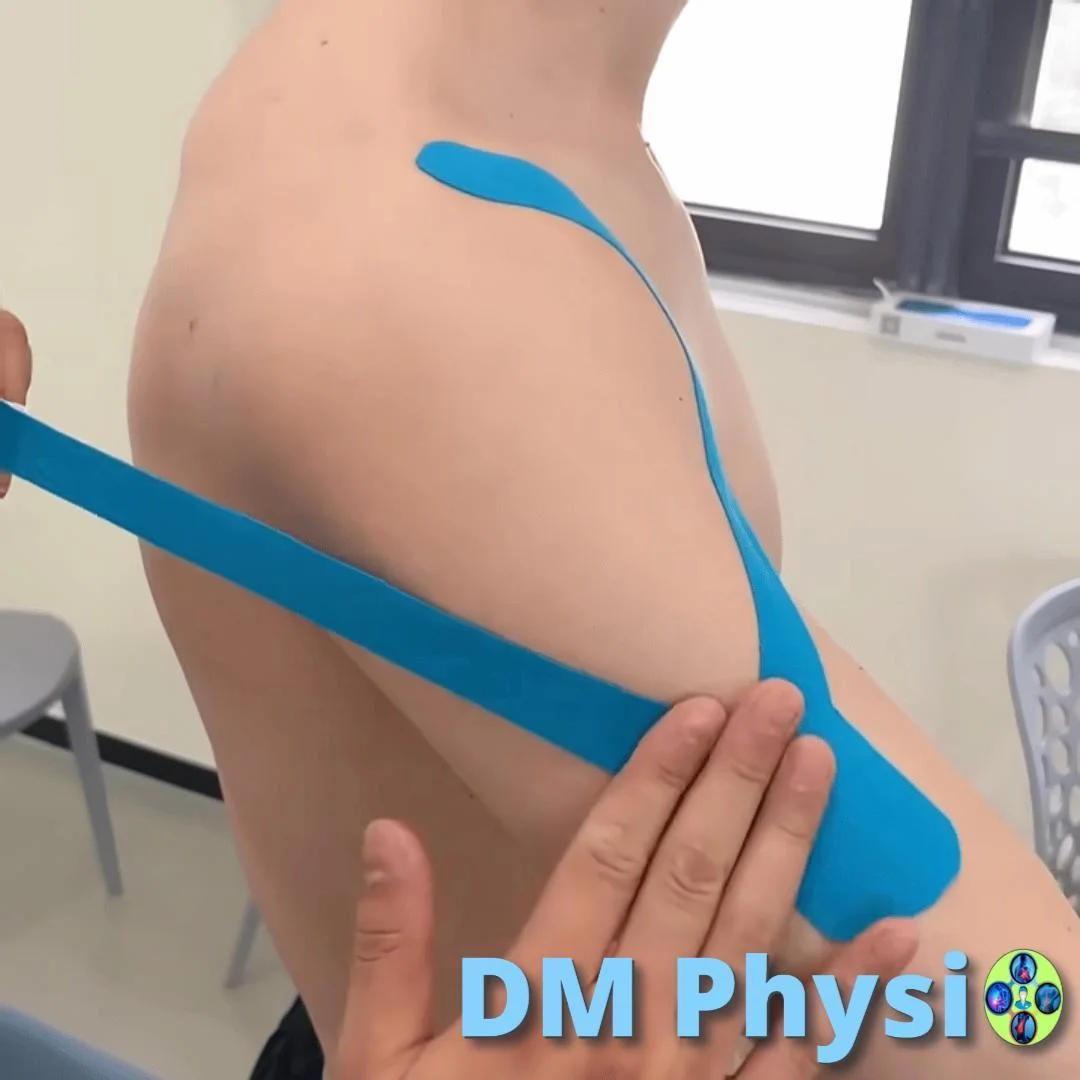
We use manual techniques to calm the inflammation and relieve the pain. We also apply ice and appliance treatments to help reduce swelling.
2. Restoring mobility
After the sharp pain subsides, we start with gentle range of motion exercises. The goal is to gradually restore the normal range of motion in the joint without overloading it.
3. Strengthening and prevention
We are working on strengthening the muscles around the affected joint. This stabilizes the area, reduces the risk of future inflammation and improves overall function.