Scapular dyskinesia
Find out the causes of "winged scapula" and how to deal with shoulder discomfort and limitations.
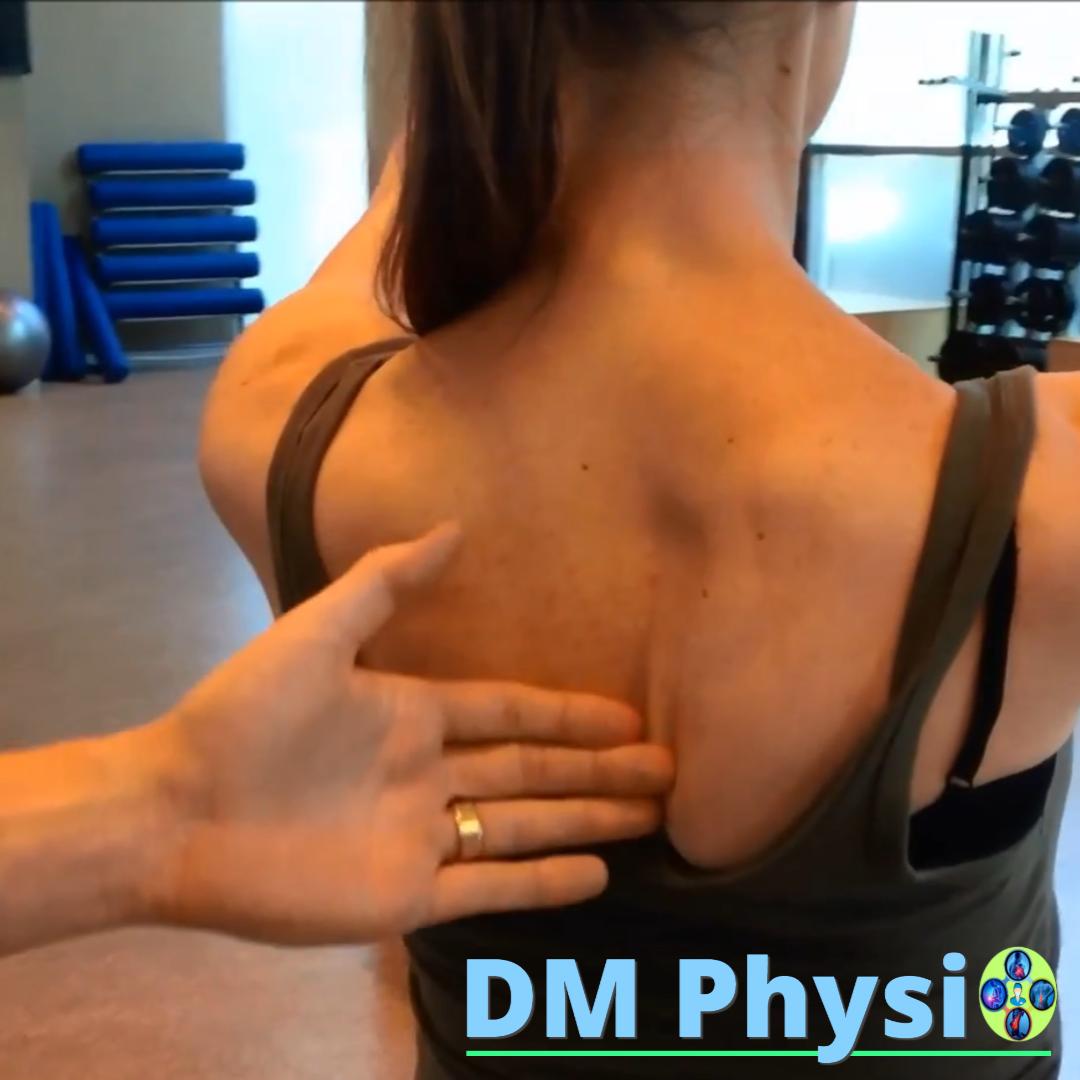
What is scapular dyskinesia?
Scapular dyskinesia is a disorder in the normal movement and positioning of the shoulder blade (scapula) during shoulder movements. This condition is often described as "winged scapula" because the scapula may protrude or move uncontrollably, especially when the arm is raised. It is not an independent disease, but rather a symptom of an imbalance in the muscles that stabilize it.
Muscle imbalances around the scapula are a common problem that can lead to pain, instability and limitation of movement in the shoulder, especially in athletes and people who work in front of a computer.
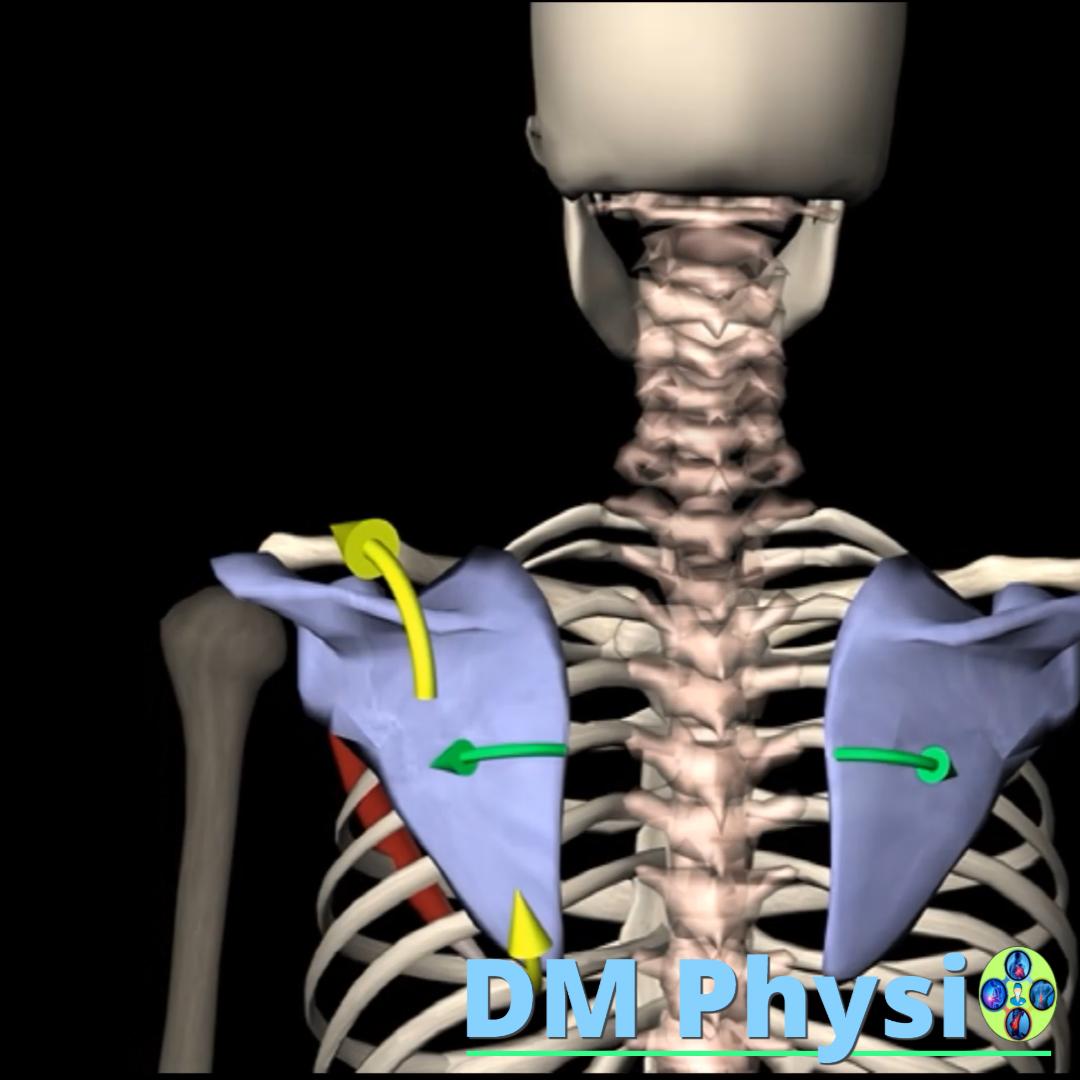
How does scapular dyskinesia develop?
Most cases of dyskinesia are the result of long-term muscle imbalance, not acute trauma.
Muscle imbalance
An imbalance between the muscles that stabilize the scapula (eg, a weak serratus anterior and a tight pectoralis minor) leads to its poor positioning and movement.
Shoulder instability
When the scapula is not stable, it cannot provide a proper foundation for the movements of the shoulder joint. This can lead to pain, limitation of motion, and compromised shoulder mechanics.
Compensatory mechanisms
The body tries to compensate for the instability, which causes other muscles (eg, upper trapezius) to overwork, creating a vicious cycle of tension, pain, and further dysfunction.
Which muscles are key to scapular dyskinesia?
m. serratus anterior
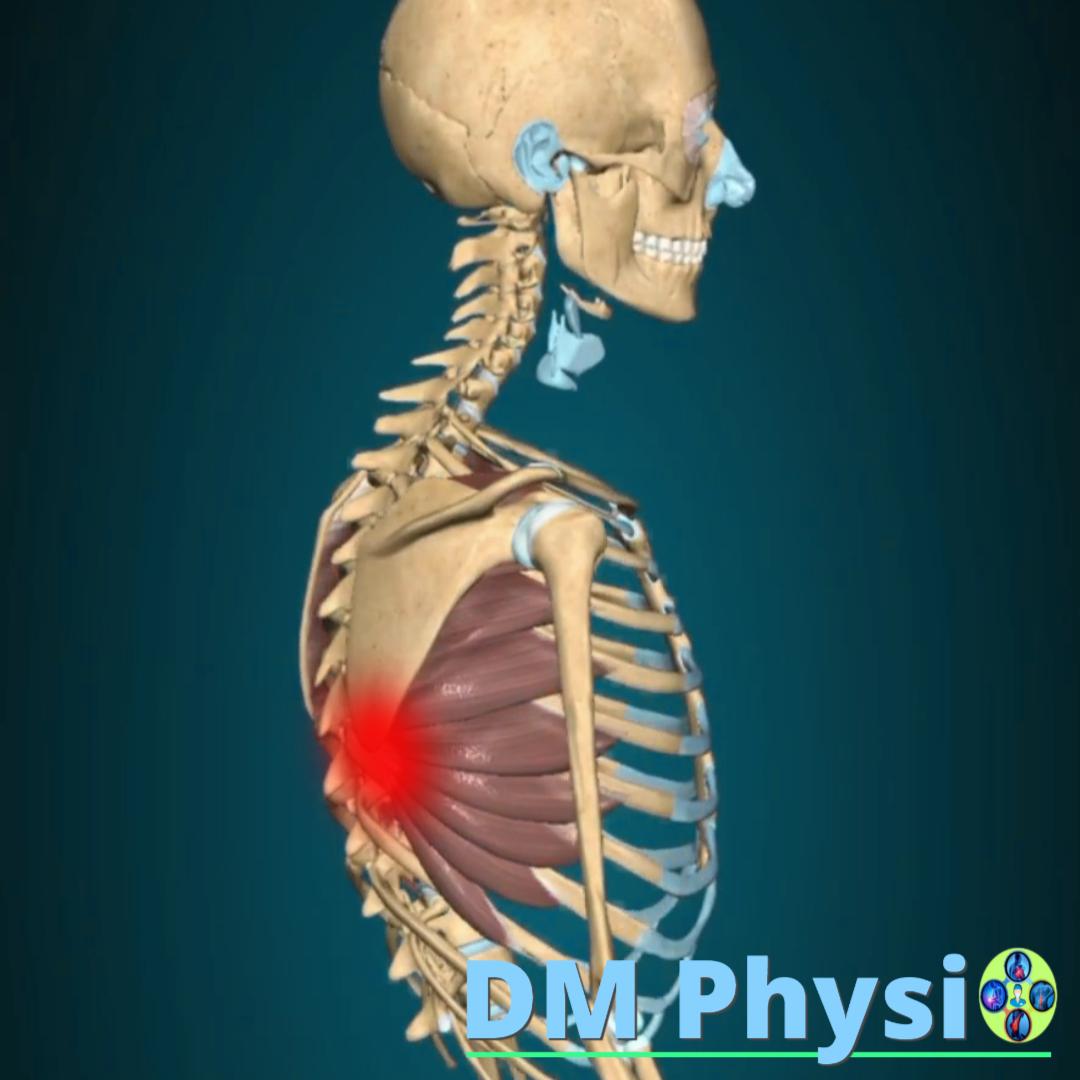
Anatomy and grip
The muscle starts from the ribs and attaches to the inner edge of the scapula.
Dysfunction
- Weakness or inactivation of this muscle is the main cause of dyskinesia.
- It leads to the "winged scapula" - the scapula protrudes backwards.
- Shoulder instability and reduced strength.
m. pectoralis minor
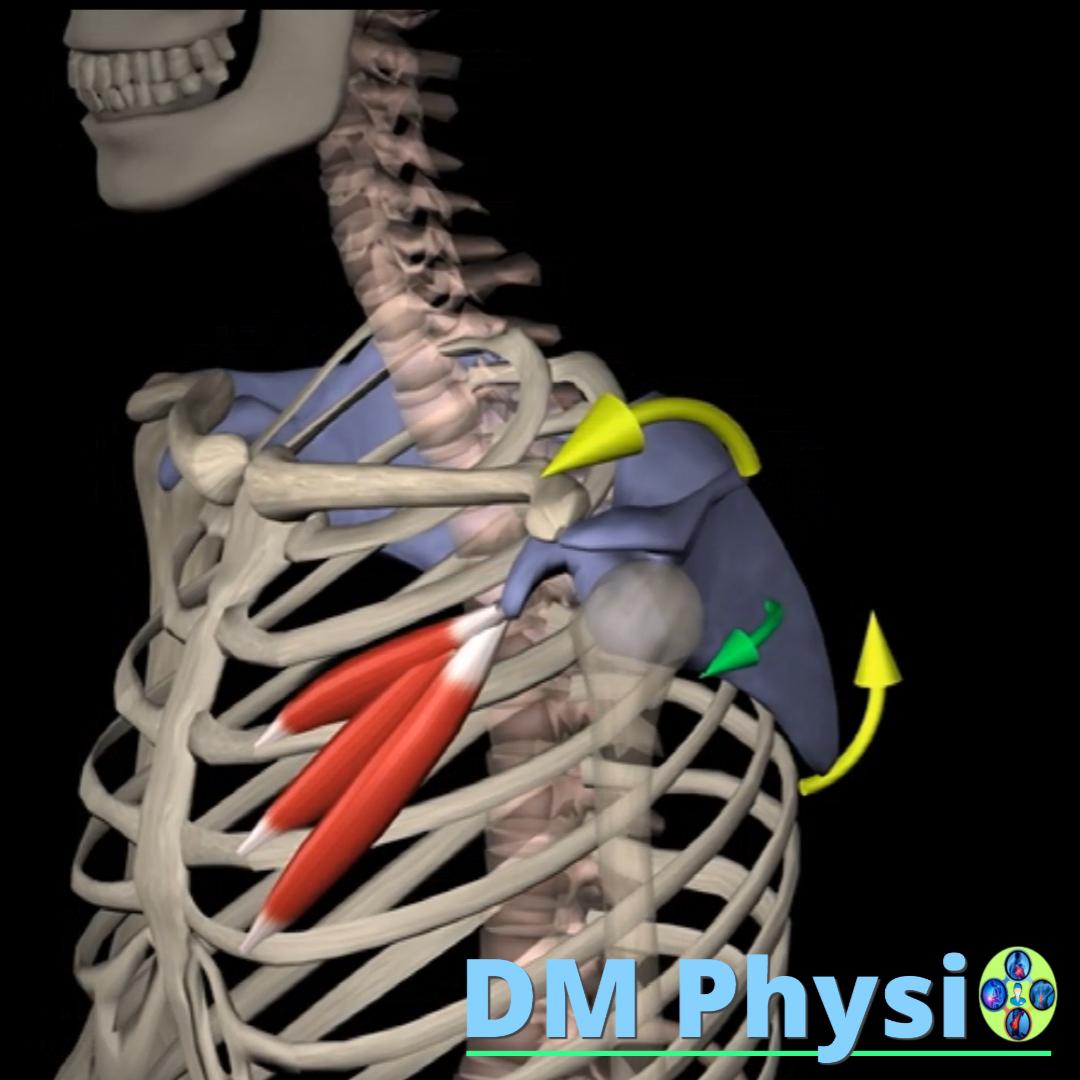
Anatomy and grip
A small muscle located below m. pectoralis major. It starts from the ribs and attaches to the scapula.
Dysfunction
- Shortening or hypertonicity of the muscle.
- Keeps the scapula in the poor position (down and forward).
- It can compress nerves and blood vessels below the collarbone.
m. rhomboideus major et minor

Anatomy and grip
Two muscles located in the upper back, below the trapezius muscle. They start from cervical and thoracic vertebrae and attach to the inner edge of the scapula.
Dysfunction
- Weakness or stiffness of the muscle.
- Their weakening leads to rolling the shoulders forward and poor posture.
- It can cause pain between the shoulder blades, especially when sitting.
m. levator scapulae
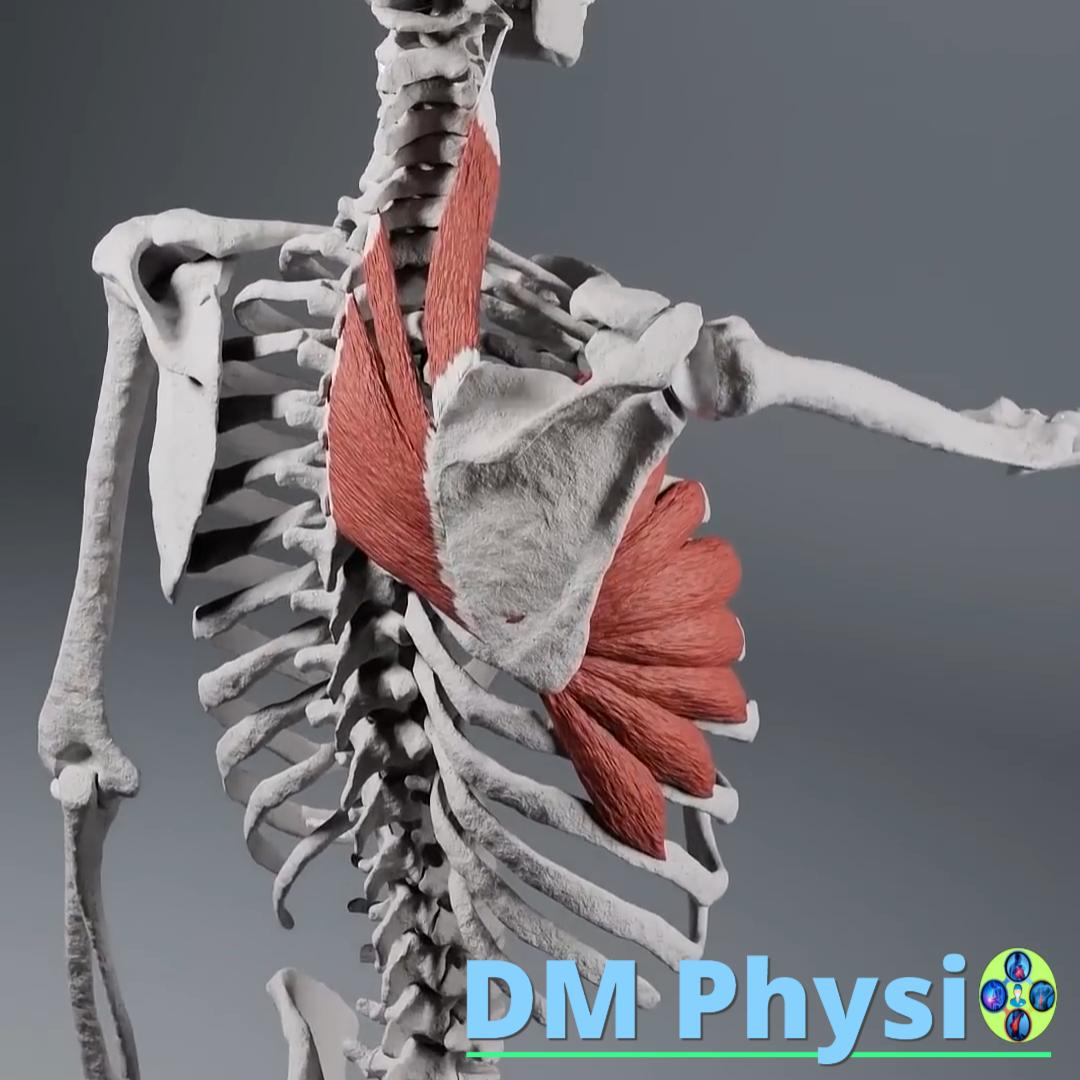
Anatomy and grip
The muscle is located at the side and back of the neck, starting from the cervical vertebrae and attaching to the upper part of the scapula.
Dysfunction
- Overvoltage due to poor posture or compensation.
- It leads to neck and upper shoulder pain.
- Limits the normal movement of the scapula.
How to deal with scapular dyskinesia?
To restore proper function of the scapula, a holistic approach focusing on activation, strength and control is required.
1. Activation of the right muscles
First, we focus on the activation of weak muscles (e.g. serratus anterior) and relaxing overstretched ones (e.g. pectoralis minor) to restore balance.
2. Strengthening and stabilization
We use specific exercises to strengthen the muscles stabilizing the scapula. This is key to restoring her proper trajectory and preventing recurrence.
3. Behavioral changes
We are working on correction of posture and movements, to support better control of the scapula in sports and everyday activities - from sports to everyday tasks.