Frozen Shoulder (Adhesive Capsulitis)
Find out the causes and symptoms of frozen shoulder and how to regain your mobility.
What is frozen shoulder?
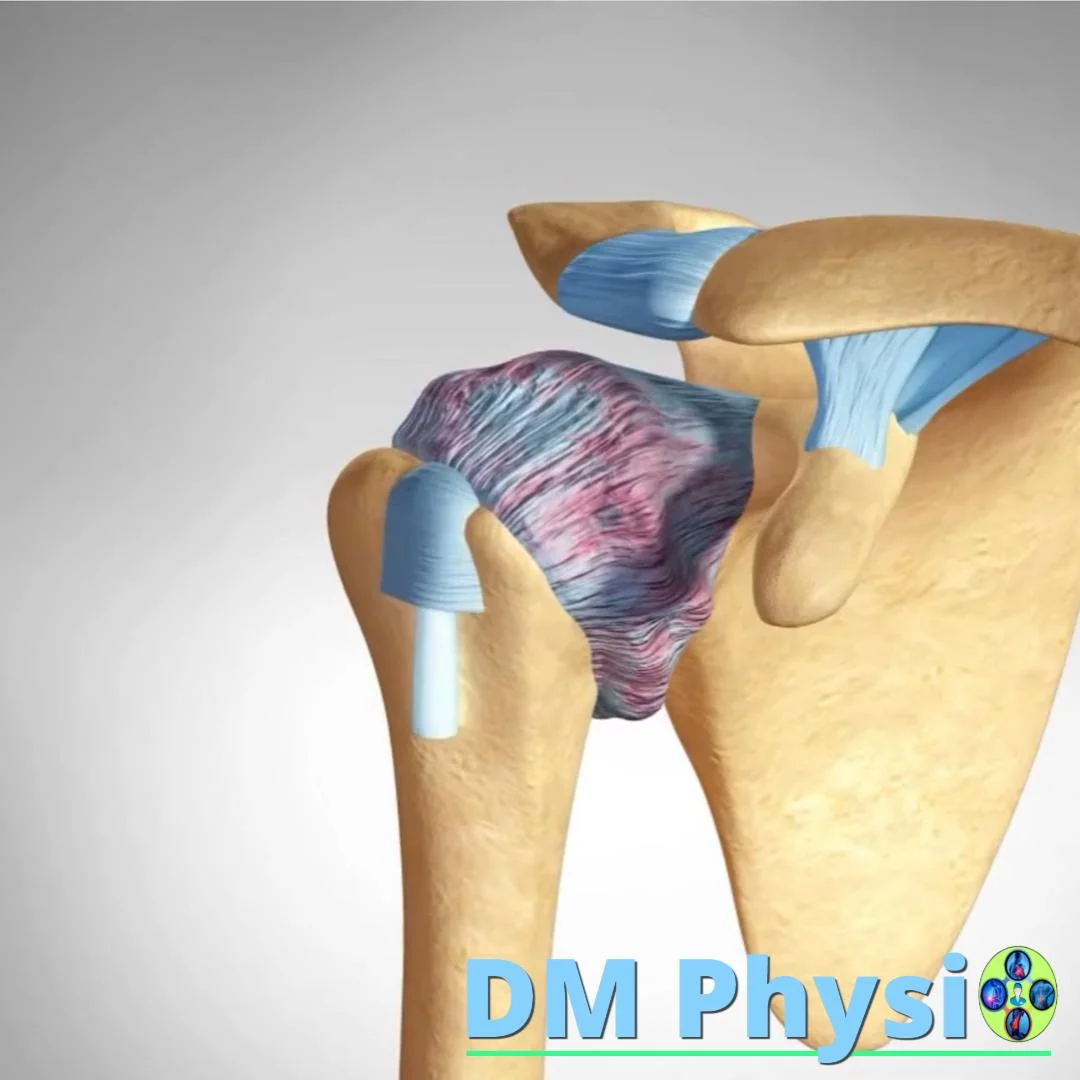
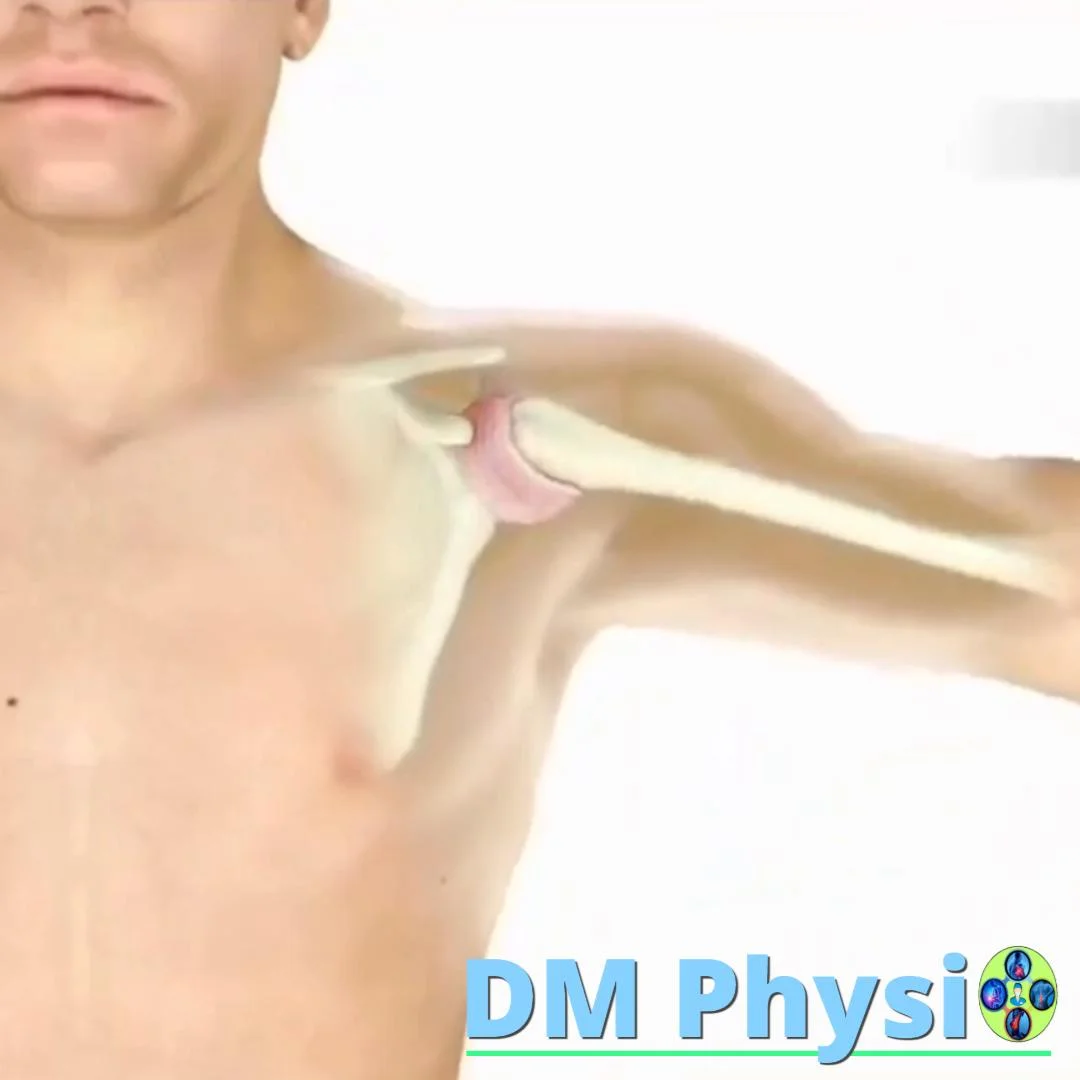
Frozen shoulder, or adhesive capsulitis, is a condition characterized by stiffness and pain in the shoulder joint. It develops when the connective tissue that surrounds the joint (shoulder capsule) becomes inflamed, thickened, and tight. This makes shoulder movements extremely limited and painful, with the condition often progressing in three stages.
Frozen shoulder most commonly affects people between the ages of 40 and 60, with women more prone than men.
How does frozen shoulder develop?
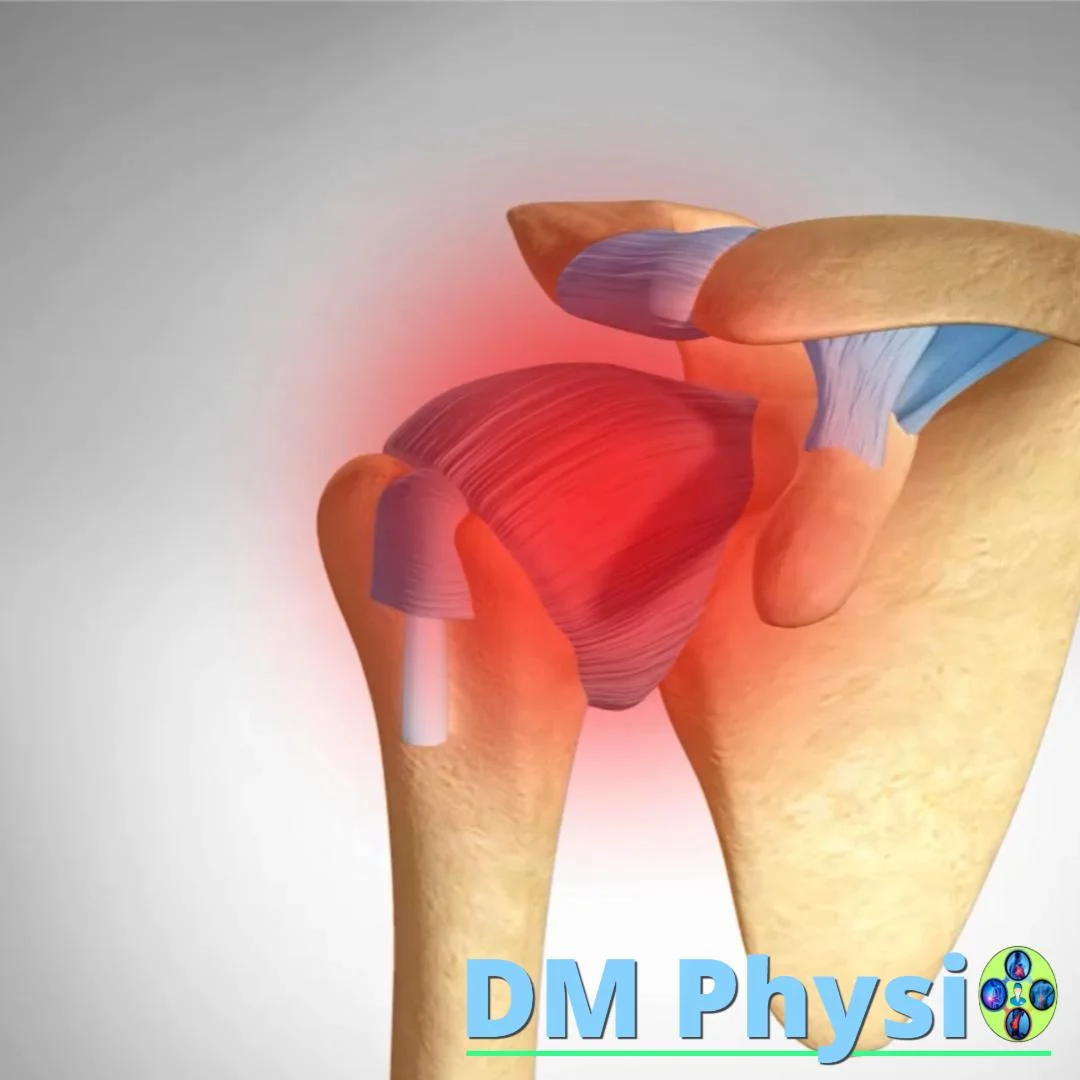
Understand the process that leads to stiffness and pain in the shoulder joint, starting with inflammation of the capsule.
Inflammation of the shoulder capsule
Initially, the shoulder capsule becomes inflamed. This can be caused by several factors: overloading the shoulder, direct trauma, or even long immobilization after surgery or injury.
Pain and restriction of movement
Inflammation leads to severe pain. To protect against the painful movements, the body begins to limit the more natural movement of the shoulder. One instinctively stops moving the affected arm to avoid discomfort.
Thickening and fusion of the capsule
Lack of movement for an extended period of time causes the inflamed capsule to thicken and form adhesions. This leads to a progressive loss of range of motion and the condition worsens - "frozen shoulder".
Stages and symptoms of frozen shoulder
The condition progresses slowly, passing through three characteristic phases.
1) Disease stage ("Freezing")
This phase can last from 2 to 9 months. It is characterized by a gradual increase in pain, which leads to limitation of movements. The pain is often felt worse at night and when trying to move the arm.
2) Stiff Stage ("Frozen")
Lasts from 4 to 12 months. During this period, the pain may decrease, but the stiffness reaches its peak. Shoulder movements are severely limited, making daily activities such as dressing or lifting objects difficult.
3) Melting stage ("Melting")
This phase can last from 6 months to 2 years. The mobility of the shoulder gradually begins to recover, and the pain continues to decrease. With appropriate therapy, recovery can be greatly accelerated.
How does physical therapy help with frozen shoulder?
Our approach is aimed at relieving pain, restoring range of motion and preventing relapse.
1. Pain and inflammation management
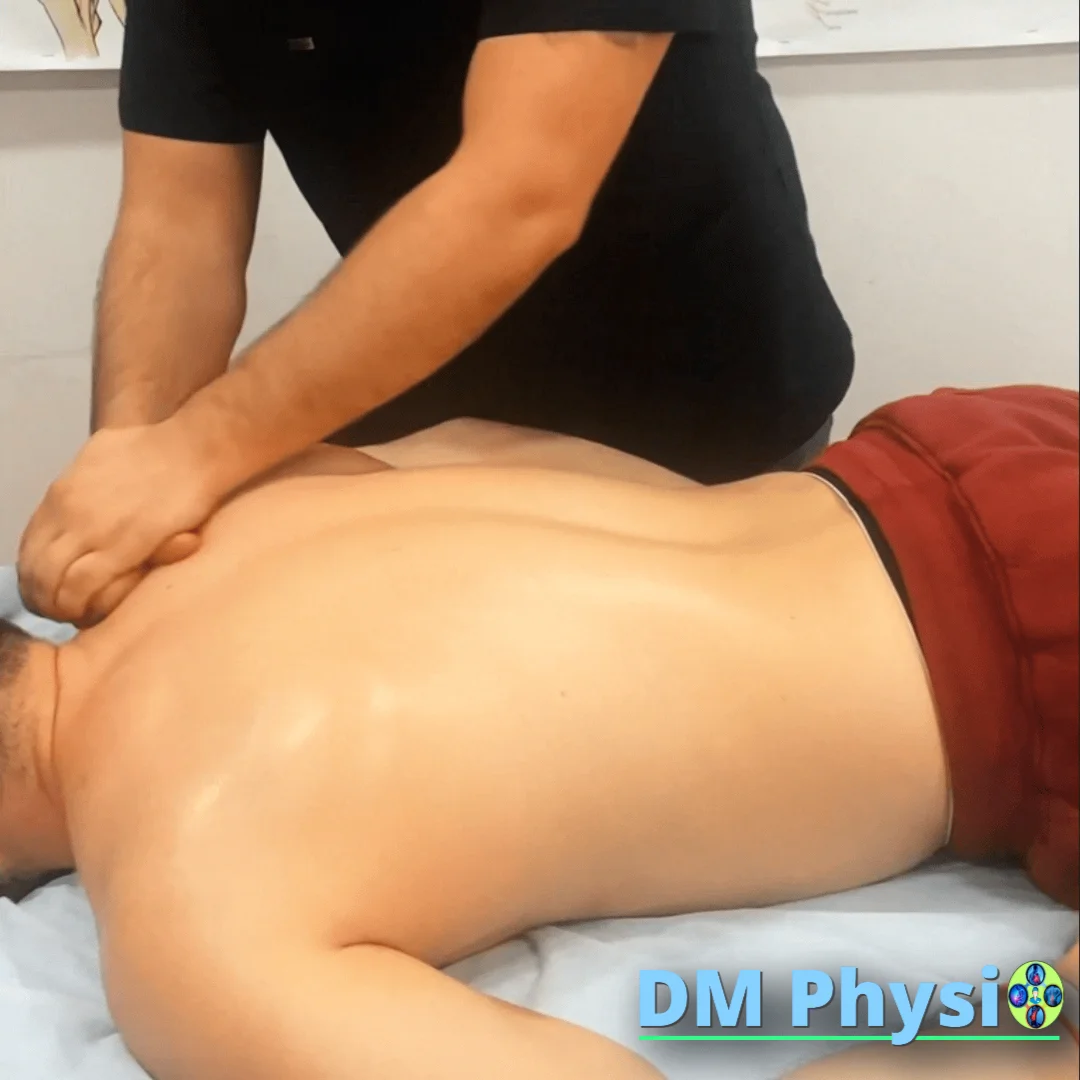
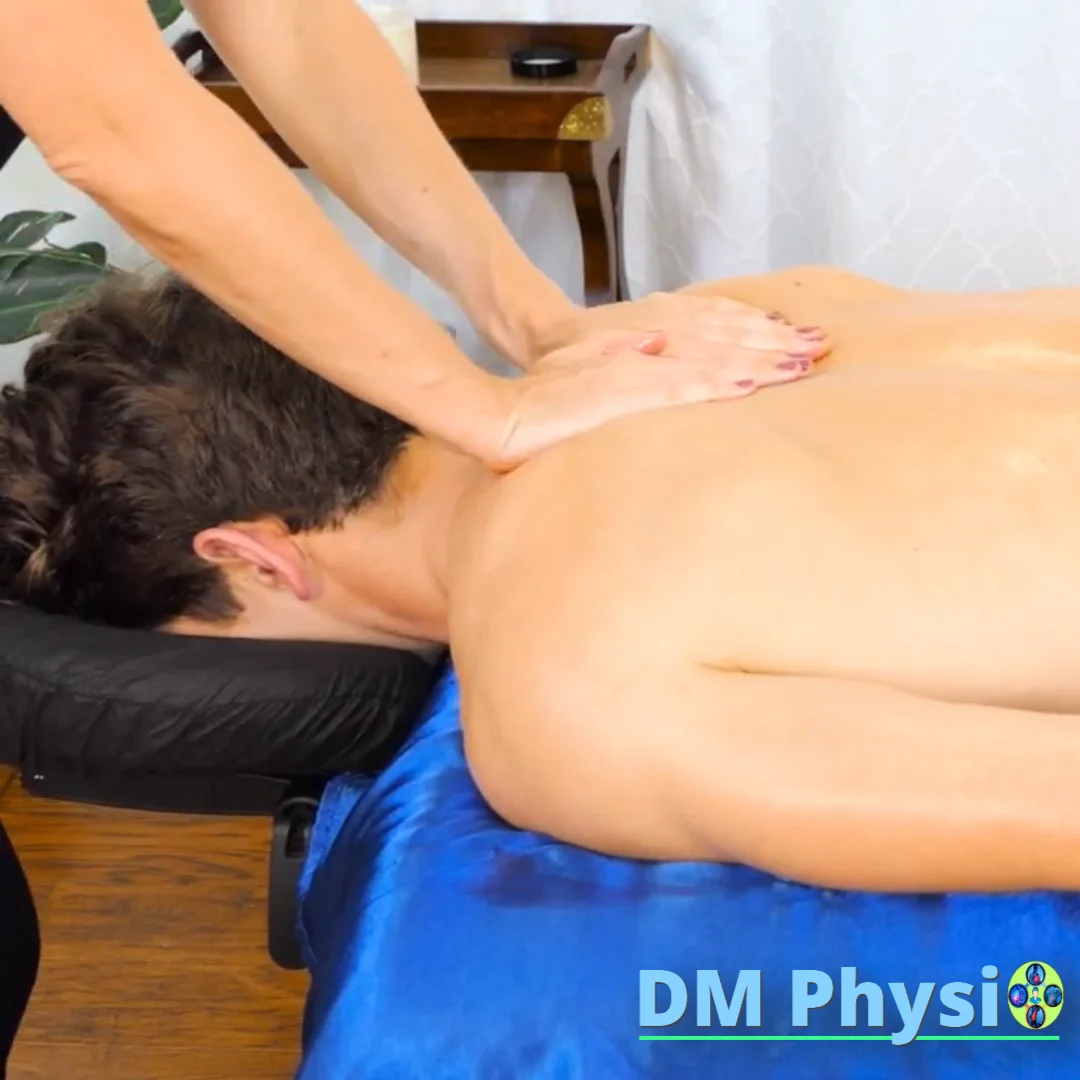
In the early stage, the focus is on reducing pain through techniques such as gentle massage and gentle manual mobilizations.
2. Restoration of movement
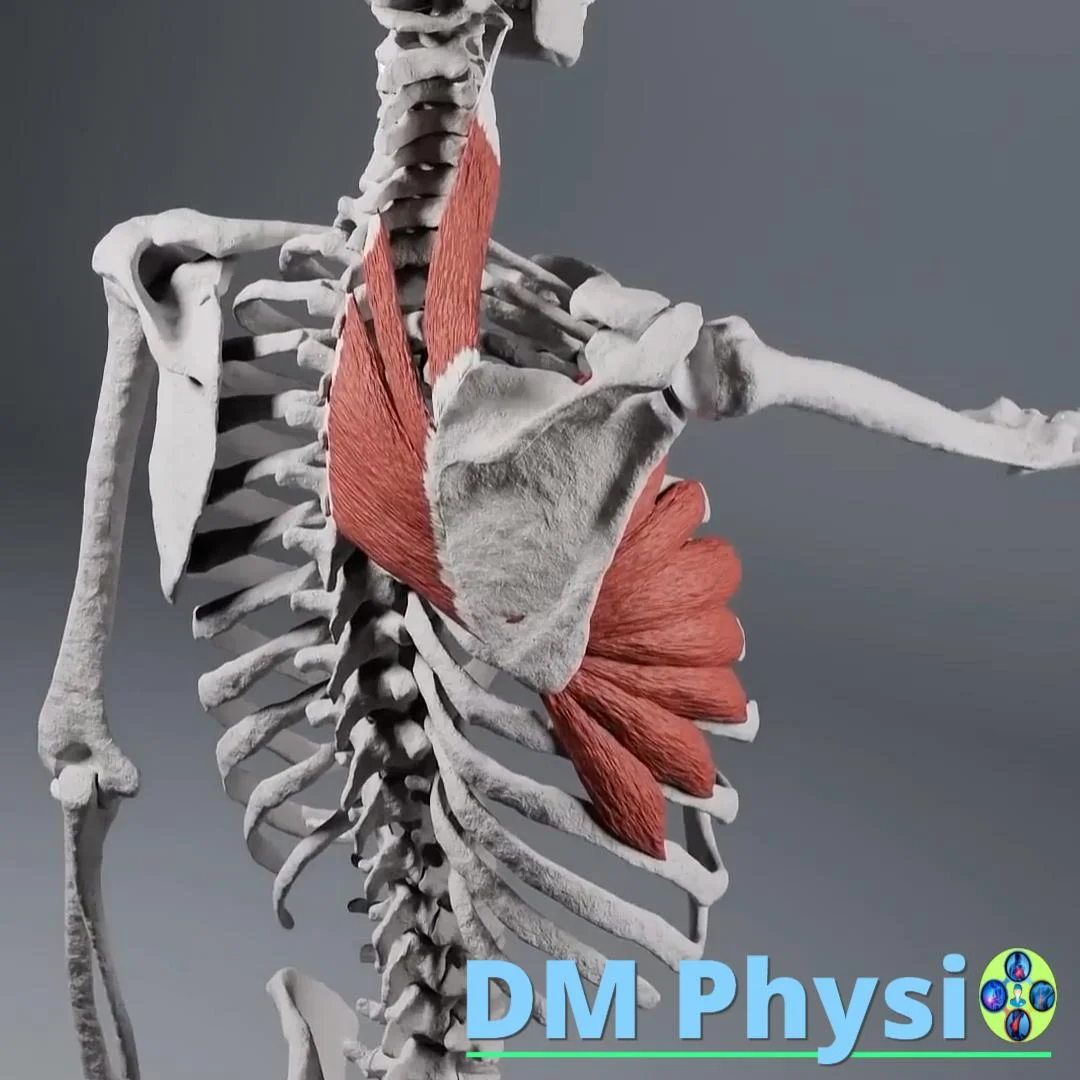
When the pain subsides, we apply a gradual program of stretching exercises and joint mobilizations to improve range of motion in the shoulder.
3. Strengthening and stabilization
After regaining mobility, we work on strengthening the muscles around the shoulder. This provides stability and reduces the risk of new inflammation.