Meniscus (inner and outer)
Pain along the joint line, locking, clicking or swelling can be signs of a meniscus problem.

What is the meniscus?
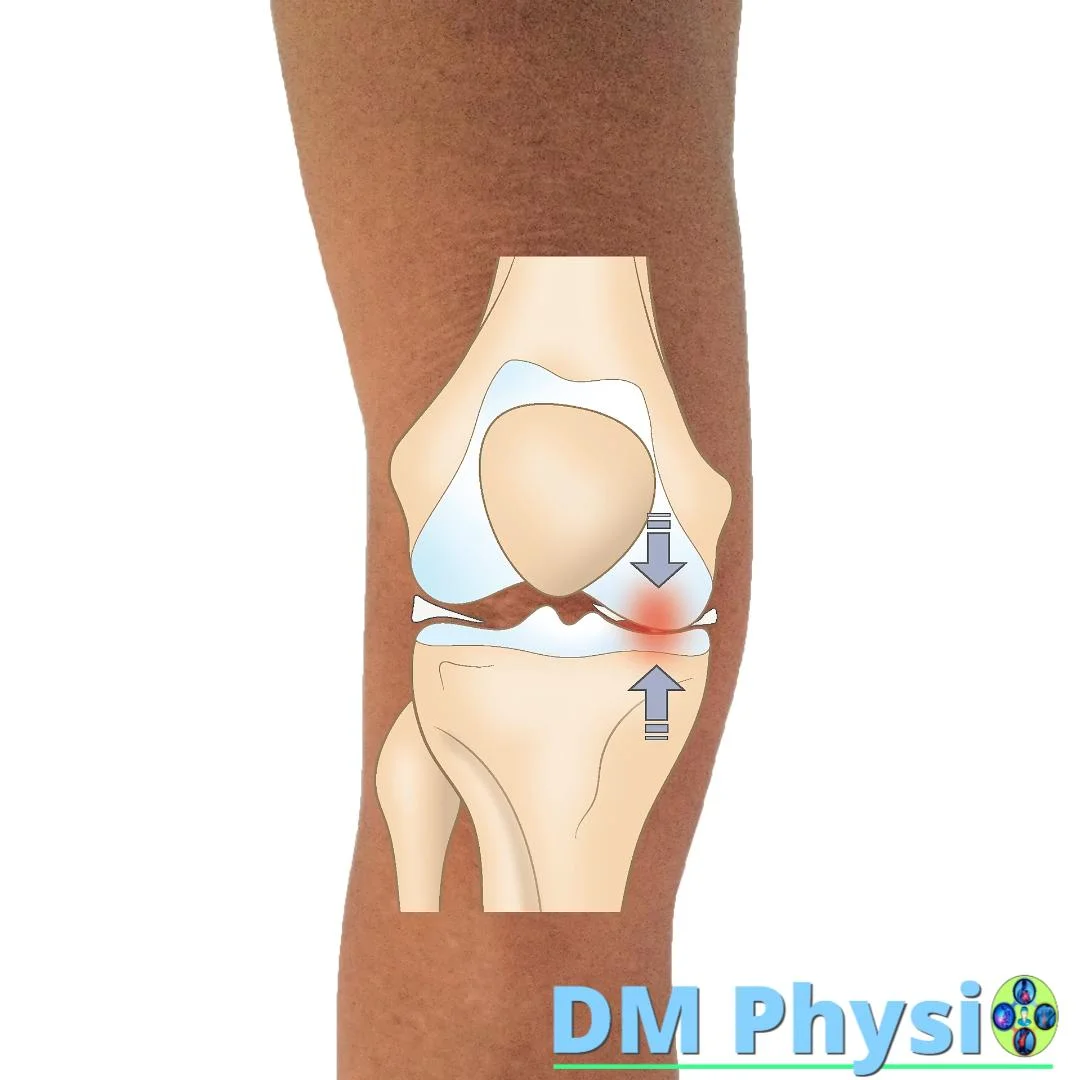
The knee has two menisci - crescent-shaped cartilage structures between the thigh bone and the shin bone. They help distribute load, stabilize the knee and absorb force when stepping, squatting or changing direction.
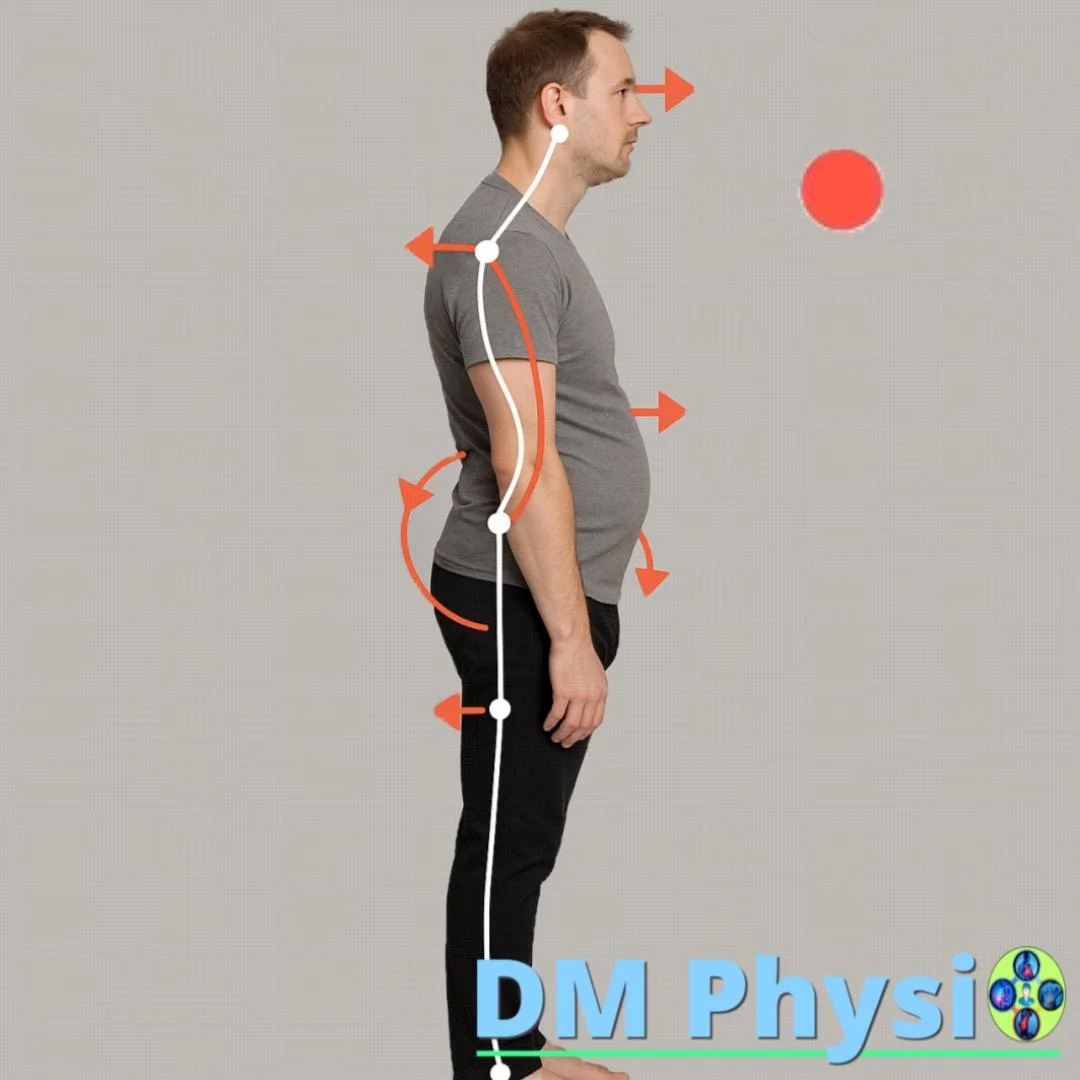
Symptoms do not always come from the meniscus itself. Often symptoms are influenced by the way the knee is loaded: walking with a locked knee, weak inner quadriceps control, tight calves or hamstrings and poor hip control from the gluteal muscles. This can make the knee rotate or shift in a way that irritates the meniscus.
Typical symptoms: pain along the inner or outer joint line, swelling, clicking or locking sensation, difficulty squatting/standing, pain when turning the body on a fixed leg. Risk situations: sudden rotation with a slightly bent knee, deep squats, quick changes of direction in sport, prolonged squatting or kneeling.
Why is the meniscus injured and what provokes it?
Combination of mechanics (twist) and muscle imbalance: weak VMO, poor pelvic control, shortened calves/hamstrings → knee loses “softness” and compresses asymmetrically.
1. Twisting with slightly bent knee
The most common mechanism is rotation of the body on a fixed leg (sports, stairs, sudden change of direction). Deep squatting and prolonged squatting press the meniscus against the tibial plateau and make it easier to "pinch" it.
2. Weak VMO and hip control
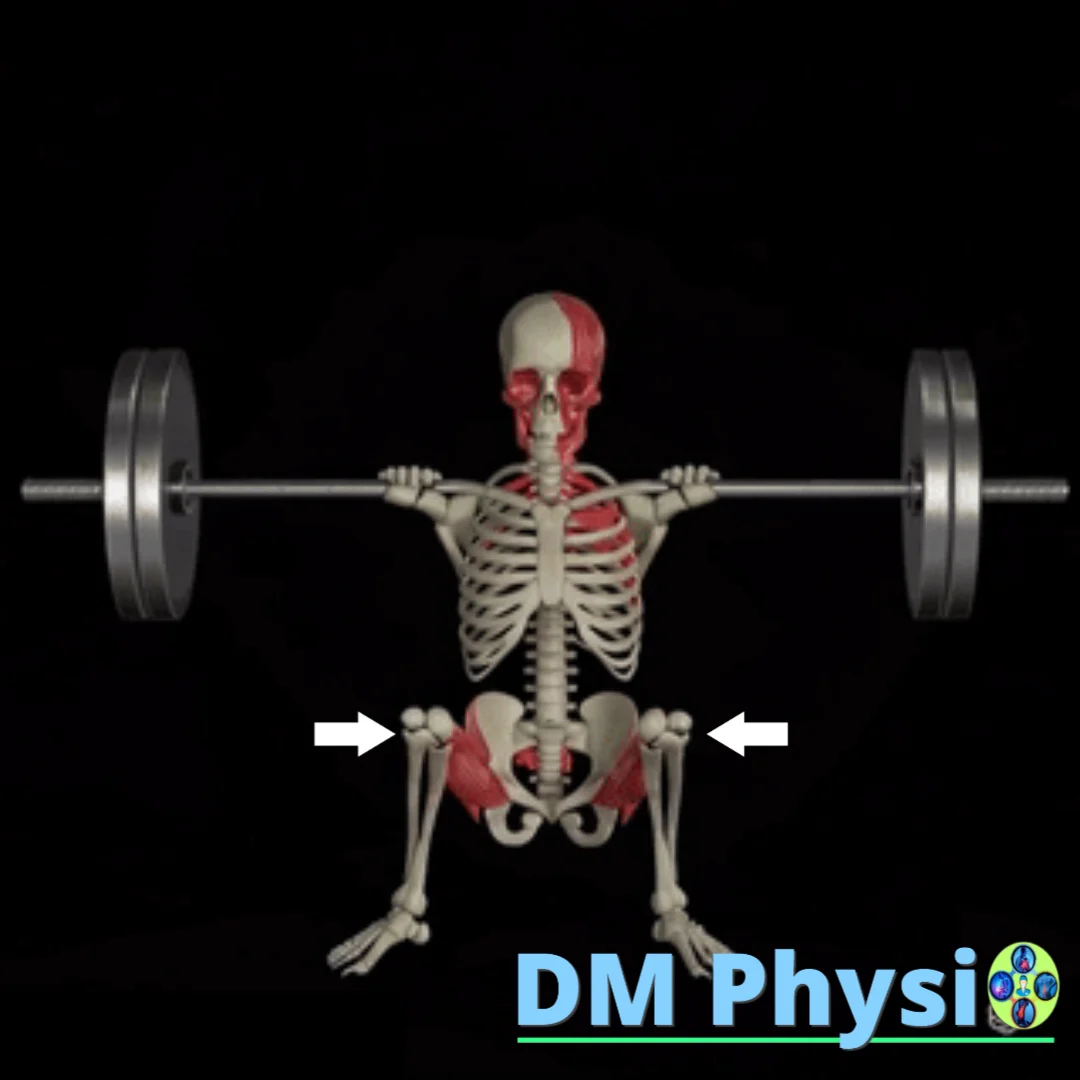
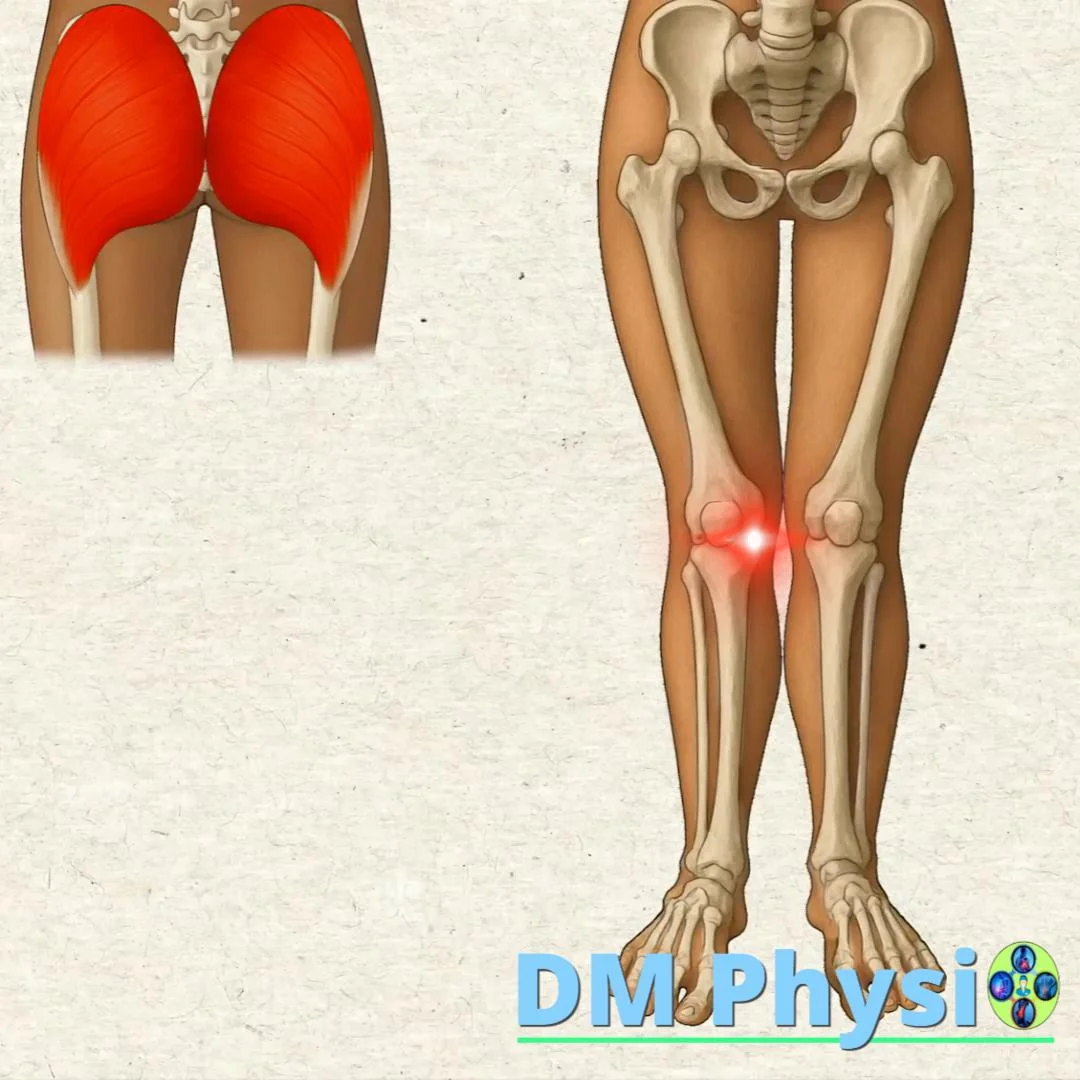
The weak internal head of the quadriceps (VMO) and weak gluteus medius allow the knee to "fall" in/out. This changes the trajectory of the femur and increases the shearing forces on the meniscus during the step and squat.
3. Shortened calves/hamstring + locked knee
Shortened calf and hamstrings limit dorsiflexion and flexion at the knee. The gait becomes "stiff" and the impact of the step is absorbed by the knee joint → more compression and shearing of the meniscus.
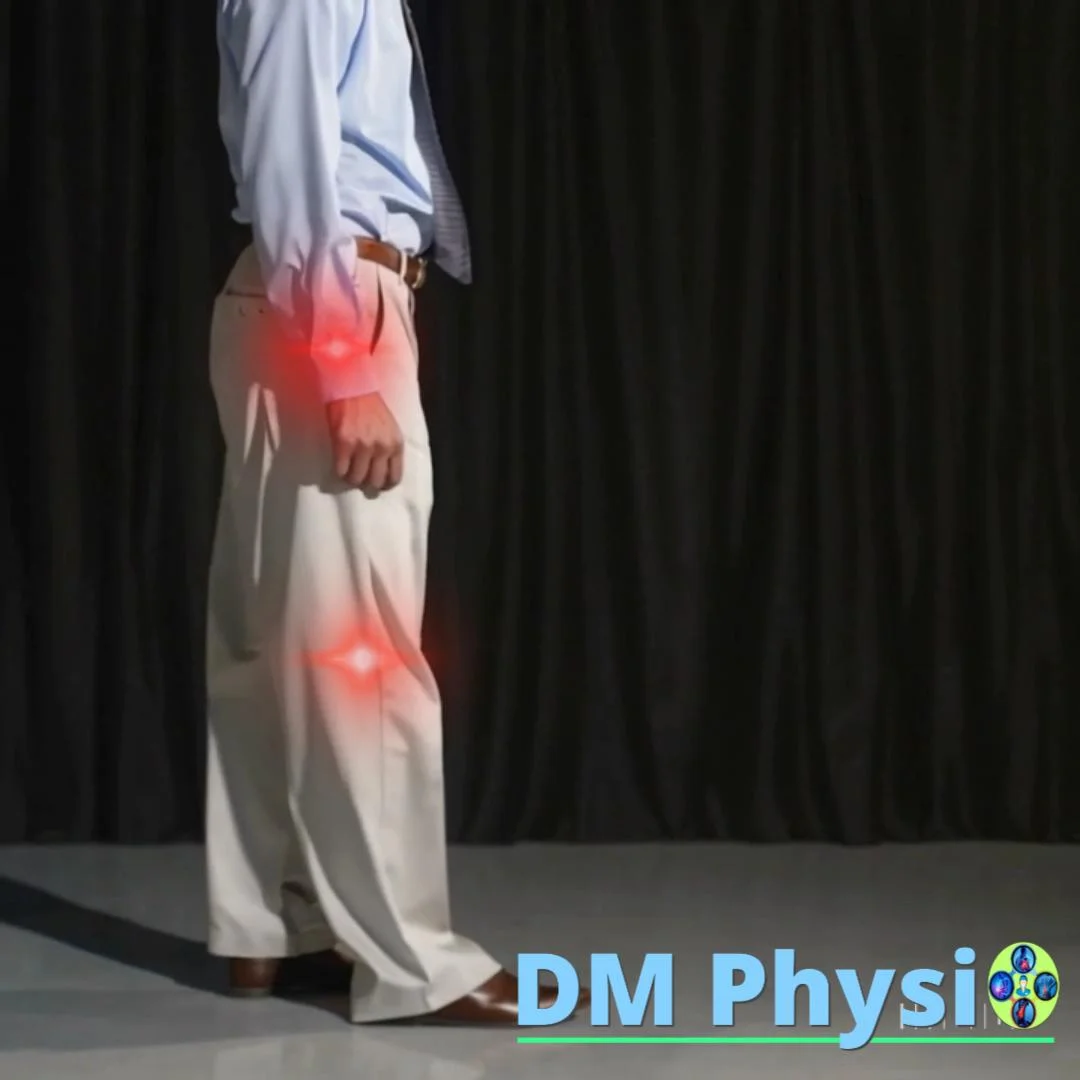
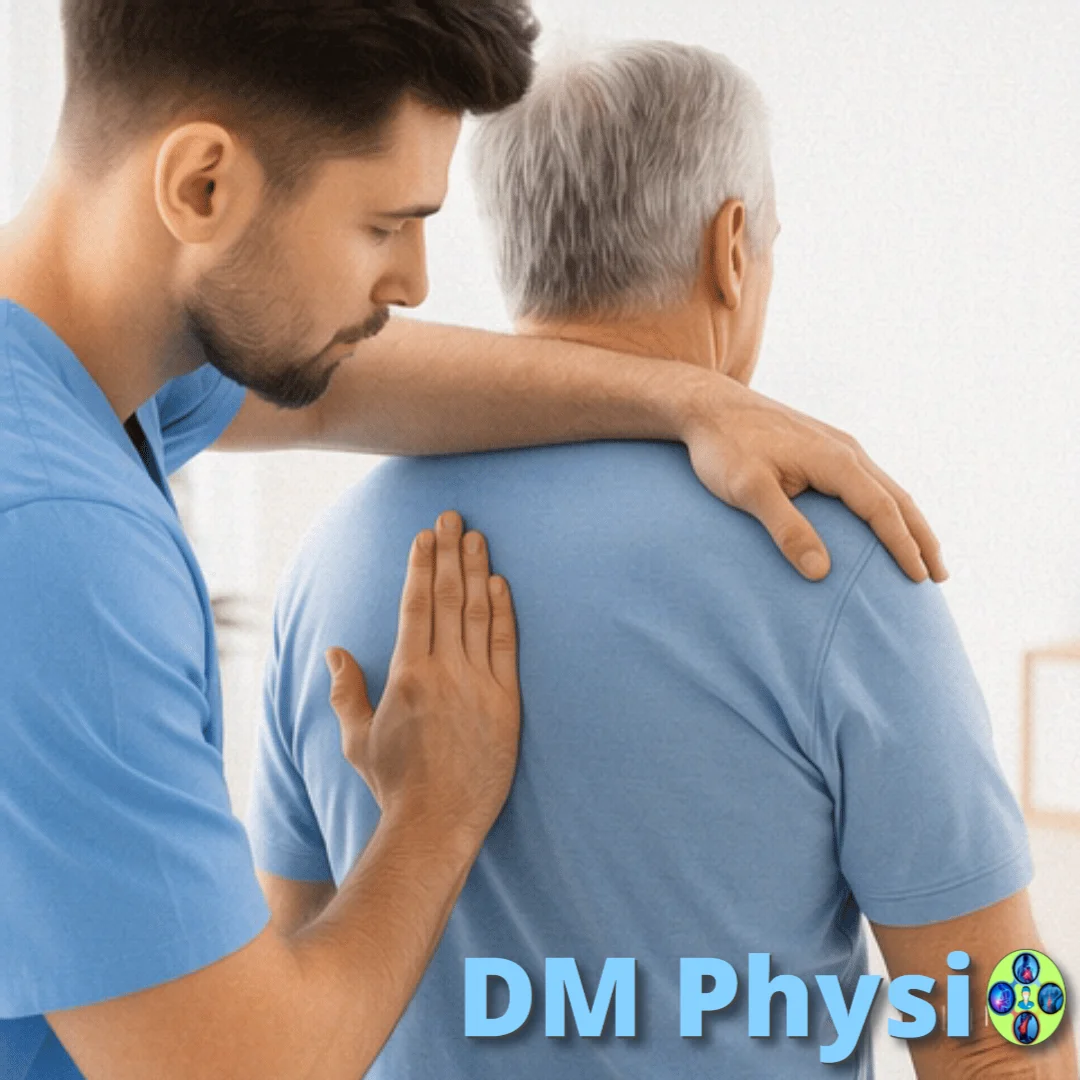
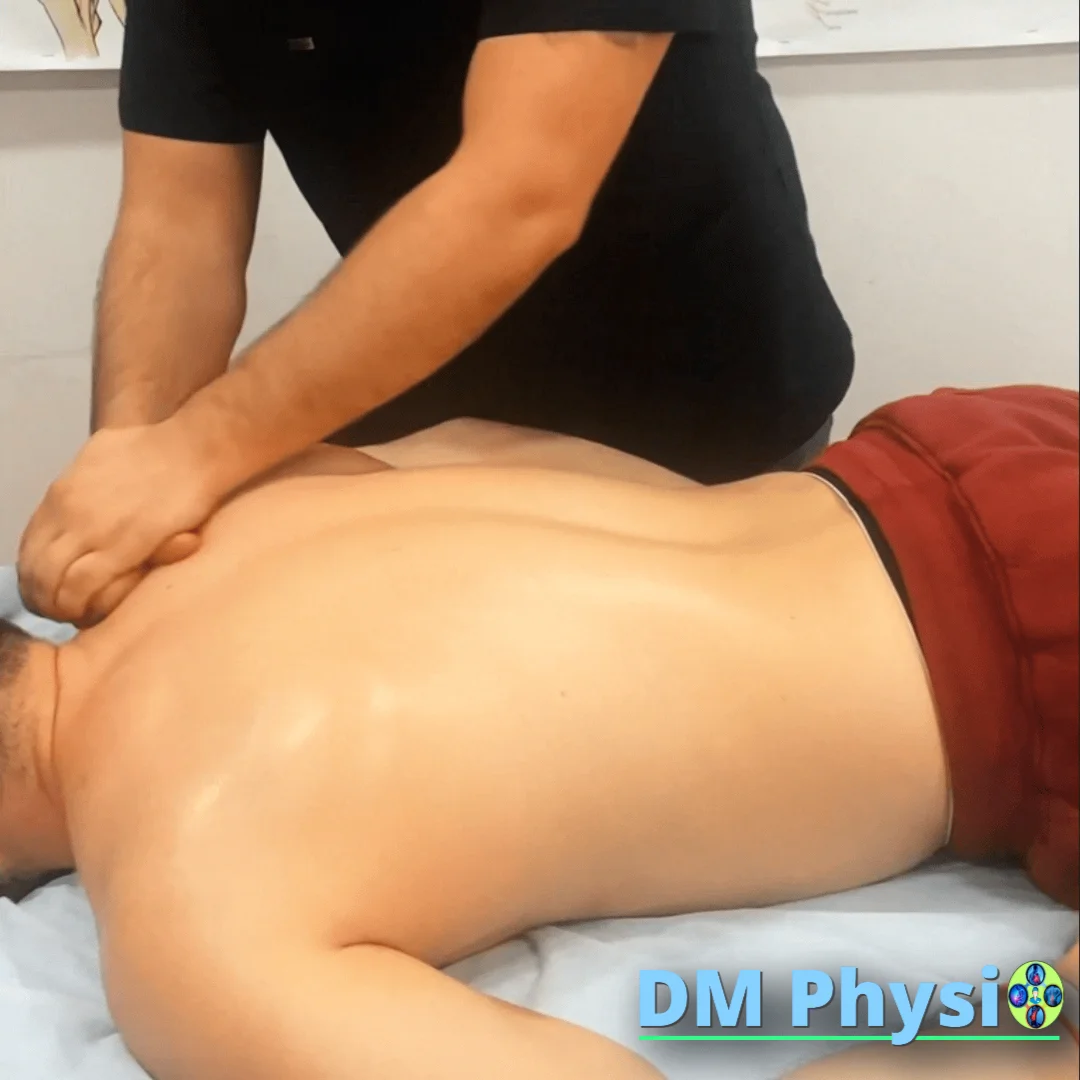
Physiotherapy is key: It's not just exercise, it's a process body training how to move the joint correctly. It is restored through specific techniques hip, knee and ankle coordination, which reduces pressure on the meniscus and restores normal gait.
How does physical therapy help with a meniscus problem?
The goal is to reduce it inflammation and swelling, to recover the volume of movement and to stabilize the knee through muscle balance and correct motor patterns.
1. Assessment and analgesia
Functional examination (joint line, deep squat, rotations). Manual techniques, lymphatic drainage, mobilizations to reduce pain and swelling; early comfortable active movements.
2. Stabilization and strength
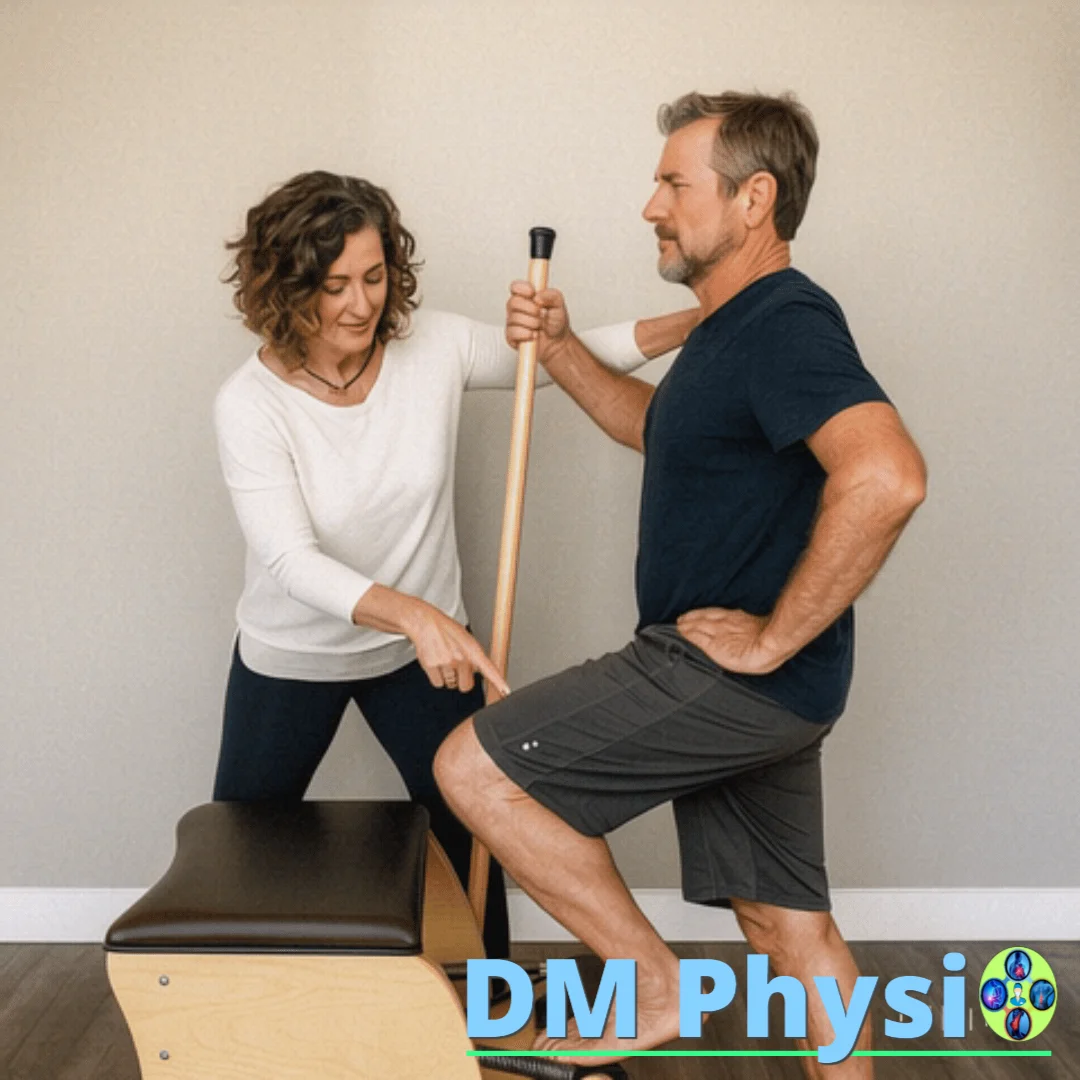
Activation of calves and hamstrings, strengthening the quadriceps and hips (gluteus medius) . Model Training: soft knee when stepping, safe range squat, knee to foot control.
3. Return to activity
Progression to loads with rotation and change of direction, plyometrics as needed. Teaching how to avoid provocations (deep squat, twisting on a fixed leg) until strength and control are restored.
Important: The menisci are restored and largely nourished by movement of synovial fluid in the knee joint — regular, comfortable movement acts as a "pump" that delivers nutrients and removes waste products. Therefore, many partial tears respond well without surgery with a proper strength and control program. In case of persistent locking or large lesions - discussion with an orthopedic specialist.