Disc degeneration
Learn how the loss of moisture and elasticity in the discs leads to chronic pain and how physical therapy can restore their function.
What is disc degeneration?
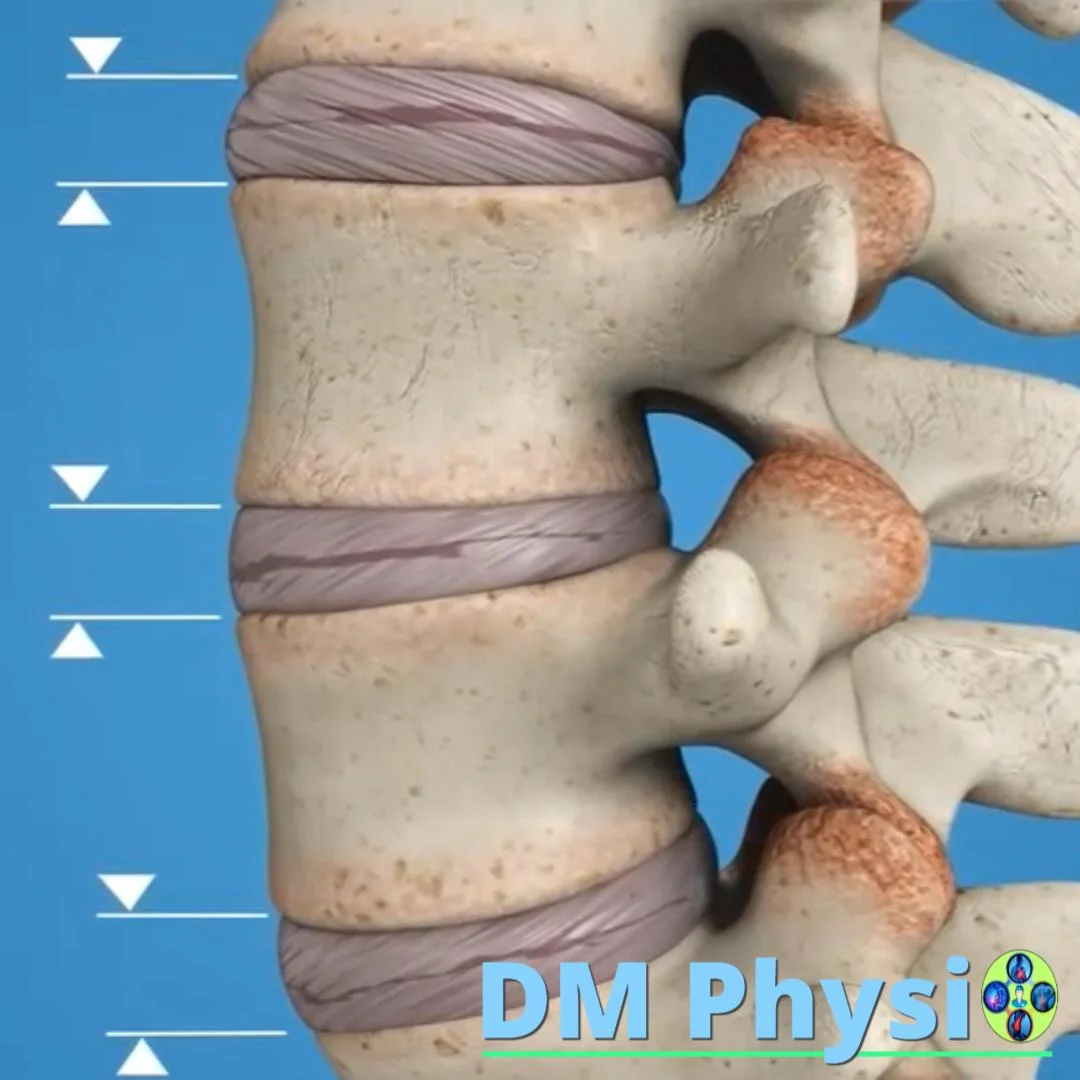
Disc degeneration, also known as disc disease, is wear and tear of the intervertebral discs. As they begin to become dehydrated and thin, they lose elasticity and ability to absorb stress, leading to pain and limited movement.
Chronic degeneration often precedes a herniated disc or spondylosis and is a leading cause of neck and back pain.
What causes disc degeneration?
Most often - impaired nutrition of the discs due to muscle imbalance, poor posture and immobility.
1. The muscles "pump" the discs
Intervertebral discs do not have their own blood supply. They feed through diffusion, motion activated. The coordinated work of the muscles creates a slight "pumping" action - drawing fluids and nutrients to the disc and carrying out waste products.
With good segmental mobility, the internal pressure is distributed evenly and the disc height is maintained longer.
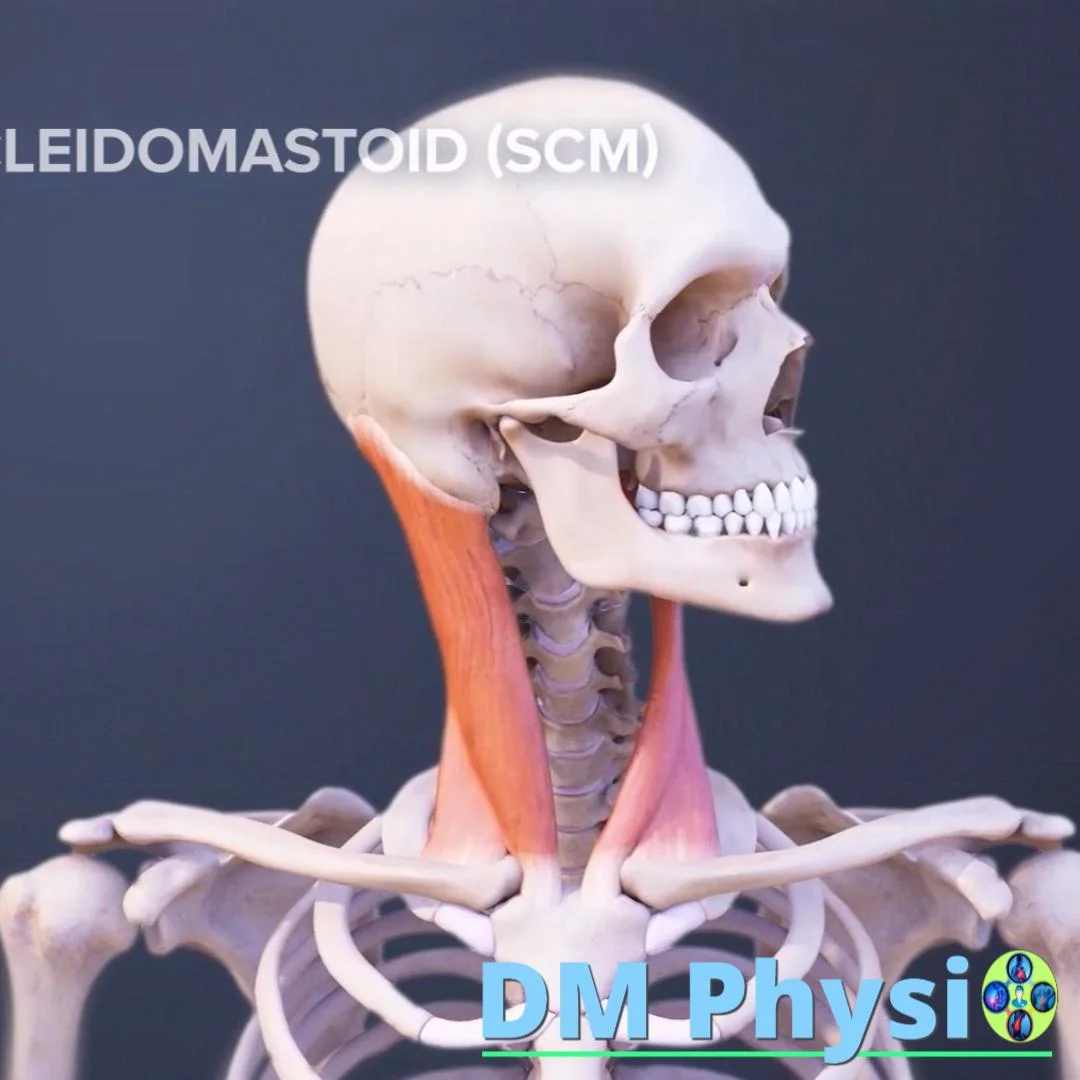
2. Muscle imbalance → poor flow
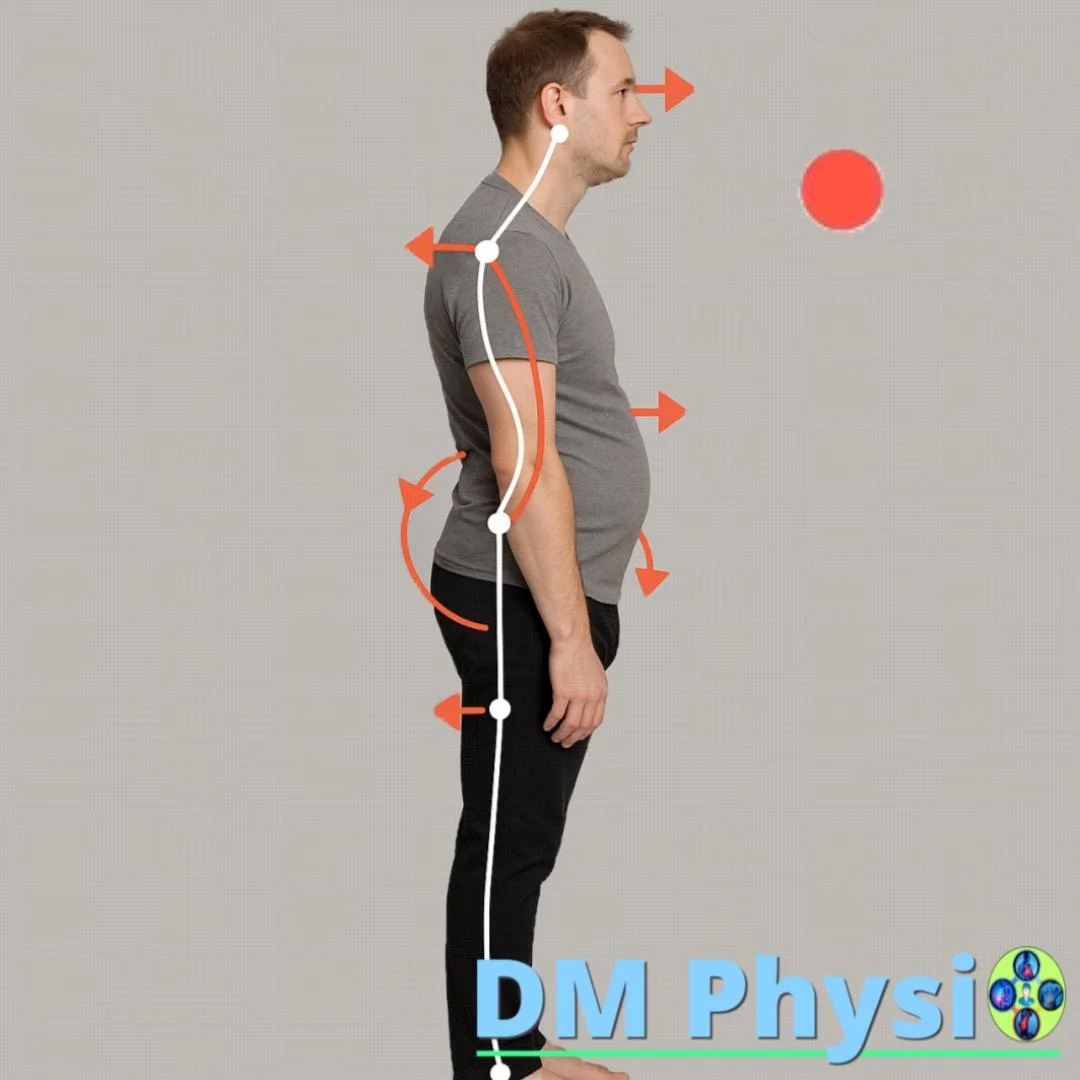
At upper cross imbalance some muscles shorten, and the scapular stabilizers and deep neck flexors weaken. This limits facet mobility and reduces the "pumping" to the disks.
Sitting and working in front of a screen exacerbates the problem - diffusion weakens and the discs gradually become dehydrated.
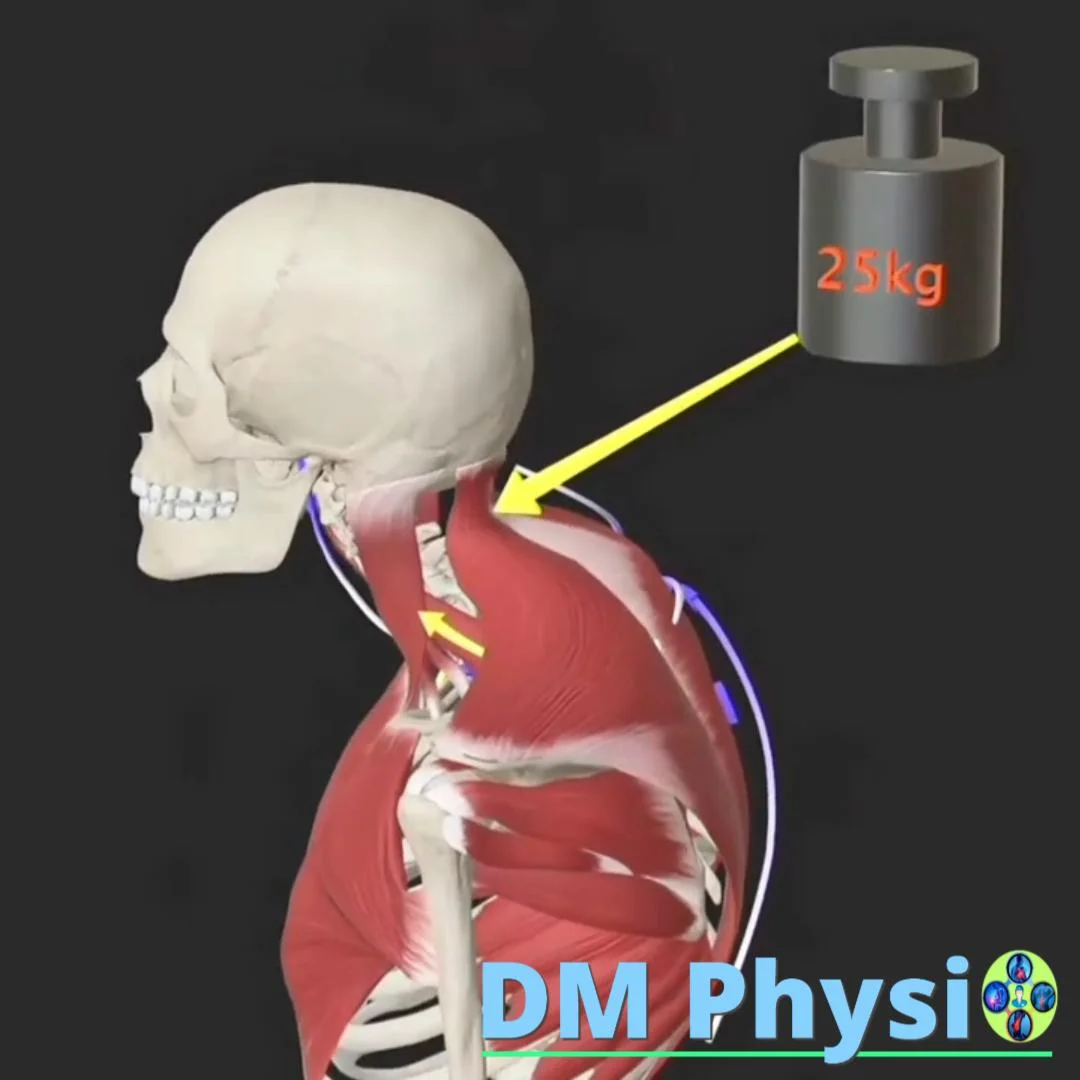
3. Thinning, microcracks and pain
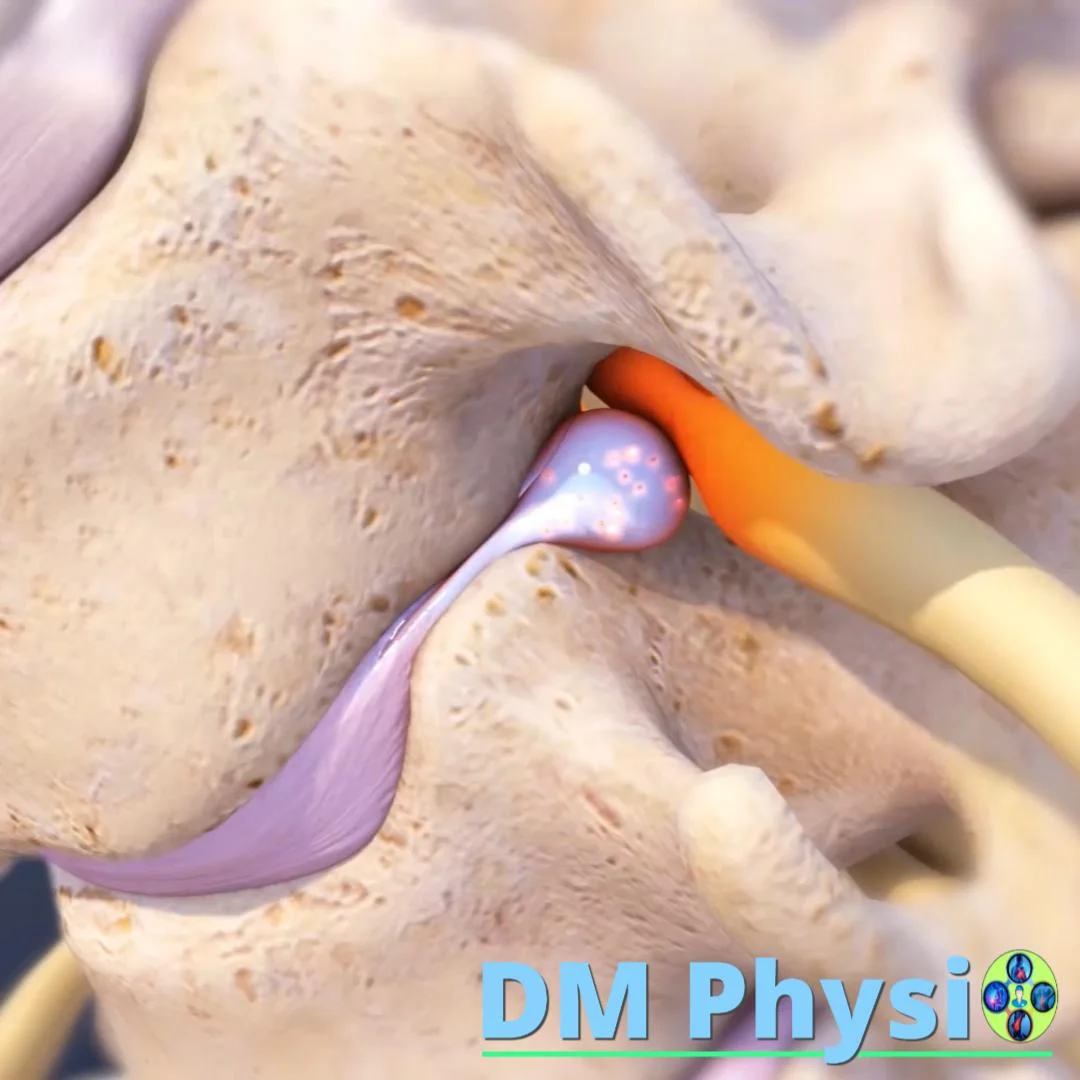
Prolonged dehydration lowers disc height. Stress is concentrated in the annular fibrosis, microcracks, inflammation and protective spasms appear.
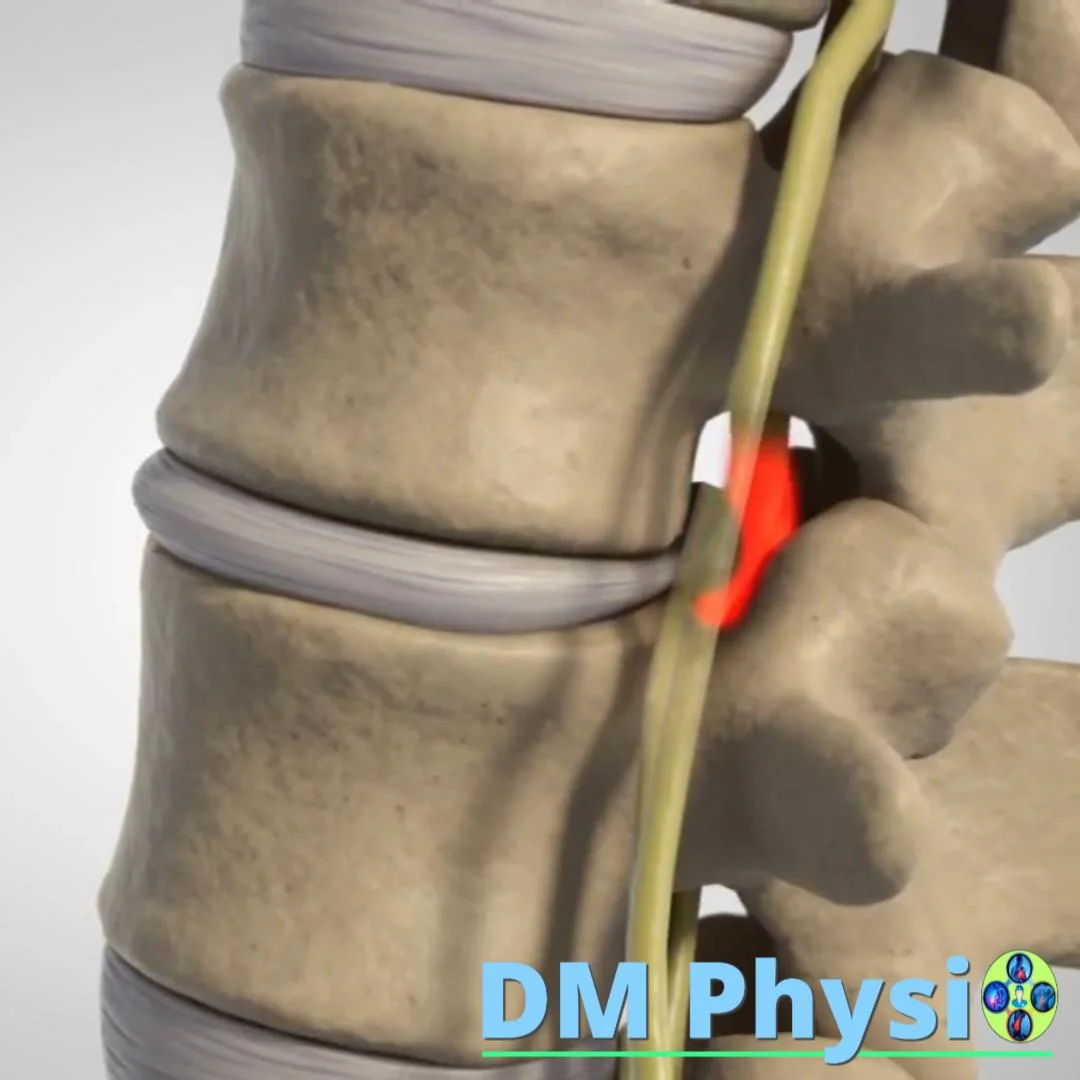
Narrowing of the intervertebral openings can lead to nerve compression with radiating pain, tingling or weakness.
How does physical therapy help with disc degeneration?
Our approach is focused on restoring the natural function of the spine.
1) Improving disc metabolism
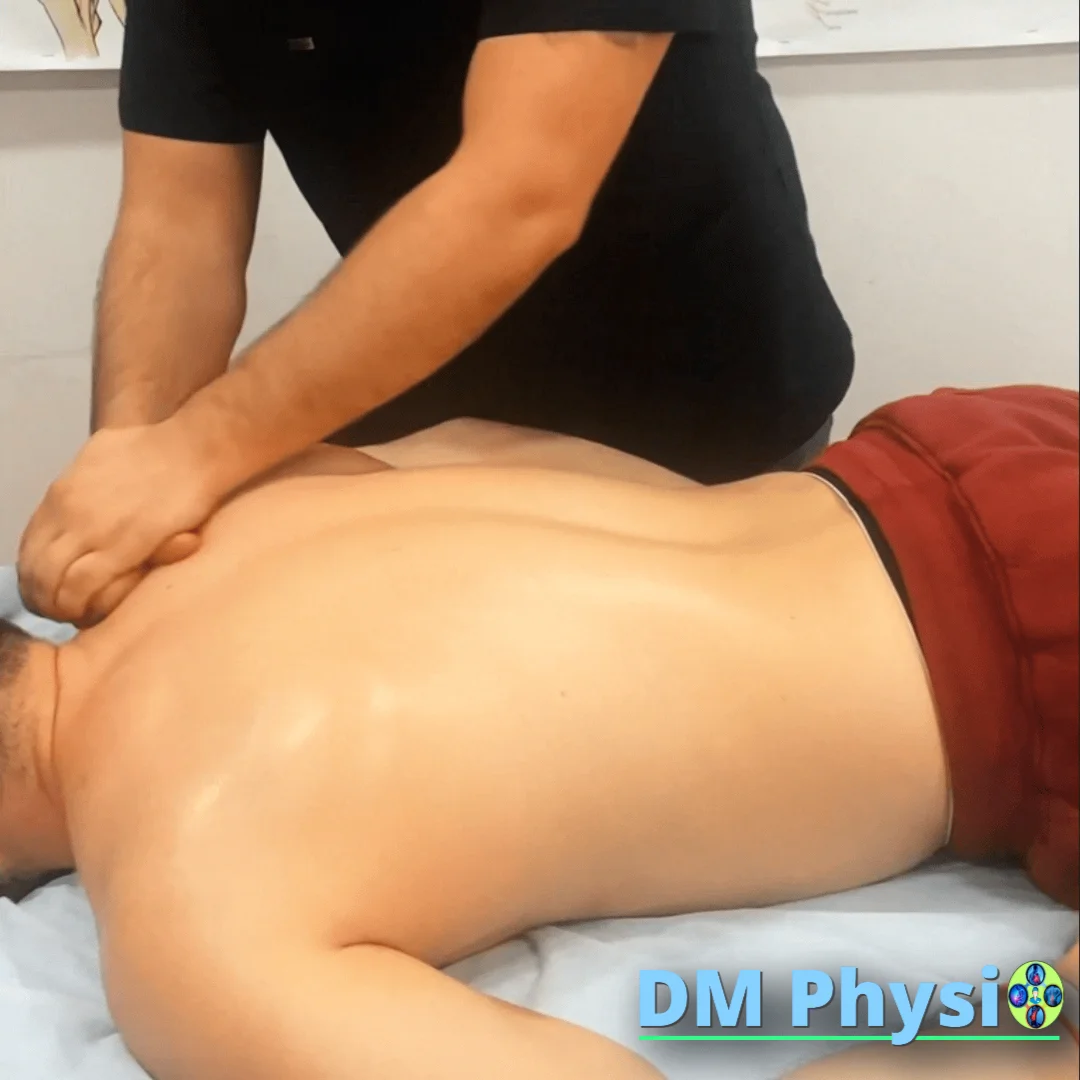
Through specific manual techniques and exercises, we restore the correct mobility of the spine. This stimulates the "pumping" function on the discs.
2) Strengthening the muscular corset
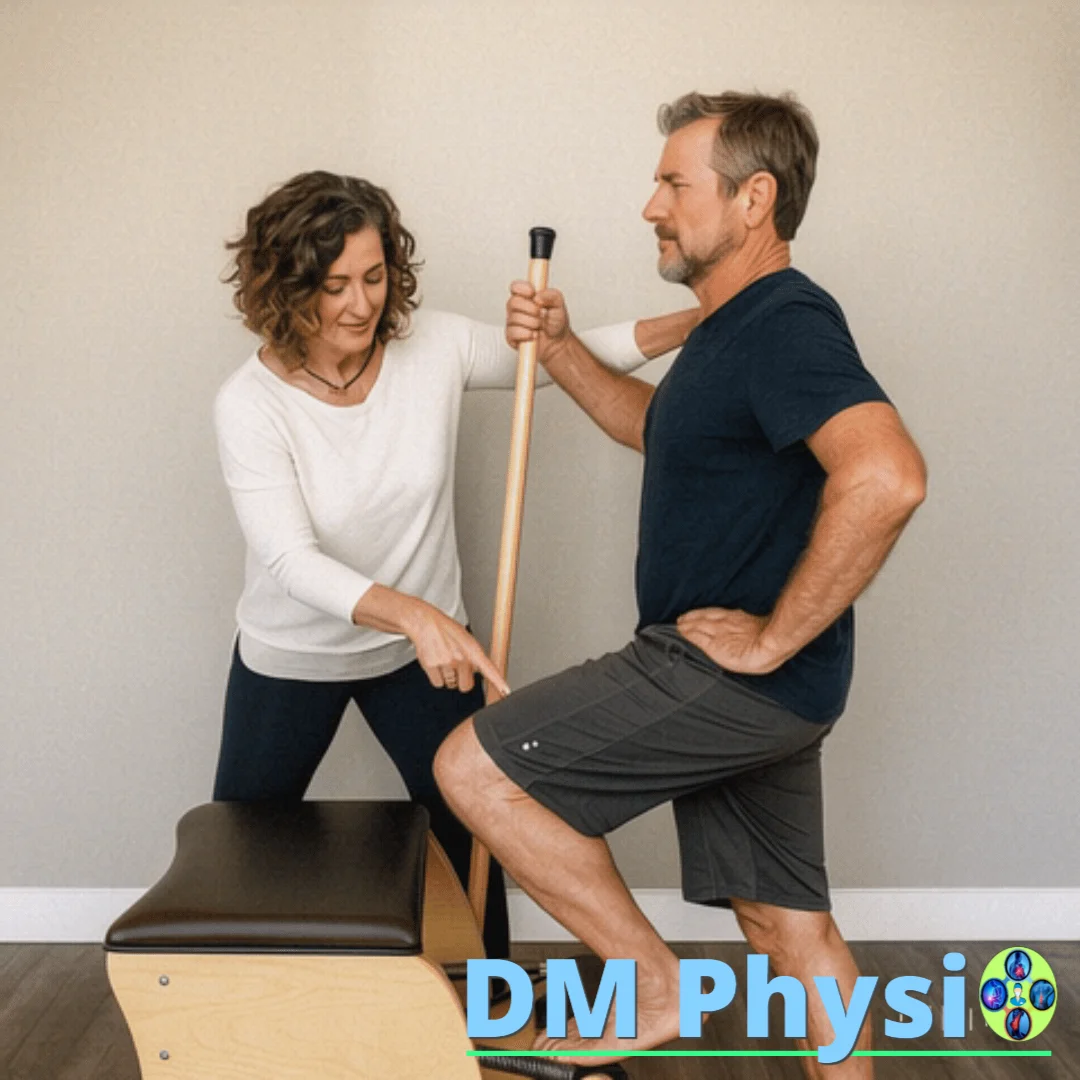
After regained mobility we enter strength and endurance exercises on the stabilizers to reduce the load on the discs.
3) Reduction of pain and inflammation
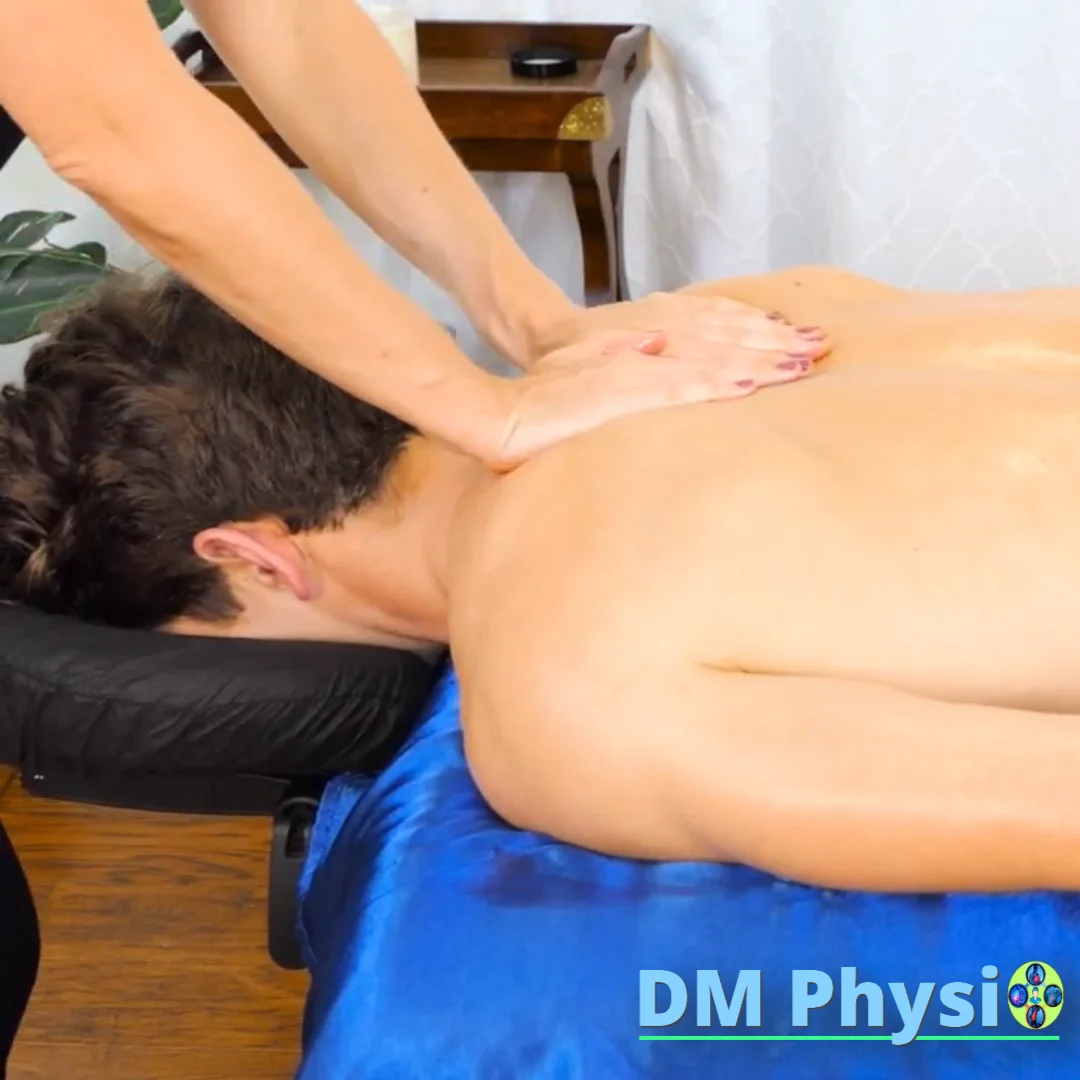
The combination of mobilization, tissue work and active exercises reduces compression on nerves and aids rehydration of the discs.