Radiculopathy
Learn how to manage the stabbing pain and numbness caused by pinched nerves to restore your comfort and function.
What is radiculopathy?
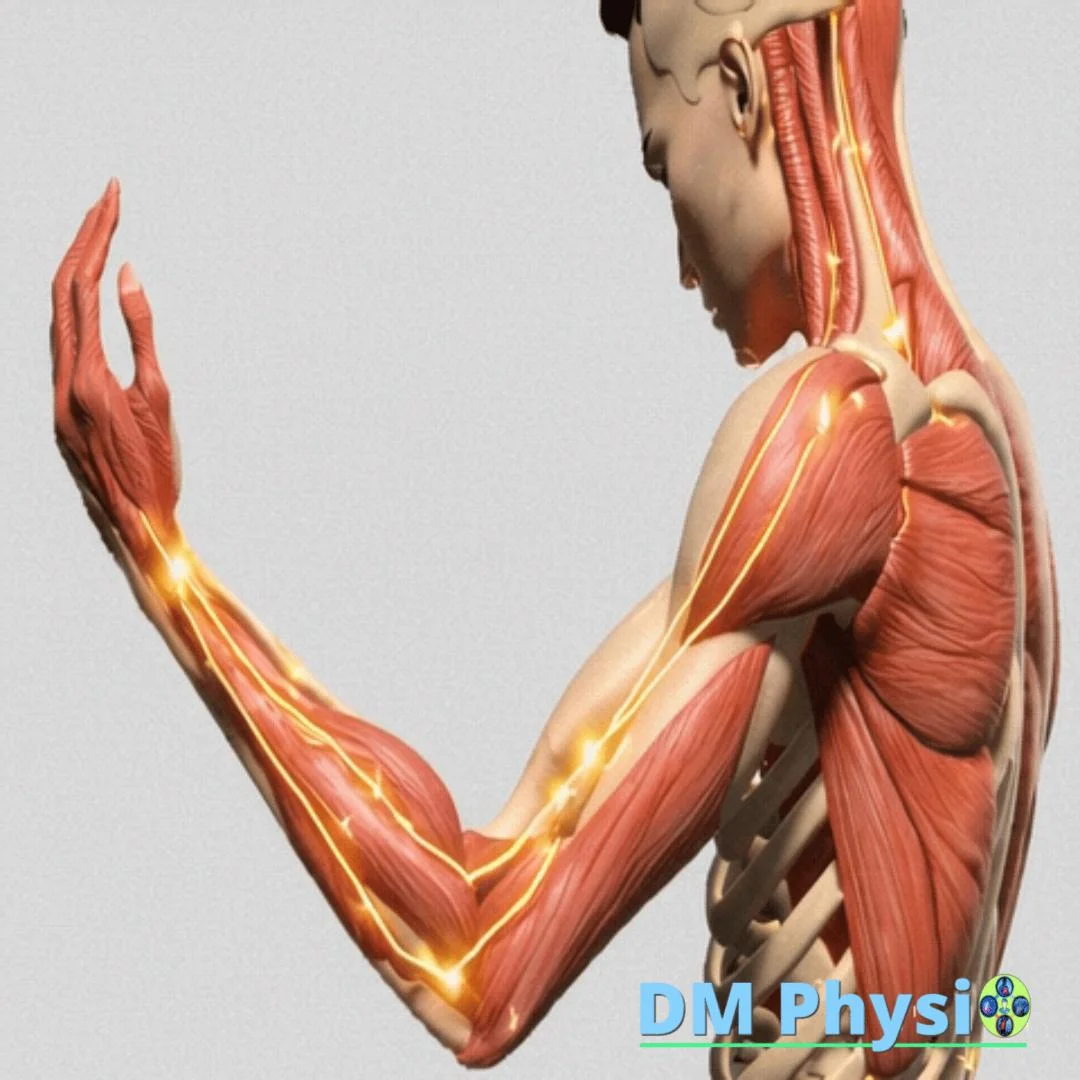
Radiculopathy is a condition characterized by irritation or compression of a nerve root near the spine. Nerve roots emerge from the spinal cord and branch out to various parts of the body. When one of these roots is compressed, it can cause symptoms such as pain, numbness, stiffness, or weakness in the area innervated by the corresponding nerve.
The neck (cervical) and lumbar (lumbar) regions are most often affected. Causes: disc herniation, muscle spasms and prolonged postural loads.
Causes and symptoms of cervical radiculopathy
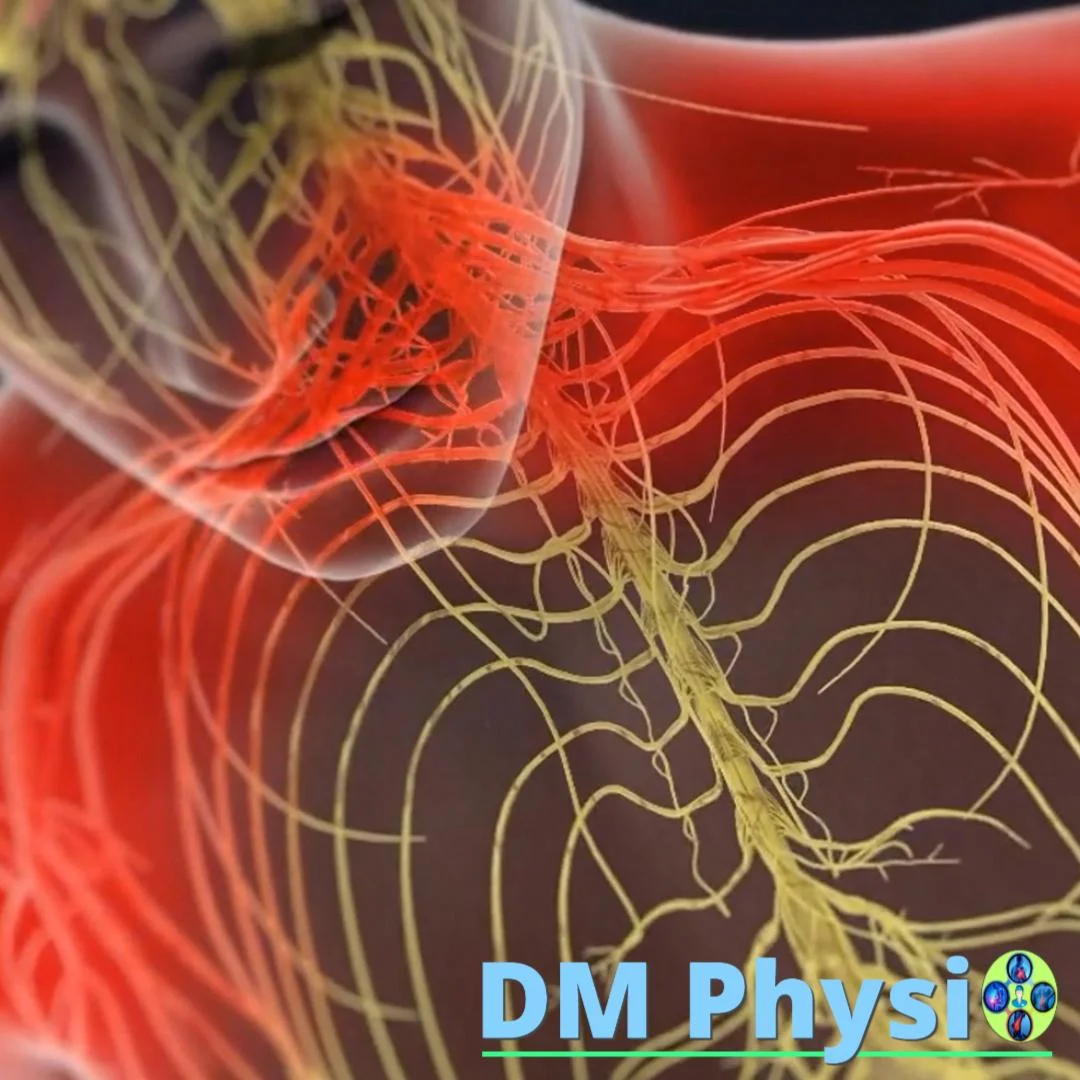
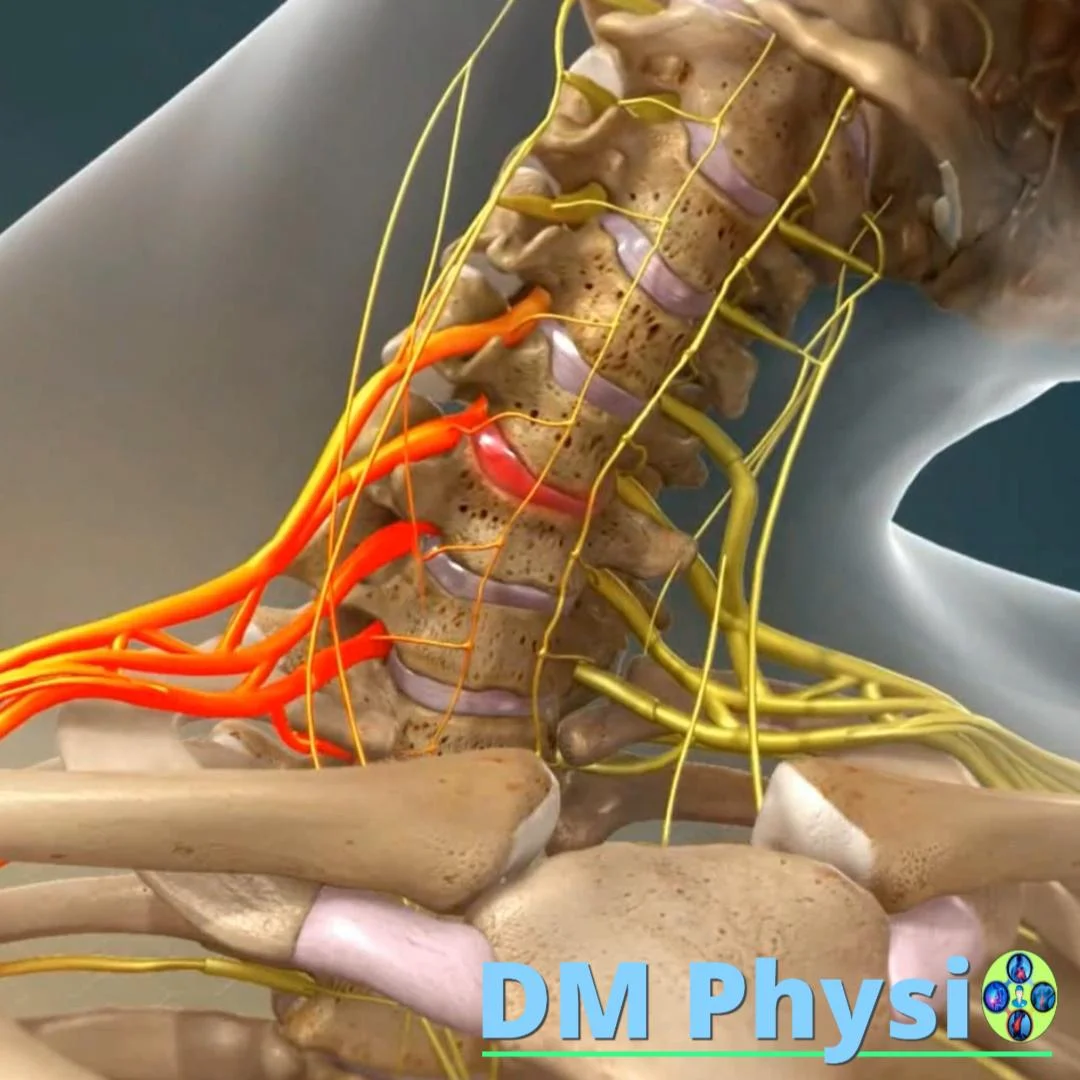
Cervical radiculopathy occurs when a nerve in the neck is pinched or irritated—usually from a herniated disc, muscle spasm, or poor posture.
1. Compression of the nerve
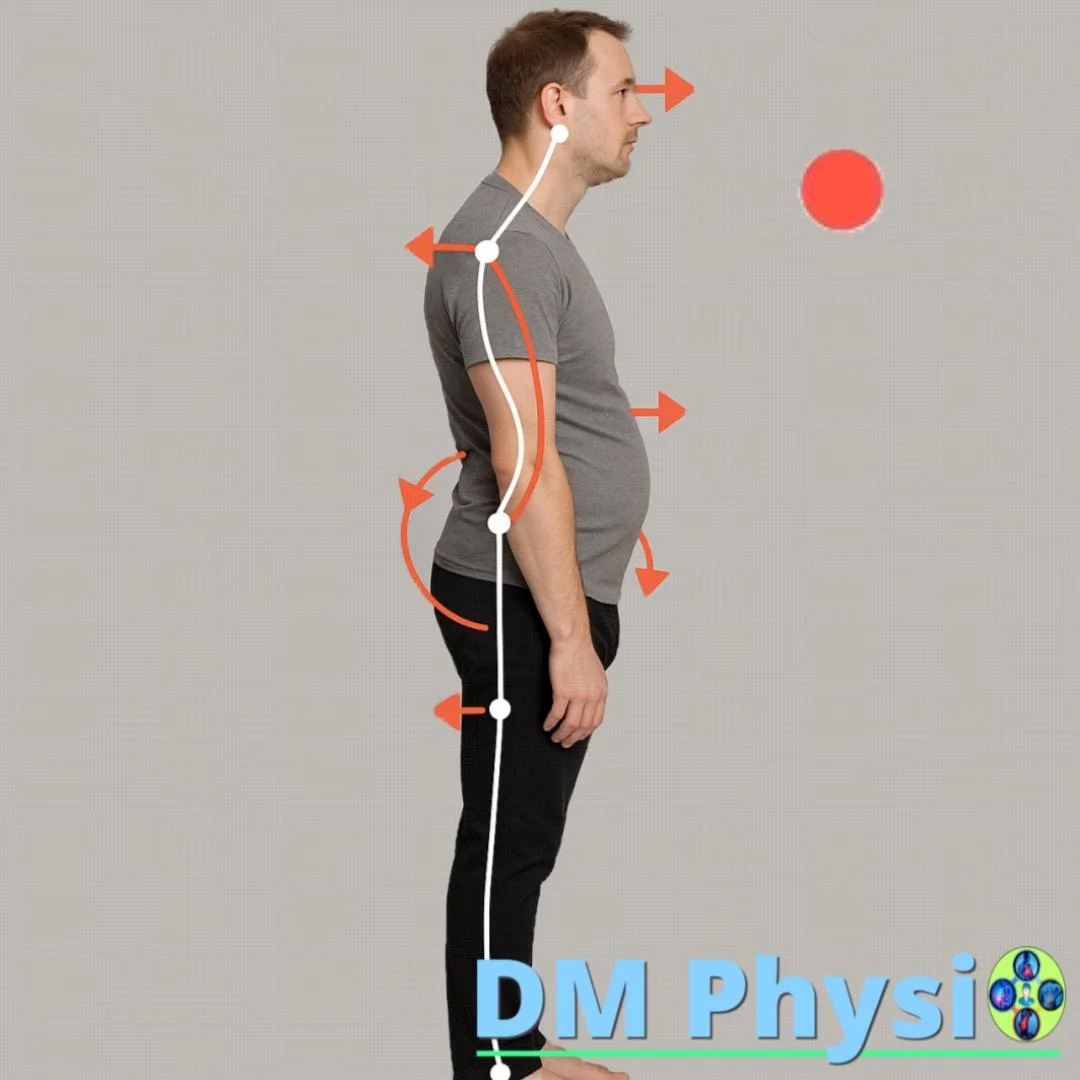
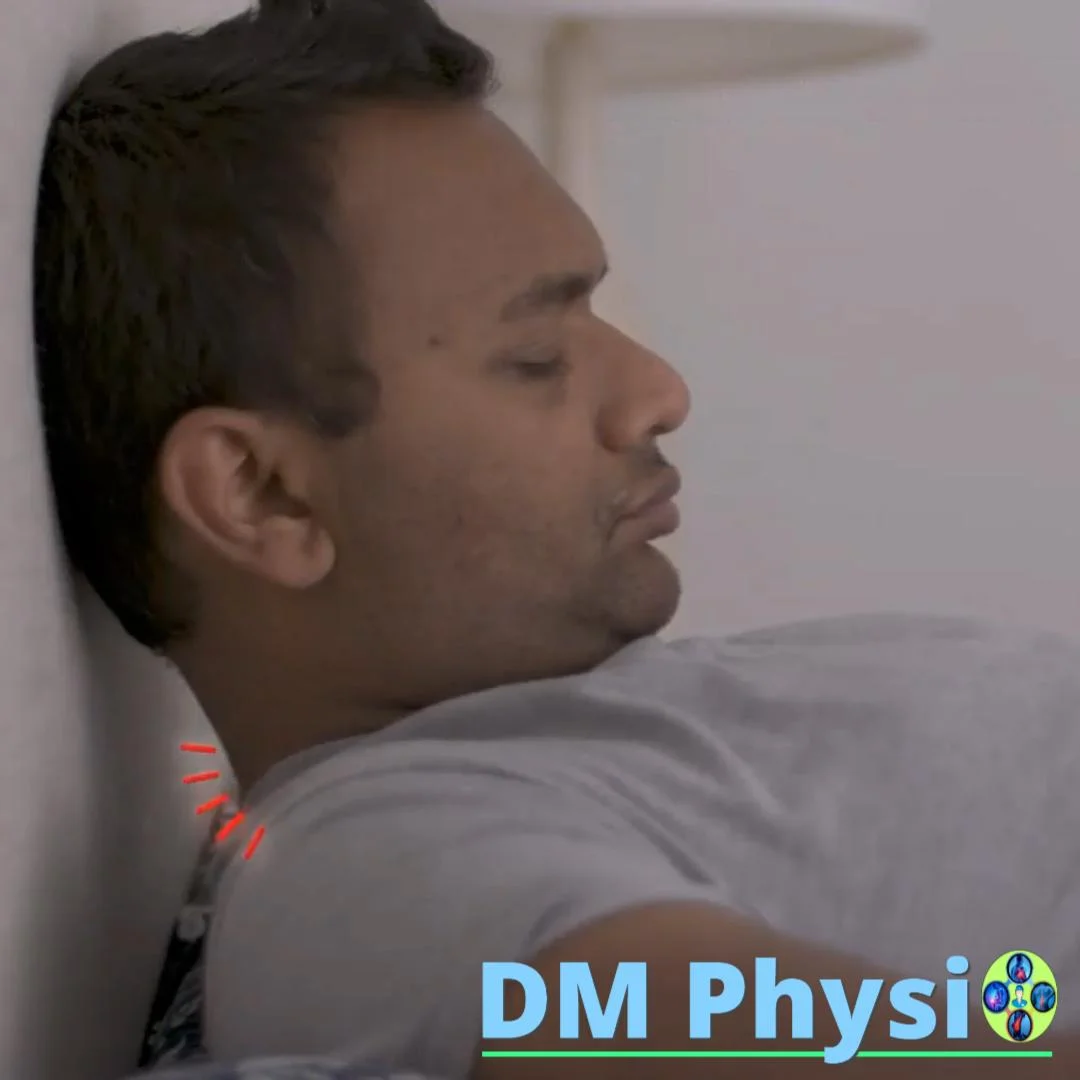
Most often, the nerve in the neck is pressed by herniated disc or muscle spasm. This can happen when sitting with your head forward for a long time, working on a computer or sleeping on a high pillow. When the muscles around the neck are tight, they restrict the space through which the nerves pass and cause pain and numbness.
2. Neurological symptoms
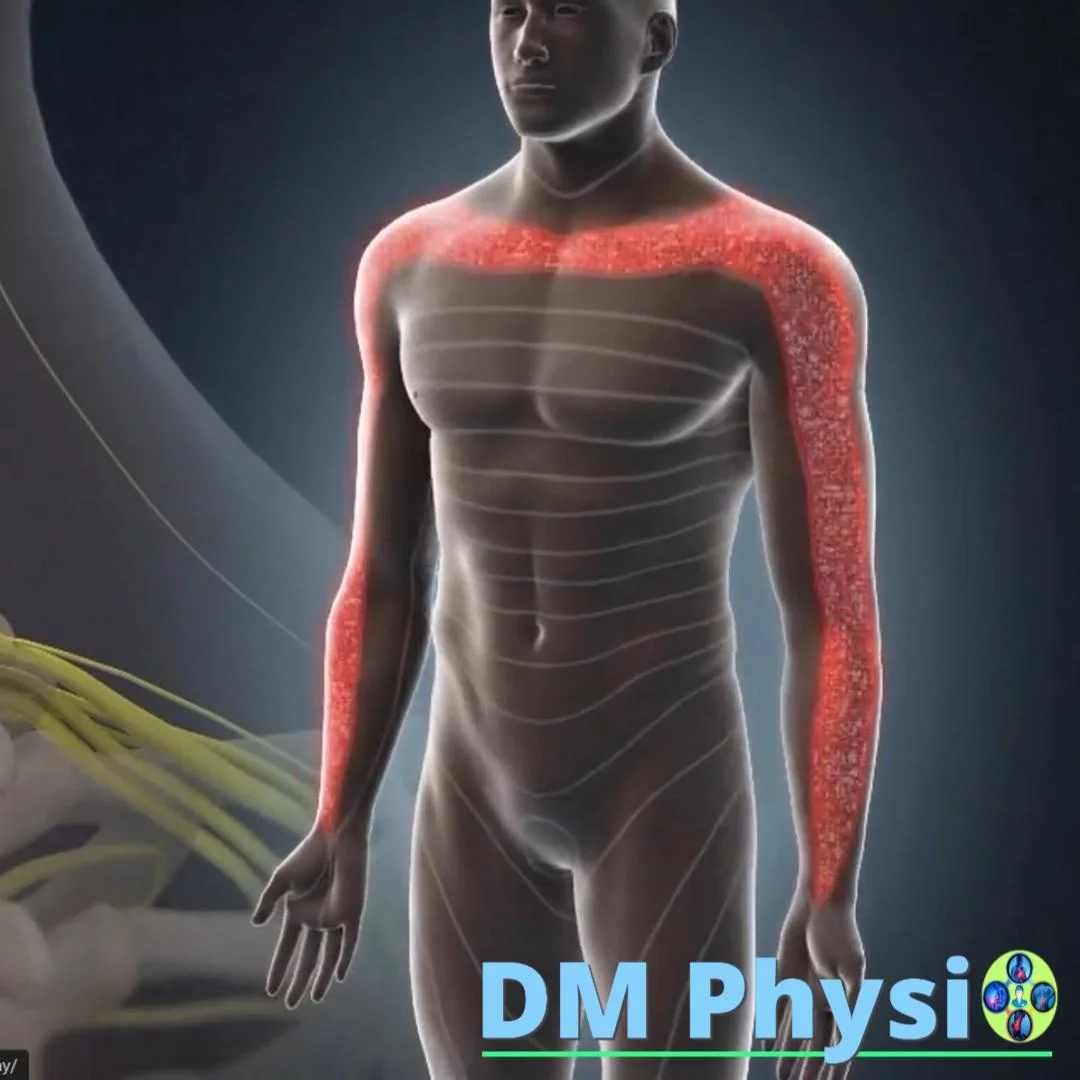
When the nerve is compressed, characteristic sensations appear — tingling, burning, tingling, or shooting pain that spreads from the neck to the shoulder, arm, and fingers. Sometimes there is also a feeling of weakness in the hand or difficult movement of the fingers. Symptoms are aggravated by tilting the head or prolonged sitting, especially when the shoulders are tense.
3. Risk of chronic pain
If the nerve remains compressed for a long time, inflammation can become chronic. Then the pain appears even with light movements, and the muscles of the neck and shoulder begin to weaken. Early intervention with manual therapy, exercises and physiotherapy helps reduce nerve irritation, lower tension and support better function.
How does physical therapy help with radiculopathy?
Our approach is focused on nerve release, supporting function and prevention.
1) Release of the nerve
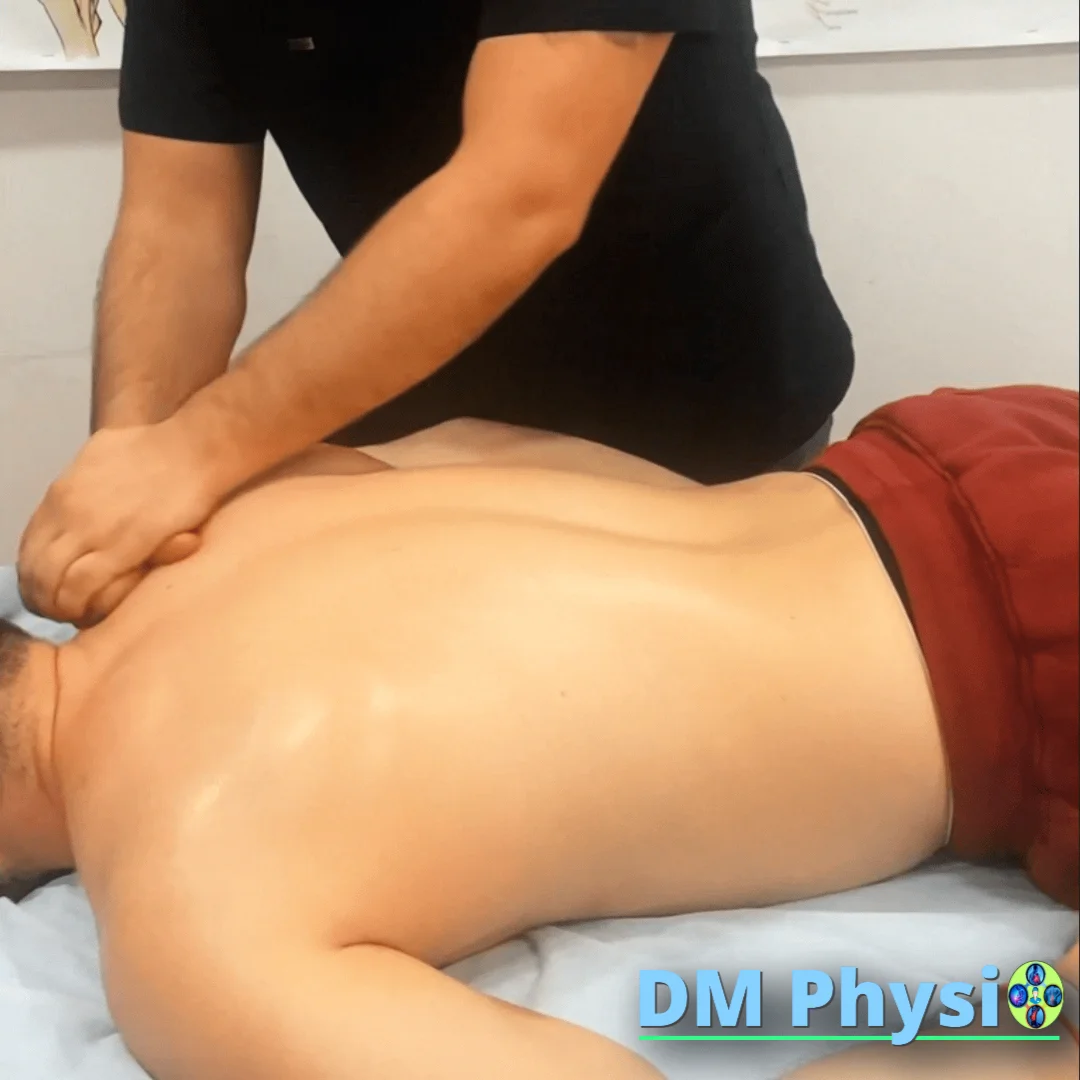
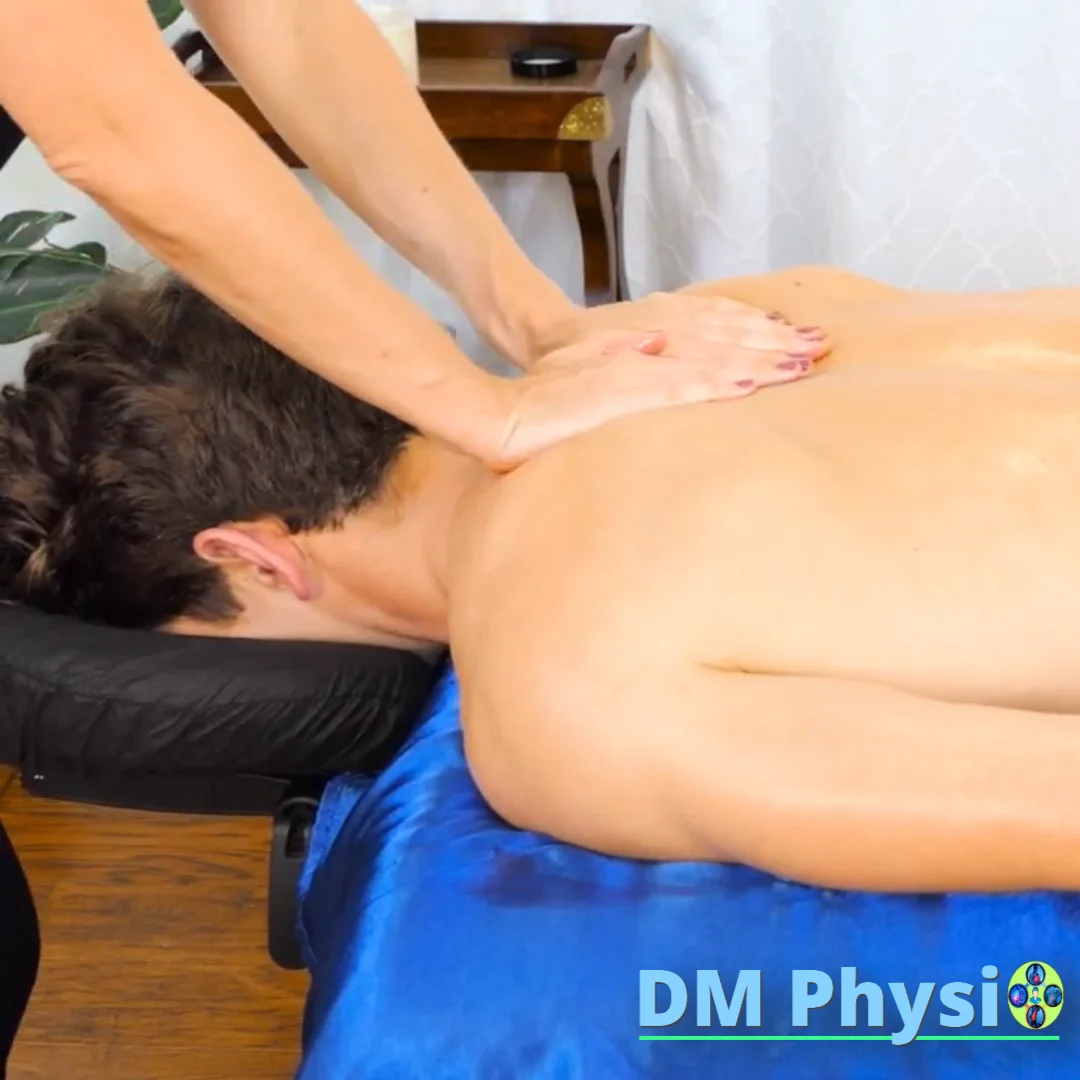
Application of manual techniques to relax spasms, improve facet mobility and decompression – which reduces pain and pressure on the nerve root.
2) Local stimulation
We use neurostimulation and targeted exercise, to "wake up" the nerve, improve conduction and reduce tingling/burning.
3) Strengthening and stability
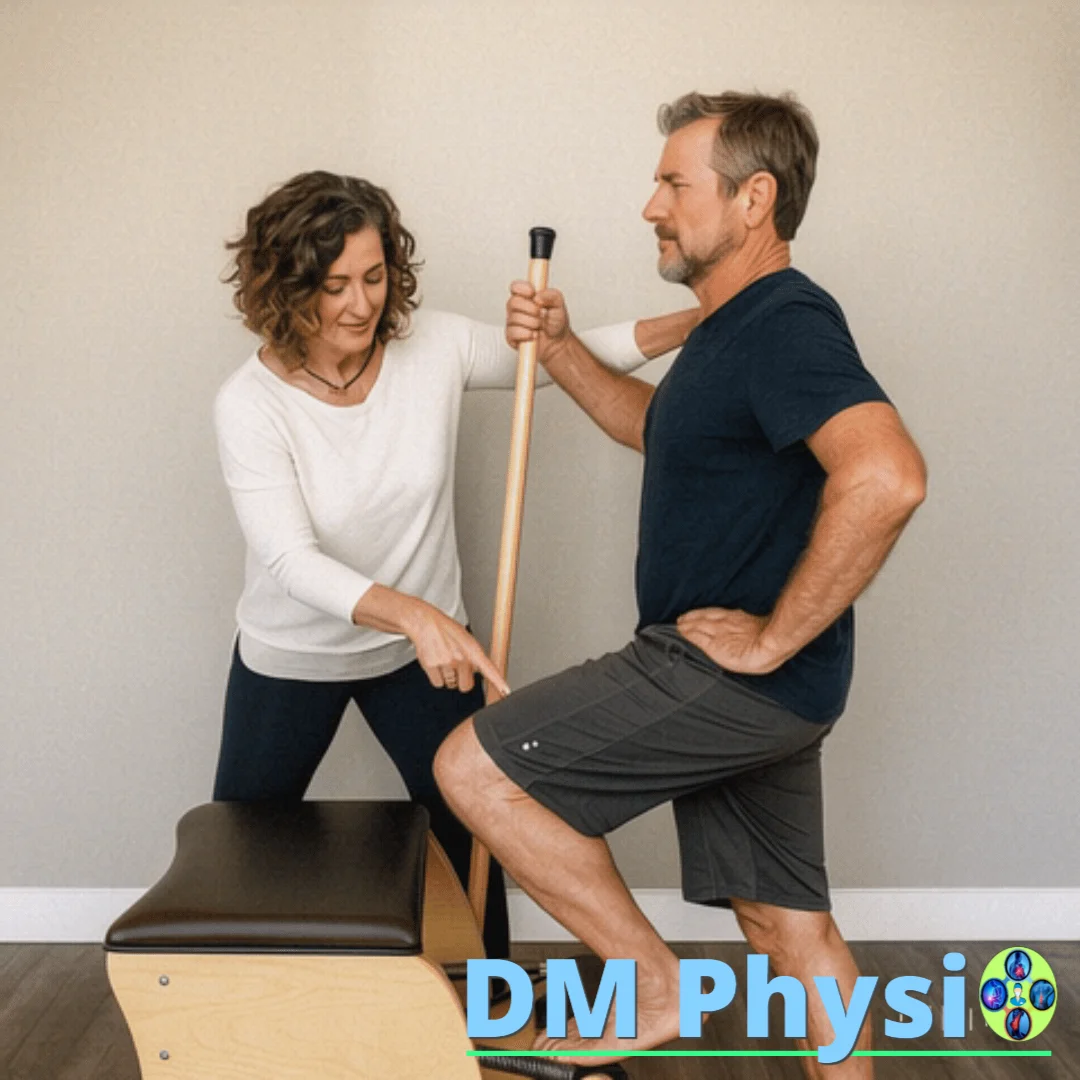
We introduce stabilization and strength exercises for the cervical/lumbar region and scapular stabilizers to prevent recurrence and maintain the result.