Herniated disc in the neck
Understand how neck movement, loading and muscle control can influence symptoms around a cervical disc herniation.
What is a herniated disc in the neck?
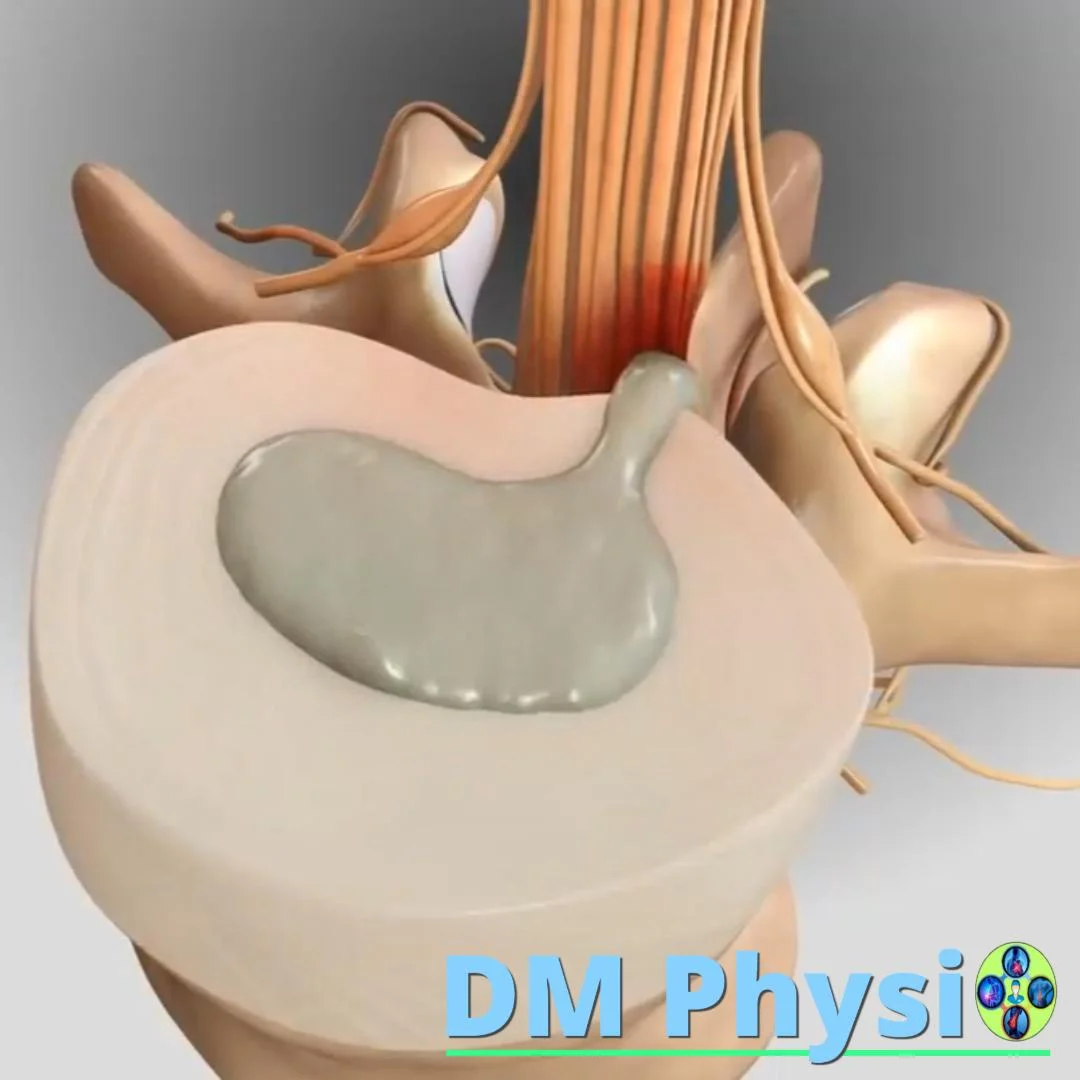
A herniated disc is a condition in which the soft inner center of the intervertebral disc (nucleus pulposus) comes out of its shell (annulus fibrosus). This results in pressure on the spinal cord or nerve roots, causing pain, numbness and weakness in the arms and shoulders.
The intervertebral discs function as shock absorbers between the vertebrae. They provide flexibility and help absorb the load.
The relationship with muscle imbalance
A herniated disc is often the result of uneven loading of the neck.
1. Muscle imbalance
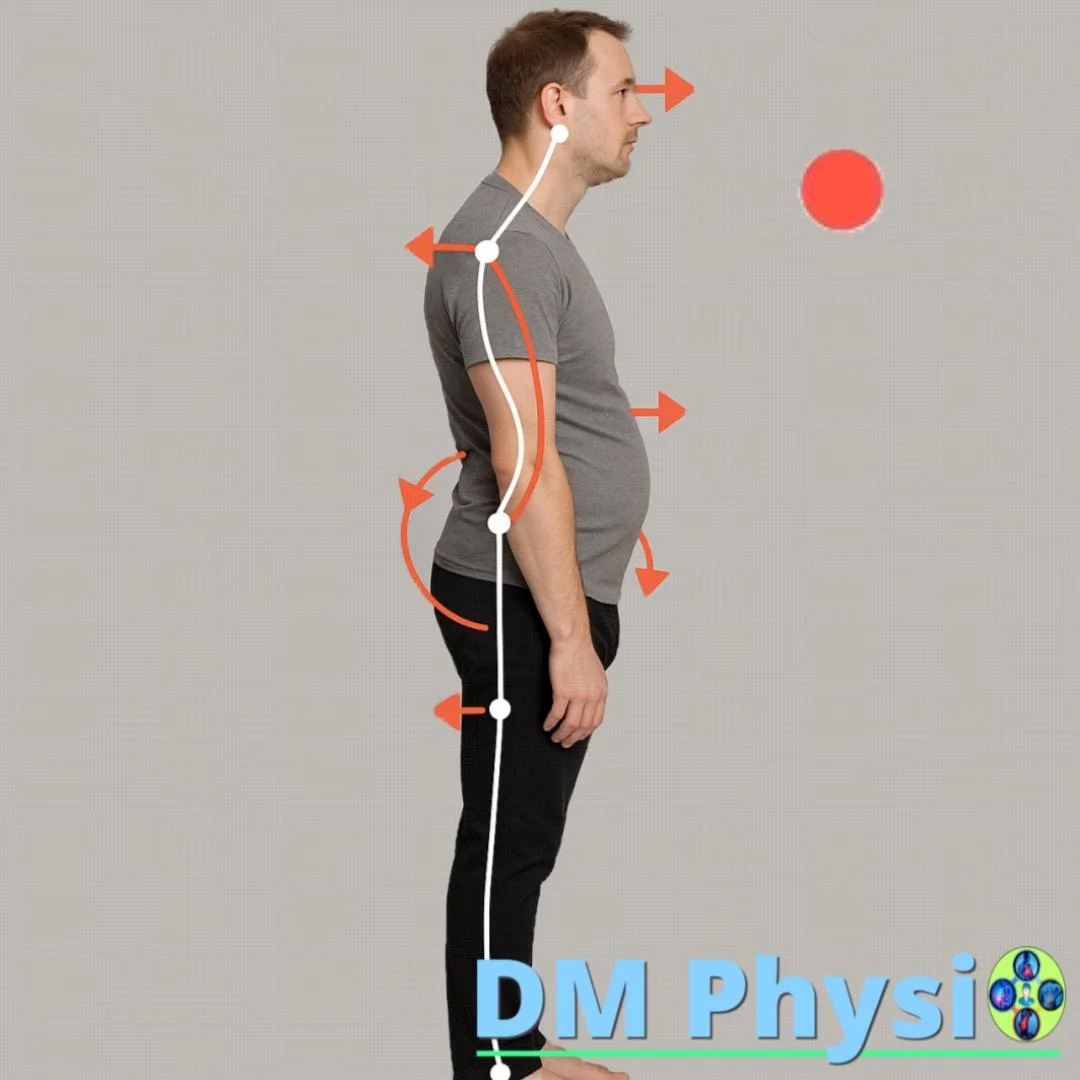
Ideally, the muscles around the neck and spine share the work. With an imbalance, some muscles, such as the trapezius or sternocleidomastoid, may become overactive and tight while others contribute less. This can encourage a less comfortable head and neck position, often with the head moving forwards.
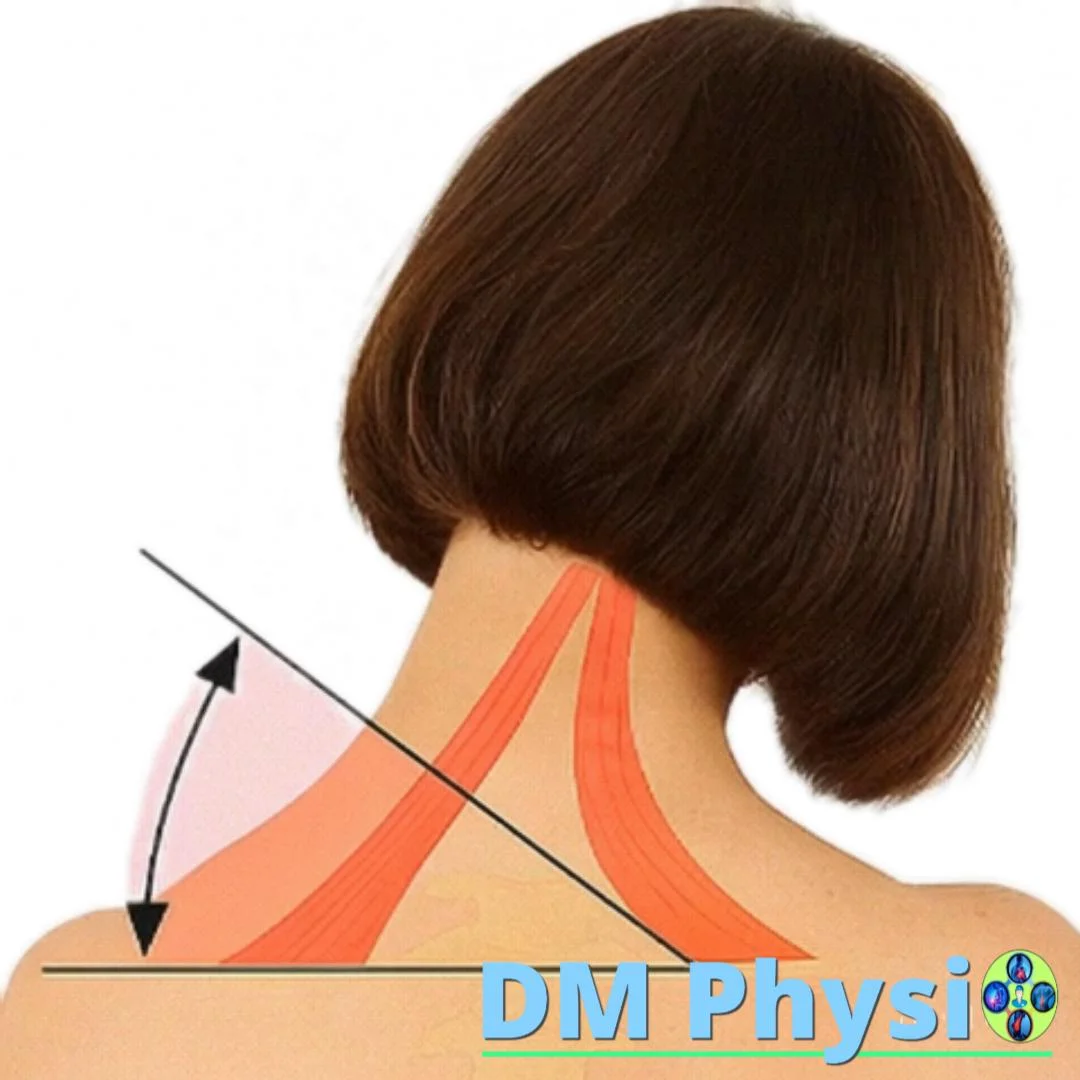
2. Uneven load
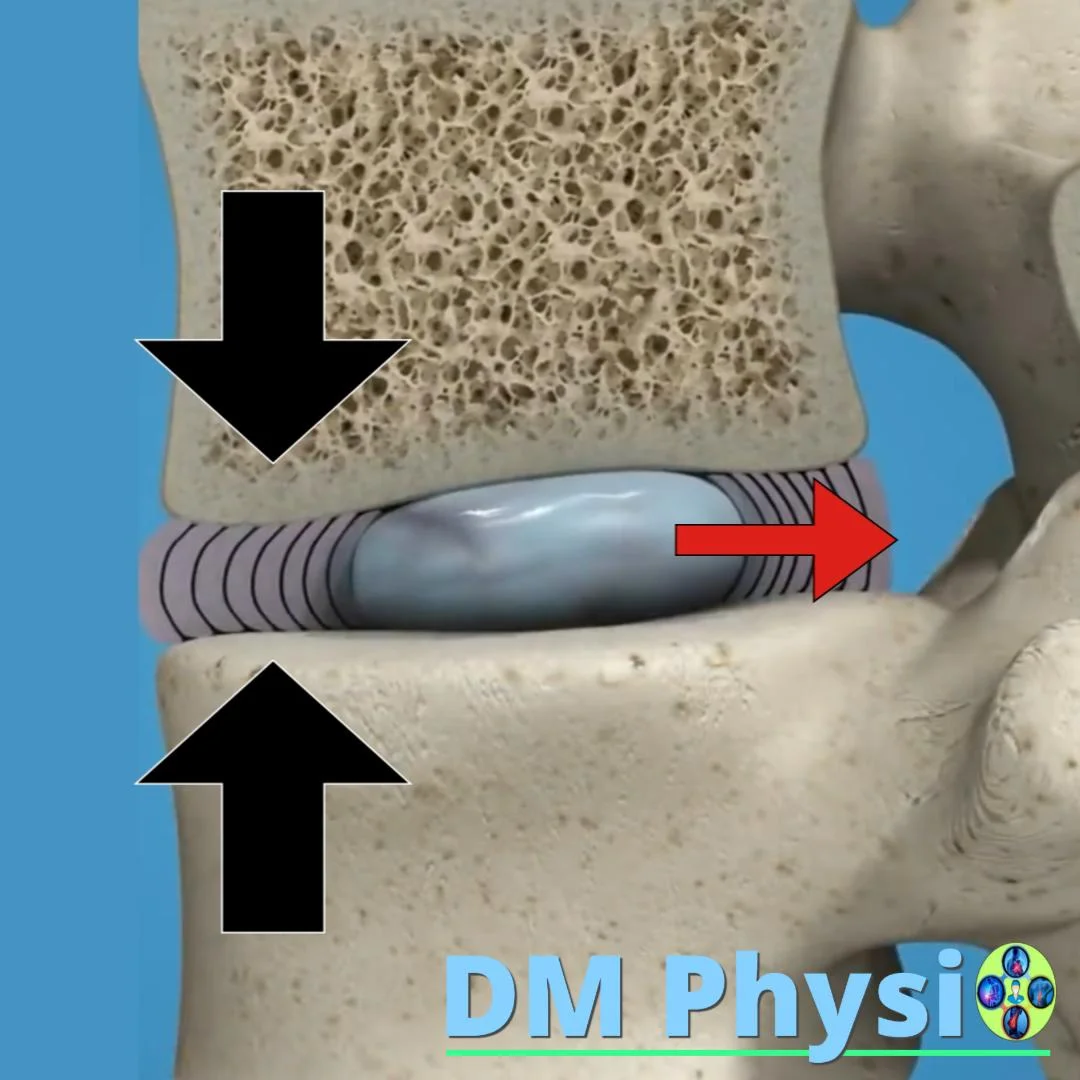
When the muscles do not support the head symmetrically, its weight (about 5-6 kg) is distributed unevenly on the intervertebral discs. Instead of the disc absorbing the pressure evenly, it is pressed on only one side. This constant, asymmetric pressure gradually damages its outer sheath (the annulus fibrosus).
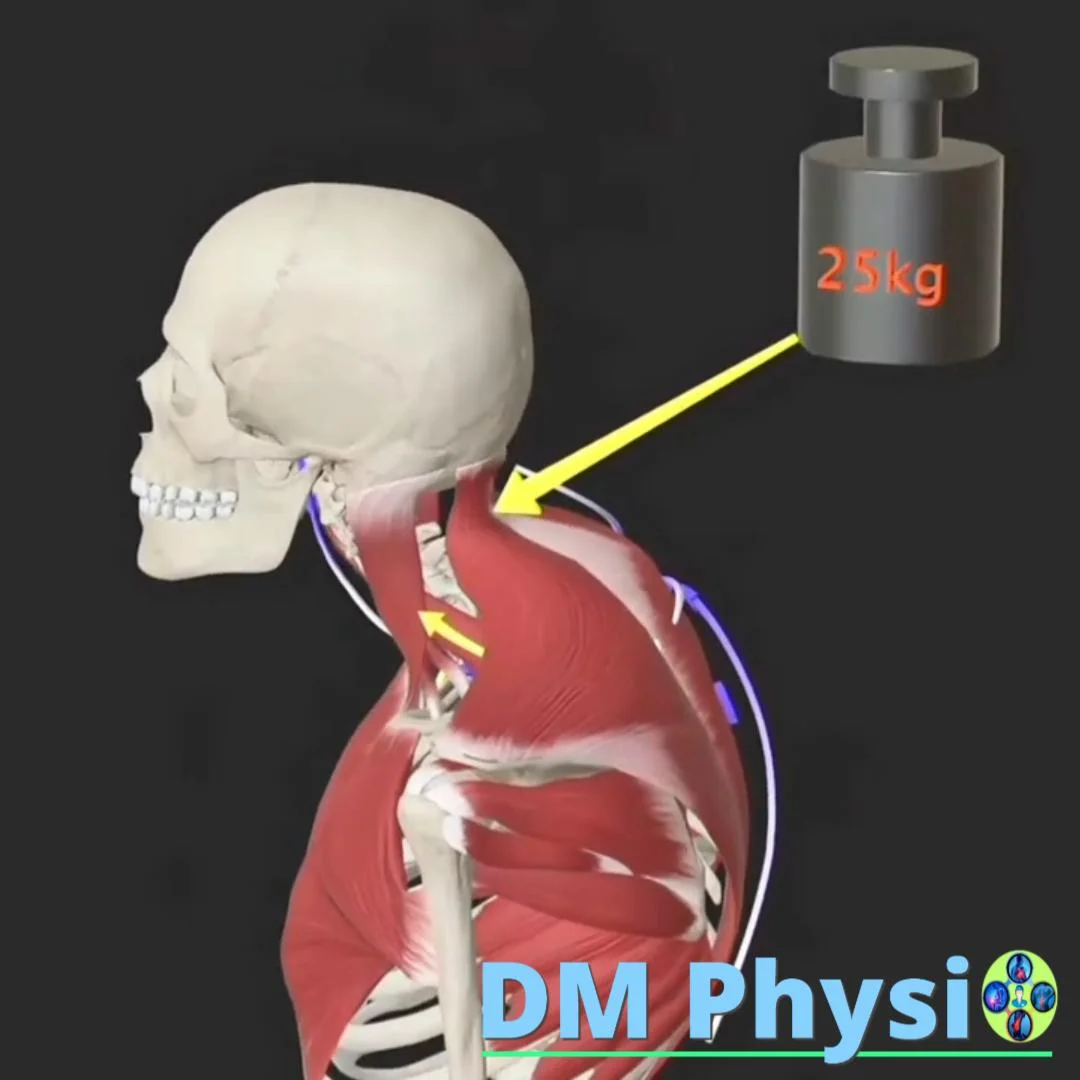
3. Increased pressure and herniation
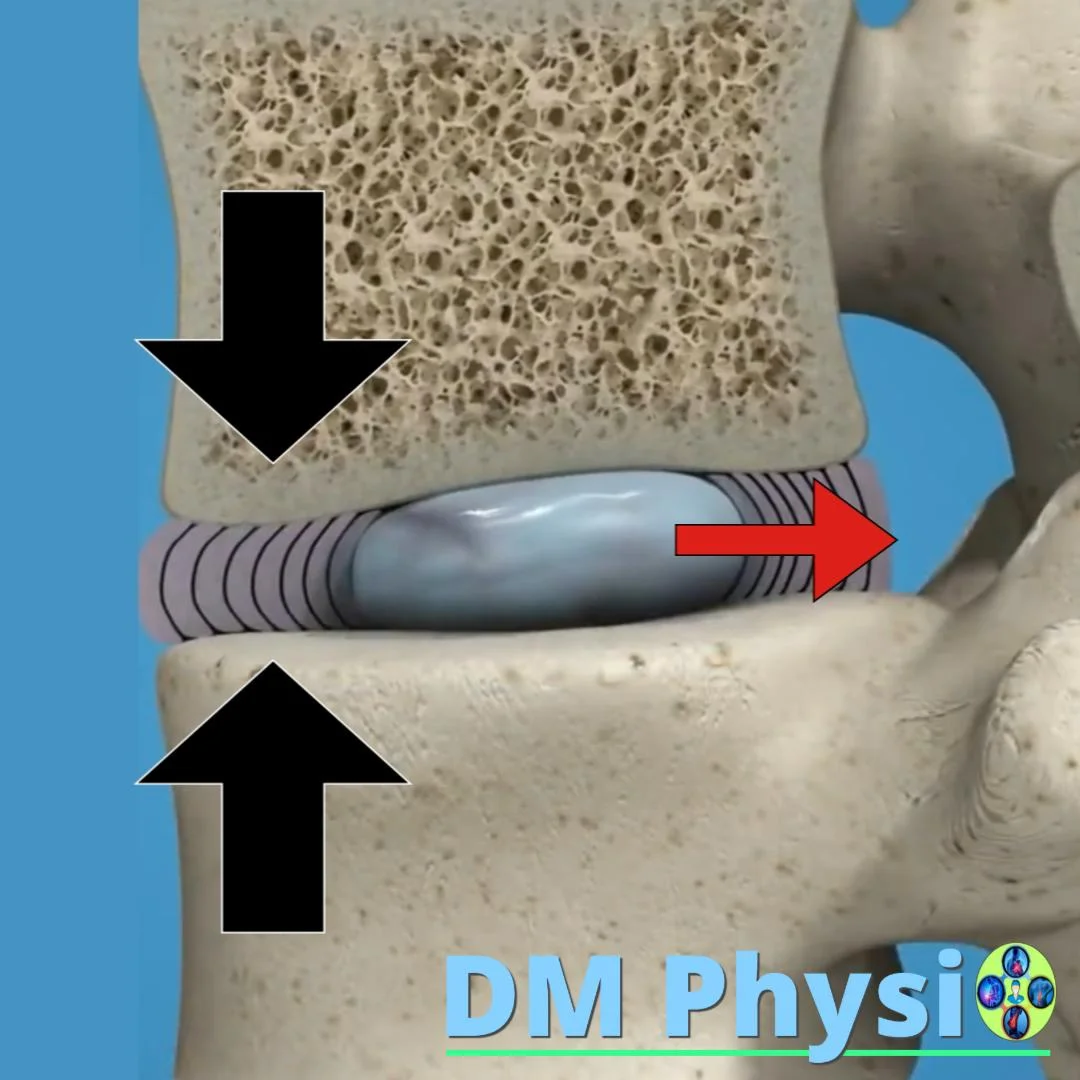
Over time, the sustained pressure on the disc becomes too much. The outer annulus fibrosus cannot withstand and tears. The inner, jelly-like part of the disc leaks or bulges out, which is called a herniation. A herniated disc presses on nearby nerve roots or the spinal cord, causing pain, numbness, and weakness.
How can physiotherapy support a herniated disc in the neck?
We assess the factors that may be contributing to symptoms, including muscle balance, movement control and everyday loading.
1. Settle sensitivity and restore comfortable movement
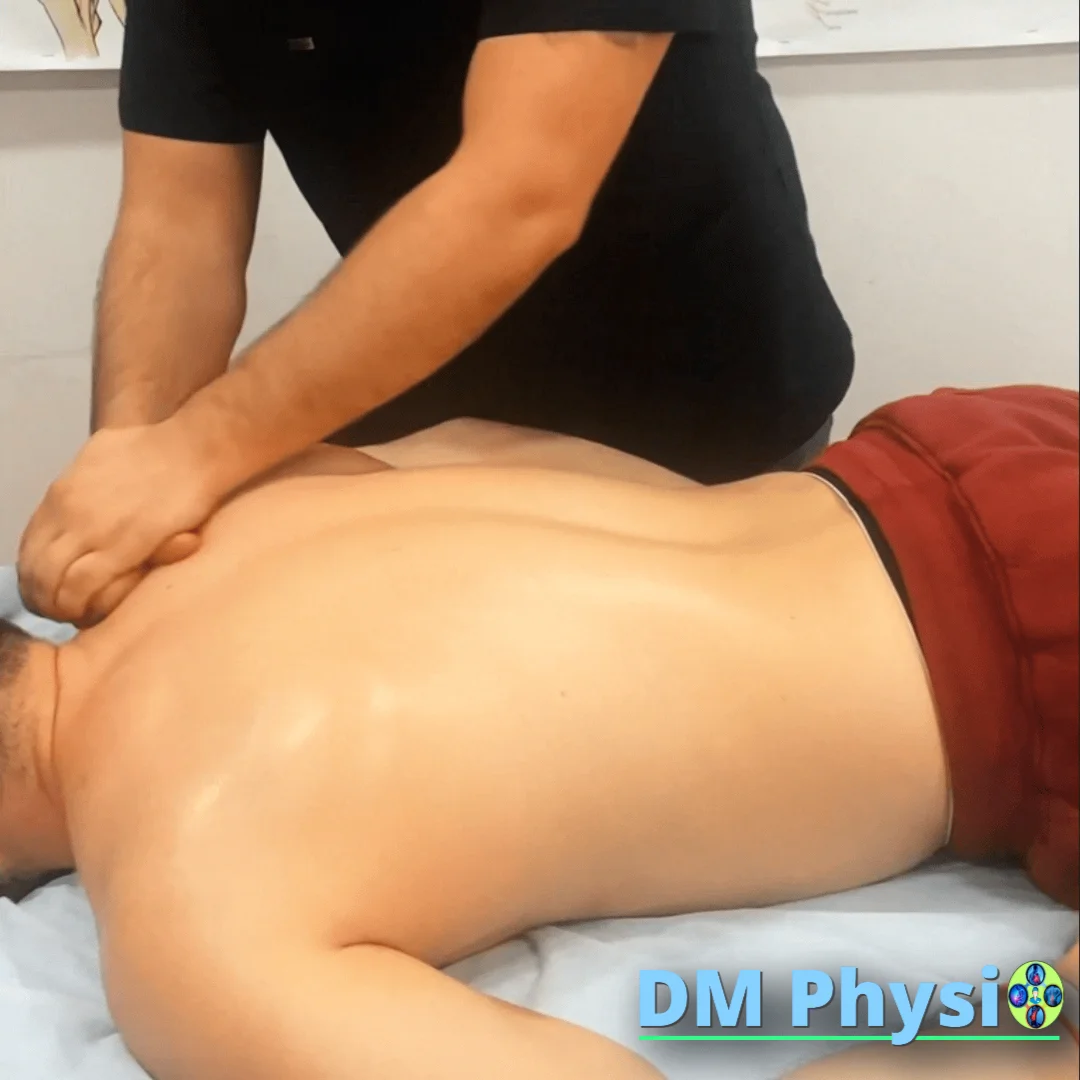
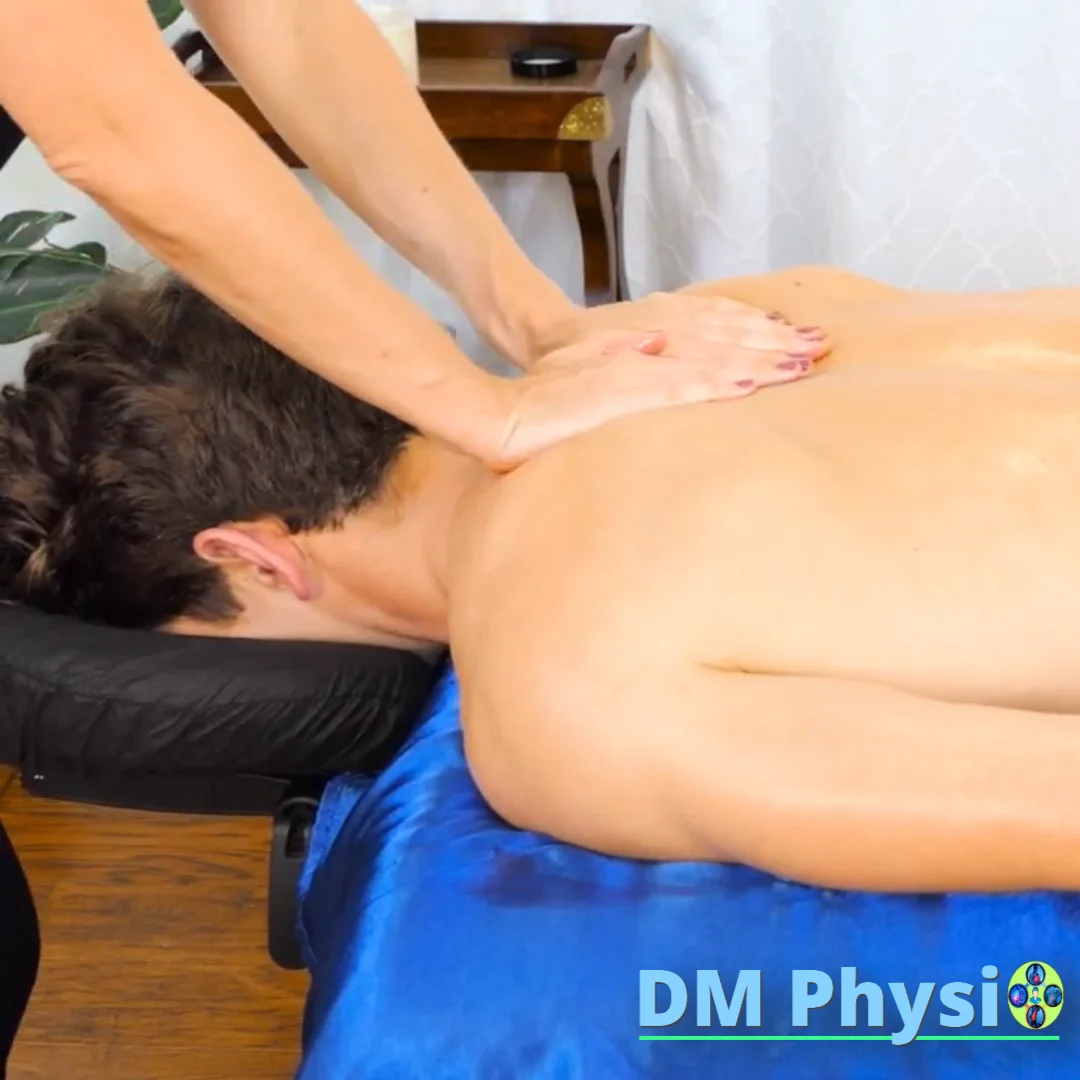
Manual techniques and carefully selected movement can help address tight and sore muscles. The aim is to make movement more comfortable and reduce unnecessary strain around the neck, not to force the disc back into place.
2. Build control and strength
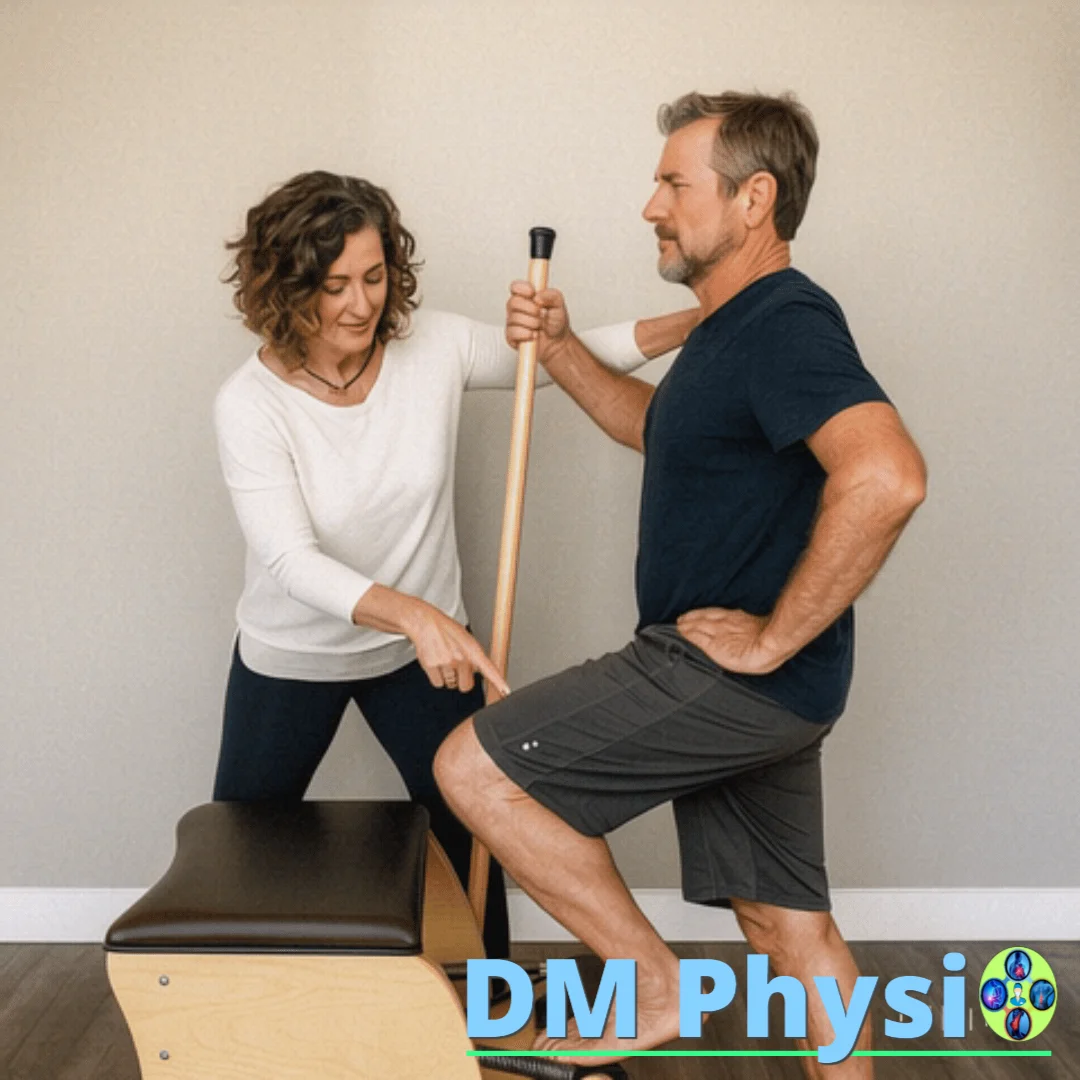
As symptoms allow, we introduce individual exercises for the muscles that support the neck and upper back. The programme is adjusted to your response rather than following one fixed template.
3. Support long-term capacity
Better muscle balance and load management can support more even movement and reduce avoidable strain. This can help you return to daily activity with a clearer plan and lower the chance that symptoms keep returning.