Muscle pain in the neck
Find out the main causes of neck pain and stiffness and how to manage them to restore freedom of movement and reduce discomfort in your everyday life.
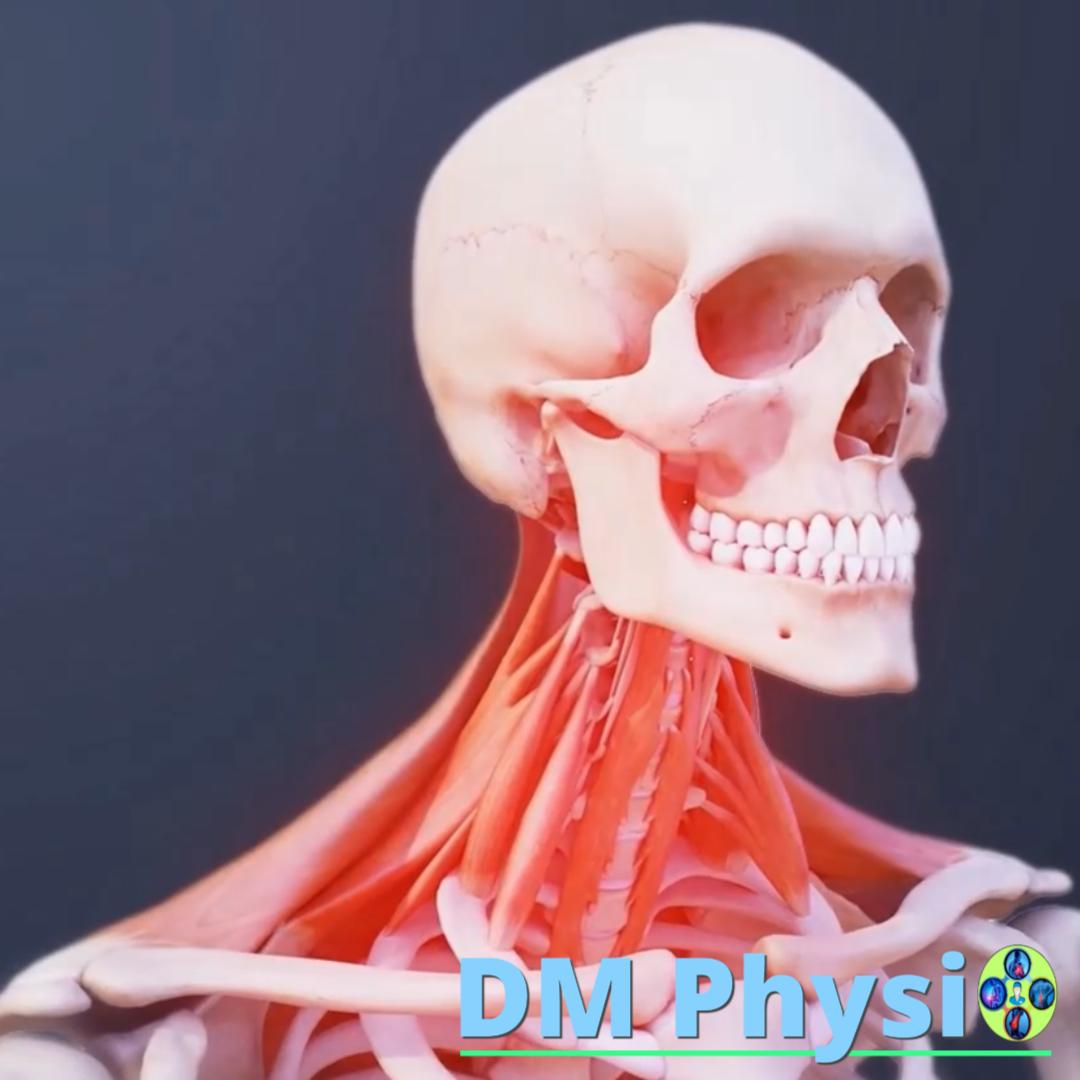
Common causes of muscle pain in the neck
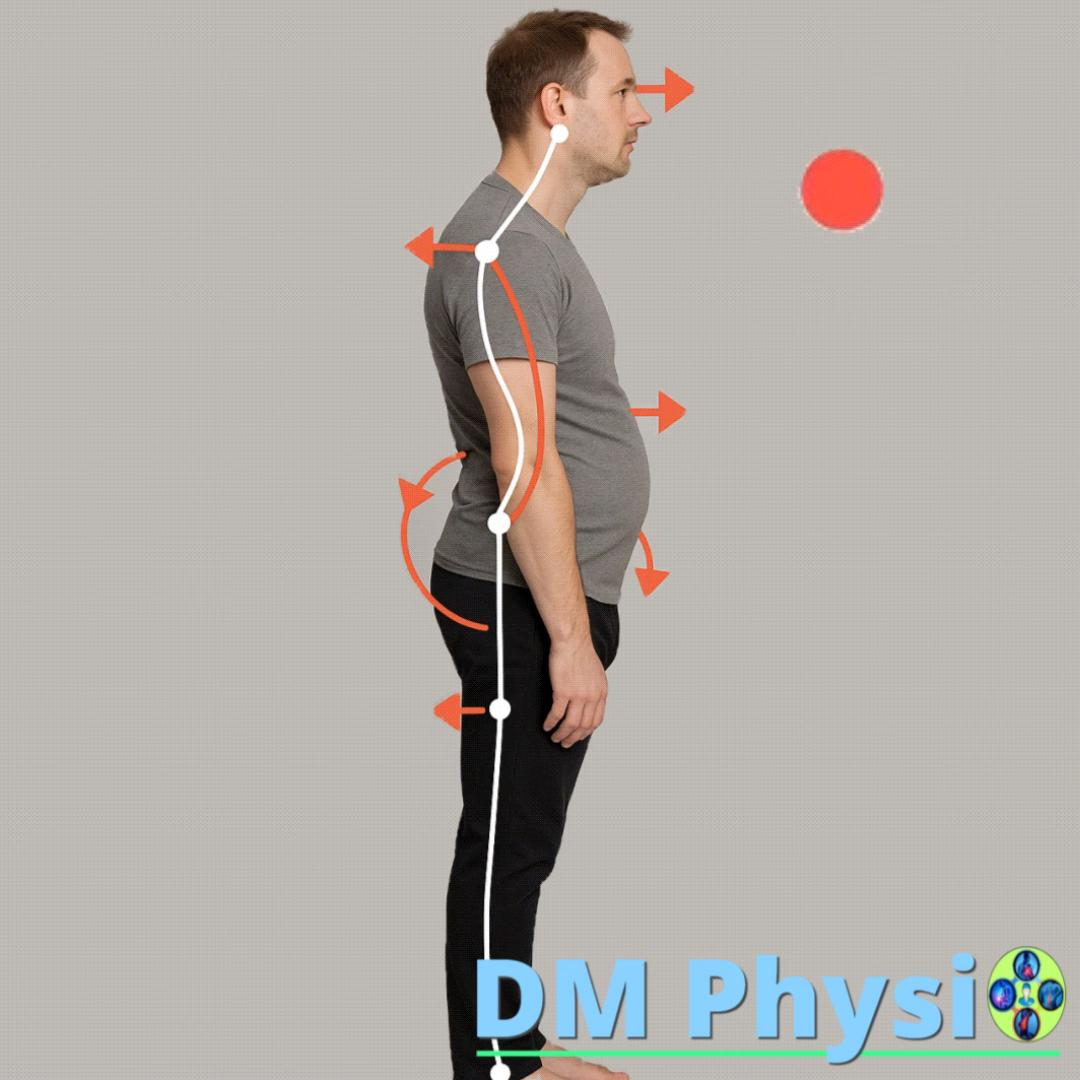
Muscle pain in the neck can be caused by various factors, the most common of which are: bad posture, prolonged work in front of a computer, stress, trauma or sudden movement. These factors lead to overstretching and inflammation of the muscles, which causes pain.
Neck pain is often the result of tension in the muscles associated with the shoulders and back, such as the upper trapezius and m. levator scapulae.
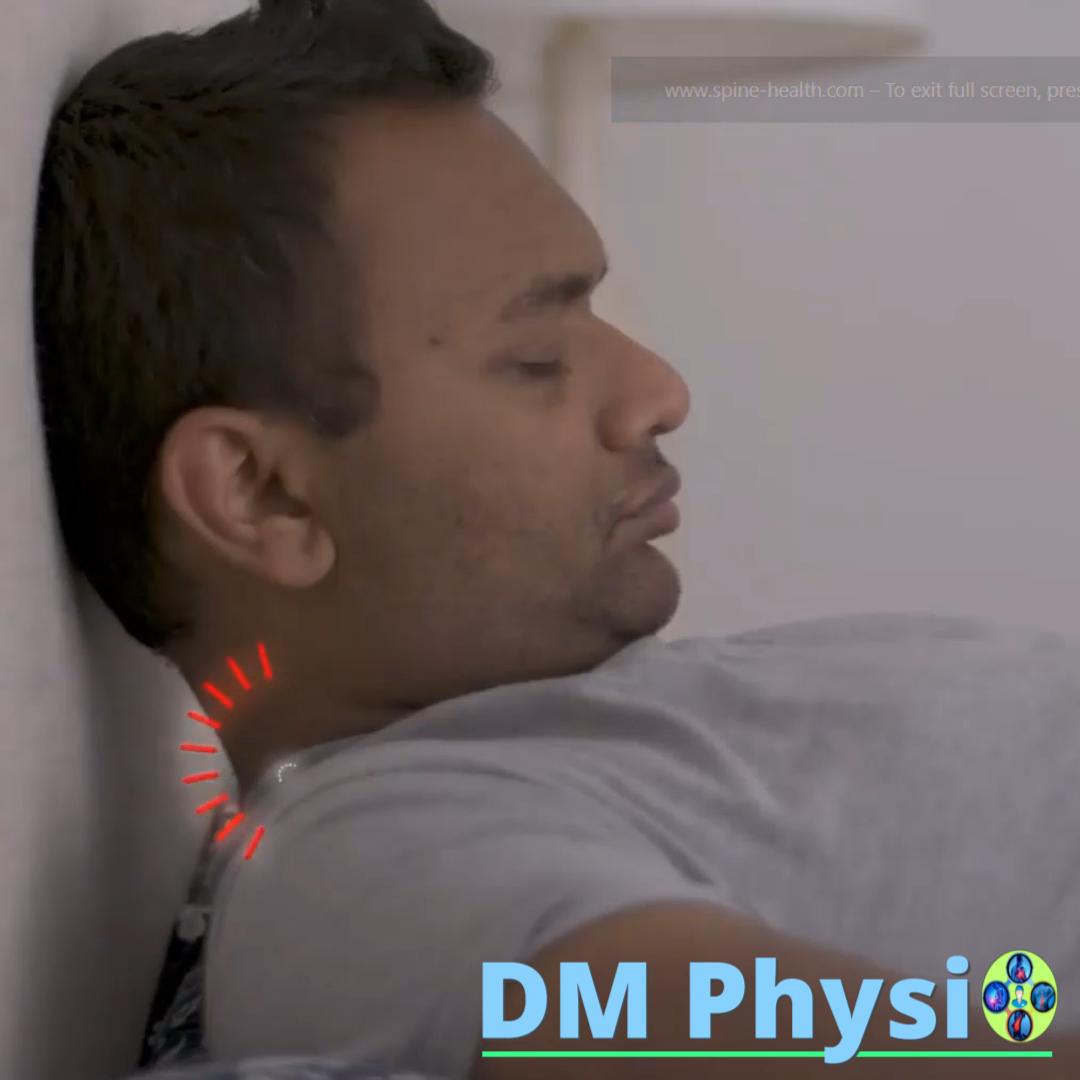
Which muscles cause back pain?
m. trapezius (upper part)
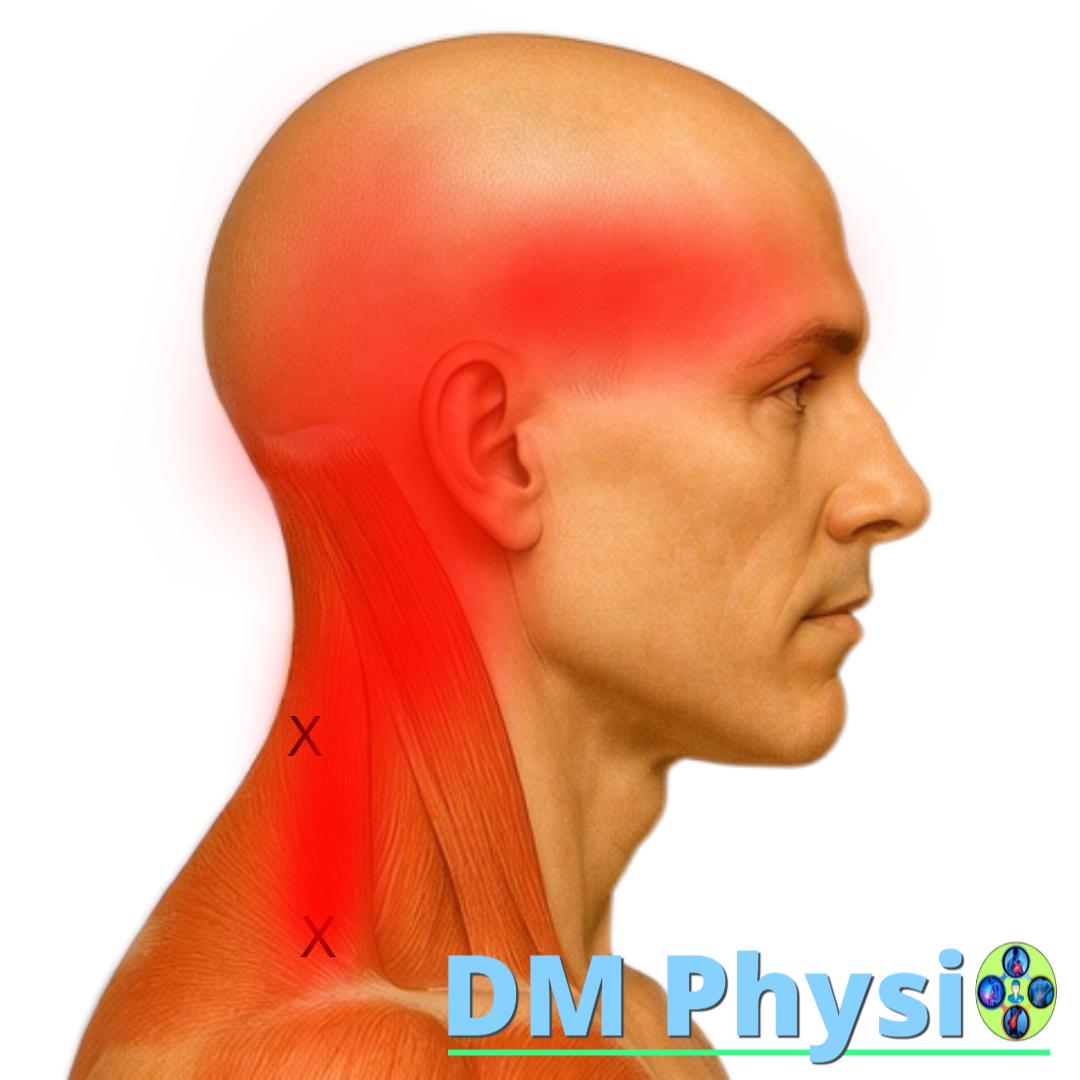
Anatomy and grip
The upper part of the trapezius muscle starts from occipital bone and the cervical vertebrae. Its fibers attach to acromion of the scapula and the lateral part of the clavicle.
Nature of the pain
- A dull, radiating pain in the back of the head and upper neck
- Pain spreading to temples and forehead
- Sensitiveness to touch in the shoulders and neck
- Decreased head mobility
m. levator scapulae
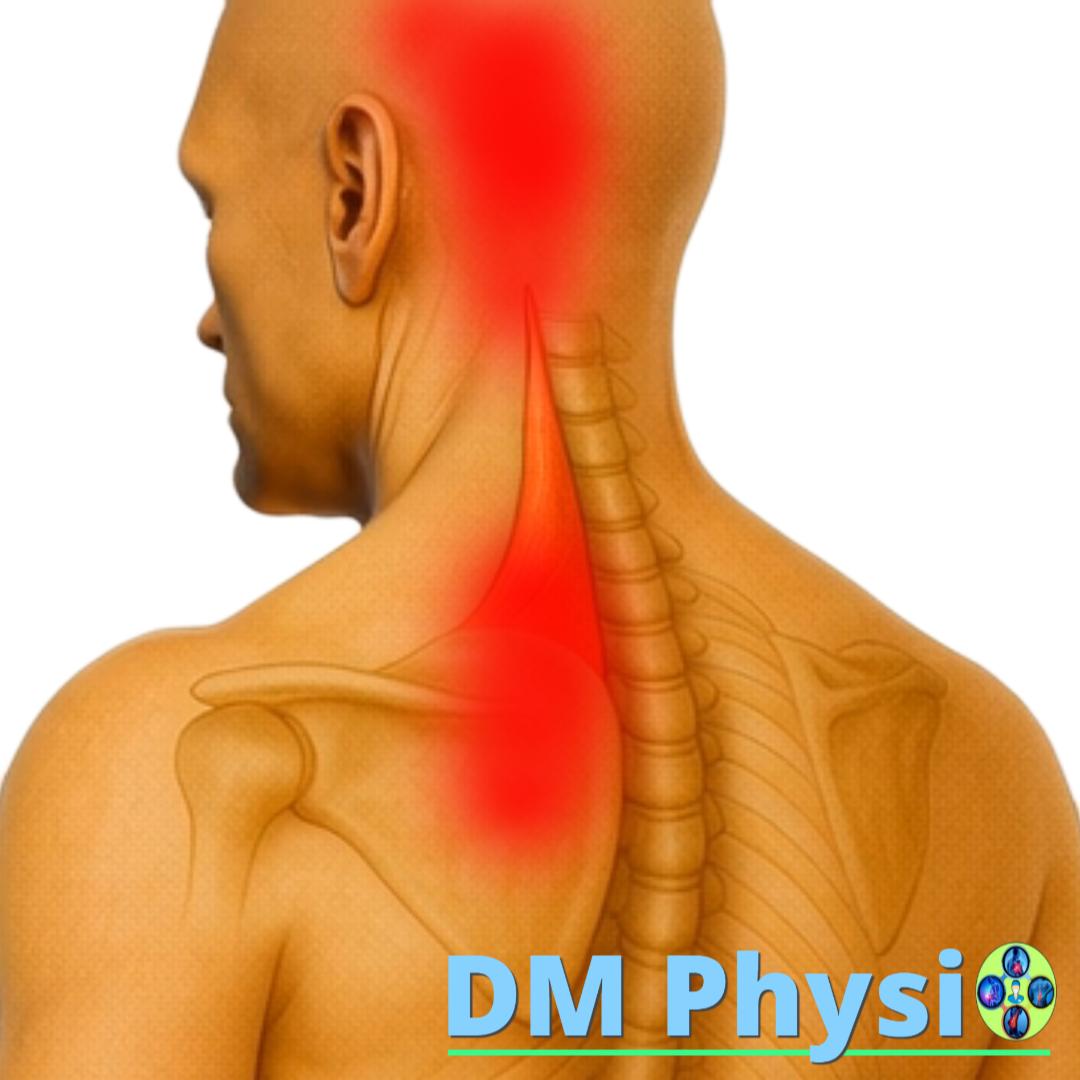
Anatomy and grip
This muscle starts from the transverse processes of the upper cervical vertebrae (C1-C4) and attaches to upper medial edge of the scapula.
Nature of the pain
- Sharp pain in the neck and back of the head, often with head movement
- Pain spreading to the shoulder and the side of the neck
- A "stiff neck" or feeling of a stuck neck
- Disturbed sleep due to pain when changing position
m. splenius capitis & cervicis
(m. splenius capitis and m. splenius cervicis)
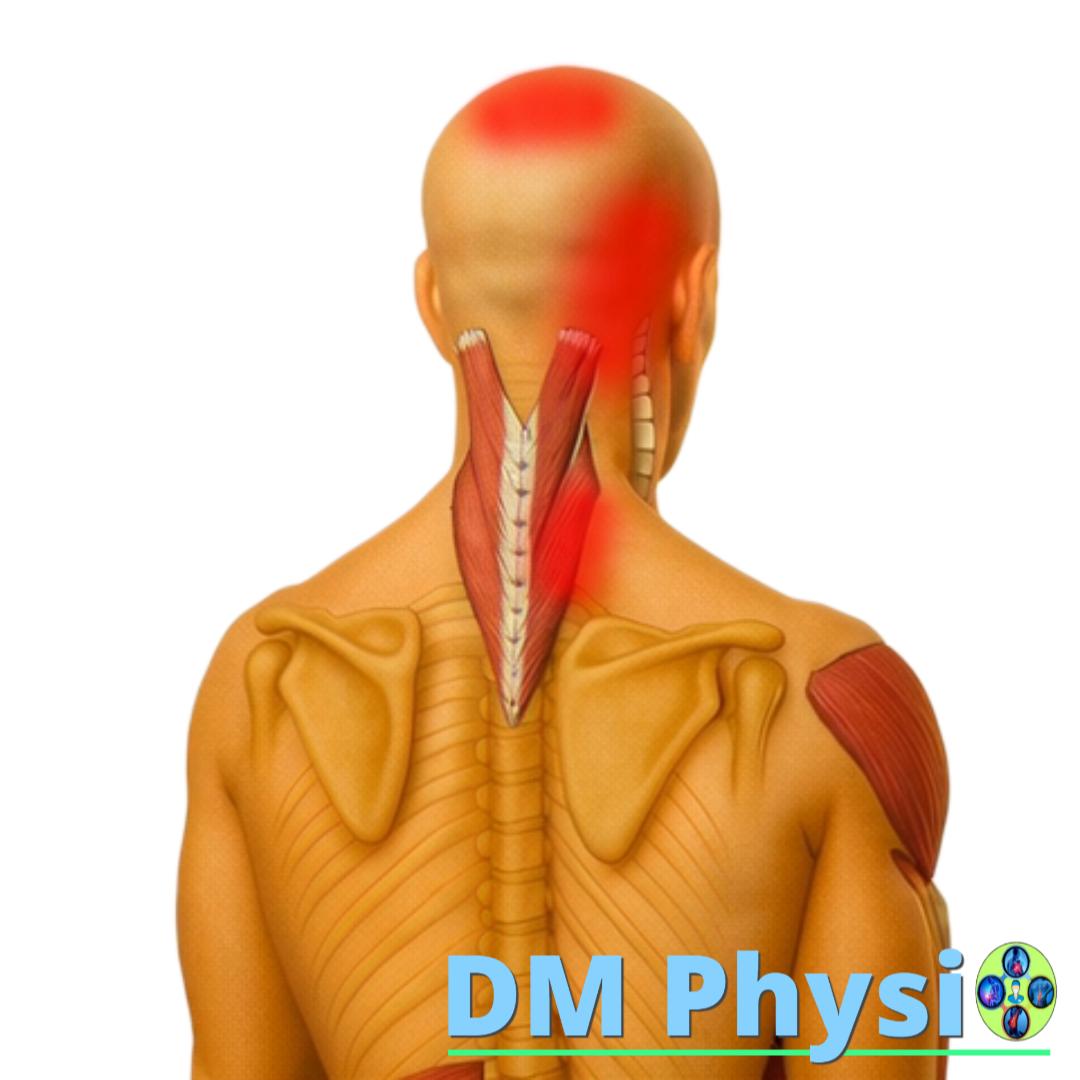
Anatomy and grip
These two muscles are located deep under the trapezius muscle, along the back of the neck. Splenius capitis starts from the cervical and upper thoracic vertebrae and attaches to the mastoid process (behind the ear) and the occipital bone. Splenius cervicis starts from the thoracic vertebrae and attaches to upper cervical vertebrae.
Nature of the pain
- Sharp, stabbing pain in the upper part of the neck and nape
- Pain spreading to the temples and behind the eyes
- "Tightening" pain, similar to a hoop around the head
- Decreased mobility of the head, especially when turning
(SCM) m. sternocleidomastoideus
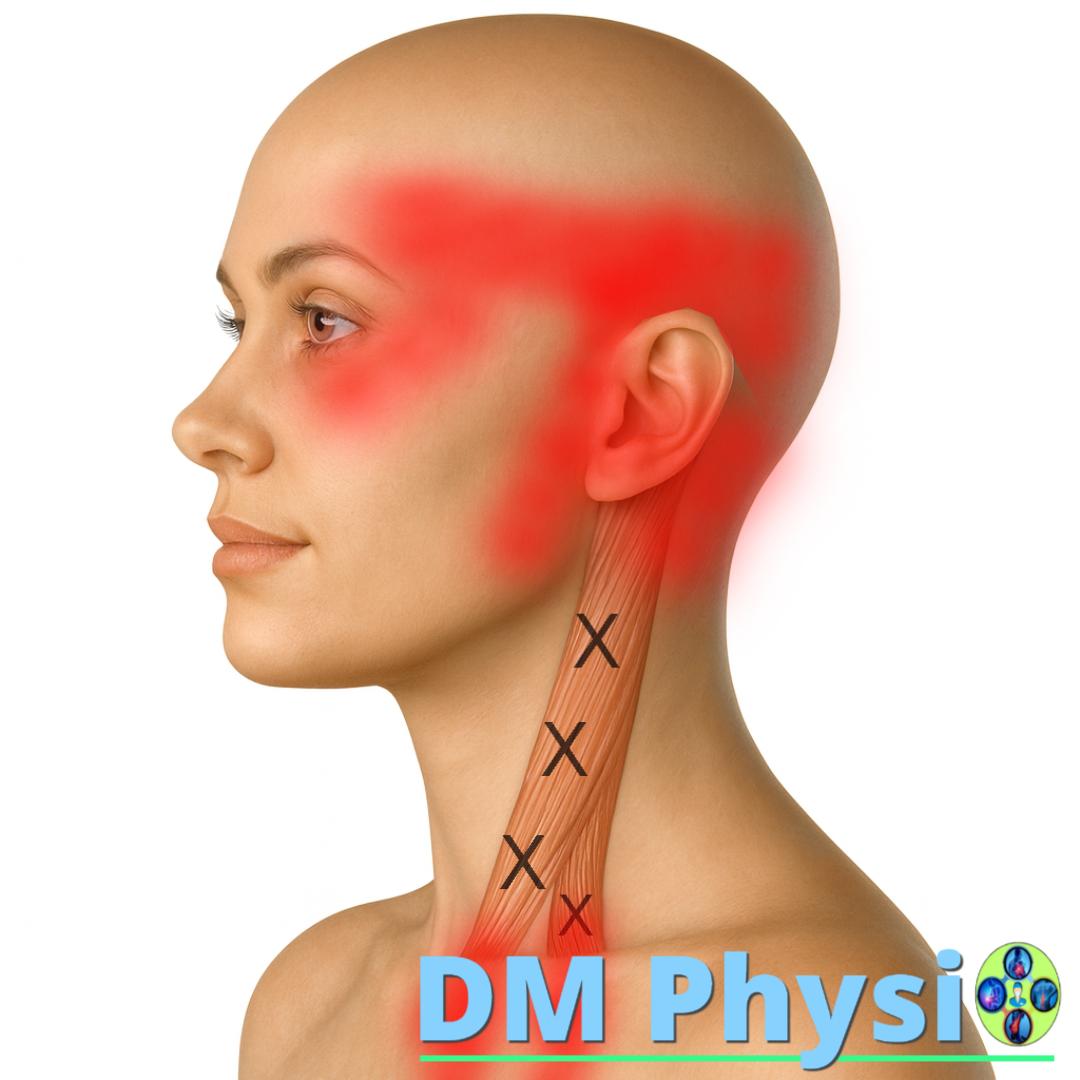
Anatomy and grip
Located laterally on the neck, this muscle has two heads that start from the clavicle and sternum (manubrium). Attaches to the mastoid process (behind the ear).
Nature of the pain
- Pain in temple and forehead
- Pain behind the eye or in the field of the ear
- Dizziness, nausea, impaired balance
- Pain in the back of the skull
Which muscles cause pain in the temple?
m. temporalis
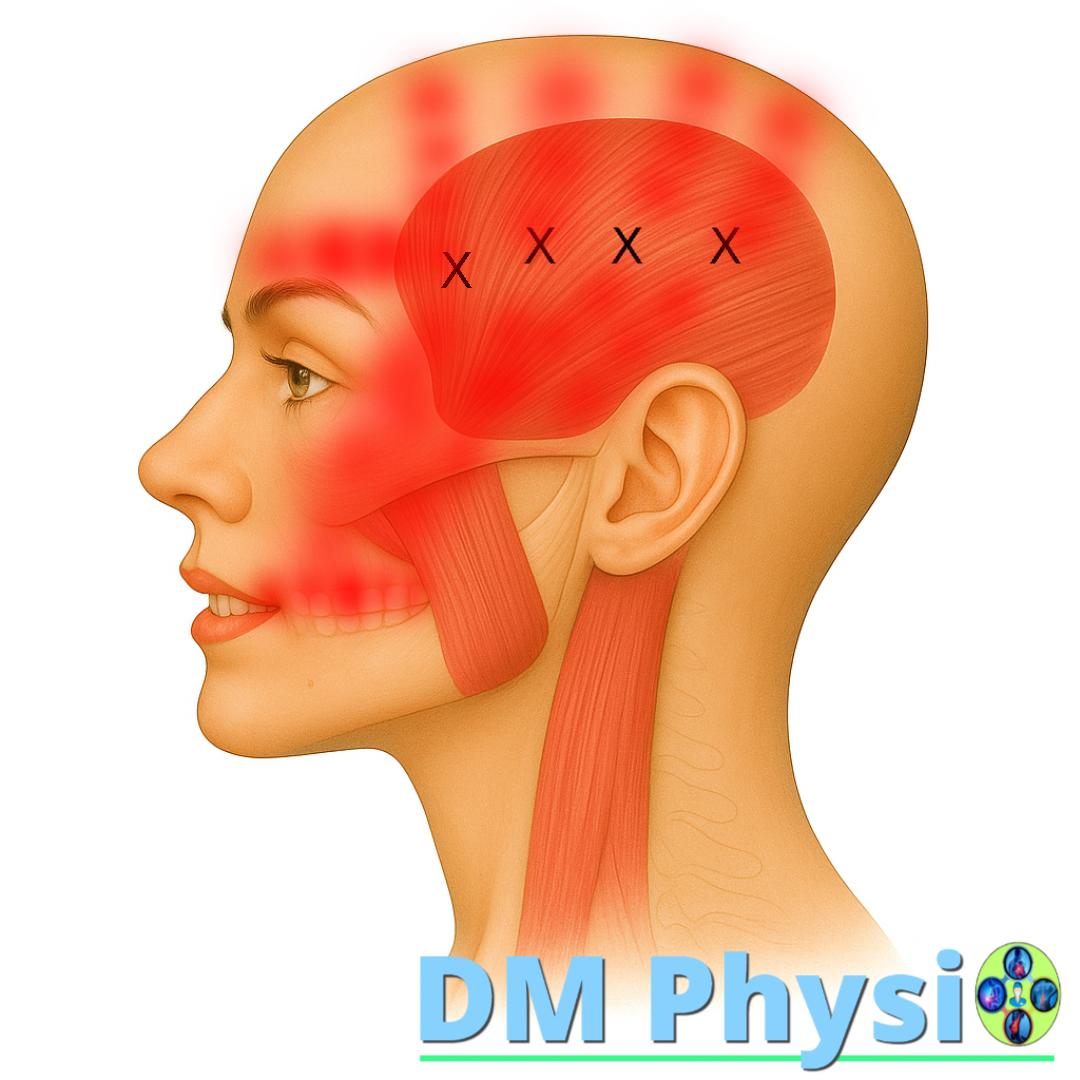
Anatomy and grip
This large fan-shaped muscle starts from the temporal bone (the side of the skull). Its fibers gather into a tendon, which attaches to coronal process (processus coronoideus) and the front edge of the branch of lower jaw (mandible).
Nature of the pain
- Sharp, throbbing pain directly into the temple
- Distribution to the side of the scalp
- Weight or pressure behind the eye
- Pain in upper teeth
m. scalenes
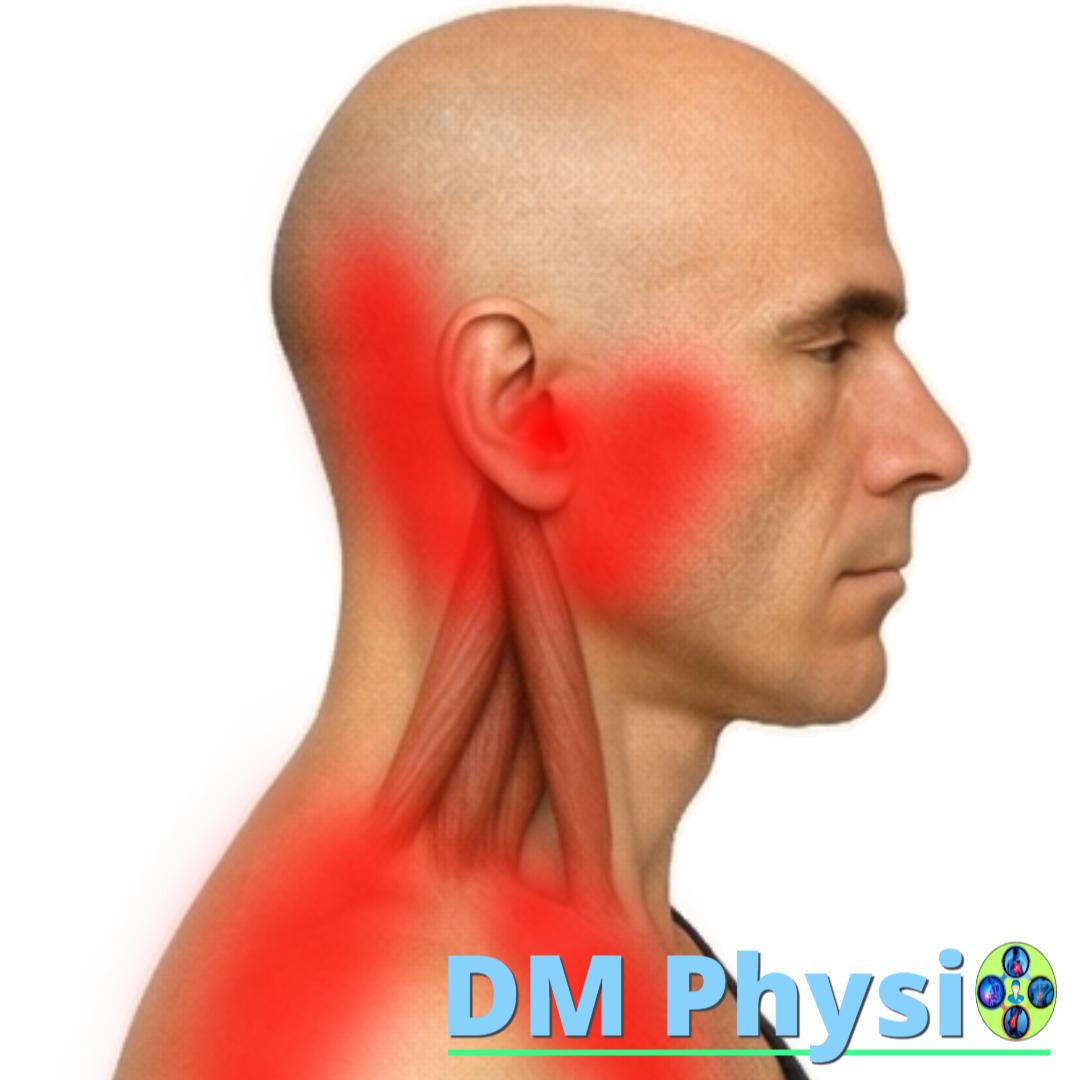
Anatomy and grip
A group of three muscles (anterior, middle, and posterior) located on the sides of the neck. They start from cervical vertebrae (C2-C7) and attach to first and second ribs.
Nature of symptoms
- Pain and numbness in arm and shoulder
- Sensation of suffocation or "lump in throat"
- Difficulty breathing
- Tension in chest area
- Pain spreading to back and shoulder blades
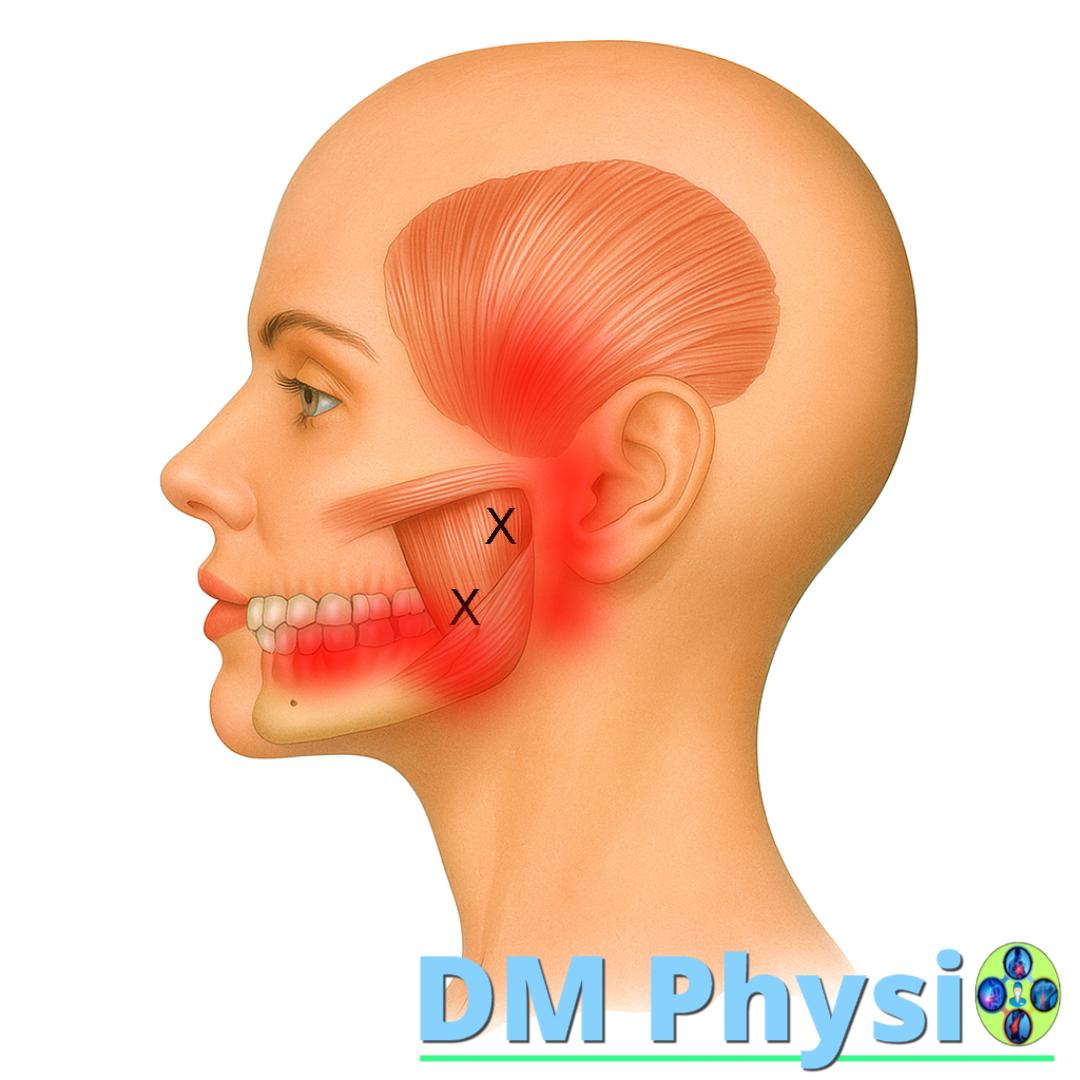
m. masseter
Anatomy and grip
This strong muscle starts from zygomatic arch and attaches to lower jaw (the mandible). It is the main muscle for chewing.
Nature of the pain
- Deep pain in the jaw, sometimes confused with toothache
- Pain spreading to ear or temple
- Limited mouth opening
- Pain when swallowing
(SCM)
m. sternocleidomastoideus
Anatomy and grip
Located laterally on the neck, this muscle has two heads that start from the clavicle and sternum (manubrium). Attaches to the mastoid process (behind the ear).
Nature of the pain
- Pain in temple and forehead
- Pain behind the eye or in the field of the ear
- Dizziness, nausea, impaired balance
- Pain in the back of the skull
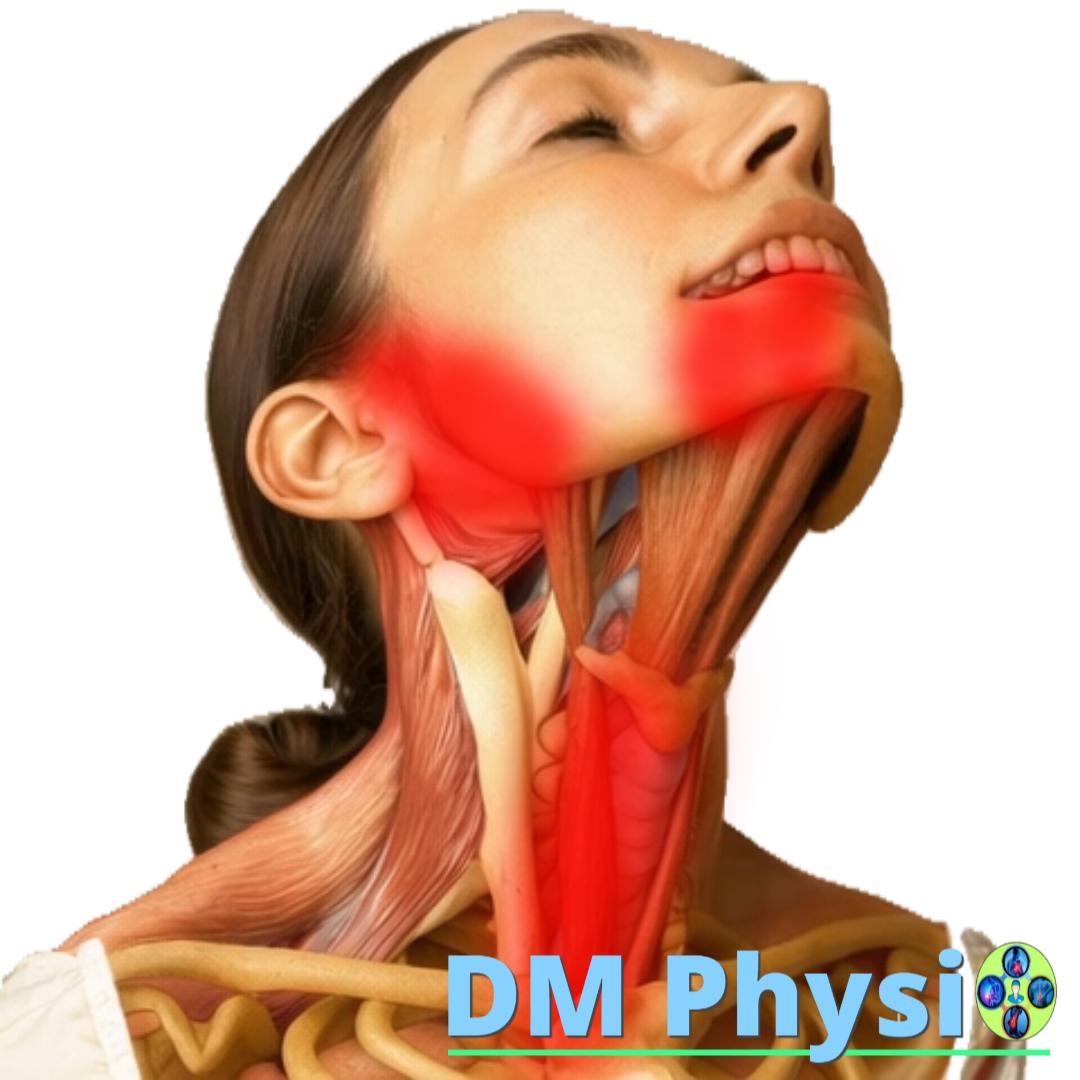
m. digastricus
Anatomy and grip
A muscle located under the jaw that attaches to lower jaw and the mastoid process.
Nature of symptoms
- Difficult swallowing
- Sore throat or under the jaw
- Lump in throat feeling
- Nausea and discomfort
- Pain in the front of the neck
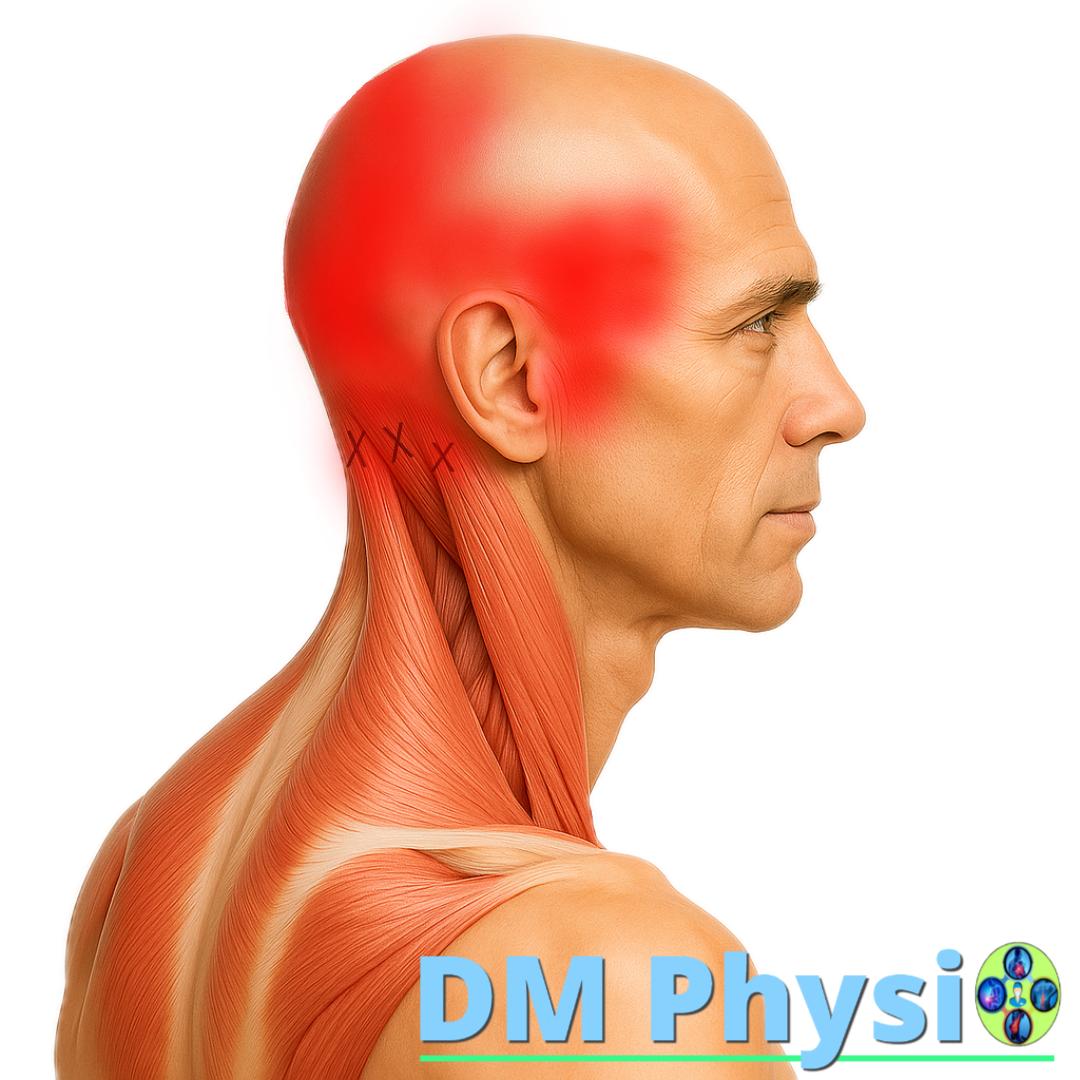
m suboccipitales
(mm. rectus capitis, mm. obliquus capitis )
Anatomy and grip
Small and deeply located muscles in the base of the skull, with captures by occipital bones and upper cervical vertebrae.
Nature of the pain
- "Stabbing" pain at the base of the skull
- Pain spreading along the scalp to the eyes
- Tension and stiffness in the neck
- Ribbon type headache or "helmet"
How does physical therapy help with muscle pain in the neck?
Our approach focuses on muscle relaxation, movement recovery and prevention.
1. Relaxing the muscle
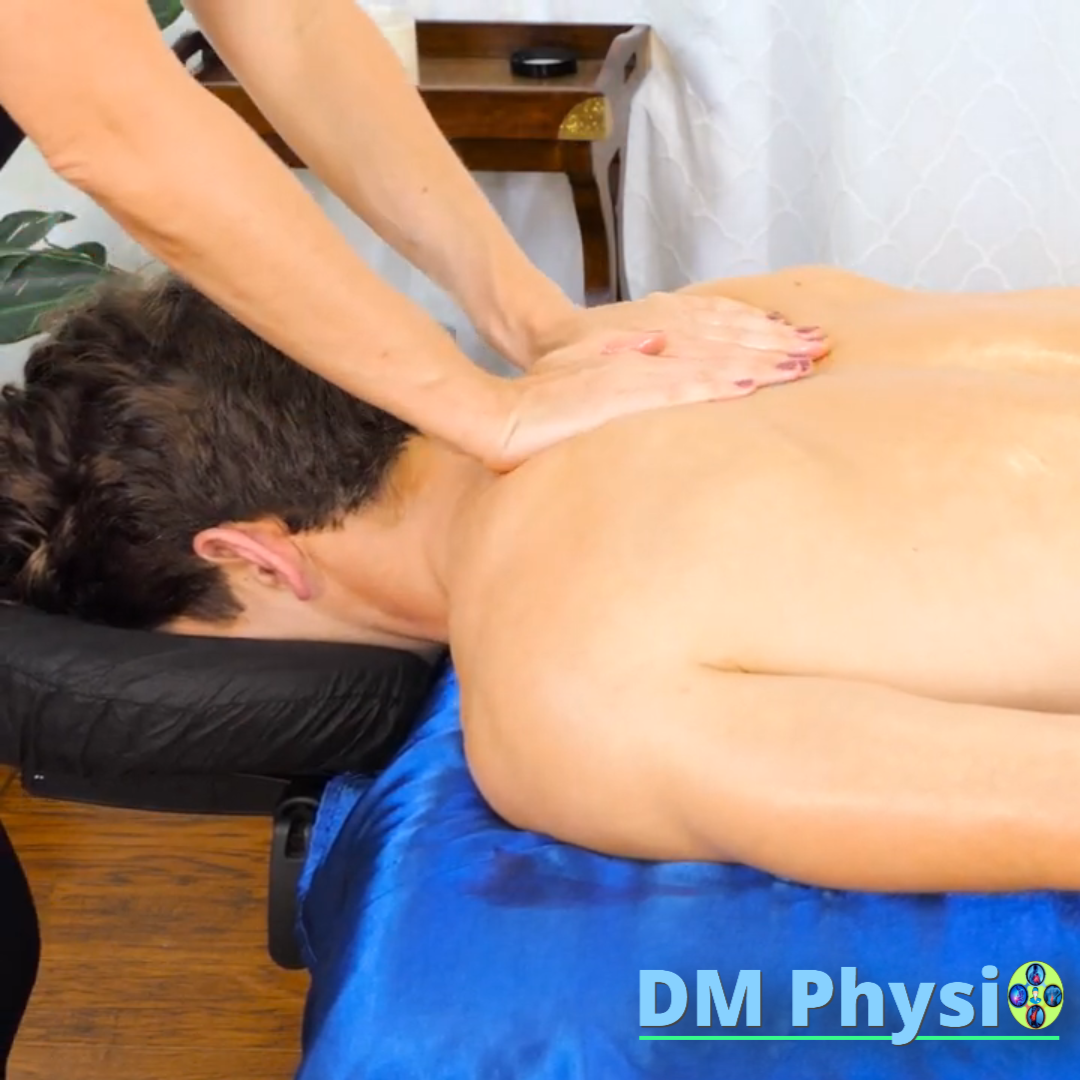
We use manual techniques and specialized massages to relax the spasmed muscles of the neck, resulting in immediate relief of pain and restoration of the normal position of the head.
2. Restoration of movement
After the muscles are relaxed, we apply specialized exercises to stretch and improve range of motion in the neck. This prevents the muscles from re-shortening and improves flexibility.
3. Strengthening and prevention
We introduce strengthening exercises for the neck and upper back muscles. We educate patients on correct postures and daily habits to prevent pain from recurring.