Neck bone spurs (cervical spondylosis)
Find out how muscle imbalances and limited movement lead to bone spurs and how to break the vicious cycle of pain.
What are neck bone spurs?
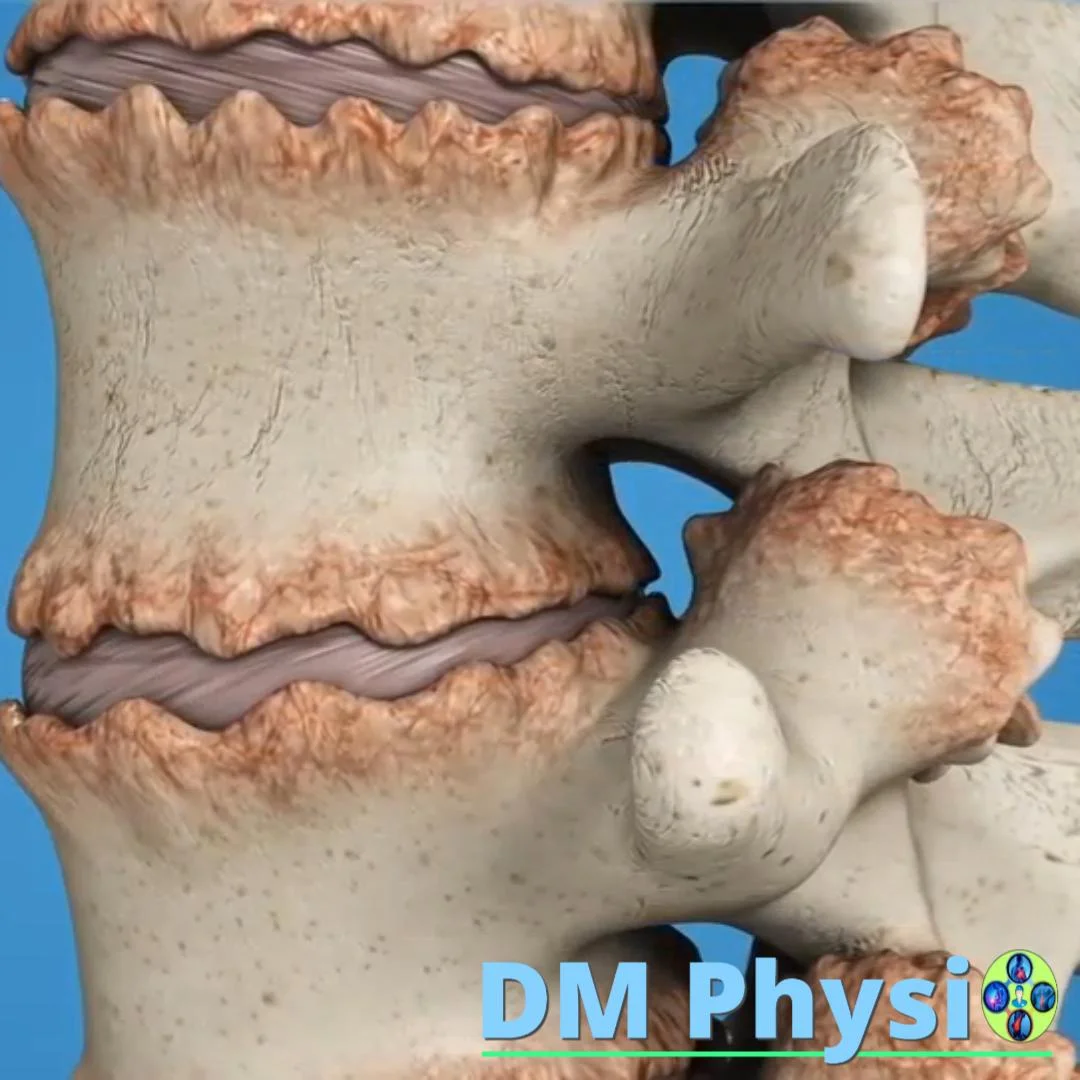
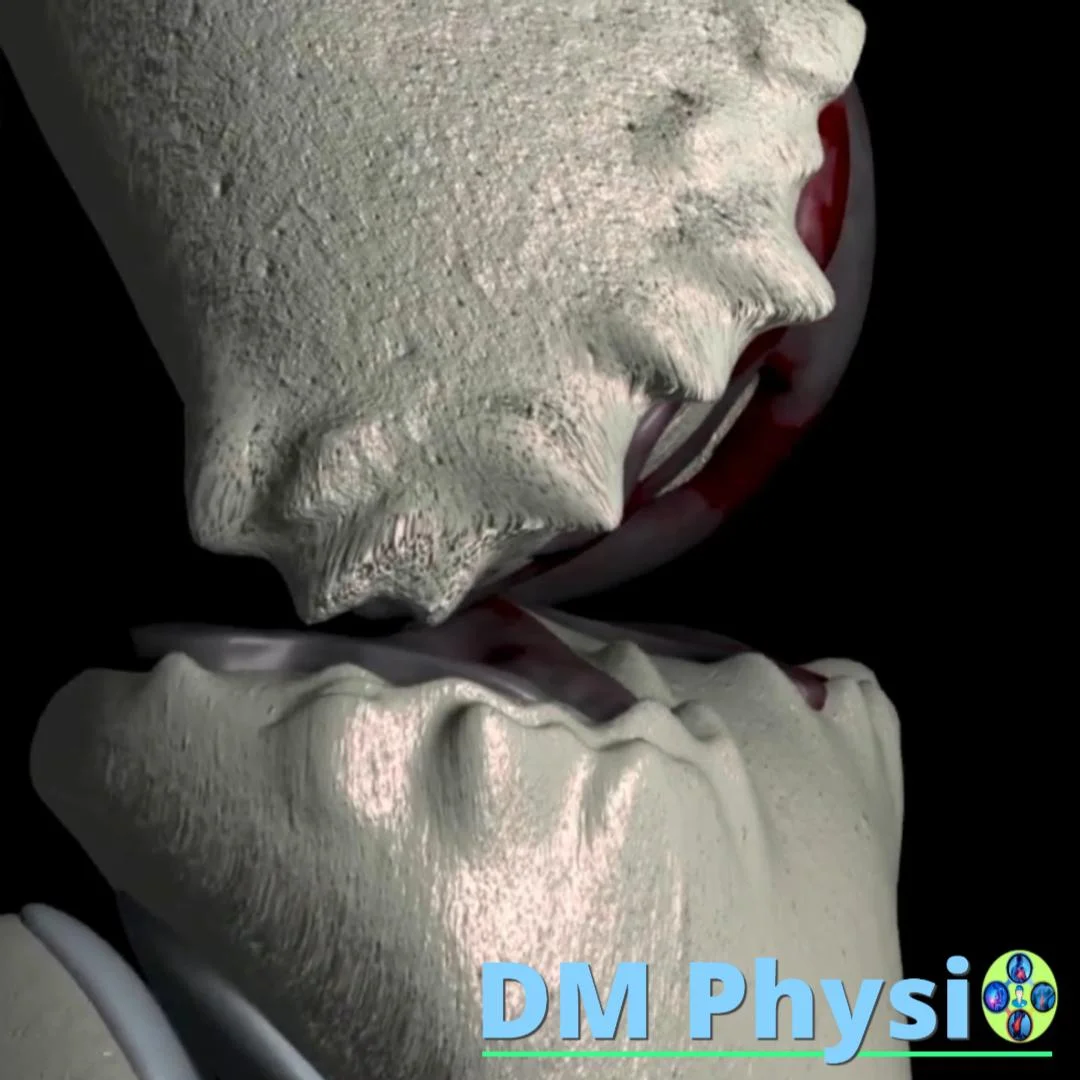
The neck bone spurs known as cervical spondylosis, are bone growths (osteophytes) that form along the edges of the vertebrae. They are the body's natural response to prolonged tension and instability in the area. The bone spurs themselves rarely cause pain, but they limit movement and can compress soft tissue or nerve roots, leading to inflammation and severe pain.
Bone spurs are the body's attempt to strengthen and stabilize overstressed areas of the spine by limiting movement there.
How do bone spurs form and why do they hurt?
The problem starts with a muscle imbalance and ends with chronic pain.
1. Muscle imbalance
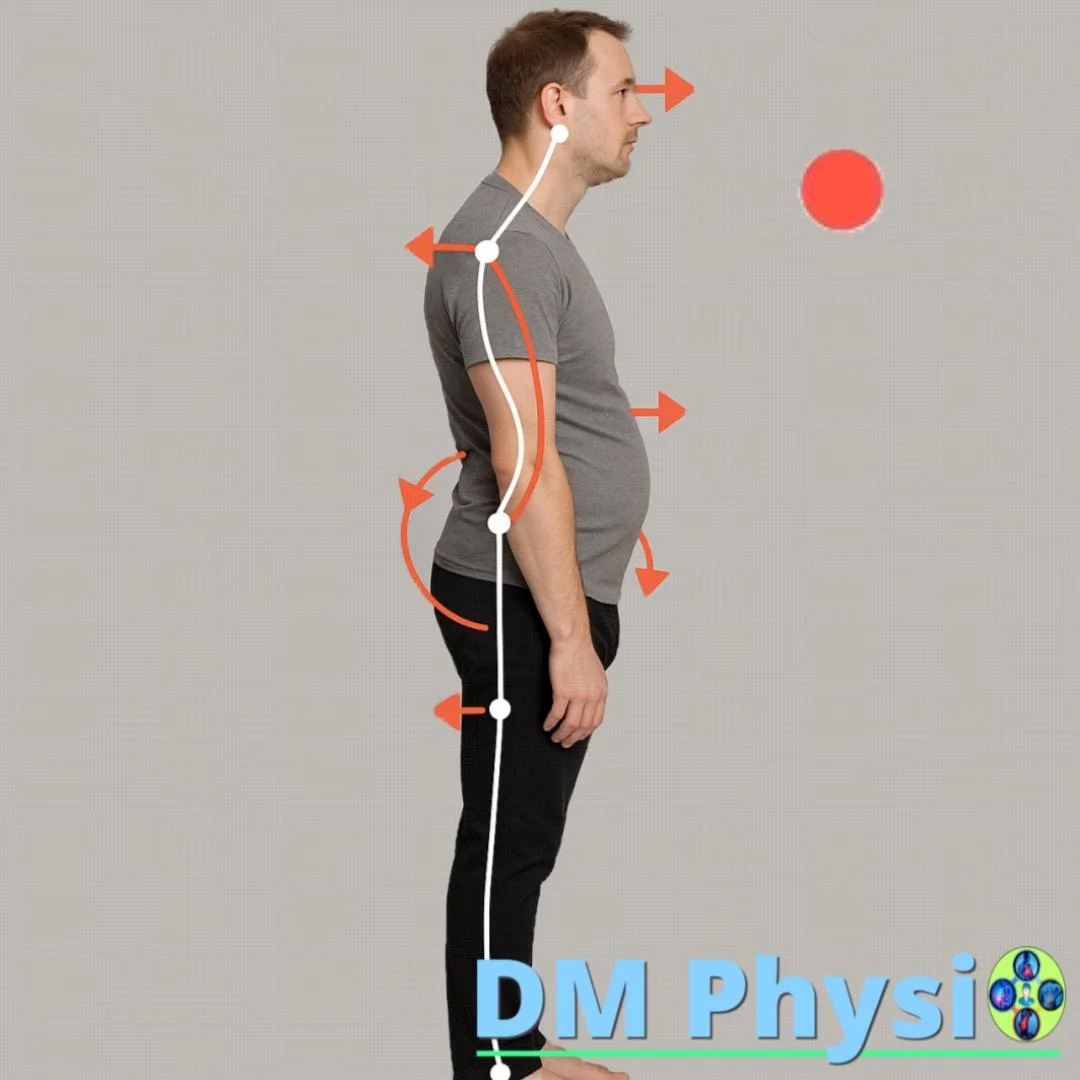
As a result of bad posture or poor movement habits, some muscles of the neck become stiff too tense and shortened, while others become underactive. This creates an uneven load on the vertebrae and joints, and the body tries to compensate.
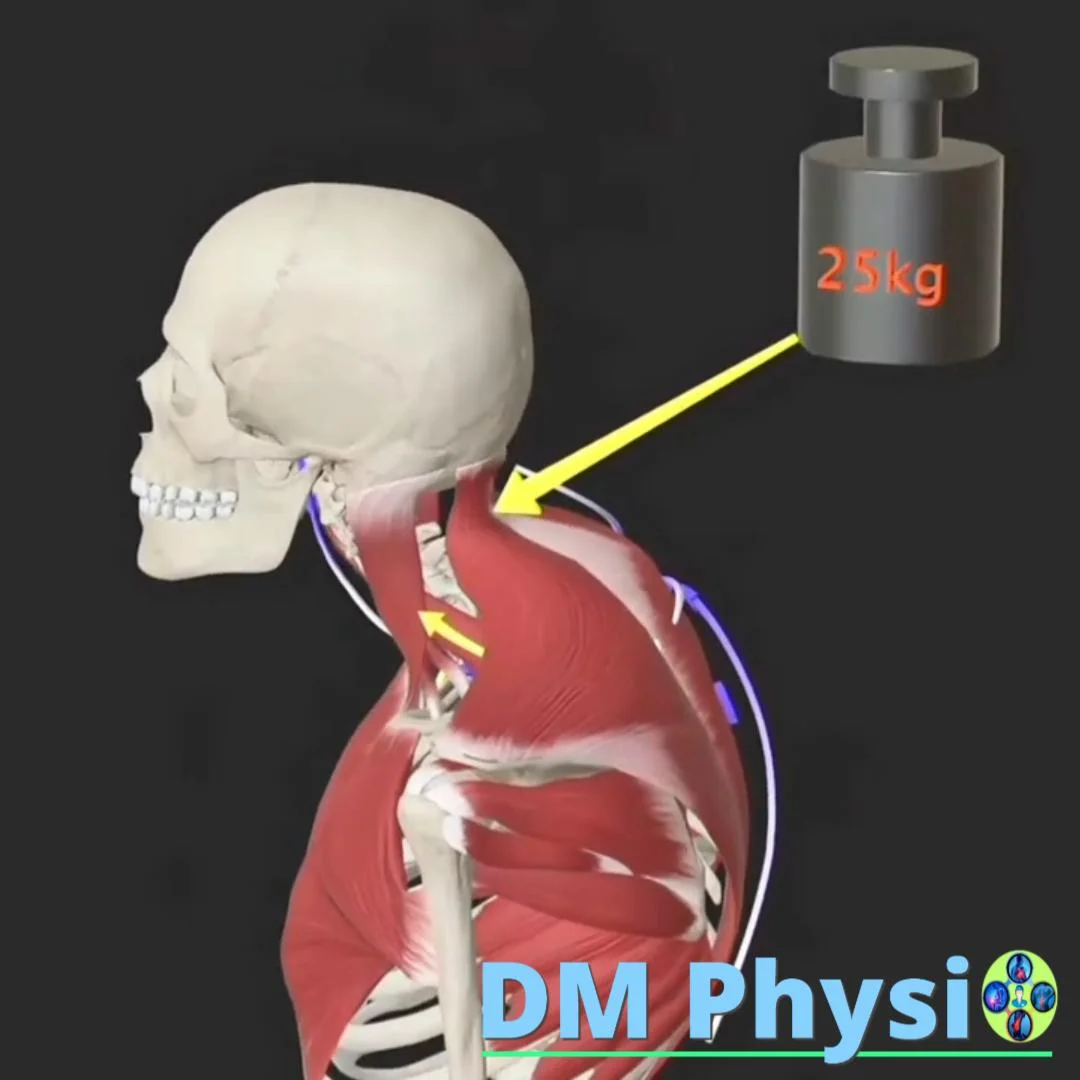
2. Formation of bone spurs
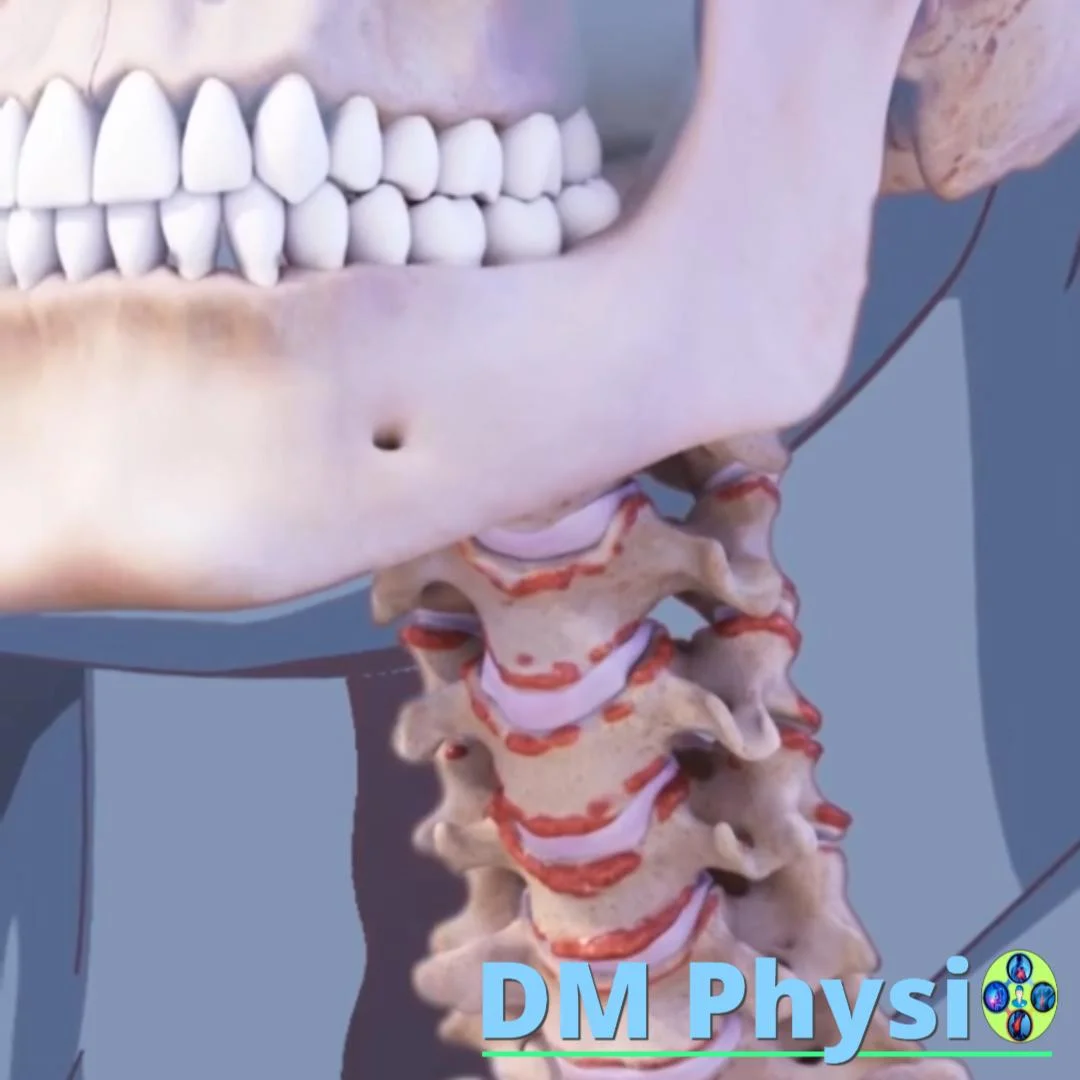
To stabilize unstable areas and protect the spine, the body begins to deposit calcium, forming bone spurs. They restrict movement, which further interferes with blood circulation and metabolism in muscles and tissues.
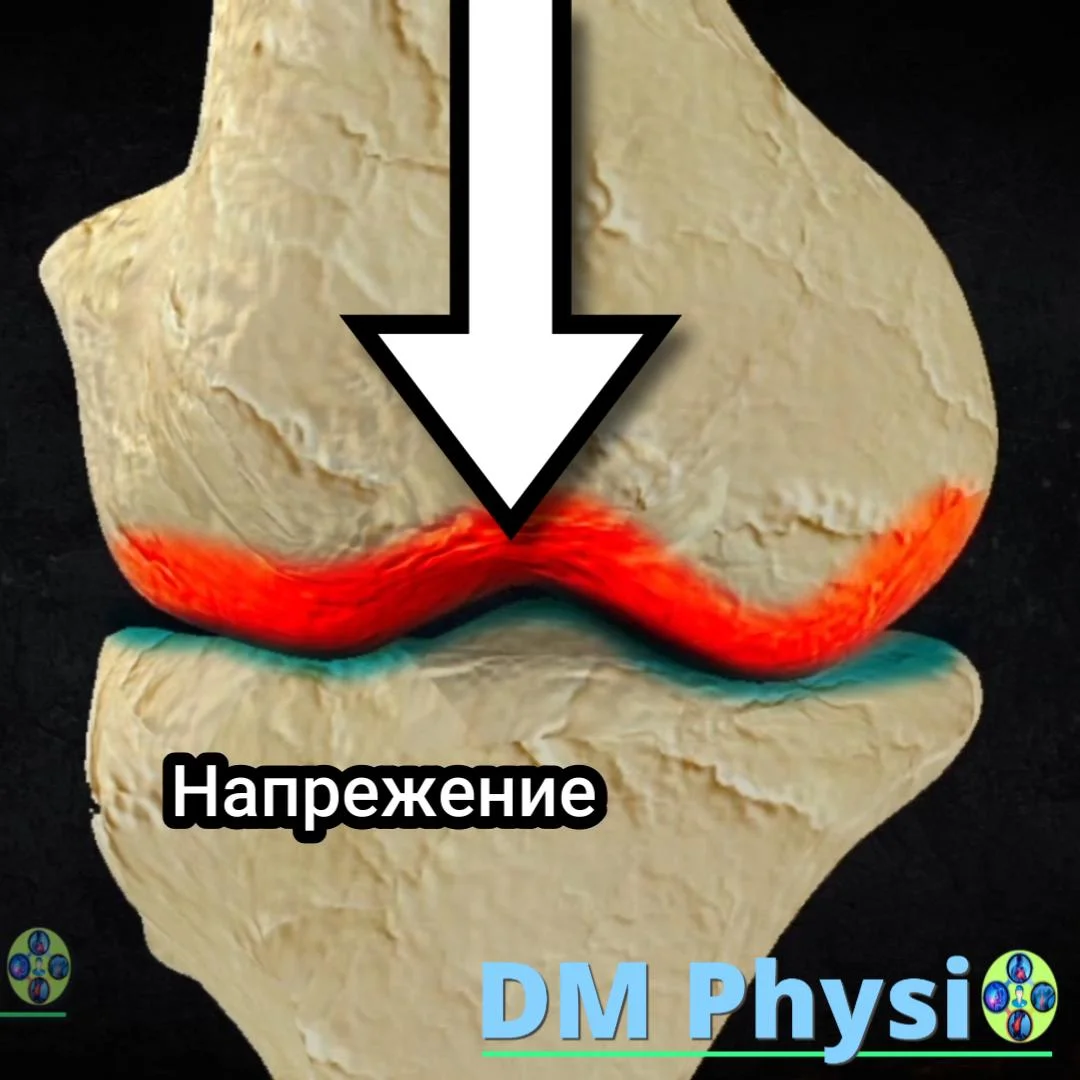
3. Vicious circle of pain
Limited movement does not allow the muscles to "pump" and receive enough blood and nutrients. This leads to inflammation, pain and cramping, which in turn cause the body to continue to "strengthen" the neck with more bone spurs. This creates a vicious cycle that leads to progressive stiffness and reduced mobility.
How does physical therapy help with bone spurs?
Our approach is aimed at reducing tension and restoring normal movement.
1. Reduction of muscle tension
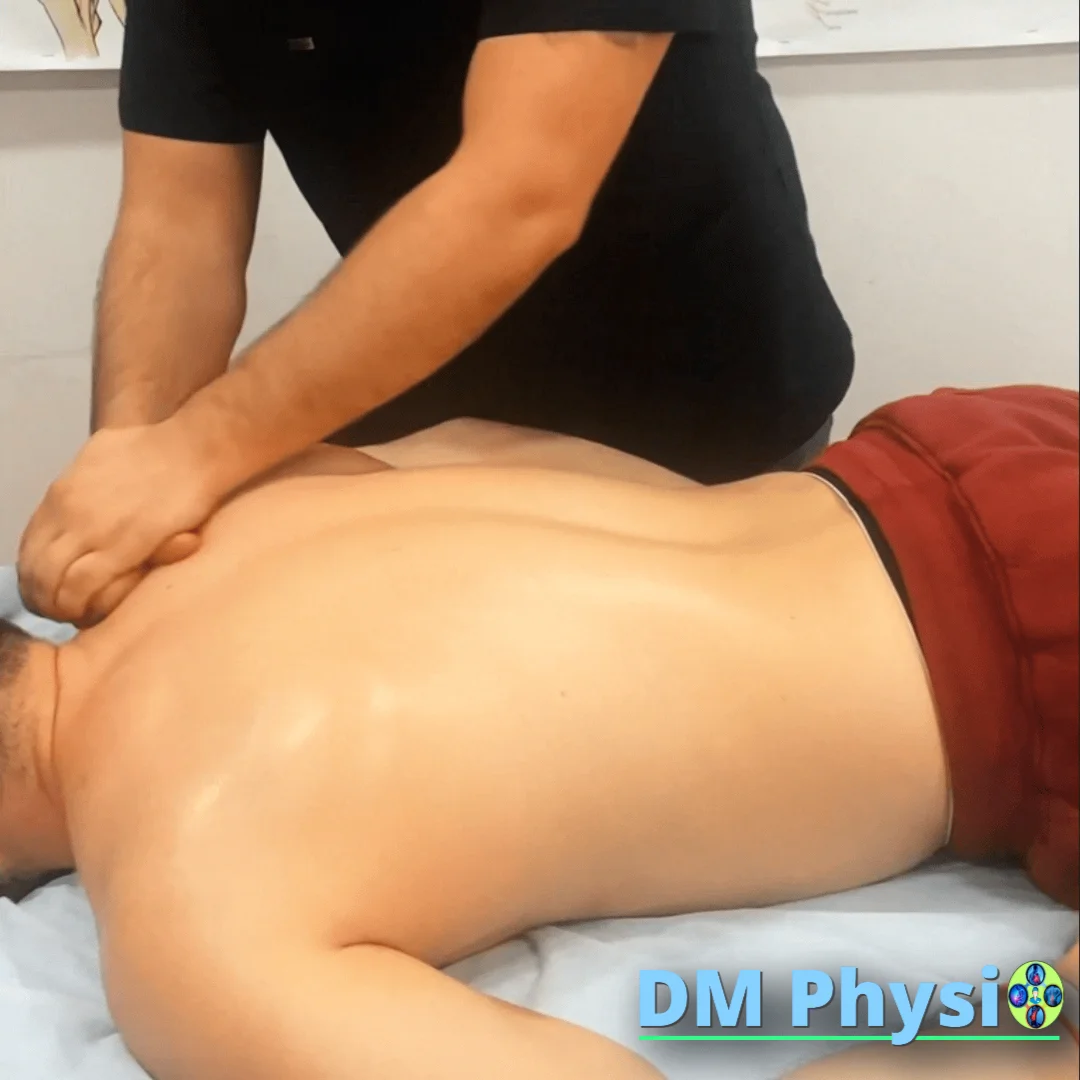
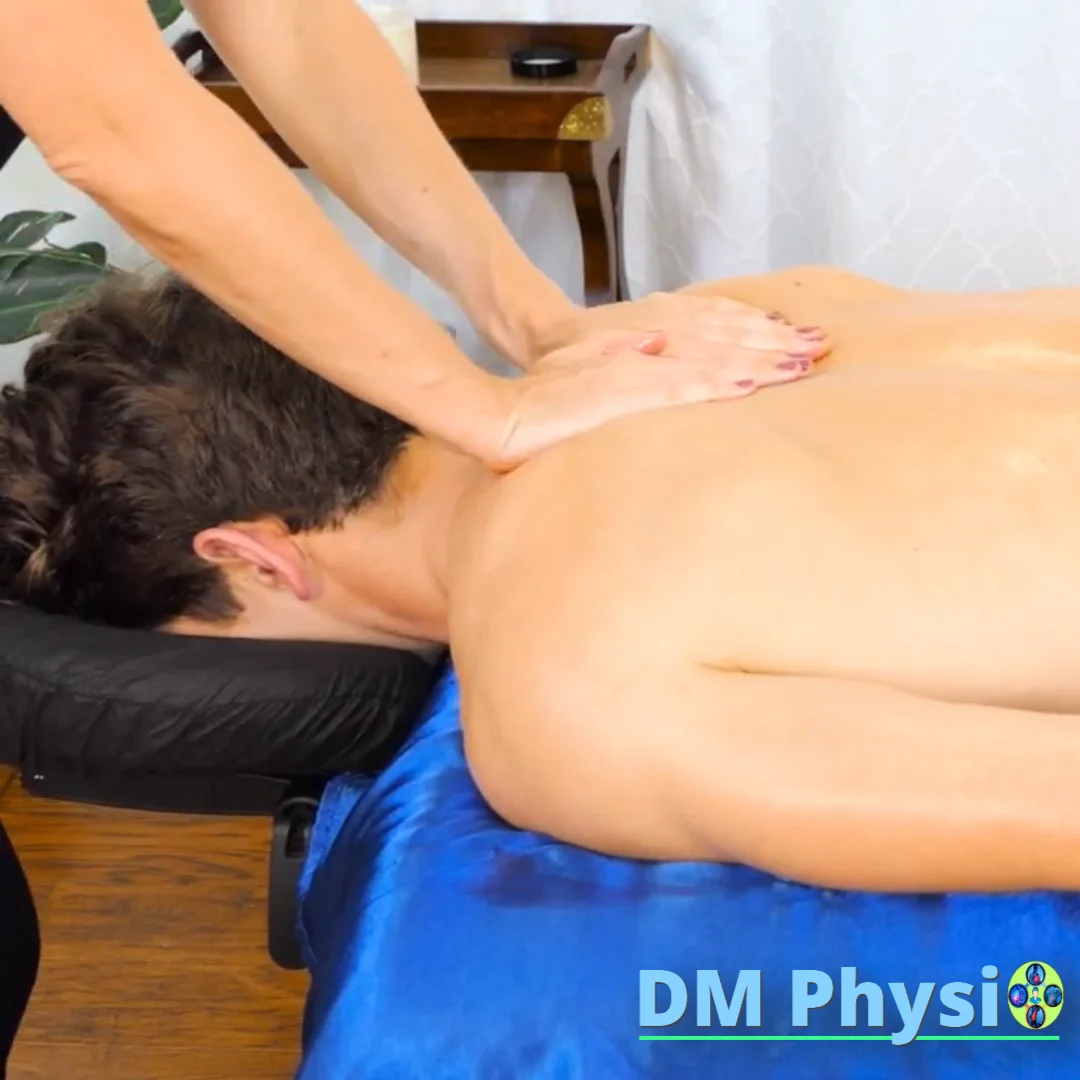
Through manual techniques and specialized exercises we release the muscles around the affected area. This can reduce pressure around the joints and help ease symptoms linked with bone spurs.
2. Restoring mobility
When bone spurs restrict movement, we work to improving flexibility and stability. This helps the joints move more freely and reduces compensatory loads.
3. Achieving long-term balance
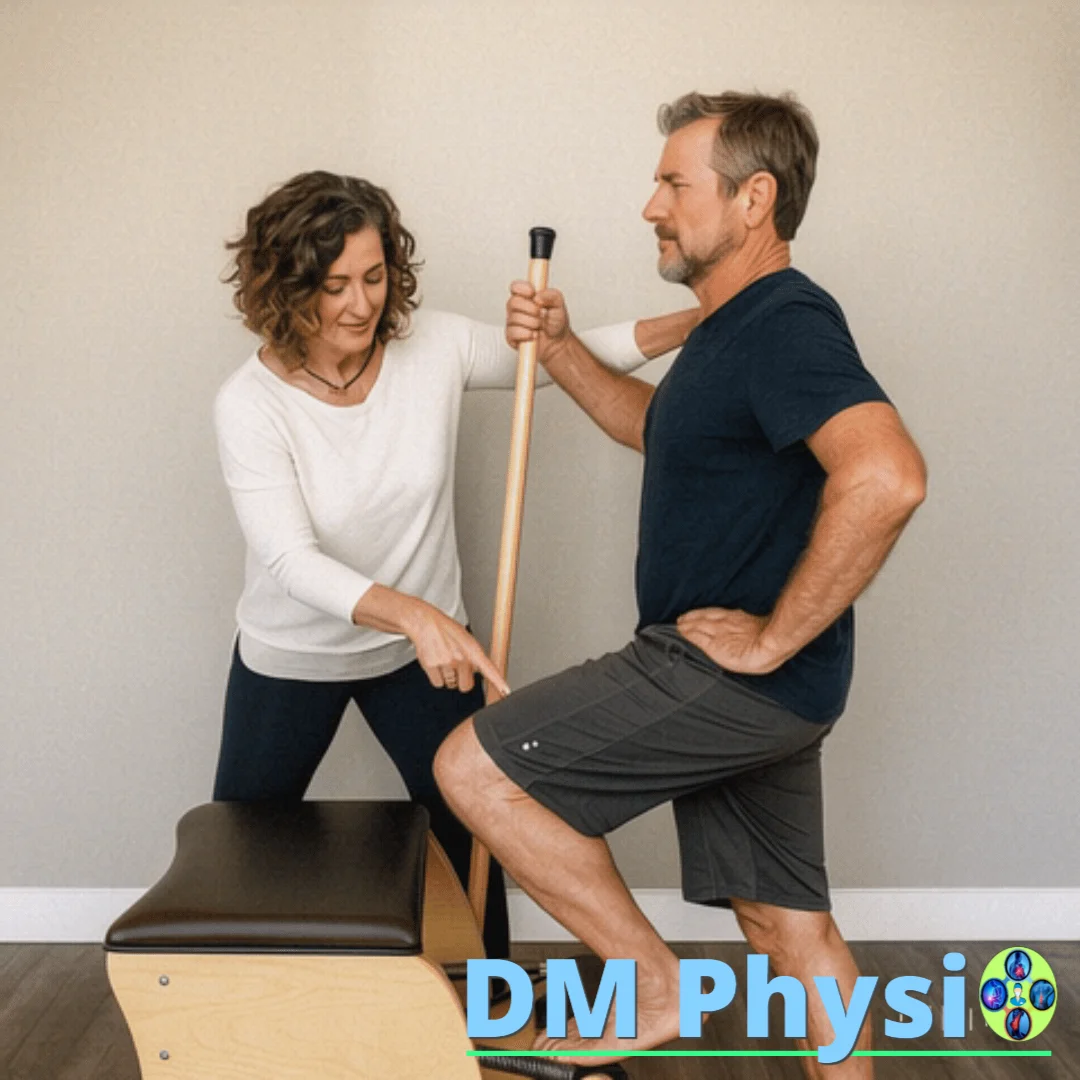
Through strengthening weak muscles and correcting the posture, an even distribution of the load is achieved. This prevents the bone spurs from progressing and reduces the risk of future inflammation.